US and World Bank host talks on long-running Egypt-Ethiopia-Sudan water dispute
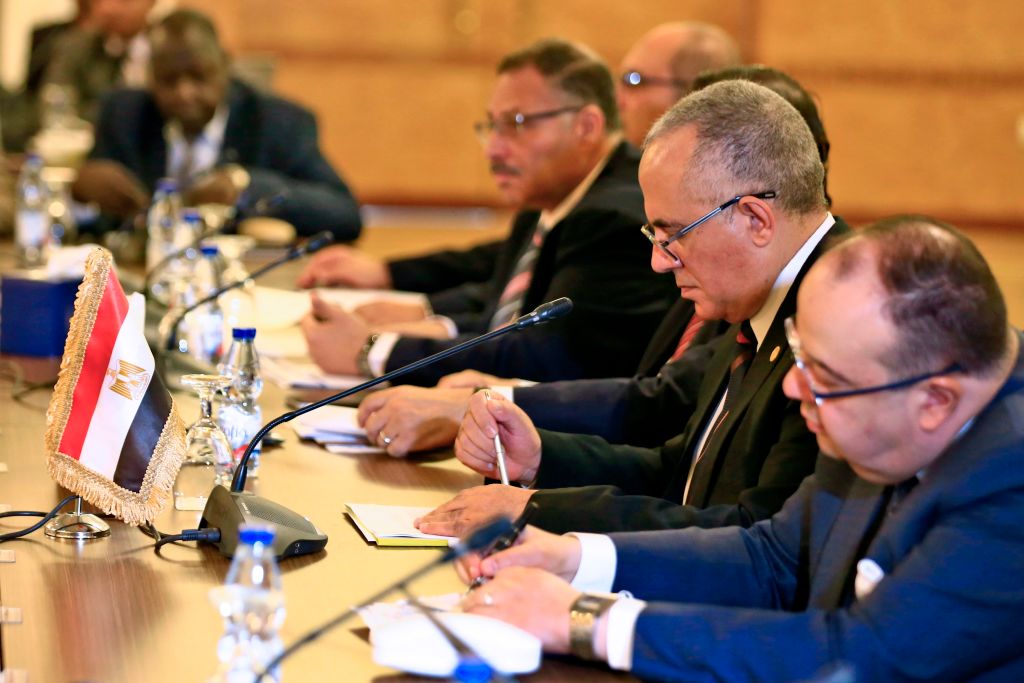
The U.S. and World Bank sponsored talks last week between Egypt, Ethiopia, and Sudan, over the Great Ethiopian Renaissance Dam – the latest developments in a regional soap opera that’s been running since 2010, when Ethiopia first announced the construction of the dam.
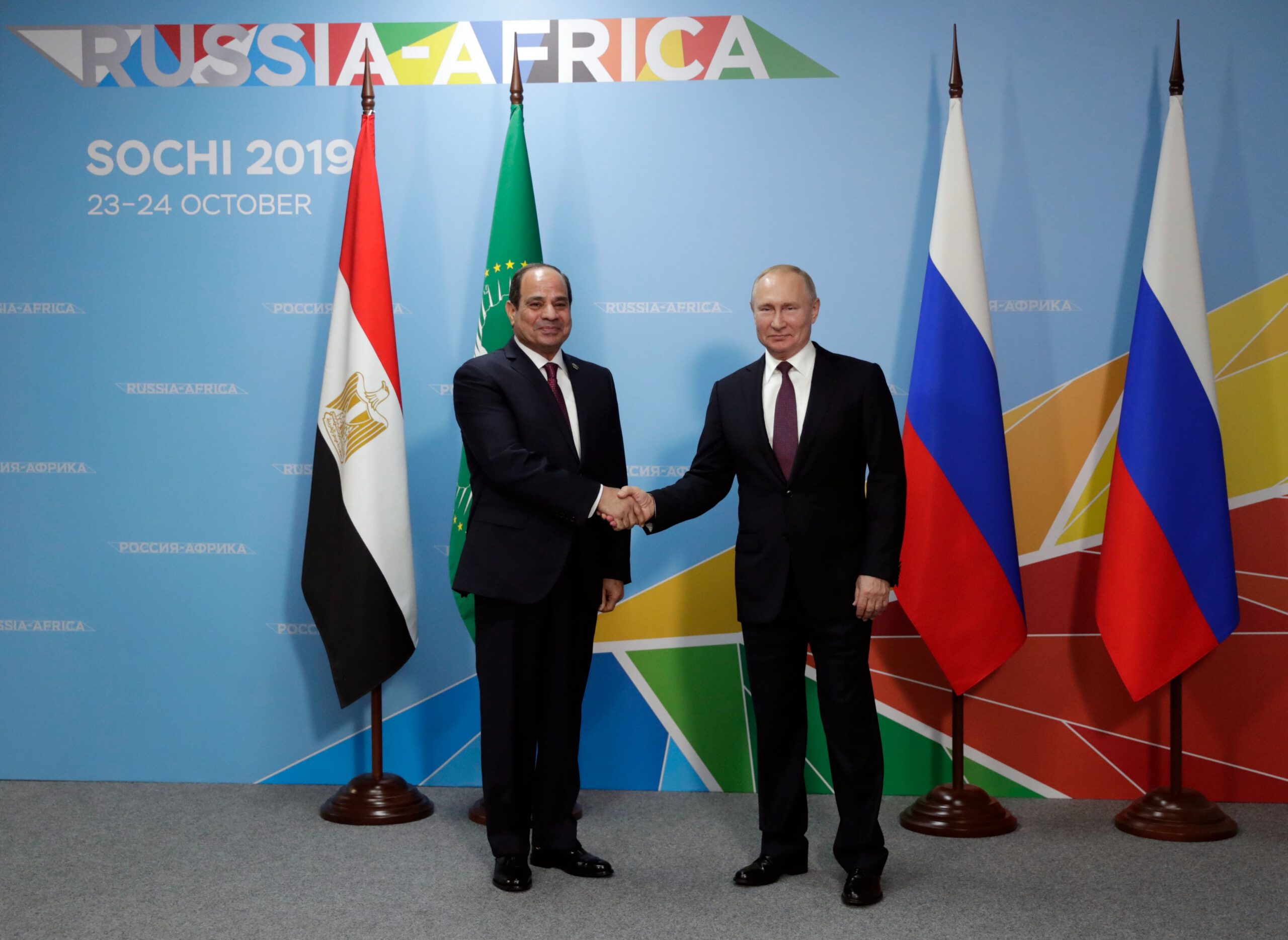
On Oct. 23-24, Russian President Vladimir Putin co-chaired the Russia-Africa Economic Forum in Sochi with his Egyptian counterpart Abdel-Fattah el-Sisi. At the conclusion of the summit, which brought 43 African heads of state to the Black Sea resort town, Sisi emphasized the importance of strengthening Egypt’s partnership with Russia, and Putin described Egypt as a “pillar for security and stability in the Middle East and Africa.”
Water dispute with Ethiopia is an existential issue for Egypt
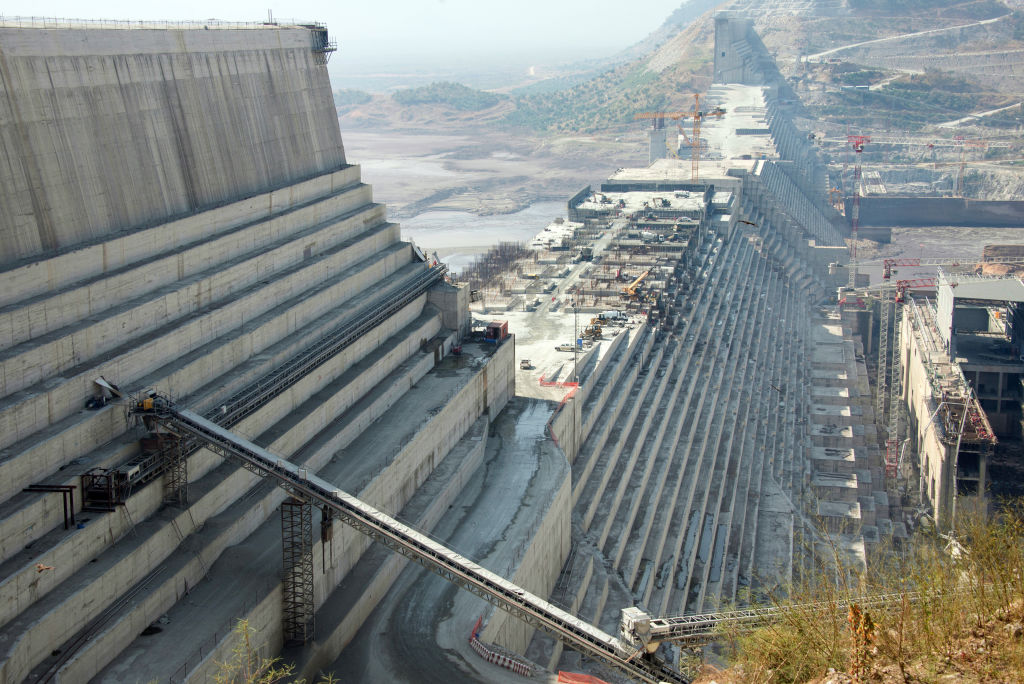
Egypt and Ethiopia remain at odds over the Great Ethiopian Renaissance Dam. Currently almost 70 percent complete, the giant upstream dam, which can hold the entire annual rainfall of the Nile, has the capacity to essentially turn the taps off on Egypt, depriving the country of the river water that supplies a mind-numbing 90 percent of its fresh water.
Disrupting a delicate status quo: The Hamas crackdown on Salafi-jihadists
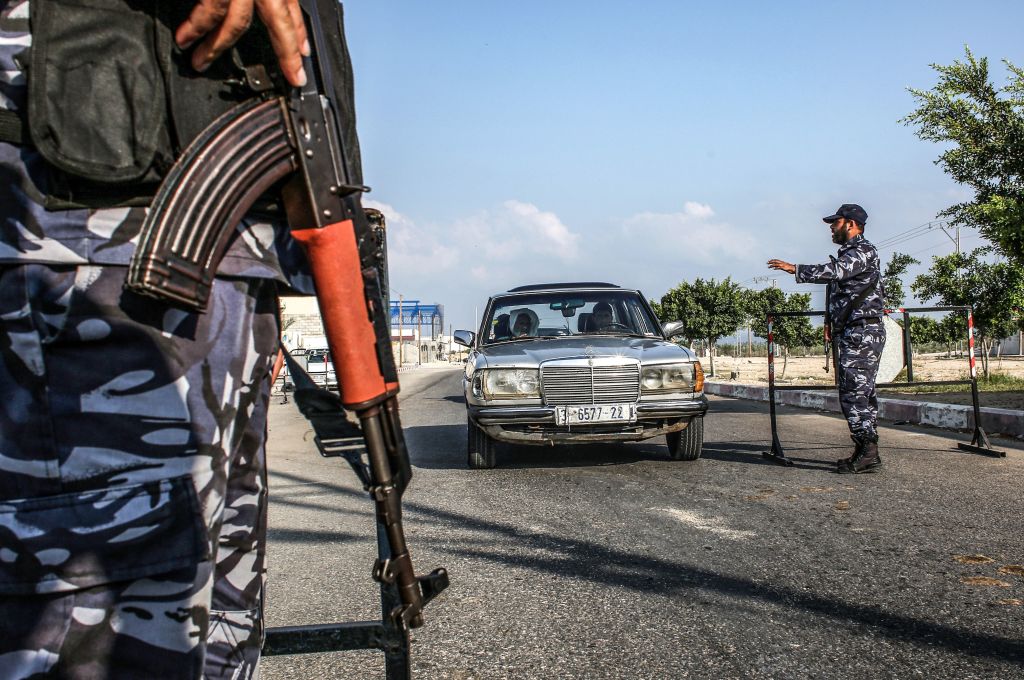
Reports of a secret war being waged by Hamas against Salafi-jihadist groups in the Gaza Strip are indicative of increasing challenges to the former’s security control within the enclave. Hamas’ current approach to violent Salafist cells in Gaza is equally demonstrative of an ongoing warming of relations between Cairo and Hamas, and one that has afforded Hamas international legitimacy and an ease in border restrictions.
Nate Rosenblatt, a fellow with New America’s International Security program, and Aaron Y. Zelin, the Richard Borow Fellow at the Washington Institute for Near East Policy, join host Alistair Taylor to discuss Tunisia’s struggles with extremism and the factors that led it to become a major source of recruits for ISIS.
Trade, Reform, and Revitalization: Toward a US-Egypt Free Trade Agreement
A question as to the value of a U.S.-Egypt Free Trade Agreement (FTA) misses the point. The question should not be whether an FTA would be in the interest of both parties since there is abundant evidence that it would. The question is what kind of FTA would best suit the needs, both short and long term, of the two parties: shallow integration or deep integration? This report argues that notwithstanding several hurdles, it is in the interest of both countries to move swiftly and decisively toward a deep FTA.
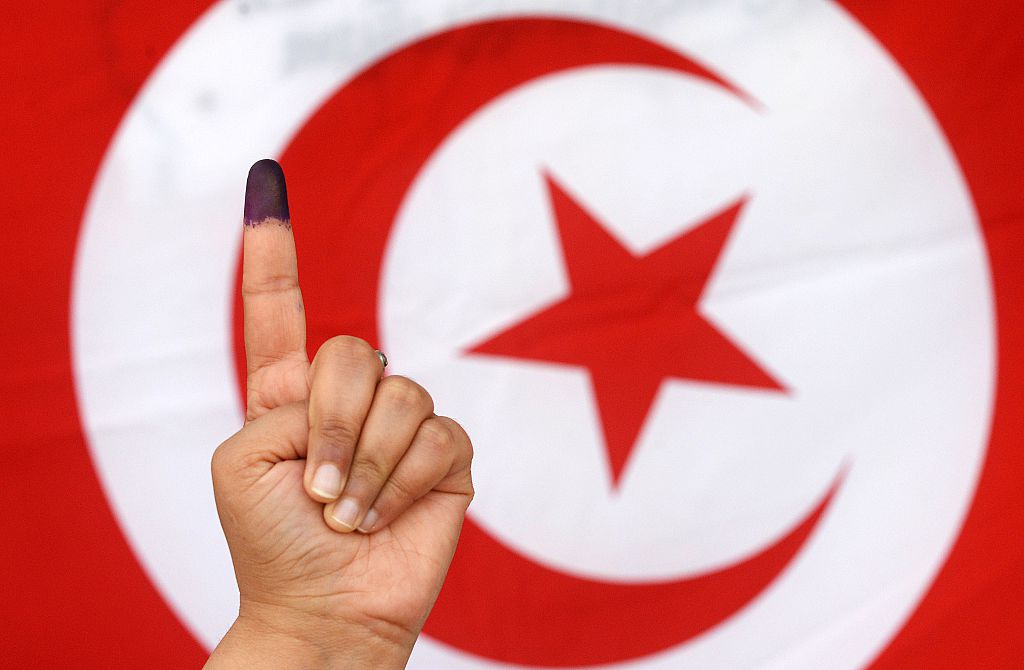
Tunisia heads to the polls for parliamentary elections
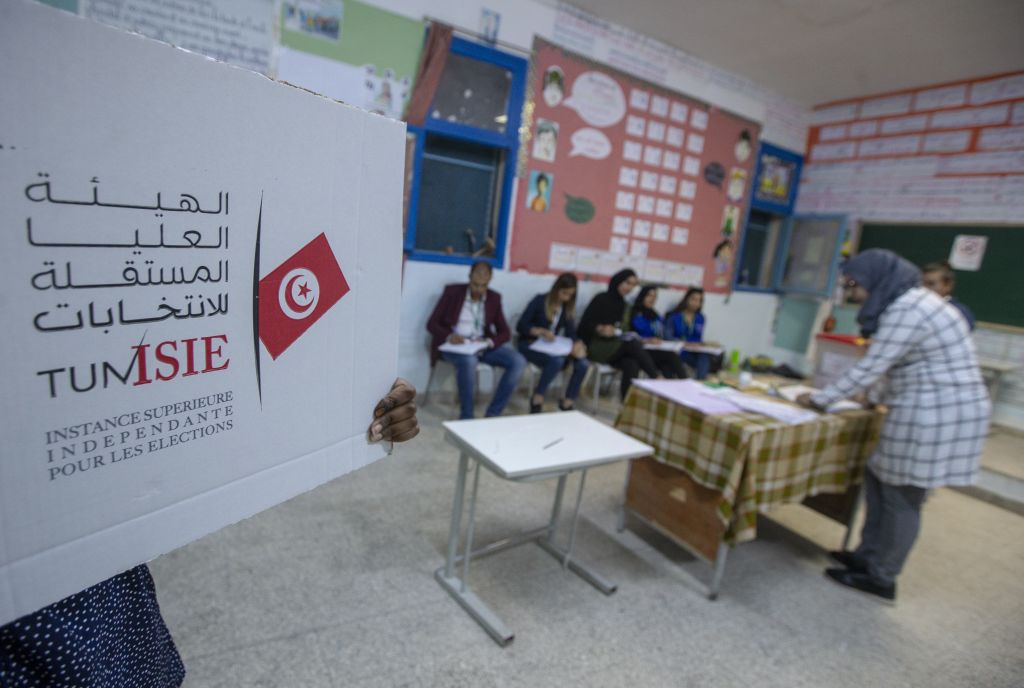
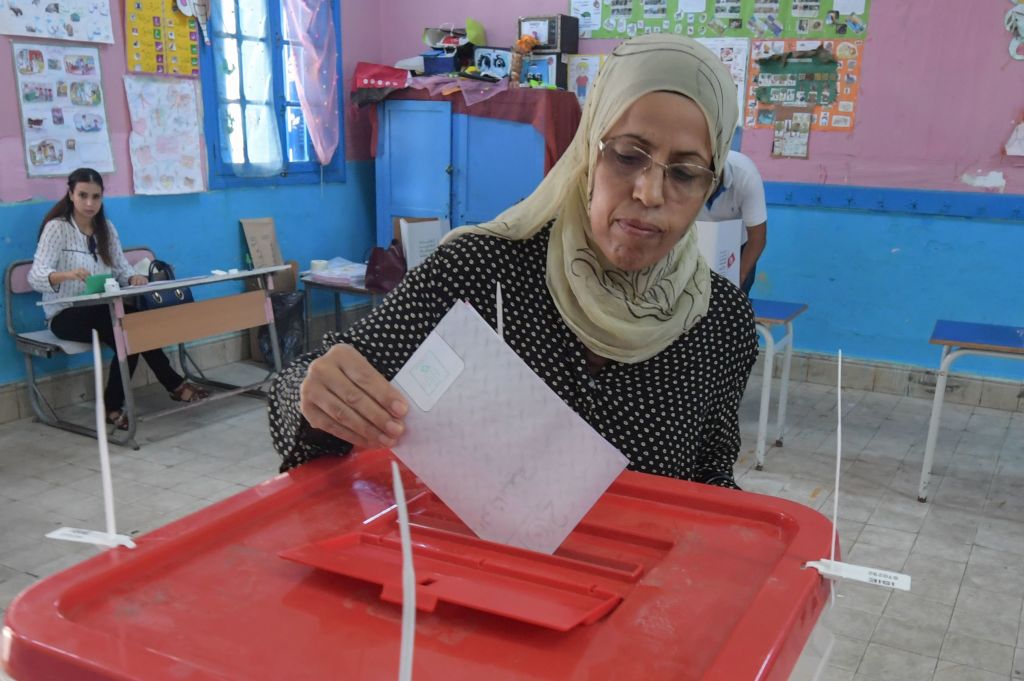
Tonight will be the first of three nights of televised debates among election lists for next Sunday’s parliamentary elections in Tunisia. The first round of presidential elections on Sept. 15 garnered greater international media attention, but the constitution gives the prime minister, who must gain backing from a parliamentary majority, control over domestic policies. Thus, the Oct. 6 election is crucial to Tunisia’s future.
Minor protests in Egypt attract more international than domestic attention
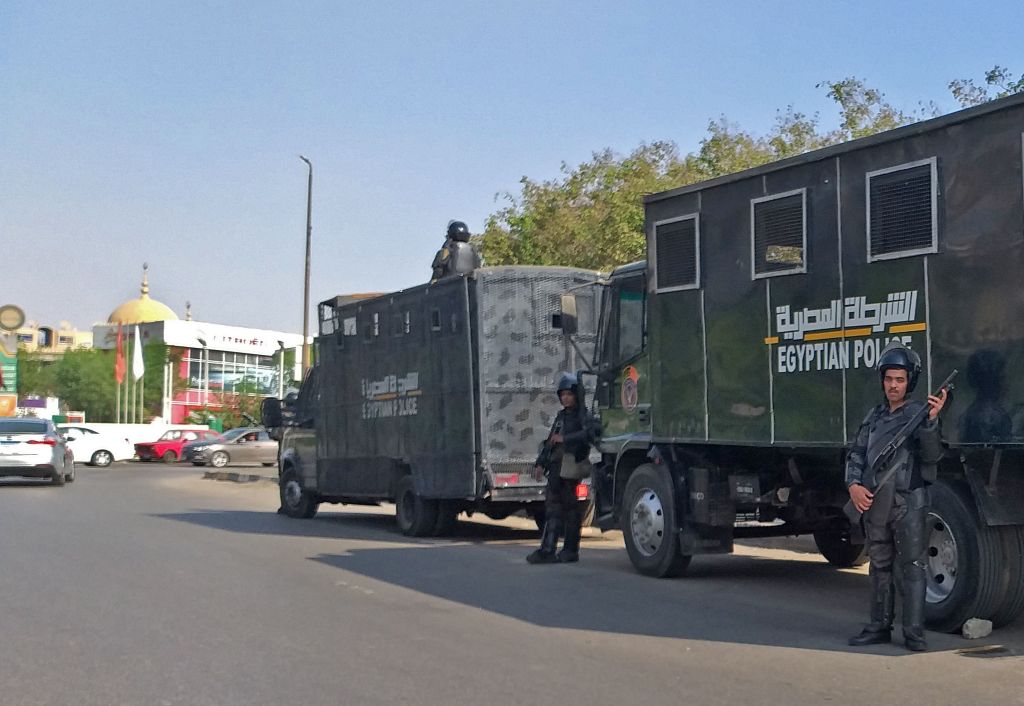
The weekend of the 23rd saw small demonstrations in approximately five governorates that had the twitterverse in an uproar and rekindled mostly moribund international interest in democracy in Egypt.
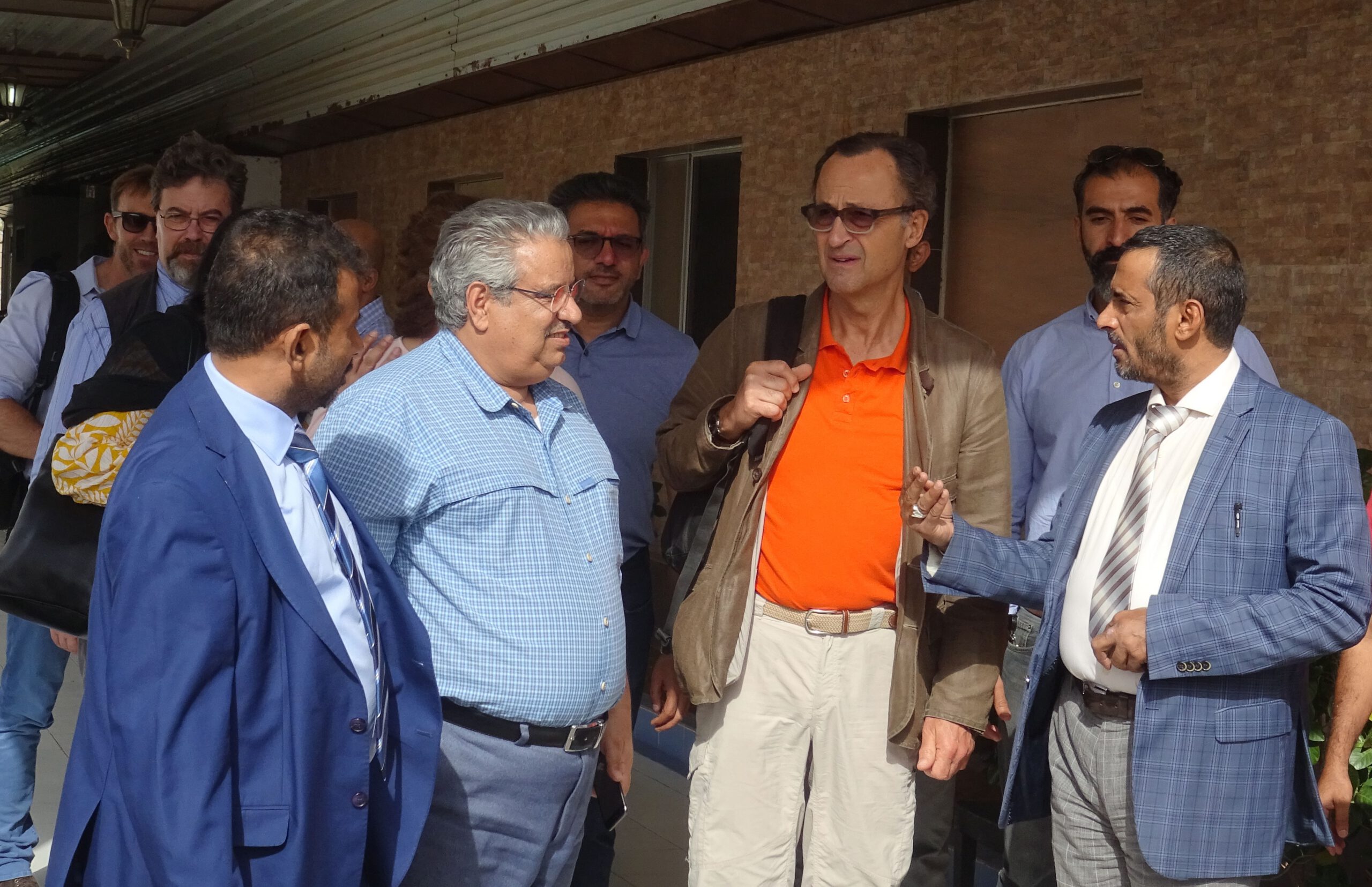
Yemen’s peace process: The Hodeida Agreement that never was?
In late July, Lt. Gen. Michael Anker Lollesgaard left Yemen after his six-month term as the second head of the UN Mission in support of the Hodeida Agreement (UNMHA) came to an end. Unlike his predecessor, Maj. Gen. Patrick Cammaert, who departed quietly, Lollesgaard was given a proper sendoff from Sana’a. A senior Houthi commander, Maj. Gen. Ali al-Musheki, even went so far as to describe Lollesgaard as “a conscientious military commander.”
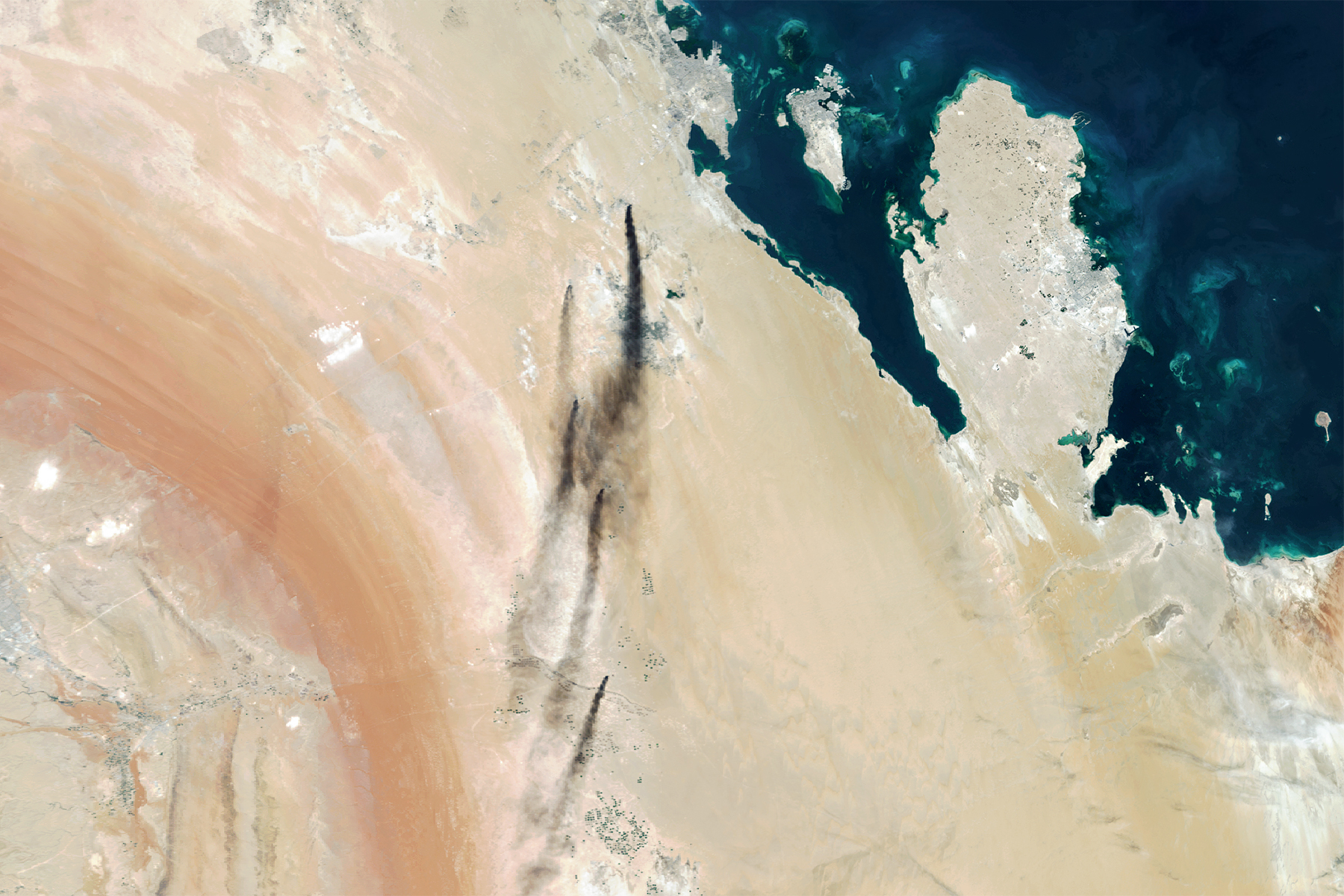
Monday Briefing: Attack on Saudi oil facilities has an impact far beyond the kingdom
This week’s briefing on recent news and upcoming events in the region featuring Ruba Husari, Paul Salem, Gerald Feierstein, Amal Kandeel, Grace Wermenbol, Robert S. Ford, Charles Lister, and Gonul Tol.
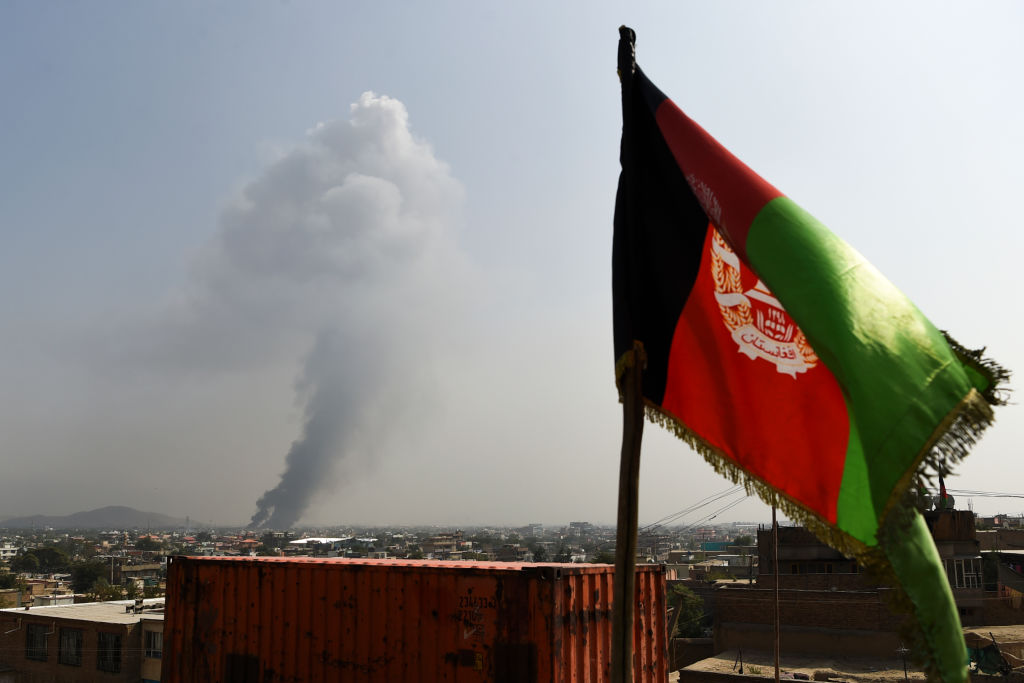
This week’s briefing on recent news and upcoming events in the region featuring Marvin G. Weinbaum, Robert S. Ford, Fatima Abo Alasrar, Jean-François Seznec, Michael Sexton and Eliza Campbell.
On September 15, Tunisia will hold a presidential election brought forward two months by the unexpected death of patriarchal President Beji Caid Essebsi. Much of the election analysis so far has been flawed, sometimes because of Western, Middle Eastern, ideological, or wishful analytical filters disconnected from Tunisian realities. Here are seven keys to understanding the elections that address core mischaracterizations and misperceptions.
Water scarcity is a global concern that disproportionately affects the Middle East. Mirette Mabrouk, director of MEI’s Egypt program, joins host Alistair Taylor to discuss steps Egypt has taken to manage its own water resources, and what more needs to be done to mitigate the impact of climate change.
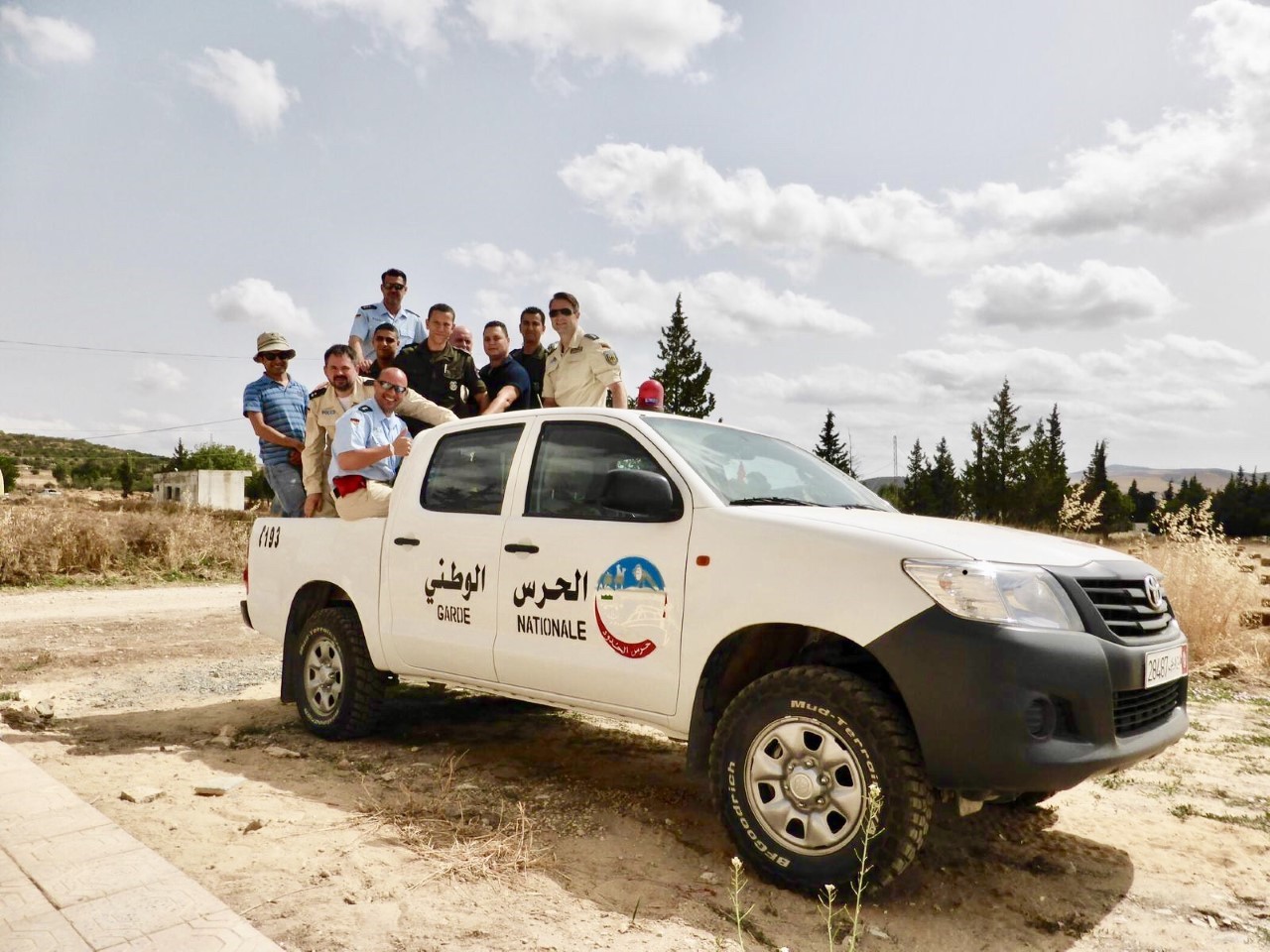
What is Germany Bringing to Tunisia’s Security Sector?
Tunisia is an important security partner for Germany, and a key part of the Federal Republic’s enhanced security involvement in the MENA region. Germany is due to release a new strategy for working on security sector assistance and reform abroad, which will give direction to work in Tunisia and elsewhere. Examining how Germany has performed according its own stated principles in Tunisia highlights policy points for this new strategy, covering greater commitment to governance, gendered security and transparency. With German security spending on the rise, there is a lot to play for.