How the War on Terror paved the way for online censorship of Palestinians
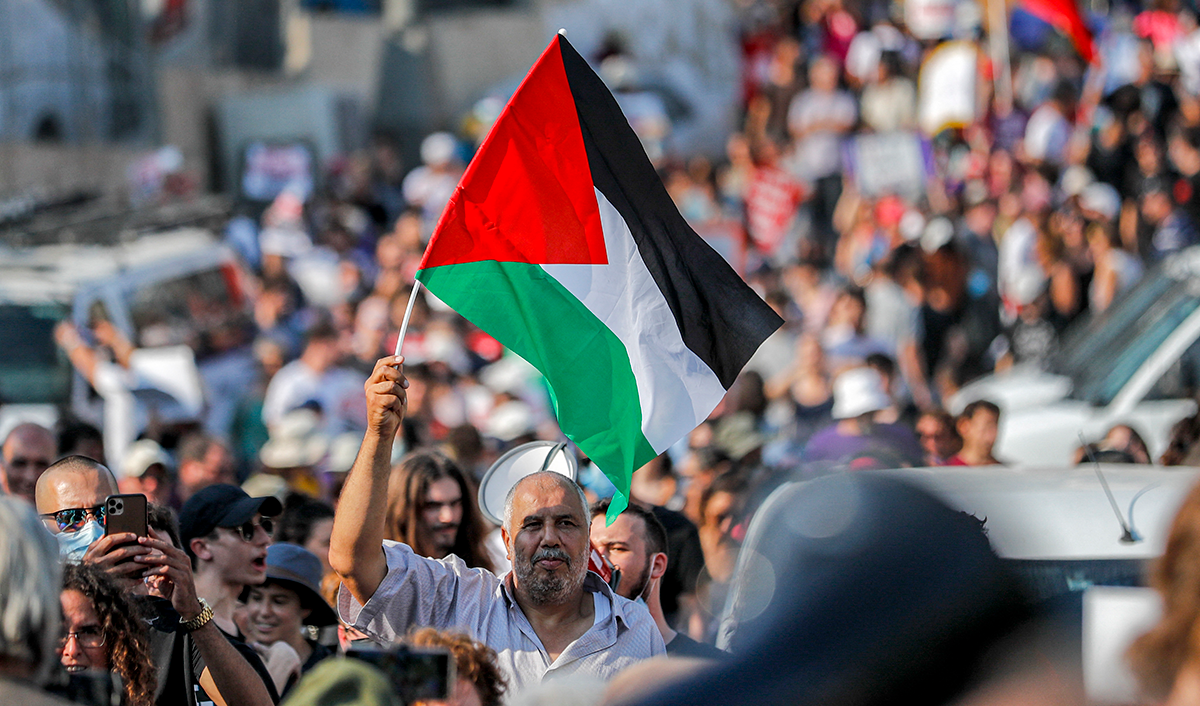
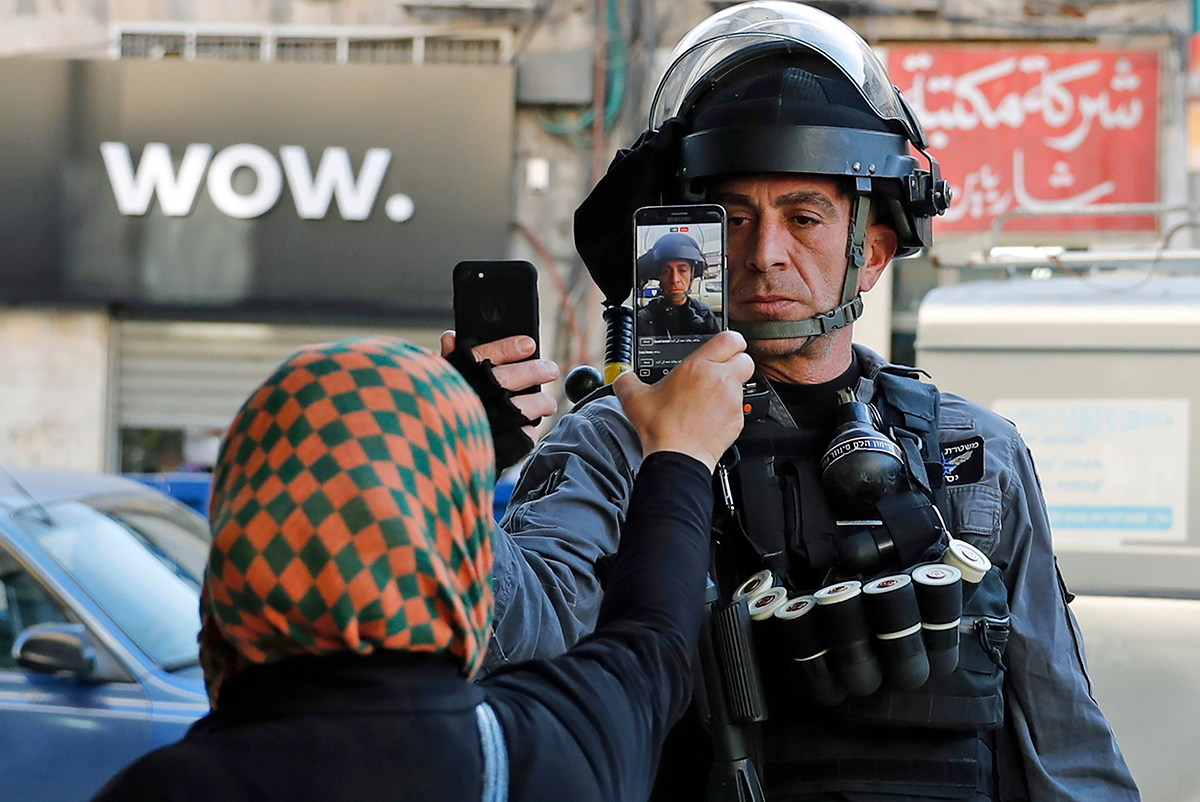
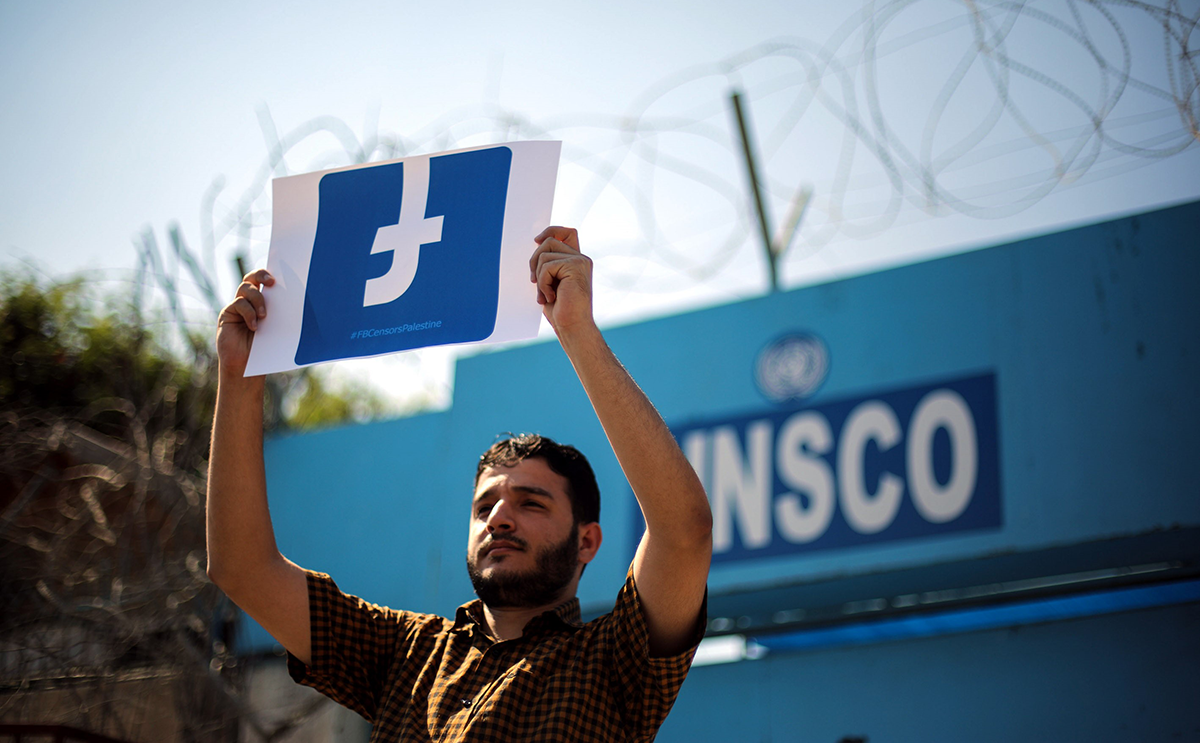
In May 2021, the world watched in horror, as Israeli police evicted the Palestinian residents of Jerusalem’s Sheikh Jarrah neighborhood against their fervid resistance. Meanwhile, another fight was raging: that of narrative power. As journalists, citizen activists, and human rights organizations attempted to document Israel’s brutal crackdown, many found their communications subject to overzealous content moderation. Key social media posts were removed from influential platforms, including Twitter, Facebook, and Instagram, precisely when those posts were most crucial.
Pro-Palestine solidarity in the UAE: A view from Emirati activists
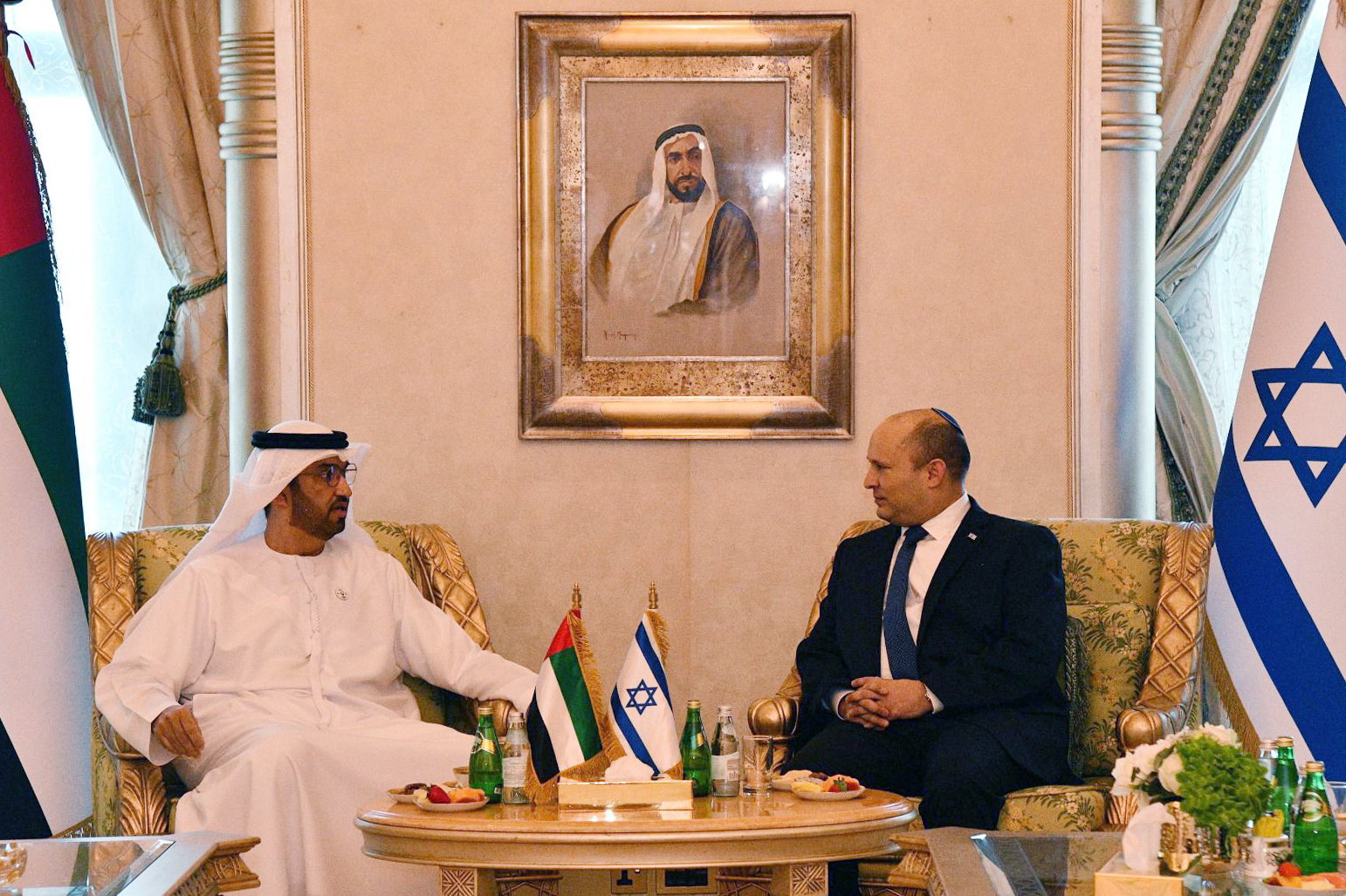
When the normalization agreement between the UAE and Israel was announced in August 2020, the response from the heavily policed and surveilled Emirati population was — understandably — muted. Social media accounts tied to government officials, or those thought to be close to the regime, were quickly vocal and aggressive online in support of the new policy, threatening retribution for anyone who might disagree. Opposition to the policy has come from within the Emirati exile community instead.
Federal court ruling demonstrates limits of anti-Palestinian “lawfare”
On Jan. 6, 2022, a U.S. district court judge dismissed a lawsuit against the Palestine Liberation Organization (PLO) and the Palestinian Authority (PA) brought by the family of Ari Fuld, a dual U.S.-Israel citizen murdered in 2018 by a Palestinian teenager outside of Bethlehem in the occupied West Bank. The ruling demonstrates the strictly political nature of the lawsuit, whereby powerful interests with deep pockets use litigation and lobbying to target the PA’s finances, including foreign aid, in order to hasten its collapse, as well as the limits of this type of “lawfare” against the PA.
Eliza Campbell and Emerson T. Brooking discuss the Israeli government’s suppression of Palestinian online speech and activism, the surprising role that American social media companies play in the process, and their recent article for Foreign Policy, “How to End Israel’s DIgital Occupation.”
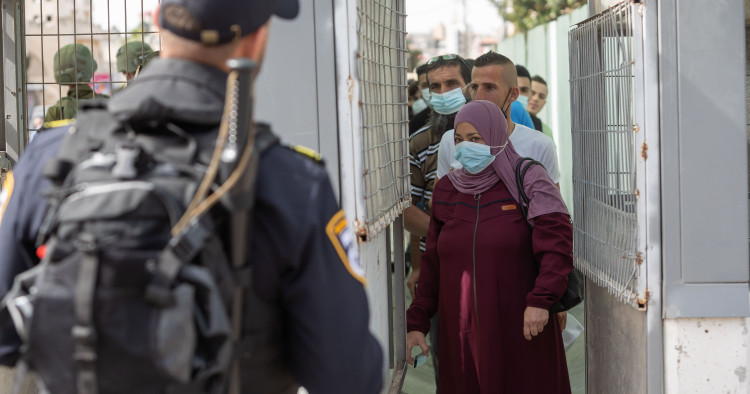
The 4.8 million residents of the occupied Palestinian territories live in two simultaneous and vastly different realities. In the physical world, Palestinians are captives, crammed into Gaza or West Bank enclaves and blockaded by Israeli military checkpoints. But on the internet, the checkpoints disappear.
الجدل المستمر (والمبالغ فيه إلى حد كبير) حول قرار أعضاء الكونغرس التقدميين بإعاقة إدراج مليار دولار في التمويل الإضافي لنظام الدفاع الصاروخي الإسرائيلي المسمى بالقبة الحديدية، إلى جانب الـ 3.8 مليار دولار من المساعدات العسكرية الأمريكية التي تتلقاها إسرائيل بالفعل، كشف عن تصدعات في داخل الحزب الديمقراطي وكذلك عن مدى إمكانية إجراء نقاش حقيقي حول القضايا المتعلقة بإسرائيل/فلسطين في واشنطن.
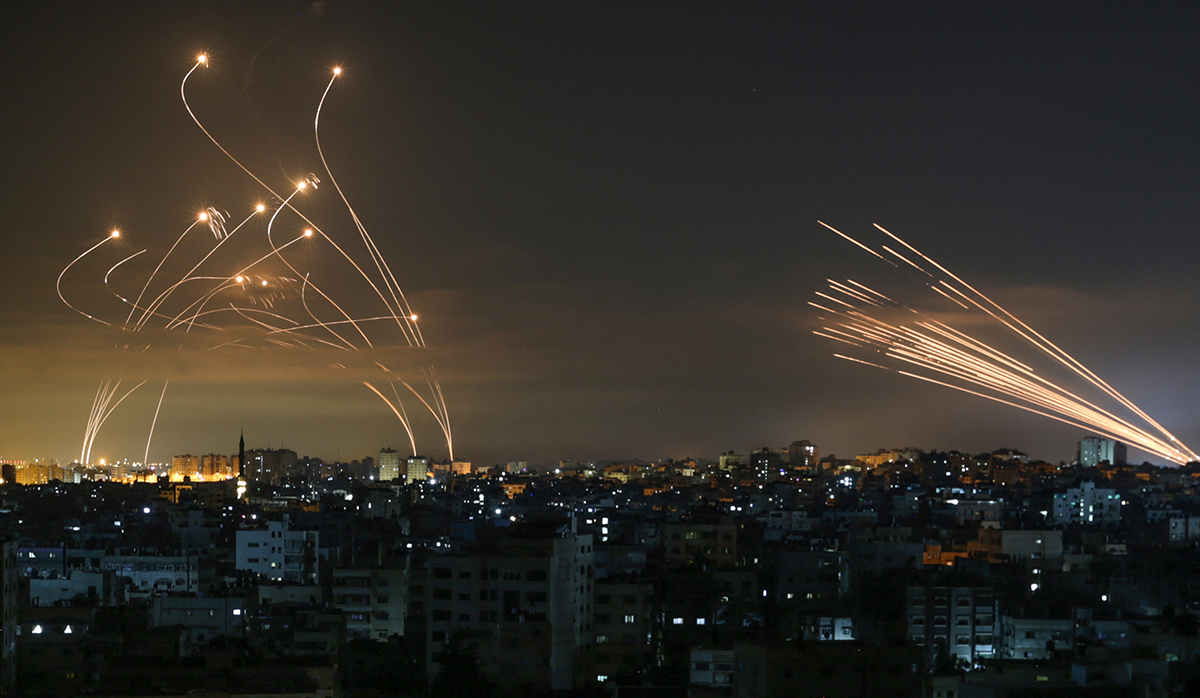
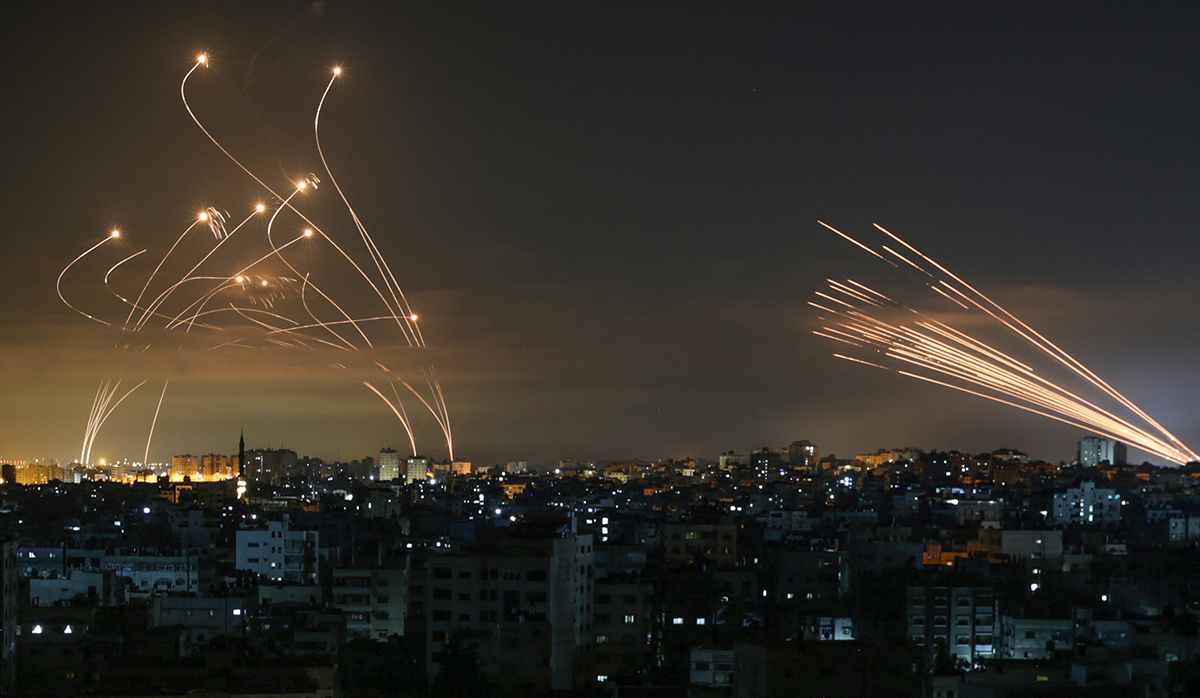
While much of the discourse surrounding the Iron Dome controversy is mired in hysterics and hyperbole, some have put forward a more rational case for providing additional funding for it. One of the standard arguments advanced in recent days is that Iron Dome is crucial not only for saving Israeli lives but is equally important (perhaps even more so) for saving Palestinian lives. This claim has been echoed by numerous American and Israeli analysts and even Members of Congress, and seems to have been accepted by a number of journalists as well. But is it actually true?
The legacy of 9/11 in the Middle East Peace Process
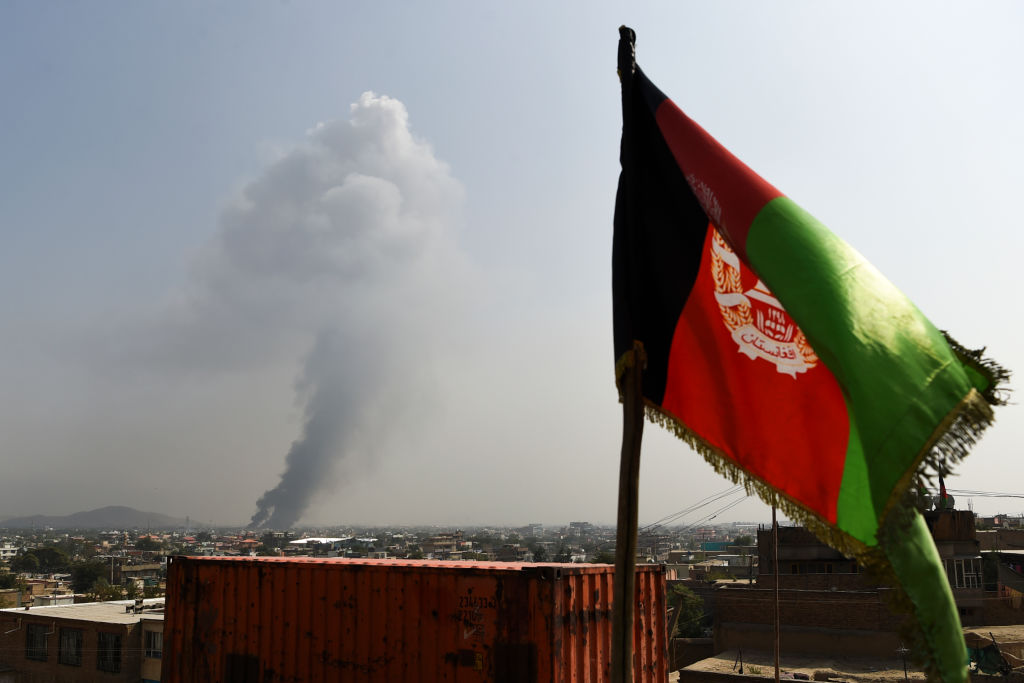
As we mark 20 years since the 9/11 terror attacks and the subsequent U.S. interventions in Afghanistan, Iraq, and other protracted elements of the ill-fated and ill-conceived “war on terror,” it is easy to overlook other disastrous legacies of U.S. policy in the post-9/11 era. This is particularly true in the case of the Israeli-Palestinian conflict, where Washington’s response to 9/11 effectively marked the beginning of the long, tortured death of the Middle East Peace Process, and with it hopes for a two-state solution.
After 18 years, Palestinian families can finally live together: The end of Israel’s 2003 citizenship law
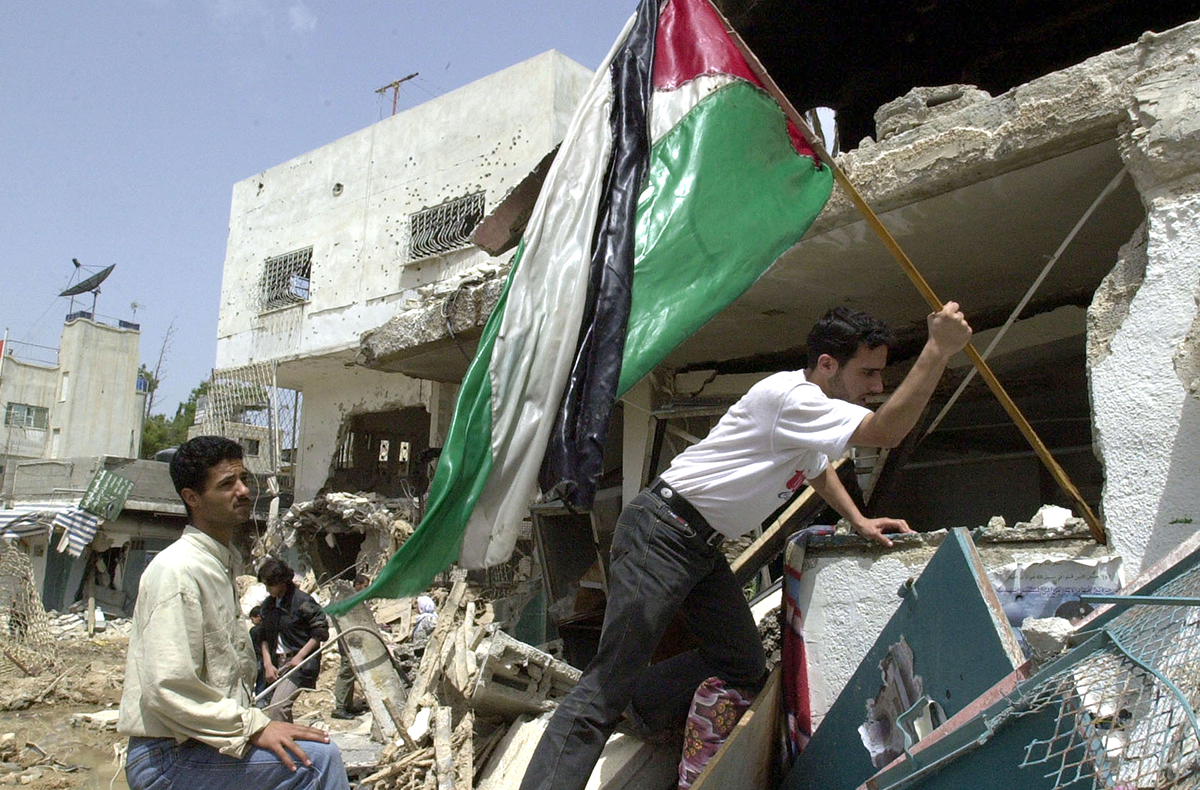
The expiration of Israel’s 2003 citizenship law early last month has finally ended the suffering of roughly 30,000 Palestinian families and paved the way for their reunification. Despite the efforts of the Zionist political parties to renew the law, the abstention from voting of the two Arab Palestinian Knesset members from the United Arab List — which, for the first time, is represented in Israel’s new coalition government — blocked the majority needed to extend the long-standing “temporary” law, which subsequently expired on July 6. While this is welcome news for many Palestinian families, the defeat of this notorious law is by no means a panacea. Until there is real change in Israel, Palestinians, both those who are citizens of Israel as well as those in the occupied territories, will continue to face legal obstacles when it comes to obtaining their basic rights.