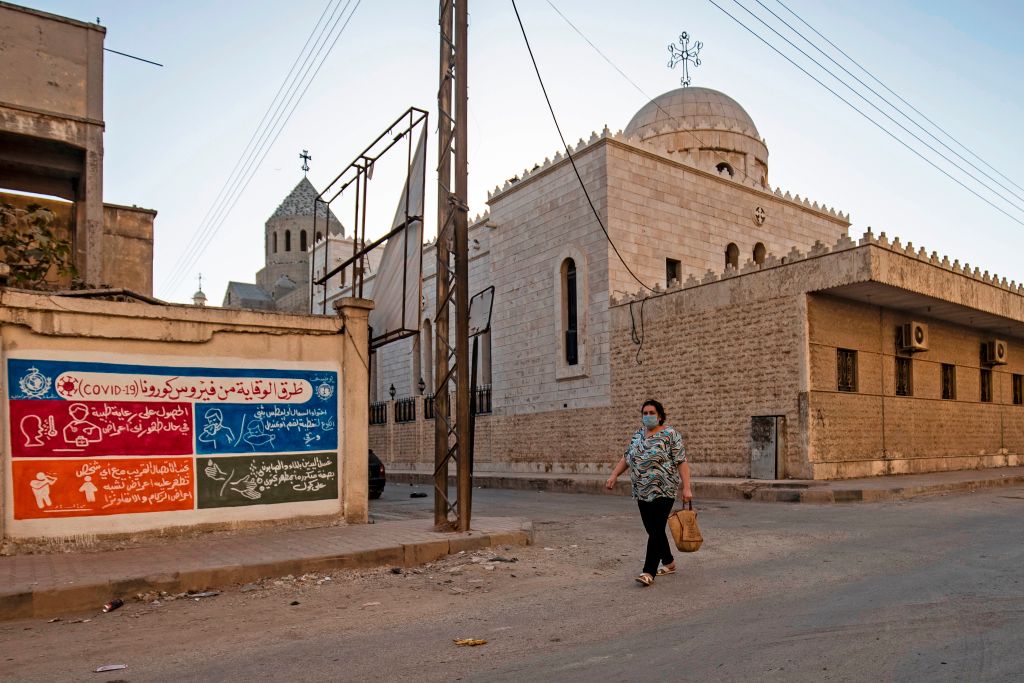
Monday Briefing: Secret diplomatic visit to Damascus raises questions about US Syria policy
This week’s briefing on recent news and upcoming events in the region featuring Charles Lister, Ruba Husari, Marvin G. Weinbaum, and W. Robert Pearson.
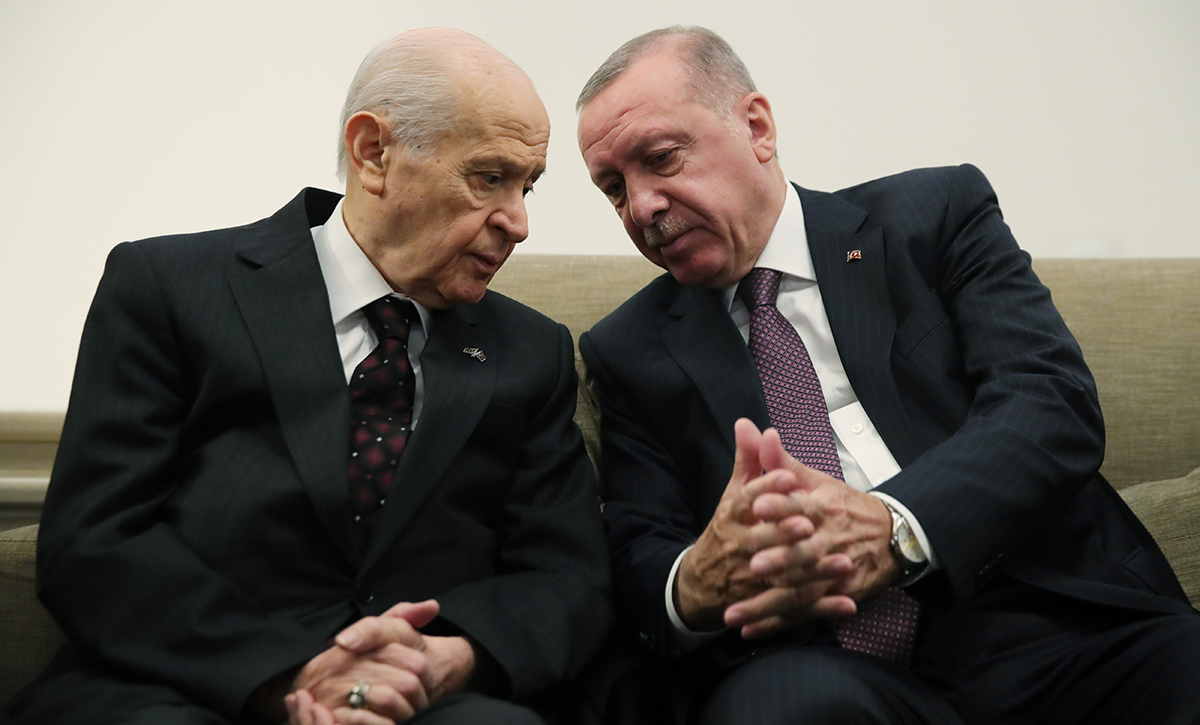
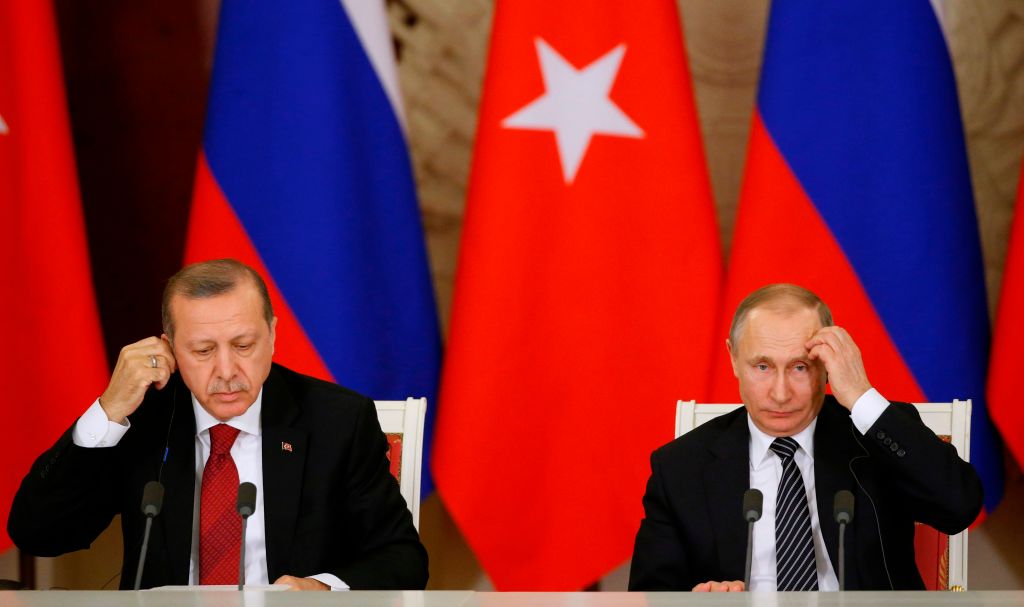
For those following Turkey, there is no doubt about who calls the shots. From the economy and landscape to the arts and sports, everything reflects the will and vision of one man: President Recep Tayyip Erdogan. To his supporters and many of his detractors, he is invincible and answers to no one but God. In reality, however, Erdogan has become increasingly reliant on Devlet Bahceli, the head of the hard-right MHP, who is playing a growing role in shaping his policies. And as Erdogan loses ground in the polls, Bahceli’s sway only increases.
Monday Briefing: Will Washington risk a collapse in Iraq?
This week’s briefing on recent news and upcoming events in the region featuring Robert S. Ford, Gonul Tol, Paul Salem, Dr. Marwa Maziad, and Marvin G. Weinbaum.
Monday Briefing: Will Russia and Turkey face off over Nagorno-Karabakh?
This week’s briefing on recent news and upcoming events in the region featuring Maxim A. Suchkov, Ibrahim Jalal, Eliza Campbell, Alex Vatanka, and Marvin G. Weinbaum.
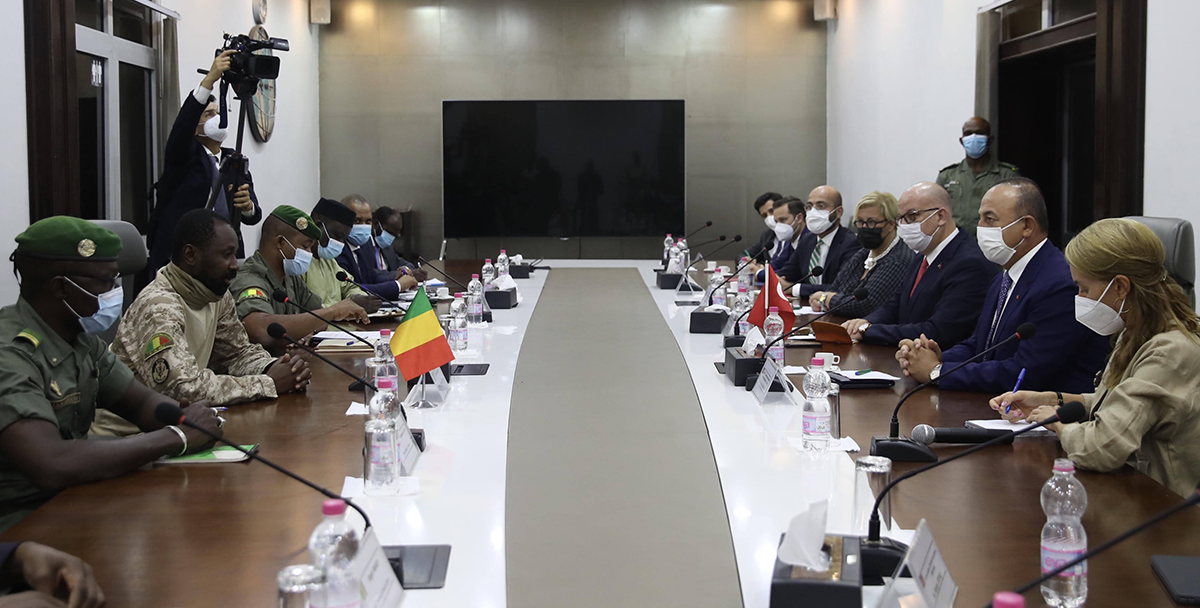
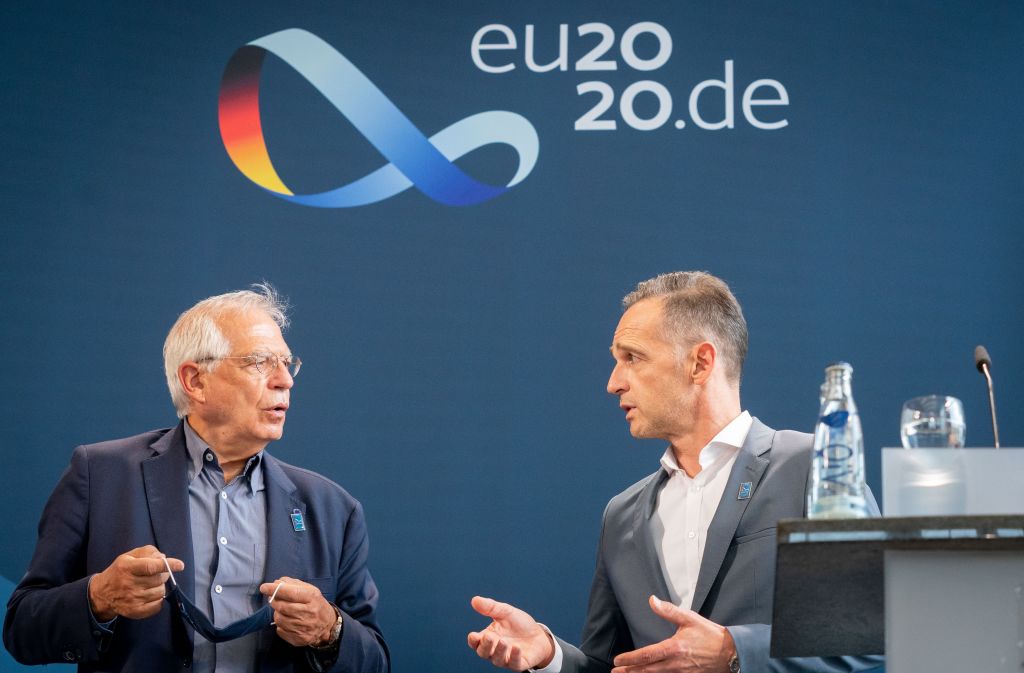
On Sept. 9, Turkey’s Foreign Minister Mevlut Cavusoglu embarked on a three-day trip to West Africa, which included stops in Mali, Senegal, and Guinea-Bissau. During his trip, Cavusoglu emphasized Turkey’s support for Mali’s post-coup transition process, struck infrastructure-related commercial deals with Guinea-Bissau, and underscored its commitment to engaging with multilateral institutions, such as the UN and AU, on addressing security challenges in the Sahel.
Election 2020: Challenges and Opportunities for US Policy in the Middle East
In a new briefing book released ahead of the U.S. elections in November, entitled Election 2020: Challenges and Opportunities for US Policy in the Middle East, MEI scholars lay out key issues across the region, highlight the U.S. interests at stake, and provide policy insights and recommendations for the path forward.
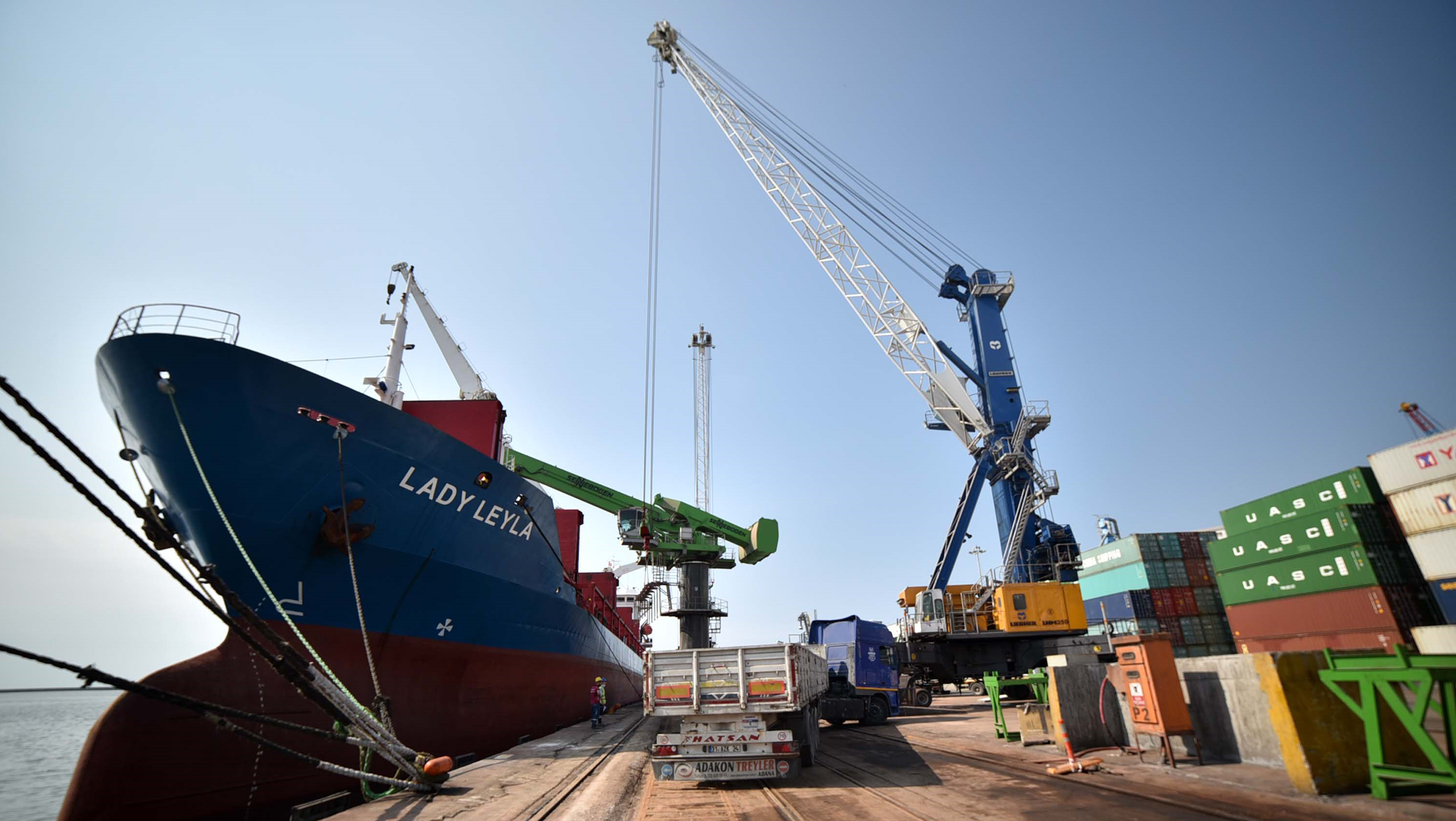
From port to port: Both Lebanon and Turkey would benefit from greater shipping connectivity
Following the devastating explosion that rocked Beirut on Aug. 4, one of the first foreign state dignitaries to visit Lebanon to pledge support was Turkish Vice President Fuat Oktay. Oktay said that not only would Turkey help to rebuild the damaged port and the surrounding buildings, but it could also provide temporary support in the form of linking Turkey’s largest Mediterranean port, Mersin International Port, with the Port of Beirut.
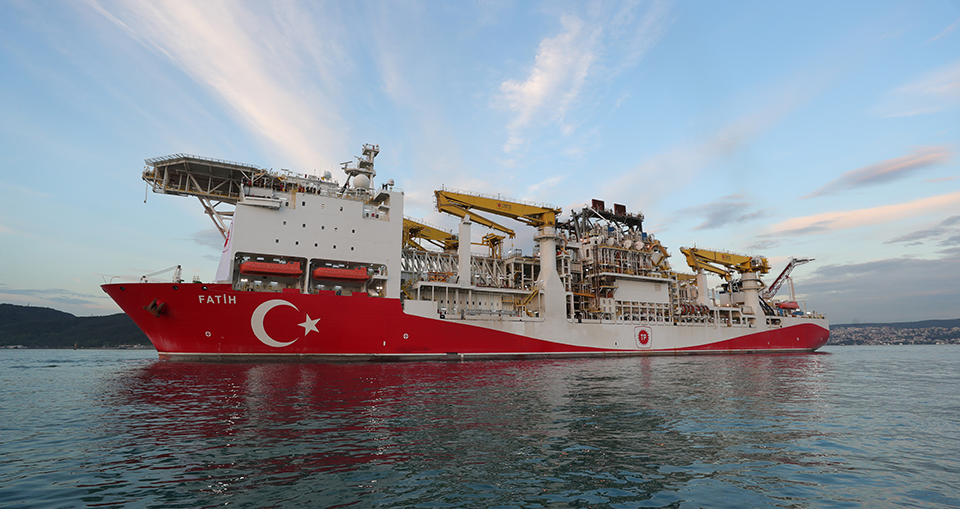
Mehmet Öğütçü and Gonul Tol join host Alistair Taylor to discuss the recent announcement of Turkey’s biggest-ever natural gas discovery—the Sakarya field in the Black Sea—and what it might mean for Turkey’s economy, domestic politics, and foreign policy.
Erdogan pulls a rabbit out of his hat with Black Sea gas find, but is it all it seems?
“God has opened the door to unprecedented wealth for us,” said an enthusiastic Recep Tayyip Erdogan as he announced that Turkey had made its biggest-ever discovery of natural gas on Aug. 21. He promised that gas from the 320-billion-cubic-meter deep-sea find would reach consumers in 2023, but industry experts are skeptical and have raised questions about the feasibility of the discovery.
This week’s briefing on recent news and upcoming events in the region featuring Charles Lister, Randa Slim, Jonathan M. Winer, Alex Vatanka, Marvin G. Weinbaum, Robert S. Ford, Mirette F. Mabrouk, and Syed Mohammad Ali.
Tom de Waal, Nicole Grajewski, and Theodore Karasik join host Alistair Taylor to discuss the recent border hostilities between Azerbaijan and Armenia and the role that Russia, Turkey, and Iran are playing in the geostrategically important South Caucasus.
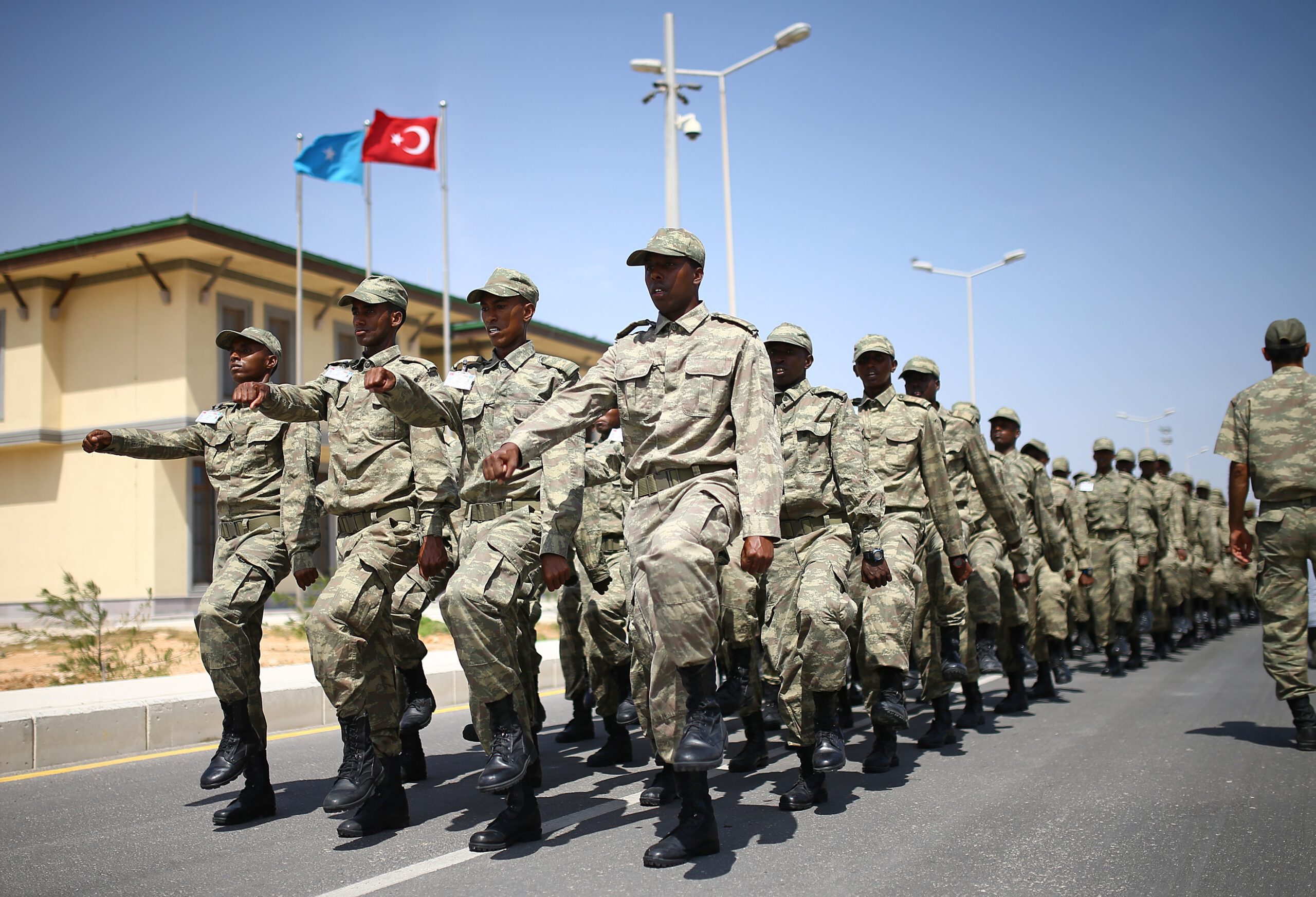
The Impact of Middle East Regional Competition on Security and Stability in the Horn of Africa
The relationship between the Middle East and the Horn of Africa is centuries-old and complex. While the world’s attention is focused mainly on the “great power competition” in the region, primarily between the U.S. and China, the Horn of Africa has also become a central battleground for influence among competing regional players, principally Saudi Arabia, the UAE, Turkey, Qatar, Iran, and Egypt. As they pursue their interests in the region, from Ethiopia and Sudan to Somalia and Djibouti, these competing states are the main drivers of tension and instability in the Horn of Africa.