Dutch support for allied anti-Houthi airstrikes: Shared objectives with a pinch of opportunism
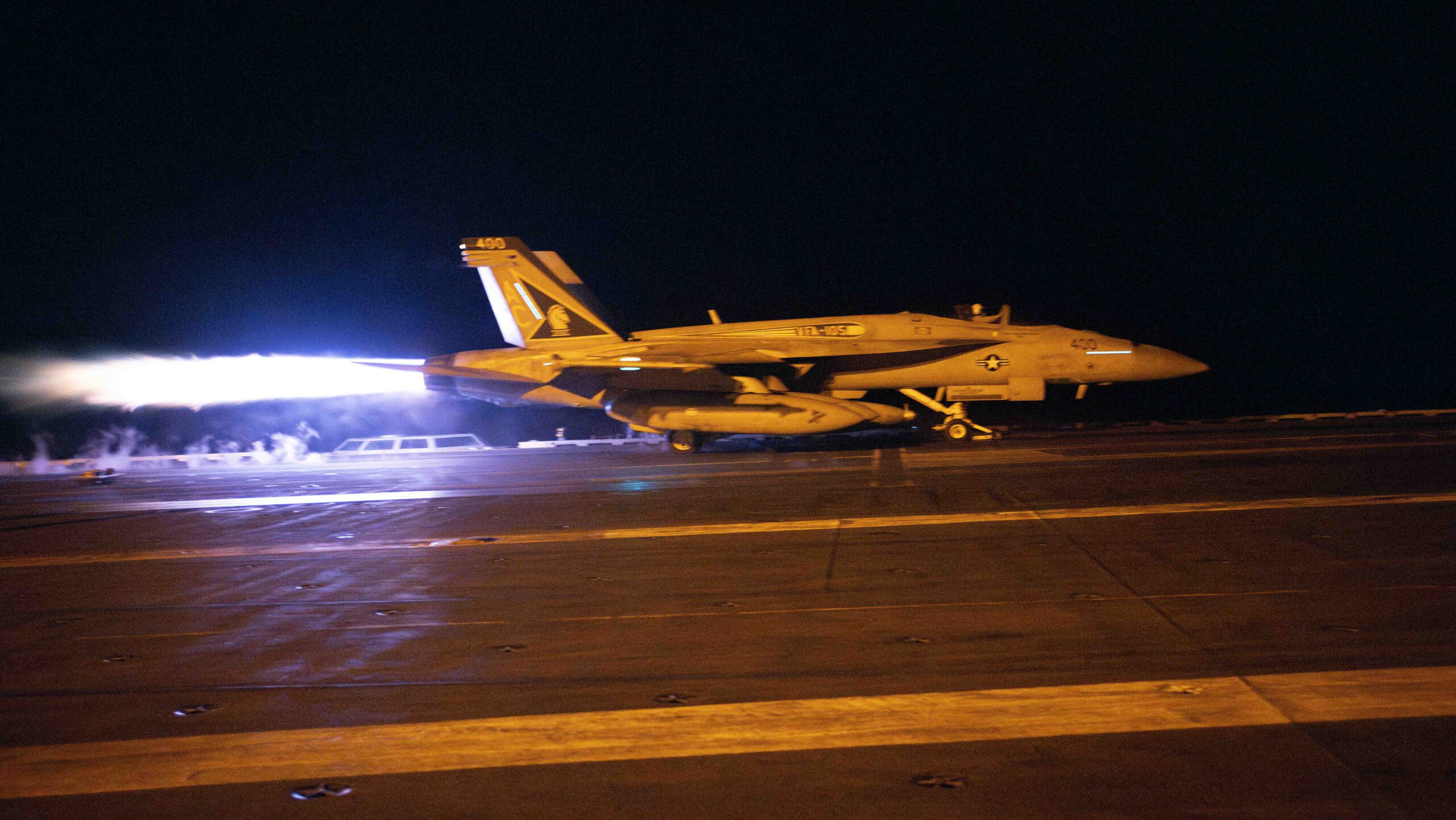
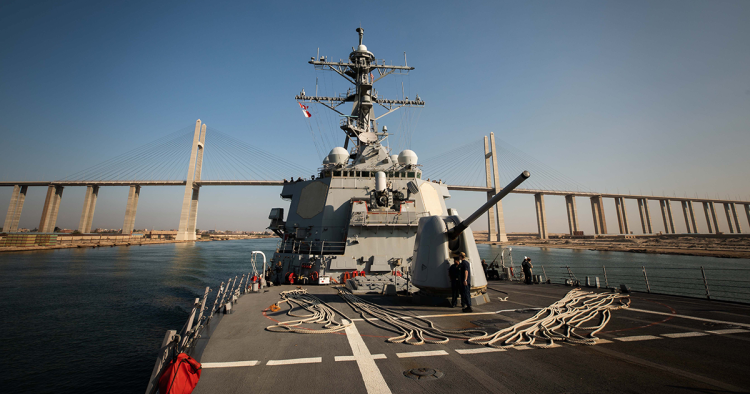
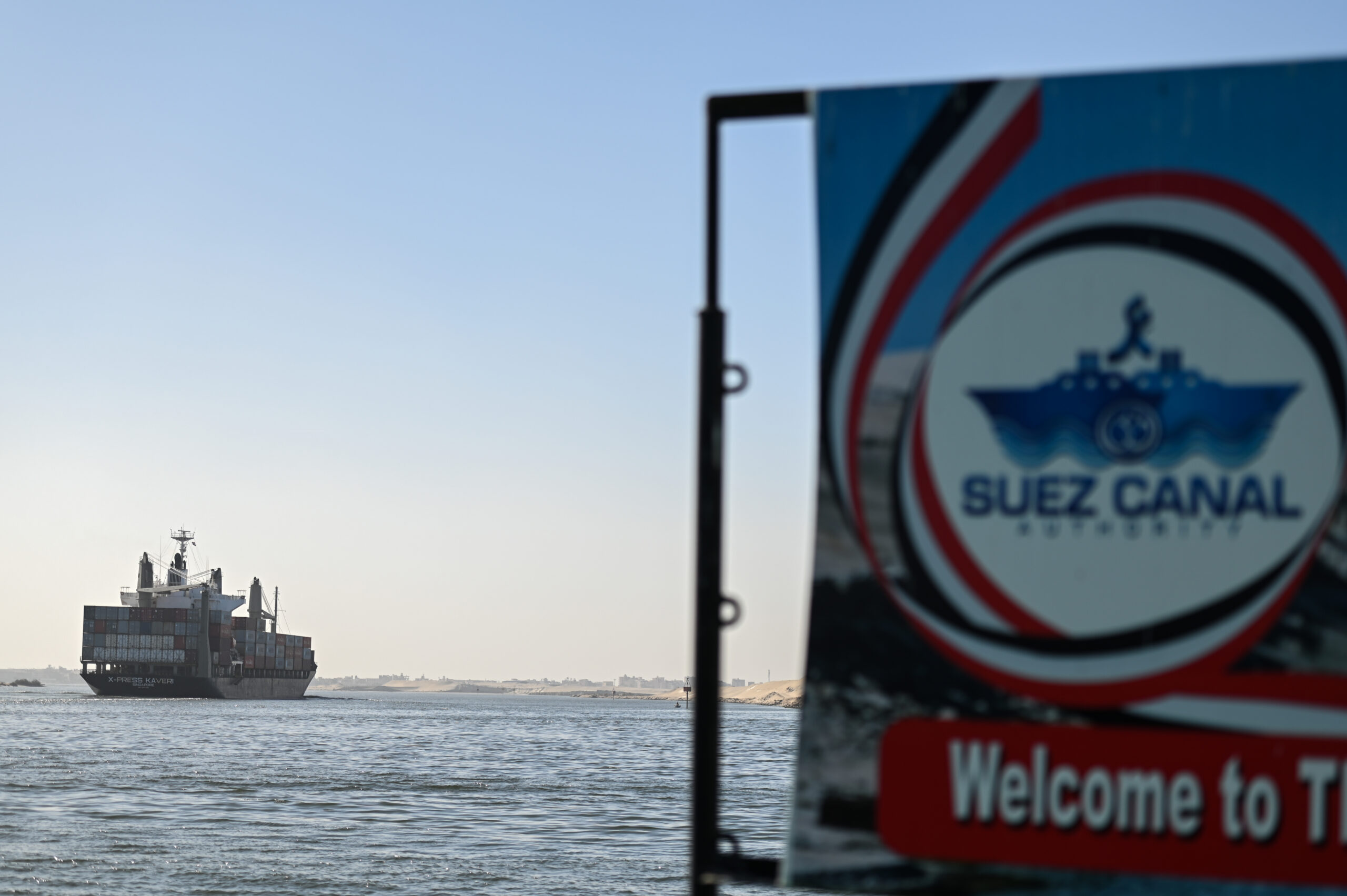
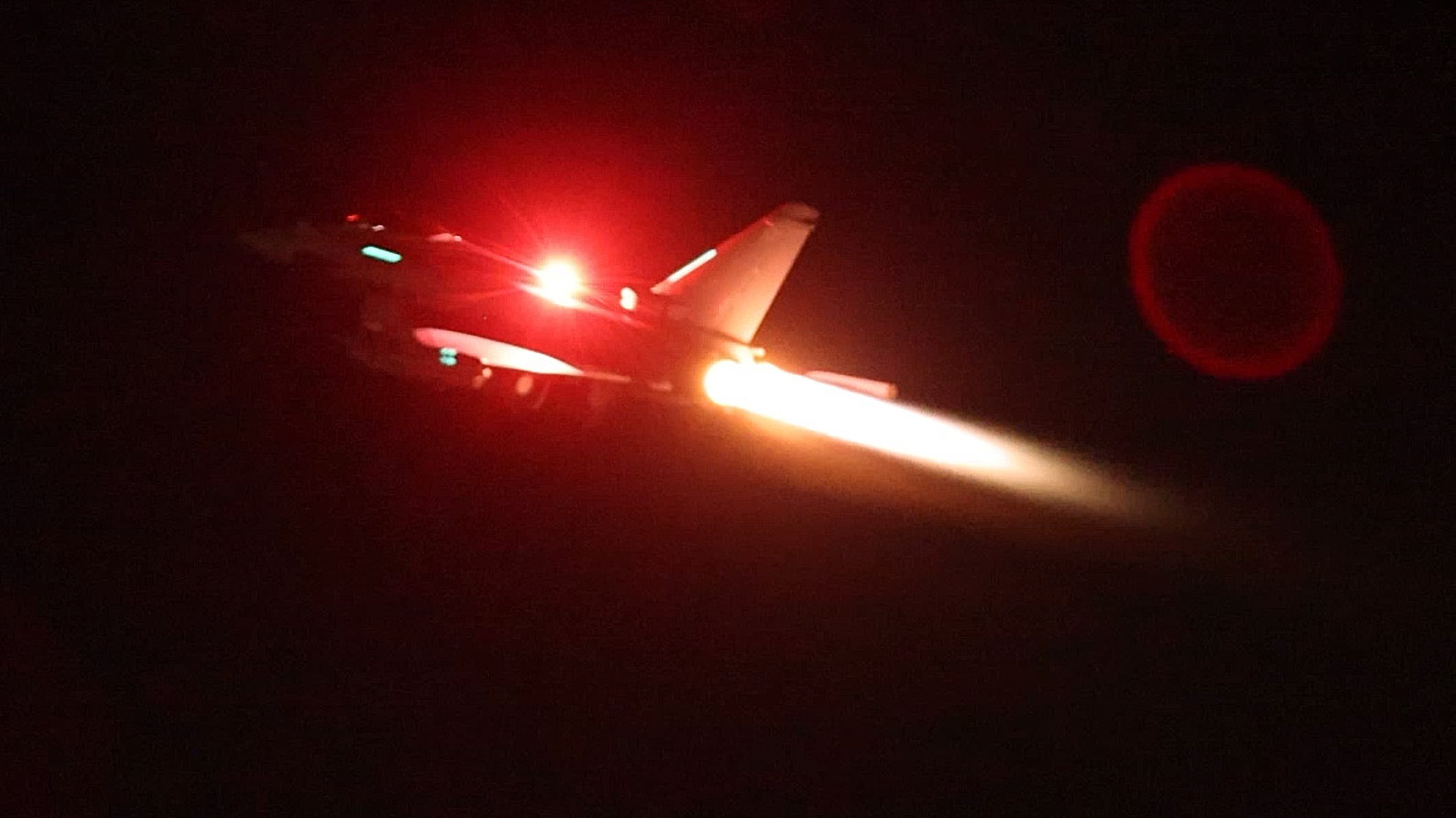
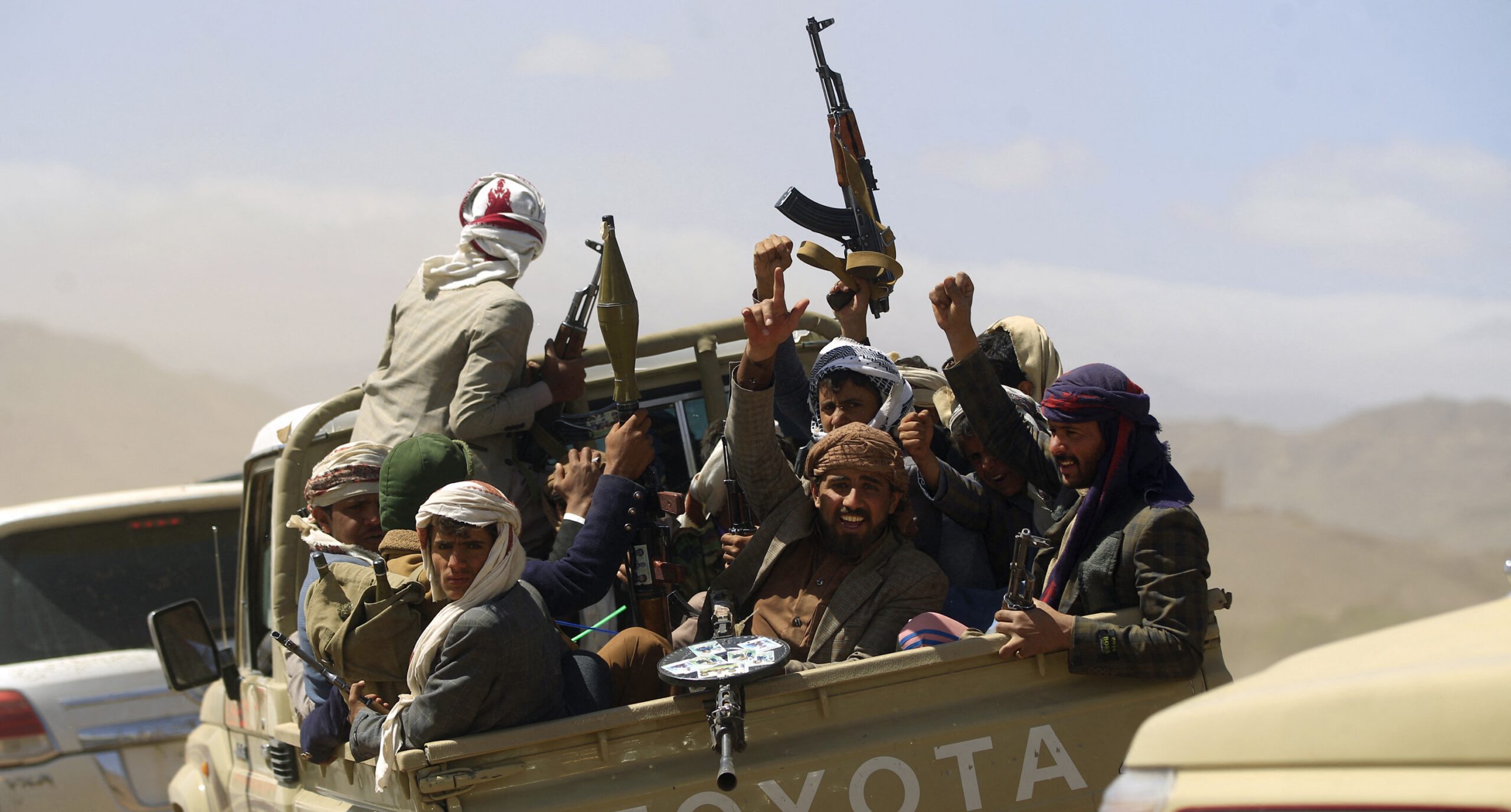
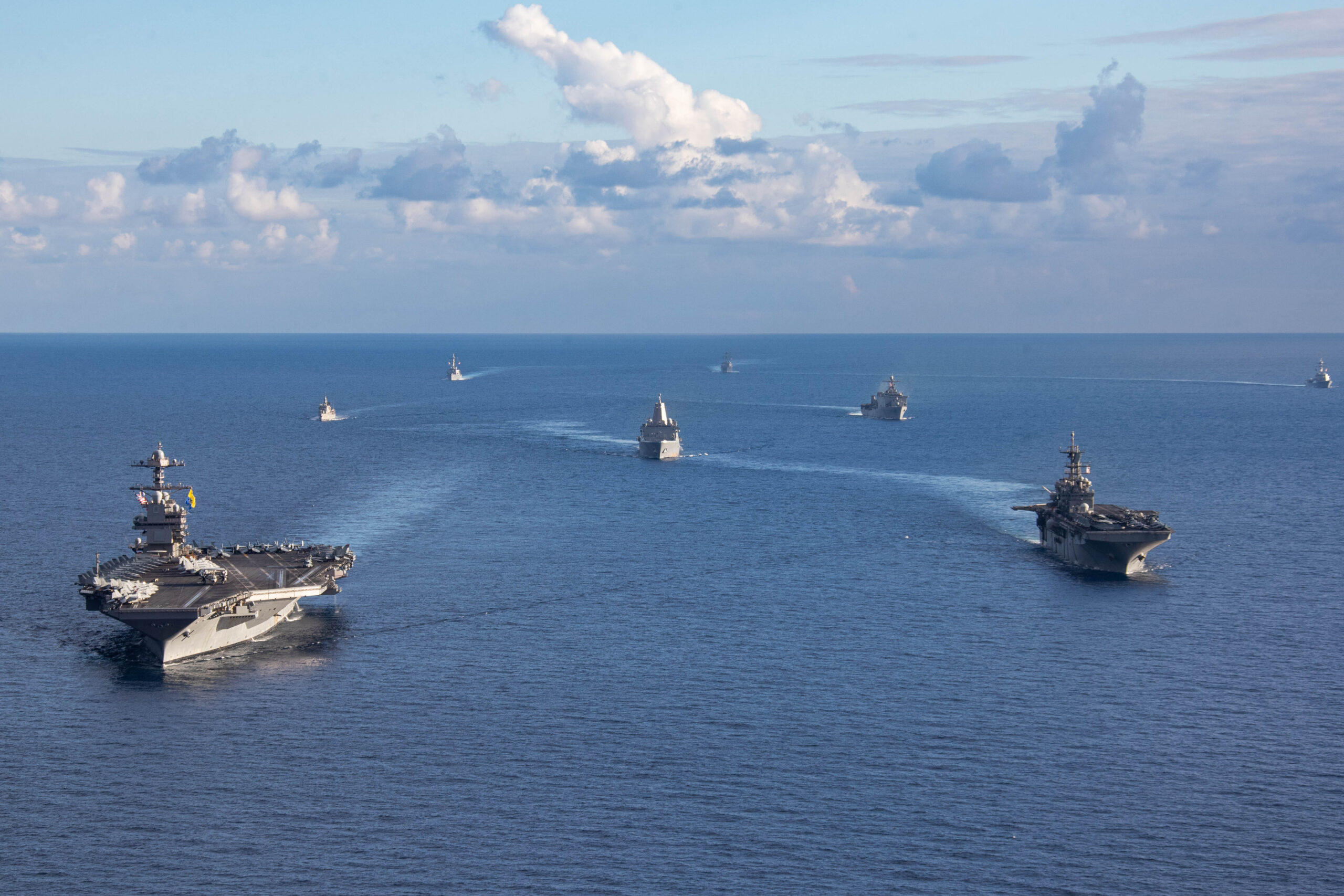
When the United States and the United Kingdom decided to strike Houthi targets inside Yemen to stop the group from launching attacks on commercial shipping in the Red Sea, most European allies did not want to get involved in the operation. The sole exception was the Netherlands, which grabbed the opportunity to step forward and show its willingness to provide not only political but also military support, albeit largely symbolic.
The Necessary Risk of America’s Military Strikes in Yemen
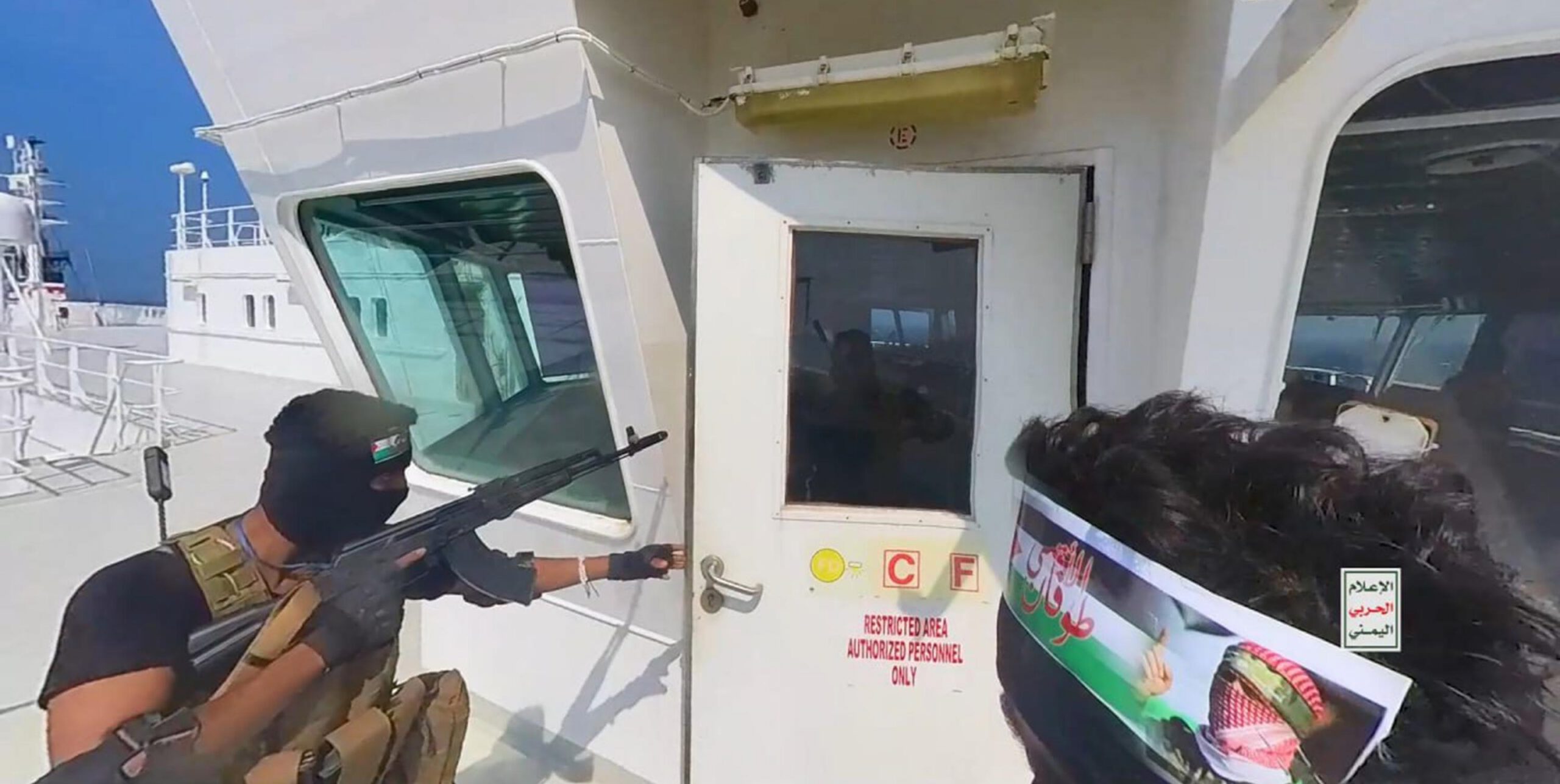
By striking Houthi rebel targets in Yemen with Britain on Thursday, Washington sent a searing message to both the Houthis and its Iranian backers that the United States has ended its longstanding defense-only posture in the Red Sea and is determined to stop the group’s attacks against commercial ships in regional waters.
Robust diplomacy is Washington’s only chance to stop a Lebanon-Israel war
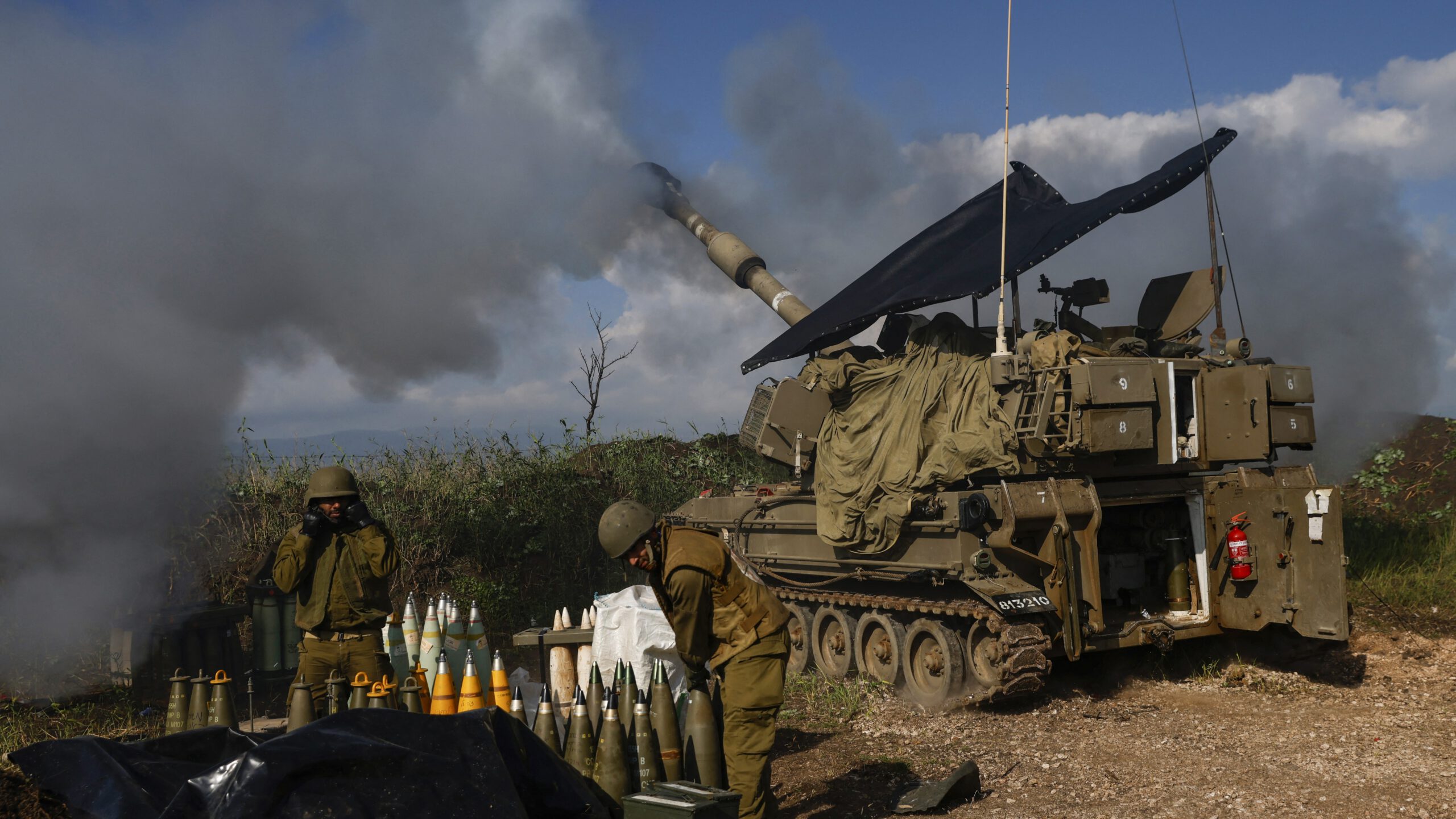
In navigating the thickening fog of war, ongoing US-led mediation must actively take two critical steps to pull Lebanon and Israel back from the brink and avoid a direct US-Iran confrontation: secure credible guarantees on compliance and endorse local efforts to elect an independent president.
US options to counter Houthi threat to global shipping
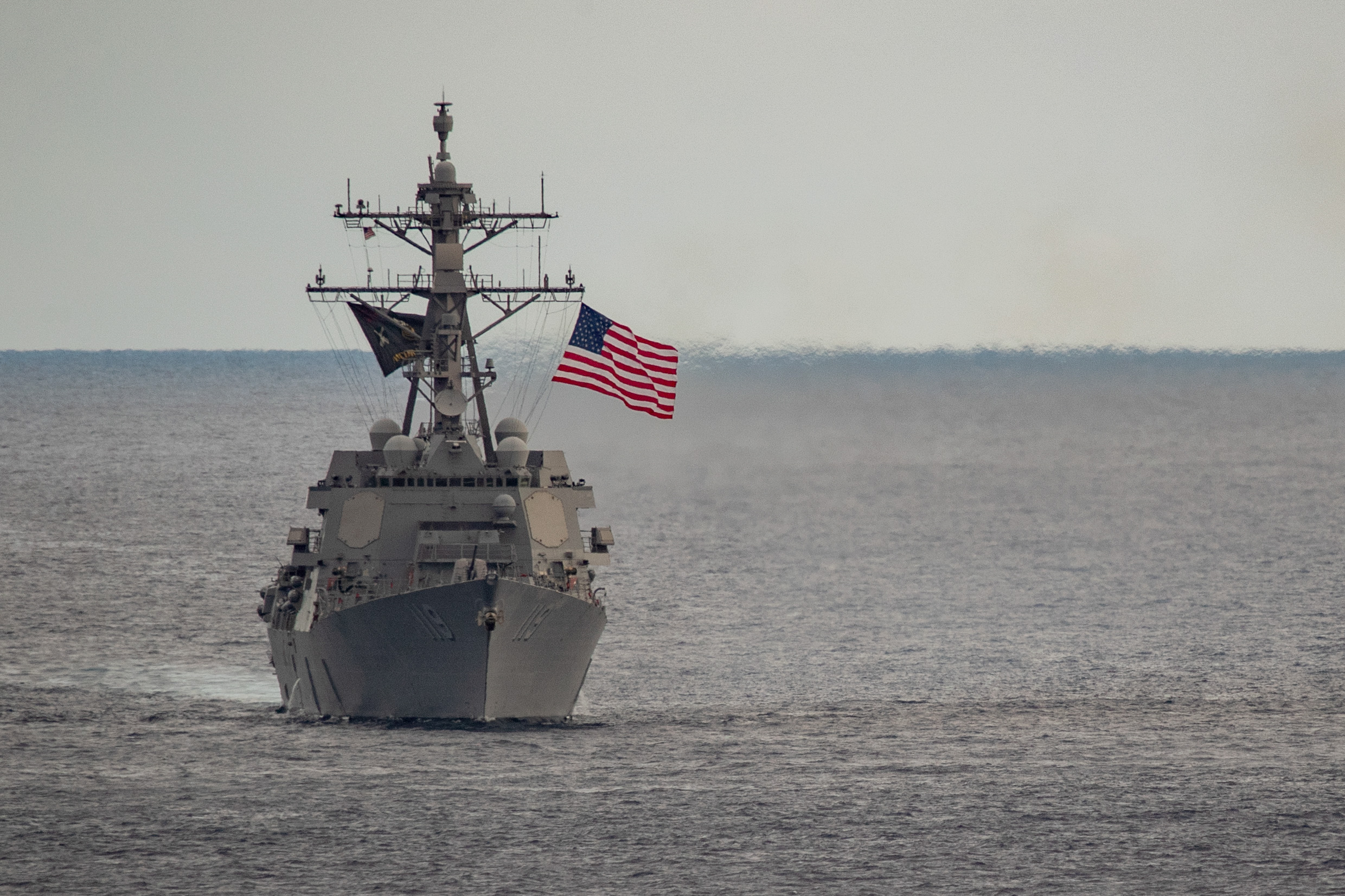
Overnight US and UK strikes on Thursday delivered a strong message to the Houthis: their attacks on global shipping in the Red Sea will not go unpunished.
Ansar Allah, the Yemen-based militant group commonly referred to as the Houthis, is arguably the latest and largest addition to the Iran-led Axis of Resistance. Present tensions in the Red Sea illustrate both the utility of the Houthis for Tehran’s anti-American and anti-Israel regional agenda as well as the challenges their actions can create for the Iranians.
Houthis see domestic and regional benefit to continued Red Sea attacks
Since the outbreak of the Israel-Hamas conflict in October, Yemen’s Houthi rebels have sought means to capitalize on the war in Gaza to raise their profile, enhance their pan-Arab legitimacy, and burnish their credentials both domestically and in the region. In their effort to insert themselves into the Gaza conflict, the Houthis believe their actions will strengthen their support base at home while also cementing their movement more firmly into the Iranian “Axis of Resistance.”
The current escalation between Israeli and Hezbollah forces necessitates immediate action from the international community to prevent a widening of the Gaza war, and the US is positioned in a leadership role to mollify tensions, beginning with diplomatic actions to stabilize the Lebanese-Israeli border, helping to pacify the broader region as a result.
Dynamic Force Employment is the Future of America’s Middle East Presence
The US Department of Defense has stepped up and proposed some creative ideas regarding the future of America’s military presence in the Middle East region, as exemplified by the adoption of the concept of dynamic force employment.
Pakistan’s military and foreign policy under Gen. Asim Munir
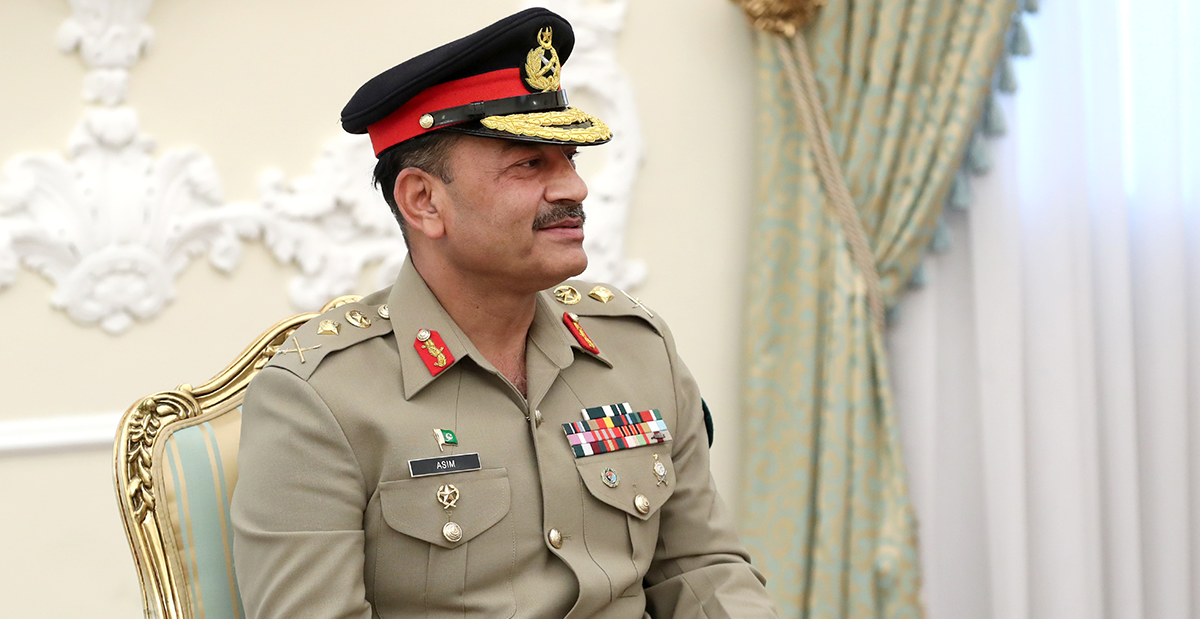
Gen. Qamar Javed Bajwa orchestrated a paradigm shift in Pakistan’s traditional geostrategic focus, transitioning from geopolitics to geoeconomics. His successor, Gen. Asim Munir, in command of Pakistan’s military for the past year, now faces the challenging task of turning Gen. Bajwa’s unrealized vision into a reality, a goal that requires cultivating positive interdependence and multi-alignment with a diverse range of partners, while also ensuring domestic stability.
Gaza war hasn’t halted de-escalation efforts in Yemen
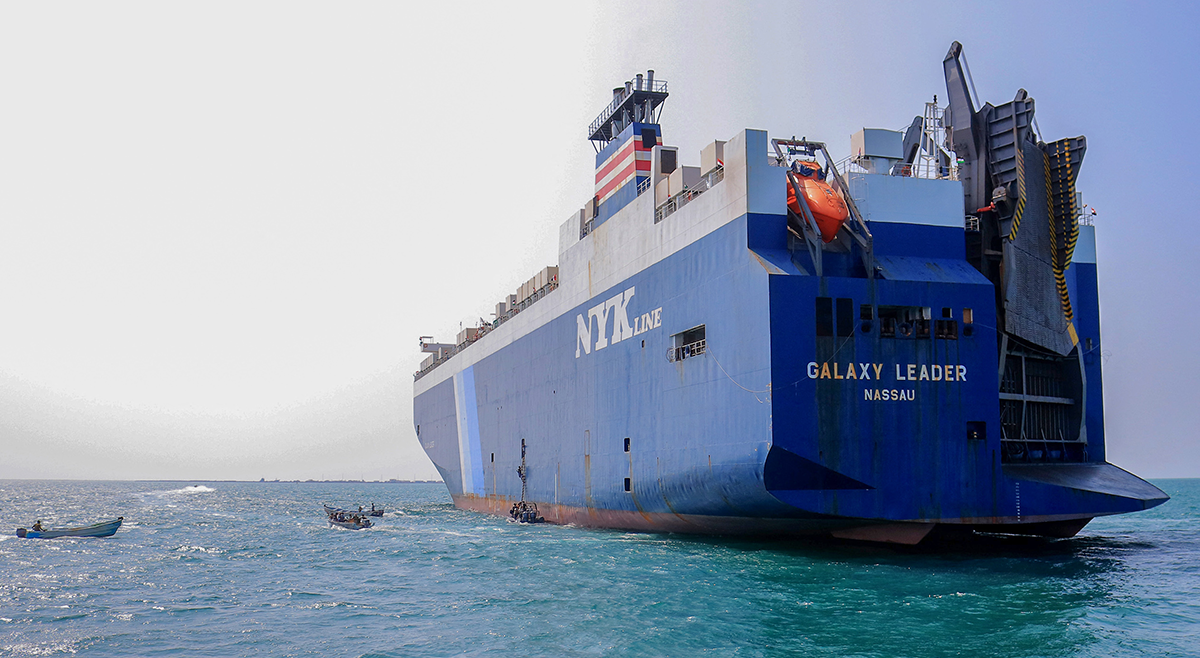
Over the past two months, the Houthi rebels in Yemen have launched missiles and drones into Israel, attacked several commercial ships in the Red Sea, and threatened to block all ships sailing to Israel, regardless of nationality, until Gaza receives humanitarian aid. In the Gulf, there is a growing fear that the situation could constrain ongoing de-escalation talks between Riyadh, the Republic of Yemen Government, and the Houthis, or even take them back to square one were conflict dynamics to escalate.
Essential questions about the Russia-Hamas link: The evidence and its implications
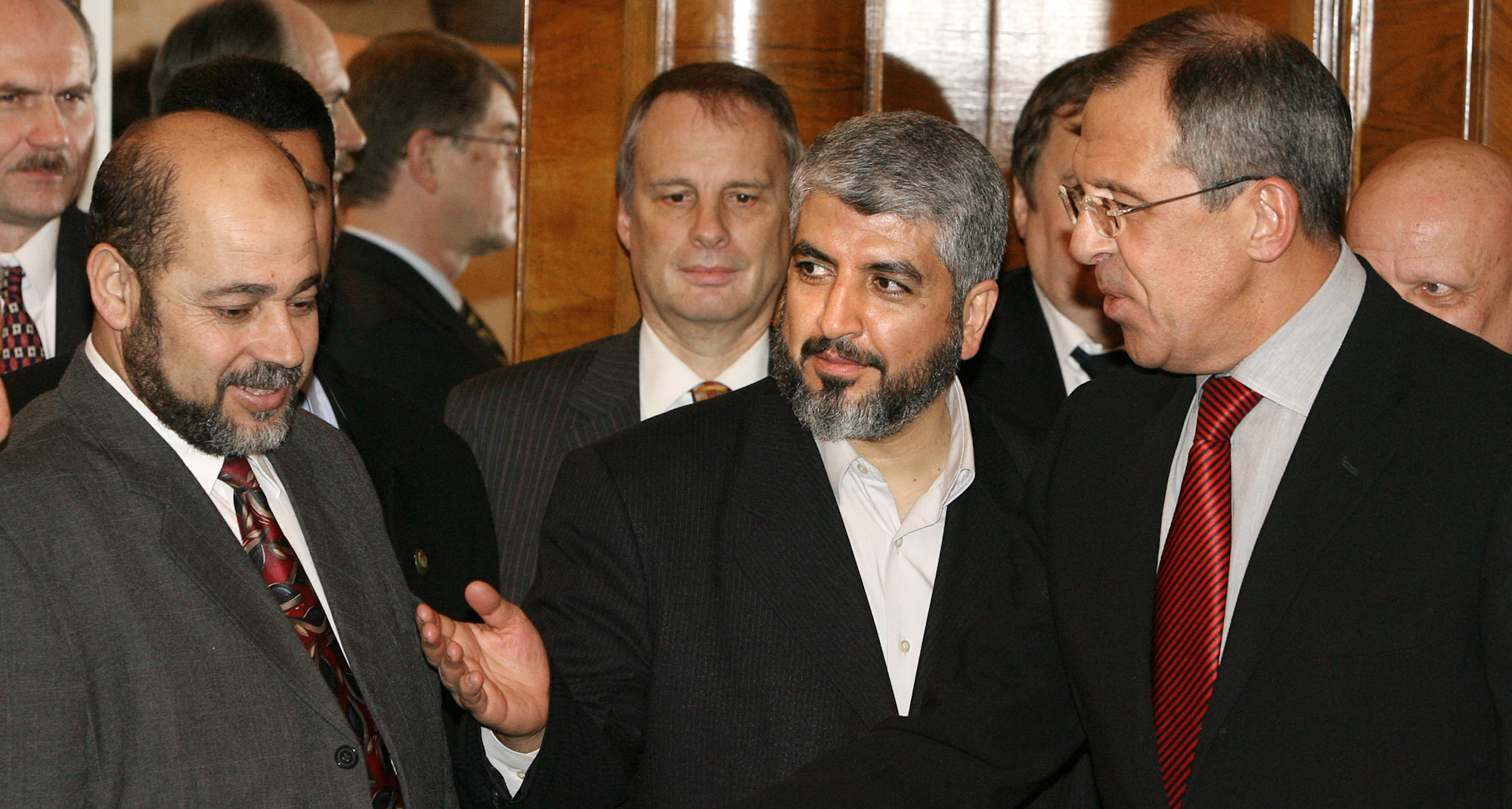
As the war in Gaza continues to unfold, essential questions about Russian and Iranian support for Hamas remain. They include whether Russia played any role in providing support to Hamas ahead of its Oct. 7 attack on Israel. Evidence available from foreign-language publications in Russian, Persian, Arabic, and Hebrew, as well as those in English, provides provocative leads, which, if accurate, have serious potential implications.
The closer Israel gets to destroying Hamas, the more likely war with Hezbollah becomes
He leads an army of more than 100,000 dedicated and battle-hardened fighters equipped with thousands of missiles, rockets, and armed drones that can hit targets deep inside Israel with pinpoint accuracy. He inspires and commands the loyalty of Iran-backed militias across the Arab world.
So when Hassan Nasrallah, the head of the Lebanese Hezbollah and the most powerful non-state actor in the world, says that he doesn’t wish to broaden the war in Gaza to help his Palestinian ally Hamas, the region should breathe a sigh of relief – because his words matter.