The road to war with Iran is paved with good intentions and serious miscalculations
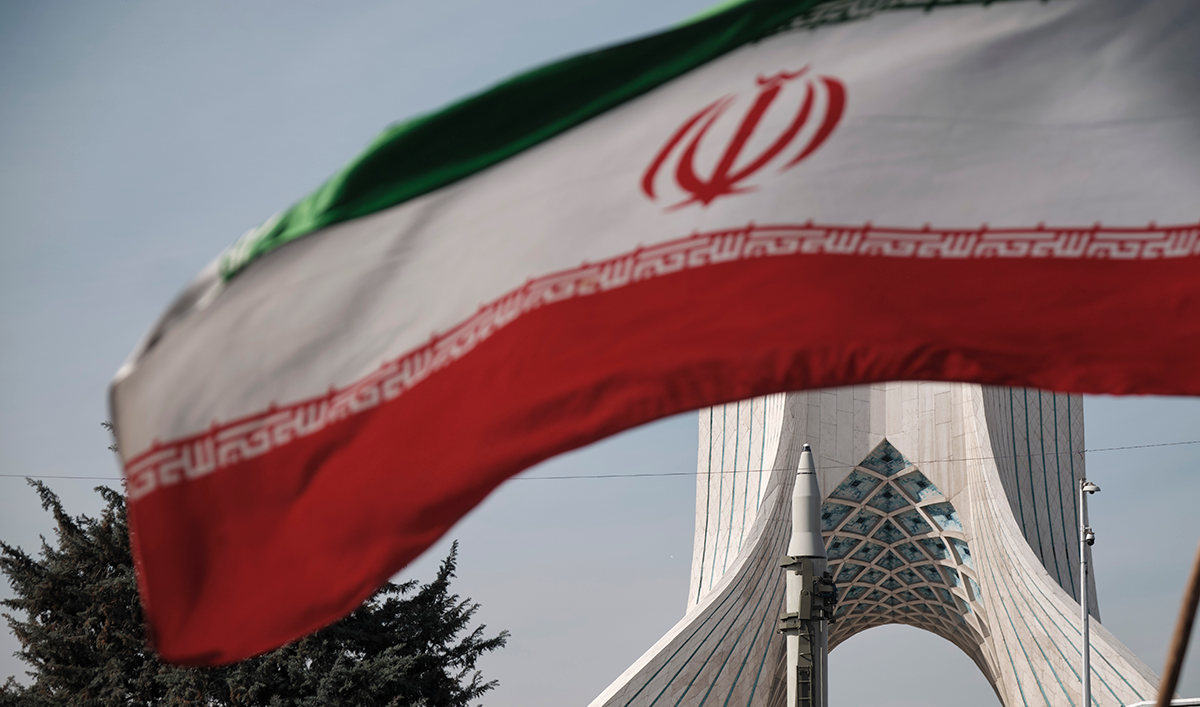
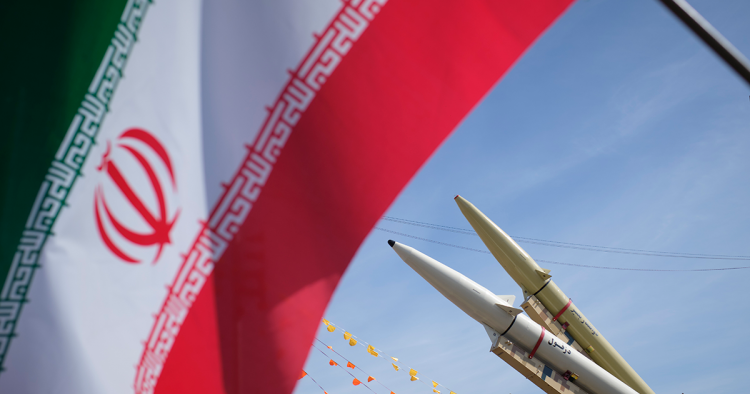
Forty-five years after Iran’s February 1979 revolution, American officials continue to struggle to understand this nation of almost 90 million. Rather than trying to solve a crisis that threatens to draw the US into direct conflict with Iran, the Biden administration appears more intent to manage it.
MEI Signs Memorandum of Understanding with Rabdan Academy
(Washington, D.C.) – The Middle East Institute (MEI) is proud to announce the signing of a memorandum of understanding (MoU) with Rabdan Academy, a UAE-based higher education institution specializing in a range of defense and security issues. The MoU outlines plans for the two organizations to explore avenues of cooperation and collaboration on research & analysis, training, and events.
What it means when nine nations bomb in the Middle East in two weeks
Nine nations, including terrorist groups that are de facto governments, have attacked other countries in the region over the course of about two weeks. Numerous commentators have drawn the conclusion that a regional war is already underway or soon will be.
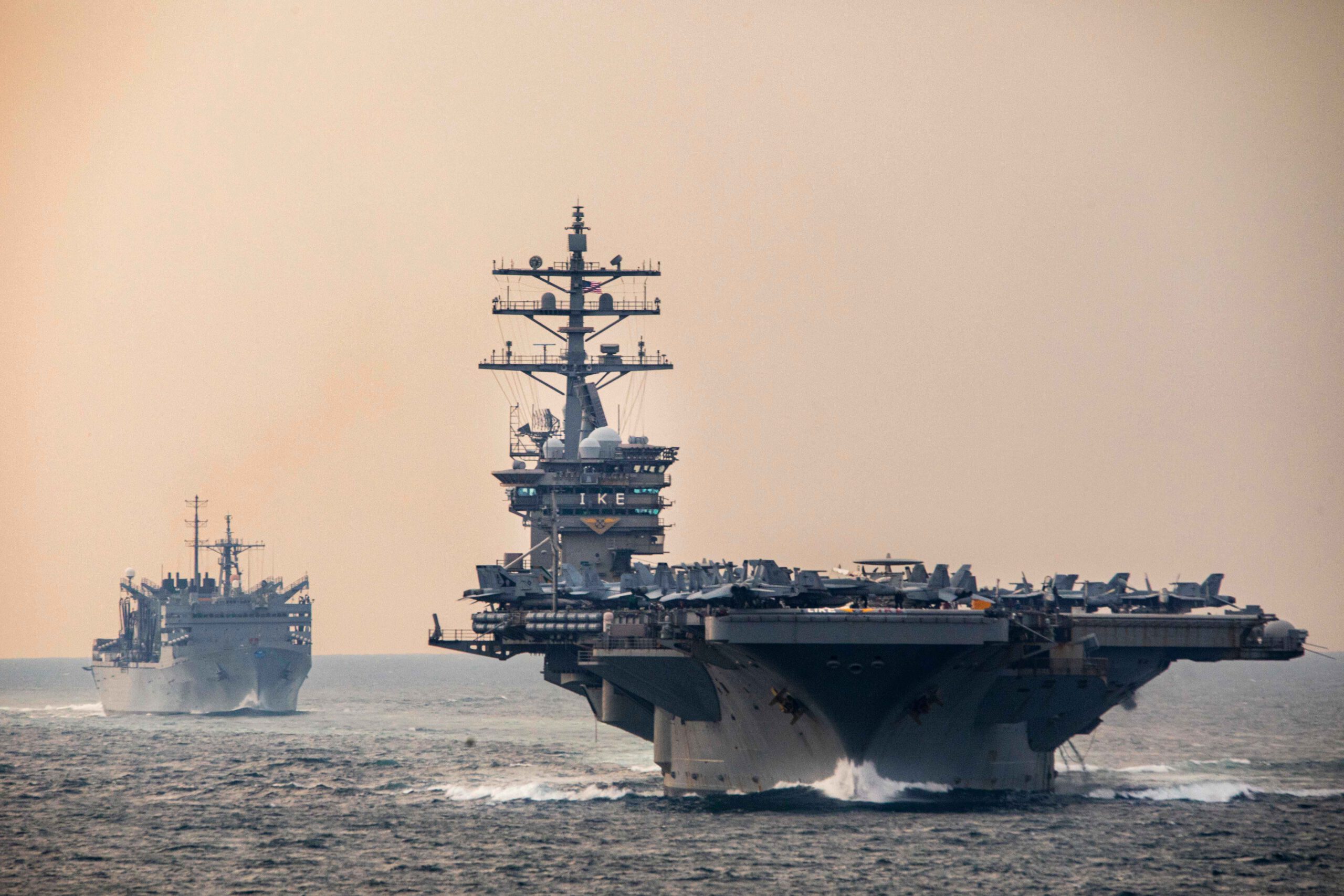
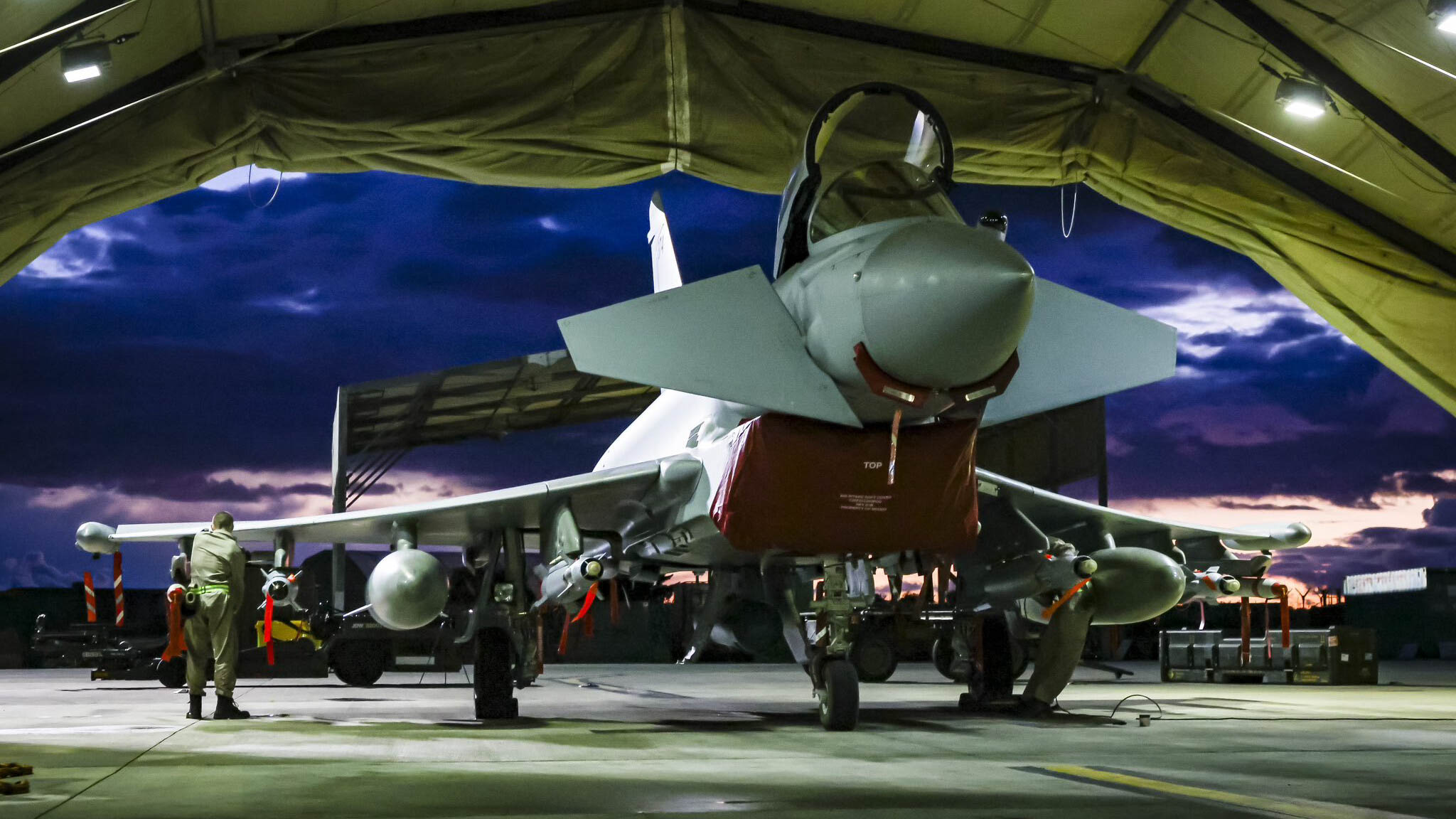
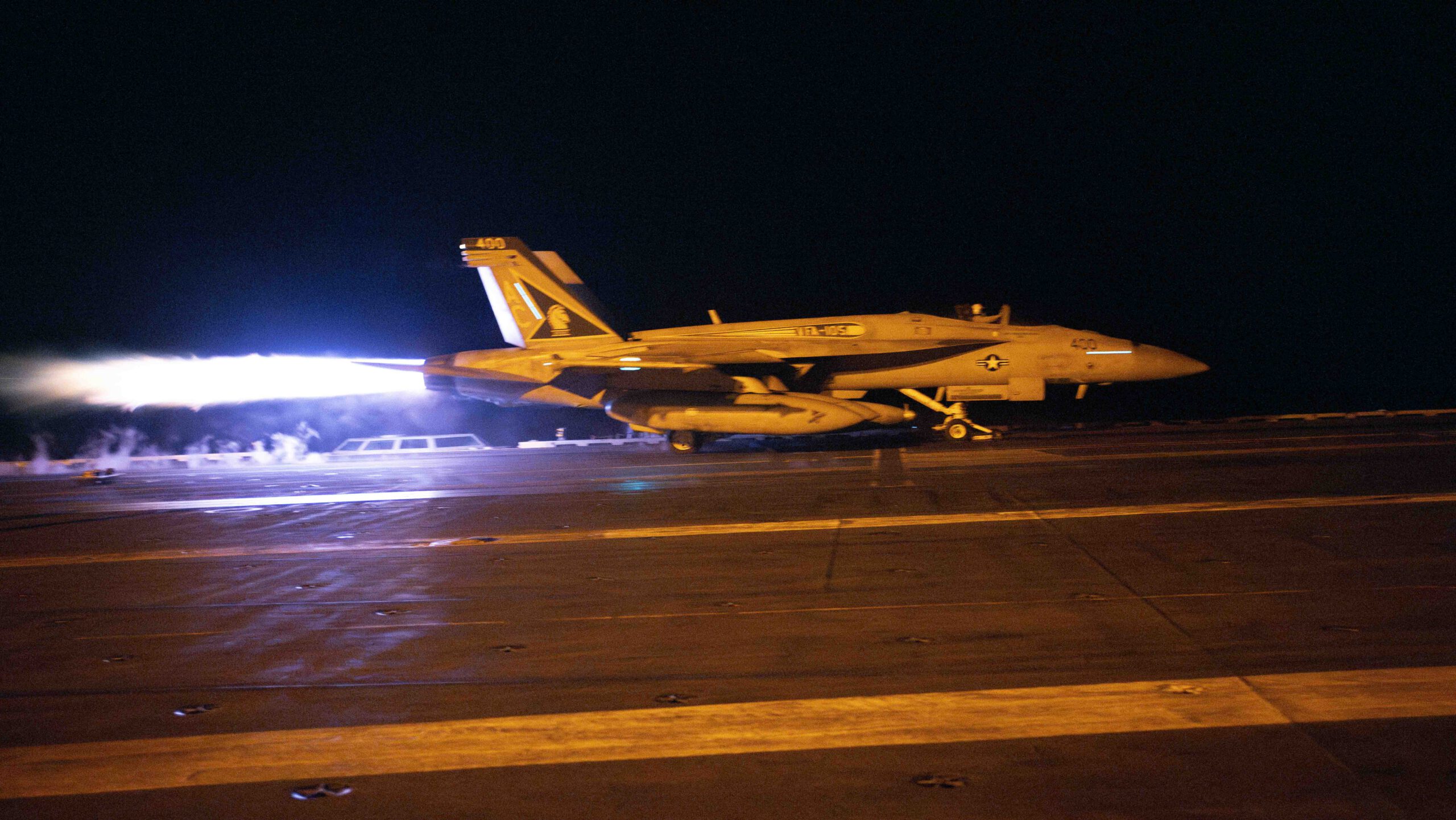
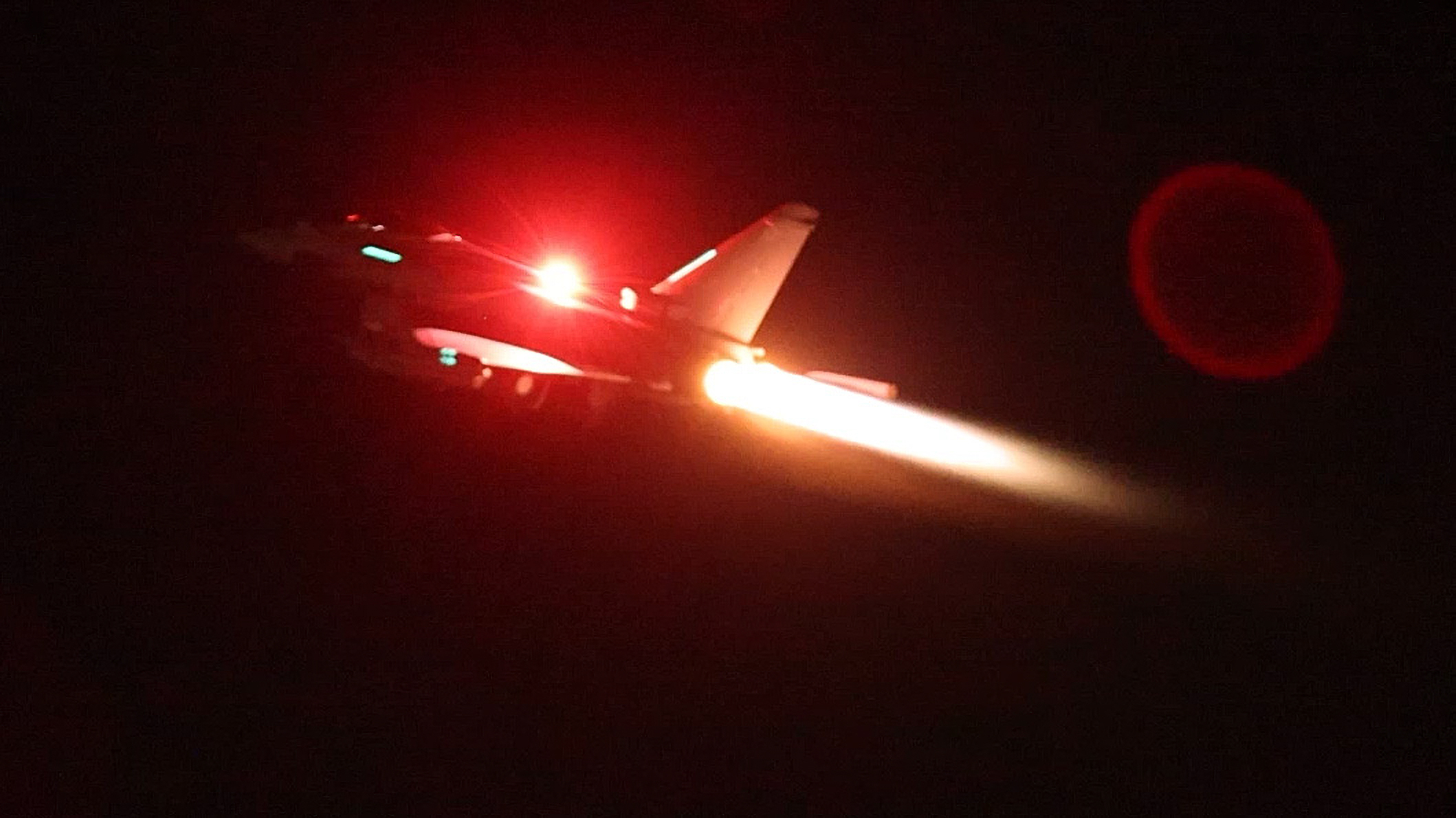
Last Thursday, military forces from the United States and the United Kingdom struck nearly thirty different locations across Western Yemen to degrade Houthi military capabilities and dissuade the rebel group from further attacks on commercial shipping in the Red Sea. It will take a bit more time to assess the actual damage caused to Houthi radars, missiles, drone launch bases, and command and control facilities and even longer to determine a change in behavior by the Houthis.
Dutch support for allied anti-Houthi airstrikes: Shared objectives with a pinch of opportunism
When the United States and the United Kingdom decided to strike Houthi targets inside Yemen to stop the group from launching attacks on commercial shipping in the Red Sea, most European allies did not want to get involved in the operation. The sole exception was the Netherlands, which grabbed the opportunity to step forward and show its willingness to provide not only political but also military support, albeit largely symbolic.
Why Israel’s top court is greenlighting a civil rights crackdown
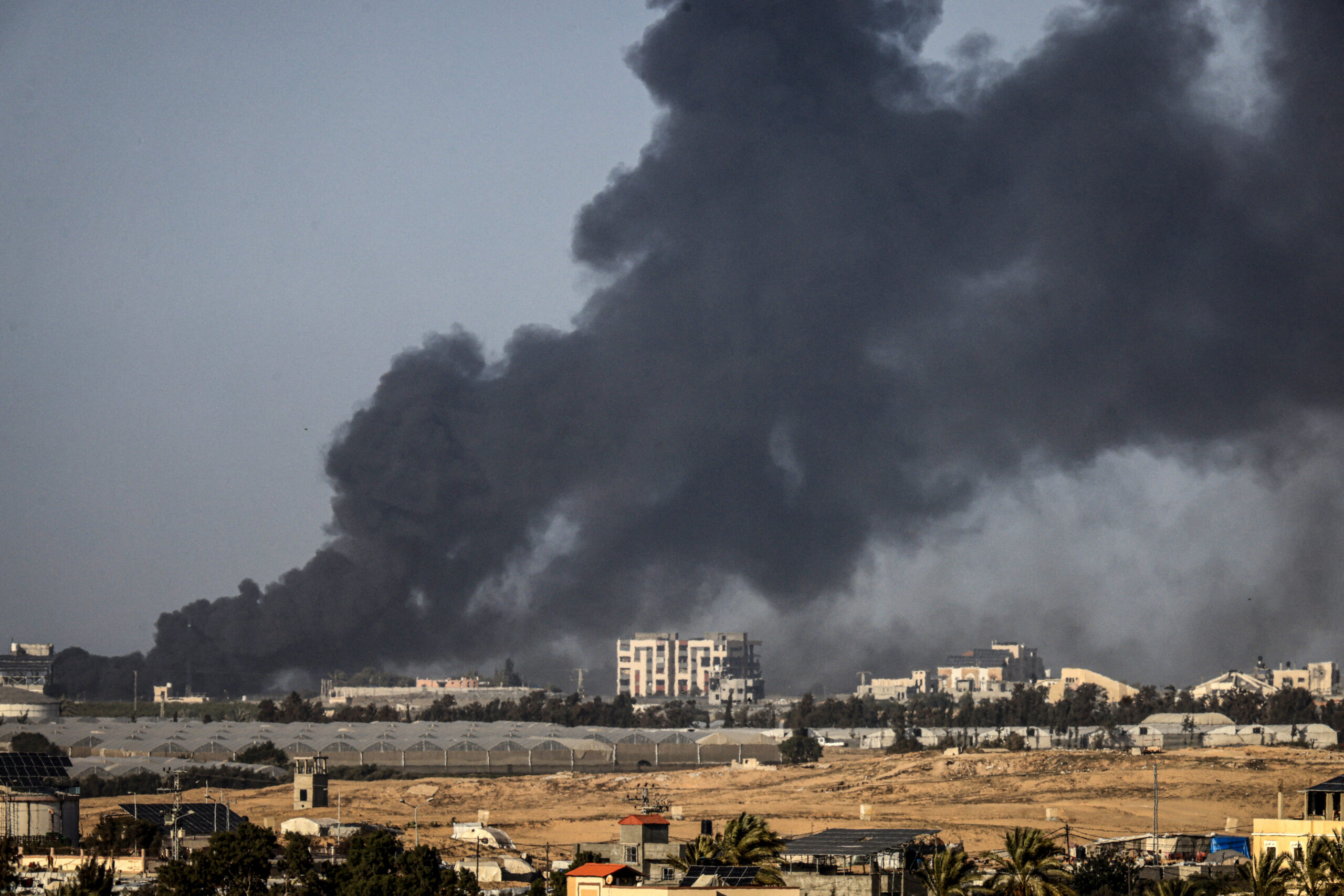
In times of war, constitutional courts frequently fail to defend civil liberties. There is no shortage of examples of this from around the world, often stemming from an impulse to avoid conflict with the national security establishment in order to avoid losing public support. In the wake of the Hamas-led attacks on October 7 and Israel’s ongoing bombardment of the Gaza Strip, the Israeli Supreme Court has been no exception.
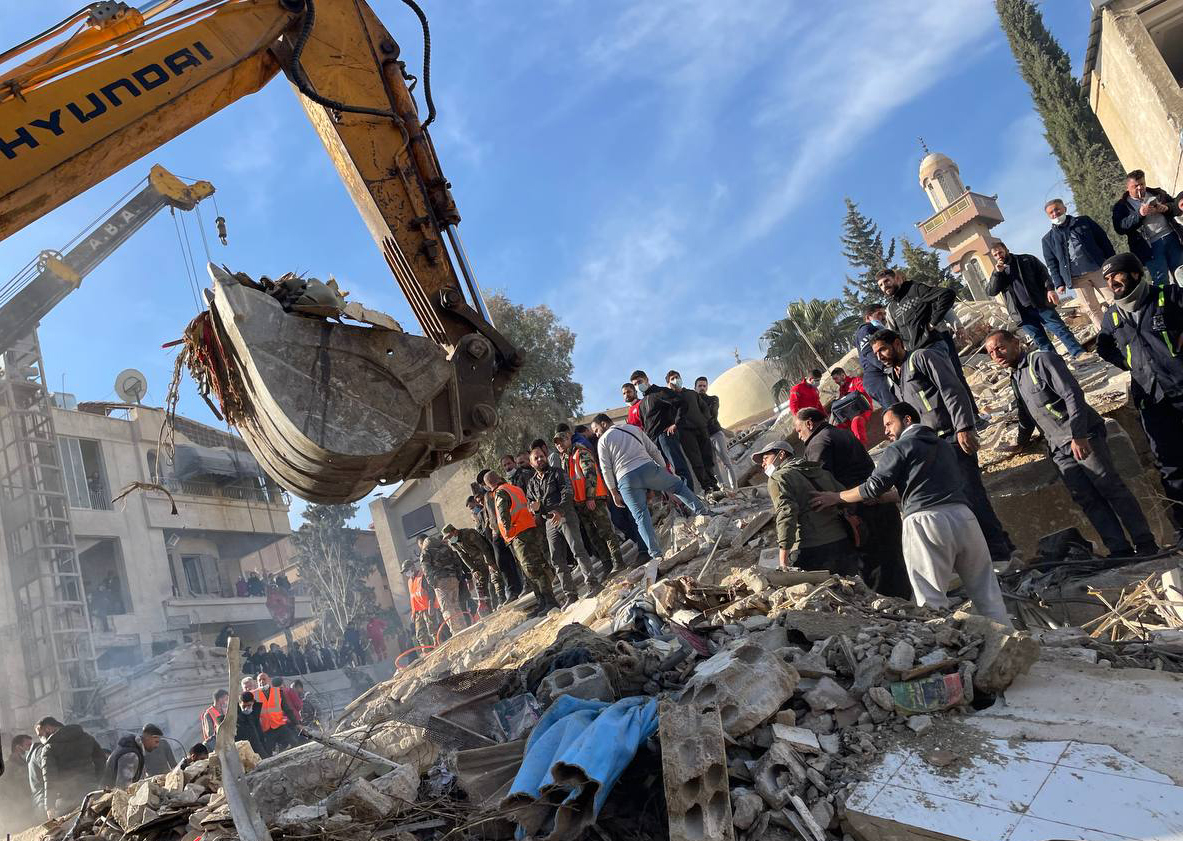
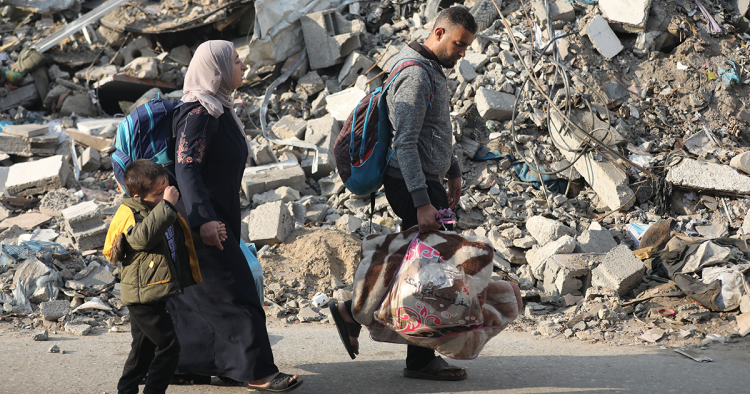
The Israeli military offensive in the Gaza Strip has led to a displacement crisis of historic magnitude. According to international assessments, about 1.9 million Palestinians are displaced in Gaza—85 percent of the population. More than a million of them have fled from the northern part of Gaza following Israel’s instructions. The pictures, stories, and videos appearing on social media since the beginning of the war, with Palestinian families fleeing with light luggage, feel to many like a national flashback to the Nakba, an Arabic word that means “catastrophe.”.
The Necessary Risk of America’s Military Strikes in Yemen
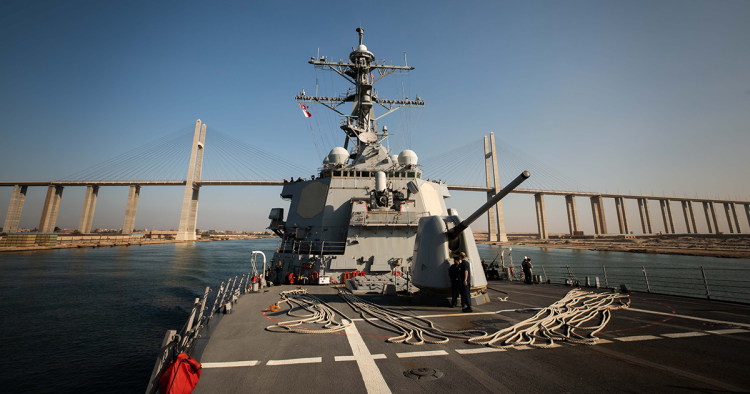
By striking Houthi rebel targets in Yemen with Britain on Thursday, Washington sent a searing message to both the Houthis and its Iranian backers that the United States has ended its longstanding defense-only posture in the Red Sea and is determined to stop the group’s attacks against commercial ships in regional waters.
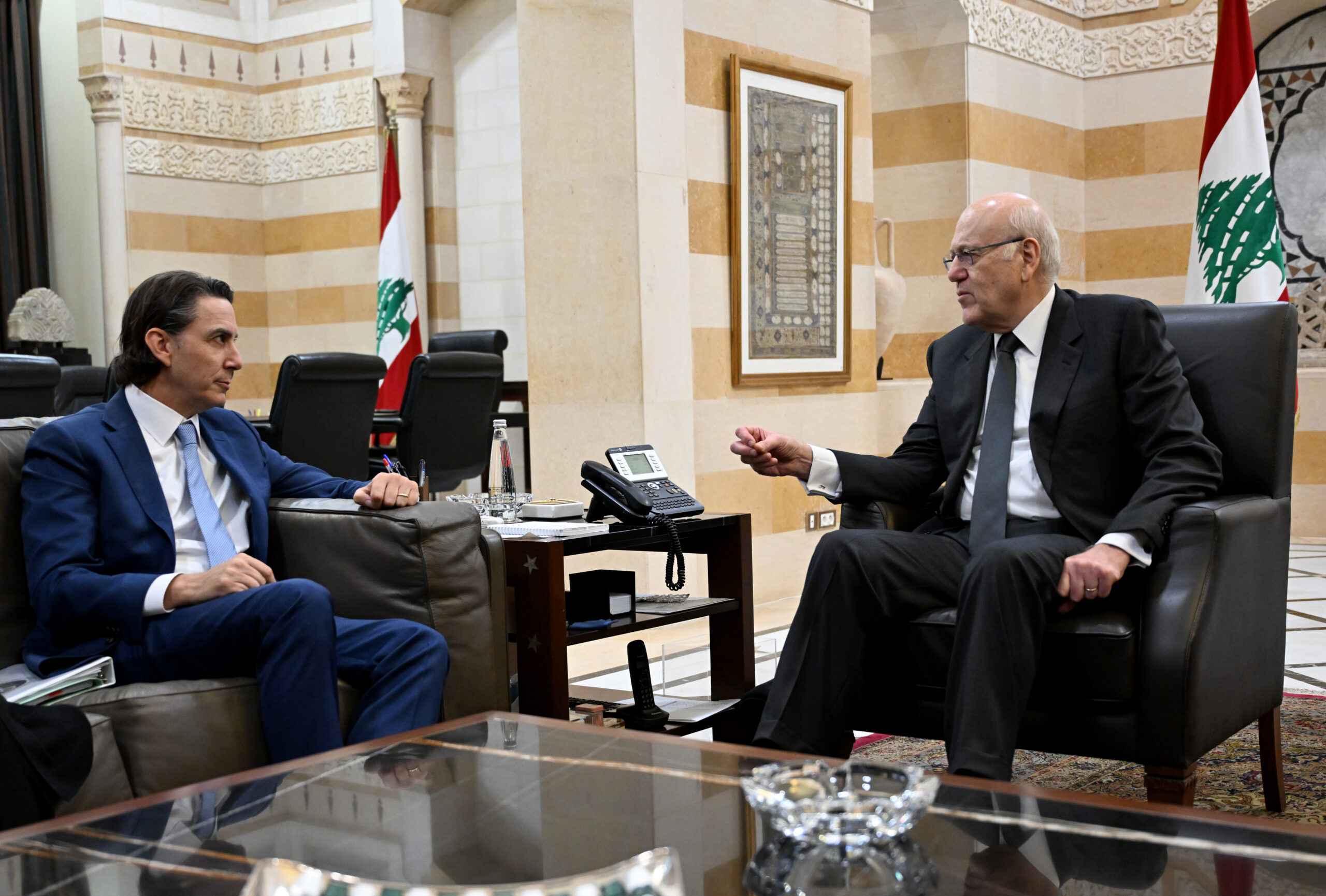
Robust diplomacy is Washington’s only chance to stop a Lebanon-Israel war
In navigating the thickening fog of war, ongoing US-led mediation must actively take two critical steps to pull Lebanon and Israel back from the brink and avoid a direct US-Iran confrontation: secure credible guarantees on compliance and endorse local efforts to elect an independent president.
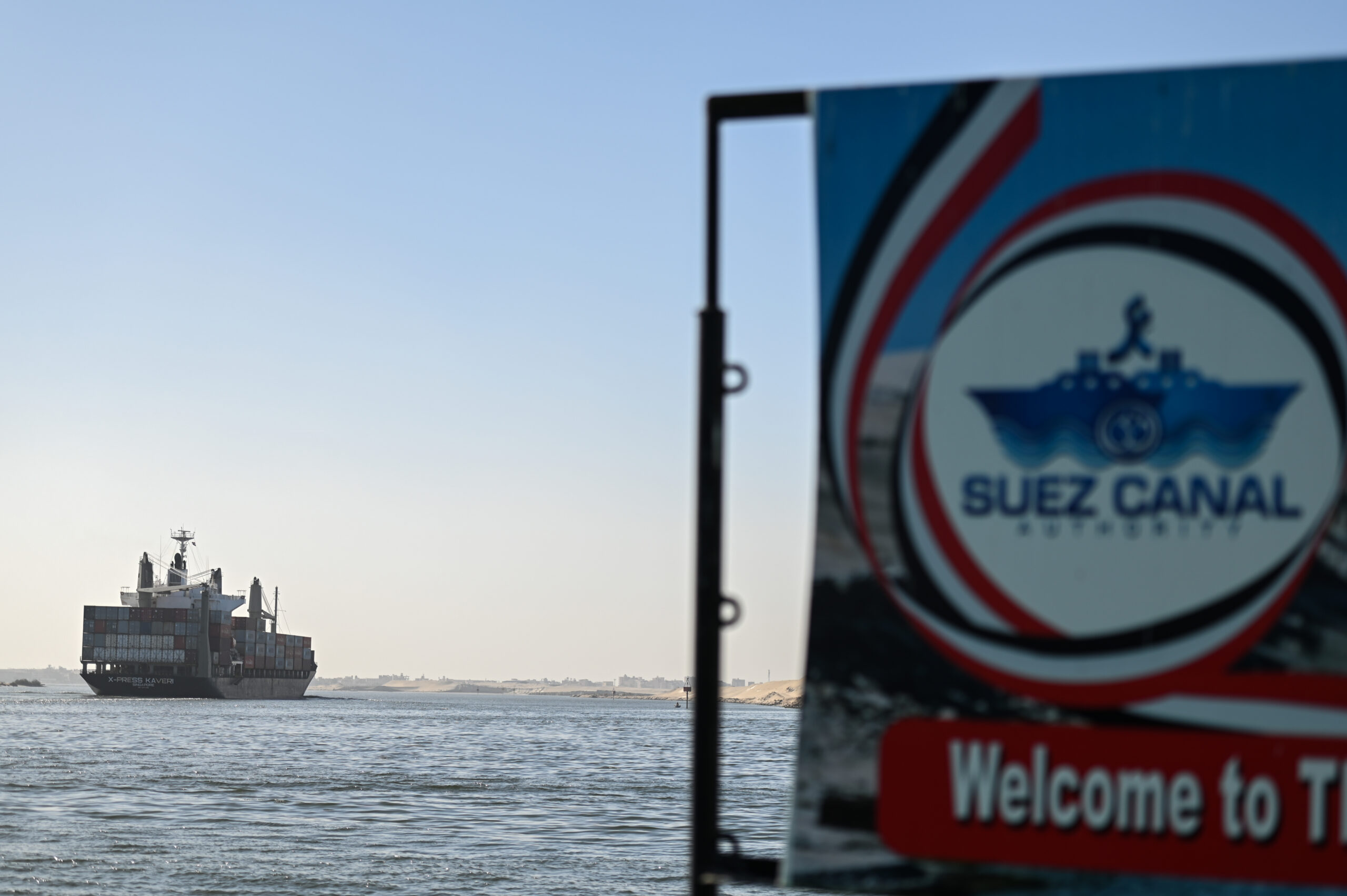
US options to counter Houthi threat to global shipping
Overnight US and UK strikes on Thursday delivered a strong message to the Houthis: their attacks on global shipping in the Red Sea will not go unpunished.