Monday Briefing: EU, G7, and NATO summits break new ground, but still fall short of what Ukraine really needs
Read MEI’s weekly briefing featuring expert analysis of key regional developments for the week ahead.
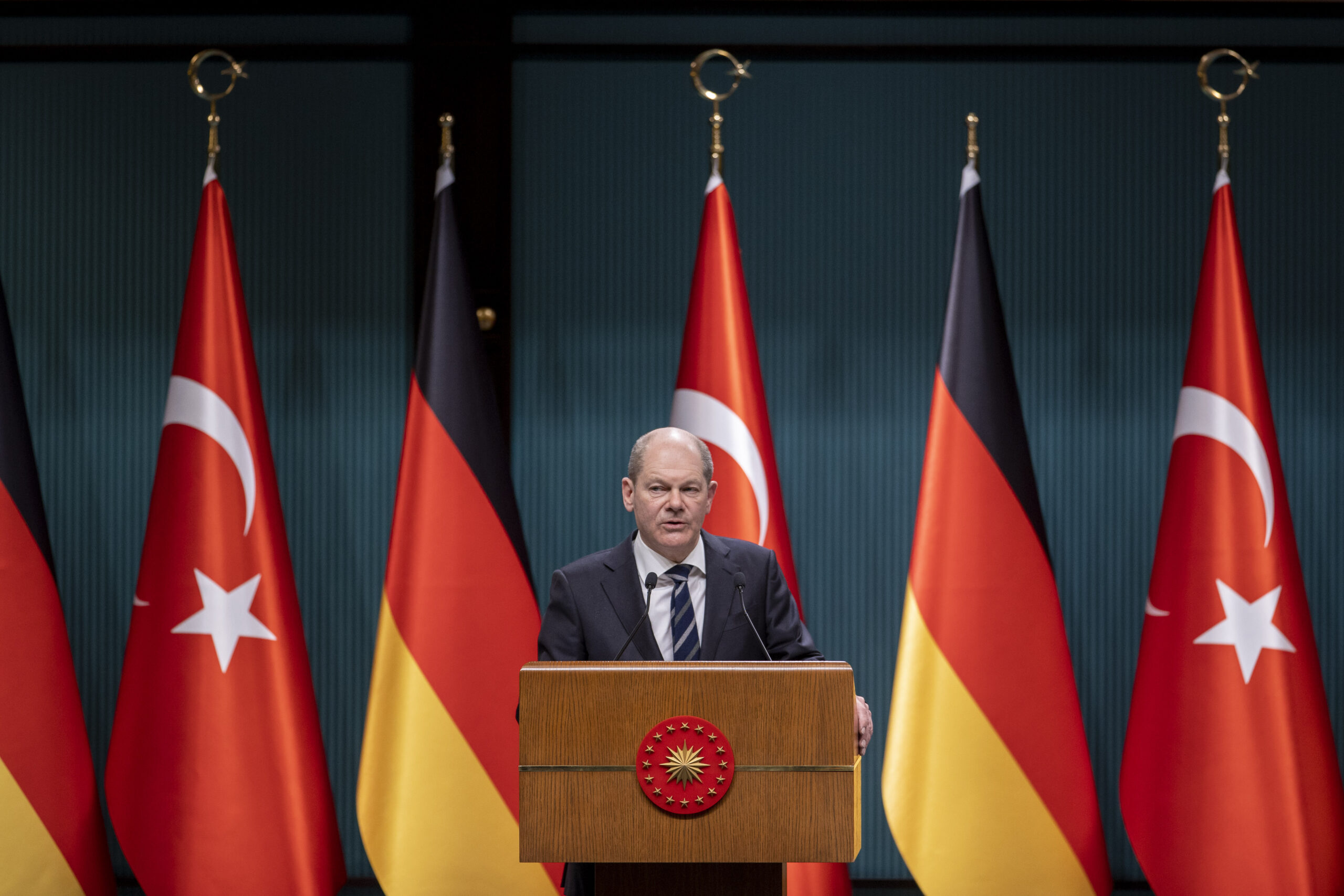
After 16 years under Angela Merkel, Olaf Scholz’s assumption of Germany’s chancellorship on Dec. 8, 2021 marked a new chapter in the nation’s politics. Within the “traffic light” coalition government formed by the Social Democrats, the Free Democratic Party, and the Greens, Annalena Baerbock heads the Ministry of Foreign Affairs. Before taking office, the co-leader of Alliance 90/The Greens was known for both her welcoming attitude toward immigrants and her full-throated condemnation of human rights violations by authoritarian governments. The Middle East and North Africa (MENA) region has no shortage of the latter: According to the Economist Intelligence Unit’s Democracy Index, 17 out of the 20 countries in the region are “authoritarian” and not one is characterized as a “full democracy.” Beyond human rights, other key MENA policy issues for the new government include Iran, Turkey, ongoing conflicts in the region, and immigration. The challenges are numerous, if well-known, but how will Berlin respond? Is Germany’s policy toward MENA likely to change or remain the same under the new government?
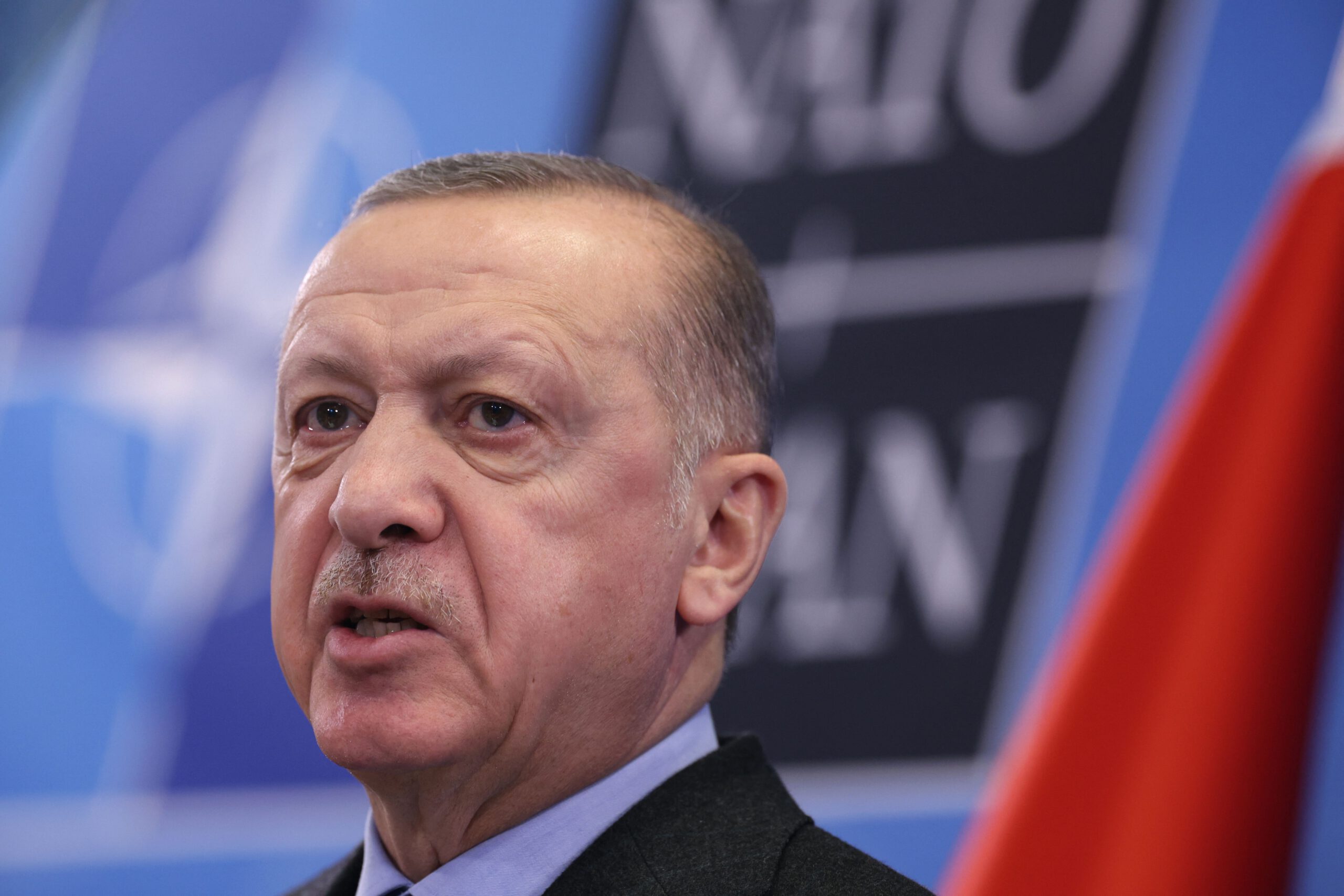
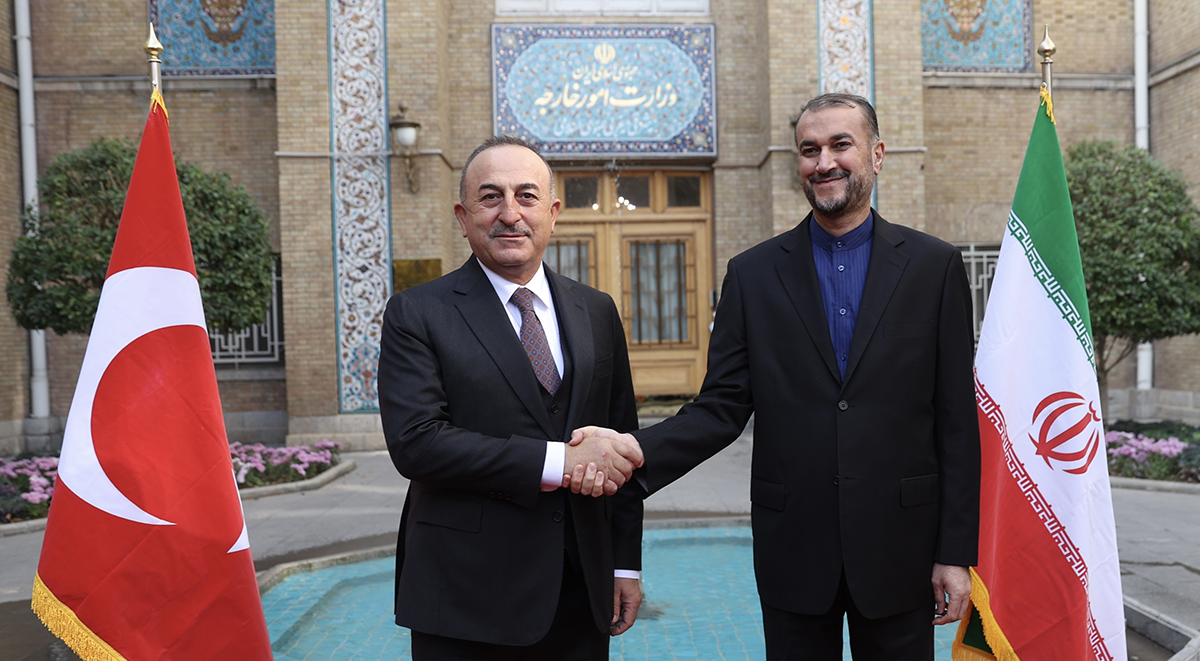
The Russian invasion of Ukraine has opened up new opportunities for Turkey, but Erdogan should not overplay his hand.
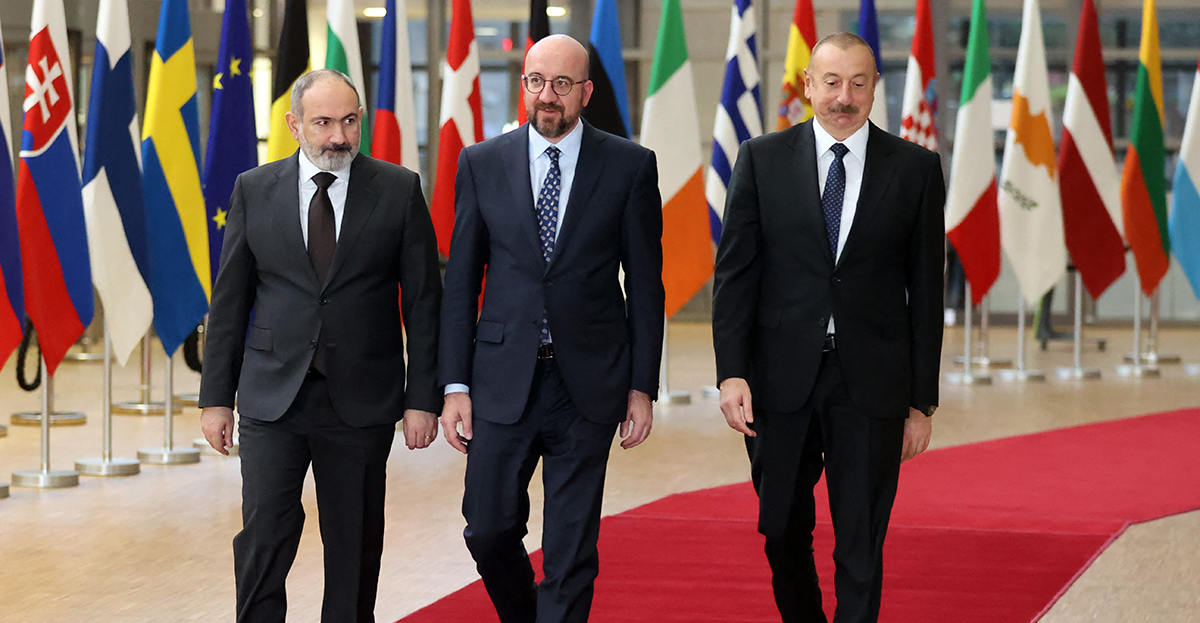
Since the collapse of the Soviet Union, the South Caucasus has been unable to find a model for regional cooperation or form regional organizations. The relative calm that followed the Second Nagorno-Karabakh War, especially after the signing of the November 2020 cease-fire agreement, renewed hopes that this might change. Significant challenges to regional cooperation remain, however, and Russia’s war with Ukraine has only complicated matters further.
Read MEI’s weekly briefing featuring expert analysis of key regional developments for the week ahead.
The culmination of the Donbas battle is near. For the first time in this war, the pendulum starts swinging in Russia’s favor. By summer’s end, it’s possible that Moscow will fully secure its land bridge to Crimea. This would have catastrophic consequences.
After a hesitant beginning, the West has rallied to provide Ukraine the military assistance it needs to check Russian aggression. Longer-range rocket systems should be part of a comprehensive strategy.
It is time for Western leaders to deal with Russia as it is and not as they want it to be. There is no room for them to back down now, as it will simply increase Putin’s appetite. The cost of providing a face-saving exit to Putin is much higher than that of his ultimate humiliation on the battlefield.
As Russia’s war in Ukraine continues, where things go from here is far from certain, but it is worth considering the range of possibilities. These three scenarios highlight the potential challenges and opportunities that Putin, Erdoğan, and, to a lesser degree, Zelenskyy may face depending on how the conflict plays out, as well as what is at stake for other countries in the Black Sea region.
Read MEI’s weekly briefing featuring expert analysis of key regional developments for the week ahead.
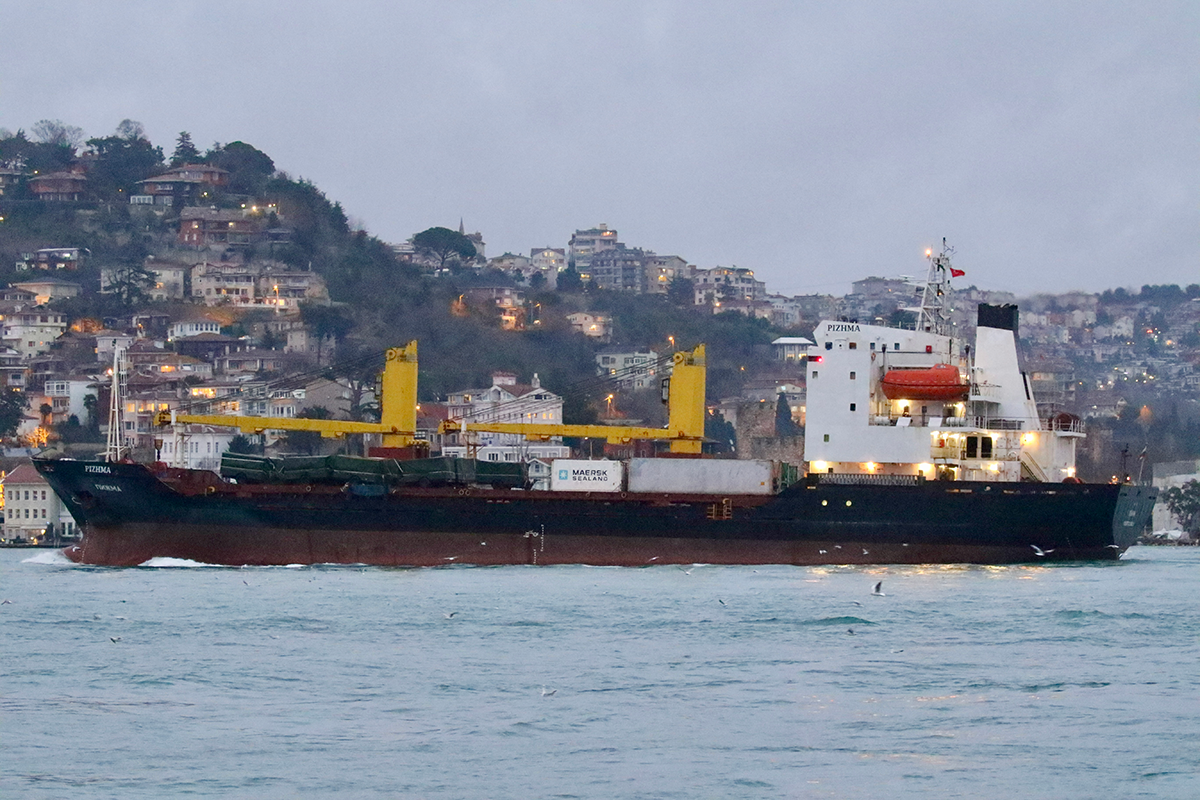
On Feb. 28, Turkey triggered the Montreux Convention, not used since World War II, and closed the Turkish Straits to military ships. This one move interrupted Russia’s maritime logistical supply line to Syria, interfered with its ability to rotate naval assets in the Mediterranean, and prevented Moscow from bringing additional warships to the Black Sea. Russia can no longer supply its Syria operation or deliver defense exports to its customers using navy ships. However, close observation of traffic through the Turkish Straits reveals that Russia is continuing its naval operations in the Mediterranean and Black seas.
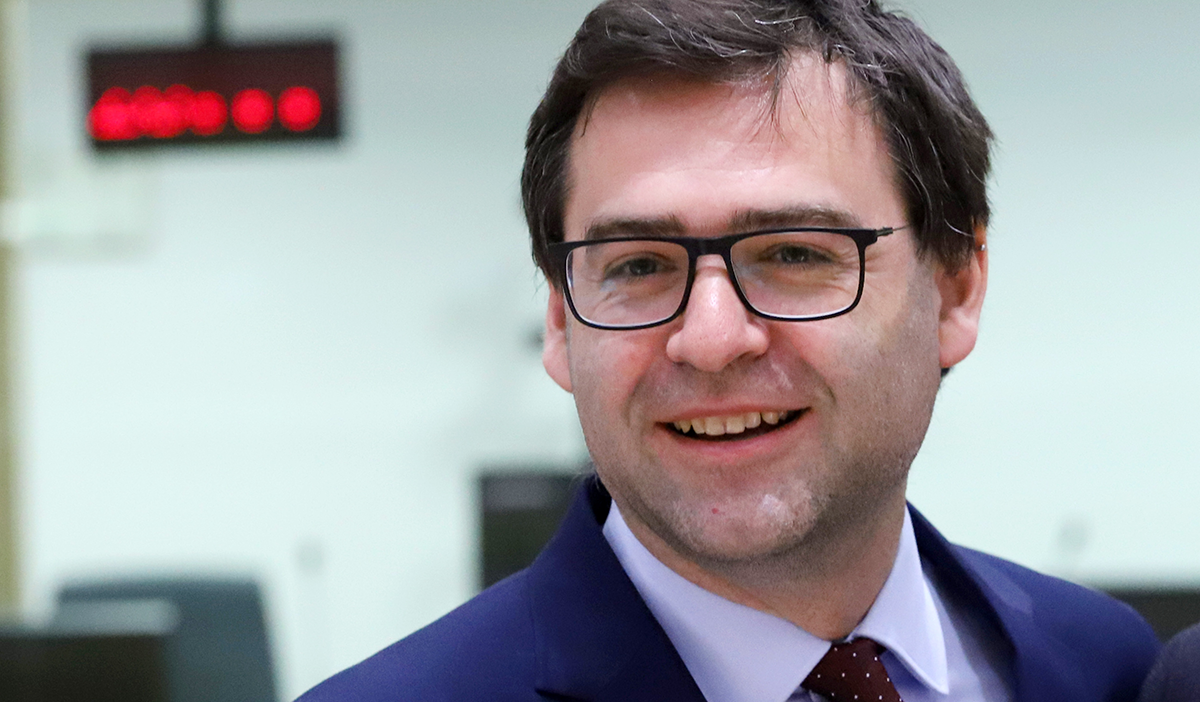
The tiny country may be next on Russia’s list. Iulia-Sabina Joja interviews Moldova’s foreign minister, Nicu Popescu.
Since late September 2021, Tehran and Baku have engaged in a process of de-escalation, largely focused on economic cooperation and regional transportation links. Such efforts should be welcomed, but underlying geopolitical tensions, especially the Iranian-Turkish competition for influence in the South Caucasus, can still derail them at any moment.
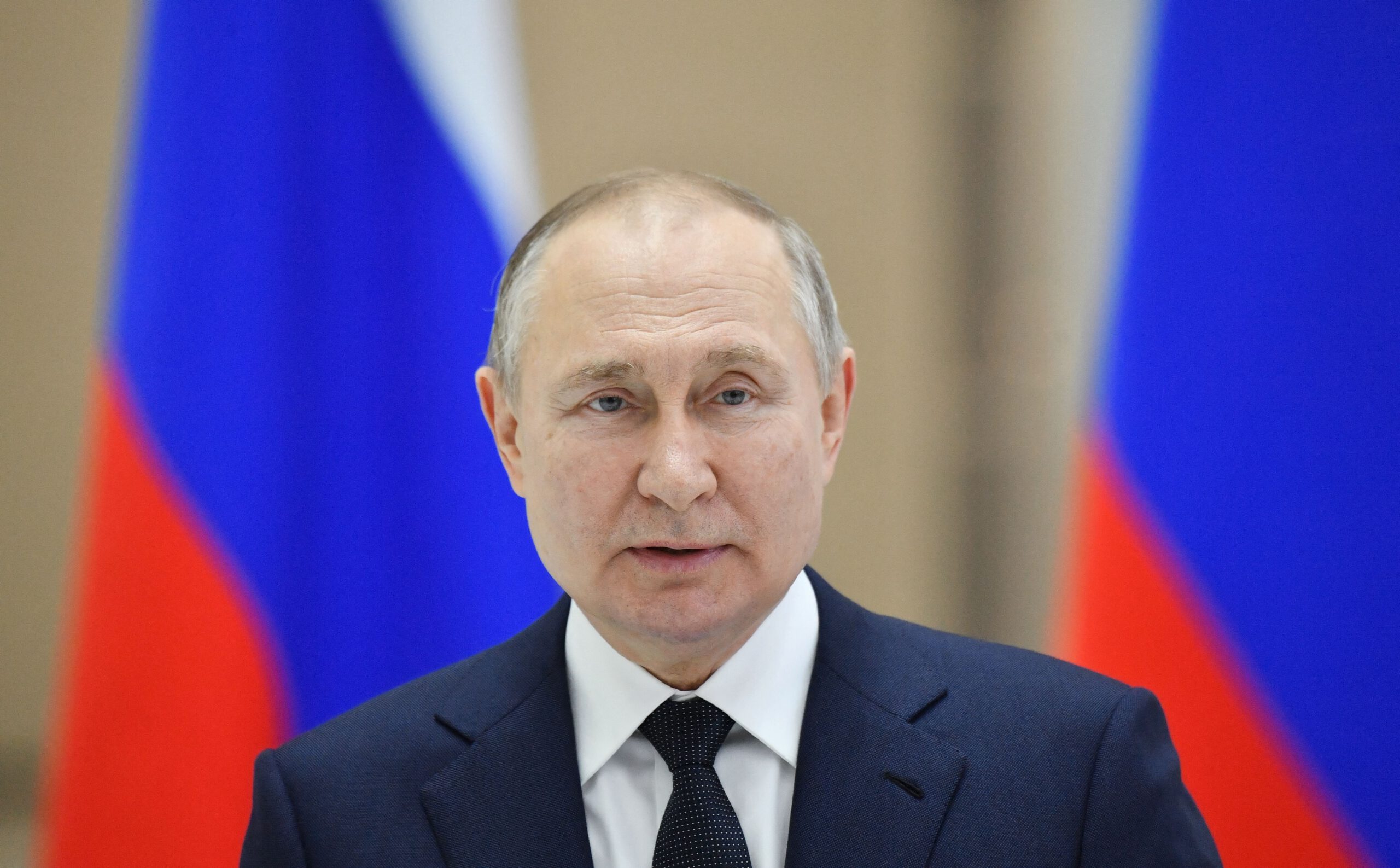
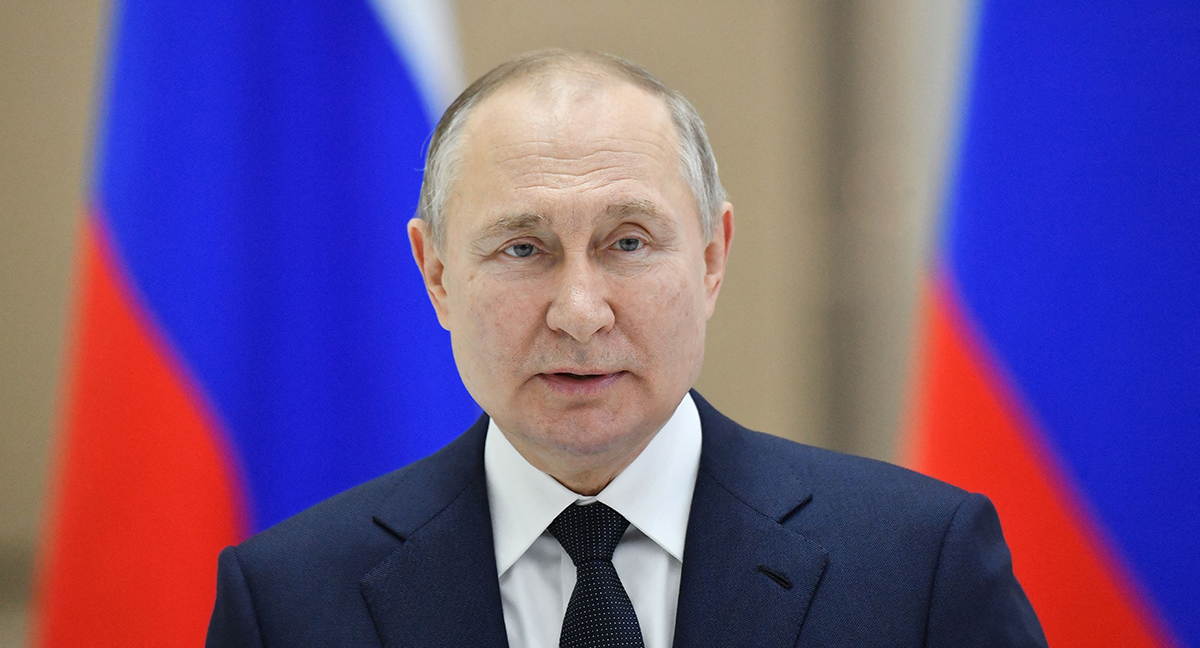
As the conventional war in Ukraine continues and military operations intensify, Russian President Vladimir Putin is wrestling with the need to maintain his fight in Ukraine while demonstrating to the Russian people that he is winning in the following three key areas: land, security, and identity.
Read MEI’s weekly briefing featuring expert analysis of key regional developments for the week ahead.