Skip to Content

Research & Commentary Results

Filter by
637 Results
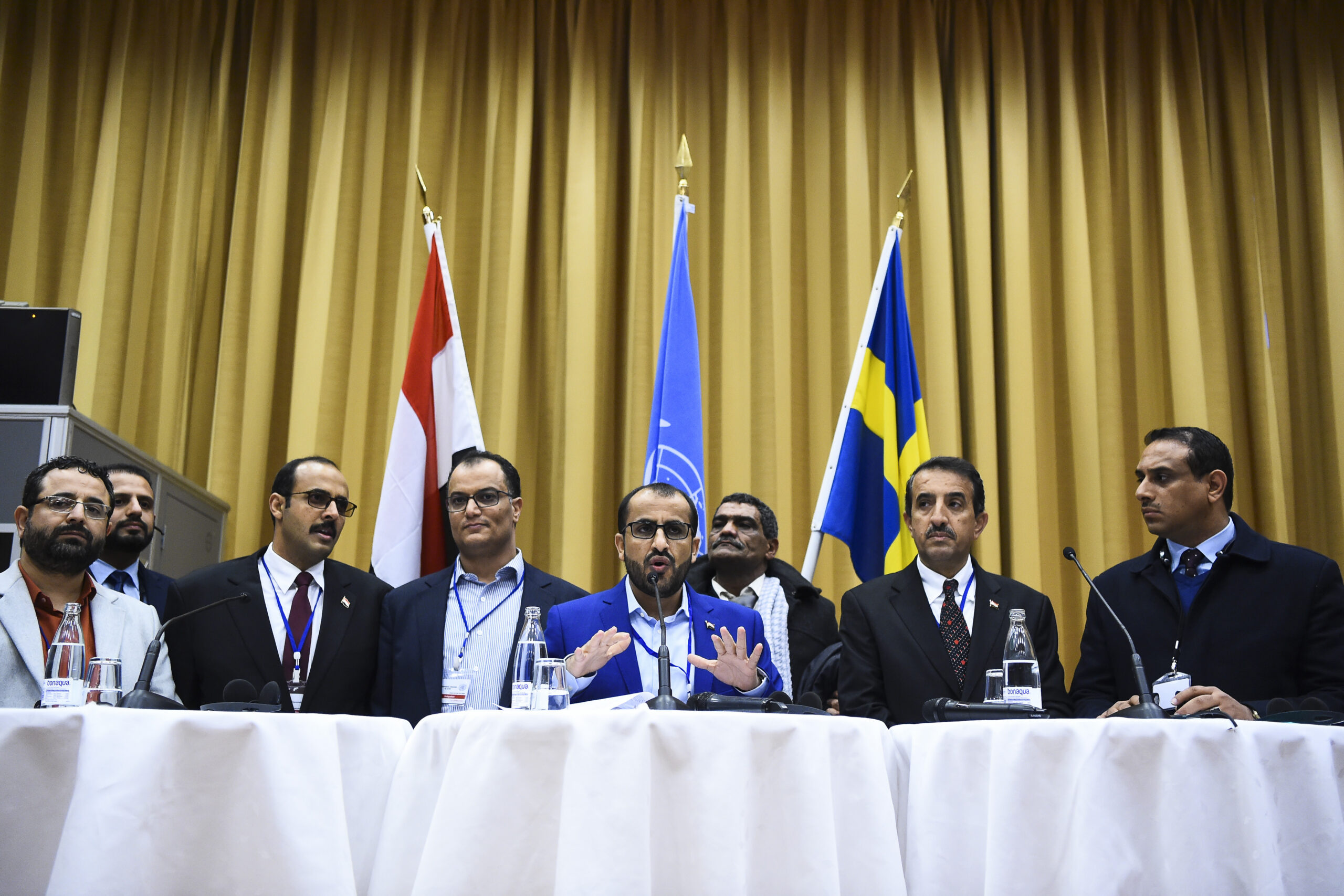
From Stockholm to Riyadh: Breaking the Yemen peace process deadlock
Rebel negotiator Mohammed Abdelsalam (C) holds a press conference together with members of the delegation following the peace consultations taking place at Johannesberg Castle in Rimbo, north of Stockholm, Sweden, on December 13, 2018. - Yemen's government and rebels have agreed to a ceasefire in flashpoint Hodeida, where the United Nations will now play a central role, the UN chief said. (Photo by Jonathan NACKSTRAND / AFP) (Photo credit should read JONATHAN NACKSTRAND/AFP via Getty Images)
  • Analysis
  • From Stockholm to Riyadh: Breaking the Yemen peace process deadlock

    Over the past 14 months, there have been moments when it seemed like progress was being made toward de-escalation in Yemen, but there have also been significant setbacks as well. Peace efforts thus far have been largely fragmented and frail, and two primary lessons from the past failures have become clear.

    February 13, 2020

    FBI probes NSO Group
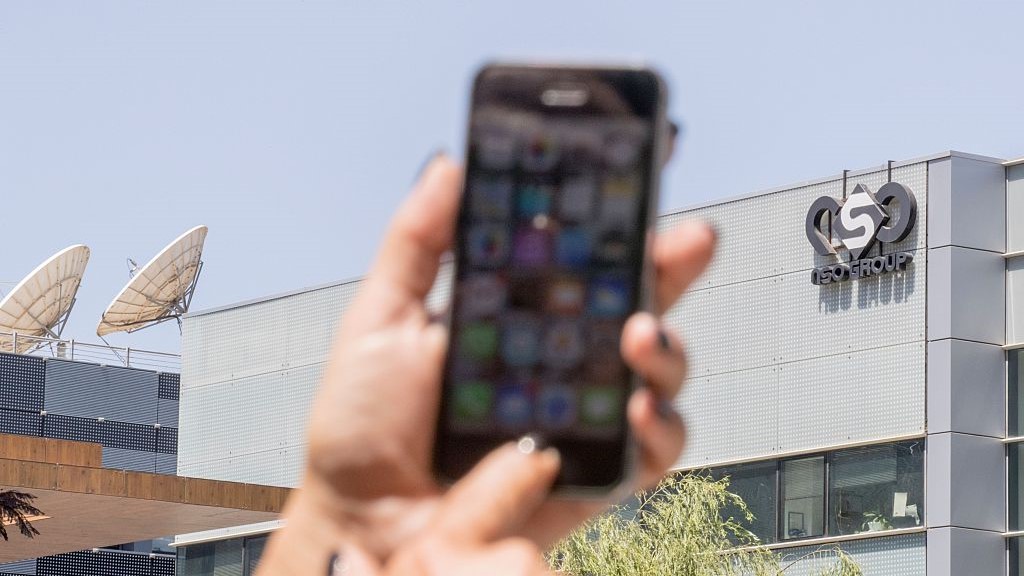
    An Israeli woman uses her iPhone in front of the building housing the Israeli NSO group, on August 28, 2016, in Herzliya, near Tel Aviv.
  • Commentary
  • FBI probes NSO Group

    Reuters reported on Jan. 30 that the FBI has been investigating Israeli spyware firm NSO Group since 2017. The revelation comes after Sen. Chris Murphy and UN Special Rapporteur Agnes Callamard called on the U.S. to investigate the apparent hacking of Amazon CEO Jeff Bezos’s phone by Saudi Crown Prince Mohammed bin Salman. In its statement, the UN identified NSO Group as a likely source of the malware.

    January 31, 2020

    Reviewing the Middle East in 2019
    Middle East Institute
  • Podcast
  • Reviewing the Middle East in 2019

    In our annual year in review episode, MEI experts Paul Salem, Gonul Tol, Charles Lister, Alex Vatanka, Marvin Weinbaum, and Mirette Mabrouk sit with host Alistair Taylor to discuss the key events across the region in 2019, what surprised them, and where things stand as we head into 2020.

    December 19, 2019

    The intra-GCC competition over the Palestinian heart
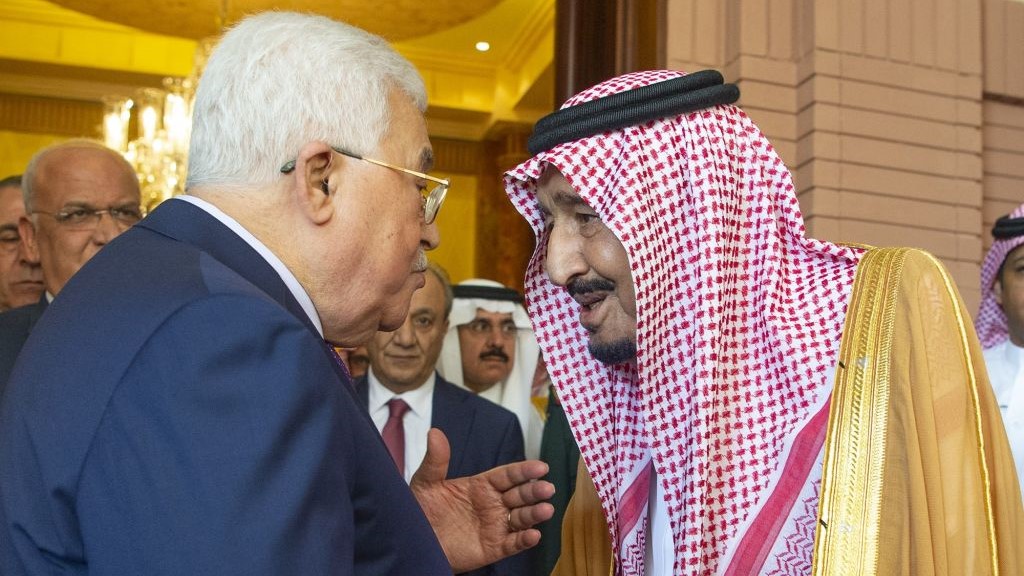
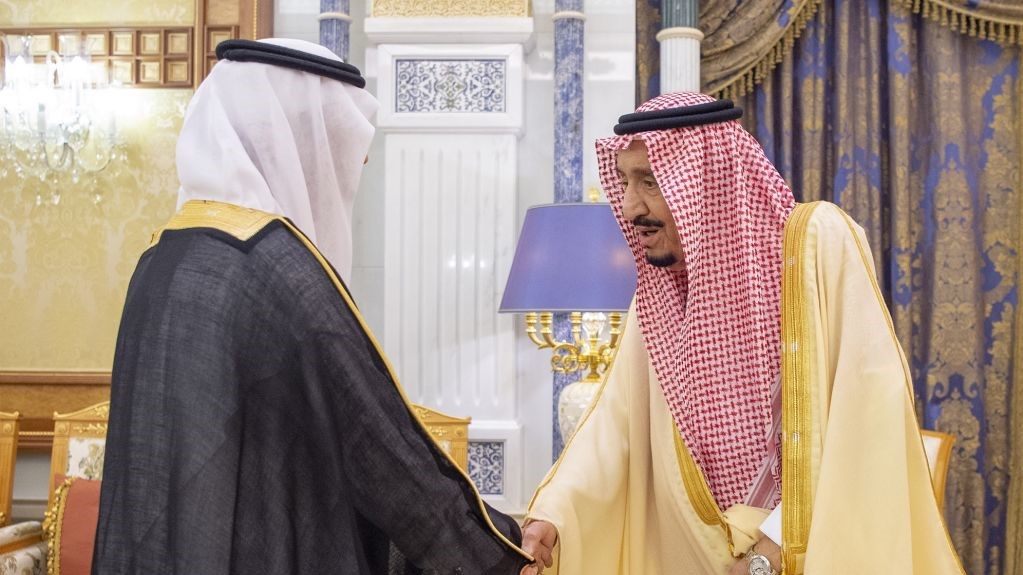
    Palestinian President Mahmoud Abbas (L) meets Saudi Arabian King Salman bin Abdulaziz al-Saud (R) in Riyadh, Saudi Arabia on October 15, 2019.
  • Analysis
  • The intra-GCC competition over the Palestinian heart

    Since 2017 three separate blocs have emerged within the Gulf. Driven by the region’s divisions, rival power centers, and conflicting interests, the Gulf states are playing an ever-greater role in Palestinian affairs.

    December 18, 2019

    The Gulf looks over the cliff and retreats
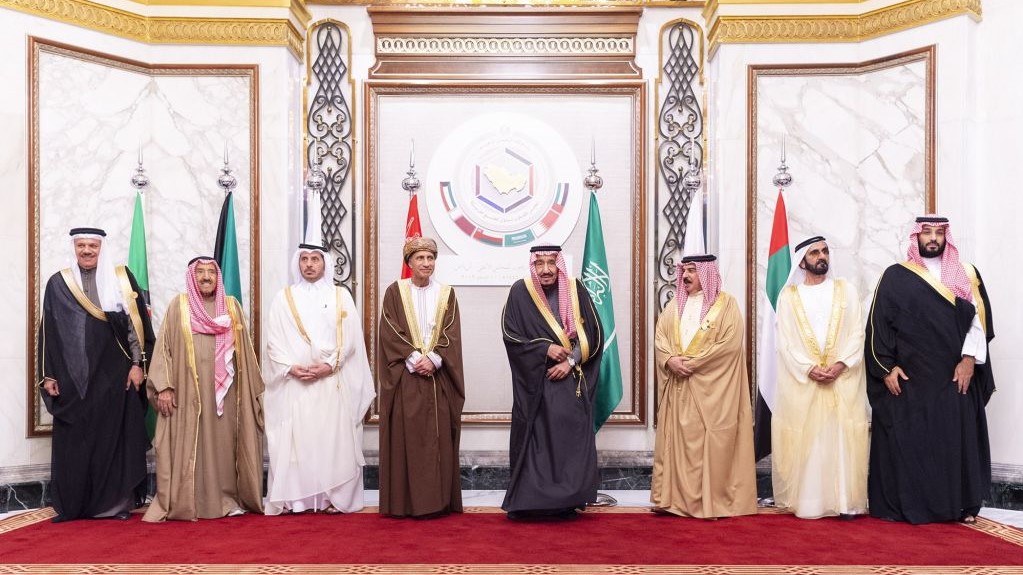
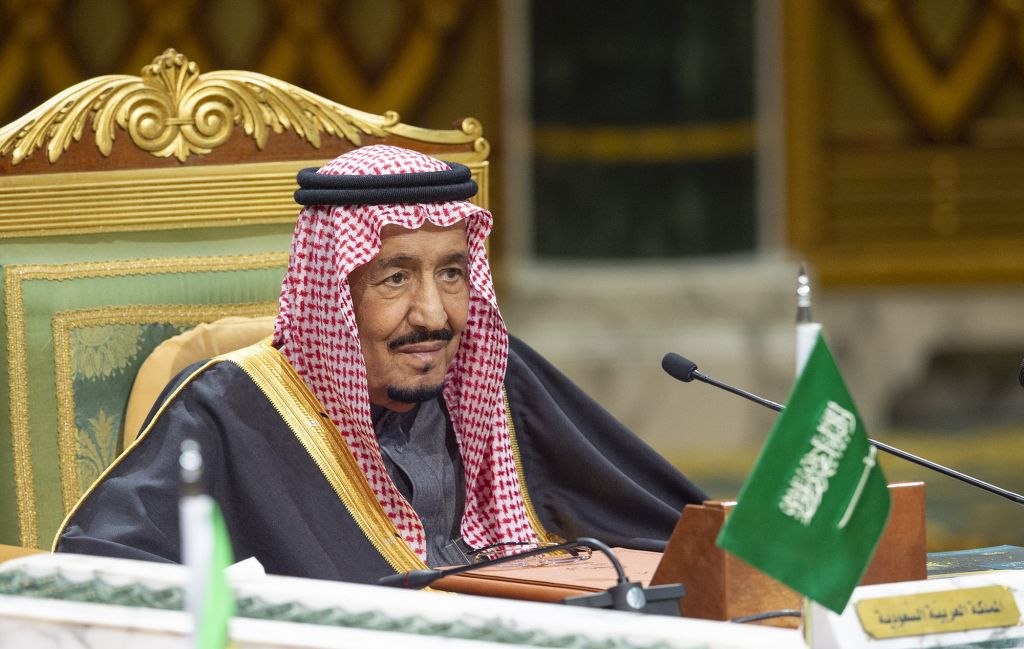
     Saudi Arabian King Salman bin Abdulaziz al-Saud chairs the 40th Gulf Cooperation Council (GCC) annual summit in Riyadh, Saudi Arabia on December 10, 2019.
  • Commentary
  • The Gulf looks over the cliff and retreats

    The steps the Saudis have taken in 2019 may help to ease international pressure on the kingdom’s leadership and restore its image as a constructive player in the world.

    December 16, 2019

    Blockchain adoption in the Gulf states
  • Analysis
  • Blockchain adoption in the Gulf states

    The subject of extensive international interest and attention over the past few years, blockchain technology is regarded as a key component of the fourth industrial revolution. This article seeks to shed light on the use of blockchain technology in the Gulf states by analyzing current trends of blockchain adoption in the region compared to those internationally. In so doing, it will determine Gulf institutions’ capacity for keeping pace with the changes and developments blockchain adoption has introduced.

    December 10, 2019

    Kuala Lumpur summit: A challenge to Saudi leadership?
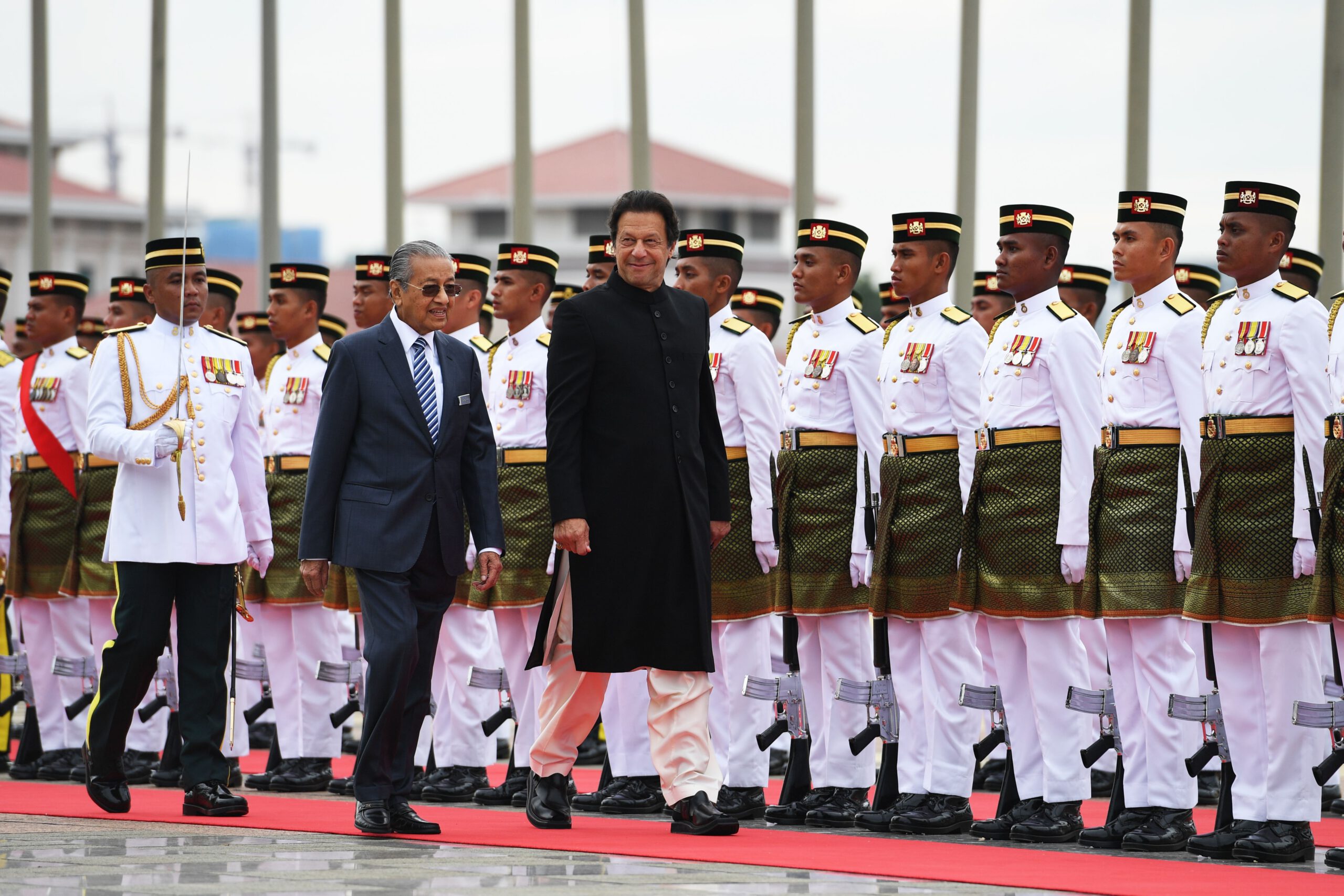
    Pakistan's Prime Minister Imran Khan (C) is accompanied by his Malaysian counterpart Mahathir Mohamad (L) as he reviews a guard of honour during a welcoming ceremony at the prime minister's office in Putrajaya on November 21, 2018. (Photo by Mohd RASFAN / AFP) (Photo credit should read MOHD RASFAN/AFP via Getty Images)
  • Analysis
  • Kuala Lumpur summit: A challenge to Saudi leadership?

    On Nov. 23, Malaysia’s prime minister, Mahathir Mohamad, announced that his country will stage an Islamic summit in Kuala Lumpur from Dec. 19-21. The event, on the theme of “The Role of Development in Achieving National Security,” will feature representatives from the host country as well as Indonesia, Pakistan, Qatar, and Turkey. Around 450 leaders, scholars, clerics, and thinkers from 52 countries will attend, along with Turkish President Recep Tayyip Erdoğan, Qatari Emir Sheikh Tamim bin Hamad al-Thani, Indonesian President Joko Widodo, and Pakistani Prime Minister Imran Khan.

    December 10, 2019

    Could a gas cartel become as powerful as OPEC?
  • Analysis
  • Could a gas cartel become as powerful as OPEC?

    The 12-country Gas Exporting Countries Forum (GECF), which held its latest meeting in Equatorial Guinea on Nov. 28, has never had OPEC’s ability to control energy prices, but that is likely to change as liquefied natural gas (LNG) transforms the gas market from a regional to a global one.  

    December 6, 2019

    Traces of the 1979 assault on the Grand Mosque still roil the Middle East today
     Muslim pilgrims gather at the Grand Mosque in Saudi Arabia's holy city of Mecca on August 7, 2019, prior to the start of the annual Hajj pilgrimage in the holy city.
  • Commentary
  • Traces of the 1979 assault on the Grand Mosque still roil the Middle East today

    Four decades on, echoes of the November 1979 assault on the Grand Mosque in Mecca continue to reverberate. Coming on the heels of the Iranian revolution and days after the Iran hostage-taking, the Mecca attack, carried out by a group of several hundred Saudi extremist Islamists declaring a new Mahdi, shocked the Sunni world and pushed Muslims in a far more conservative direction.

    November 20, 2019

    The Saudi Aramco IPO: Short-term success, long-term loss
    A picture taken on November 3, 2019 shows a sign of Saudi Aramco's initial public offering (IPO) during a press conference by the state company in the eastern Saudi Arabian region of Dhahran.
  • Commentary
  • The Saudi Aramco IPO: Short-term success, long-term loss

    The Saudi Aramco IPO got started this Sunday morning with shares priced at SAR 30-32 ($8-8.50) each, valuing the company at $1.7 trillion, $300 billion below the original estimate. The lower valuation has been expected for some time by most investment banks and many financial analysts. The proceeds are expected to fund the Public Investment Fund’s forays into non-energy-based companies, advanced technologies, and even robot-filled cities.

    November 18, 2019

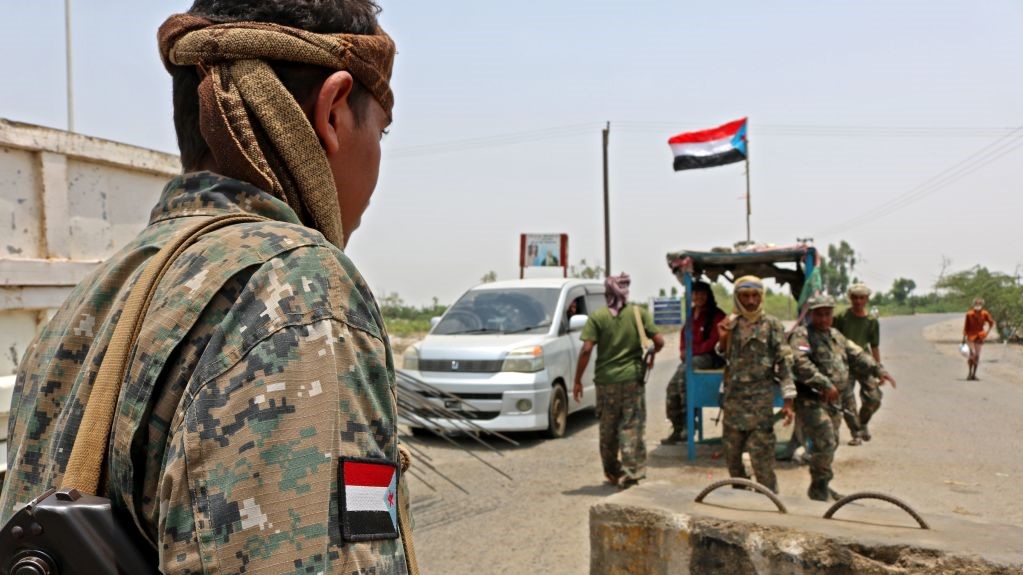
    Despite the hurdles, an opportunity for de-escalation in Yemen
    ) Yemeni Deputy Prime Minister Ahmed Saeed al-Khanbashi (R) and Southern Transitional Council (STC) representative Nasser al-Habci (L) are seen during a signing ceremony of 'Riyadh Agreement' between the Yemeni government and the United Arab Emirates (UAE)-backed separatist forces, Southern Transitional Council (STC) in Riyadh, Saudi Arabia on November 05, 2019.
  • Analysis
  • Despite the hurdles, an opportunity for de-escalation in Yemen

    After more than two months of Saudi-mediated indirect talks between the Republic of Yemen Government (ROYG) and the UAE-backed Southern Transitional Council (STC), the two sides finally reached a deal on Nov. 5. The Saudi effort, which culminated in the signing of the Riyadh Agreement, is aimed at resolving the conflict within the Arab coalition-backed front and uniting the two parties in the fight against the Iranian-backed Houthi militias. The agreement, which spans political, economic, security, and military arrangements, involves restructuring the executive, military, and security branches of the ROYG, partial disarmament of STC-loyal forces, and the demilitarization of Aden — all of which will be phased in over the next three months.

    November 8, 2019

    Saudi Arabia’s quick fix of Yemen’s southern conflict will face a durability problem
    A fighter of the UAE-trained Security Belt Force, dominated by backers of the the Southern Transitional Council (STC) which seeks independence for south Yemen, mans the turret of a technical (pickup truck mounted with an anti-aircraft gun) displaying portraits of separatist leader Aidarus al-Zubaidi and showing the logo of the STC, in the Crater district in the centre of Yemen's second city of Aden on August 12, 2019.
  • Analysis
  • Saudi Arabia’s quick fix of Yemen’s southern conflict will face a durability problem

    After violent confrontations with the government of Yemen and repeated struggles for autonomy, members of the Southern Transitional Council (STC), which represents a political movement that calls for secession, appeared satisfied with the terms of a deal that will be signed with the government of Yemen in Riyadh on Oct. 31. The Saudi-brokered agreement united the conflicting parties in their fight against the Iran-backed Houthis, with a strong vision aimed at stopping any side-show that could endanger this effort.

    October 29, 2019