Monday Briefing: Iraq’s ongoing cycle of successes and disasters
Read MEI’s weekly briefing featuring expert analysis of key regional developments for the week ahead.
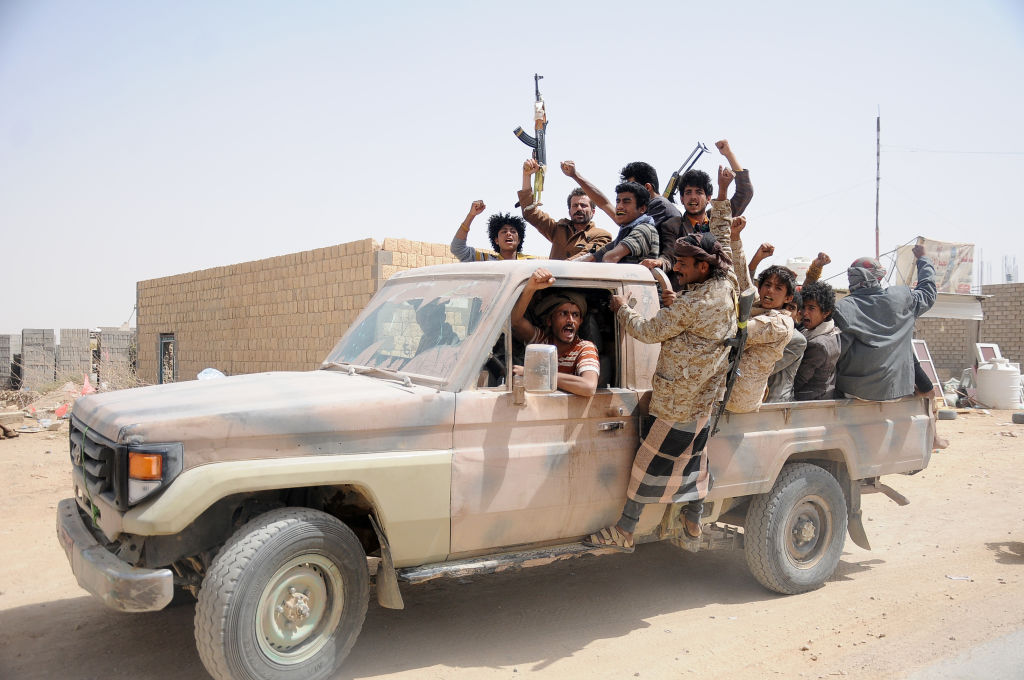
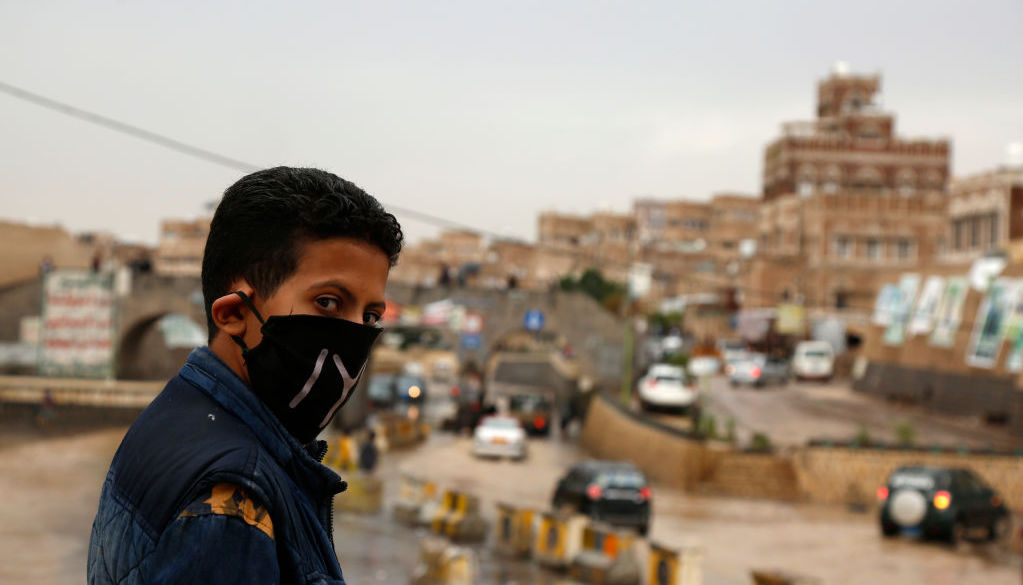
As the current U.N.-led political negotiations between the Yemeni government and the Houthis seem to have hit a dead end, there has been growing interest in exploring the role tribal leaders and local tribes can play in ending Yemen’s conflict. The role of Yemeni tribes, however, remains largely misunderstood, and the authority of tribal leaders and the influence of tribes on national political decision making are often overestimated. This report looks into the possibilities and limitations of tribal mediation on de-escalation and cease-fire. It argues that while the tribes developed relatively effective mechanisms to limit the spread of violence into their areas, there are major limitations to their ability to mediate the national-level and political conflict.
“عملية انفراج تدريجية هي أفضل ما يمكن أن نأمله في العلاقات الإيرانية السعودية”.
Read MEI’s weekly briefing featuring expert analysis of key regional developments for the week ahead.
On Monday, March 22, Saudi Arabia’s foreign minister, Prince Faisal bin Farhan al-Saud, proposed an initiative to end the war in Yemen in an offer that addressed various long-standing issues that the Houthis wanted to resolve, including lifting land and sea restrictions, and allowing fuel and food imports to the Houthi-held port of Hodeidah. The initiative proposed engaging the parties to the conflict to find a comprehensive peace agreement. The problem, however, is that the Houthis have no incentive to accept any peace proposal for the time being because a resolution to Yemen’s war, at least for now, is at odds with their political and military strategy.
A solid defense needs a potent deterrent, which requires a credible offense.
Prisoners of war and political and civilian detainees are two of the most important humanitarian issues in Yemen. Local mediation has had impressive results, and local mediators, including women, have become key players in resolving this issue. Experience has shown that to bring an end to the war in Yemen, international mediators need to stop ignoring and excluding local efforts and peace builders. Achieving sustainable peace will not happen without the equal involvement of women leaders and the inclusion of those who had no hand in the war.
Around the world, leaders are scrambling to define their strategy for dealing with the inevitable U.S.-China cold war to come, and the Gulf is no exception. Considering the different objectives and perspectives that the region has in regard to the two superpowers, any misstep in forming alliances could be detrimental to its future.
Read MEI’s weekly briefing featuring expert analysis of key regional developments for the week ahead.
After last year’s much-publicized spat between Pakistan and Saudi Arabia — culminating with Riyadh’s demand for early repayment of $3 billion in loans meant to shore up Islamabad’s foreign exchange reserves — tensions between the two countries have since cooled. Pakistan and Saudi Arabia appear to be in the midst of a reset of relations.
On Feb. 4, President Joe Biden announced the end of U.S. support for the Saudi Arabia-led coalition’s offensive military operations in Yemen. This decision fuelled optimism about a U.S. return to negotiations over the JCPOA with Iran. Instead of engaging with the United States, Iran has supported the Houthi-orchestrated Marib offensive and stepped up its diplomatic efforts in Yemen.
For many decades, Iran and Saudi Arabia have been bitter rivals, but not over women. If there was a competition, it was only over whose government could impose more limitations on their female population.
On March 4, OPEC+ members agreed to maintain their current production cut levels into April, and the Saudi- and Russia-led cartel’s decision further strengthened the upward trajectory of oil prices. While there were differing opinions among the OPEC+ members regarding the state of the global economy, the group’s unanimous decision reflects Riyadh’s current take on the markets, which is that the health of the world’s economy remains fragile as the recovery from the pandemic continues.