Return to "maximum pressure": Opportunities and challenges
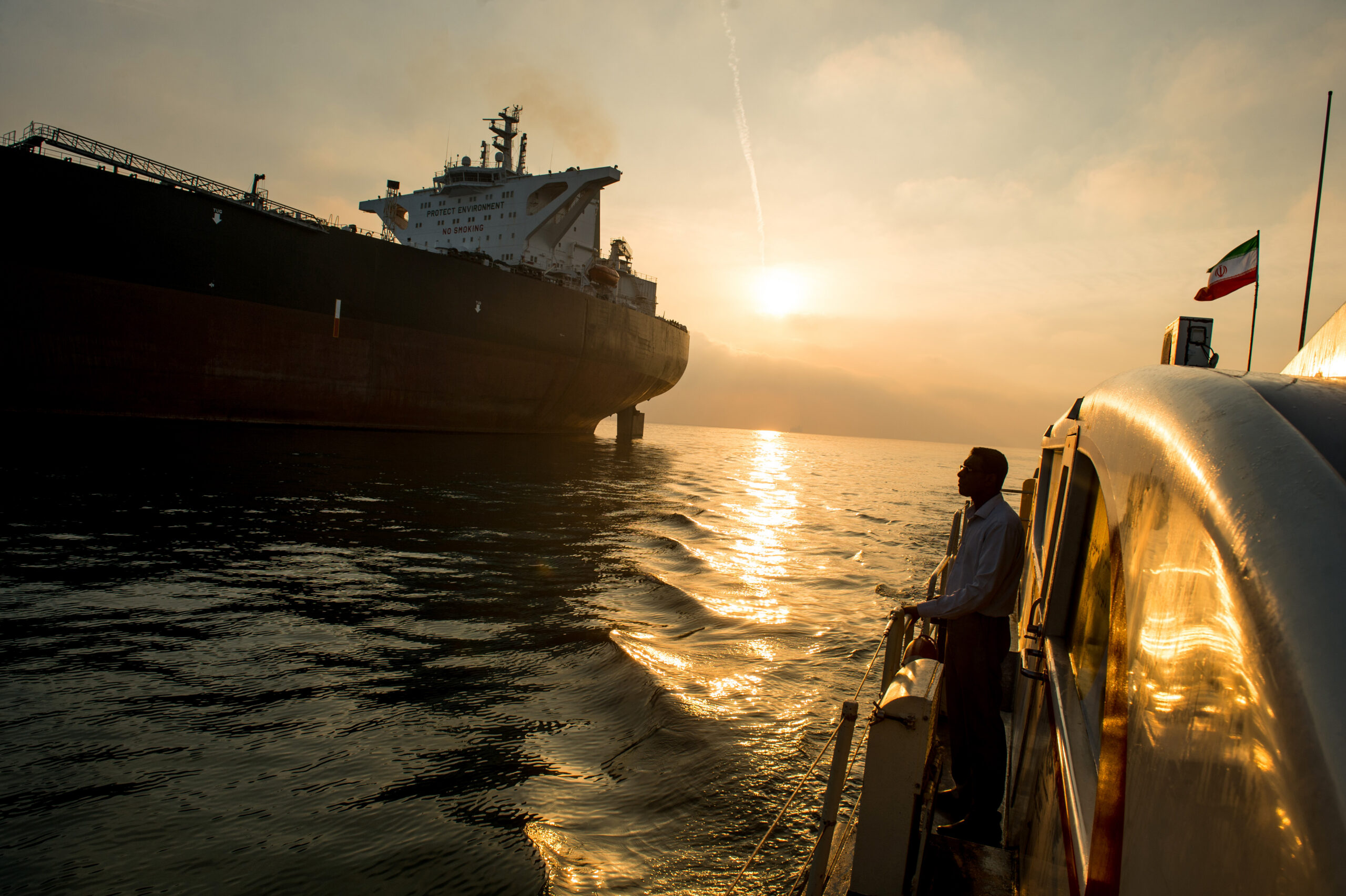
With the signing of a presidential memorandum on Feb. 4, the administration of Donald Trump has returned to a “maximum pressure” campaign against Iran, but circumstances have changed drastically since the policy of intensified sanctions was originally crafted during his first term. Regional geopolitics will present the White House with a new set of variables, while changes in the petroleum markets will affect how the administration approaches sanctions on oil exports.
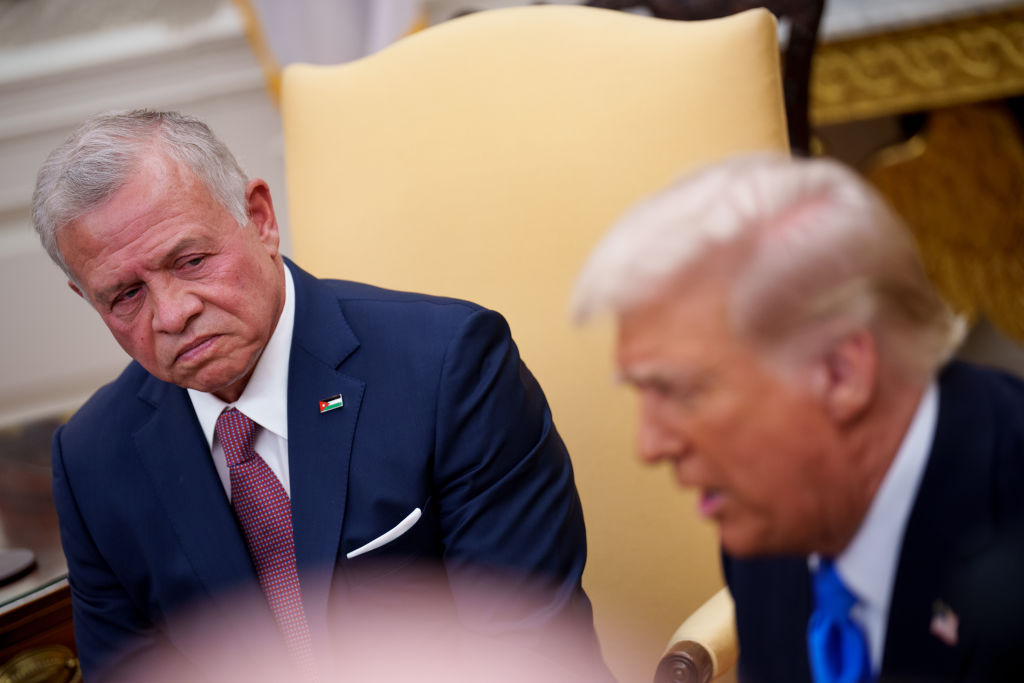
Trump’s diplomatic gambit in the Middle East at one month
This massive distraction of the Trump administration’s Gaza non-plan and the even more serious move of dismantling America’s ability to shape and influence events abroad together carry three risks for the Middle East.
Watching Trump’s second term unfold from the Middle East
Observing the unfolding of President Donald Trump’s second term from the Middle East is as confusing and disorienting as it must be from the United States. In Palestine, Egypt, and Jordan, urgent concern is focused on Trump’s surprise plan to take over the Gaza Strip, displace its population, and rebuild it as the “Riviera of the Middle East.” In Israel, the right wing is extremely pleased with Trump’s gift, but they don’t know what he has planned for the West Bank. In the Arab Gulf monarchies, leaders are generally happy to be dealing with Trump again but are alarmed by the recklessness of his Gaza plan and concerned about the potential impact his energy and tariff policies could have on their economies.
Act 1 of Trump’s Middle East policy: Off script or no script?
The Trump administration’s Middle East approach in its first three weeks back in office was filled with plenty of sound and fury. It’s still too soon to tell whether all of the noise signifies much of anything for the region, yet there are few promising signs of a smooth ride ahead.
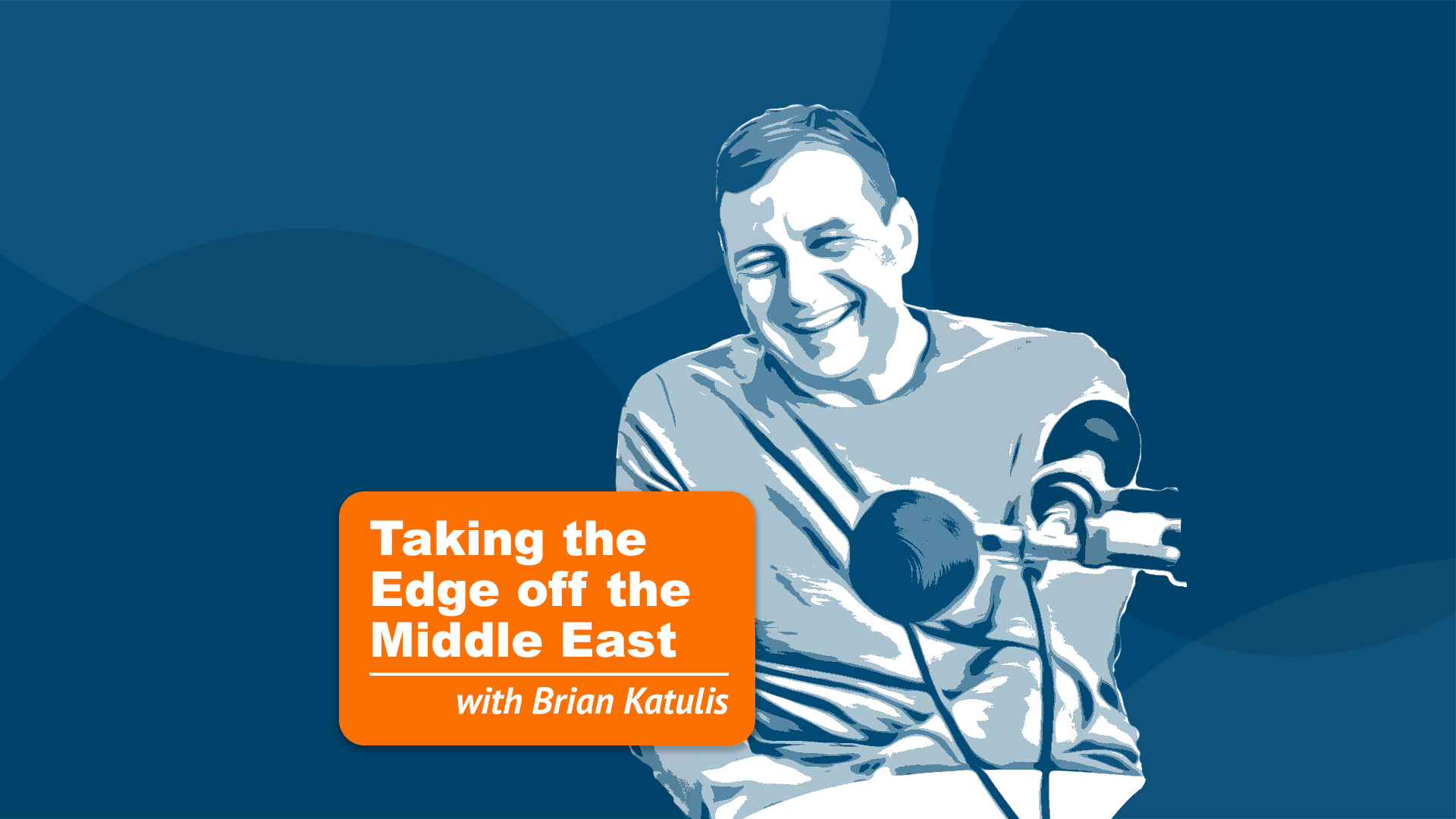
Barbara A. Leaf | 'Taking the Edge Off the Middle East' Ep. 7
Middle East Focus Presents: ’Taking the Edge Off the Middle East’ with Brian Katulis.
A series of casual conversations with leading policy professionals on the most important happenings in the Middle East today – hosted by MEI’s Senior Fellow Brian Katulis.
Barbara A. Leaf is a seasoned diplomat and expert on the Middle East, having served as the US Assistant Secretary of State for Near Eastern Affairs and held key positions in US embassies across the region. In this episode, Barbara joins Brian to discuss the array of “black swan” events currently unfolding in the Middle East, and how the second Trump administration may respond to these challenges. They discuss the broader implications of these developments for US foreign policy, national security, and regional stability.
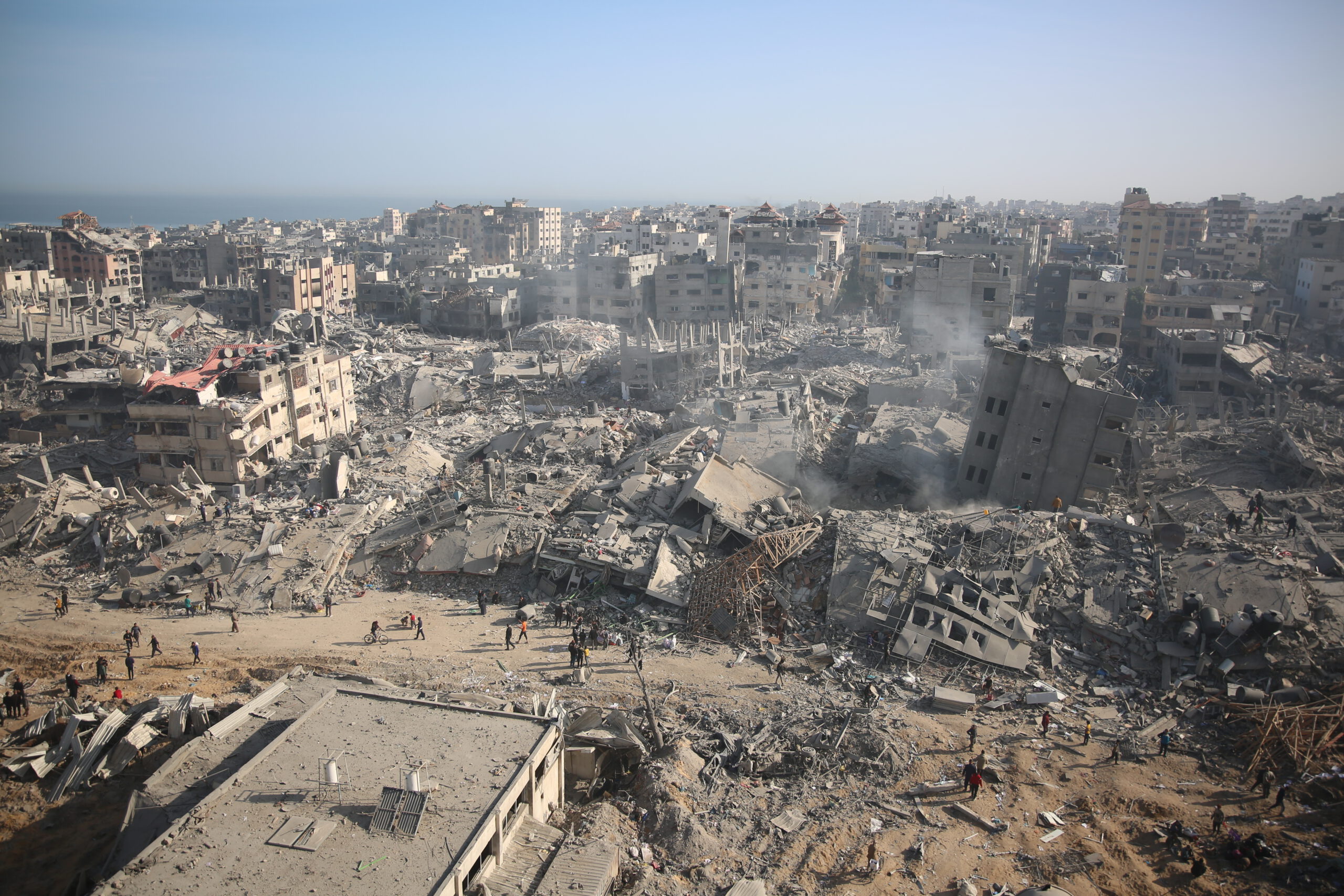
Despite a few hiccups, the cease-fire between Israel and Hamas has achieved its initial milestones. Much will depend on the upcoming negotiations regarding the next phases of the agreement. Yet for now, the fundamental questions of who will govern Gaza, who will provide security, and who will deliver the funding to rebuild it have yet to be definitively resolved.
Rebalancing Russia’s Mediterranean strategy: From showing the flag to retreating to the gray zone
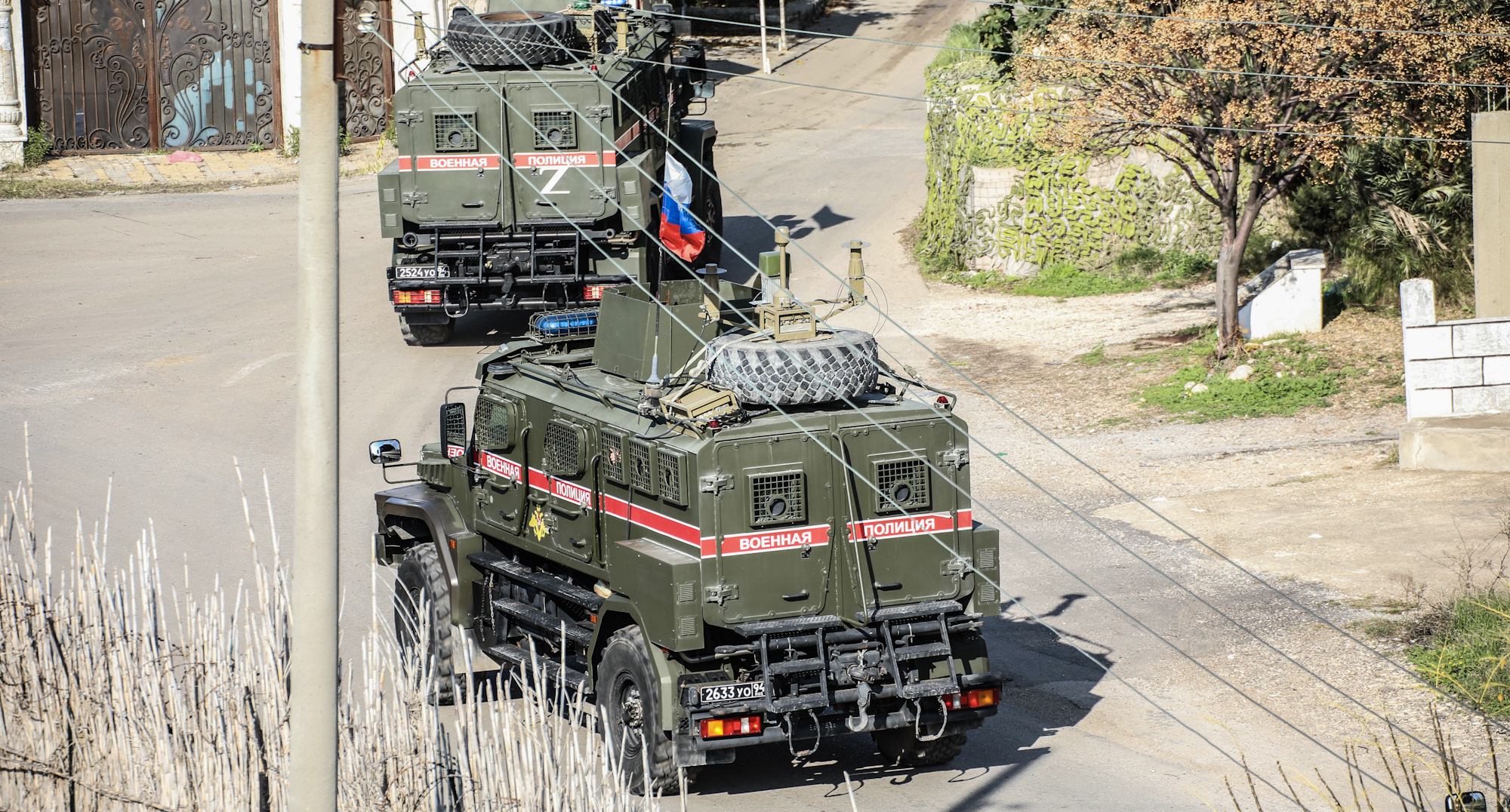
Either maintaining Russia’s military bases in Syria or finding an alternative outpost in the Mediterranean will prove extremely difficult for Moscow. And part of the problem with pursuing the latter option, particularly if in Libya, is that it would require a full-on transformation of Russia’s military presence model — from more traditional bases designed to establish deterrence by showing the flag in the region to building up a military and logistical operation inside a security “gray zone.”
Beyond “Maximum Pressure” in US Policy on Iran: Leveraging Regional Partners to Contain Iran's Actions and Shape its Future Choices
In his second term in office, President Donald Trump faces a Middle East undergoing multifaceted upheaval and an Islamic Republic of Iran currently in its weakest and most isolated position since the founding of the regime in 1979. Yet far from permanently subdued, Tehran continues to move closer to building a nuclear weapon, and it is trying to preserve its regional network of proxies and non-state allies. Trump now faces an important strategic choice on Iran policy. This report analyzes three overarching dynamics: the shifting strategic landscape across the Middle East in 2023-24; the impact of these shifts on Iran and its Axis of Resistance network; and Iran’s current position and standing at home and in the region. It concludes with a series of strategic-level recommendations for the new administration.
Forecasting Trump 2.0’s Middle East approach: Cloudy with a strong chance of more uncertainty ahead
The opening act of US President Donald Trump’s second administration had very little to do with Middle East policy issues. It is too soon to predict what approach Trump might take on that front or even how much he will prioritize the region relative to the other issues on his second term agenda. His administration has sent some mixed and inconsistent signals on staffing and policy moves that don’t provide enough of a clear overall sense of the big picture on the Middle East but do offer some preview of what might be to come on three key fronts.
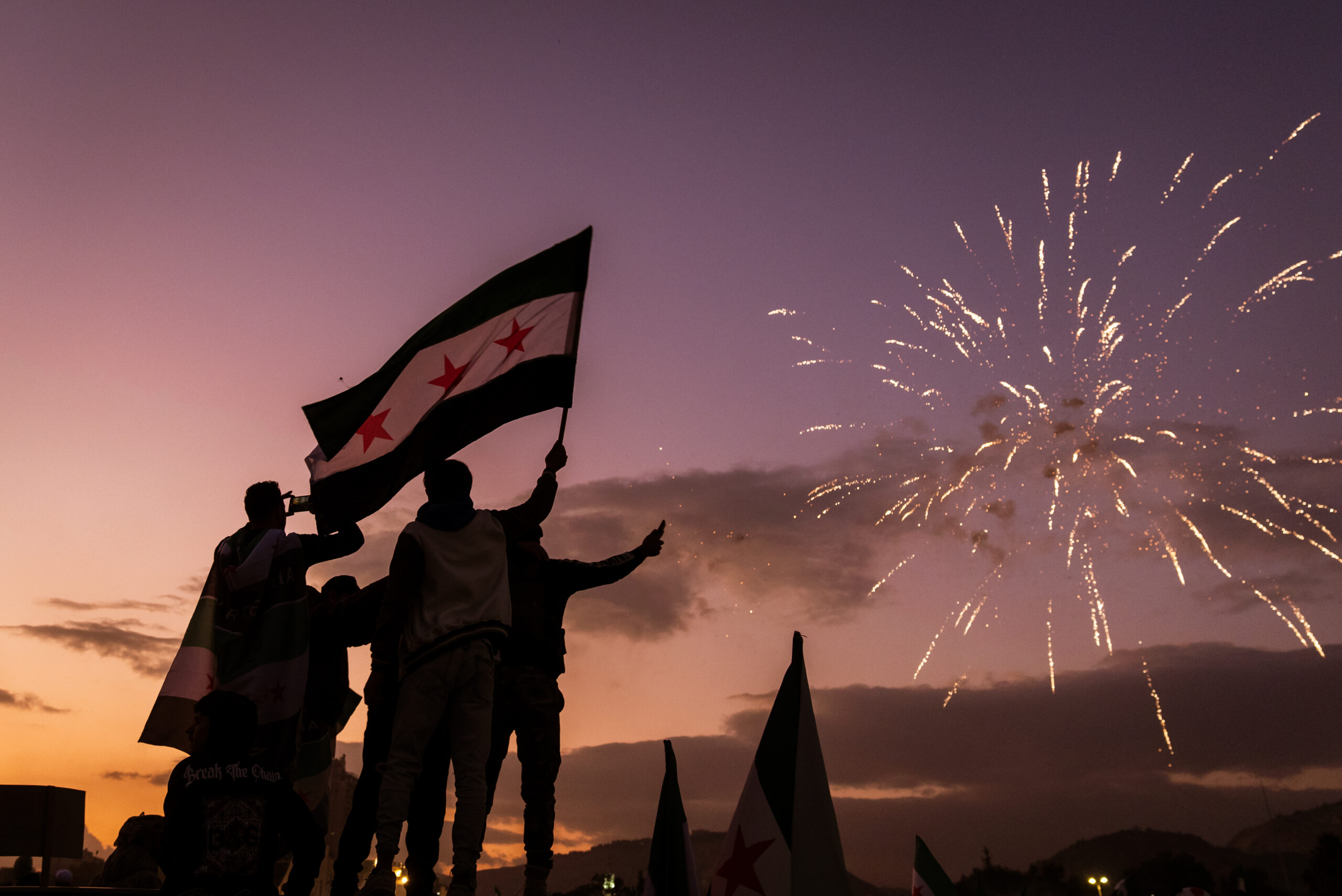
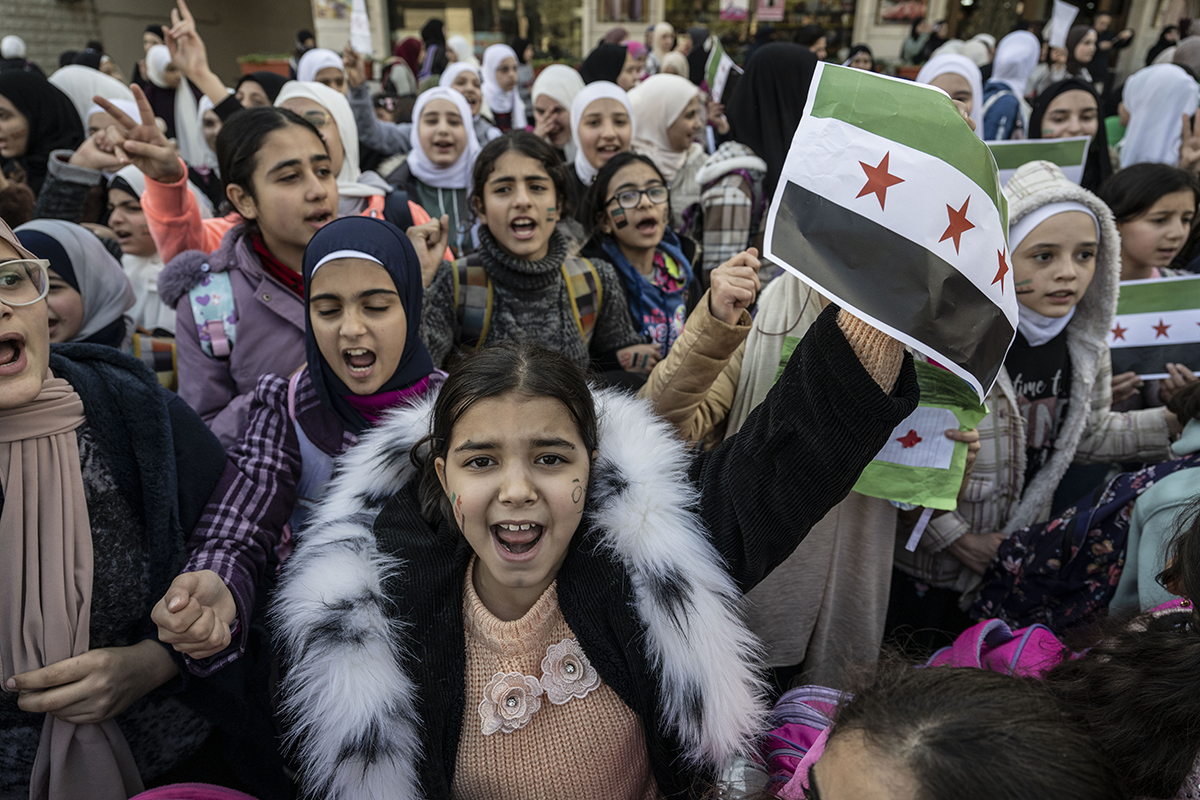
Syria’s first post-Assad protests broke out on Dec. 25 after a video claiming to show the destruction of an Alawite shrine spread rapidly across Facebook. The video was quickly debunked as several weeks old, the shrine only partially damaged, and the damage occurring during the capture of Aleppo city rather than in an act of sectarian vandalism. But those first hours were enough to stir up the widespread fears lingering just below the surface among Syria’s Alawite minority, bringing many Alawites (as well as Sunnis) to the streets to denounce sectarianism.
Gaza cease-fire: A first step on a very long road ahead
The cease-fire deal between Israel and Hamas announced on Jan. 15 took more than a year to reach and almost certainly will take much longer to fully realize than the four-plus months outlined in the framework. Like many things in life, this agreement was hard to build and will be easy to tear down. Indeed, the deal has already run into issues even before it is set to take effect on Jan. 19, with a dispute within the Israeli cabinet delaying a vote on it to Jan. 17.
A different Middle East: How should Washington respond?
A very different Middle East will greet President-elect Trump this month compared to the region he experienced during his first term. However, there are opportunities to advance American interests for a more stable and less conflictual Middle East, which might not require the kind of intense US commitment we have seen over the last quarter-century.
Norman T. Roule | 'Taking the Edge Off the Middle East' Ep. 6
Middle East Focus Presents: ‘Taking the Edge Off the Middle East’ with Brian Katulis.
A series of casual conversations with leading policy professionals on the most important happenings in the Middle East today – hosted by MEI’s Senior Fellow for US Foreign Policy, Brian Katulis.
Norman T. Roule is a member of MEI’s Iran Program Advisory Council. Roule served for 34-years in the Central Intelligence Agency, where his service included roles as Division Chief and Chief of Station at the CIA’s Directorate of Operations. He joins Brian to discuss the state of an ideologically contested Middle East, as well as the opportunities and challenges following the fall of the Assad regime.