Putting Diplomacy First in the Middle East: Creating Incentives for De-Escalation
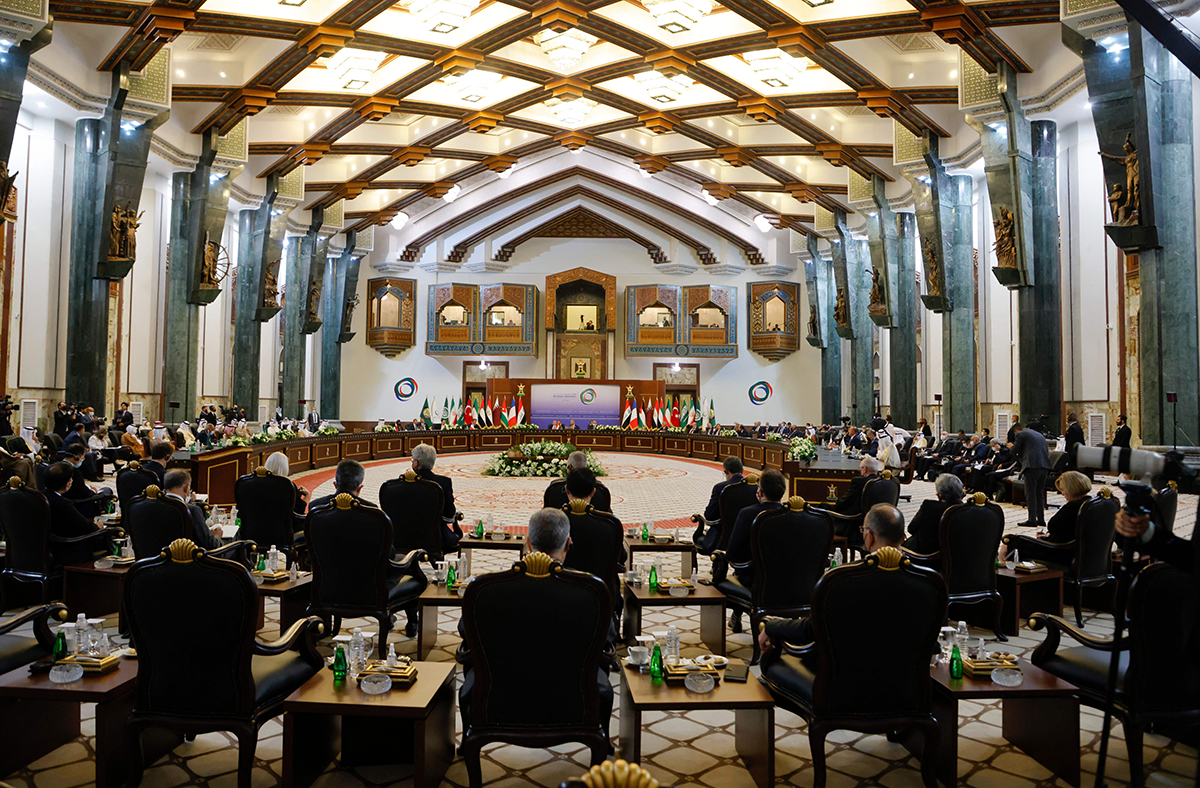
The Middle East is undergoing a historic transformation with unprecedented opportunities to build new relationships, de-escalate tensions, and foster conditions for stronger integration. At the same time, the region remains on edge because of ongoing tensions in Yemen, Syria, Iraq, and other conflict zones, a civil war that broke out recently in Sudan, along with the overarching challenges presented by fraught relations between Iran, Israel, and several Arab Gulf countries — with the longer-term implications of the still-fragile Iranian-Saudi rapprochement yet to be fully assessed.
The Slowing Down of Israel-Arab Relations Under the Netanyahu Government
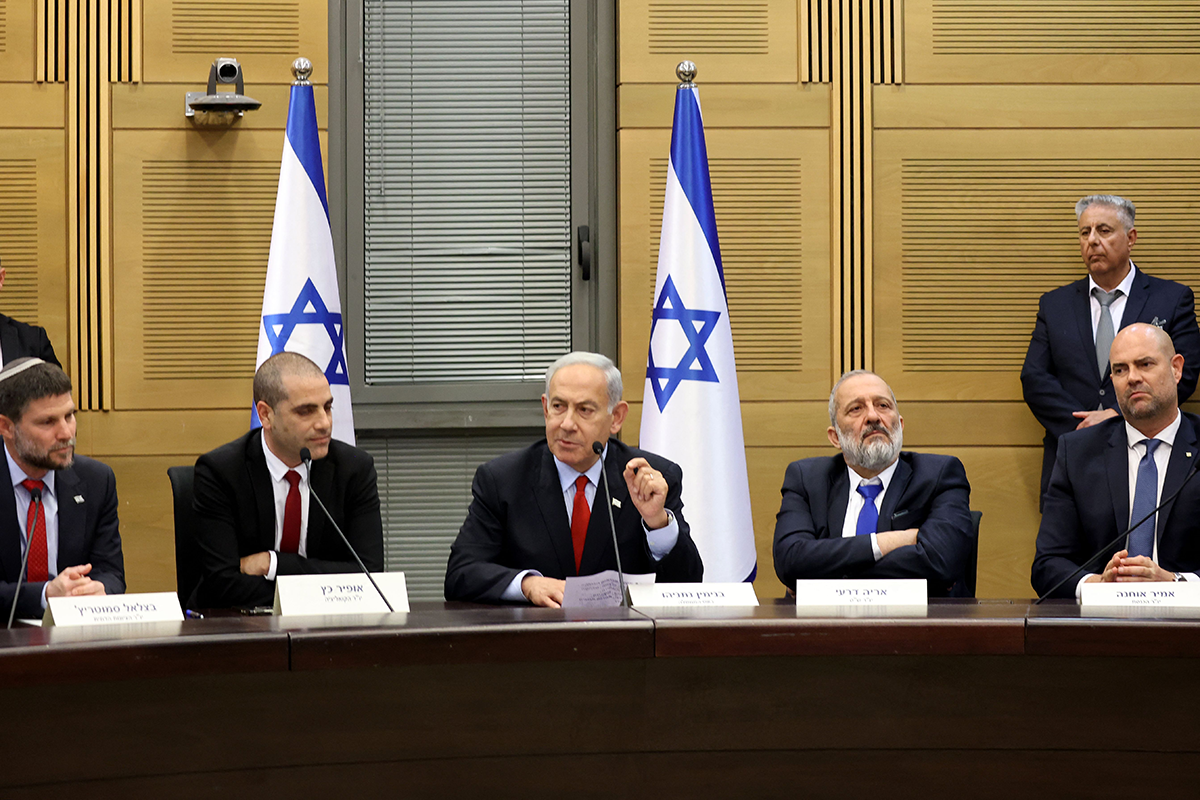
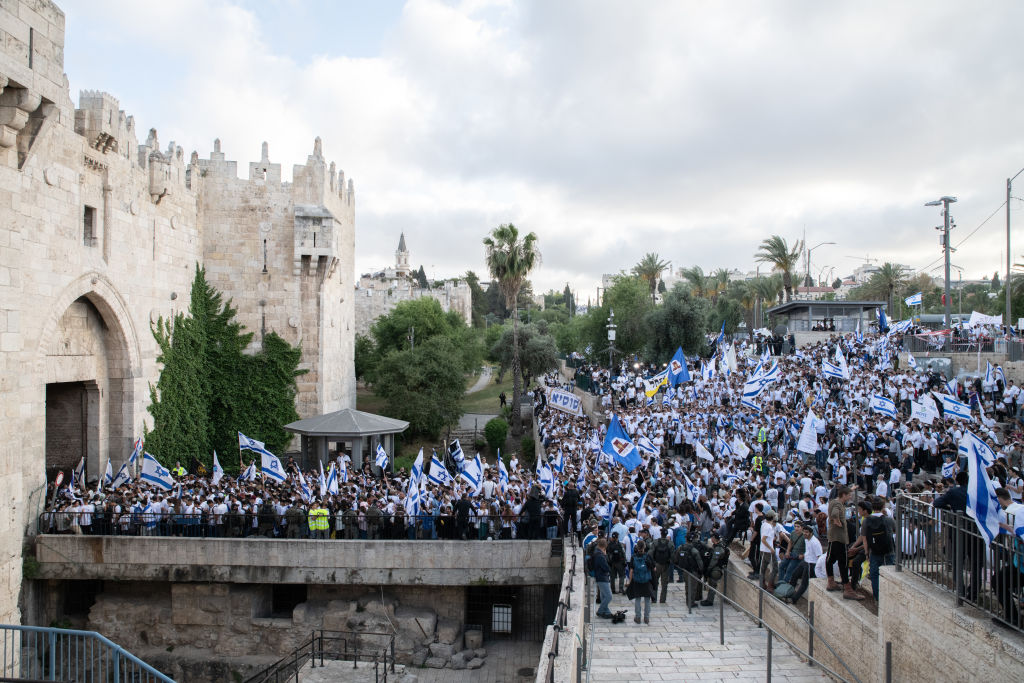
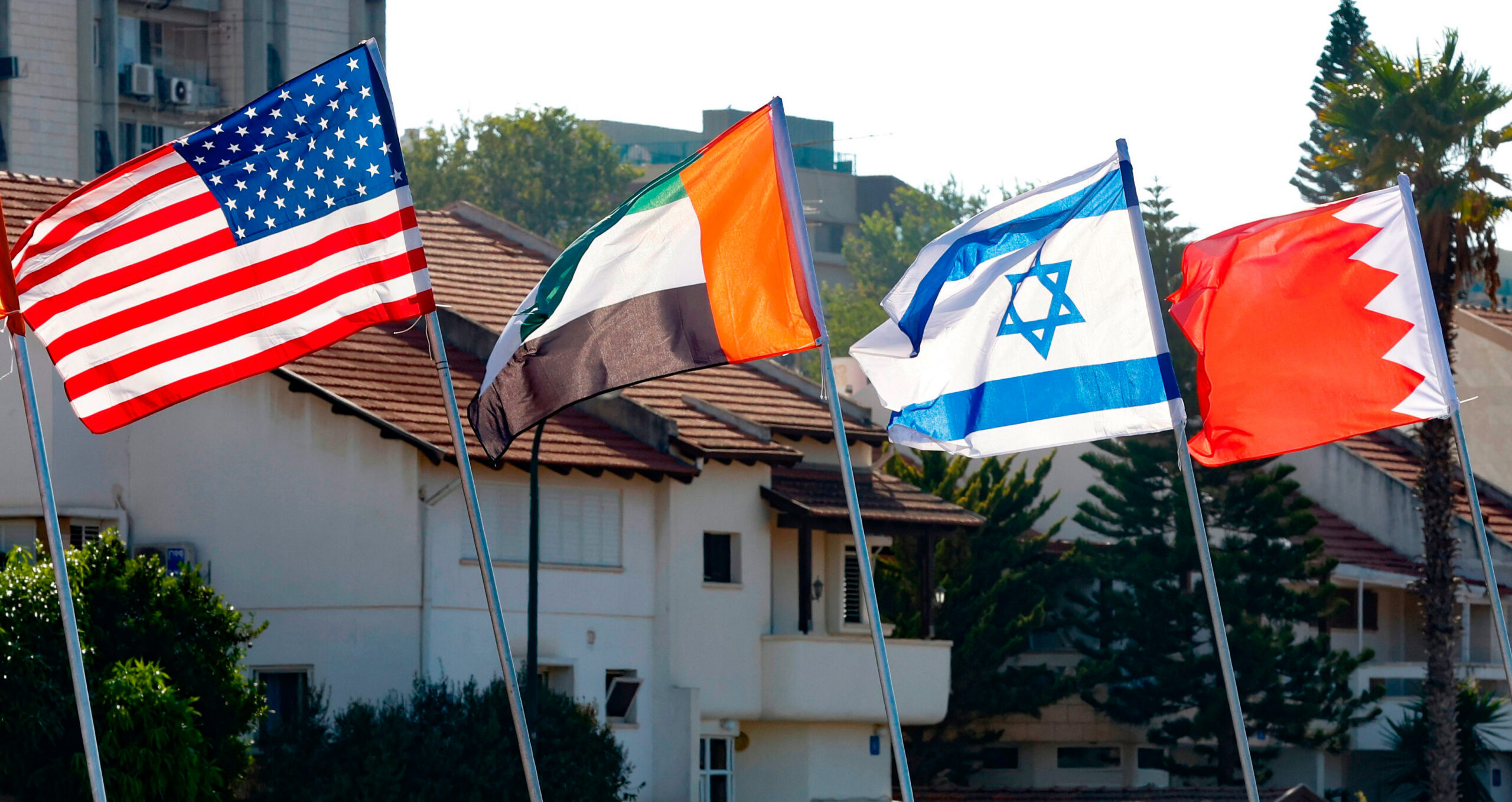
Dynamics between Israel and the Arab world have taken a turn for the worse in the first few months of the new Israeli government. The positive momentum in Israel-Arab relations, which Prime Minister Netanyahu himself was key in generating through the signing of the Abraham Accords and which picked up pace during the Bennett-Lapid government that followed, has slowed down. Only limited progress may be feasible under the current government, but conditions for positive change do exist and include marginalizing Israeli extremists, avoiding a flare-up with the Palestinians, reducing the domestic turmoil in Israel, and ensuring the effective involvement of the U.S. and the EU.
War as a catalyst for greater Black Sea-Gulf interconnectivity
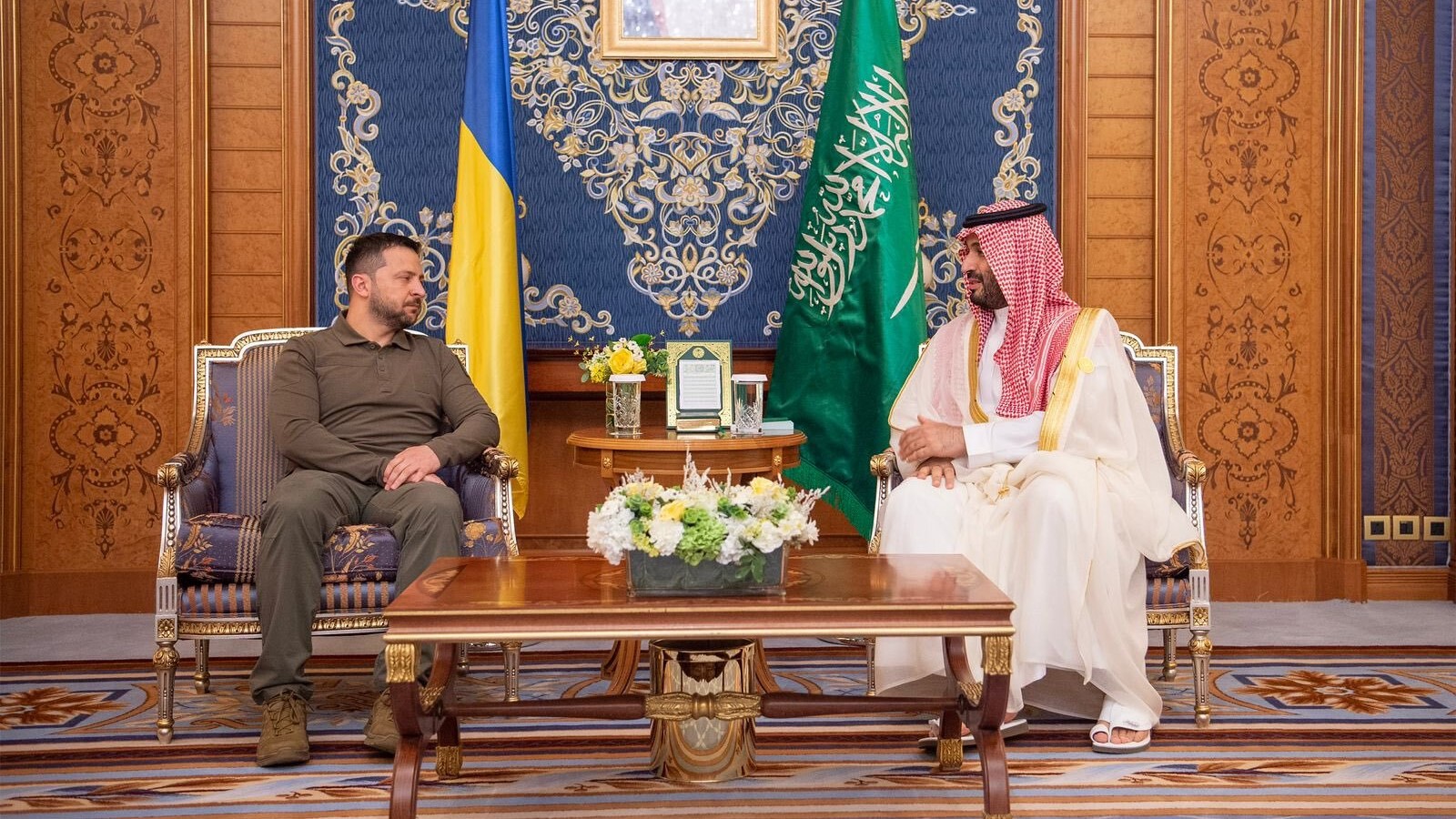
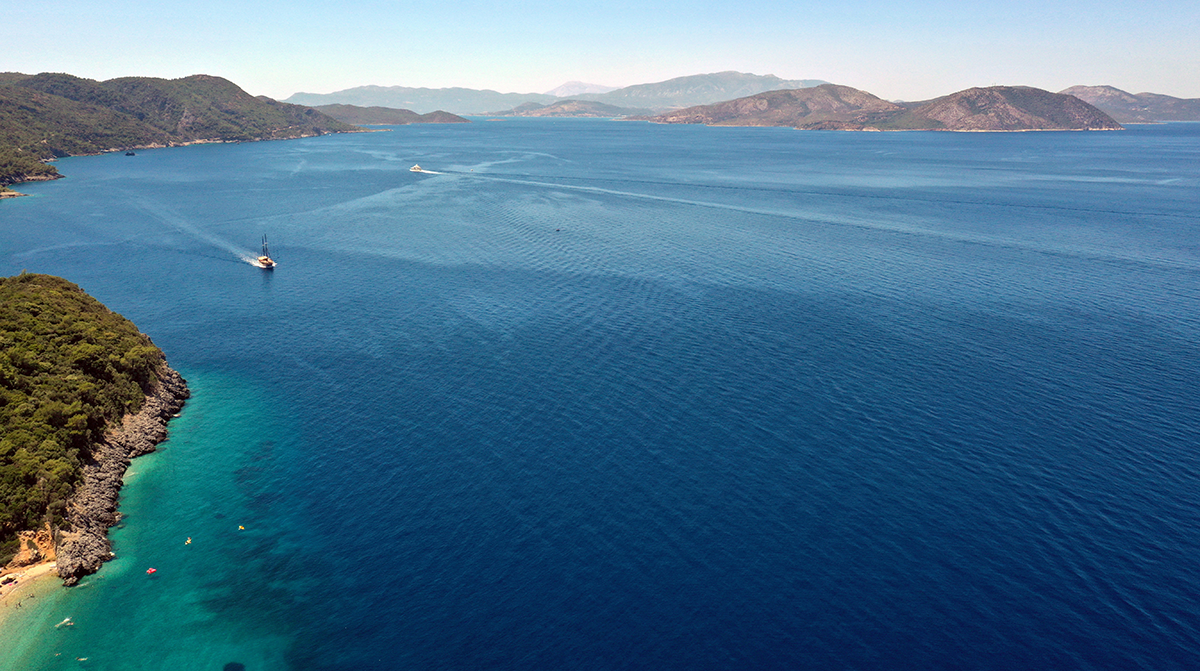
Russia’s full-scale invasion of Ukraine has destabilized and distressed the entire Black Sea neighborhood. Yet despite the war, or perhaps because of it, strategically important foreign direct investments into Black Sea littoral countries, including from the Gulf, have endured or even grown.
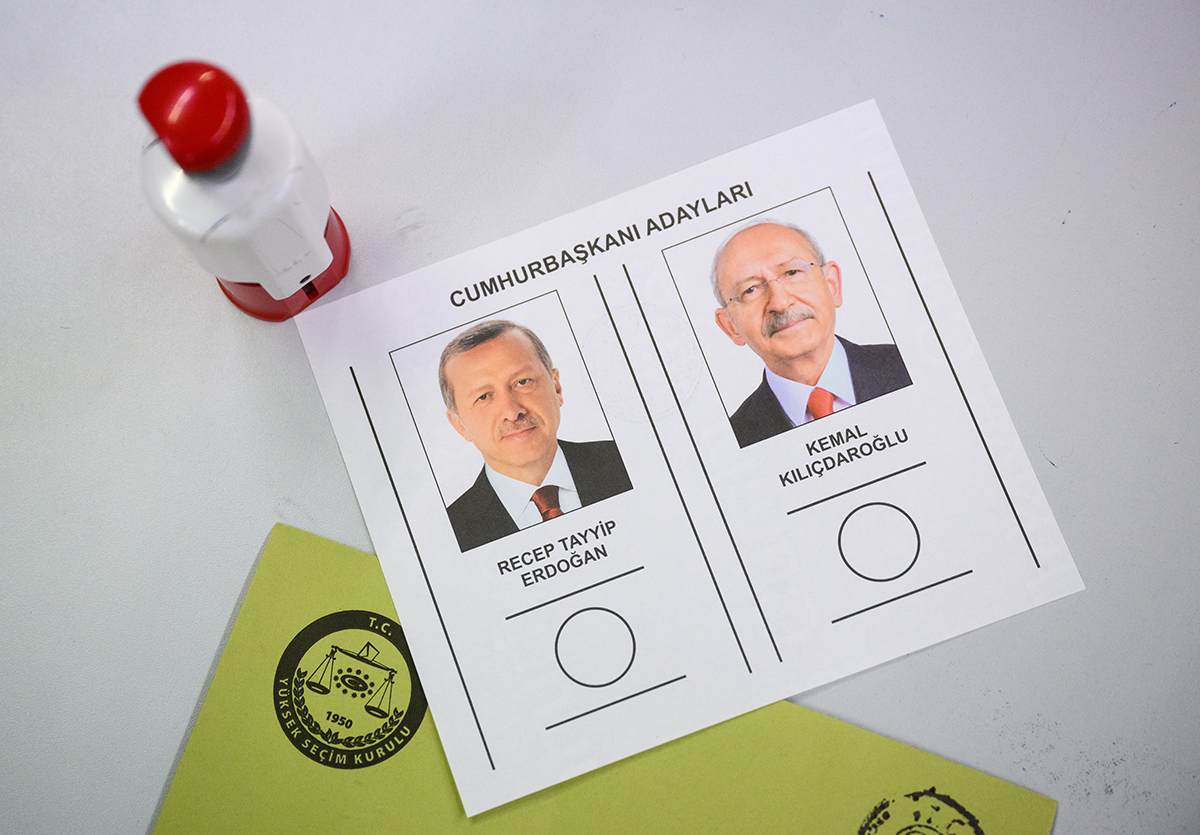
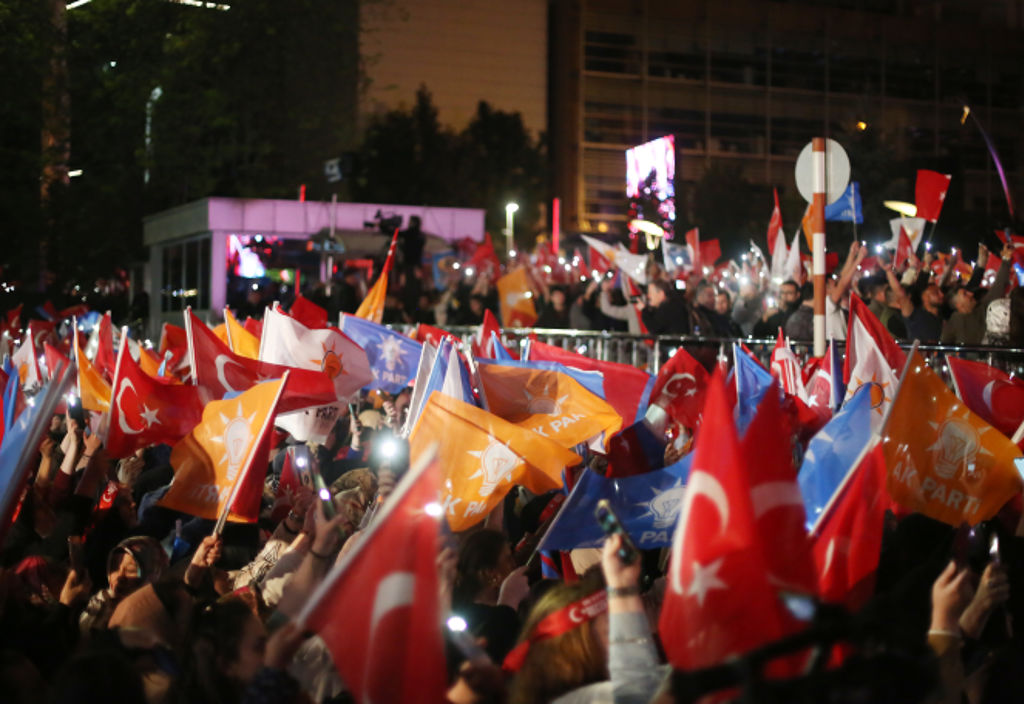
To analyze the crossroads Turkey faces in the 2023 elections, it could prove useful to “look back from the alternative futures” and explore how the possible outcomes might play out. What could it look like if we look back from 2030 to another victory by Erdoğan? And how might have the last seven years played out had the opposition won?
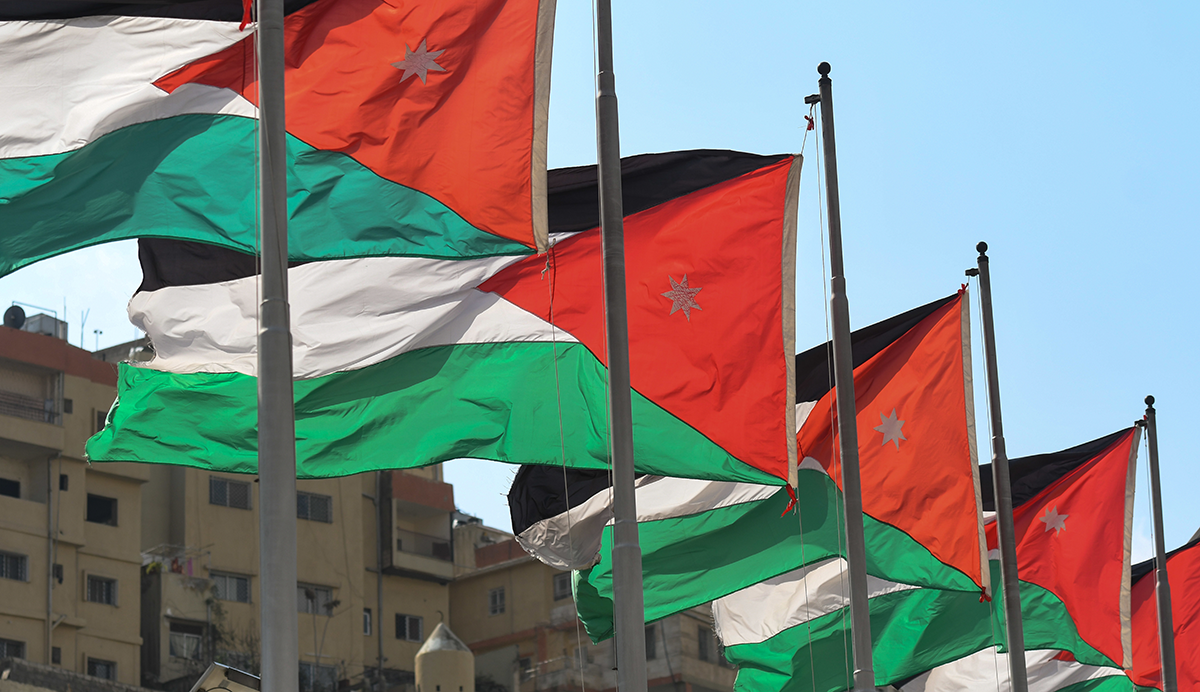
In the past few years, Jordan’s public debt has become a major policy concern for the government, the international community, and key donors that support Amman. The public debt has risen significantly over the past 15 years, raising many questions about Jordan’s future macroeconomic stability, public debt sustainability, and the government’s ability to finance development projects.
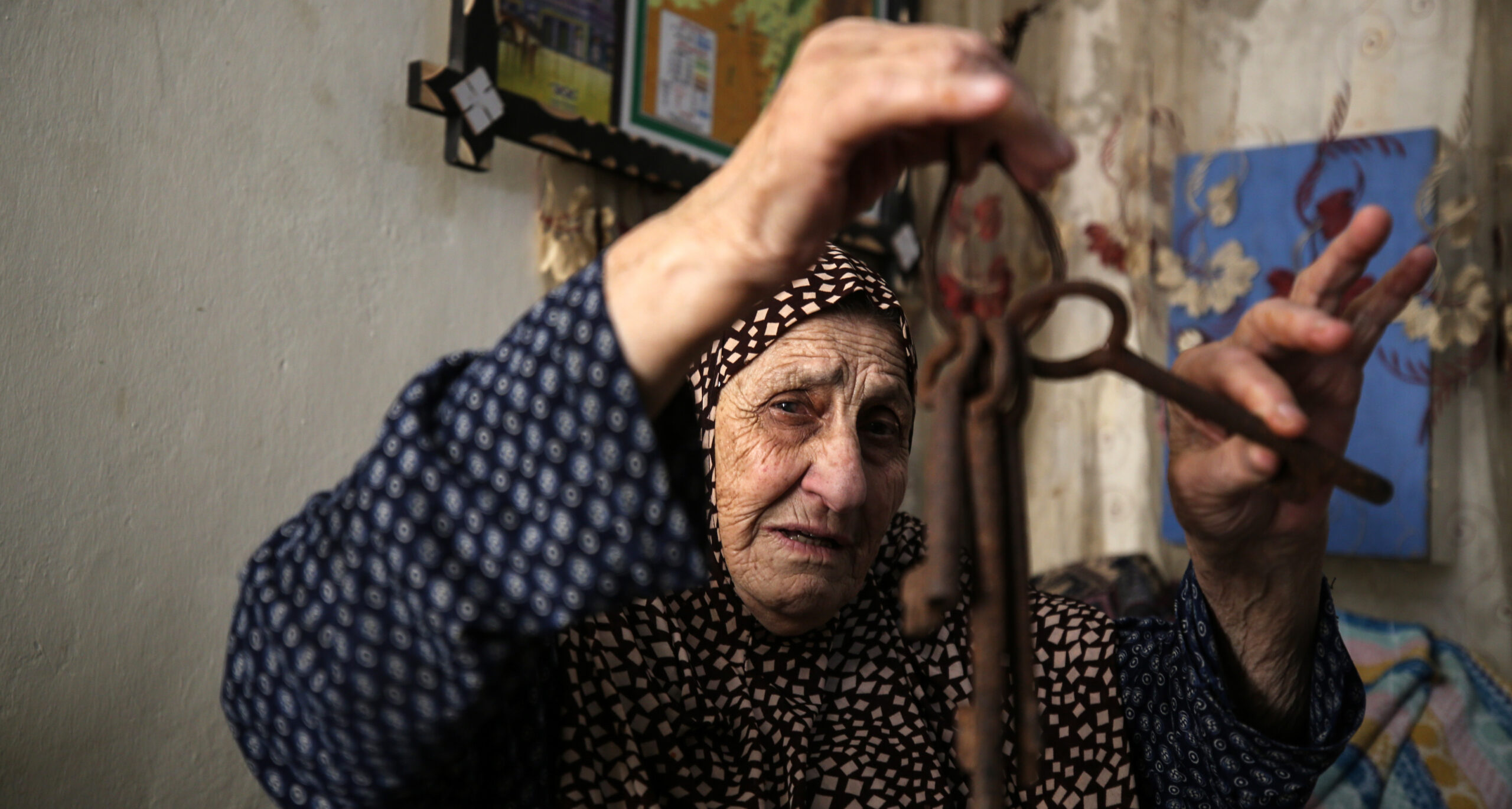
For Palestinians, the Nakba (Catastrophe) is a somber occasion that represents the loss of their homeland and the forced displacement that followed. To truly understand the tragedy of the Nakba and the ongoing trauma experienced by Palestinians, it is important to humanize their experiences. By listening to and amplifying these voices, we can begin to truly understand the complexity and depth of the Palestinian experience.
Even with all eyes on Gaza, the struggle for Israel’s democracy continues
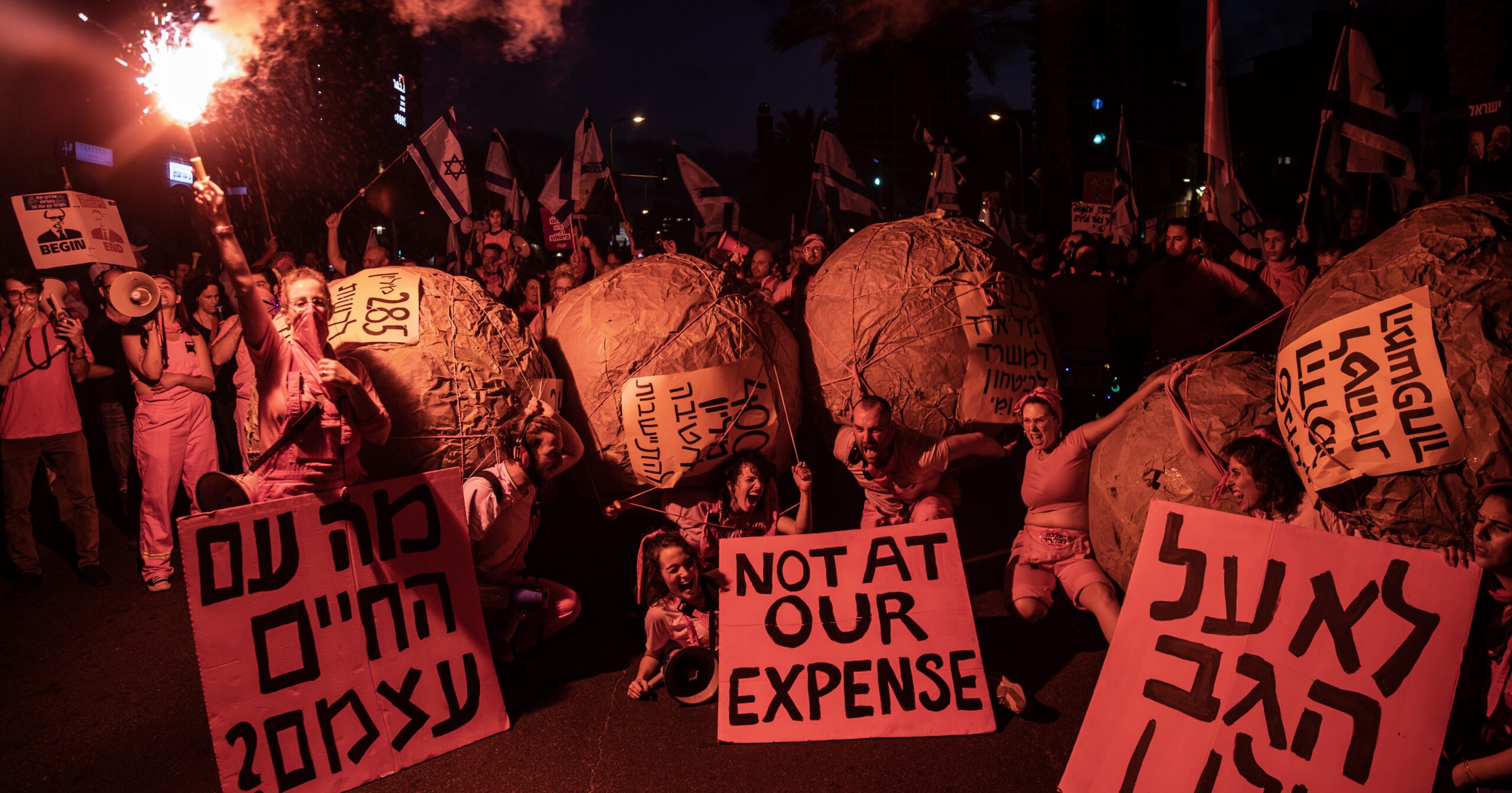
The costs that Israeli Prime Minister Benjamin Netanyahu and the State of Israel have been paying following the government’s first months in office have become more and more significant in recent weeks, and are they are not forgotten even as Israelis focus on coping with a cycle of warfare with Palestinian Islamic Jihad in Gaza.
Is blue the new green? Opportunities for developing a climate-resilient blue economy in the MENA region
The blue economy can offer huge potential in climate change mitigation and resilience, given the fact that marine habitats, such as mangroves, tidal marshes, and seagrass meadows, provide significant protection from erratic climate events. MENA countries would benefit from developing the blue economy to aid in reversing natural resource degradation, sustaining inclusive economic development, and building resilience to climate change.
Joining the pieces together: Toward a comprehensive EU maritime approach for the Northwestern Indian Ocean, Persian Gulf, and Red Sea
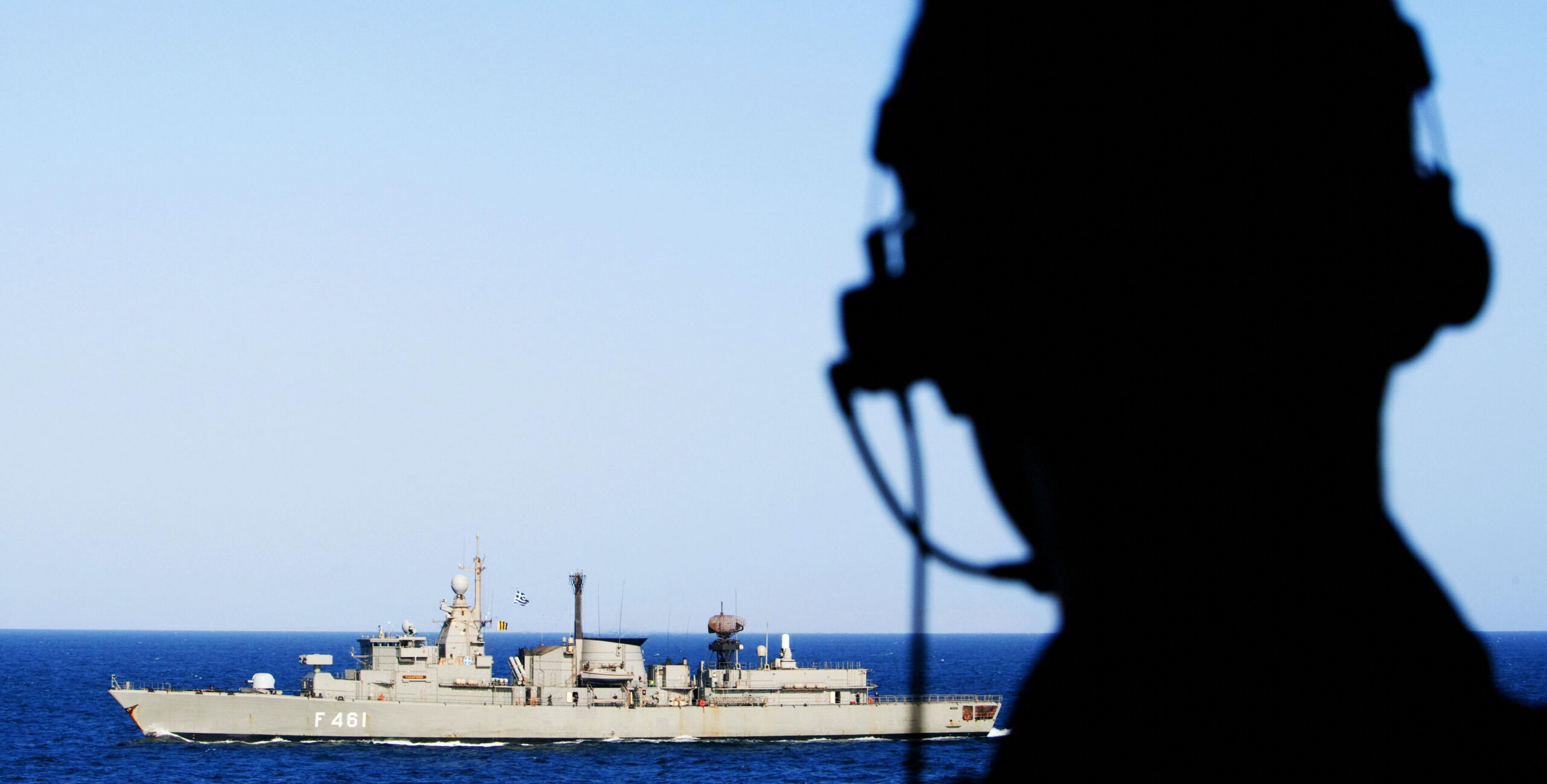
Until recently, the EU has favored a piecemeal approach toward the Northwestern Indian Ocean, the Gulf, and the Red Sea, despite their close interdependence and inter-connectedness in the security, political, and economic realms. But the EU is now signaling a growing desire to steer its naval policy toward a more holistic and organic process, creating an opportunity for Brussels to become a more relevant security actor in the waters off the Arabian Peninsula.
The economic impact of Turkey’s elections: Six potential scenarios
As Turkey heads to the polls for presidential and parliamentary elections this month, the consequences for its troubled economy are likely to be significant and wide-ranging. Financial stability, business confidence, purchasing power, and asset prices all depend on whether President Recep Tayyip Erdoğan’s two-decade-long rule will continue; at the same time these factors will also determine his chances for re-election. There are a number of potential election outcomes that could lead to greater uncertainty and volatility rather than clarity and stability.
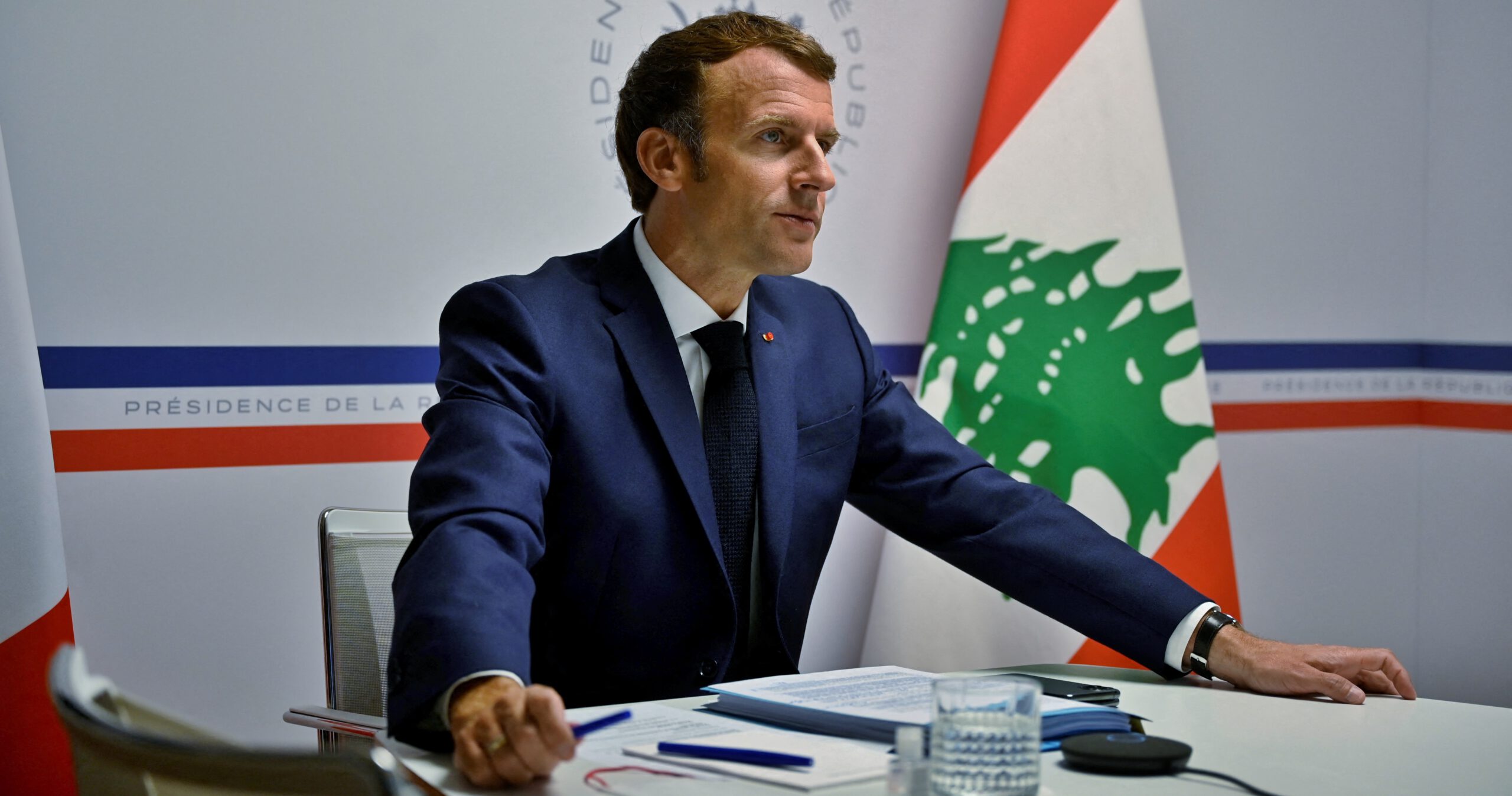
Lebanon is on the verge of complete collapse, and if Washington is serious about preventing not just another failed state but a growing normalization of unchecked authoritarianism in the Middle East, it must stop outsourcing leadership on Lebanon to France.
Both historical and modern-day conflicts in the Middle East have all been centered around classical territorial considerations of the loss or recovery of land. Escaping that cycle required a shift away from one of the main root causes of conflict: geography. The current changes in the region, characterized by a significant drive toward de-escalation and a growing willingness to periodically part ways with traditional allies, may be telling symptoms of a profound tectonic shift toward “quantum politics.”