Persian Gulf-Black Sea corridor: A new era for Iran-Europe trade or just another risk?
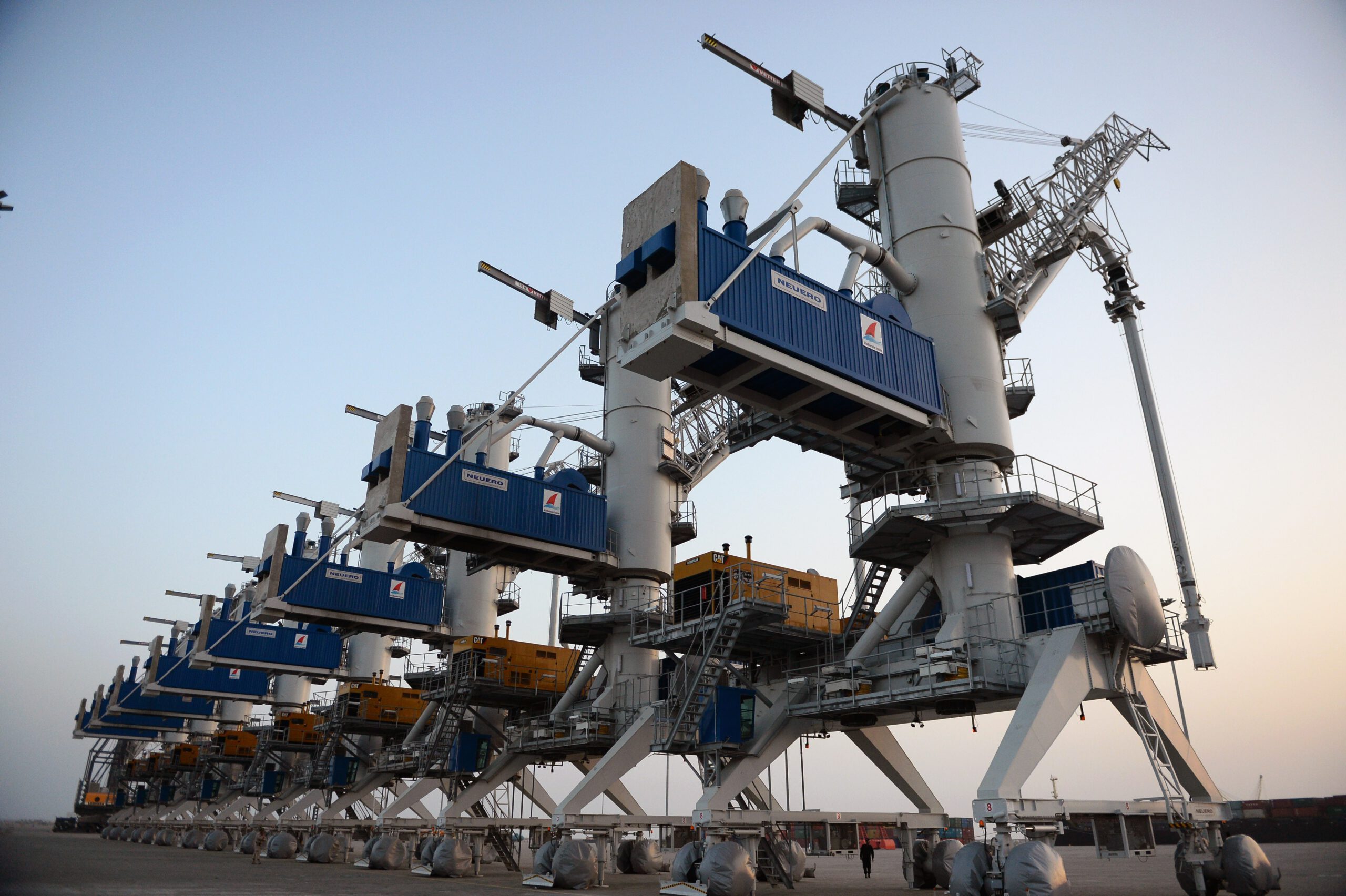
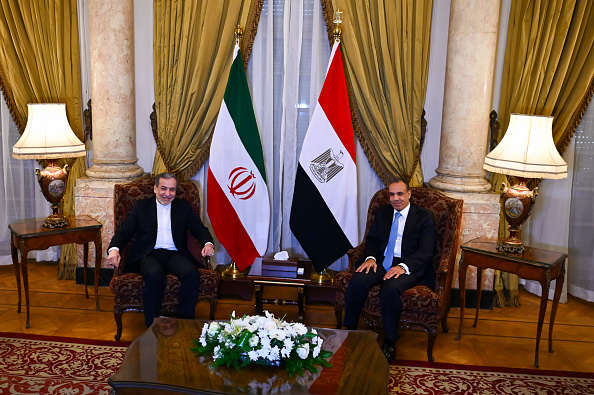
The Persian Gulf-Black Sea International Transport and Transit Corridor, which Tehran proposed eight years ago, remains relevant today in the context of strategic competition, as it offers Iran and participating countries an alternative trade route that bypasses traditional Western-dominated shipping lanes, potentially reshaping regional economic dynamics and geopolitical influence.
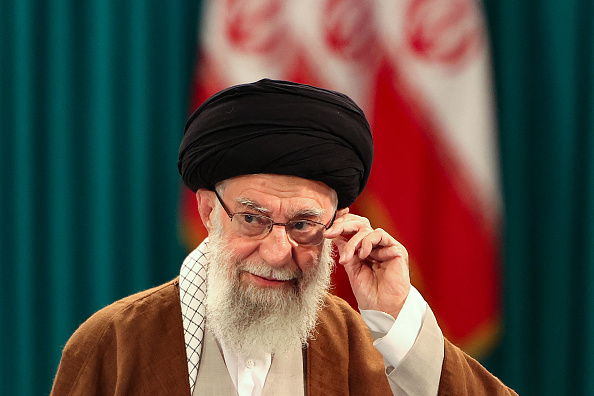
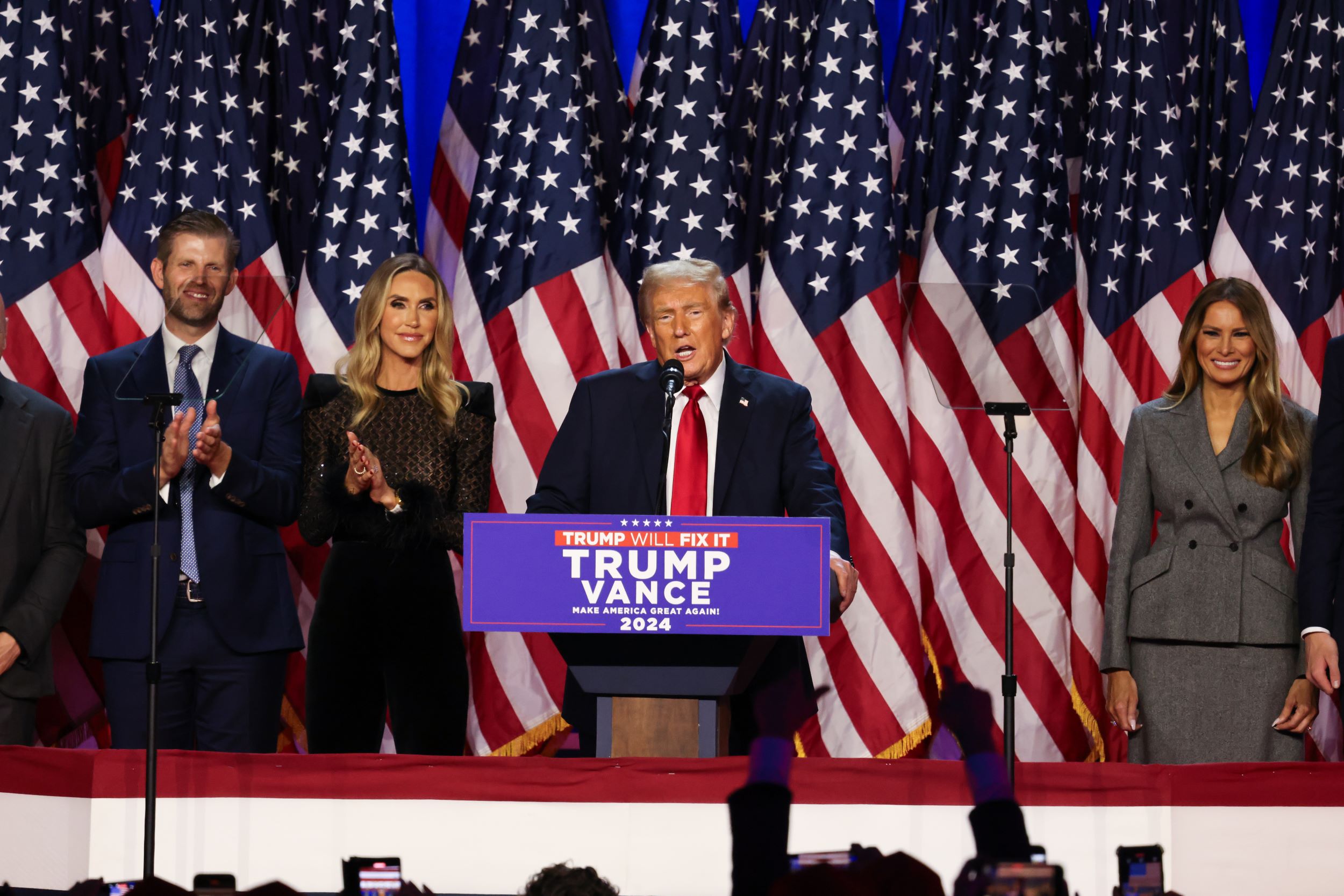
As Donald Trump prepares to return to the White House, the main question in Tehran is not so much what the incoming American president will do about Iran. Rather, it is about whether Tehran should negotiate with him.
The Middle East has experienced an extraordinarily tumultuous year, as the ripples from Hamas’ assault on Israel on Oct. 7, 2023, continue to fuel hostilities in Palestine, Lebanon, Syria, Iraq, Yemen, and the waters of the Gulf. Amid all of this, Syria has received very little attention, despite its central role in Iran’s regional agenda. Now the Biden administration is reportedly “hopeful” that Bashar al-Assad will soon permanently block Iran’s ability to support Hezbollah in Lebanon and is postured to reward Damascus for doing so. At best, such calculations should be described as optimistic; at worst, fanciful.
Tehran’s calculations to avoid all-out war with Israel and the US
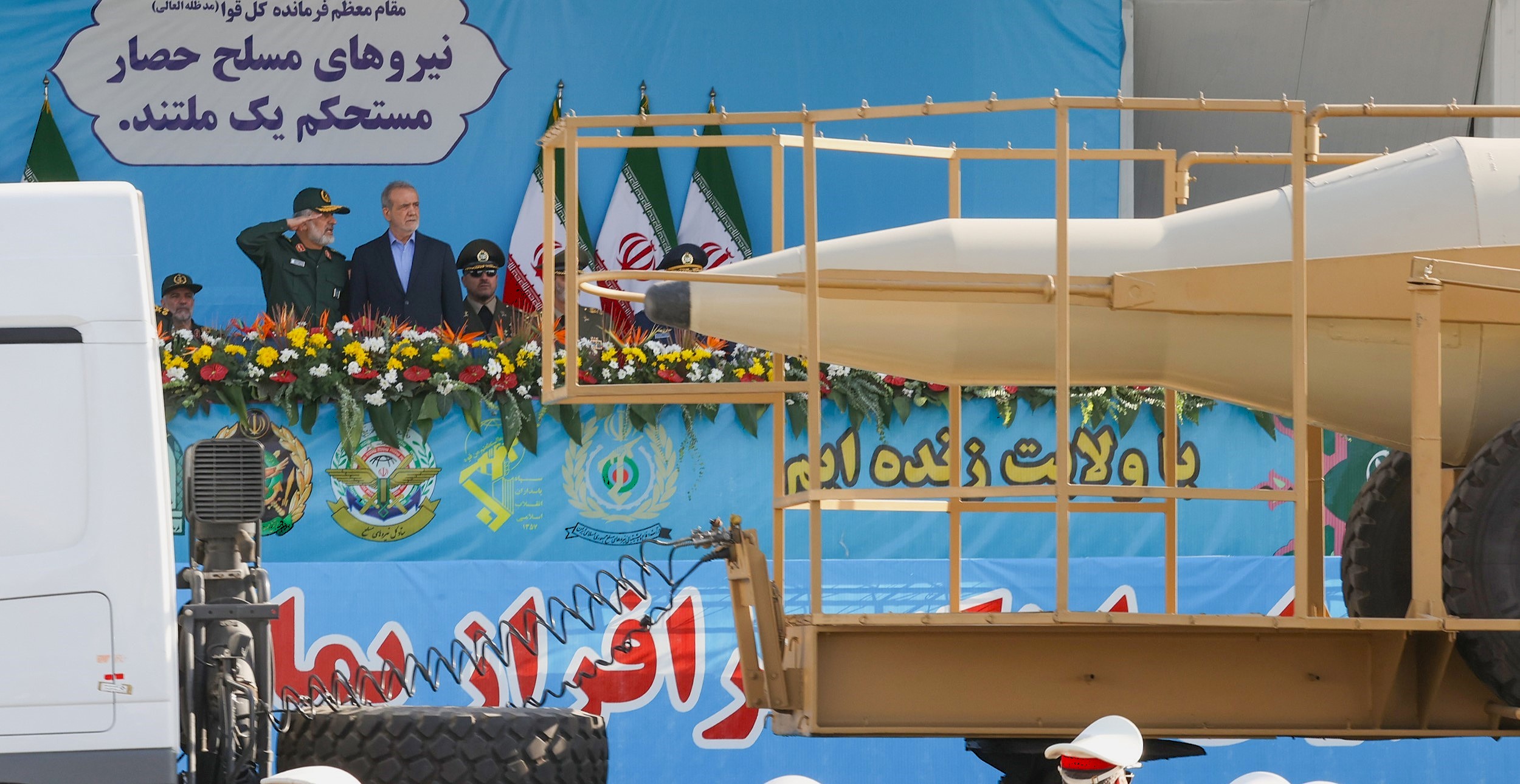
Under past reformist presidents, Iran repeatedly tried to build a grand bargain deal with the United States, entailing compromises over its nuclear program in return for negotiating spheres of influence across the Middle East. This September, speaking on the sidelines of the United Nations General Assembly meetings in New York, the current reformist president Masoud Pezeshkian confirmed that he was open to direct talks with Washington to end hostilities.
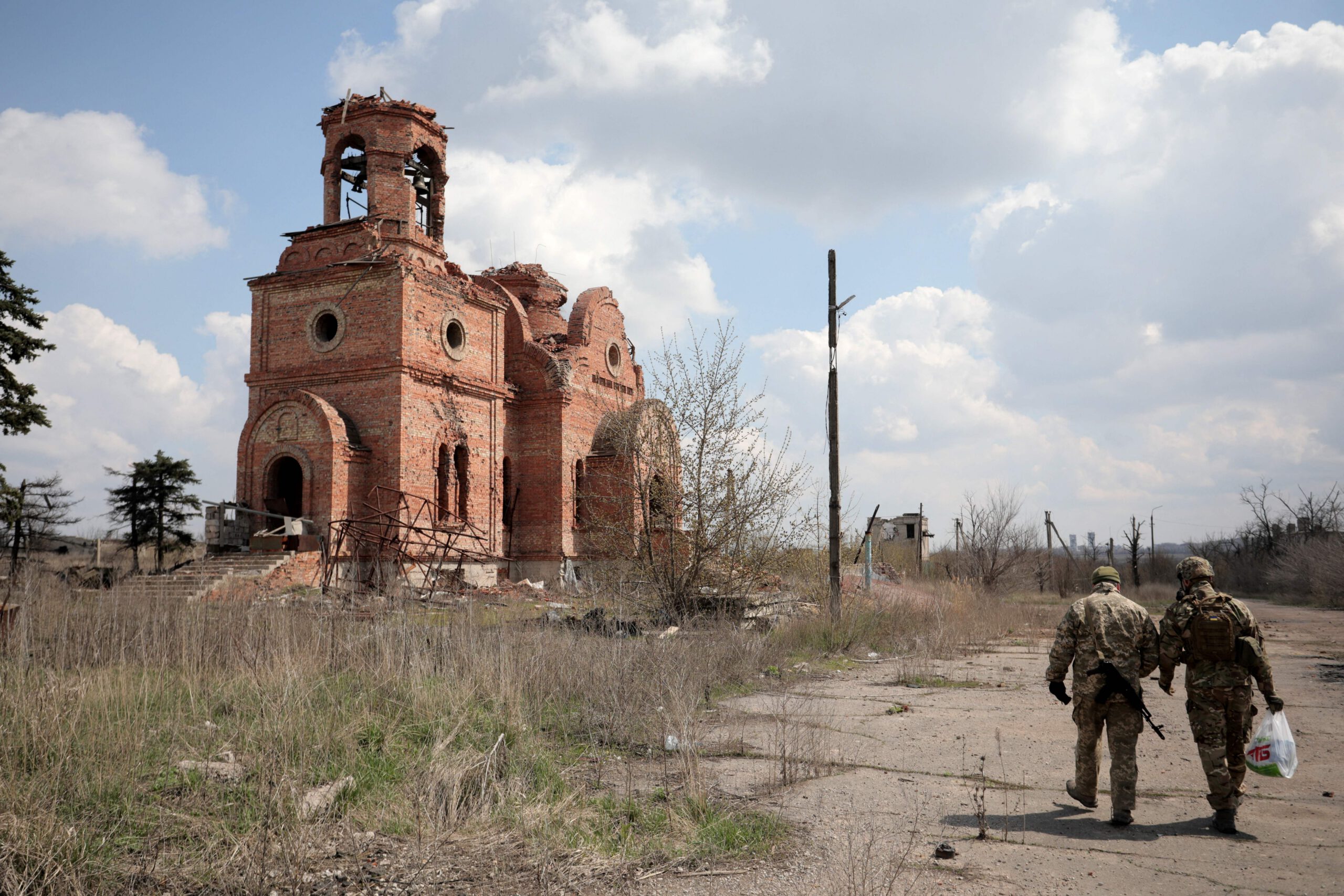
The multiple wars that have erupted since Oct. 7, 2023, have already changed the strategic landscape in the Middle East — and more change is likely to follow.
How Donald Trump might tackle the Middle East in 2025
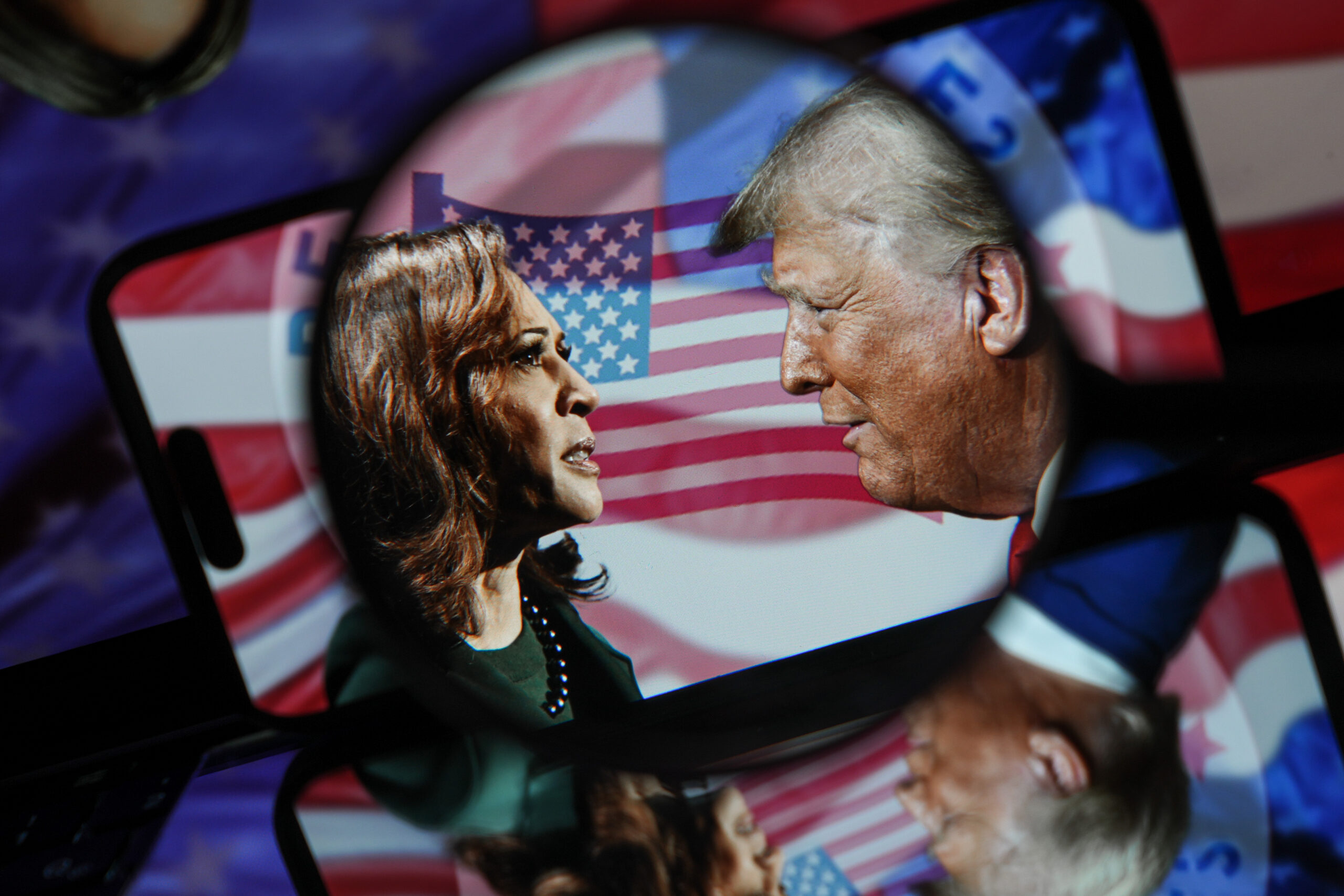
it is possible to extrapolate how the incoming second Trump administration may respond to the complex situation in the Middle East by examining the president-elect’s record during his first term, what he has said since, as well as public statements of his running-mate, Sen. J. D. Vance. Two main issues are likely to dominate Donald Trump’s regional agenda when he comes to power: Iran and Israeli-Palestinian affairs.
Beyond oil: Google’s big bet on Saudi Arabia’s AI future
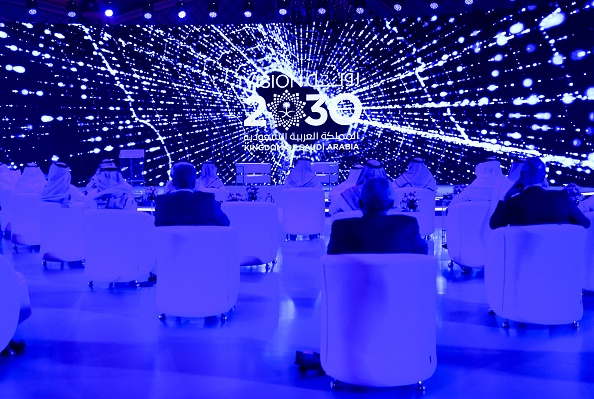
In a landmark move signaling the growing importance of the Middle East in the global tech landscape, Google has entered into a strategic partnership with Saudi Arabia’s Public Investment Fund (PIF), the kingdom’s sovereign wealth fund. The partnership underscores the “growing interlink” between AI and energy, as Saudi Arabia — along with the United Arab Emirates and other Gulf states — uses its energy surplus to power data centers, a critical pillar of AI infrastructure.
There is no alternative to Hezbollah’s disarmament
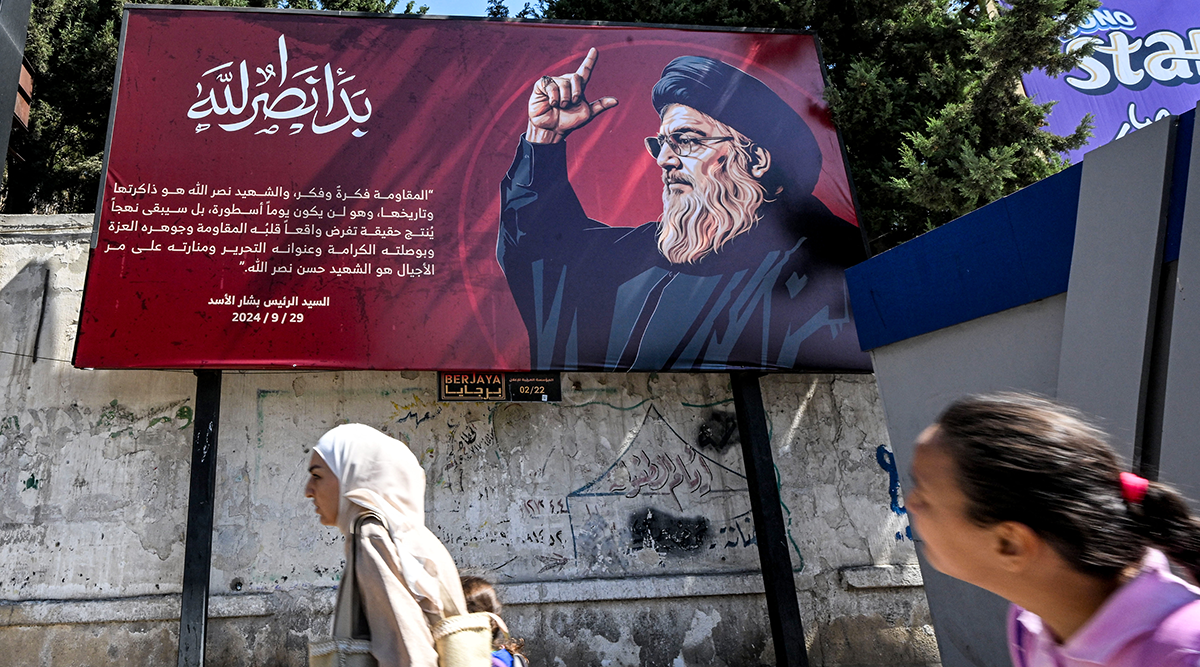
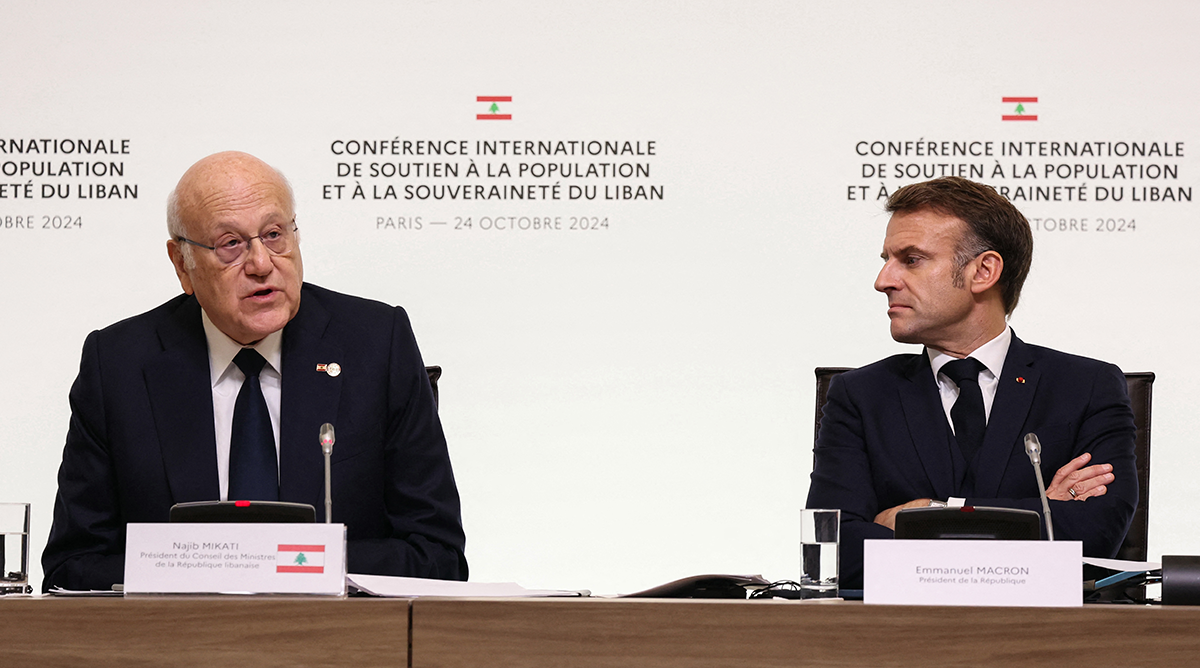
Last week, representatives from around 70 countries convened in Paris to pledge nearly $1 billion in aid for Lebanon. Moving forward, France and the US should work together to summon the political will needed to craft and implement a lasting political solution — one that can effectively safeguard against future wars between Israel and Lebanon.
Over the past month, Iran and its regional network of allies and proxies – the Axis of Resistance – has suffered a string of dramatic losses and defeats. What is the future of the Axis and its members, and what can the US and its allies do to confront and disrupt this Iranian-led network?
MEI Managing Editor Matthew Czekaj speaks to Meir Javedanfar and Alex Vatanka on Iran’s role in keeping its network of proxies together and the conflicting interests that may force the country to rethink its antagonistic regional strategy.
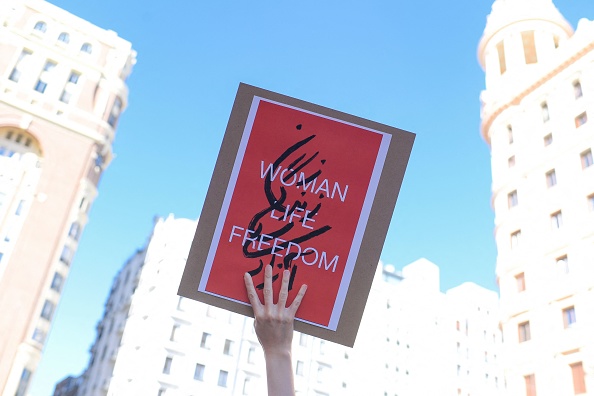
Last month marked the second anniversary of the death of 22-year-old Kurdish-Iranian Mahsa Amini and the “Women, Life, Freedom” movement born of her murder. The authorities’ subsequent brutal crackdown on the protesters is but one flagrant example of the government’s appalling human rights record. The regime’s disdain for international human rights norms is not the recent result of Iran’s transition from Islamic theocracy to nationalistic military-security state. Rather, it has been a feature of the regime from the beginning, as shown by (inter alia) the 1988 mass executions of Iranian prisoners.
The Islamic Republic, the most unpatriotic in Iranian history?
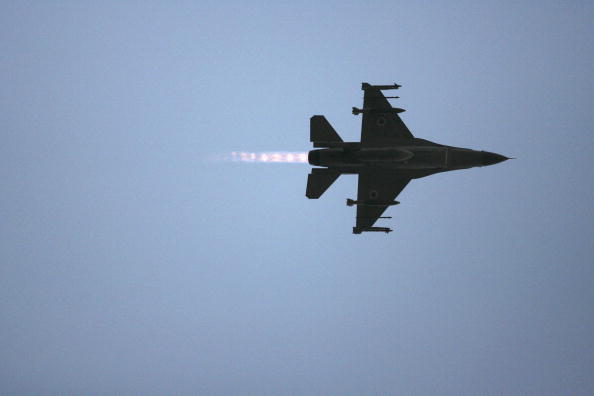
It is no exaggeration to say that the Islamist political system in Tehran is on the brink of experiencing perilous blowback for the foreign policy choices it has made. Whether Tehran continues to prioritize the fight against Israel or decides to look for ways to deprioritize the conflict as a national security matter will not be settled in the foreseeable future — or perhaps the matter will be taken out of Iran’s hands.