The US Cyber Workforce and Education Strategy: A blueprint for building cyber talent in the Gulf
In July 2023, the White House released the National Cyber Workforce and Education Strategy. The strategy is designed to address the cybersecurity workforce shortage by emphasizing skills-based hiring and lifelong learning. It also provides guidance for other nations, particularly in the Gulf region, as they undergo their own digital transformation and work toward gender equality in their workforces.
Syria’s Suwayda protests underscore pressing need for a political solution
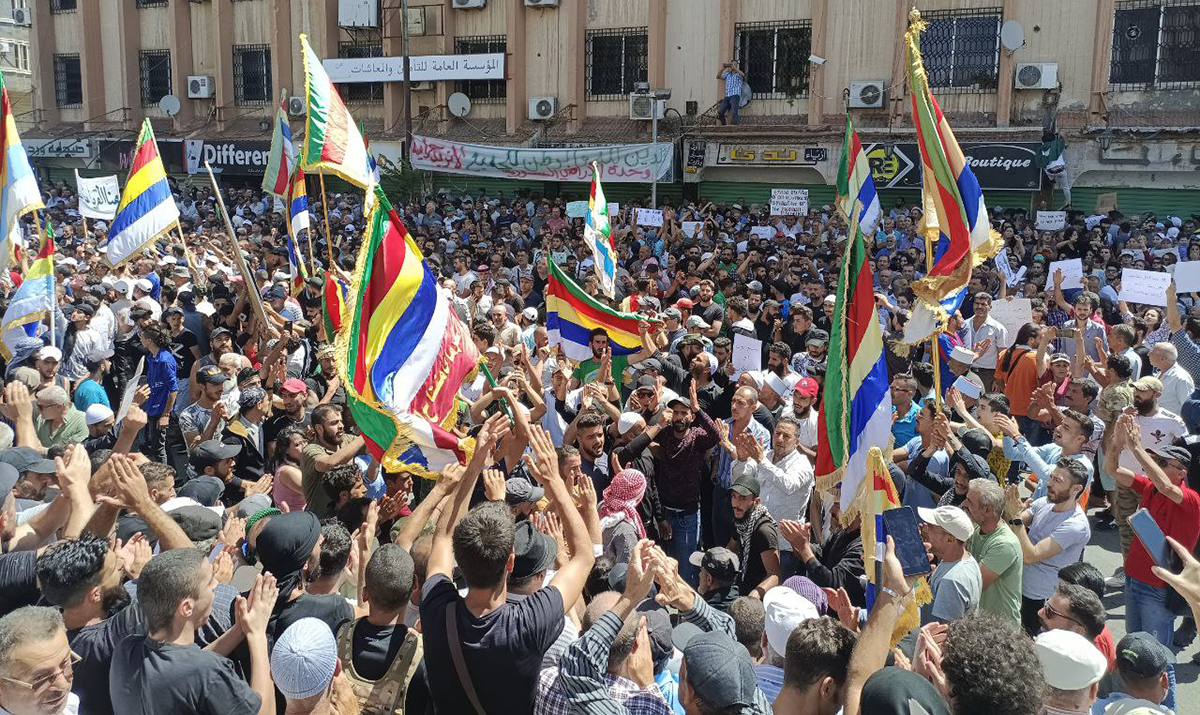
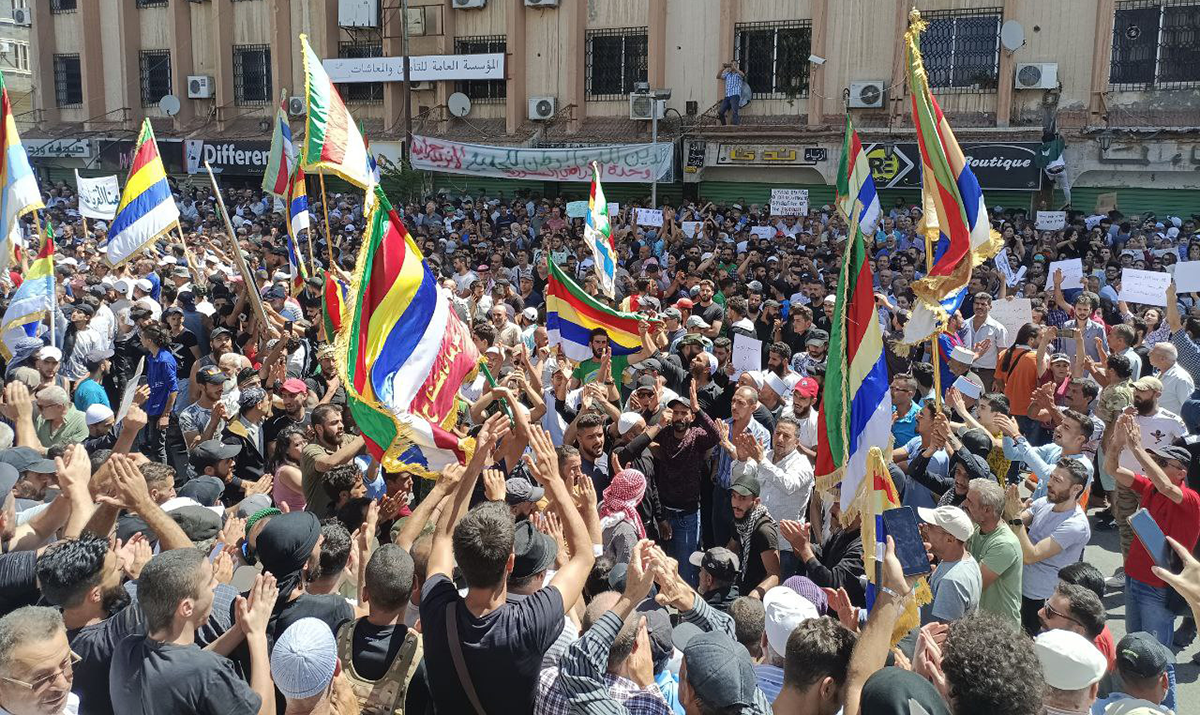
Despite the great magnitude of the disaster that has befallen Syria over the past 12 years, Syrians have not wavered in their perseverance and belief in their right to a free and dignified life. In the city of Suwayda in the south, for the seventh consecutive week now, peaceful popular demonstrations continue with diverse participation from all segments of the Syrian people.
مظاهرات السويداء في سوريا تؤكد الضرورة الملحّة الى الحل السياسي
فمن مدينة السويداء في الجنوب ، وللأسبوع السابع على التوالي، تستمر مظاهراتها الشعبية السلمية وبمشاركة متنوعة لكل أطياف الشعب السوري ممن تمكن من الوصول لساحاتها، وتتجاوب معها بعض من المدن السورية، معيدة احياء مسيرة الثورة السورية التي انطلقت في أذار 2011.
Fires of Damascus: Protecting Syria’s homes and heritage from the failed and rapacious state
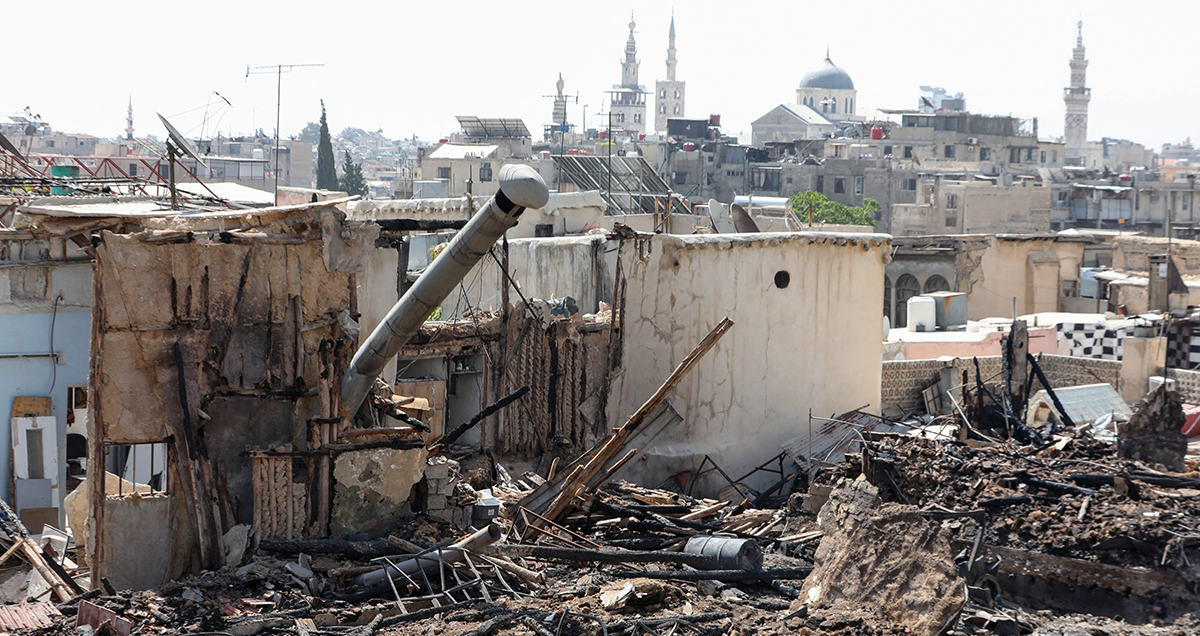
July 16, 2023, was a dark day for the ancient city of Damascus. A fire raged through the historic Sarouja neighborhood, reducing a number of heritage homes to ashes. Two months later, in September 2023, a residential building in the Syrian capital’s Malki neighborhood partially collapsed as a result of unauthorized excavation for a basement. While these events might not seem connected, they underscore an overarching issue: the vulnerability of Damascus properties in the face of natural and man-made crises, exacerbated by corruption, greed, and failed and vicious state policies.
Human rights to counter terrorism: Now is the time for a Global Humanitarian Coalition to Defeat ISIS
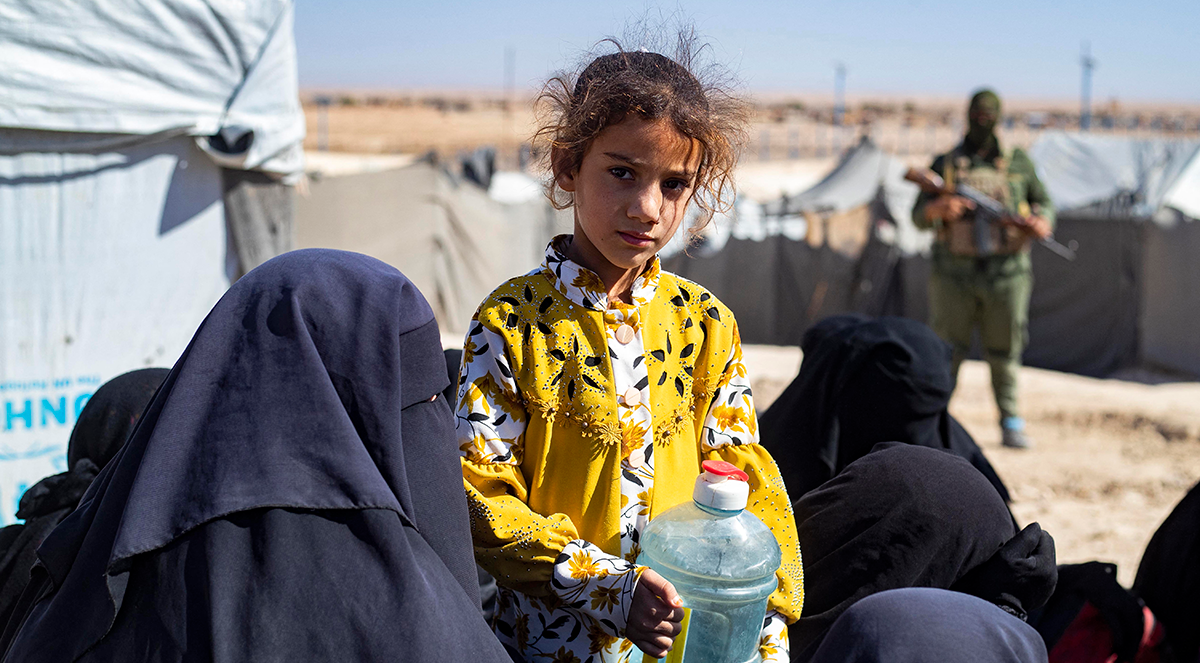
There is an urgent need for a Global Humanitarian Coalition to Defeat ISIS to conduct human rights-centered action and build upon hard-fought military gains in the campaign against ISIS. Repatriation of all third-country nationals in the squalid detention camps and prisons in northeast Syria must be the first joint task in order to ease the burden of the local administration and to accomplish long-sought security, justice, and stabilization goals.
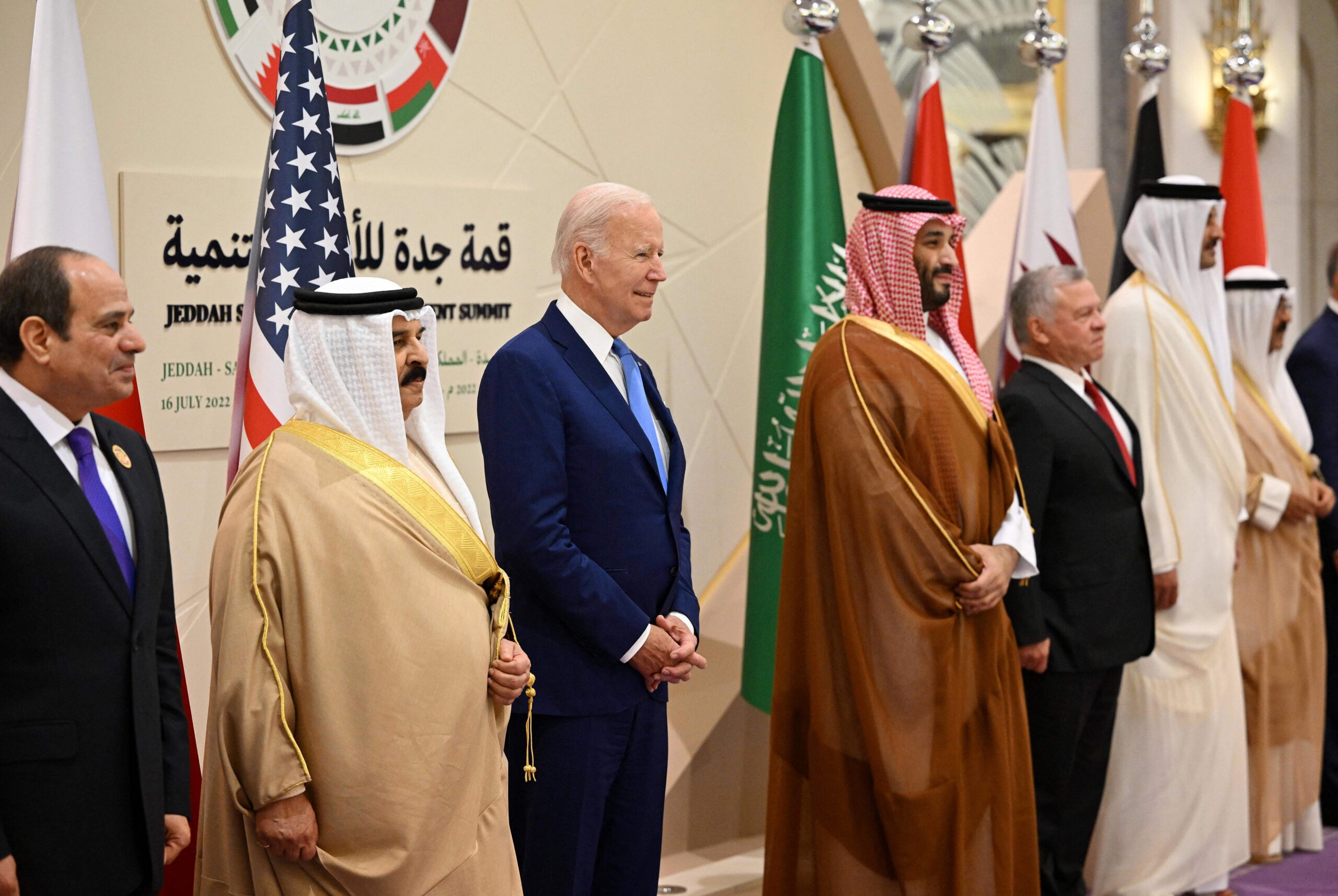
Treading Cautiously on Shifting Sands: An Assessment of Biden’s Middle East Policy Approach, 2021-2023
This report provides an interim assessment of the Biden administration’s overall Middle East strategy and examines the strategic opportunities and risks for U.S. policy in the broader region.
Key takeaways from Mohammed bin Salman’s Fox interview
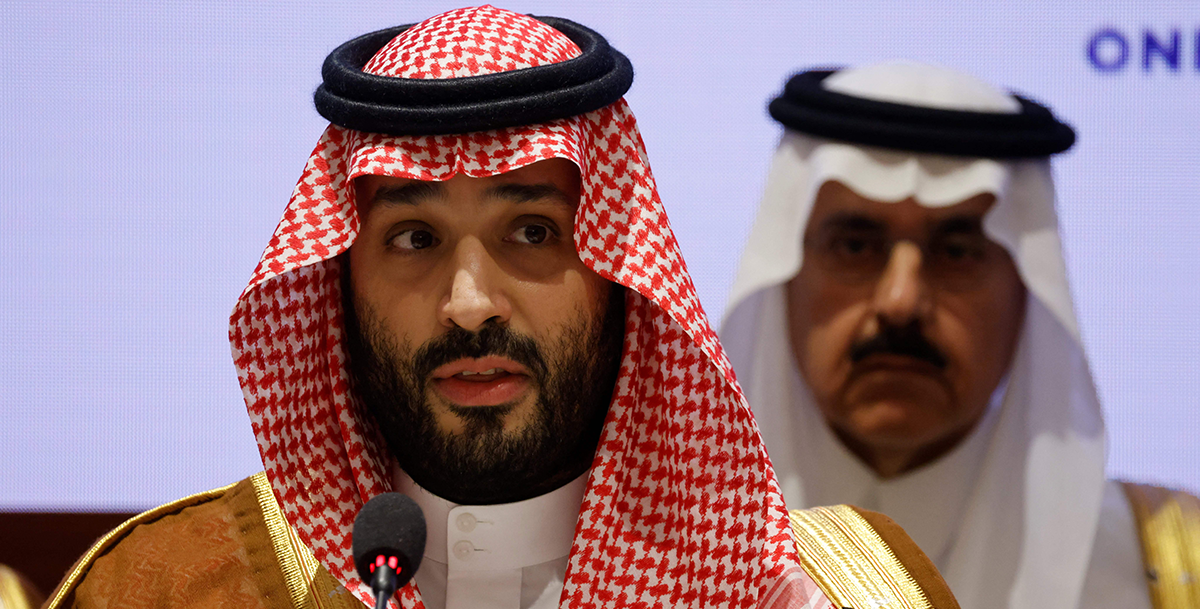
Saudi Crown Prince Mohamed bin Salman’s interview on Wednesday night with Bret Baier of Fox News didn’t break news or produce controversy. But that wasn’t the point of his appearance on one of America’s top networks.
The war next door: Omani foreign policy toward Yemen
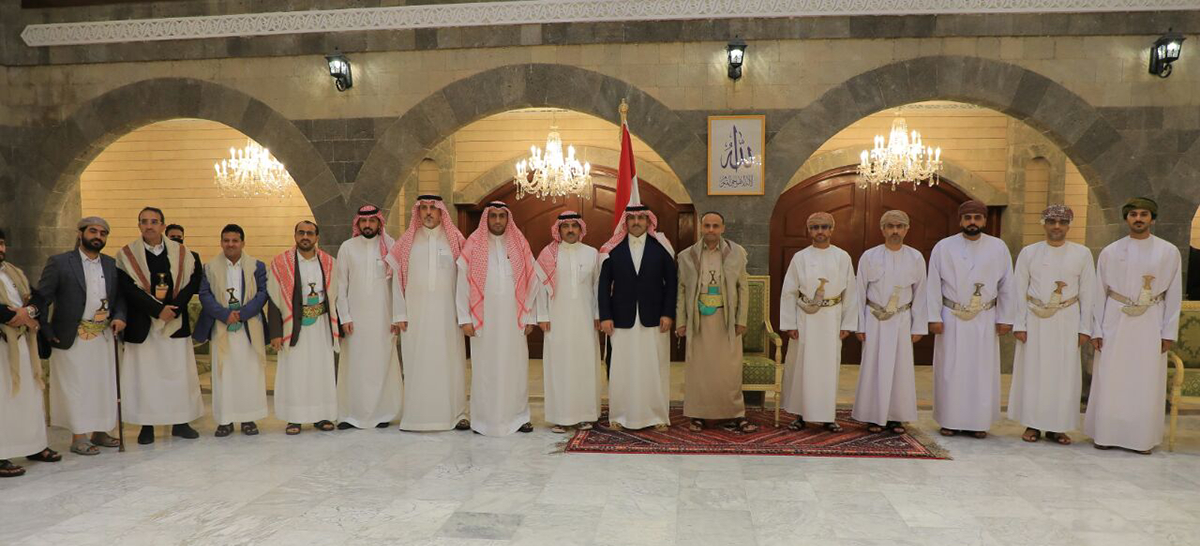
Over the past decade of turmoil, conflict, and external military intervention in Yemen, Oman’s foreign policy has emerged as the Gulf exception. Muscat has pursued a unique role, driven by both pragmatic concern and opportunity. It has harnessed its relations with most of the actors involved, including armed non-state actors, and sought to access new economic opportunities as part of its policies of strategic hedging, omni-balancing, and undeclared alignment.
How northern Syria’s triple water crisis is exacerbating its people’s woes
As the humanitarian, political, and economic challenges in Syria are occurring simultaneously with increasingly hot and dry summers, conflict- and climate-related factors have compounded, resulting in the emergence of a so-called “triple water crisis.”
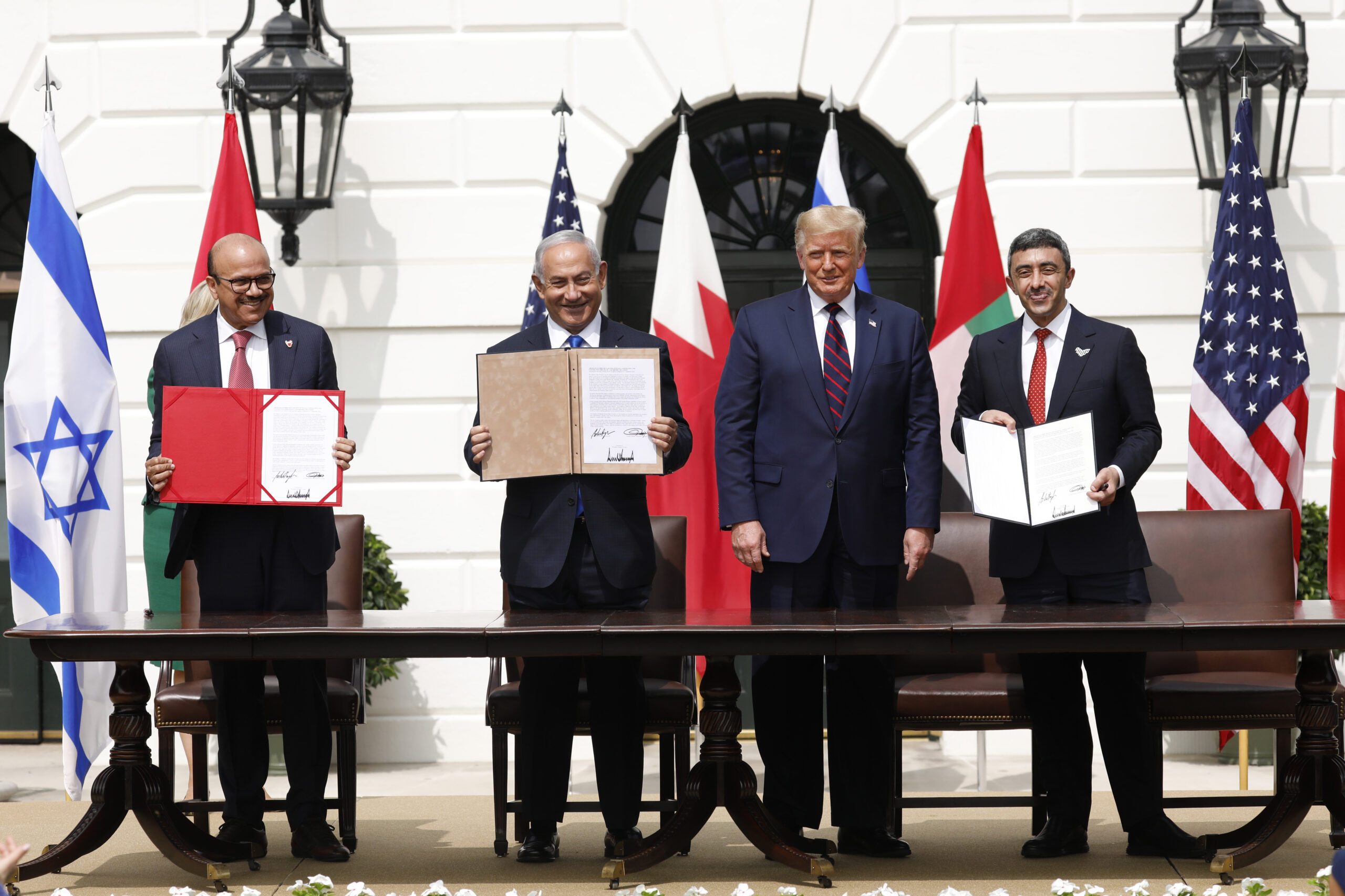
As the original Abraham Accords signatories — Israel, the United Arab Emirates, and Bahrain — observe the third anniversary of their September 2020 agreement, there is a sufficient basis to evaluate whether the Abraham Accords are real, hype, or something in-between. Much like the case a year ago, the results so far remain mixed.
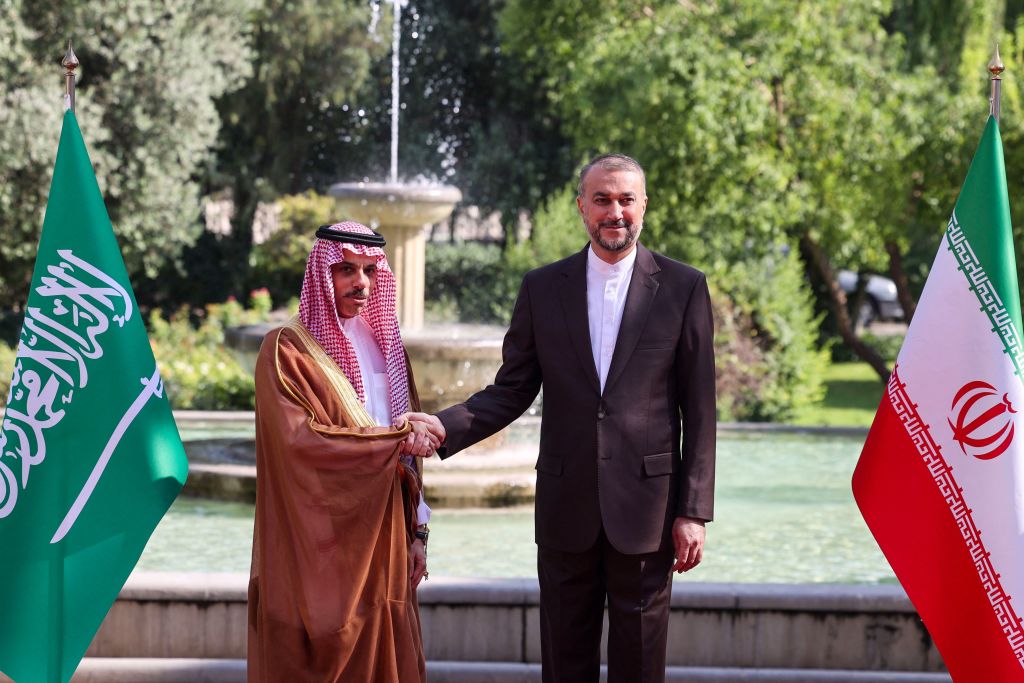
From normalization to non-aggression: The next step in Iran-Saudi ties
The groundbreaking March 2023 normalization deal between Saudi Arabia and Iran could potentially reshape the political landscape of the Middle East. It has already paved the way for de-securitization and the resumption of diplomatic relations. However, critical security issues remain unresolved, casting doubt on the long-term sustainability of the process. Capitalizing on this rare opportunity, Riyadh and Tehran should move forward to finalize a comprehensive non-aggression pact as the foundation for their future security relations.
After an uprising and violent crackdown, Syria’s Deir ez-Zor is at a critical juncture
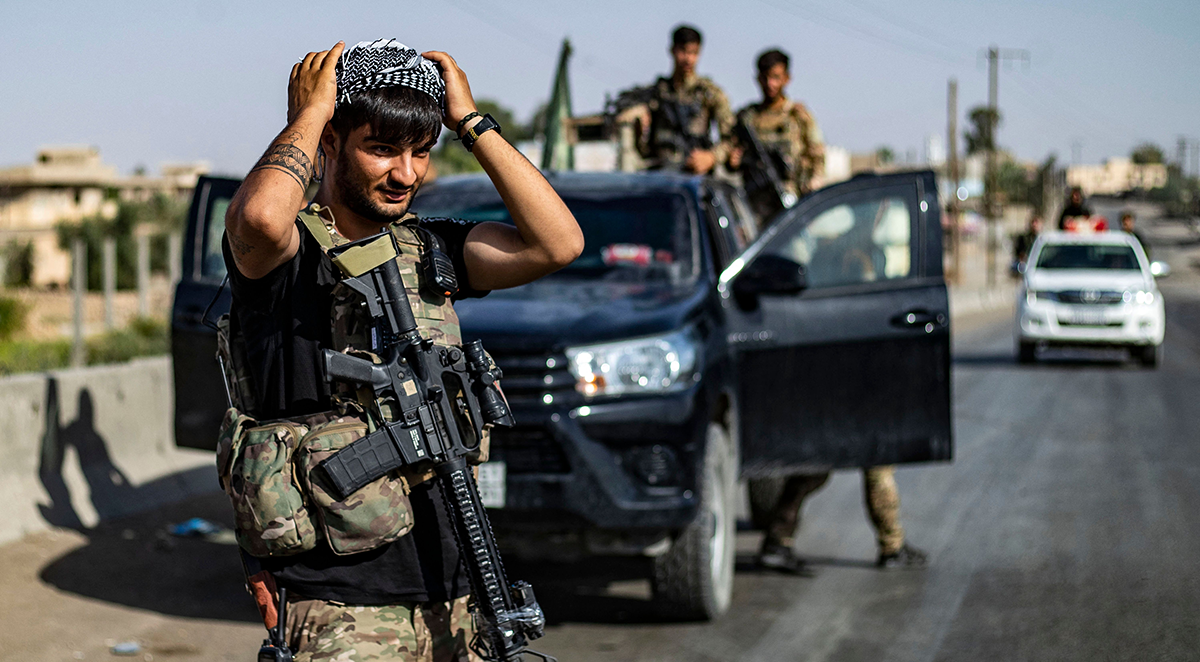
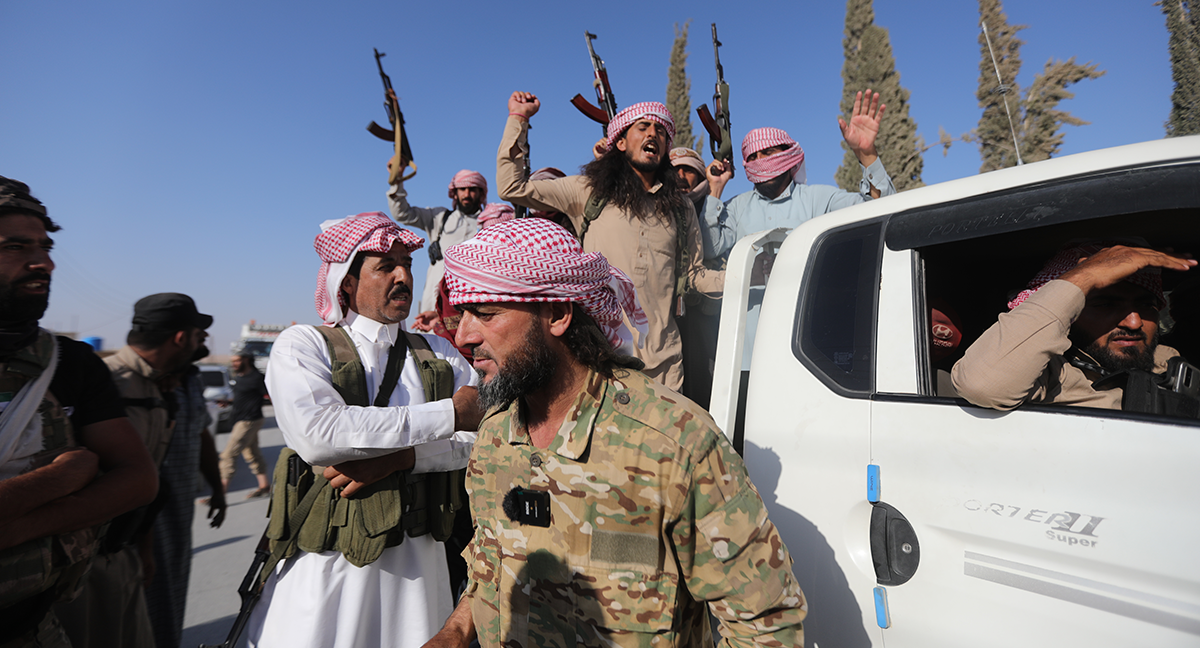
On Sept. 8, the Kurdish-led SDF, a key U.S. ally, announced the end of its “Operation Security Enhancement” in Deir ez-Zor in northeast Syria. While framed as an operation targeting ISIS sleeper cells and criminals, it aimed at quashing an armed uprising led by Arab tribesmen, particularly members of the Akidat tribe. While multiple factors may have contributed to fueling the uprising, the importance of the region’s longstanding grievances cannot be overstated.
Deir ez-Zor torn between Arab tribes’ struggle for independence and the SDF’s efforts to subdue them
On Sept. 8, the Syrian Democratic Forces were able to enter the villages and towns of Deir ez-Zor’s eastern countryside, stretching from al-Tayyanah to al-Baghouz, regaining control of all of the areas that had witnessed an uprising against their forces beginning on Aug. 27. But what sparked the fighting in the first place, how did things play out, and what might it mean for the region going forward?