Polling on Iran highlights key social and political issues ahead of presidential vote
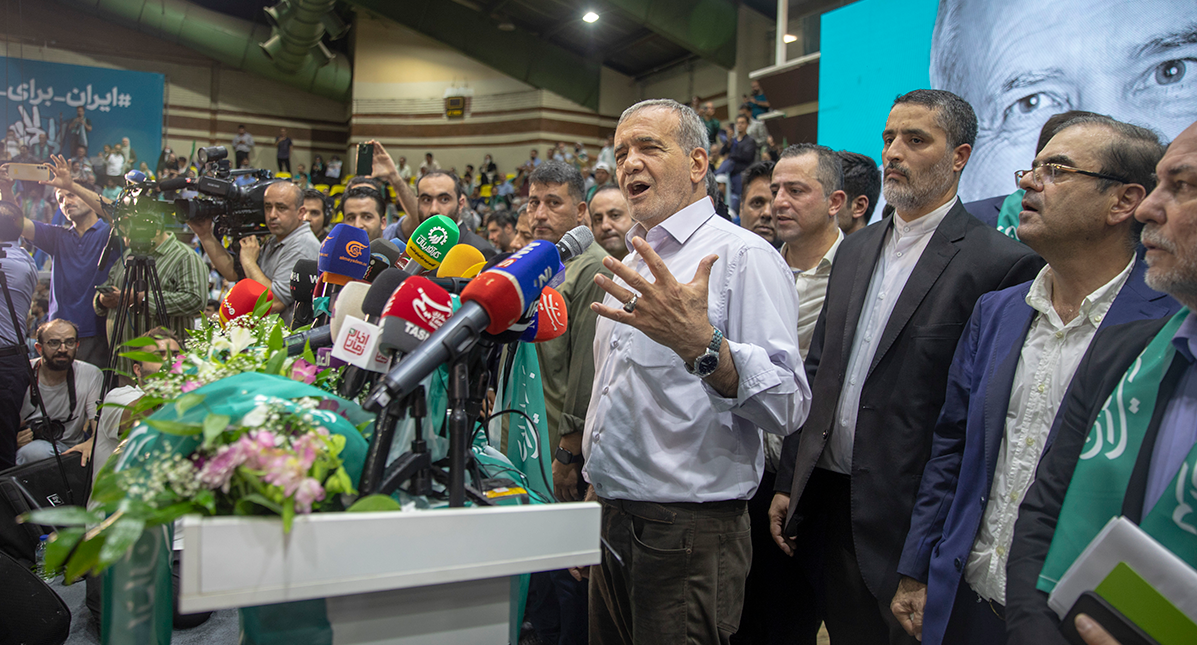
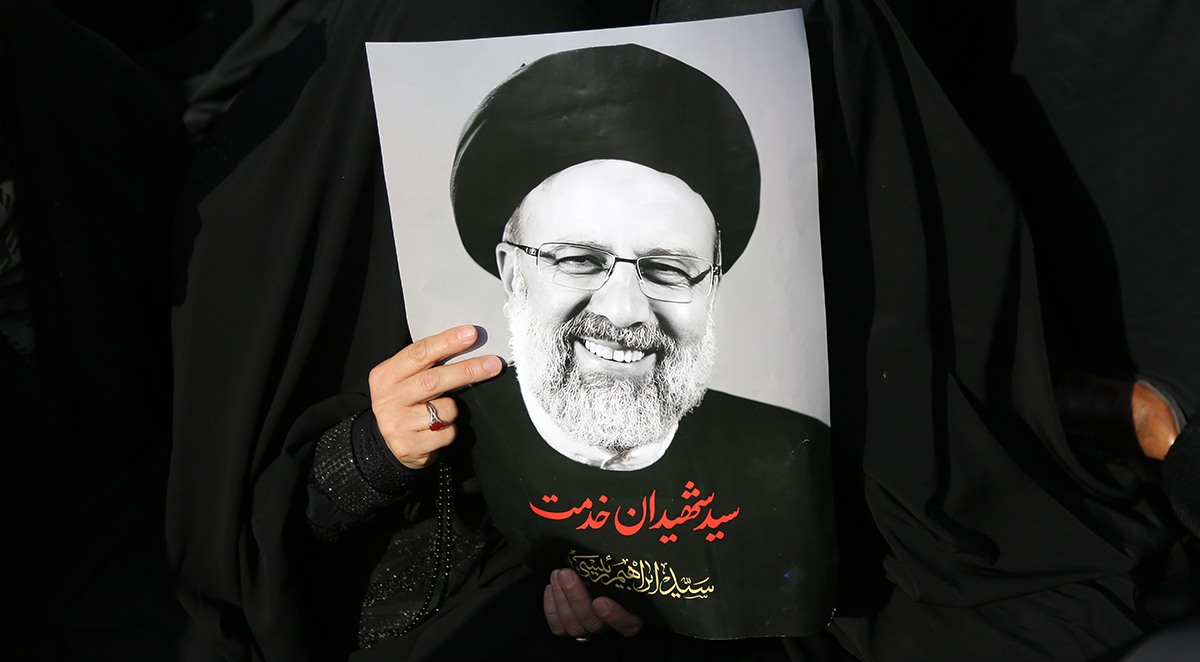
The latest survey from Stasis Consulting estimates that voter turnout in the June 28 Iranian presidential election is likely to exceed 50%. Despite the sudden death of President Ebrahim Raisi, Iranians do not believe his passing will cause any significant challenges for the country. Iranians view addressing youth concerns as a top priority for the next president, alongside dealing with the country’s long-standing economic challenges. In addition, there is widespread opposition to the way in which the government is dealing with the mandatory hijab and a majority of Iranians dislike the Guidance Patrol and support making the wearing of the veil optional.
Change isn’t on the ballot as Iranians head to the polls
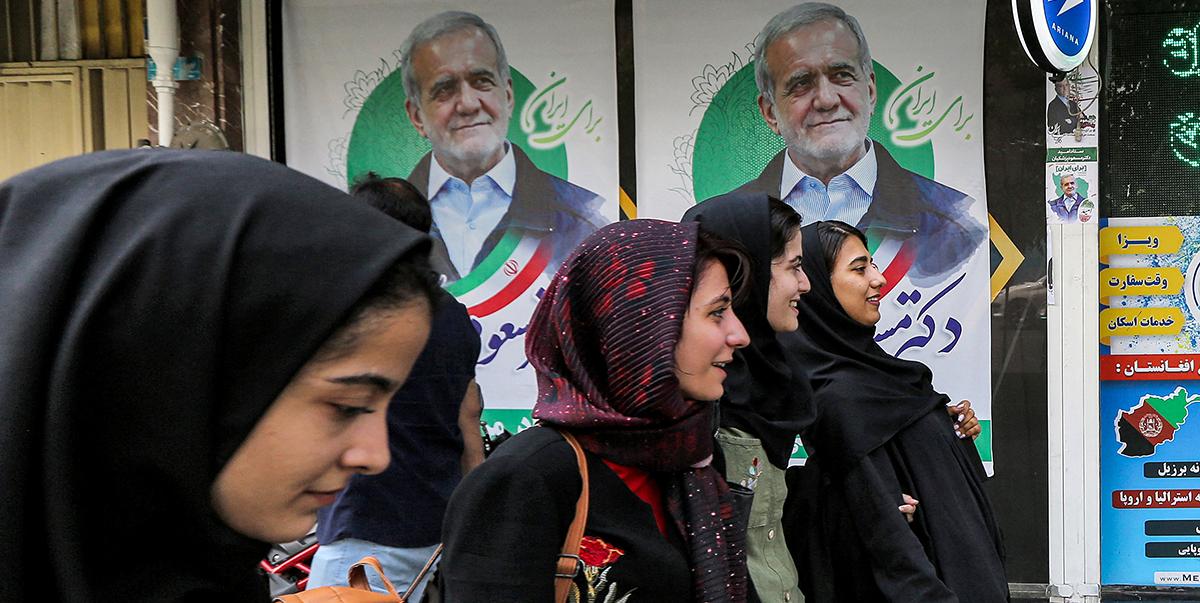
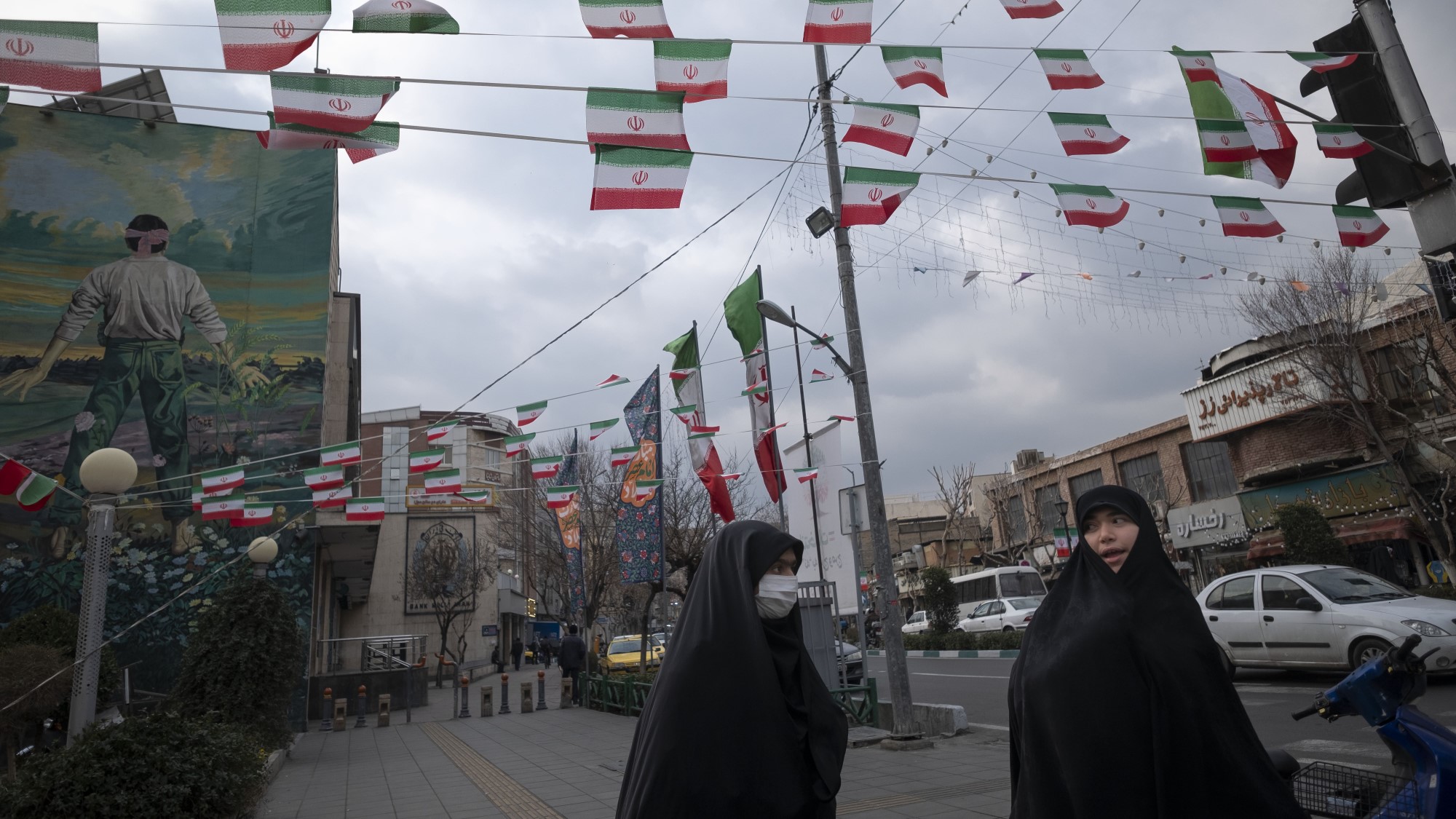
With just a few days left before Iranians head to the polls, it is clear that the June 28 presidential election is not exciting the country’s voters. After several televised debates, some of which have been mildly contentious, the six men in the race have failed to energize the public. In fact, a major “no vote” campaign has been under way on social media and elsewhere, aimed at convincing Iranians to stay home.
“Vision of darkness balanced by light”: Lebanese-American Artist Nabil Kanso’s Works Express the Current Moment, Decades After Their Creation
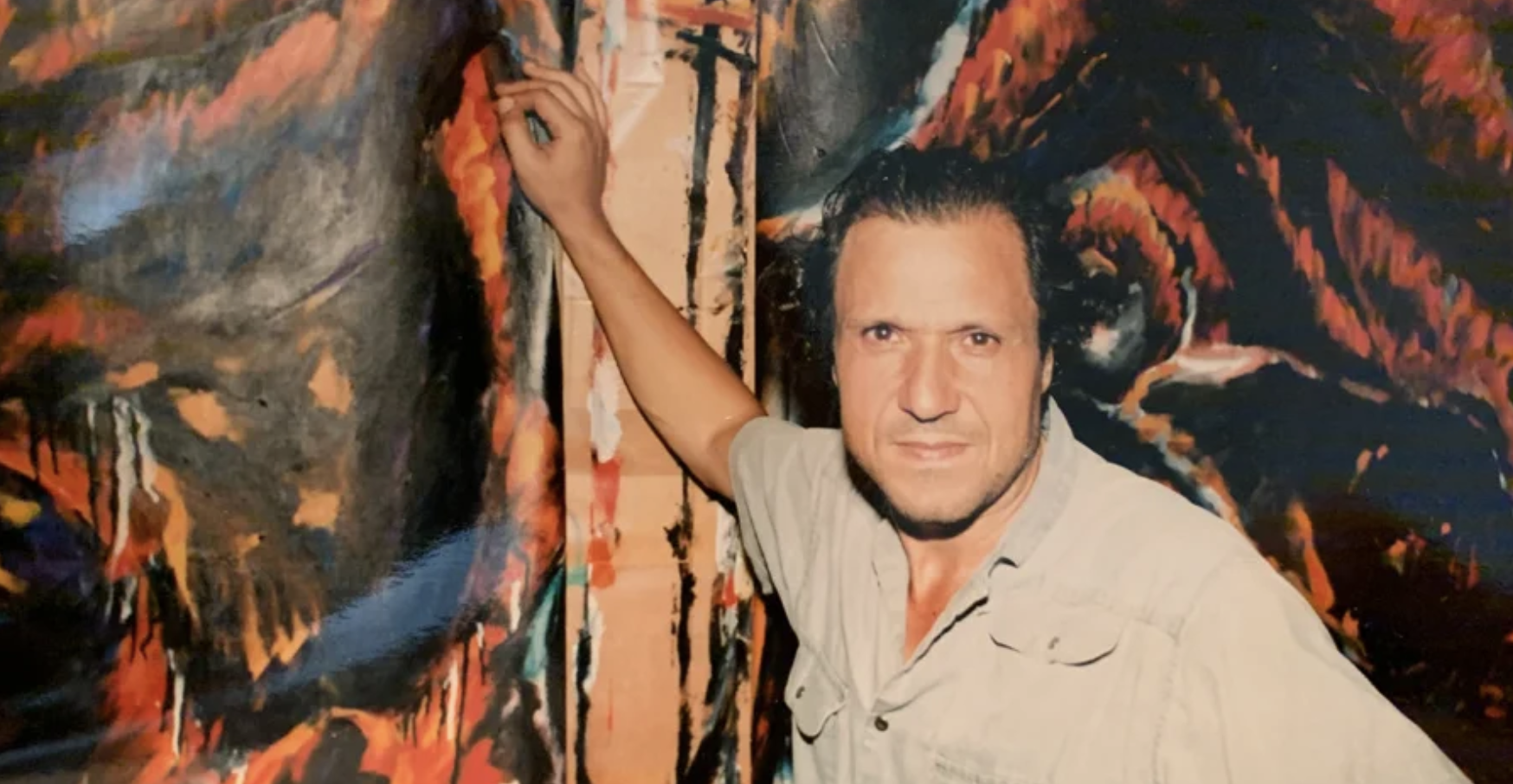
Nearly six decades after Kanso moved to America and began his career as a visual artist, his work remains enormously important, channeling the zeitgeist of our uncertain and violent era. Yet as dark as Kanso’s vision is, he also reminds us that even the most hellacious of contexts can contain light and the possibility of rebirth and renewal.
Alex Vatanka (Director, MEI’s Iran Program) and Ali Afshari (Iranian political analyst and pro-democracy activist) discuss Iran’s snap presidential elections, set to be held on June 28th, following the sudden death of President Ebrahim Raisi in a helicopter crash last month. The 63-year-old regime loyalist was widely viewed as a leading potential successor to the Islamic Republic’s 85-year-old supreme leader, Ayatollah Ali Khamenei. The elections come as Iran faces a number of challenges both at home and abroad, ranging from long-running domestic economic troubles and preparations for an eventual leadership transition to the regional reverberations of the ongoing war in Gaza and the tit-for-tat exchange of missile and drone strikes with Israel in April.
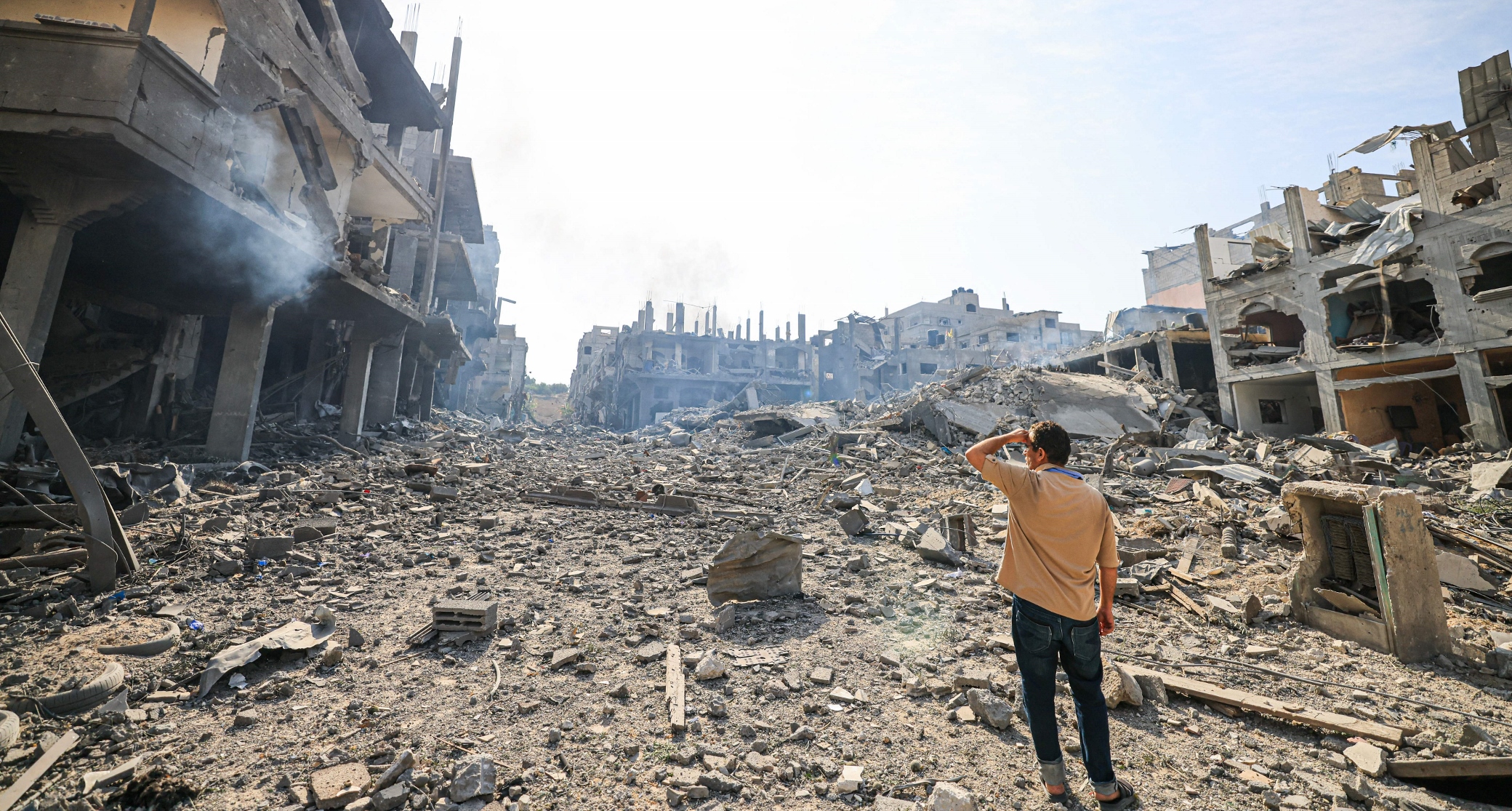
To assist government policymakers faced with a plethora of “day after” plans for Gaza, the following proposes a framework for how to consider and decide among such proposals.
Beyond guns and oil: The emerging soft power rivalry between Iran and Saudi Arabia
A little over a year ago, the icy relations between Iran and Saudi Arabia underwent a remarkable thaw. But beneath this détente, a new front emerged in their longstanding rivalry — one rooted not in geopolitics or religious ideologies but in the realm of soft power and societal aspirations.
From “fierce entanglement” to a viable path toward Palestinian statehood: A pragmatic proposal
The Israelis and Palestinians are stuck with each other in a situation of “fierce entanglement.” Things never got “bad enough” for Israel to work toward a better and lasting solution with the Palestinians until Oct. 7 abruptly changed the status quo. After the visceral anger subsides and Hamas is replaced in Gaza, Israel and the Palestinian Authority must work together for something other than “waiting for the next round of violence.”
Raisi's death underscores Iran’s instability and potential post-Khamenei destabilization
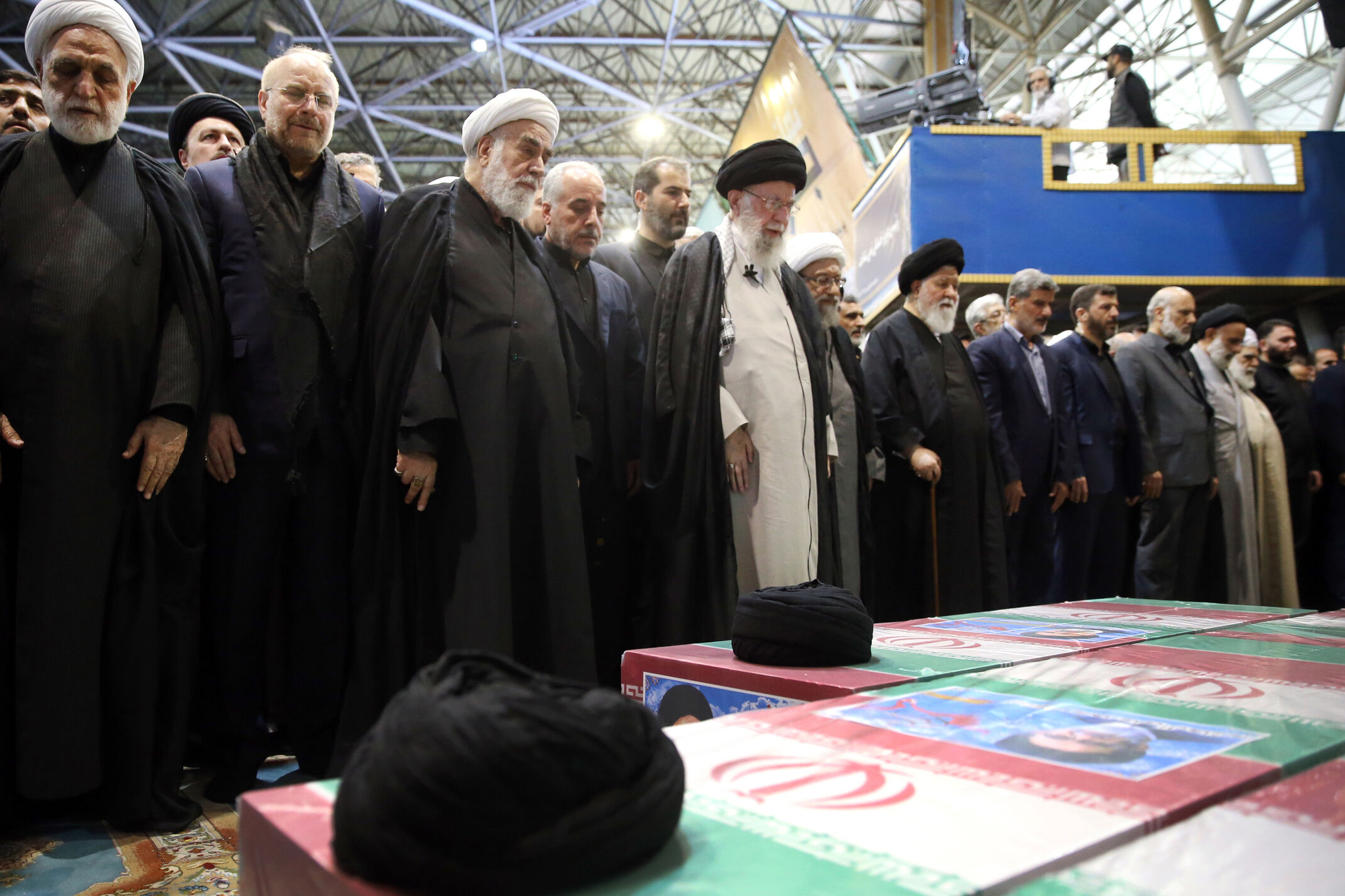
The death of President Ebrahim Raisi serves as a stark reminder of the pervasive instability within the Iranian system of government and its potential repercussions for the future of the Islamic Republic.
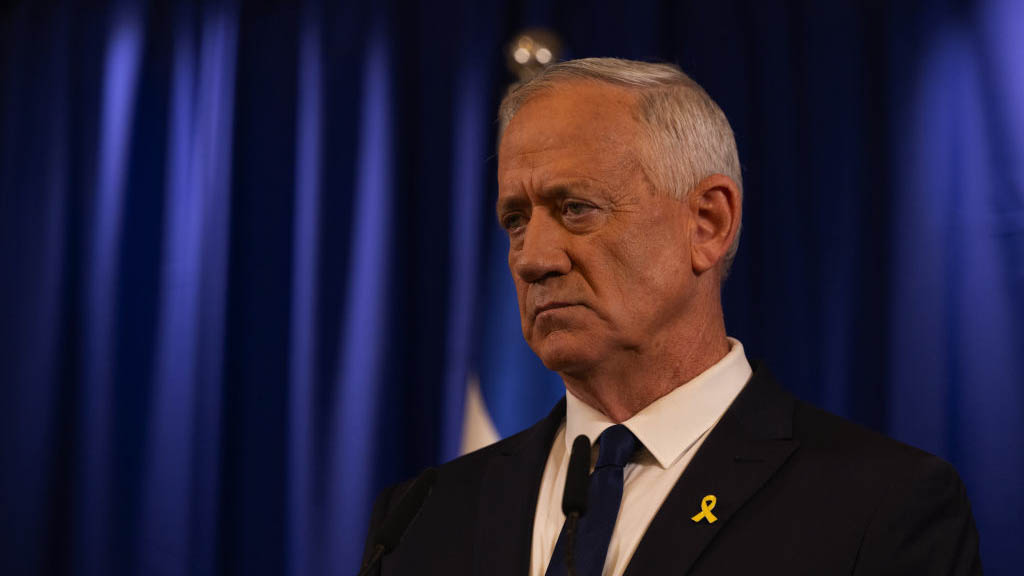
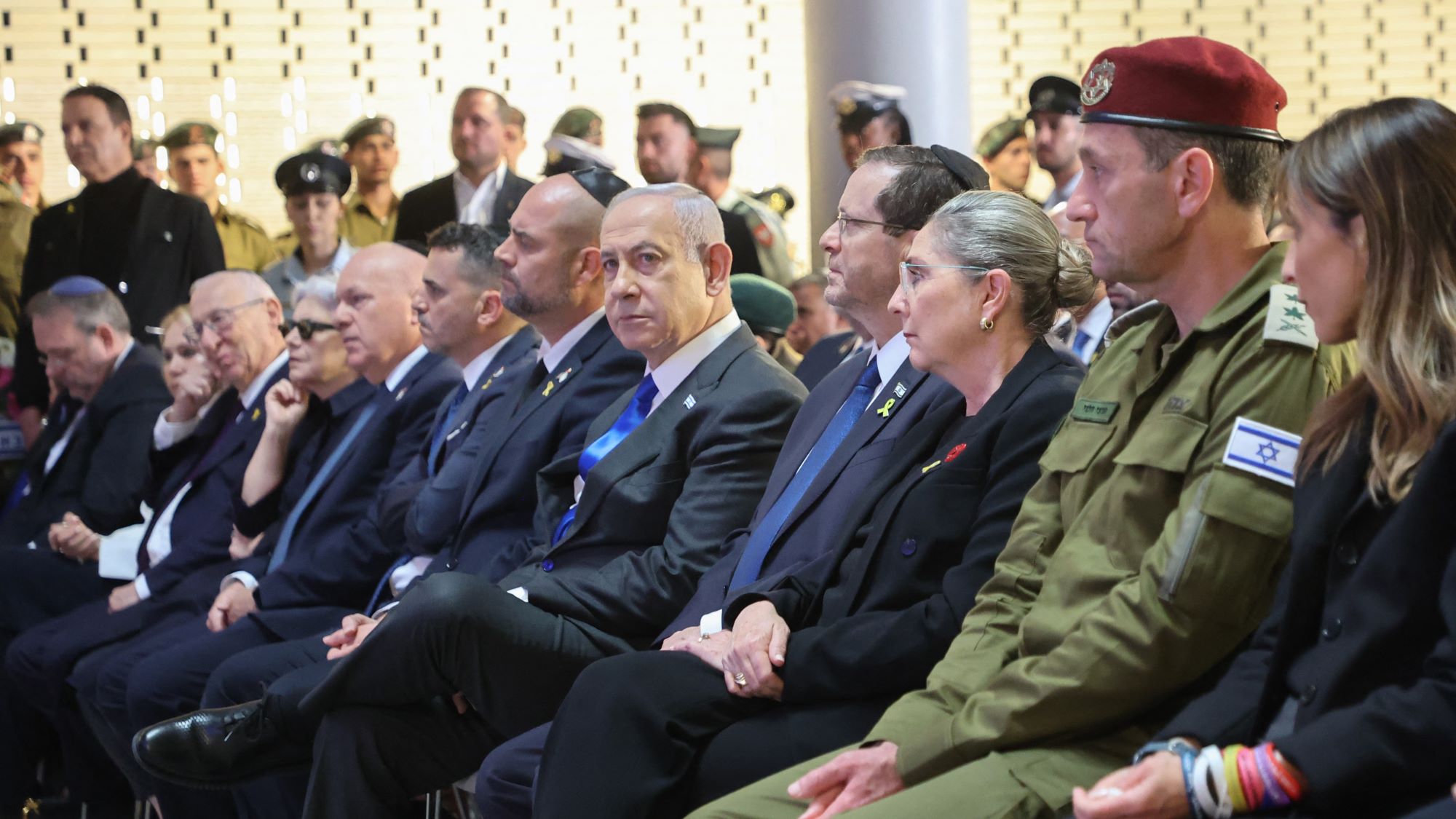
Netanyahu has sought to direct the blame for the debacle of Oct. 7, as well as the subsequent failures in the management of the war, squarely on the Israeli security establishment, while avoiding taking personal responsibility that would cost him his job.
Corruption in Iran: A strategic instrument for the Islamic Republic regime
Corruption in Iran is strategic and a key element of the current political order. It serves as an instrument of national strategy and an essential component of governance within the Islamic Republic.
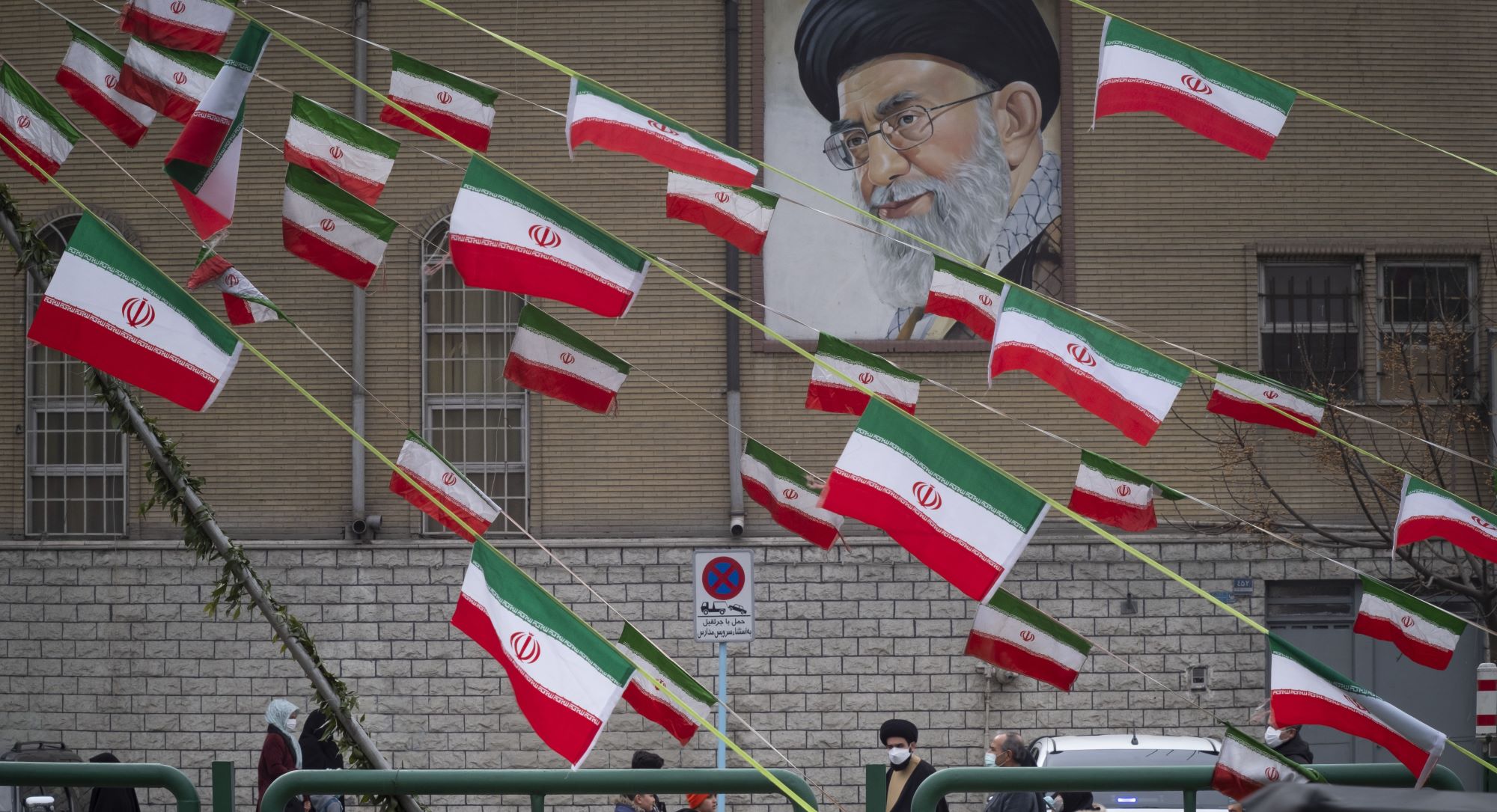
Khamenei will maintain tight grip on Iran’s snap presidential election
The sudden death of President Ebrahim Raisi obliged Iran to hold snap presidential elections by June 28. In the first phase of this electoral process, all eyes will be on Supreme Leader Ali Khamenei, since the relative competitiveness of the upcoming contest depends entirely on who the leader allows to run.
Deterrence Reasserted? Debating Iran's Missile Capabilities and Willingness to Use Force
On this week’s episode, David DesRoches and Abdolrasool (Farzam) Divsallar, a Non-Resident Scholar with MEI’s Iran Program, speak to MEI Managing Editor Matthew Czekaj on Iran’s April 13 missile and drone attack on Israel and what it reveals about both countries’ attack and deterrence capabilities.