Skip to Content

Research & Commentary Results

Filter by
1615 Results
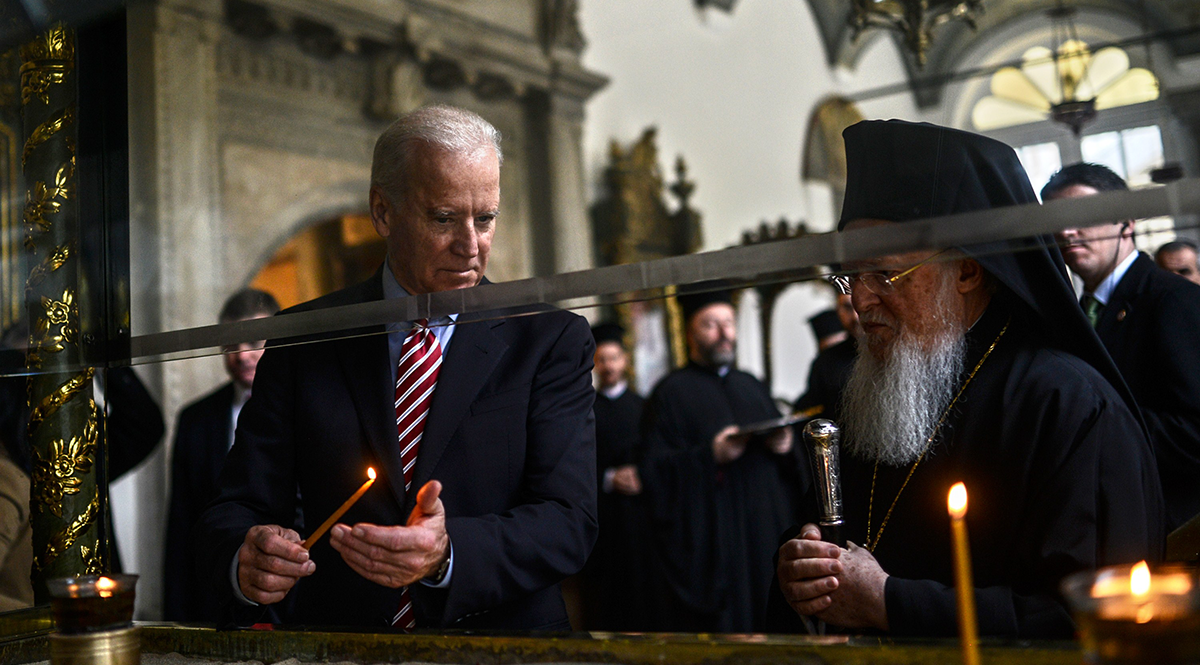
Biden’s White House meeting with the Ecumenical Patriarch offers a unique opportunity
BULENT KILIC/AFP via Getty Images
  • Analysis
  • Biden’s White House meeting with the Ecumenical Patriarch offers a unique opportunity

    Bartholomew I, the Ecumenical Patriarch of Constantinople and spiritual leader of nearly 300 million Orthodox Christians globally, will visit the United States between Oct. 23 and Nov. 3. He will inaugurate the centennial celebration of the founding of the Greek-Orthodox Archdiocese of America in his first U.S. visit in 12 years. The Ecumenical Patriarch’s first stop will be Washington, DC, where he is due to meet with President Joe Biden at the White House. This in-person meeting provides the Biden administration a unique opportunity not only to raise human rights and religious freedom issues in Turkey but also to push back against Russian attempts to undermine the Ecumenical Patriarchate, which the Kremlin sees as a threat and targets with disinformation campaigns.

    October 19, 2021

    The perils of personalizing power: Erdoğan’s one-man rule has made him increasingly vulnerable
    Photo by ADEM ALTAN/AFP via Getty Images
  • Analysis
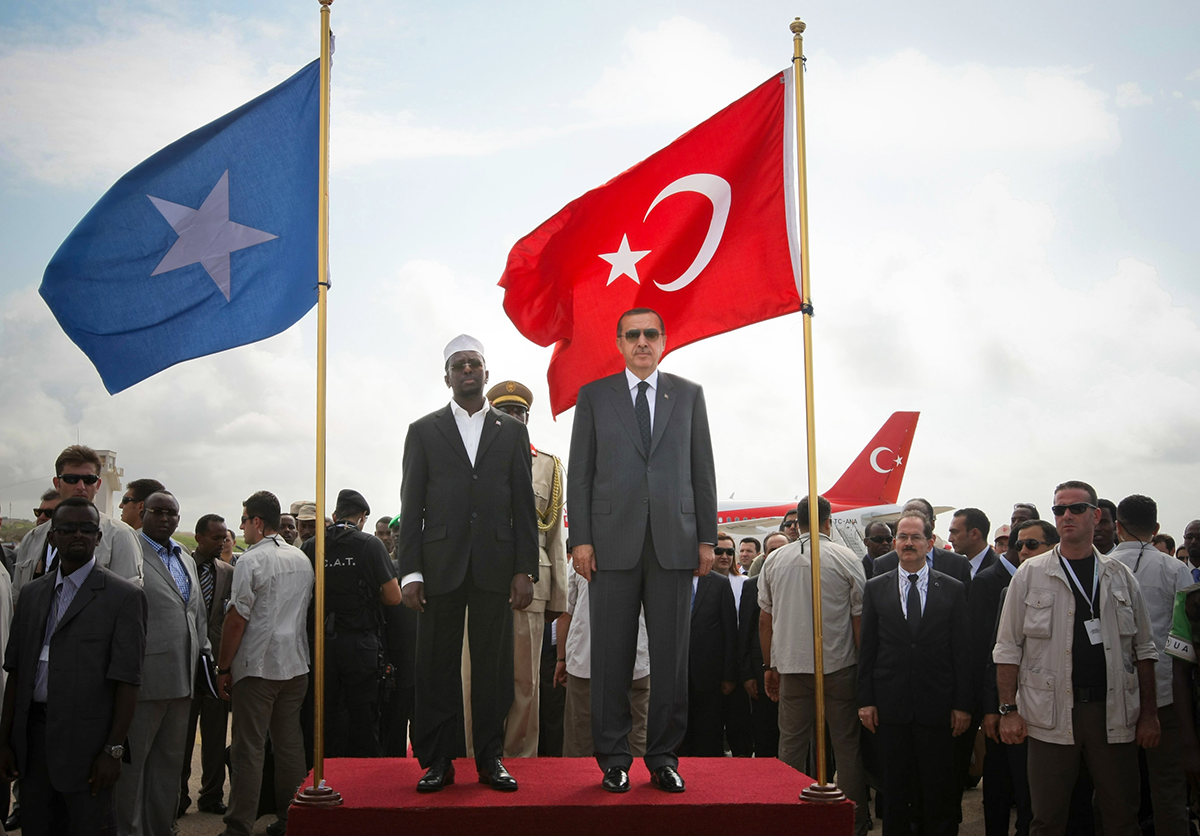
  • The perils of personalizing power: Erdoğan’s one-man rule has made him increasingly vulnerable

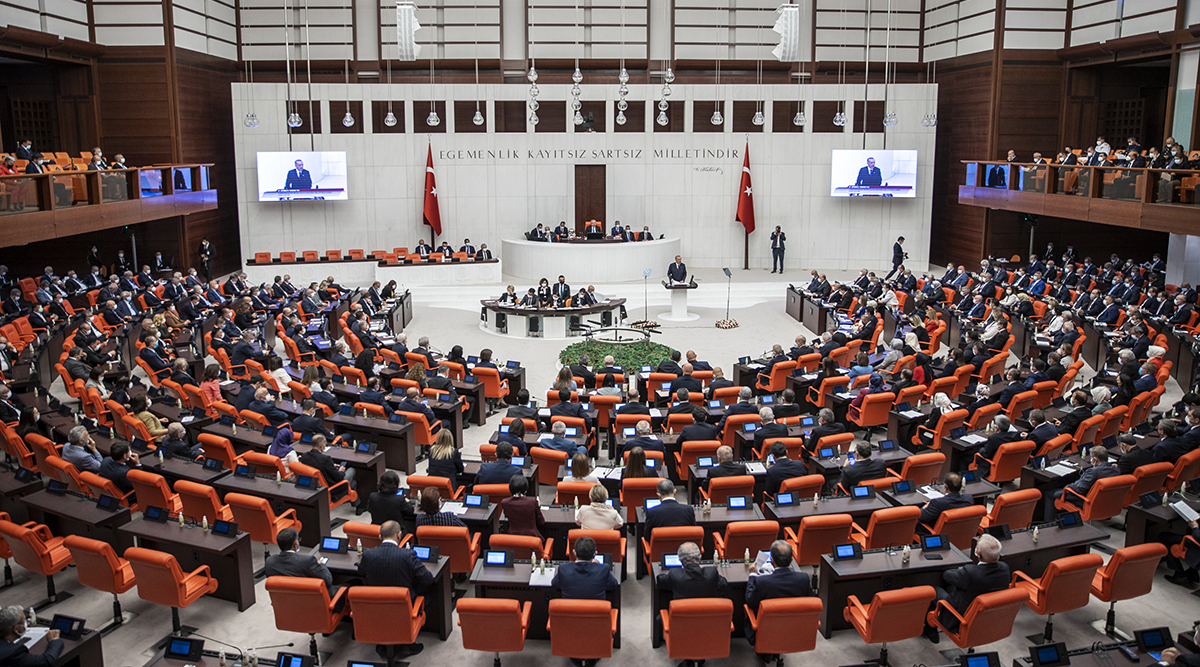
    Turkish President Recep Tayyip Erdoğan long believed that establishing one-man rule would end all his headaches. Instead, the system he created has only caused him more trouble. So great is Erdoğan’s remorse that he is now said to be thinking of amending the executive presidency to strengthen the role of parliament.

    Iraq's Elections
    Middle East Institute
  • Podcast
  • Iraq's Elections

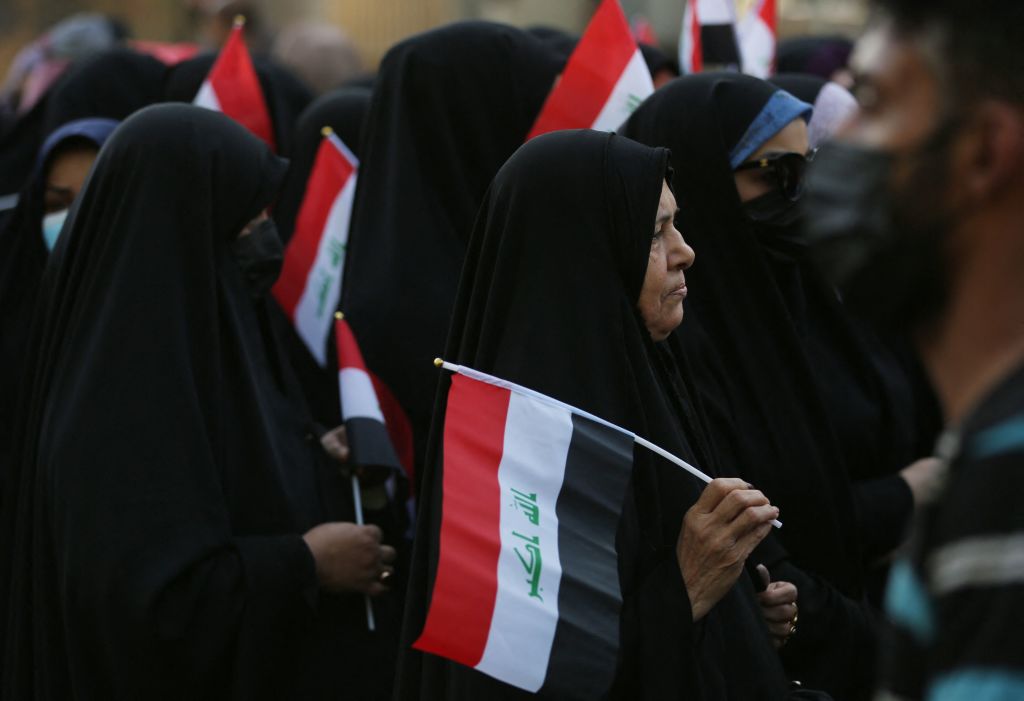
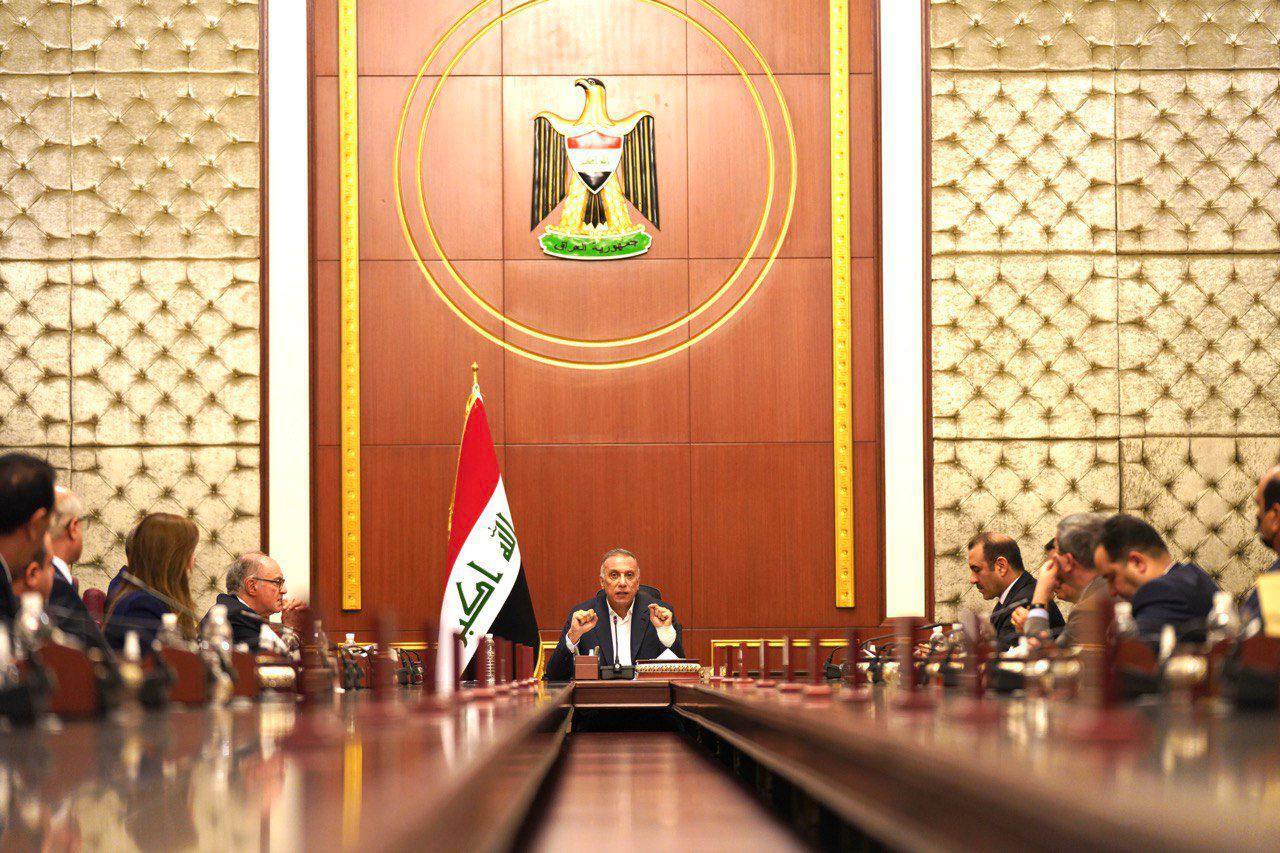
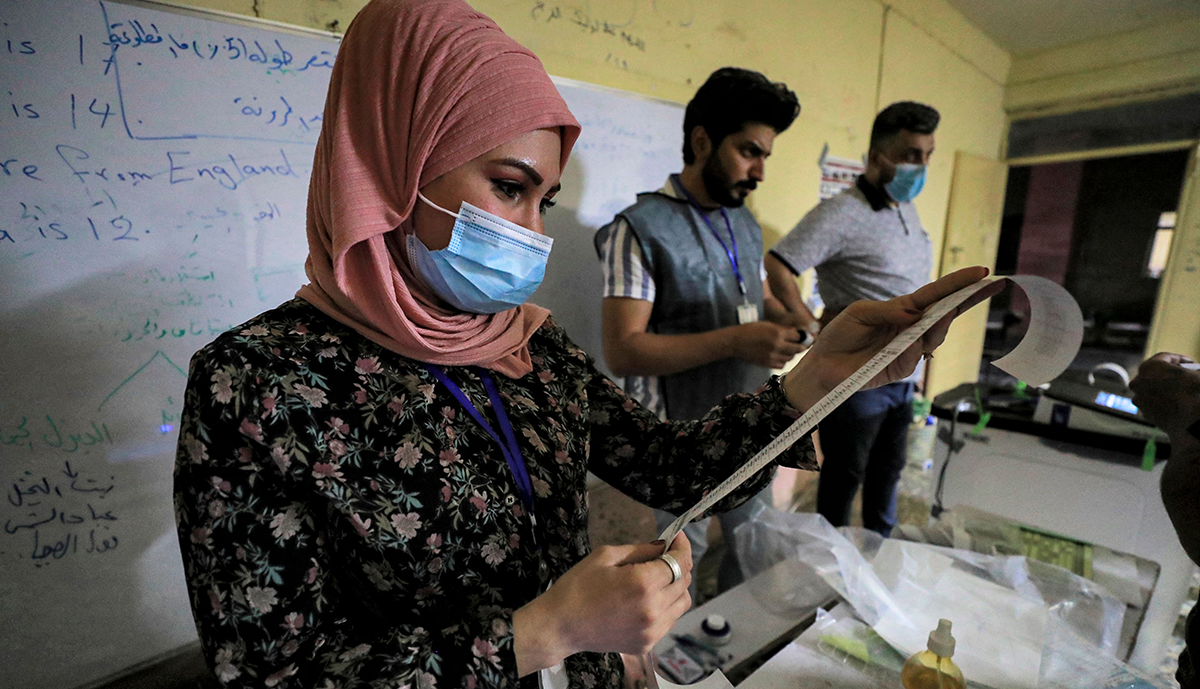
    Marsin Alshamary joins the program to discuss the upcoming Iraqi parliamentary elections on Oct. 10. Originally scheduled for 2022, the elections were moved up amid pressure from the Tishreen protest movement that began in late 2019. MEI Senior Fellow Randa Slim also speaks with two long-time watchers of Iraqi politics, Farhad Alaaldin and Naufel Alhassan, about how they see things playing out and the impact the elections might have on Iraq’s political landscape going forward.

    October 8, 2021

    What’s driving Turkey’s early easing of monetary policy?
    Photo by Ali Balikci/Anadolu Agency via Getty Images
  • Analysis
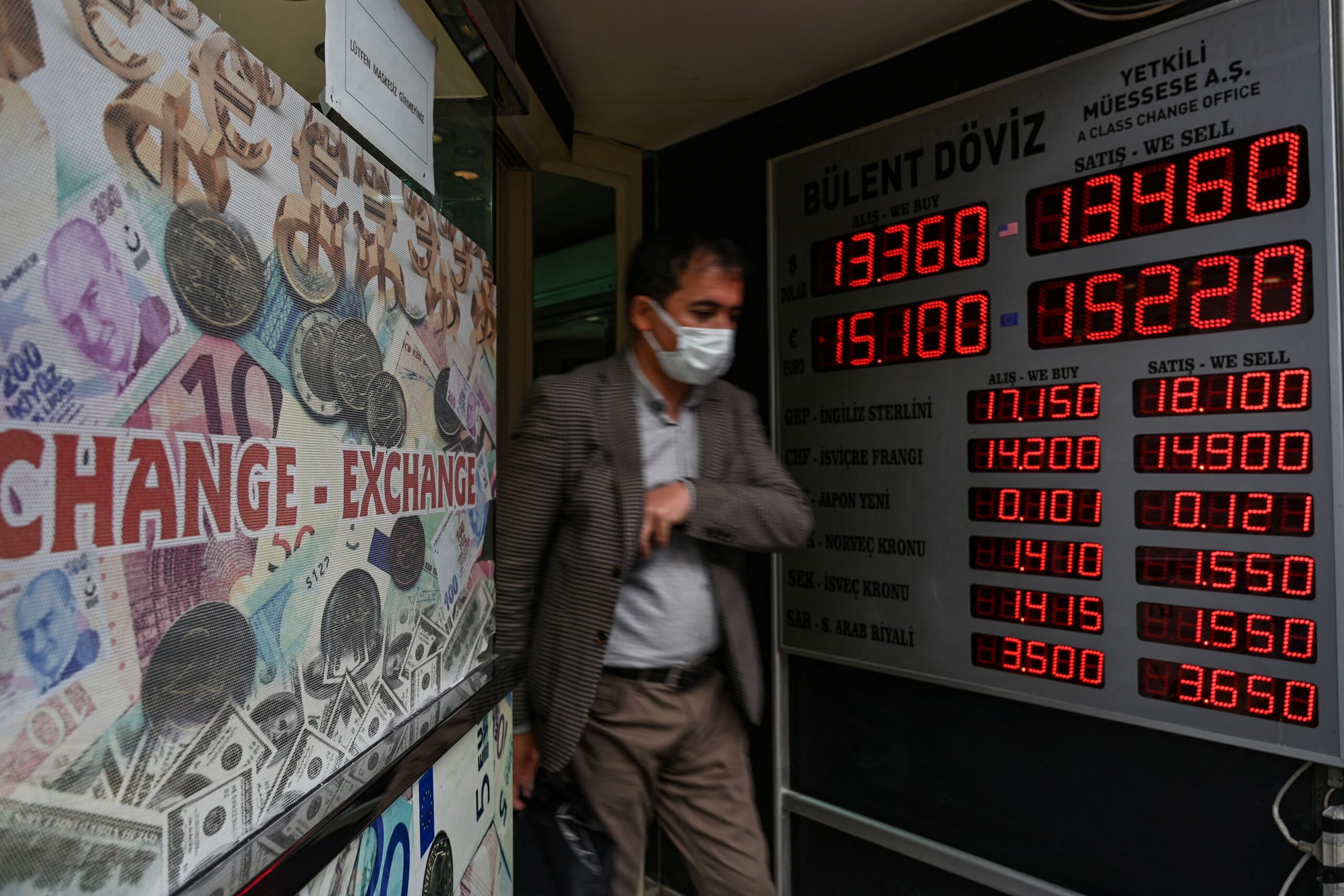
  • What’s driving Turkey’s early easing of monetary policy?

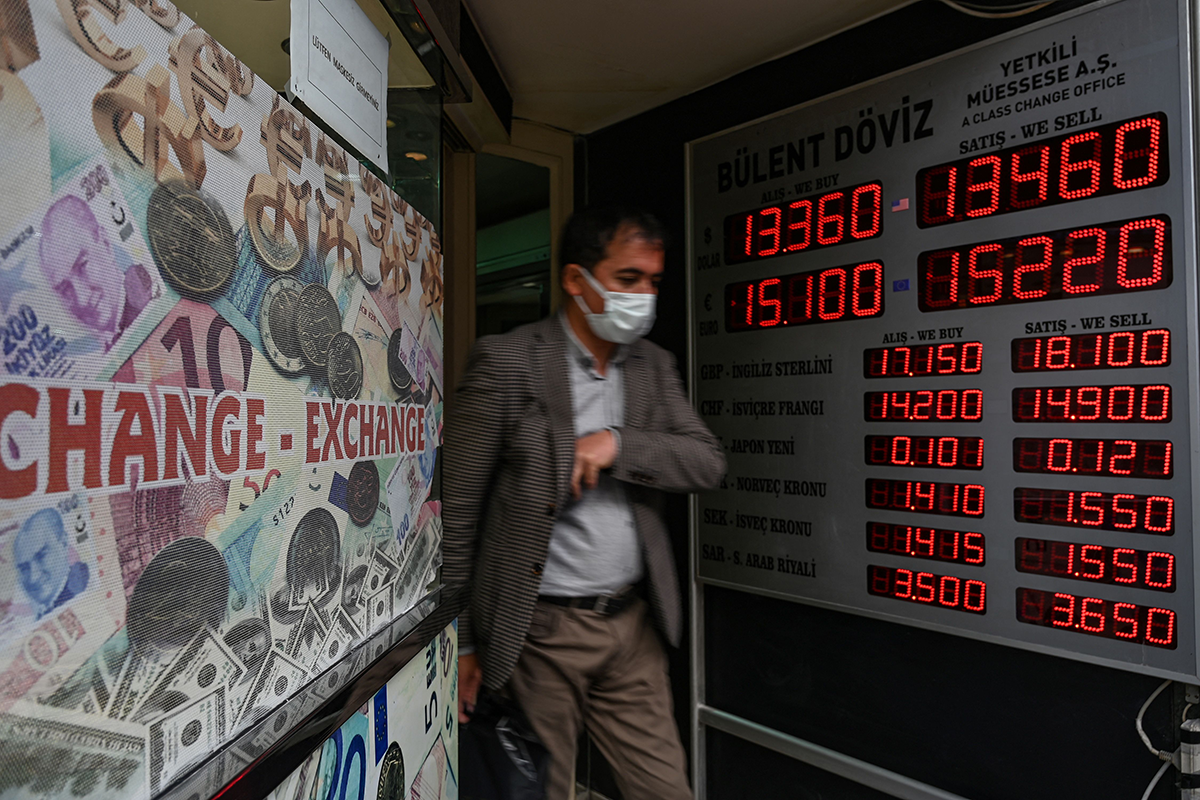
    At its Sept. 23 meeting, the Central Bank of the Republic of Turkey (CBRT), in a surprise move, cut its policy rate (1-week repo rate) 100 basis points to 18.00%, while headline inflation was 19.25% (currently 19.58%). This is an interesting development as most central banks around the world have just started preparing to implement tighter policies.

    October 6, 2021

    ذكرى تشرين، مسألة مكتومة في الفترة التي تسبق الانتخابات العراقية
  • Commentary
  • ذكرى تشرين، مسألة مكتومة في الفترة التي تسبق الانتخابات العراقية

    في الأول من أكتوبر/تشرين الأول، تجمع عدة مئات من العراقيين وشاركوا في مسيرة، احتجاجًا على عدم حدوث تغيير وذلك في ذكرى حركة تشرين التي اندلعت قبل عامين من ذاك اليوم والتي أحدثت هزة عنيفة بين النخبة السياسية العراقية. كانت التجمعات صغيرة والاحتجاجات خافتة لا صوت لها، وهي محاطة بالمنشورات الدعائية الانتخابية وملصقات المرشحين بينما يستعد العراقيون للذهاب إلى صناديق الاقتراع في 10 أكتوبر/تشرين الأول في انتخابات برلمانية مبكرة.

    October 6, 2021

    هل سيكون السيستاني آخر العظماء؟
    Photo by AHMAD AL-RUBAYE/AFP via Getty Images.
  • Commentary
  • هل سيكون السيستاني آخر العظماء؟

    بعد غزو العراق في ٢٠٠٣، تحولت الأنظار إلى السيد علي السيستاني في النجف بوصفه نقطة محورية ليس فقط على مستوى العراق، بل في عموم المنطقة. اليوم، يبلغ السيستاني ٩١ عامًا مما يجعل مسألة خلافته أمرًا يشغل المتابعين، ليس فقط على مستوى الساحة الشيعية، ولكن على مستوى منطقة الشرق الأوسط بشكل عام. وعليه، تهدف هذه الدراسة إلى تسليط الضوء على مستقبل المرجعية الشيعية على أساس التغيير المرتقب القادم بعد السيستاني.

    September 28, 2021

    Will Sistani be the Last Legend? The Challenge of Succession and the Future of the Marj’aiyyah
    Photo by AHMAD AL-RUBAYE/AFP via Getty Images.
  • Analysis
  • Will Sistani be the Last Legend? The Challenge of Succession and the Future of the Marj’aiyyah

    For Shi’a Muslims, the highest-ranking religious authorities are known as marj’as, who serve as a reference point for emulation for laypeople (marj’a al-taqlīd). The position of the marj’a, known as the marj’aiyyah, has the exclusive right to issue religious rulings (fatwas). Since the 2003 invasion of Iraq, Ayatollah Sayyid Ali Sistani in Najaf has become a focal point not only for Shi’a in Iraq, but for the entire region. Sistani is now 91 years old and the question of succession is a central one — one that concerns not only Shi’a Muslims, but the wider Middle East as well. This paper aims to shed light on the future of the religious authority in the Shi’a world based on the unavoidable change after Sistani.

    September 28, 2021

    Courting danger, Erdoğan ramps up reliance on China
    Photo by Jason Lee-Pool/Getty Images
  • Analysis
  • Courting danger, Erdoğan ramps up reliance on China

    China’s recent multi-sectoral engagements in Turkey suggest that the Black Sea region’s significance is on the rise in Beijing, and under President Erdoğan, Turkey has consistently sought its favor and investment.

    September 21, 2021

    Budget dust: Better approaches for security and sustainability — lessons learned from Iraq and Afghanistan
    Photo by MARCUS YAM/LOS ANGELES TIMES/GETTY IMAGES
  • Analysis
  • Budget dust: Better approaches for security and sustainability — lessons learned from Iraq and Afghanistan

    It took the Taliban just three and a half months to undermine a 20-year international effort to build a competent Afghan military. The Afghanistan National Army (ANA) collapsed once it was clear the U.S. was pulling out ground troops and ceasing air support operations after two decades of training and sustainment that cost the American taxpayer approximately $83 billion. When required to stand alone, against a Taliban force, the ANA failed unequivocally. Building the ANA as a mirror image of the U.S. military was strategically and operationally flawed. If they are designed to fight like the U.S. but cannot fight in the absence of U.S. forces, they are ineffective. What lessons should we learn from this and how could our approach be different in the future?

    9/11’s legacy for U.S.-Middle East relations
    Middle East Institute
  • Podcast
  • 9/11’s legacy for U.S.-Middle East relations

    Ross Harrison, Paul Salem, and Randa Slim join host Alistair Taylor to reflect on 9/11’s impact on US policy in the Middle East over the past 20 years and how its legacy has been viewed by the region.

    September 9, 2021

    Baghdad, Beirut, and the politics of Lebanon’s power crisis
    Photo by AFP via Getty Images
  • Analysis
  • Baghdad, Beirut, and the politics of Lebanon’s power crisis

    On July 24, Beirut and Baghdad signed a governmental framework agreement under which Iraq pledged 1 million tons of heavy fuel oil to Lebanon over a full year.

    September 7, 2021

    A Case Study in Irregular Warfare
    Middle East Institute
  • Podcast
  • A Case Study in Irregular Warfare

    Mick Mulroy and Ken Tovo join host Alistair Taylor to discuss their recent paper on how US intelligence and military operatives effectively collaborated with local Kurdish partners in Northern Iraq in the early 2000s, why it was a successful partnership, and what lessons it may provide for future operations. The paper, “Irregular Warfare: A Case Study in CIA and US Army Special Forces Operations in Northern Iraq, 2002-03,” is available now on MEI’s website.

    September 1, 2021