Skip to Content

Research & Commentary Results

Filter by
1053 Results
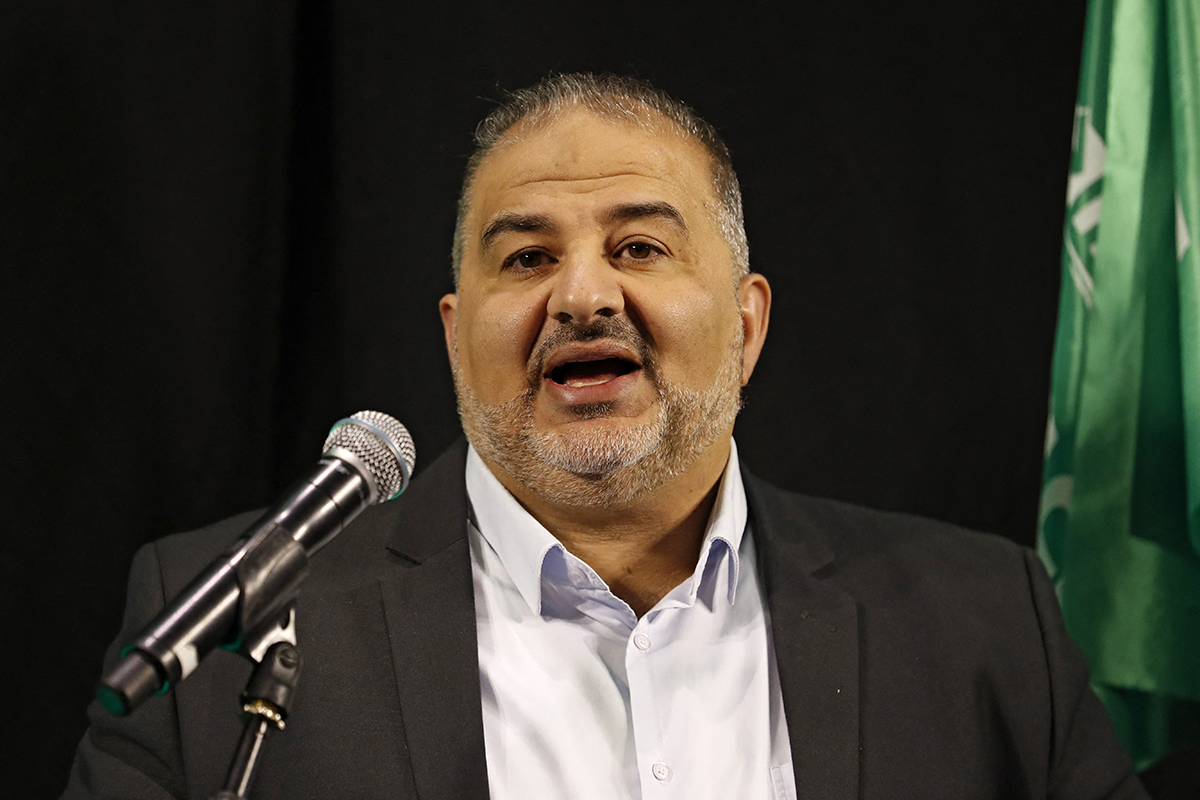
Mansour Abbas: Islamist kingmaker or the “good Arab”?
Photo by AHMAD GHARABLI/AFP via Getty Images
  • Analysis
  • Mansour Abbas: Islamist kingmaker or the “good Arab”?

    At a press conference on Thursday, MK Mansour Abbas, head of the newly elected Islamist party in Israel, the United Arab List (Ra’am), made what many in the Israeli media dubbed a historic speech. In an effort to reach out to the Jewish Israeli public, he spoke in Hebrew and during the prime time on television often given to Israeli politicians. Speaking surrounded by the party’s green flags, the conservative Islamist quotedverses from the Quran calling for the creation of “an opportunity for a shared life, in the holy and blessed land for the followers of the three religions and both peoples” and told his Hebrew-speaking audience that “Now is the time for change.”

    April 2, 2021

    Egypt: The Pandemic Experience in a Time of Reform
  • Analysis
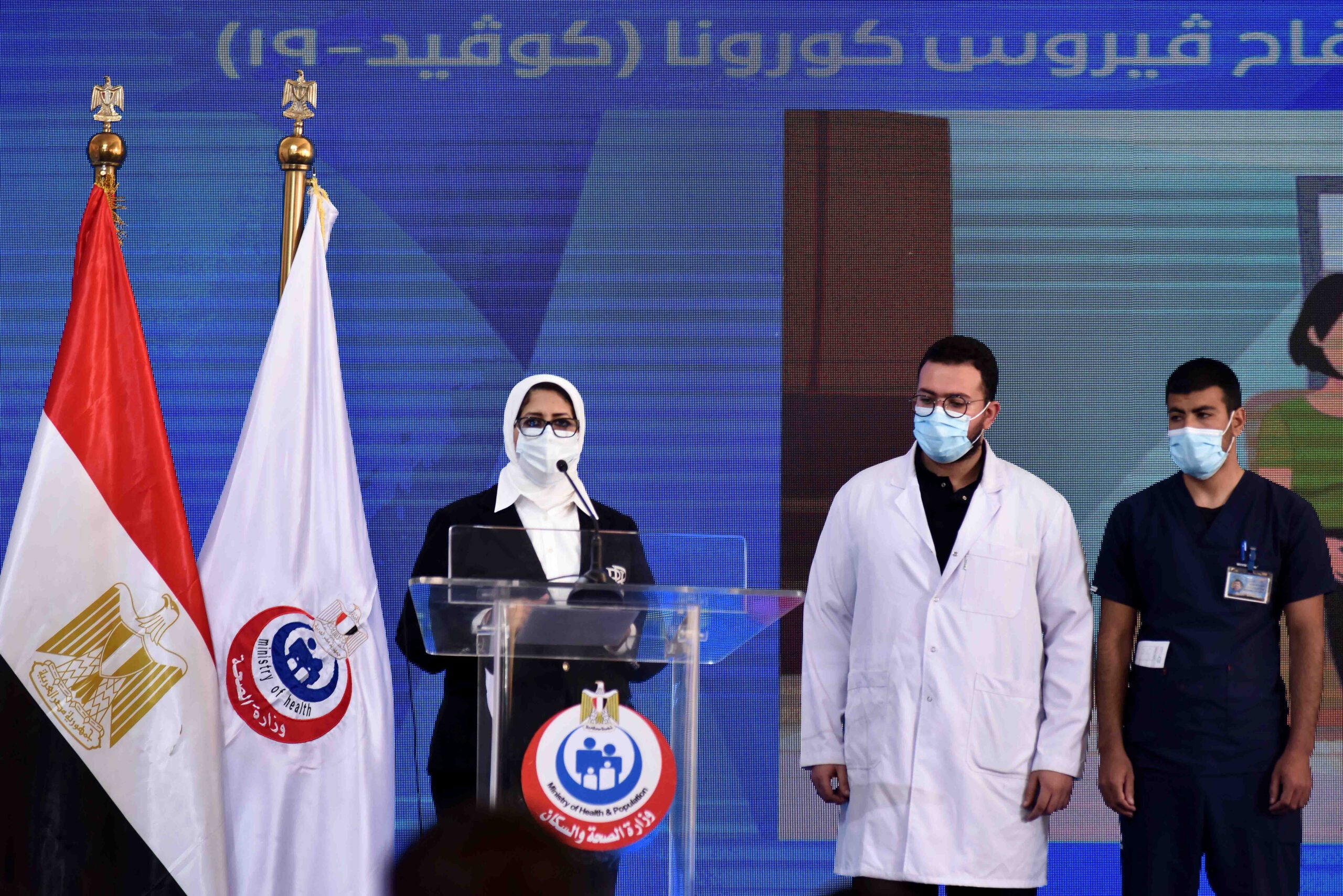
  • Egypt: The Pandemic Experience in a Time of Reform

    Egypt announced its first COVID-19 fatality on March 8, 2020, a few months after concluding a “reform” program supported by the International Monetary Fund (IMF) loan it had obtained in 2016. The pandemic thus posed the first test for the IMF-prescribed economic and social policies adopted by the Government of Egypt. As this article will show, whereas the reforms helped propel economic growth in a time of global recession, they did not provide a strong social safety net for vulnerable families during the crisis.

    March 30, 2021

    Egypt should go green by putting a price on carbon
    Photo by MOHAMED EL-SHAHED/AFP via Getty Images
  • Analysis
  • Egypt should go green by putting a price on carbon

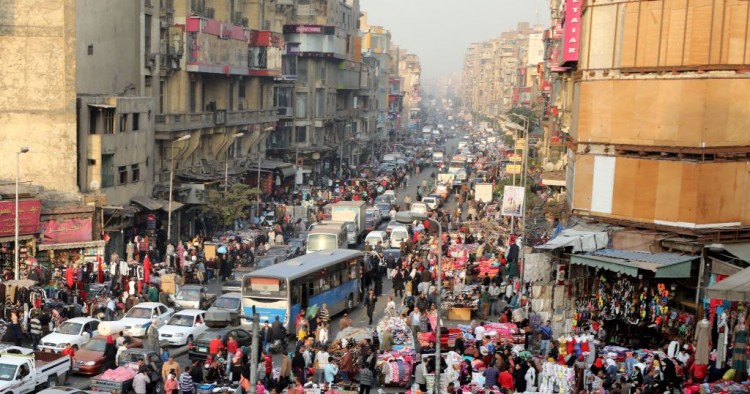
    It is time for Egypt to put a price on carbon. While Cairo has taken small steps toward developing a sustainability plan, it needs a bold idea to stop rising carbon emissions. Establishing a carbon exchange — or putting a price on carbon — would be good for the country and help make Egypt an environmental leader in the region.

    March 30, 2021

    Reflecting on the global effort to fight violence against women
    Photo by HAIDAR HAMDANI/AFP via Getty Images
  • Analysis
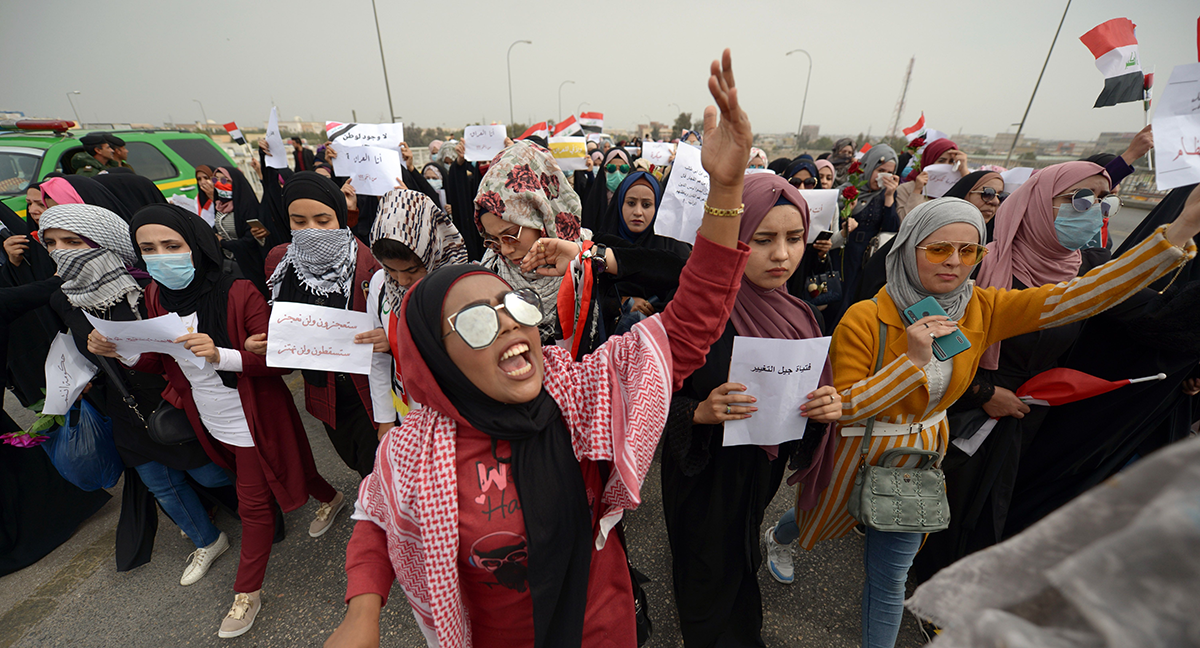
  • Reflecting on the global effort to fight violence against women

    On March 8, the world came together to celebrate International Women’s Day (IWD), a barometer of annual development on global gender equality. This year, violence against women and women’s protection have been front and center on the political agenda across the world, including in the Middle East, as incidents of violence against them spark mass mobilization and anger from citizens. As civic activism grows, and citizens are increasingly politically and publicly engaged, women are fighting louder and harder than ever before to be a central voice in broader calls to action.
    March 30, 2021

    مصر: المصائب لا تأتي فرادى
  • Commentary
  • مصر: المصائب لا تأتي فرادى

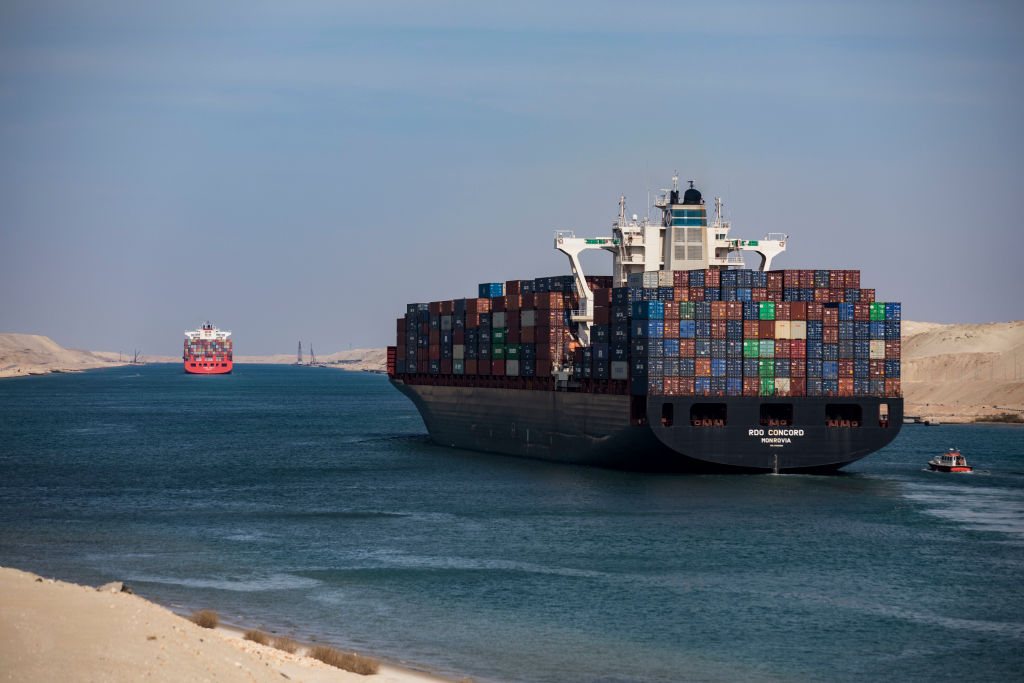
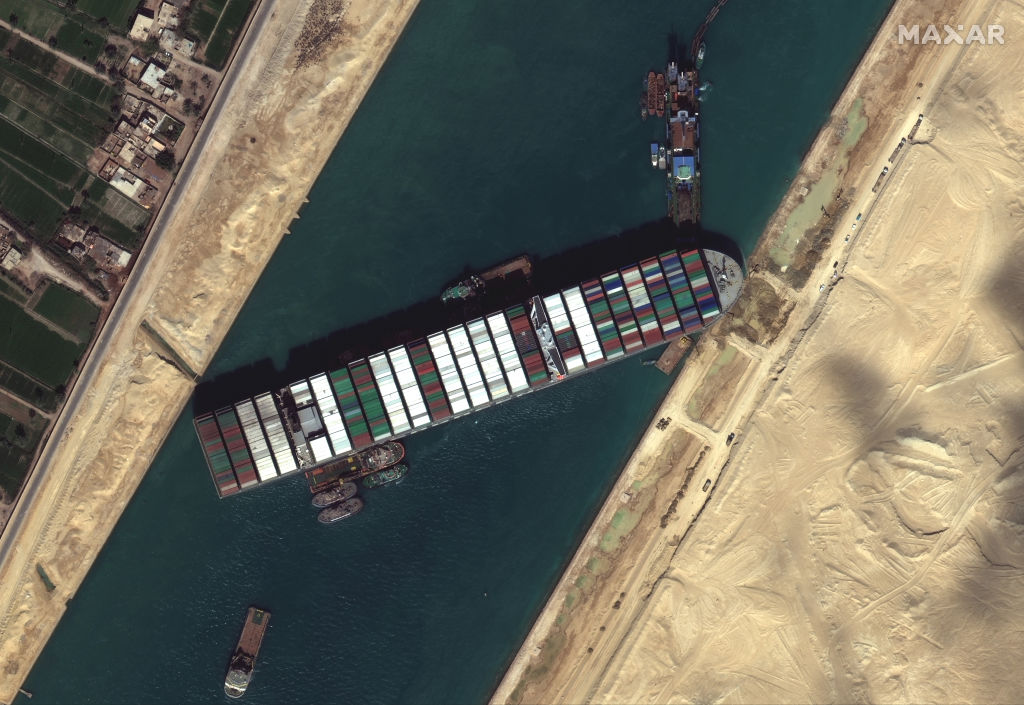
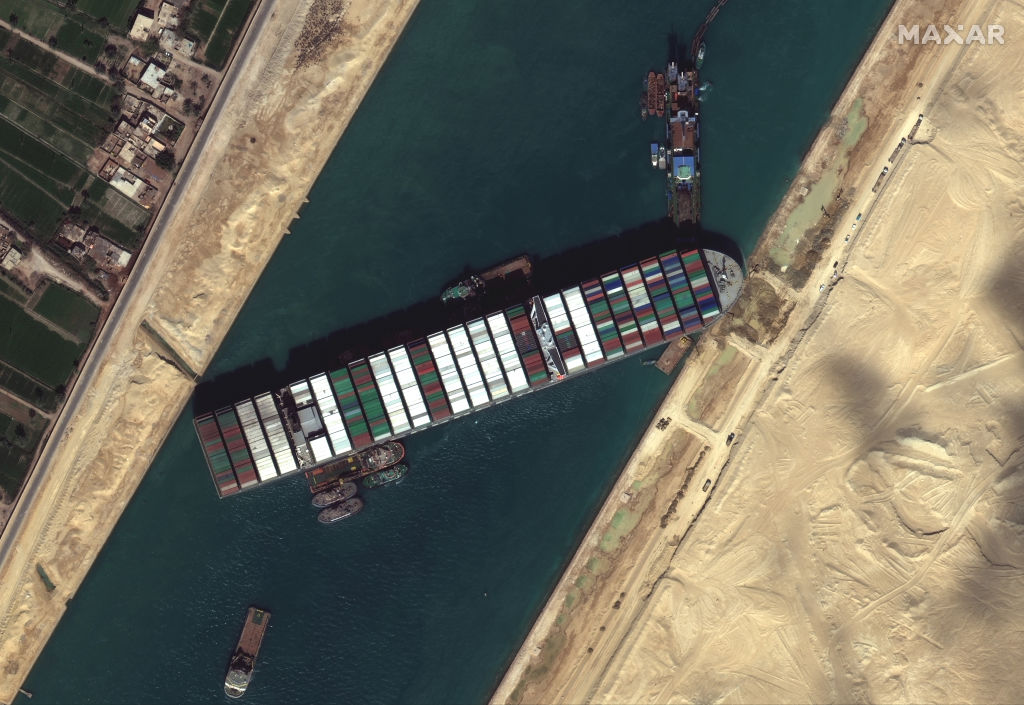
    “تقدر تكلفة إغلاق قناة السويس بنحو 6 – 10 مليار دولار يوميًا. بالنسبة لمصر، تقدر الأضرار بحوالي 16 مليون دولار يوميًا والتي لا تستطيع الدولة توفيرها”.

    The Biden Administration and the Middle East: Policy Recommendations for a Sustainable Way Forward
    Photo by Jim Lo Scalzo/EPA/Bloomberg via Getty Images
  • Analysis
  • The Biden Administration and the Middle East: Policy Recommendations for a Sustainable Way Forward

    In a new policy briefing book, entitled The Biden Administration and the Middle East: Policy Recommendations for a Sustainable Way Forward, MEI scholars tackle a large number of country-specific and region-wide issue areas, laying out both the abiding U.S. interests and specific recommendations for Biden administration policies that can further U.S. interests amid a region in turmoil.

    March 10, 2021

    The Arab Spring 10 years on
    Middle East Institute
  • Podcast
  • The Arab Spring 10 years on

    Sahar Khamis, Sabina Henneberg, Karam Shaar, and Ibrahim Jalal join host Alistair Taylor to examine the legacy and impact of the Arab Spring in Tunisia, Egypt, Yemen, and Syria ten years after the uprisings began.

    March 1, 2021

    An integral partner: The growing ties between Amman and Moscow
    Photo by Russian Foreign Ministry/Handout/Anadolu Agency via Getty Images
  • Analysis
  • An integral partner: The growing ties between Amman and Moscow

    On Feb. 3, Russian Foreign Minister Sergey Lavrov hosted his Jordanian counterpart Ayman Safadi in Moscow. After their meeting, Lavrov emphasized Russia and Jordan’s shared positions on Syria, Gulf security, and Israel-Palestine.

    February 18, 2021

    Geo-technology trends to watch in MENA in the 2020s
    Photo by GIUSEPPE CACACE/AFP via Getty Images
  • Analysis
  • Geo-technology trends to watch in MENA in the 2020s

    Ongoing conflicts in Syria, Libya, and Yemen are expected to continue to destabilize the Middle East and North Africa (MENA) in 2021. However, technology will likely add another layer of complexity to these conflicts and reshape the region throughout the 2020s. When the Arab Spring began a decade ago, the biggest challenge facing long-standing Arab autocrats was grappling with the power of social media and the rise of online political opposition by tech-savvy millennial activists. In the 2020s, however, regional governments are now facing a new set of emerging technologies that will shape not only domestic politics but also regional geopolitical dynamics. These advancing technologies include: drone, cyber, and space technologies.

    Turkey and Egypt: Time for Normalization? Not Quite Yet
  • Commentary
  • Turkey and Egypt: Time for Normalization? Not Quite Yet

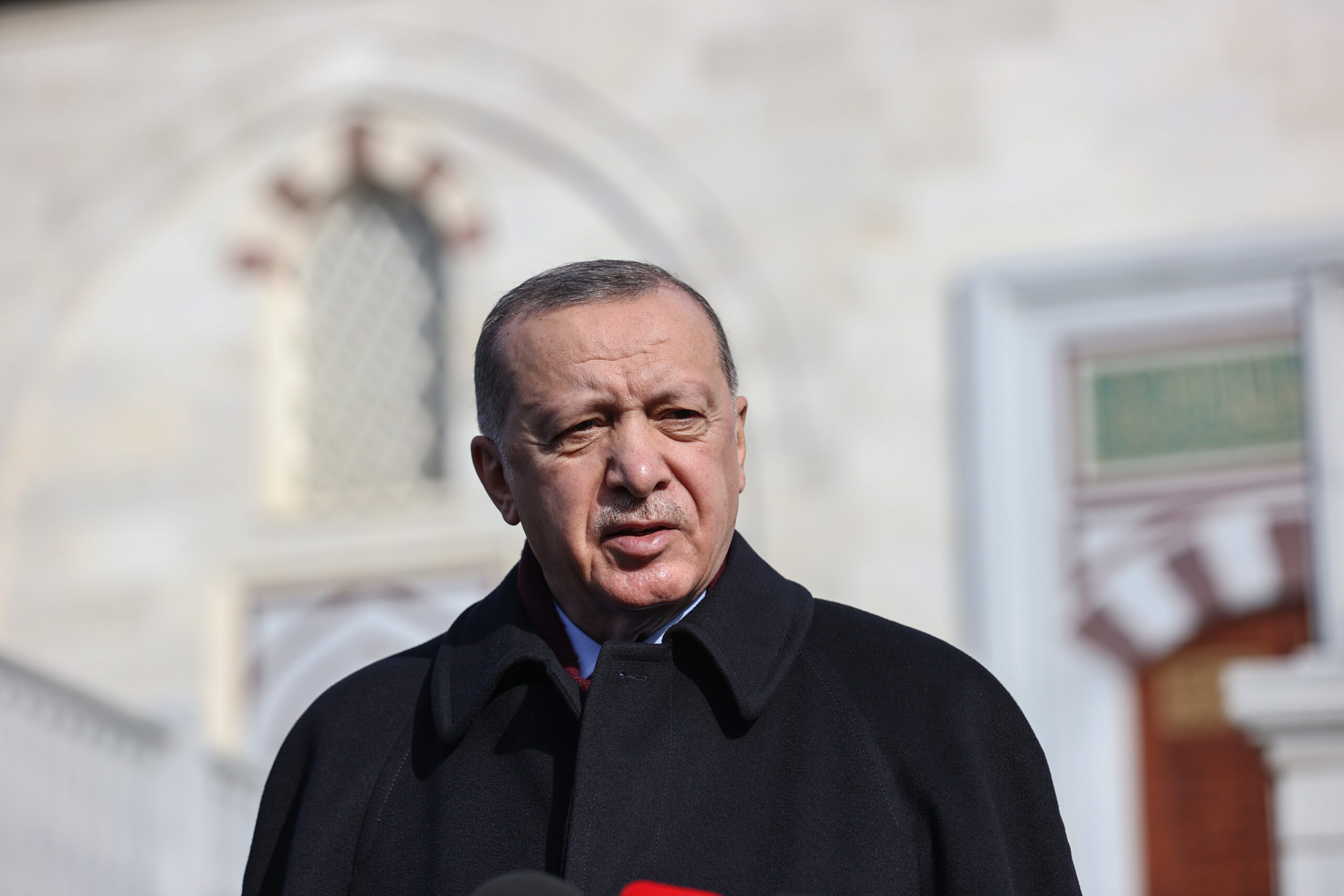
    Dr. Marwa Maziad discusses the relationship between Turkey and Egypt over the long term, analyzing the causes and effects of the divergent approaches to domestic and regional politics held presently by the respective Turkish and Egyptian presidents.

    February 15, 2021

    Can elections end Palestinian division?
  • Analysis
  • Can elections end Palestinian division?

    For years pundits have argued that Palestinian elections cannot take place in the occupied territories until there is reconciliation between the warring factions of Fatah and Hamas. The conflict between them led to the creation of two parallel governments, with Fatah controlling the West Bank and Hamas in charge of Gaza. This situation produced parallel laws and, most importantly, parallel security forces. While these differences remain unresolved, elections, which were once considered impossible without reconciliation, are now being used to achieve reconciliation. On January 11, a Palestinian presidential decree announced legislative elections for May 22 to be followed by presidential elections on July 31.

    February 5, 2021