Understanding the legal drama in Israel: Will the Supreme Court prevent a constitutional crisis?
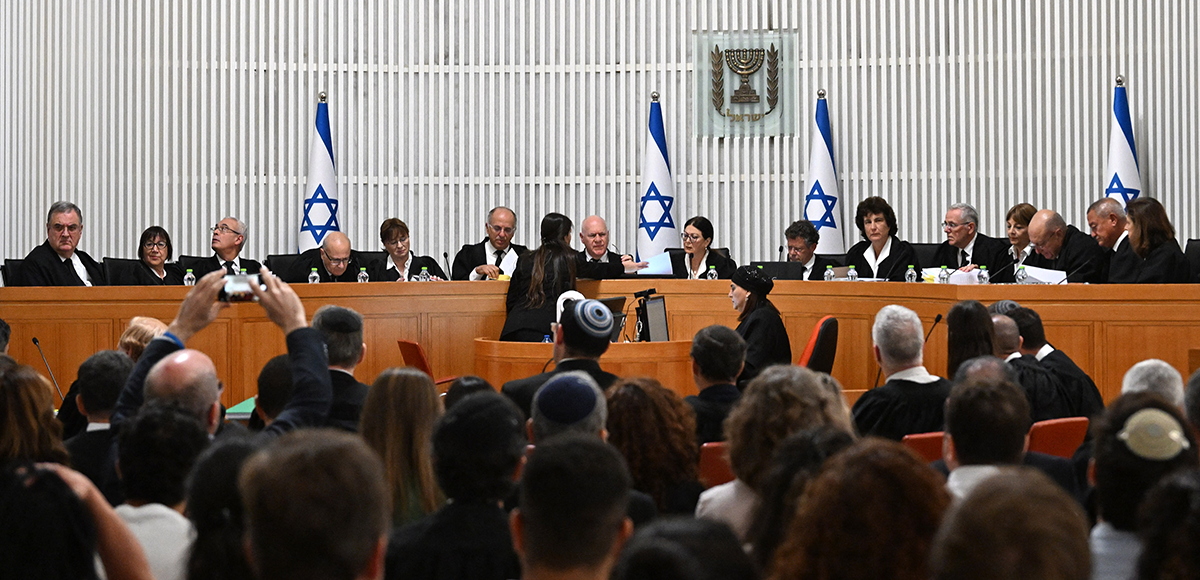
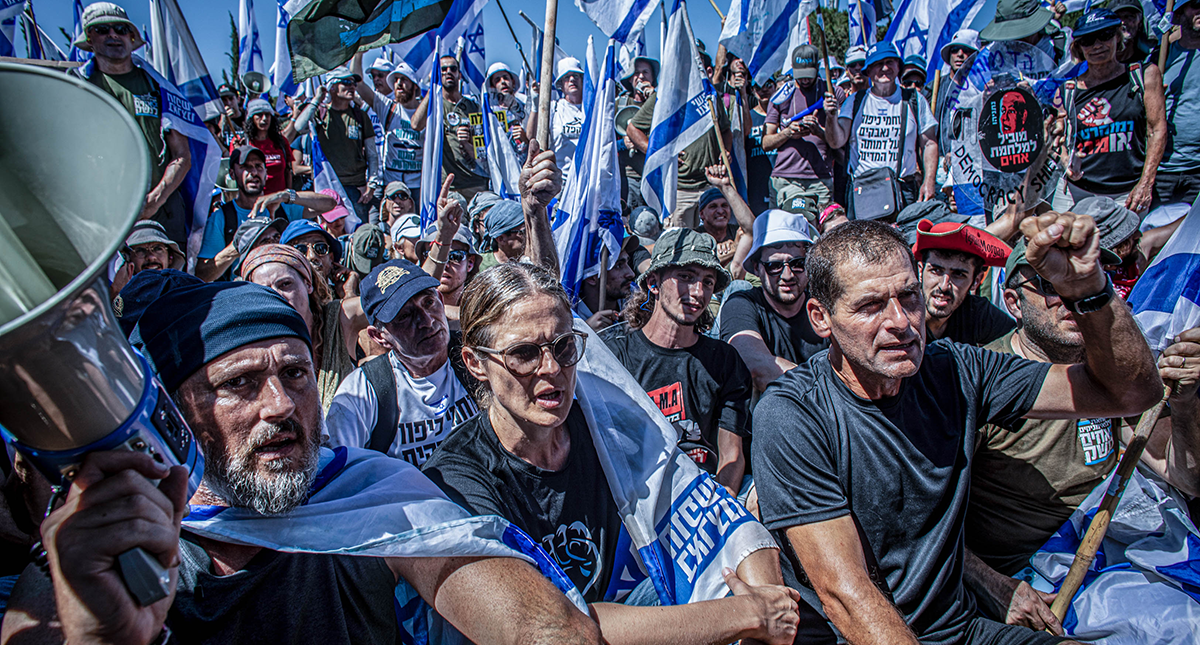
After a year of unprecedented events, Israel’s political and constitutional turmoil came to a head on Sept. 12, when the Supreme Court heard oral arguments in a critical case that will determine the future of the Netanyahu government’s judicial overhaul. The arguments concern the so-called Reasonableness Amendment, passed by Israel’s parliament in late July; this amendment to the country’s Basic Laws would partially strip the Supreme Court of its authority to review governmental acts.
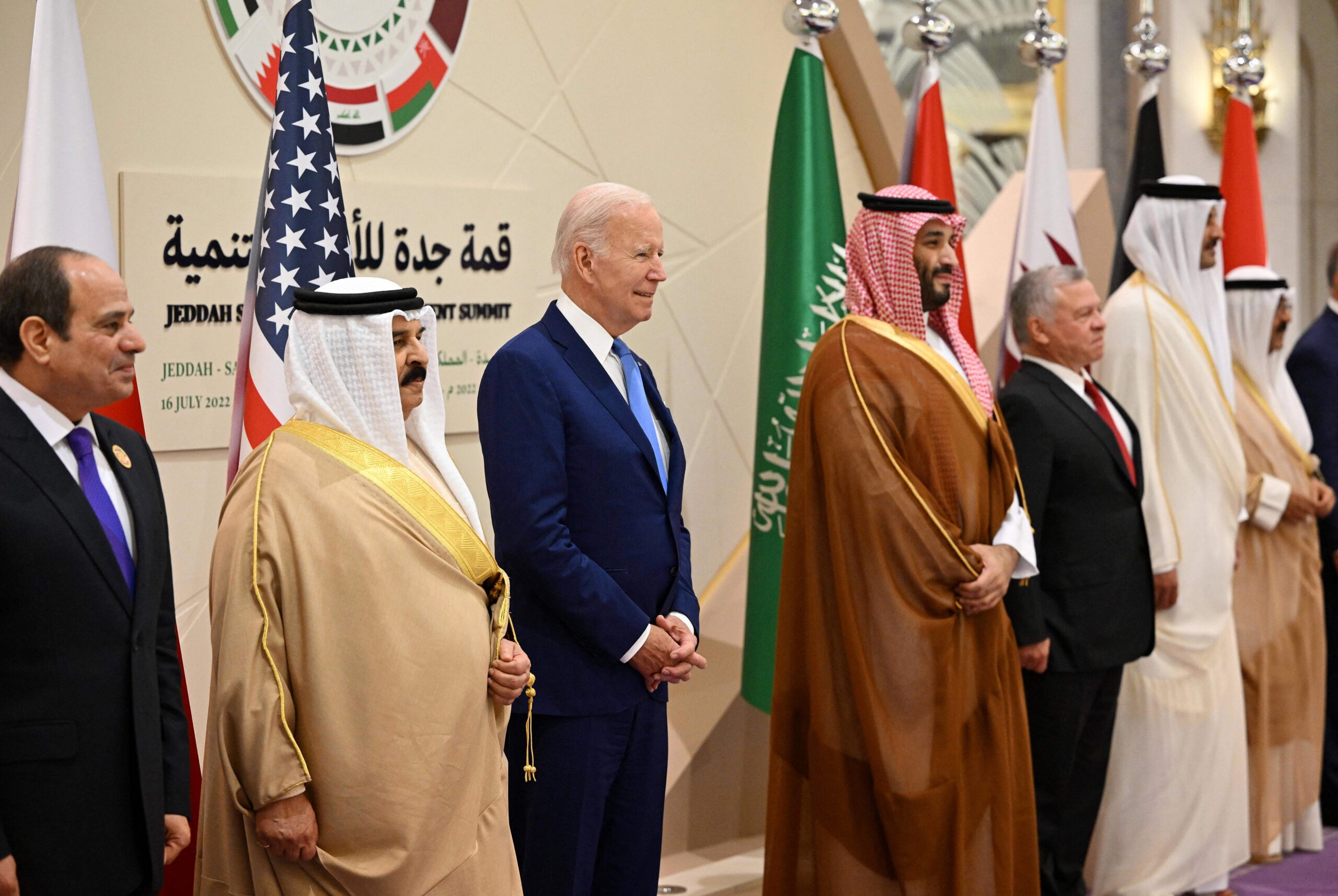
Treading Cautiously on Shifting Sands: An Assessment of Biden’s Middle East Policy Approach, 2021-2023
This report provides an interim assessment of the Biden administration’s overall Middle East strategy and examines the strategic opportunities and risks for U.S. policy in the broader region.
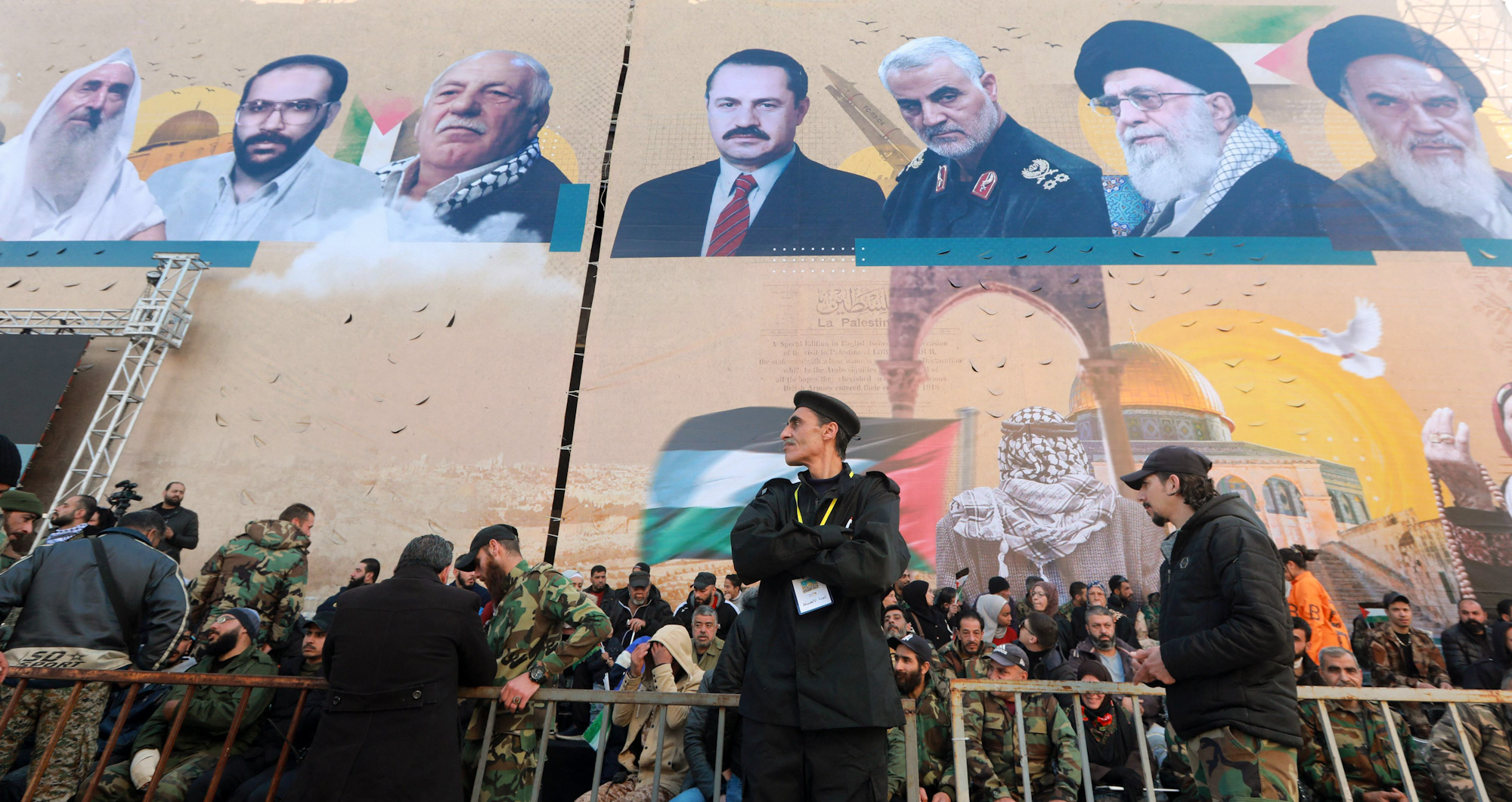
Iran’s unification of the arenas campaign against Israel: Foundations and prospects
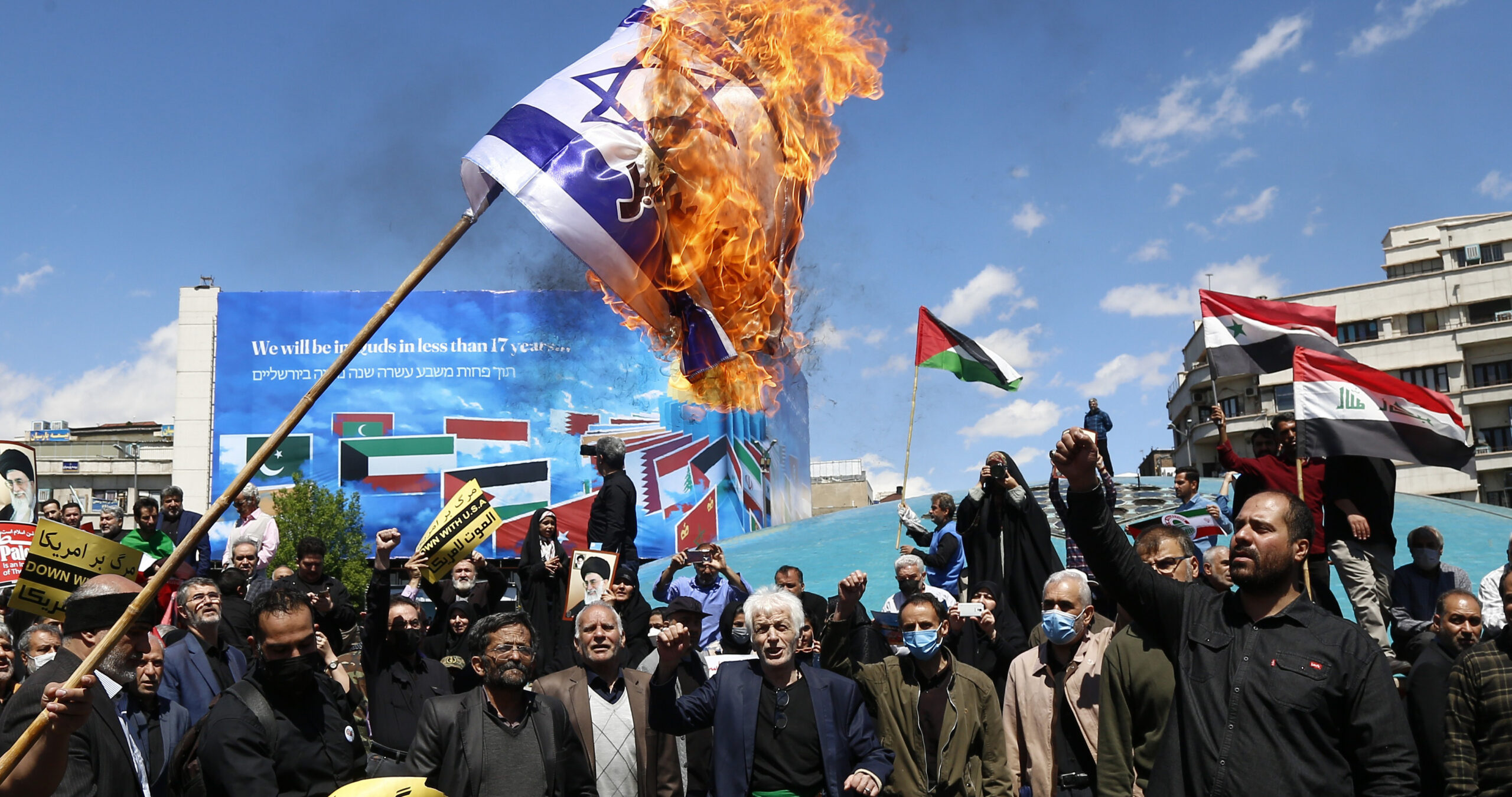
As Israel faces a relentless, unprecedentedly severe political crisis at home, in the regional theater Iran has amplified its anti-Israeli activities, undermining the efforts Israel undertook during 2020-22 to build up a common security front with neighboring Arab states against Tehran as well as to intensify various military operations against Iranian interests.
When assessing the Netanyahu government's foreign policy, Israelis do not like what they see
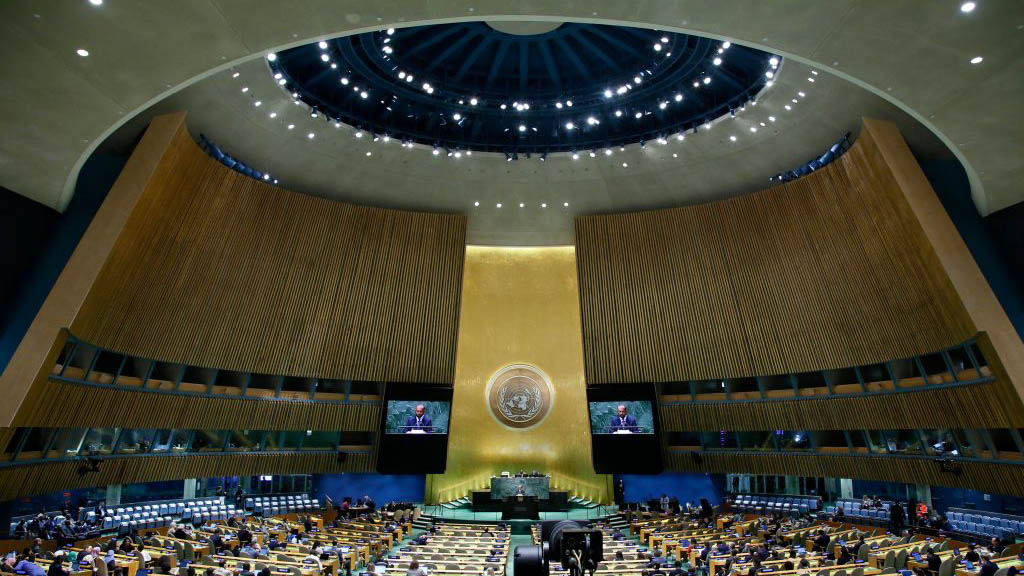
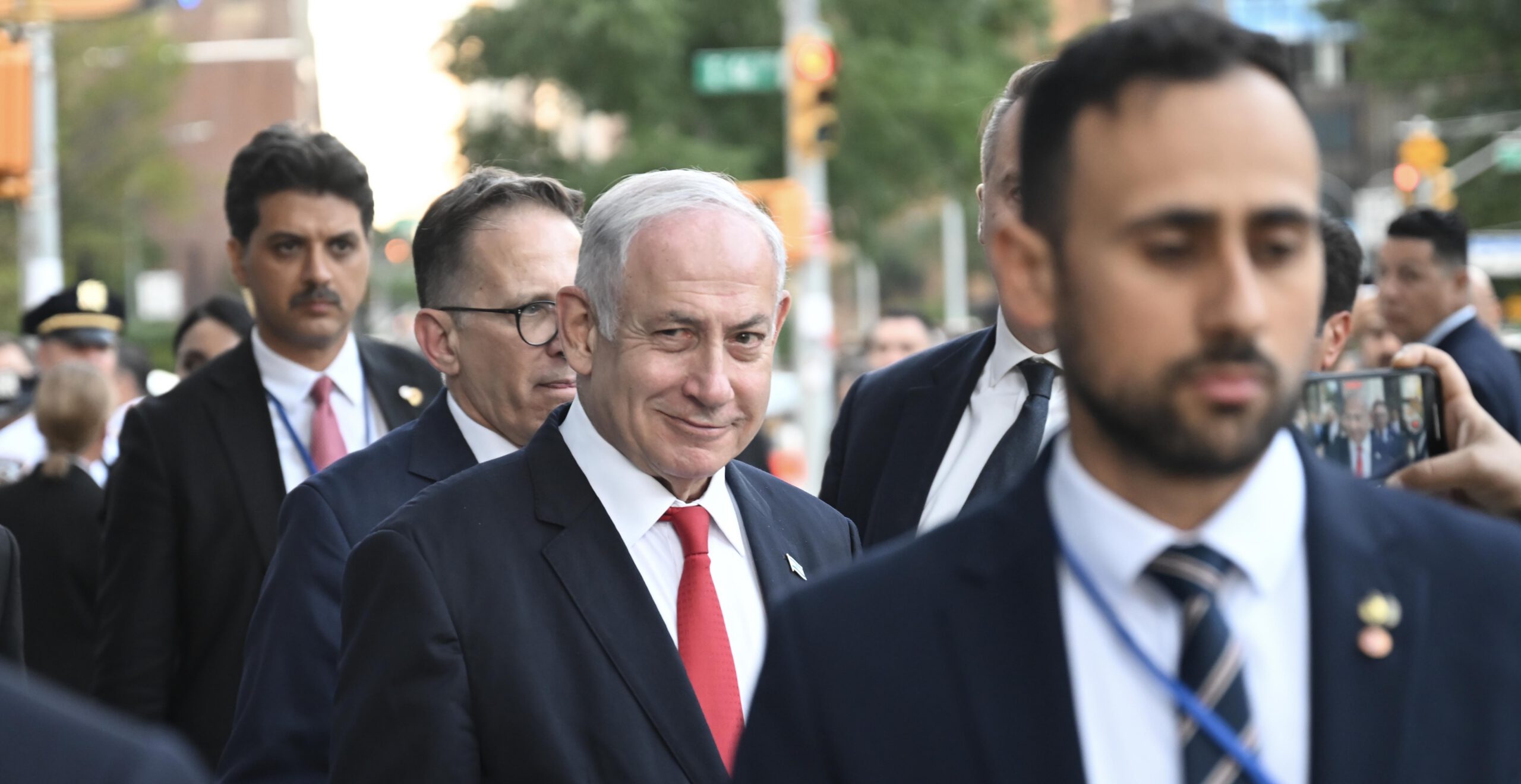
When Netanyahu takes the stage in this year’s UNGA, much fewer Israelis will see him as their country’s diplomatic savior. Rather, he will be met with unprecedented demonstrations in the streets of New York, showcasing once again the extent to which Israelis are concerned about the damage the current far-right government is causing to their country’s democracy and standing in the world.
Deciphering Iran’s UNGA agenda: Lessons learned from past CICA summits
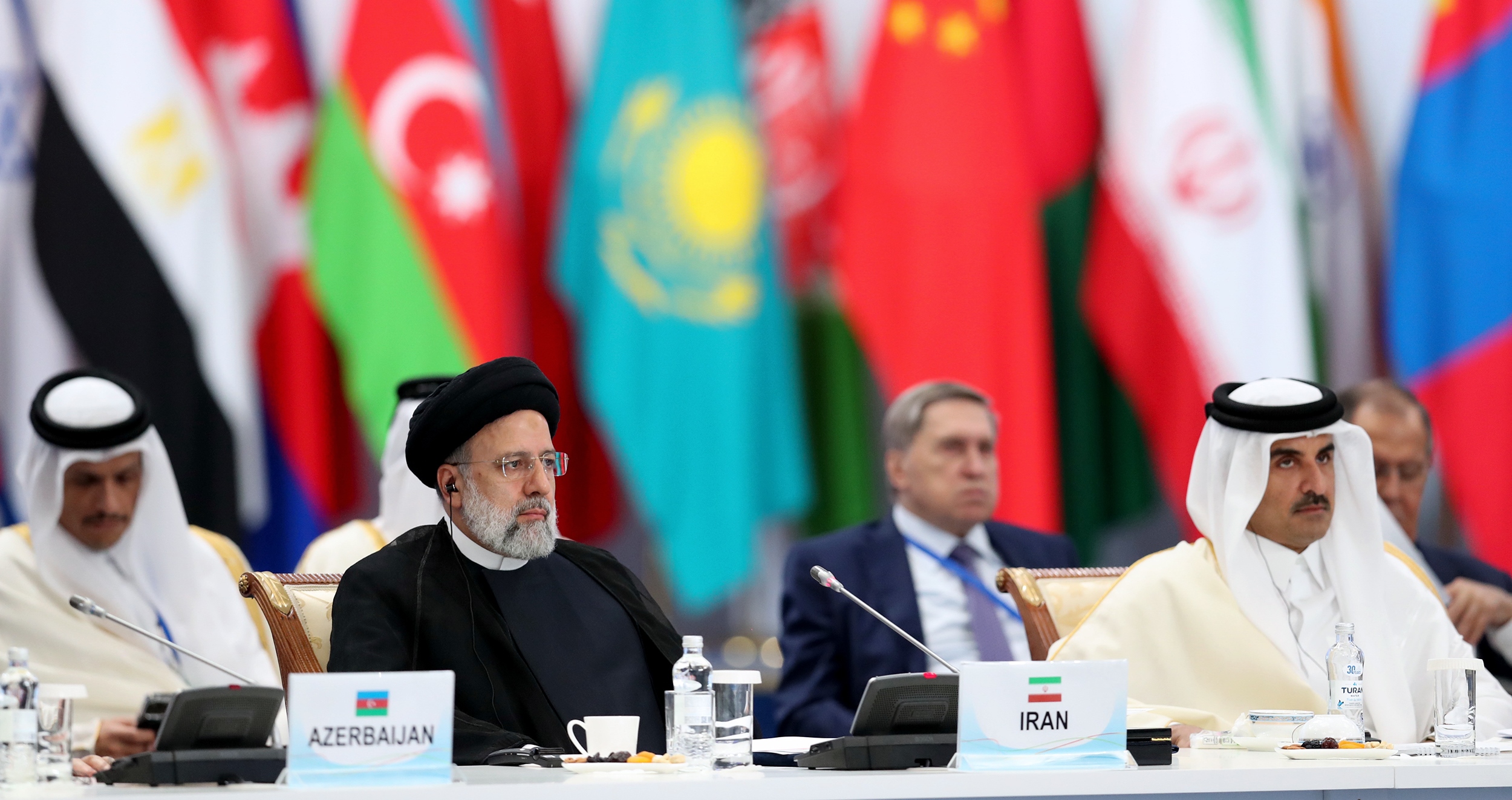
When the Iran’s President Ebrahim Raisi, visits New York for the opening of the UNGA this week, he will try to project a sense of confidence and argue that the Iranian regime is purportedly committed to building ties with its neighborhood by promoting and referring to its membership in various regional dialogue forums. Yet their existence has historically not moderated Iranian behavior.
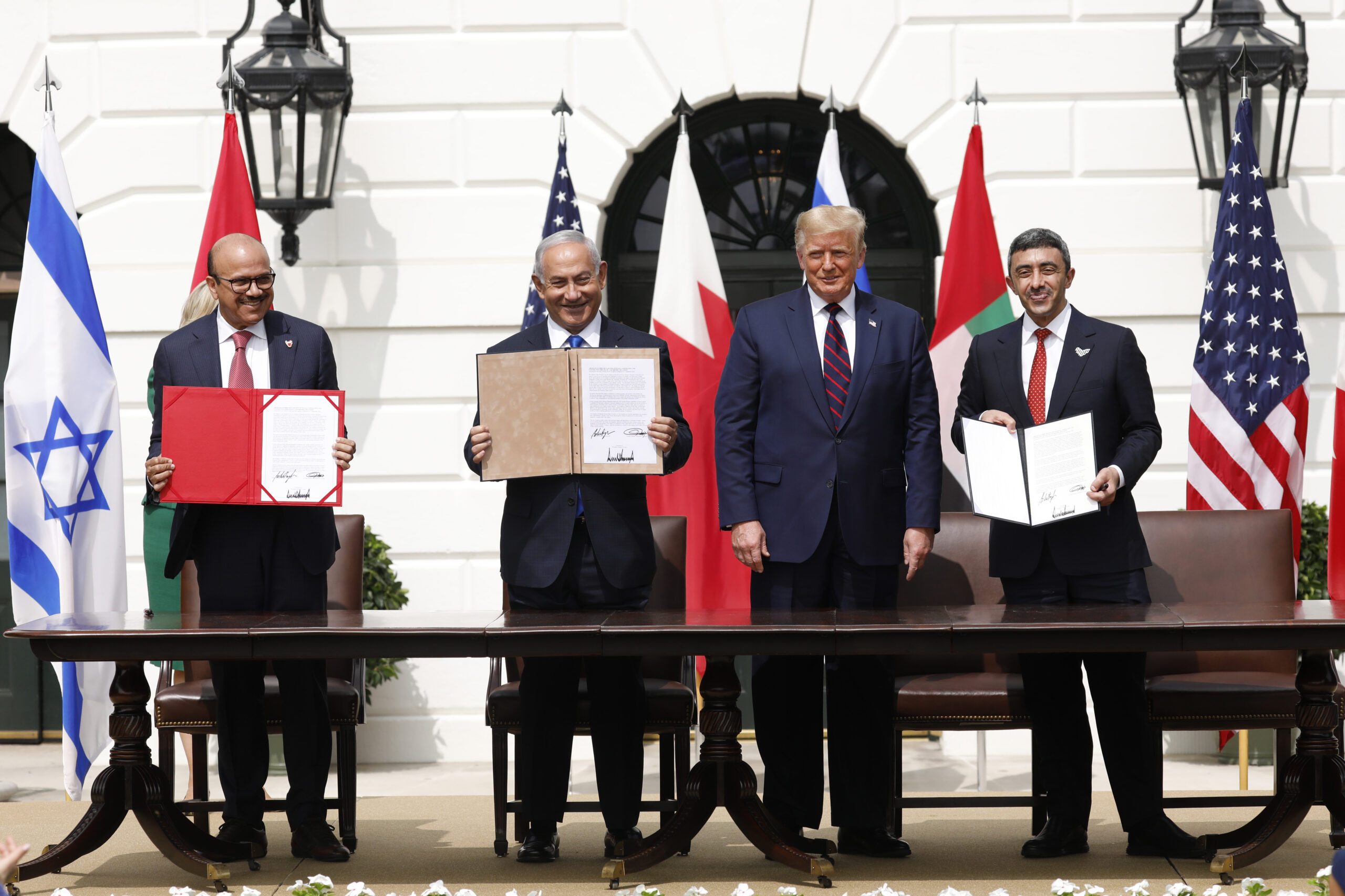
As the original Abraham Accords signatories — Israel, the United Arab Emirates, and Bahrain — observe the third anniversary of their September 2020 agreement, there is a sufficient basis to evaluate whether the Abraham Accords are real, hype, or something in-between. Much like the case a year ago, the results so far remain mixed.
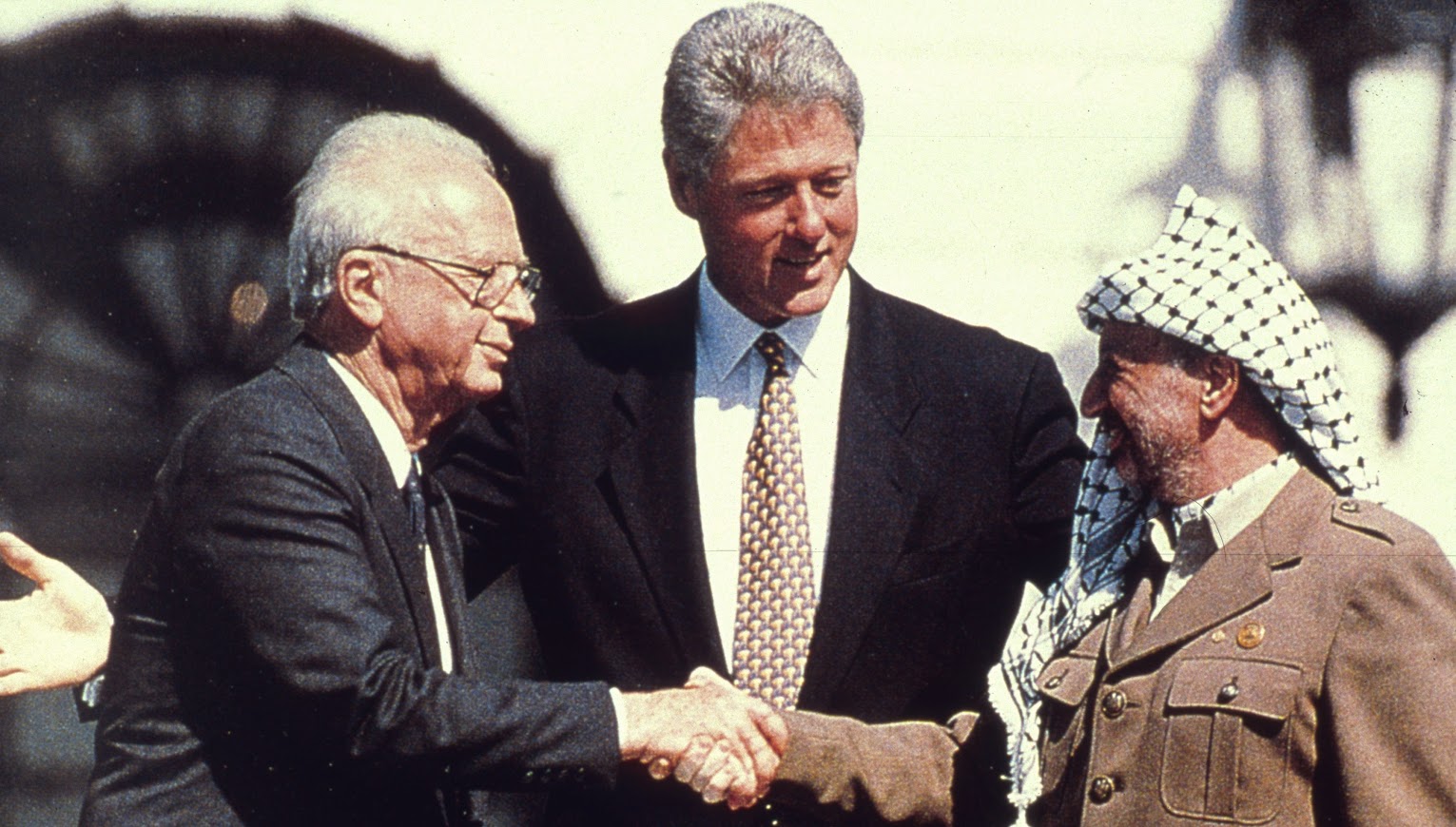
Thirty years on since its historic signing, the Oslo Accords framework continues to define virtually all aspects of Israeli-Palestinian relations as well as America’s and the broader international community’s approach to the peace process. Yet Oslo’s extraordinary longevity stands not as a testament to its utility but to its unmitigated and ongoing failure.
The oncoming Saudi-Israeli normalization: Obstacles, opportunities, and the US role
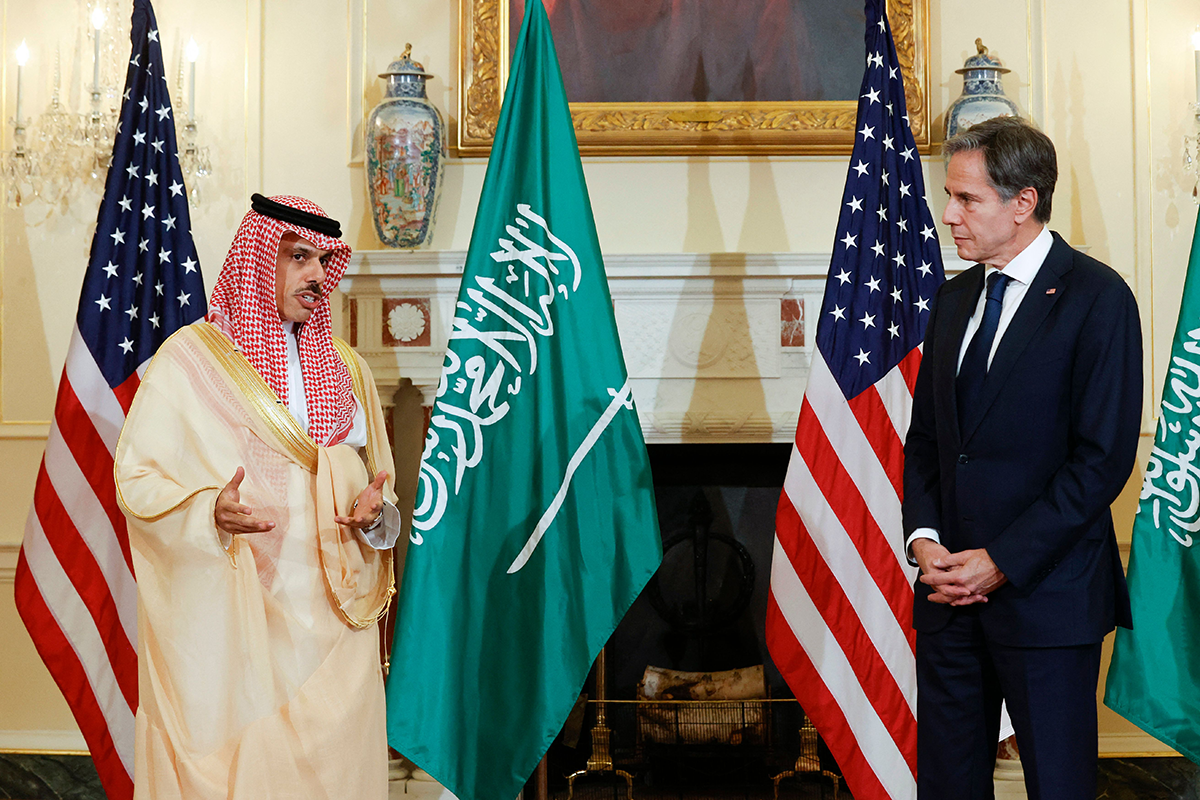
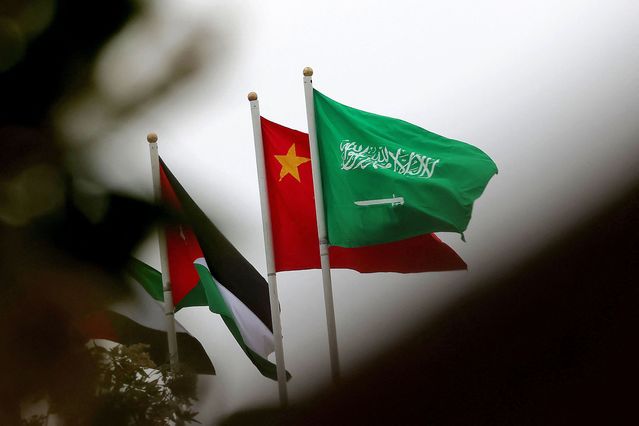
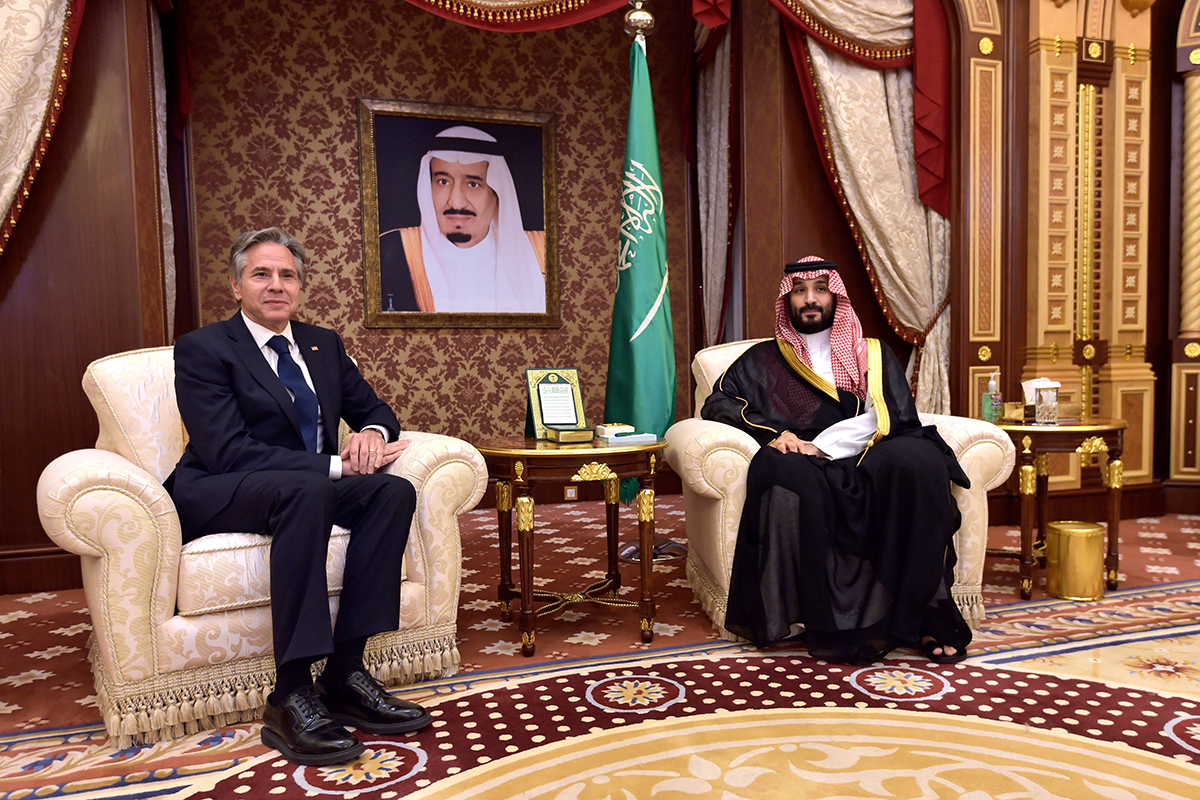
The normalization of relations between Saudi Arabia and Israel is looking increasingly likely, even if it does not take place in the immediate future. For Israel, normalizing relations with as many Arab states as possible — especially if it does not have to give up much in exchange — has always been a strategic goal. For the new Saudi Arabia, those ambitious goals strongly suggest opening up to the Israeli economy.
A US security guarantee to Israel should help to advance Israeli-Palestinian peace, not avoid it
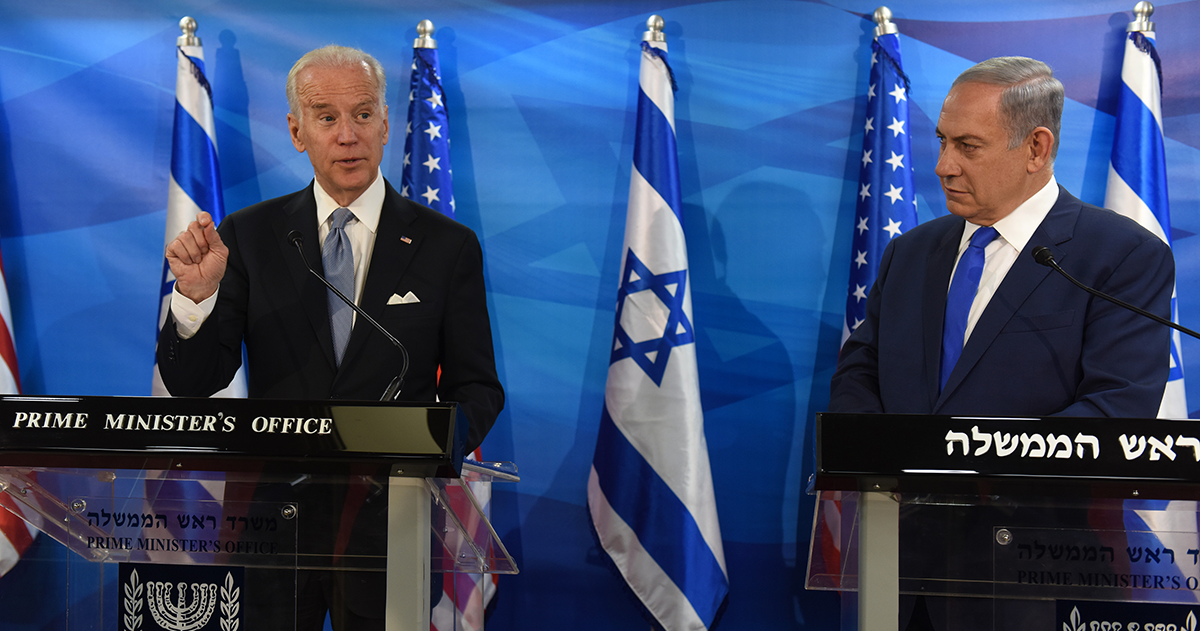
It has been nearly 70 years since Israel first asked the U.S. to sign a bilateral defense treaty. Ever since then, the idea of a formal security agreement has resurfaced from time to time, only to be struck down, due to an understanding that it does not serve the two sides’ actual needs. Prime Minister Netanyahu is currently floating the idea once again, but the U.S. can make use of his interest in a security upgrade to revive a different idea instead: the decade-old security plan for the two-state solution, known as the Allen Plan.
Ben Samuels | 'Taking the Edge Off the Middle East' Ep. 3
Middle East Focus Presents: ‘Taking the Edge Off the Middle East’ with Brian Katulis
A series of casual conversations with leading policy professionals on the most important happenings in the Middle East today – hosted by MEI VP for Policy Brian Katulis.
Ben Samuels – U.S. correspondent for Haaretz – sits down with Brian to discuss how he got into journalism, the state of politics in Israel, and the country’s ongoing judicial overhaul.
A Saudi-Israel Deal Could Pay Dividends for the Global Economy
The Biden administration is working on a deal between Israel and Saudi Arabia that could be a game changer for the Middle East. Such an opening would show just how much the tectonic plates in the region are shifting away from regional tensions, civil wars, and threats from terrorism toward a new, more promising phase of greater stability and prosperity.
Five factors to watch in US diplomatic efforts on a possible Israel-Saudi deal
Forging a deal establishing open, normal bilateral ties between Saudi Arabia and Israel would be a major feat with plenty of potential perils along the way — the diplomatic equivalent of climbing Mount Everest. If done right, the result would be historic and transformative for the Middle East with positive geopolitical repercussions. Here are five factors to watch as the Biden administration continues its efforts to produce a major diplomatic breakthrough in the region.
Amid a long, hot summer, Israel finds itself in uncharted territory
It’s been a long, hot summer in Israel, not only because of the multiple heat waves, but also due to the domestic political developments that have been heating up throughout 2023 and are now reaching a boiling point. With the Supreme Court gearing up to make highly consequential decisions in September and the Knesset in recess until mid-October, it is a good time to look back at all that Israel has gone through since the beginning of the year. For some on the Israeli right, it is a midsummer night’s dream come true, but for a large number of Israelis, it seems like more of a nightmare.
Iran gleefully eyes the protests in Israel, looking for weaknesses to exploit
As Israel grapples with fundamental questions of identity and societal fissures years in the making, Iran and its Axis of Resistance continue to employ their escalation-ready approach of pushing the envelope in multiple geographic theaters, launching cyber operations to foment disunity in Israeli society, and attempting to neutralize the regional gains Israel has made after signing the Abraham Accords with several Arab neighbors in 2020.