Al Qaeda and lessons from the past 20 years of counterterrorism
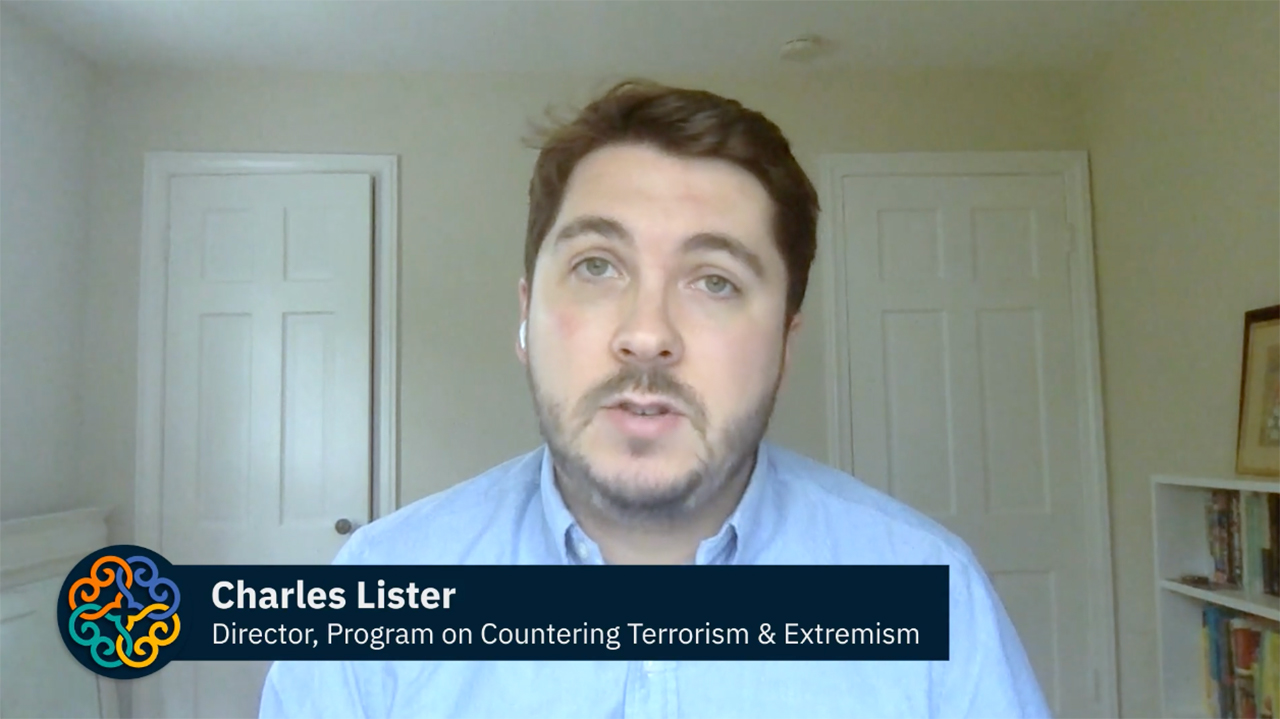
Peter Bergen and Colin Clarke join guest host Charles Lister to discuss Bergen’s new book, The Rise and Fall of Osama Bin Laden, as well as the Biden administration’s handling of the US withdrawal from Afghanistan and concerns about the country once again becoming a safe haven for Al Qaeda under the Taliban.
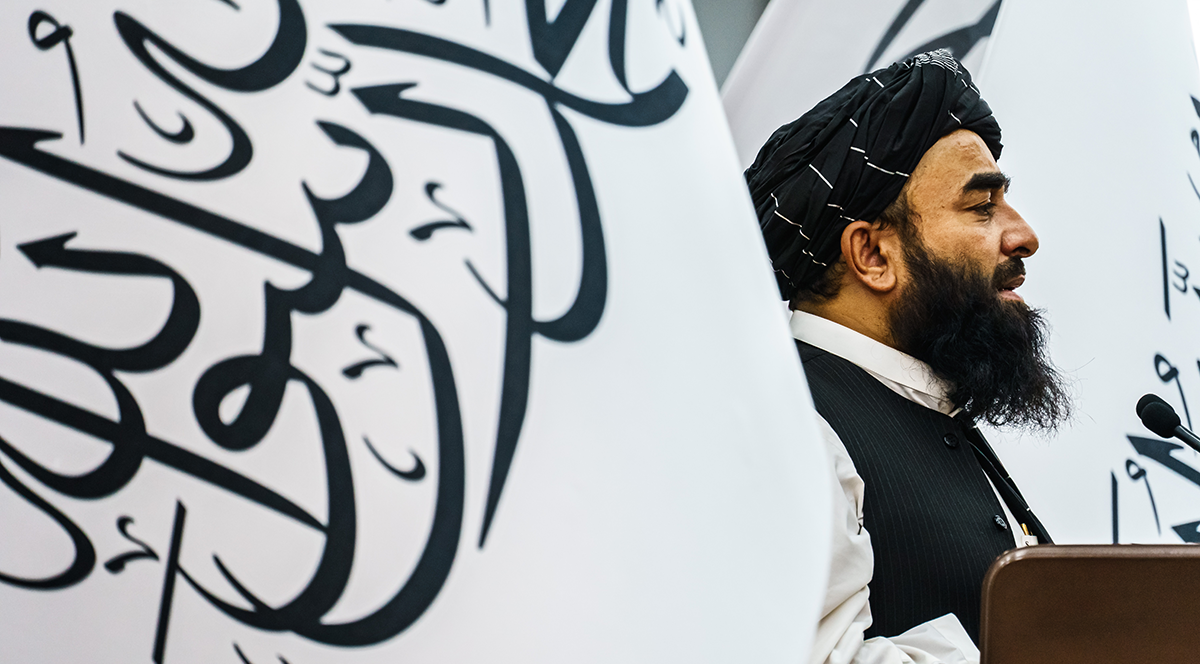
The Taliban and the formation of a new Afghan government
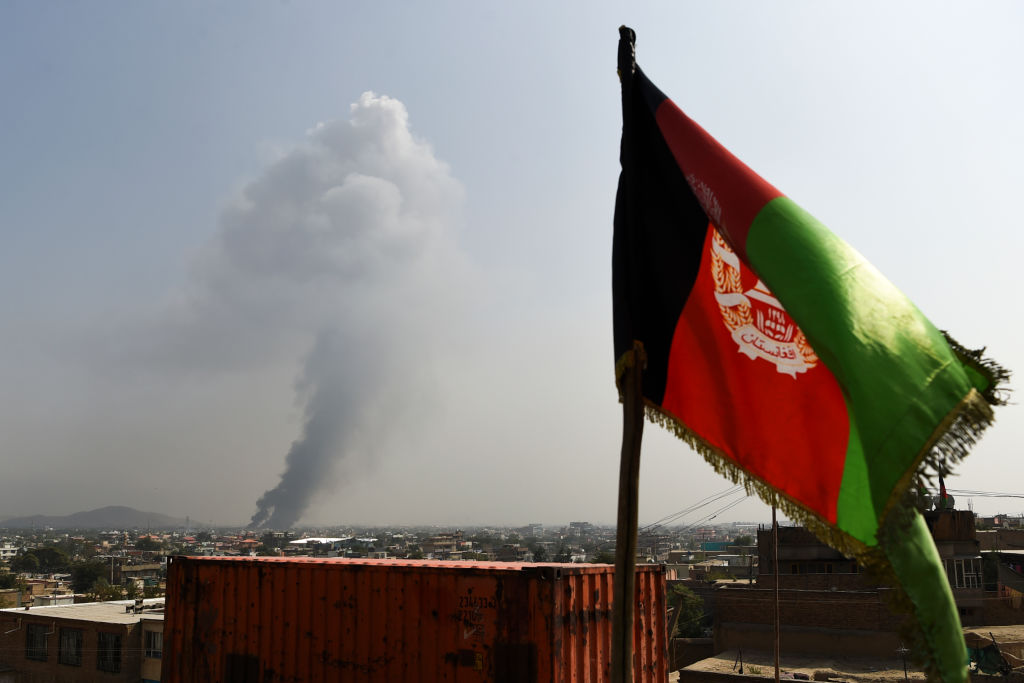
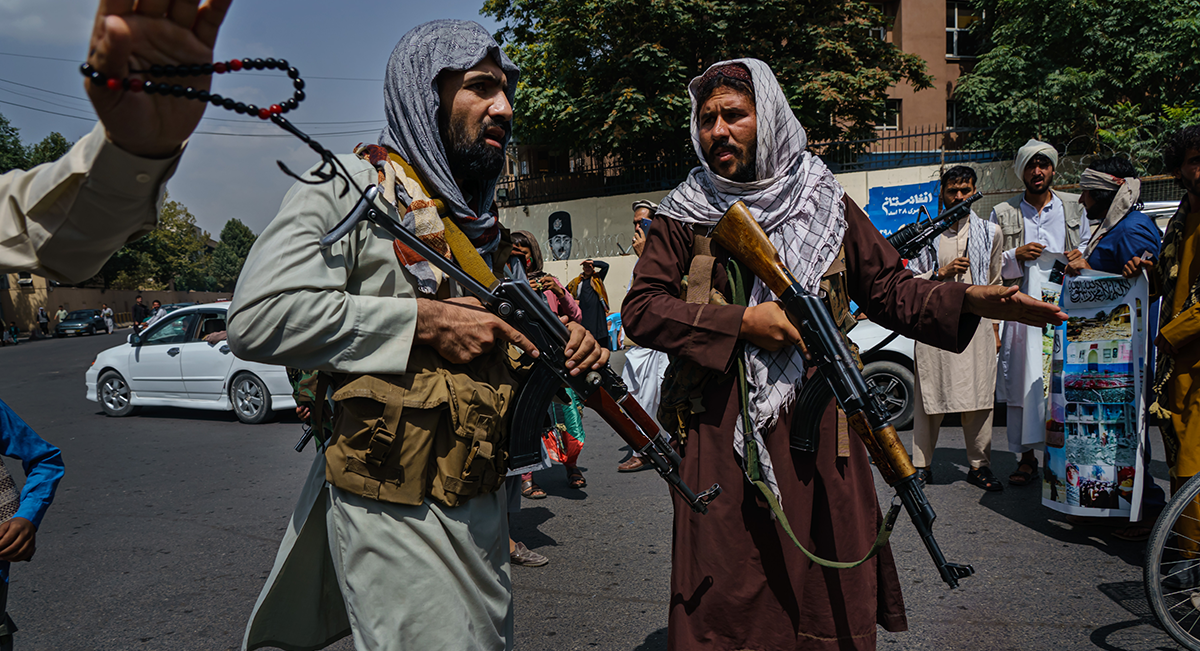
A week and a half after the fall of Kabul, the world has yet to fully recover from the shock of how quickly the Ghani regime collapsed. As U.S. and international forces continue their evacuations and many Afghans struggle to leave for Western countries, the formation of a new government in Kabul has picked up pace. The Taliban have been consulting all stakeholders to form a government that has broad support from a variety of Afghan populations — one they say will be “inclusive” and “Islamic” — but what that will actually mean or look like in practice is as yet unclear.
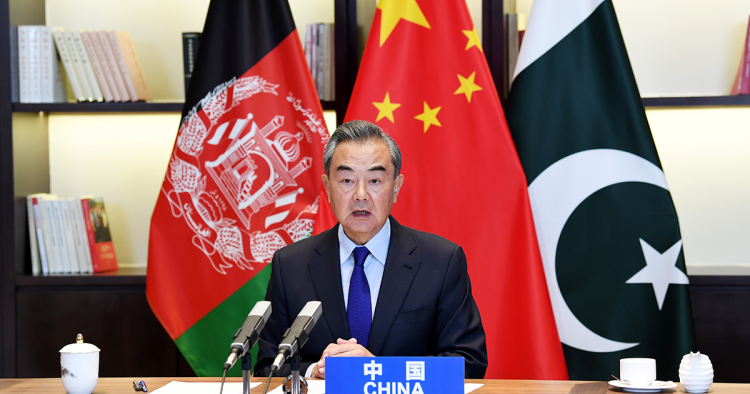
As the Great Game between the United States and China unfolds on a global scale, American and Chinese leaders have to make a choice — will they clash more openly in a struggle to dominate Afghanistan and its neighboring regions or will they rein in their ambitions and jealousies to accomplish goals that benefit themselves and many others?
“Zero means zero”: What we can learn from our mistake in Iraq and apply in Afghanistan
Now as we watch this debacle unfold in our exit from Afghanistan, what lessons learned from Iraq should we apply today and is there still time? There are lessons learned from Iraq that are applicable in Afghanistan because although history does not repeat itself, it certainly rhymes a lot and yes, there is always time.
"صفر يعني صفر": ما يمكن أن نتعلمه من خطأنا في العراق ونطبقه في أفغانستان
في ديسمبر/كانون الأول 2011، كُنتُ في مُعسكر أمريكي صغير بالقرب من بغداد أتحدث مع القادة الميدانيين لأحد أجهزتنا الاستخباراتية حول الخيارات للحد من فقدان كل من الاستخبارات التقنية والبشرية بعد أن تم تخفيض القوات العسكرية الأمريكية إلى الصفر في العراق. في وقت متأخر من تلك الليلة بعد انتهاء اجتماعاتي التي استمرت طوال اليوم، قمت بإجراء مكالمة مع قائدي الجنرال جيم ماتيس، الذي كان وقتها يتولى رئاسة القيادة المركزية الأمريكية (CENTCOM).
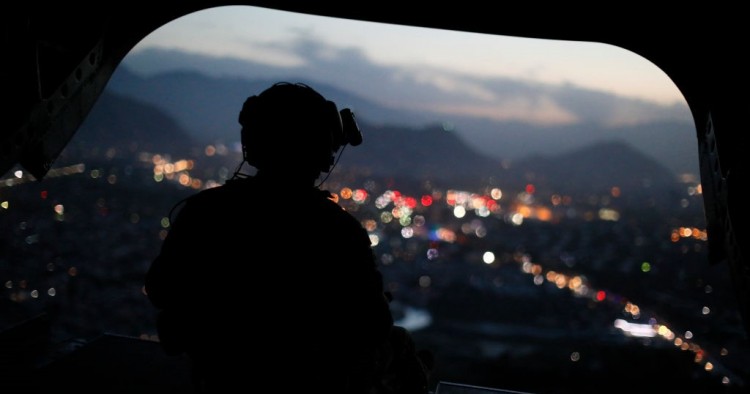
Biden Must Keep U.S. Operatives in Afghanistan To Enable the Counterterrorism Mission
We can and must provide that assistance not to help defeat the Taliban, fix Afghanistan, or remove our moral stain, but to achieve a much more limited objective, one that’s stated by the President himself, which is to ensure that no major attack against the U.S. or U.S. strategic interests is launched from Afghanistan.
مع تكثيف جهود الإجلاء من قِبَل الولايات المتحدة وحلفائها في مطار كابول، تزداد معها التهديدات الإرهابية للمطار ومجاله الجوي. فلمدة 48 ساعة على الأقل، أشارت المعلومات الاستخباراتية إلى وجود تهديد “خطير” و”مستمر” بشن هجمات من قِبَل فرع تنظيم الدولة الإسلامية في أفغانستان، المعروف باسم ولاية خراسان الإسلامية (ISKP). وللمرة الأولى، بدأت طائرات النقل العسكرية يوم السبت بإطلاق مشاعل حرارية مضيئة أثناء الإقلاع – في مؤشر واضح على تهديد محتمل للاستهداف بصاروخ أرض – جو.
What’s next in Afghanistan? The prospects for future political violence
As the U.S. withdrew troops from Afghanistan, the Taliban pushed through large portions of the country, capturing strategic regional centers and ultimately securing the capital city of Kabul. In its pursuit, the Taliban faced relatively little resistance as it seized government strongholds. Rather than widespread fighting, reports indicate that Taliban fighters often cut deals with soldiers, offering payoffs or demanding surrenders. At the same time and as of the time of writing, the Taliban announced a general amnesty, encouraging former government officials and women to support the group.
Whether and how long this period of limited resistance and amnesty might last are unclear. What are the prospects for future political violence both within and outside the country?
Dr. Marvin Weinbaum, director of MEI’s Afghanistan and Pakistan program, joins host Alistair Taylor for a bonus episode responding to the Taliban’s rapid overthrow of the Afghan military and government over the past week.
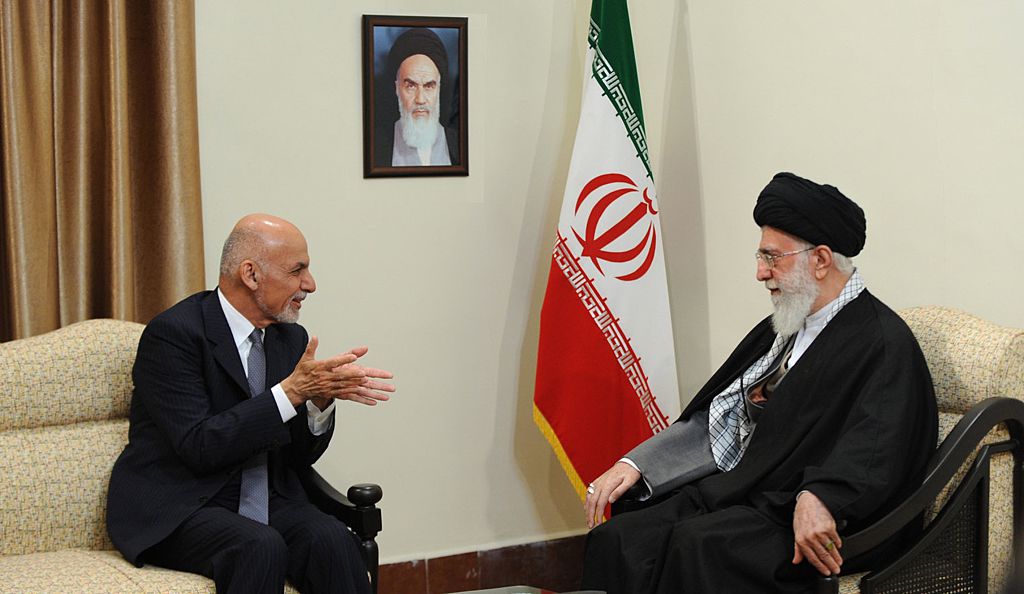
Background Briefing: The Geopolitics of Afghan-Iranian Relations
The below is an excerpt from the article, “The Geopolitics of Afghan-Iranian Relations,” by Ali A. Jalali, in the Summer 2021 issue of The Middle East Journal. The full article has been made available for free download for a limited time.
الكارثة الأفغانية وعواقبها على الشرق الأوسط الكبير
أولًا، انتصار طالبان يمثل انتصارًا هائلًا لرواية القاعدة والحركة الجهادية الأوسع. فبعد عشرين عامًا من وقوع الهجمات على الولايات المتحدة، ها هي الولايات المتحدة تُهزَم مرة أخرى وتُجبّر على الانسحاب بشكل مُذَل. سيكون هذا الانتصار بمثابة “برهان على صحة مبدأ” التجنيد الرئيسي للحركات الجهادية المتطرفة لعقود قادمة، ويجب أن نتوقع زيادة جديدة في التجنيد والعمل الجهادي في المنطقة، وزيادة المخاطر على المصالح الأمريكية والأراضي الأمريكية. ومن ثم فعلى الولايات المتحدة العمل مع الحلفاء والشركاء في المنطقة لوقف هذا المد المحتمل.
The Cipher Brief:Did you ever envision that the U.S. would pull out so quickly or completely leaving the Afghan military on its own without U.S. air support?
General Votel: I did not anticipate this during my time – but once the President sets a hard departure date – then a fast withdrawal is inevitable. No Commander wants to accept unnecessary risk with troops on the ground when you are up against a clearly articulated departure date.