ليس شرقًا ولا غربًا: حسابات تركيا في أزمة أوكرانيا
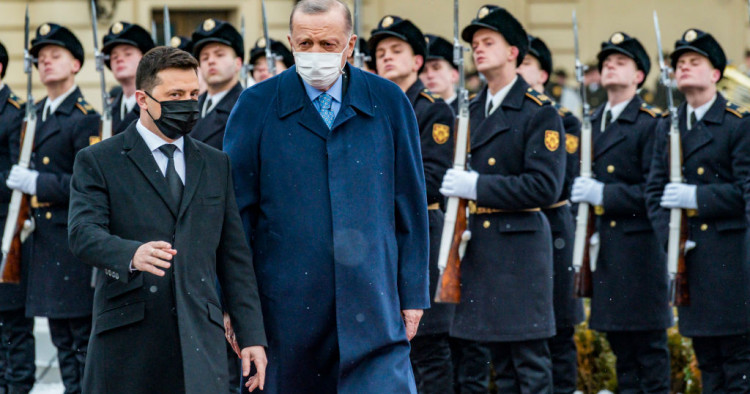
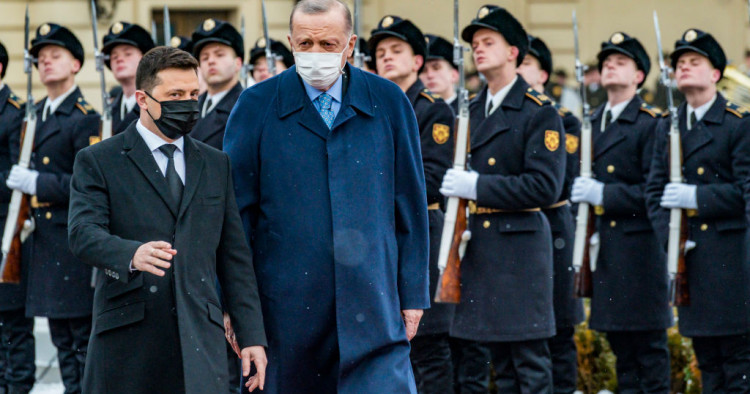
تحمل الأزمة في أوكرانيا، من وجهة نظر أنقرة، مخاطر كبيرة، لكنها تنطوي أيضًا على بعض الفرص. إنها ليست أزمة من صنعهم، ولا أزمة رحبوا بها. ومع ذلك، من الواضح أن أنقرة جهَّزت مخططًا أساسيًا لتجاوز العاصفة. من وجهة نظر صانعي السياسة في واشنطن، من المرجح أن تجلب استراتيجيتهم إحباطًا أكثر من تطمينًا.
وفي نفس الوقت، فإن الفهم الأفضل لكيف تأمل تركيا أن تتجاوز الأزمة الأوكرانية يمكن أن يساعد في توضيح بعض النقاشات الجارية داخل واشنطن حول كيفية تصور السياسة الخارجية الجديدة لأنقرة ومكانها داخل حلف الناتو.
Neither East nor West: Turkey’s calculations in the Ukraine crisis
The crisis in Ukraine, from the perspective of Ankara, carries significant risks, but also some opportunity. It is neither a crisis of their own making, nor one that they welcomed; nevertheless, Ankara has clearly developed a basic blueprint for weathering the storm. From the perspective of Washington policymakers, their strategy is likely to hold more frustration than reassurance.
حتى كتابة هذه السطور، ليس من الواضح ما هو النهج الذي ستتخذه روسيا في أوكرانيا: الضغط، أو التقسيم، أو البلع. يمكن للرئيس فلاديمير بوتين أن يواصل ويُصعّد من سياسة الضغط الشديد على أوكرانيا، دون غزو كبير، الأمر الذي يمكن أن يجعل أوكرانيا تخضع وتستسلم، ويفرض تغييرًا في سياسات كييف أو مساراتها، ويضمن هدف بوتين المتمثل في مواءمة أوكرانيا مع روسيا. أو يمكنه أن يواصل ما بدأه في دونباس وشبه جزيرة القرم وأن يستولى ببساطة على قطعة أخرى من أوكرانيا، مما يزيد الضغط على كل من كييف والغرب. الاحتمال الثالث الواضح هو غزو شامل لابتلاع البلد كله.
Fragile promise: The prospects for Turkish-Armenian normalization
Now, after decades of animosity, Turkey and Armenia are taking steps to normalize ties, and the prospects for restoring relations and reopening the border have never been brighter.
The potential impact of Ukraine-Russia conflict on the MENA region
The Black Sea basin has become a flashpoint due to Russia’s interventions in Georgia and Ukraine. This has implications not only for European security, but also for Mediterranean security as well. There are three key areas where the MENA region will be affected by a large-scale confrontation between Russia and Ukraine: energy, agriculture, and refugees.
Brian Katulis and Randa Slim join the program to discuss the Biden administration’s Middle East policy one year in, and look ahead to the challenges it will face in the region in the year ahead.
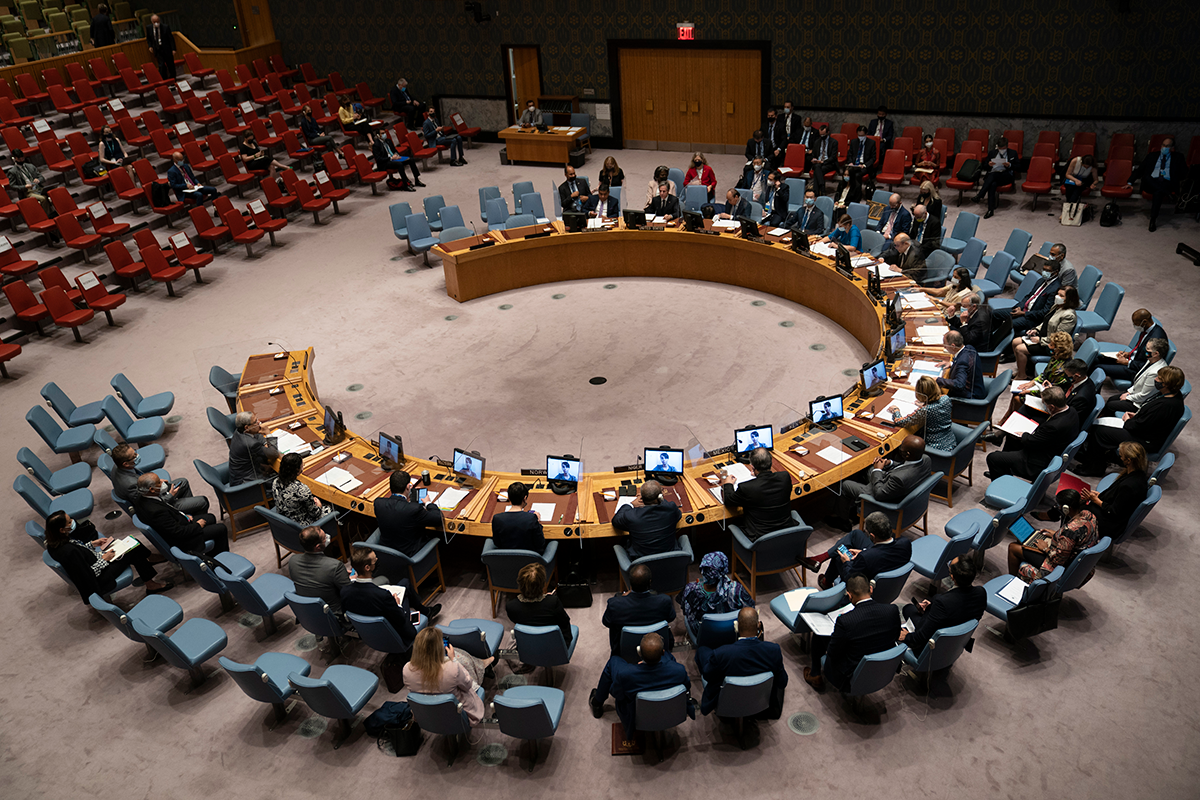
On Dec. 13, 2021, at a United Nations Security Council (UNSC) meeting, a draft resolution that would have recognized climate change as a security threat was rejected. The resolution, co-sponsored by Niger and Ireland, would have incorporated climate change as a security risk within the U.N. framework of conflict prevention strategies. What are the potential implications of this and what comes next? We asked seven experts to weigh in with their thoughts.
The strengthening ties between China and the Middle East
In a sign of strengthening relations, a long procession of foreign ministers from MENA visited China earlier this month. In addition, two MENA nations signed MoUs involving the BRI, China’s global infrastructure development effort.
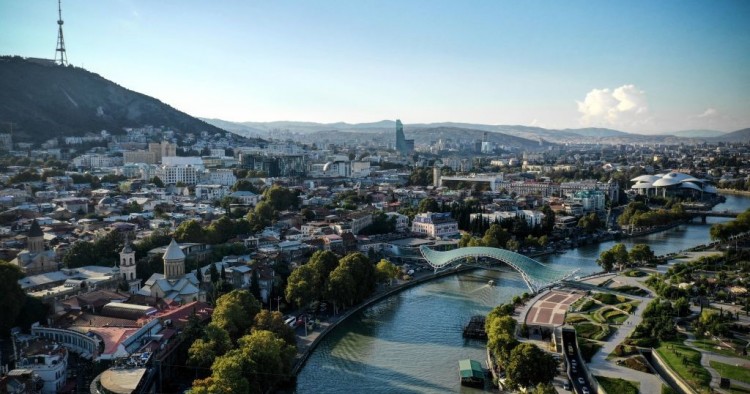
As Russia demands legal guarantees from the West, is Georgia on anyone’s mind?
As Russia amasses more than 100,000 troops along Ukraine’s borders, the Kremlin is holding the country at gunpoint while imposing outrageous demands on the West. NATO has never attacked Russia, while Moscow has waged wars against Georgia and Ukraine and still occupies their lands and militarizes the Black Sea.
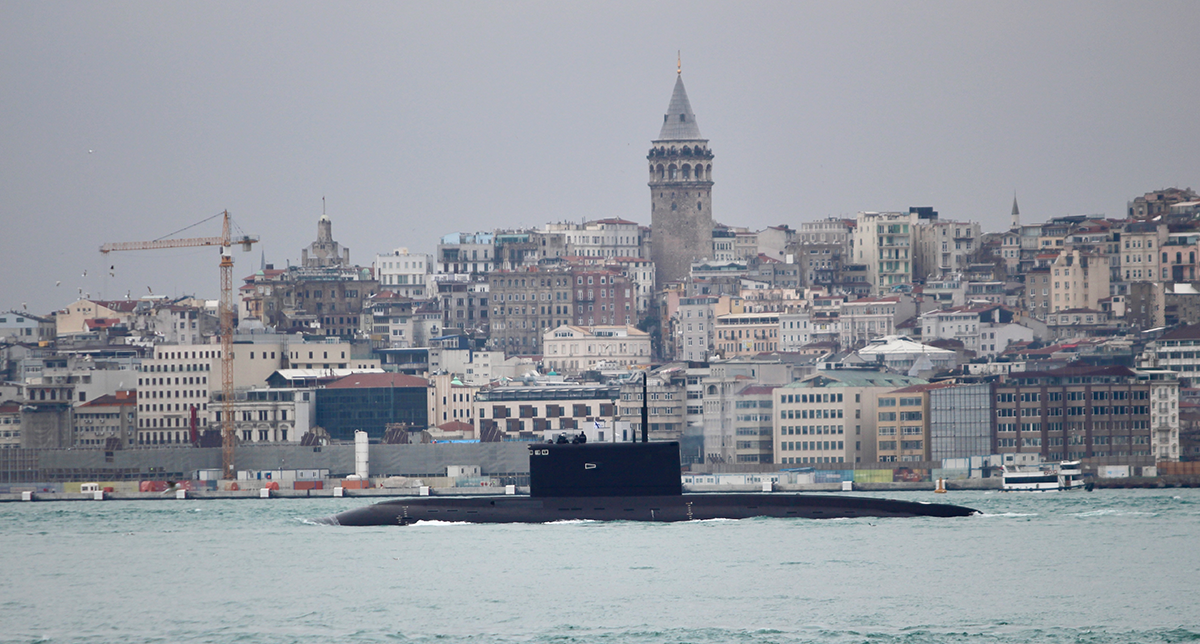
Strong Turkey-Ukraine ties are key to Black Sea security
On Jan. 6, 2019, the eve of Orthodox Christmas, the Ecumenical Patriarchate in Istanbul awarded a decree of independence, known as a tomos, to the then-newly established Orthodox Church of Ukraine — a milestone in the country’s history. The move reversed a 1686 decision that had transferred jurisdiction over Kyivan Orthodox churches to Moscow. After 333 years, however, it’s not only the faithful who have changed their direction from Moscow toward Istanbul. Ukraine and Turkey are strengthening their strategic partnership by deepening their cultural, political, military, and economic cooperation.
In the face of Russian aggression, the West needs to strengthen European security and Black Sea partnerships
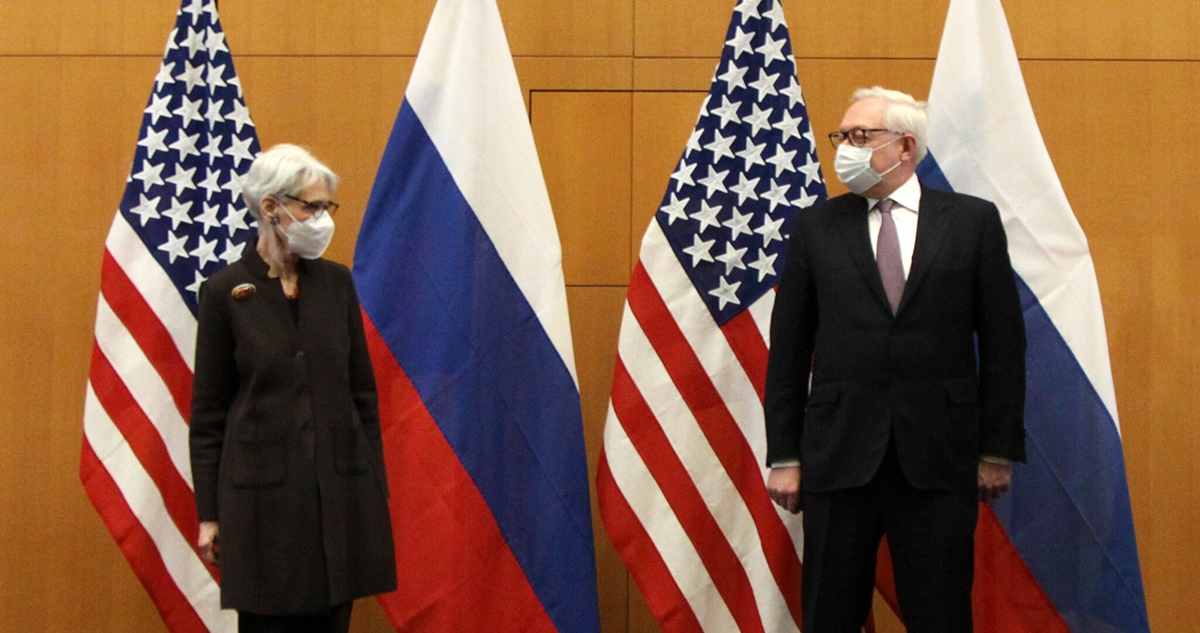
For months, Ukraine has been a central focus for Western foreign policy as Russia has continued its military buildup on the border, reaching 100,000 troops. Moscow has threatened to carry out a military attack and has now issued an ultimatum for the United States to bless a Russian sphere of influence over sovereign democratic countries such as Ukraine. But as consultations between the U.S. and Russia take place throughout the week, the West should bear in mind that Ukraine is only one part of the broader Russian problem. It is about all independent former Soviet states and essentially about the entire European security architecture. The U.S. and NATO cannot go over the heads of independent states and give into Russian demands; instead, they should buy time and invest in long-term European security, while refraining from rhetoric and ultimatums.