Excluded candidates, marginalized dissent before Tunisia’s presidential elections
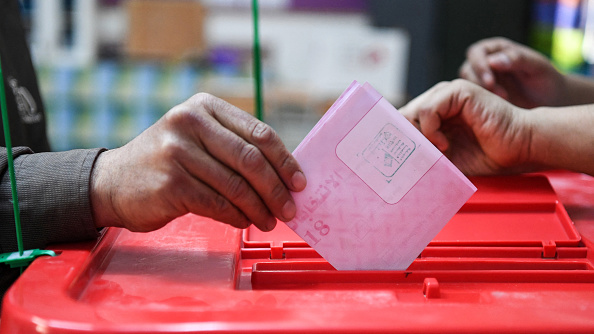
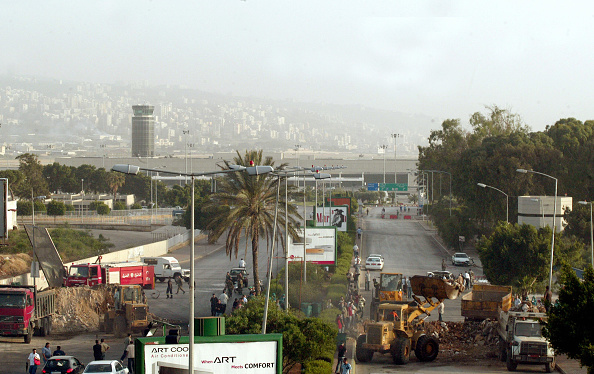
Before Tunisian voters have their say in the presidential election on Oct. 6, state institutions have already had their say. The security services, judicial authorities, and the High Independent Electoral Authority (ISIE) have either obstructed or officially barred over a dozen potential candidates from running. Of the three eligible candidates officially approved by the ISIE, only President Kais Saied and former Saied supporter Zouhair Maghzaoui remain outside of prison. Candidate Ayachi Zammel was arrested on Sept. 6. Many other potential candidates attempted to run from prison or were jailed for alleged technical violations of election laws. By restricting the list of potential candidates effectively to two, state institutions have embraced their historically paternalistic, modernizing role toward a distrusted citizenry.
Special Briefing: The regional impact of Ismail Haniyeh’s assassination
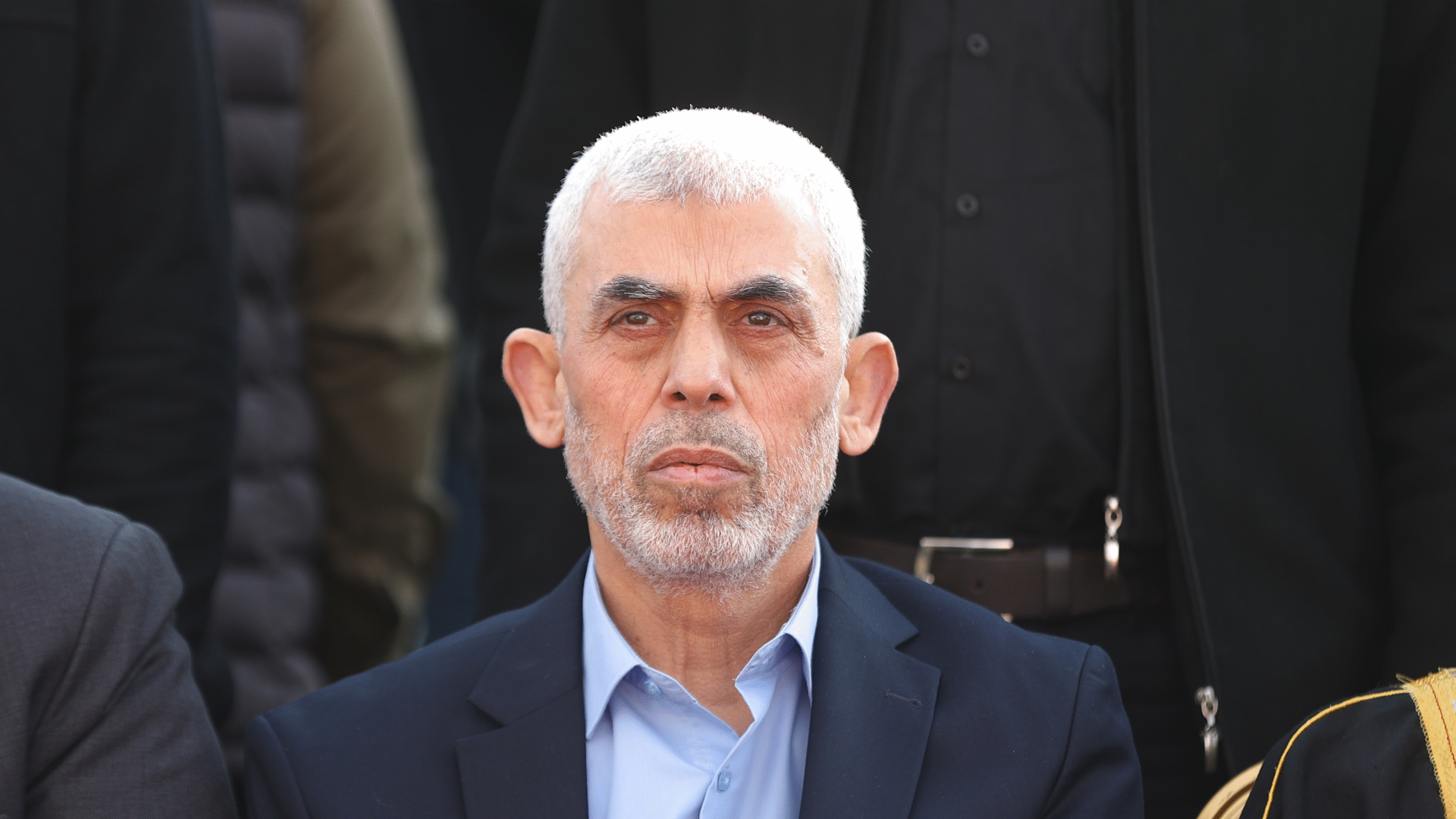
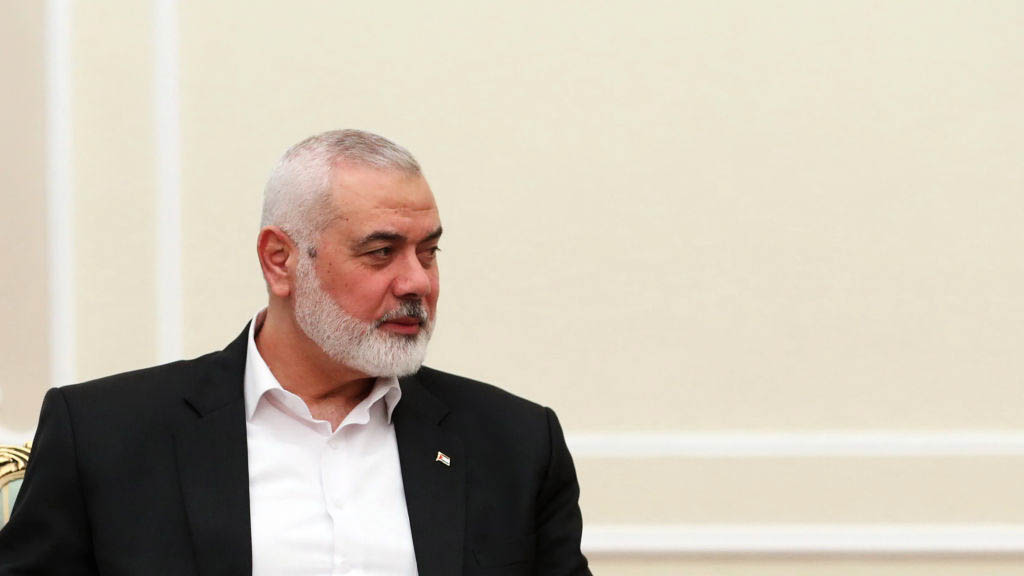
In a new special briefing, scholars from across MEI weigh in with their thoughts on the assassination of Hamas political leader Ismail Haniyeh and the potential regional impact.
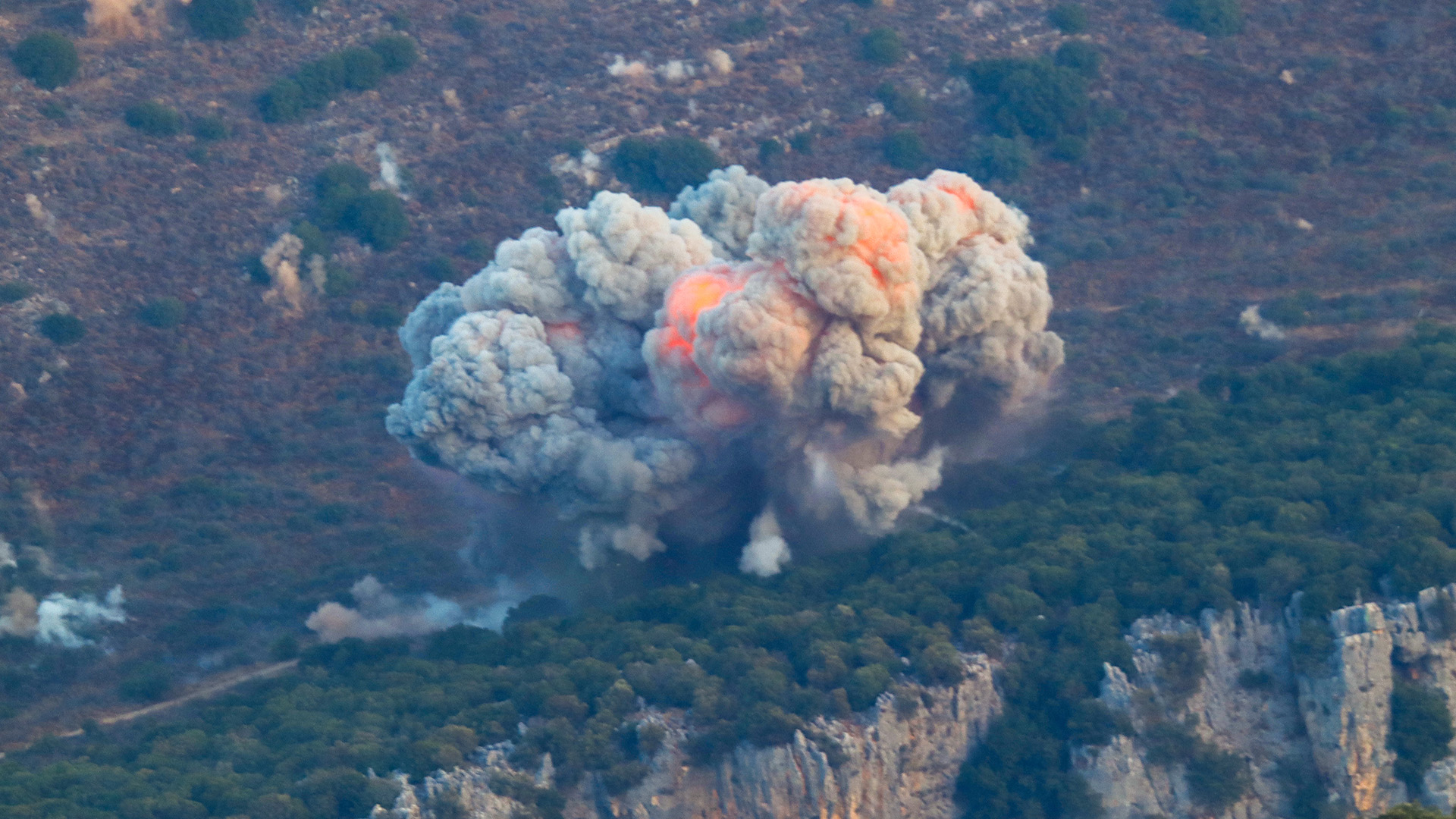
Israeli Strikes and the Risk of Regional Escalation
This week’s episode looks at the dramatic regional developments of the past 24 hours, including the Israeli strike on a top Hezbollah commander in Beirut and the assassination of Hamas political leader Ismail Haniyeh in Tehran. The strikes mark a significant escalation, and are expected to provoke retaliation from Iran and Hezbollah that could potentially ignite a wider regional conflict.
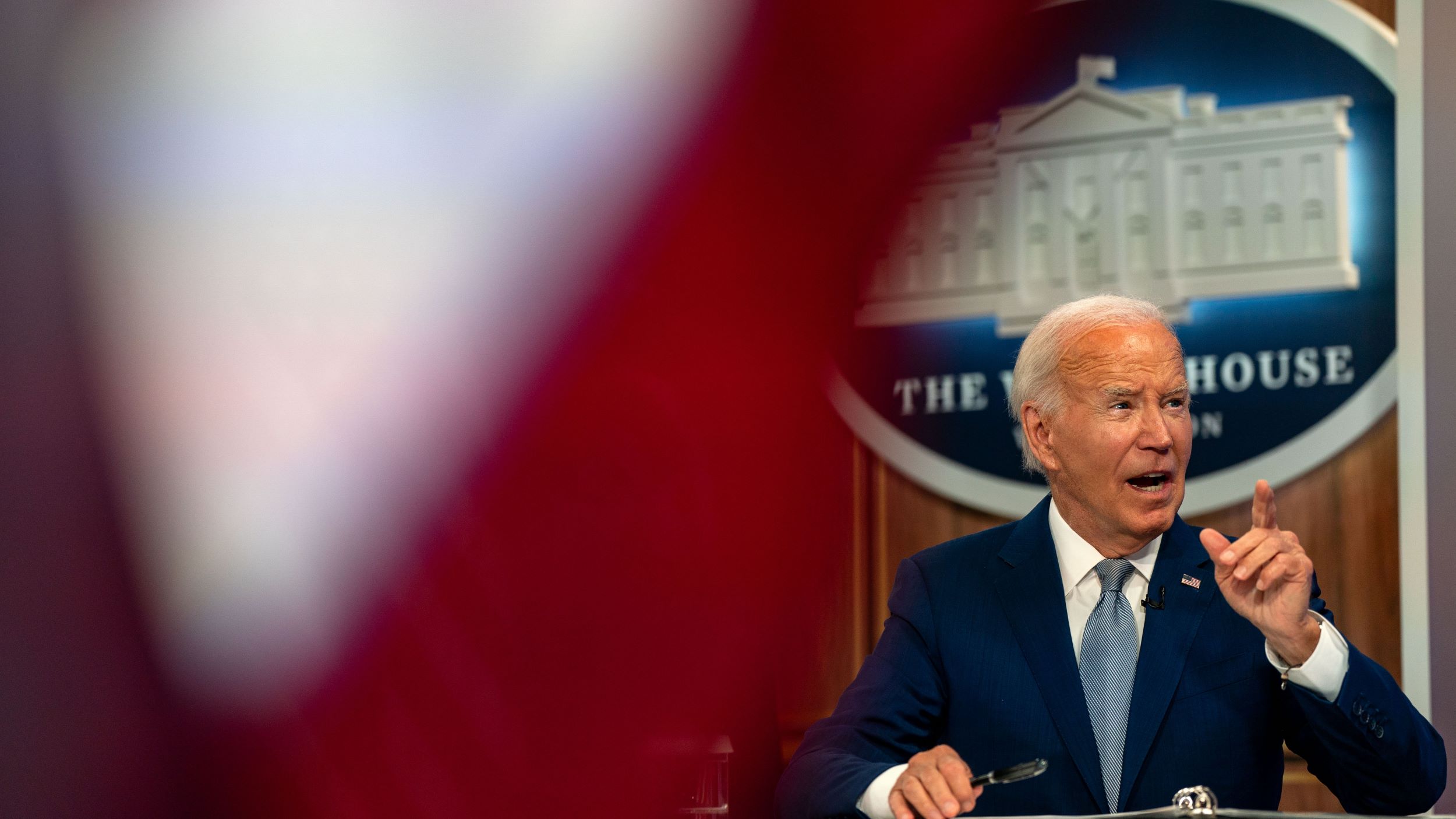
The Limits of Biden’s Middle East Diplomacy: An Assessment of US Policy, April-July 2024
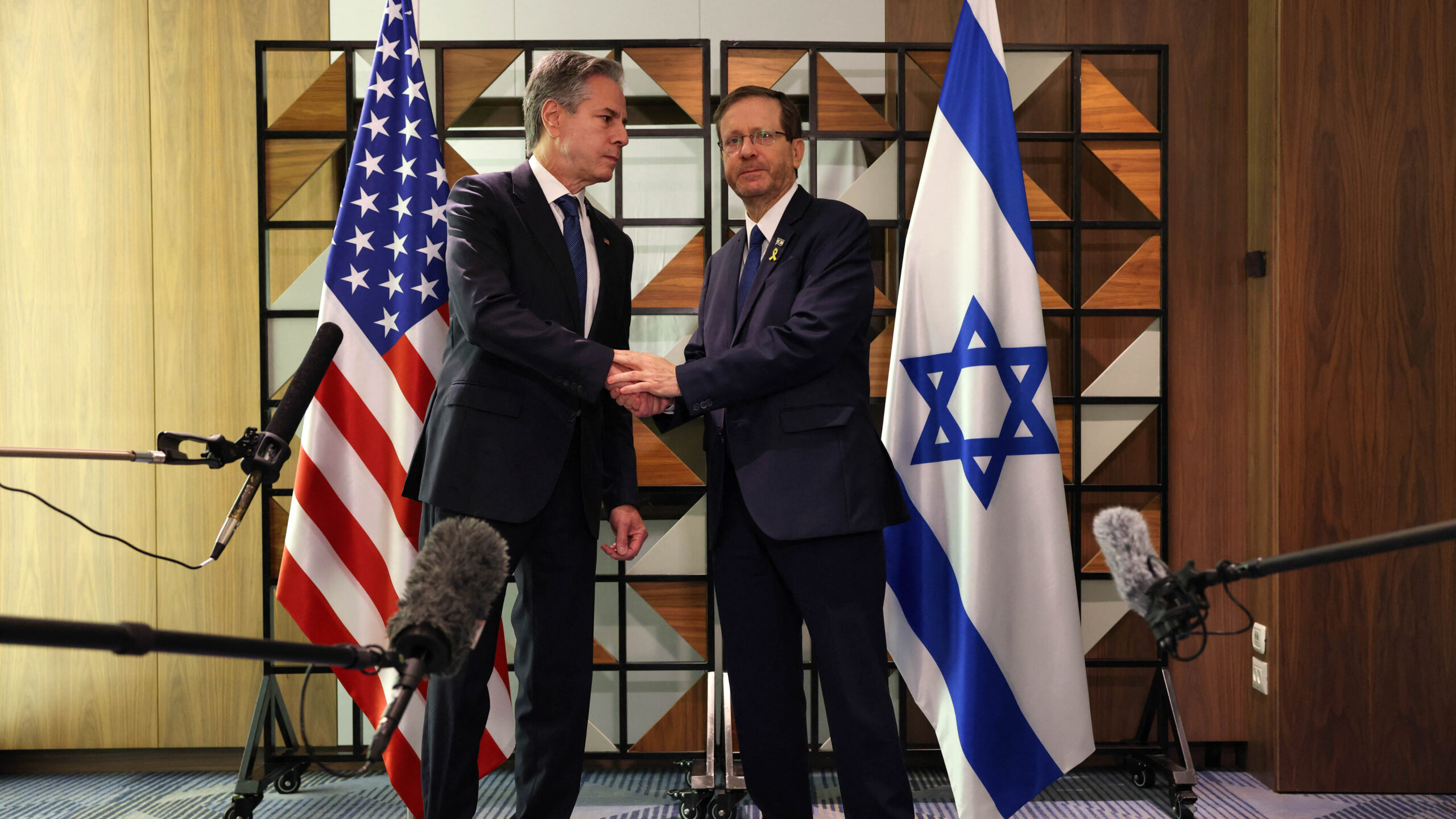
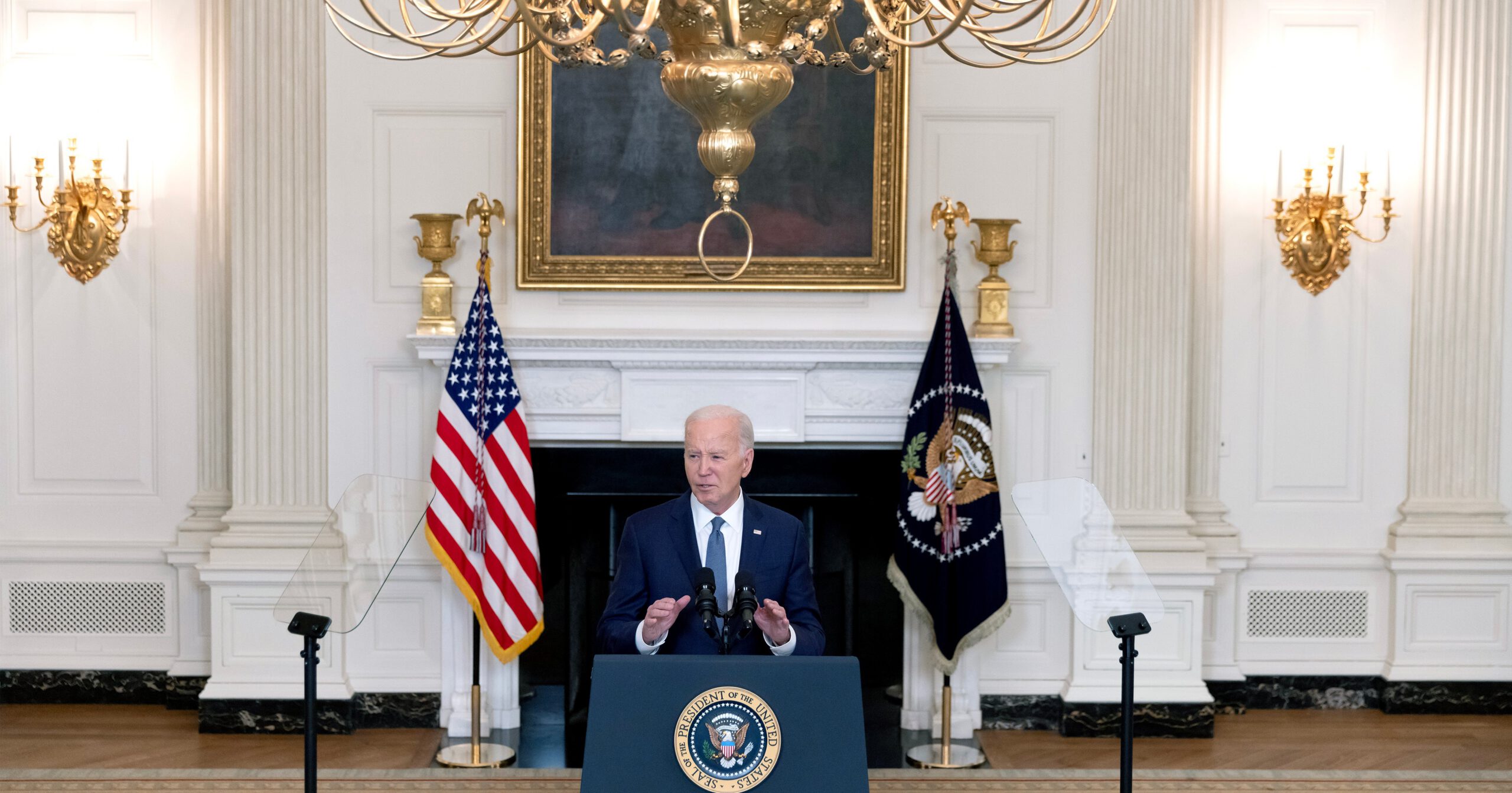
In reaction to the Oct. 7 Hamas attack on Israel and the subsequent Gaza war, the Biden administration articulated six main objectives. After nine months of the Israel-Hamas conflict, which has repeatedly threatened to spill out into neighboring theaters, the Biden administration’s success toward achieving these goals has mostly declined, not for a lack of effort but rather a reflection of considerable challenges in the environment and major shortcomings in policy conceptualization and implementation.