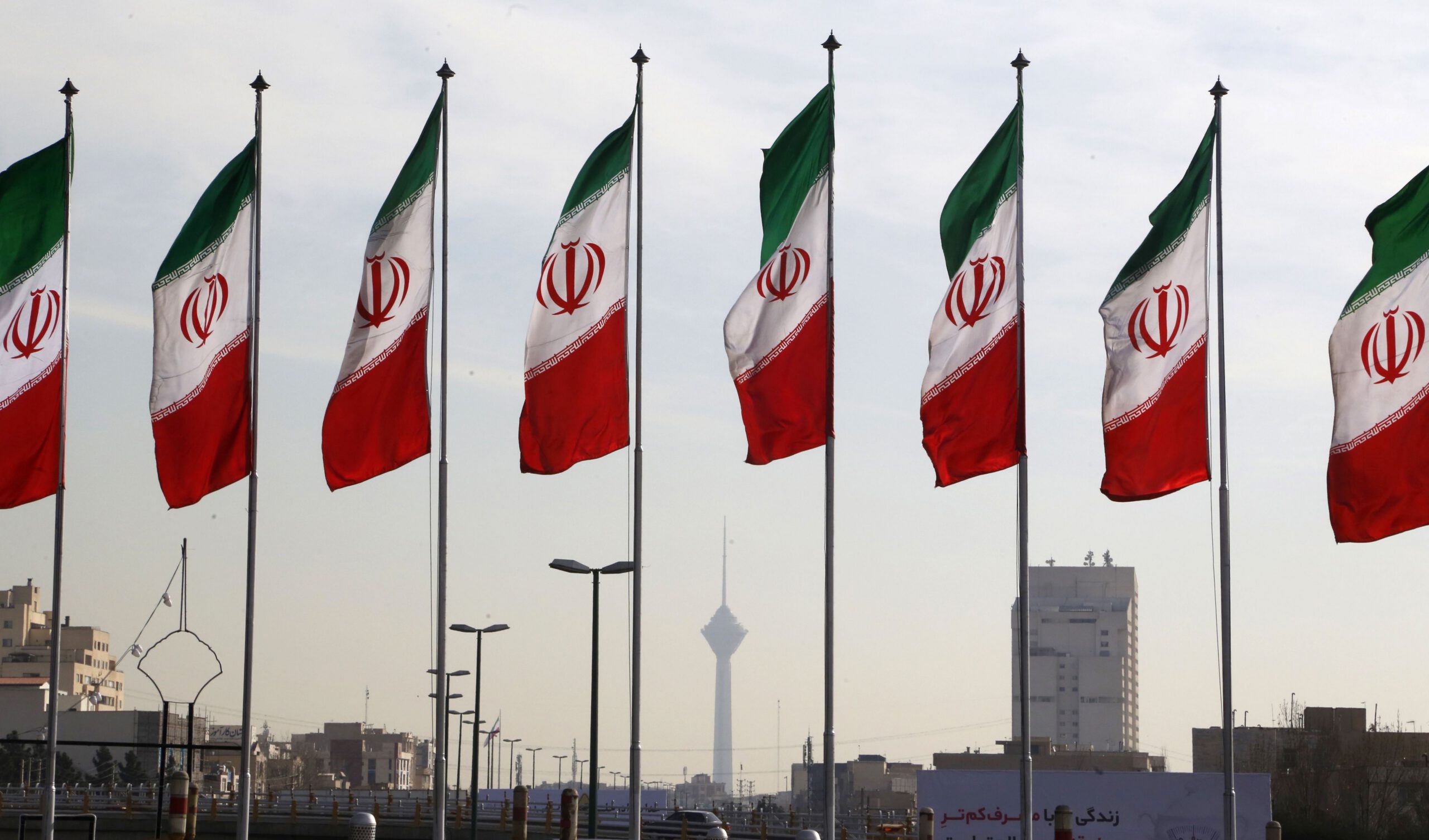
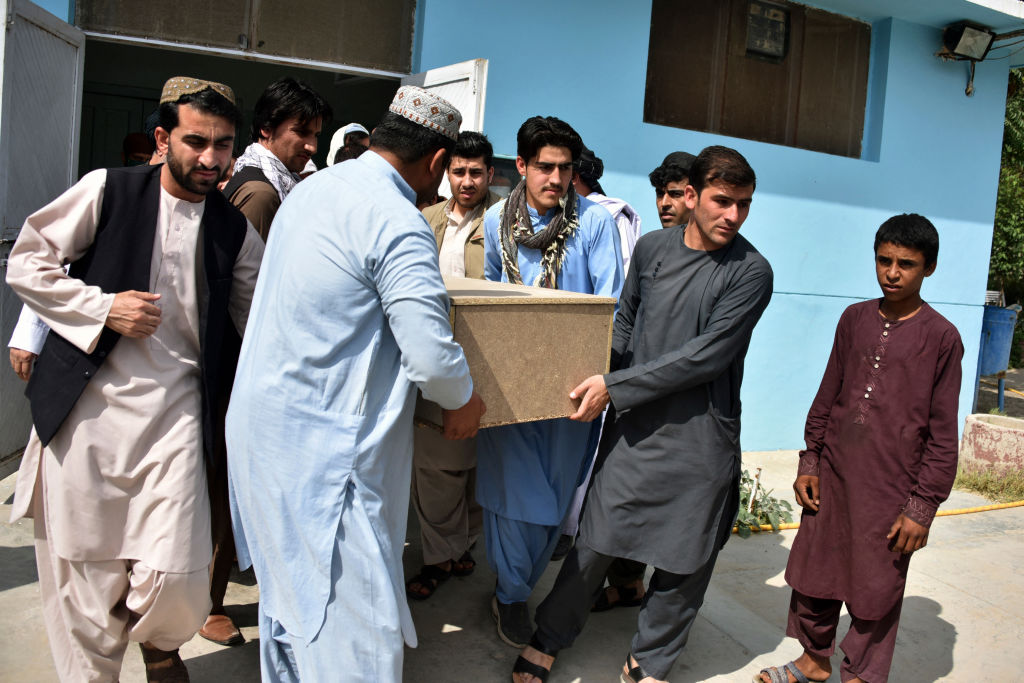
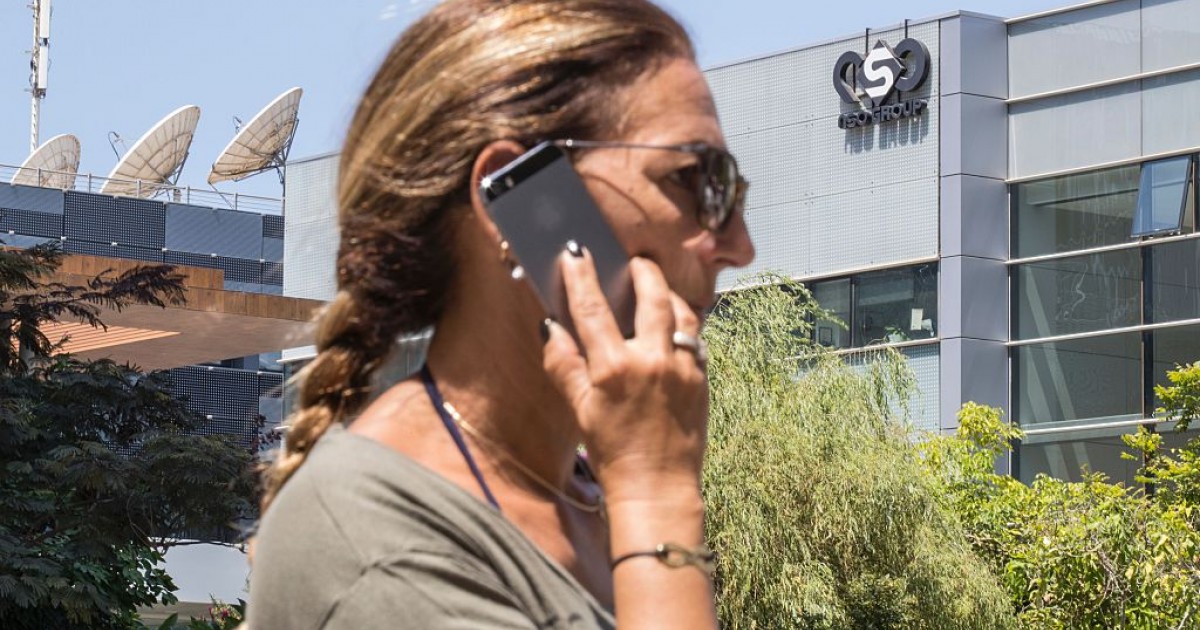
Monday Briefing: Massive leak shows NSO Group’s reach throughout the Middle East
Read MEI’s weekly briefing featuring expert analysis of key regional developments for the week ahead.
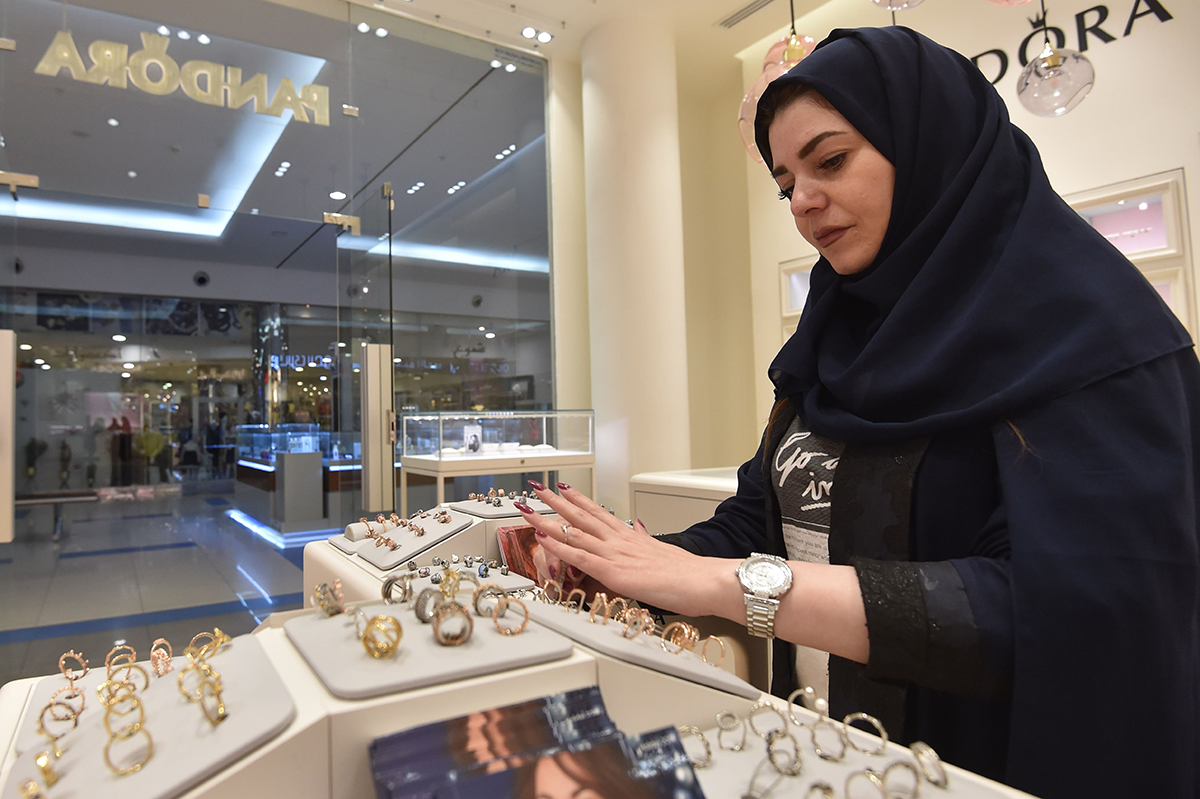
In the past few months, several articles have been written on the significant rise in the Saudi female labor force participation rate (LFPR) from 17.7% in Q2, 2016 to 33.2% in Q4, 2020. Interestingly, this increase in female LFPR was not coupled with a rise in unemployment, which often occurs when workforce participation rises for a particular group. In fact, the unemployment rate among female nationals declined to its lowest level in four years, at 24.4% in Q4, 2020. However, it still remains over twice as high as that for male nationals. Another positive labor market indicator, albeit one receiving little attention from analysts, is the significant change in the employment rate among Saudi women. In other words, Saudi women not only increased their share in the workforce, but were also able to gain jobs once they entered the labor force.
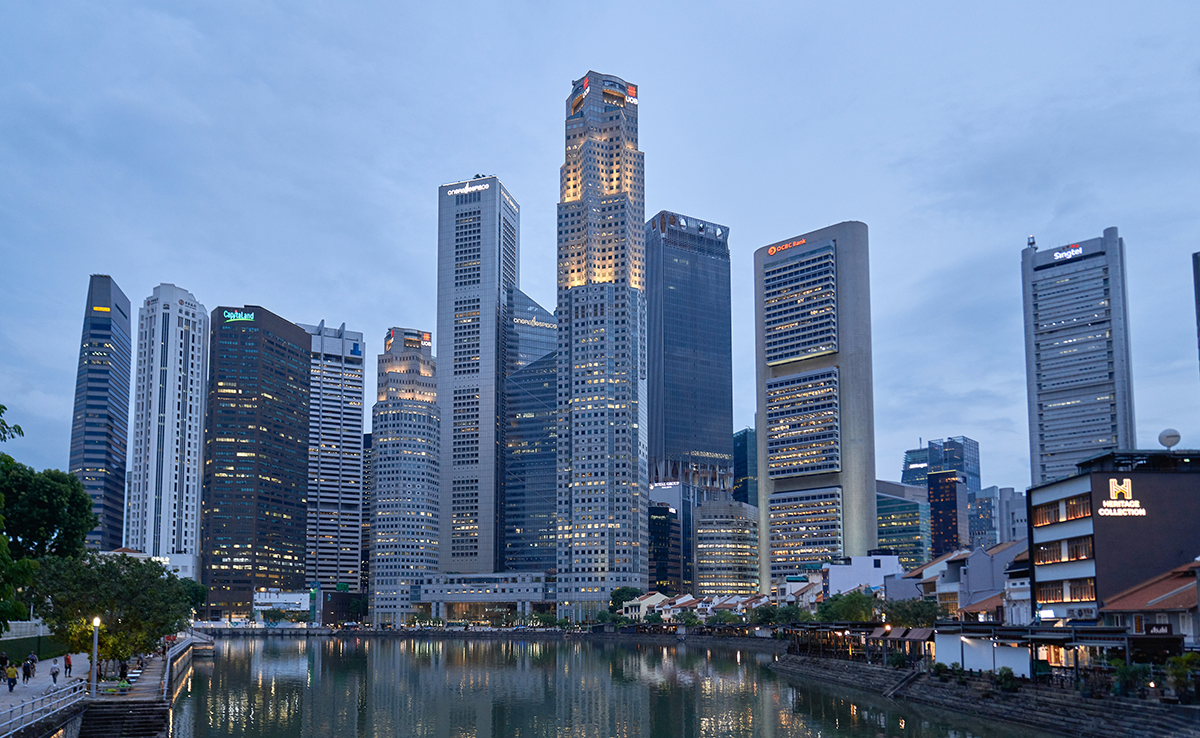
Oil and gas have long dominated trade and investment flows between Singapore and the Gulf. In the wake of two new projects — one in Singapore and the other in the United Arab Emirates — unveiled last month, this article considers whether Singapore and the Gulf are on the cusp of a new level and type of economic relations.
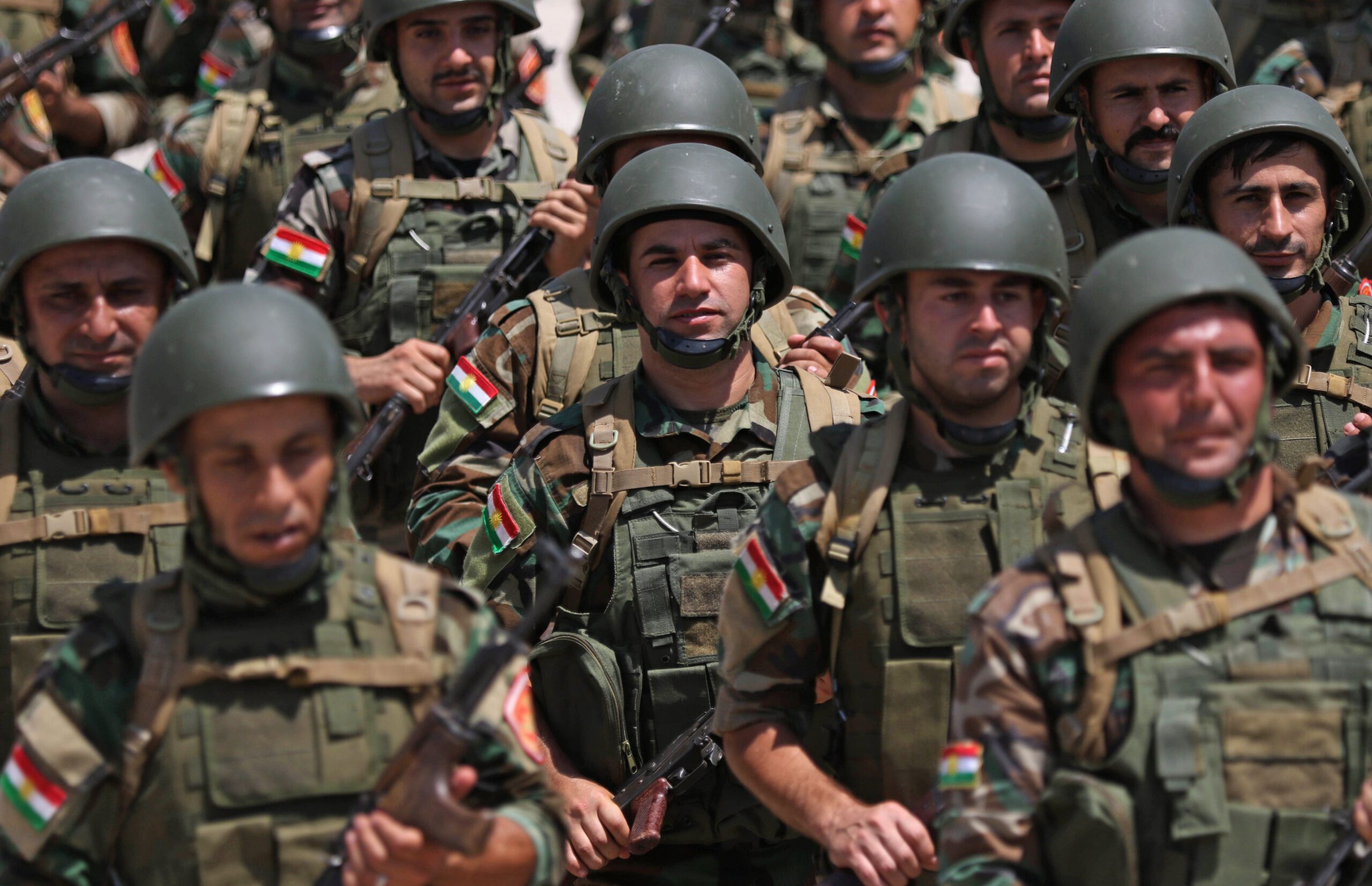
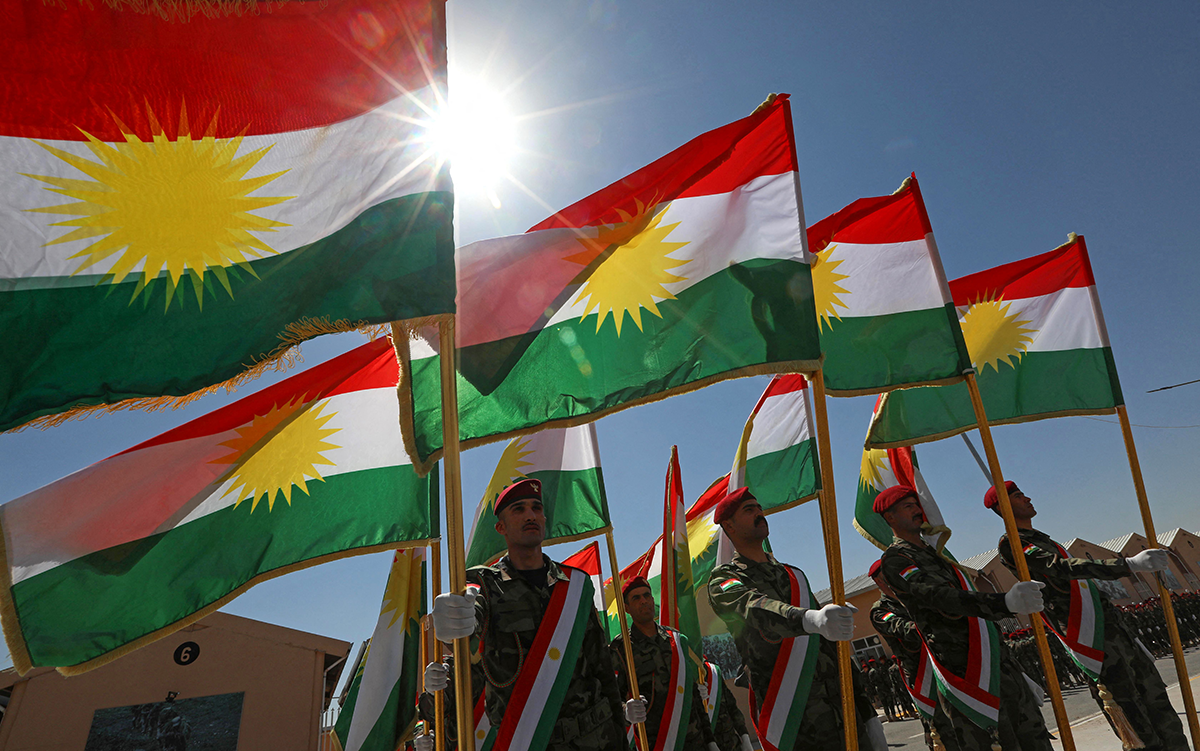
The forces and agencies of Kurdistan’s Ministry of Interior and the Kurdistan Region Security Council, collectively referred to the Kurdistan Region Interior Forces, are now the region’s main security actors, but their role as instruments of partisan rivalry and enforcers of public loyalty to the political bureaus threatens the Kurdistan Region’s stability. This report makes the case that coalition security sector reform efforts should be refocused on them. Although Peshmerga reform is necessary to improve the Kurdistan Region’s ability to combat external threats, it is equally, if not more important to start the same reform within these internal forces and agencies to achieve durable stability.
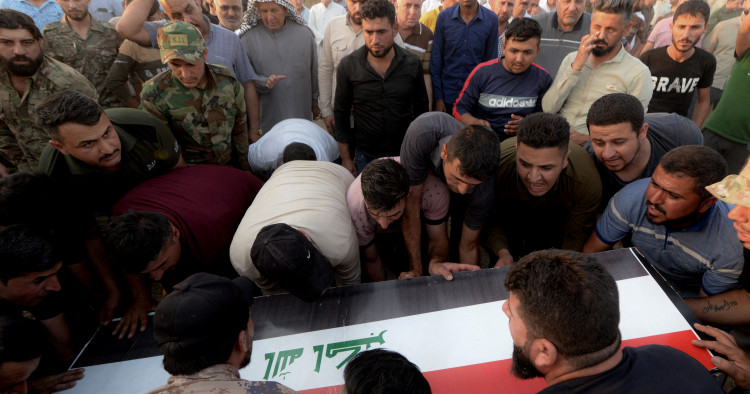
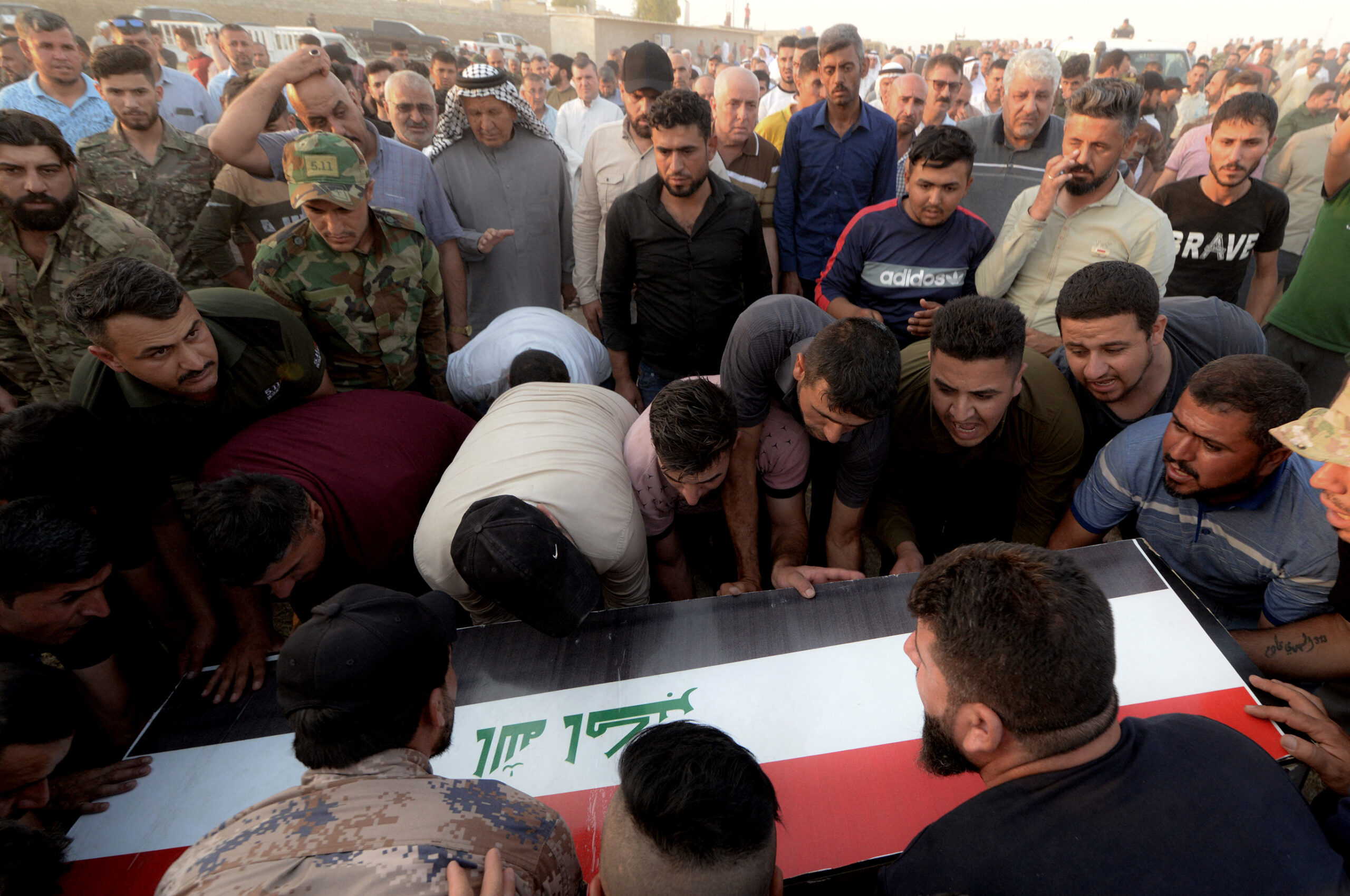
مهما كانت شدة محاولات الحكومة العراقية لتوجيه البلاد بعيدًا عن الصراع الإيراني الأمريكي، فإن الميليشيات العراقية المدعومة من إيران ستظل تسحبها مجددًا لهذا الصراع
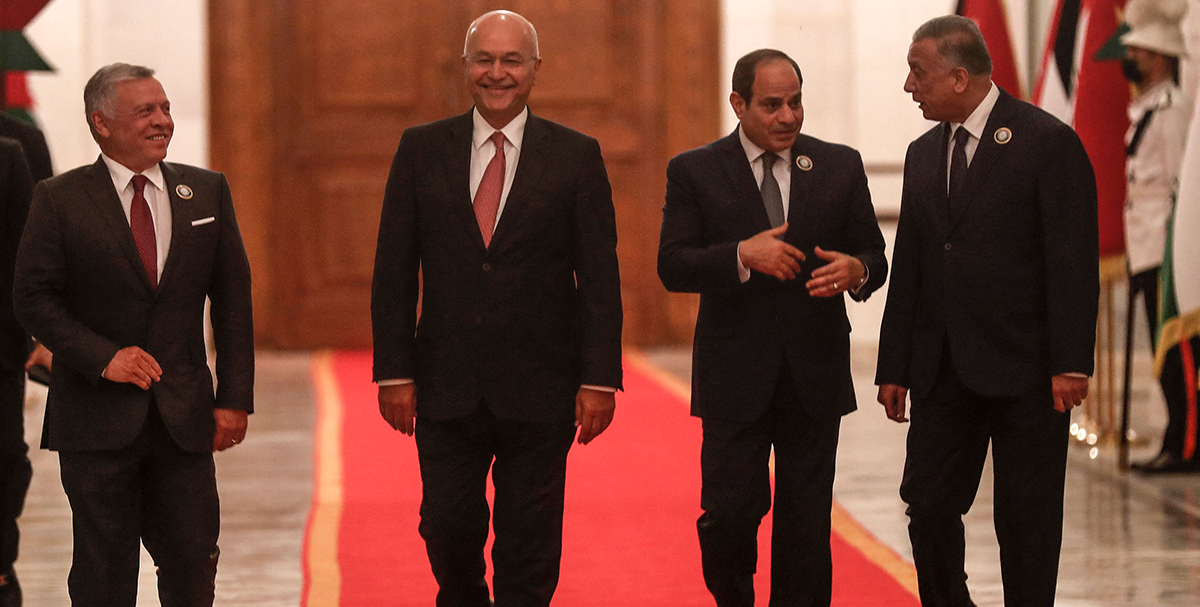
Sunday was a festive day in Baghdad. The last time Iraqis had received an Egyptian president 30 years ago, the region was gearing up for war and uncertainty as the late President Hosni Mubarak shuttled between Baghdad and Gulf capitals prior to Saddam Hussein’s invasion of Kuwait in 1990. The circumstances were quite different on June 27, when Egyptian President Abdel-Fattah el-Sisi and King Abdullah II of Jordan were given the red-carpet treatment at a tripartite summit marking the fourth meeting between the leaders of the three countries aiming to form a new regional alliance.
Read MEI’s weekly briefing featuring expert analysis of key regional developments for the week ahead.
Over the past year, intensifying political and economic conflicts between the Kurdistan Region’s two hegemonic parties, the Kurdistan Democratic Party and the Patriotic Union of Kurdistan, have challenged the legal and institutional order in which the Kurdistan Regional Government operates. A new generation of leadership within the parties, a fraught relationship with the federal government, and a prolonged economic crisis have strained the relationship between the two parties to its breaking point.
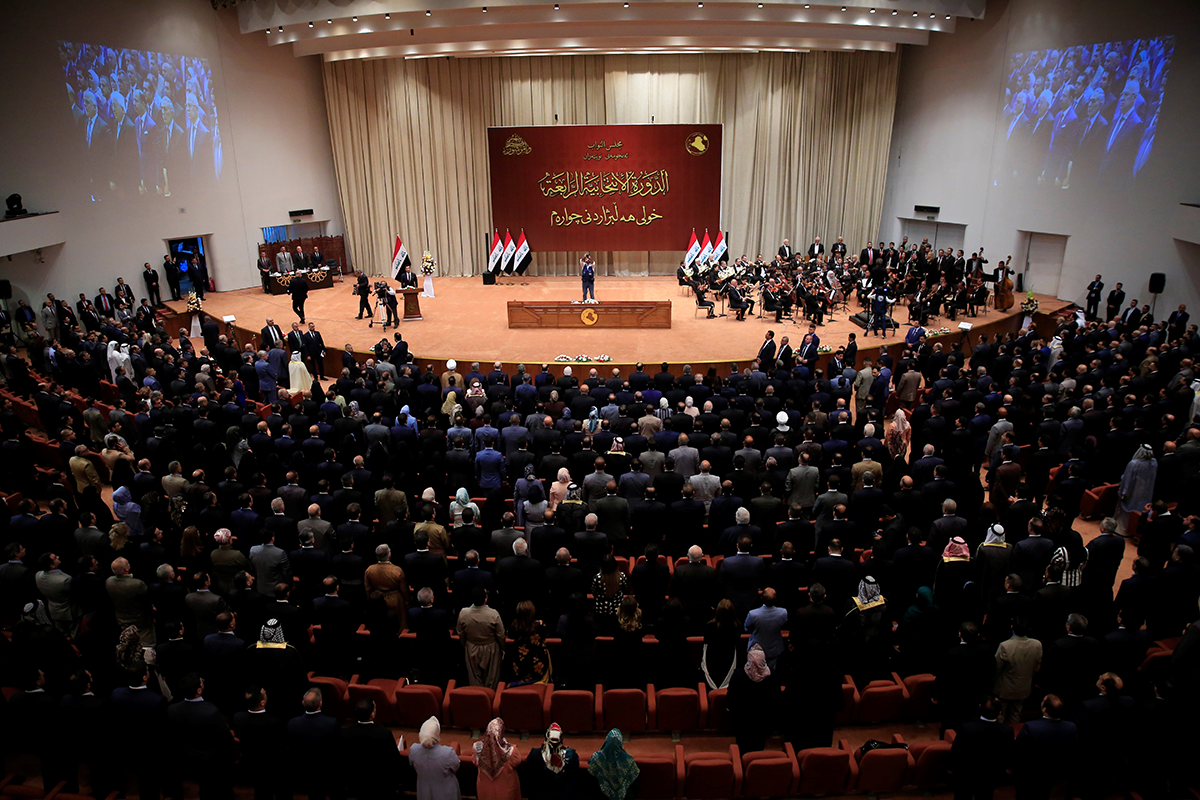
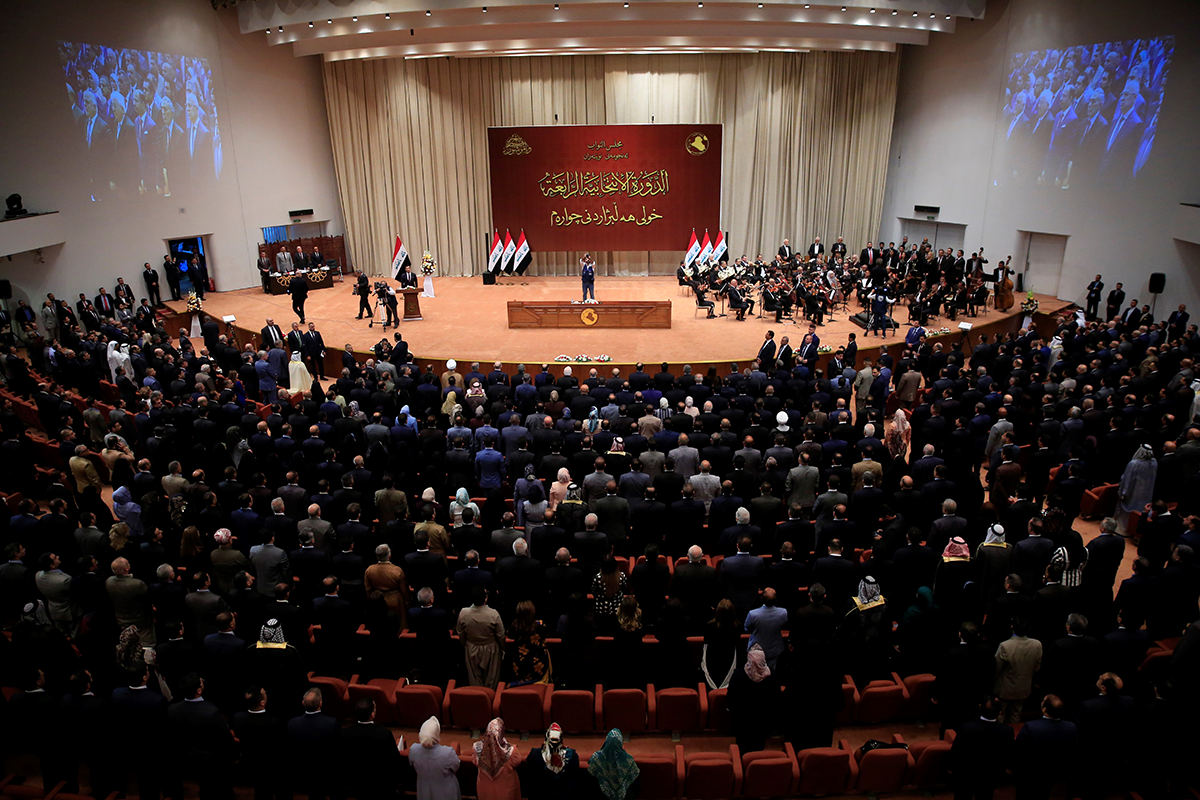
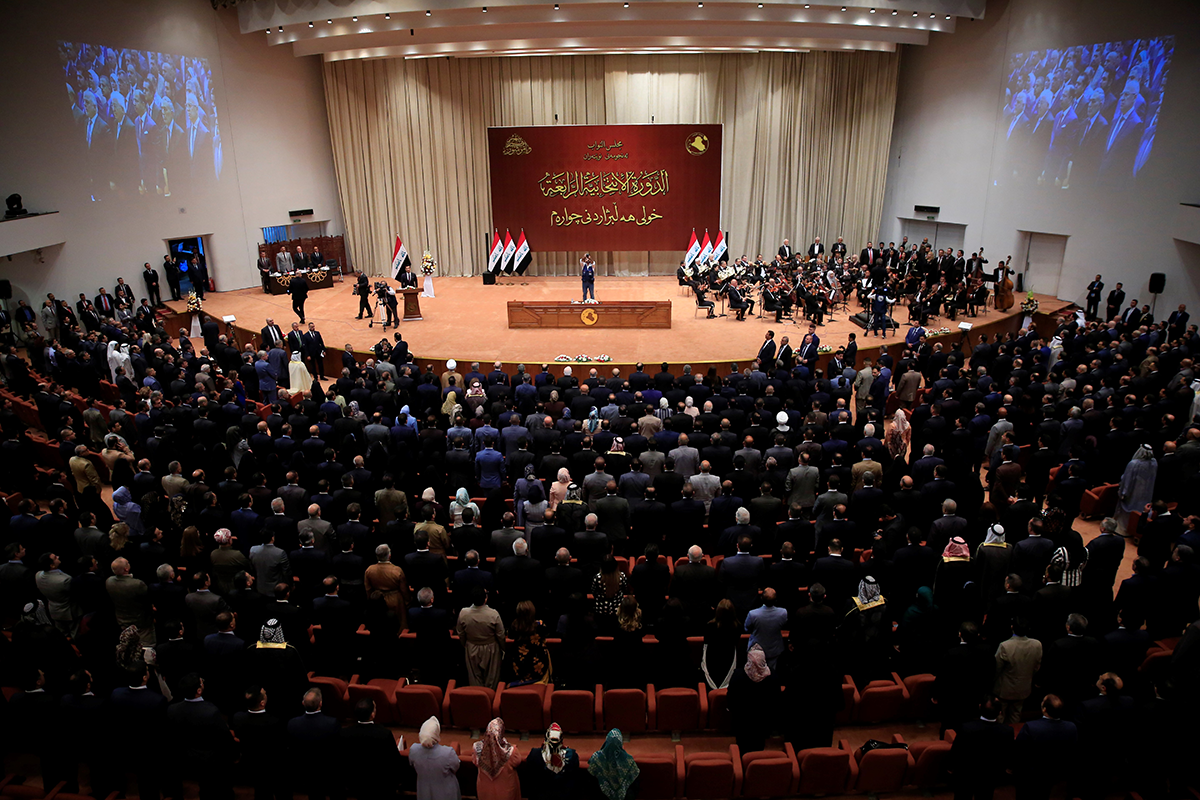
The performance of Iraqi political parties over the past two decades can be assessed in how they manage three major transformations: the transition from an authoritarian political system to a democratic and pluralistic one, the participation of these parties in managing the transformation of the state from a central to a federal system and the smooth transition from a directed economy to a free market one, and the social transformation from an oppressed society to a free, productive, and reconciled one. Despite the great challenges faced by the various governments since 2003, the parties that participated in the political process (to varying degrees) were unable to succeed in managing these three transformations.

هذه الورقة البحثية هي الثانية ضمن سلسلة من أوراق للكاتب حول “إصلاح شامل للنظام في العراق” تنشر تباعاً في معهد الشرق الاوسط بواشنطن.
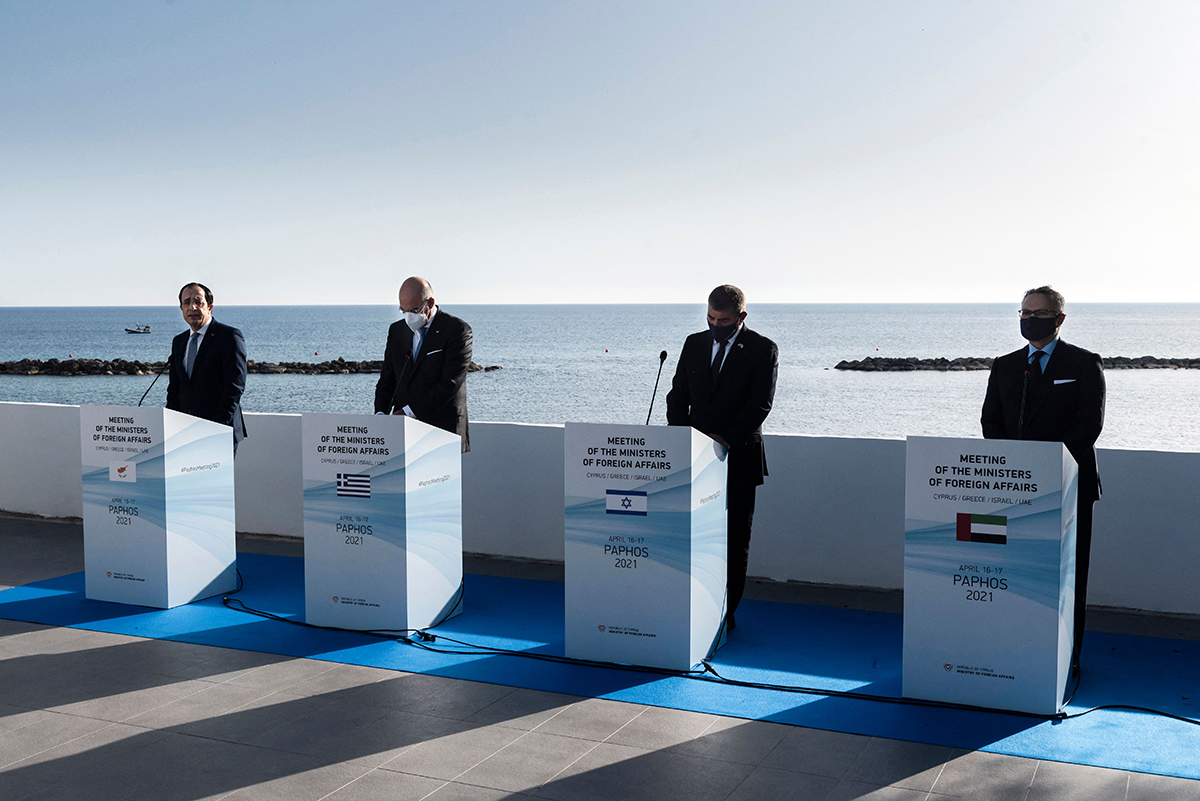
The synergies between the Gulf and the eastern Mediterranean theaters have grown substantially in recent years. Speaking at a meeting in Paphos, Cyprus in mid-April 2021 with his counterparts from Greece and Israel, as well as the former minister of state for foreign affairs of the UAE (now an advisor to the UAE president), the Cypriot foreign minister noted, “The evolving web of regional cooperation is creating a new narrative.” A week later, the UAE and Israeli fighter jets flew together publicly — for the first time — in an international aerial exercise hosted by Greece. How can we explain the signs of growing cooperation between these actors that seemingly operate in close but not completely overlapping arenas?
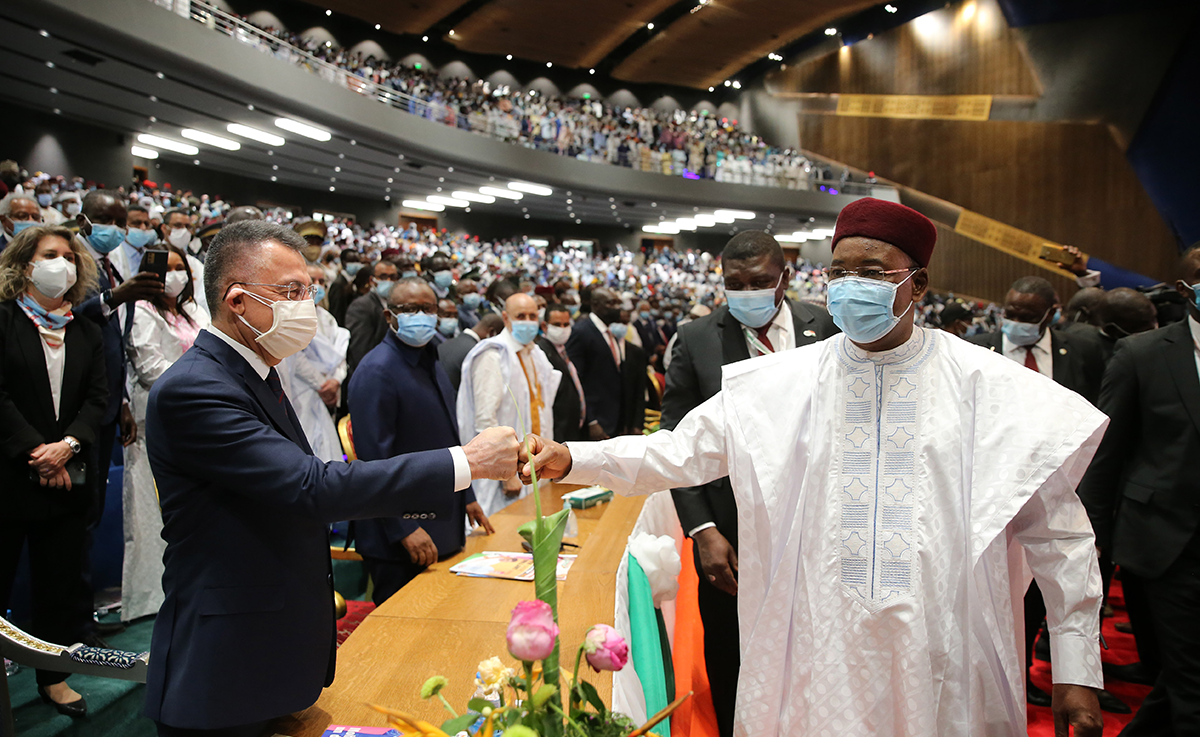
Due to its relatively stable political institutions, geographic proximity to Libya, and UNSC seat, regional powers in the Middle East are competing for influence in Niger. Egypt and the UAE are trying to counter Turkey’s growing economic and security cooperation with Niger, Saudi Arabia and Iran wish to leverage its UNSC voting power, and Israel is testing the waters for a potential normalization of diplomatic relations. These rivalries are poised to intensify, as the Sahel’s geostrategic significance continues to expand.
On the margins of Vienna’s nuclear talks, Riyadh and Tehran have opened their own conversation in Baghdad. Despite predictions of a potential grand bargain, Saudi and Iranian identity security will confine the results to a mere cooling of relations, at best.
The rapidly growing state-supported arts infrastructure in Saudi Arabia tends to overshadow the lesser-known history of independent artist-led initiatives. The pioneering modernist Mohammed Alsaleem, for example, is known for establishing Dar Al Funoon Al Sa’udiyyah (The Saudi Art House) in Riyadh in 1979, the first space where artists could gather, work, mentor each other, and stage exhibitions at a time when there were no art schools or galleries. The Kingdom has gone through various stages in its cultural development from the 1960’s oil boom, a time of artistic productivity and government scholarships to study art abroad, to the tumultuous late 1970s of Islamic militancy and religious conservatism until the 2000s. “The 1960s was a time when art flourished in the Kingdom. In Riyadh, exhibitions by modernist painters were held in football clubs in order to engage the public,” says Raneem Farsi, an expert in Saudi Arabian contemporary art, of a time that has influenced her curatorial narrative. Along with Susan Davidson, former senior curator at the Guggenheim Museum, she is co-curator of the exhibition Light Upon Light: Light Art since the 1960s, which runs until June 12.
Read MEI’s weekly briefing featuring expert analysis of key regional developments for the week ahead.