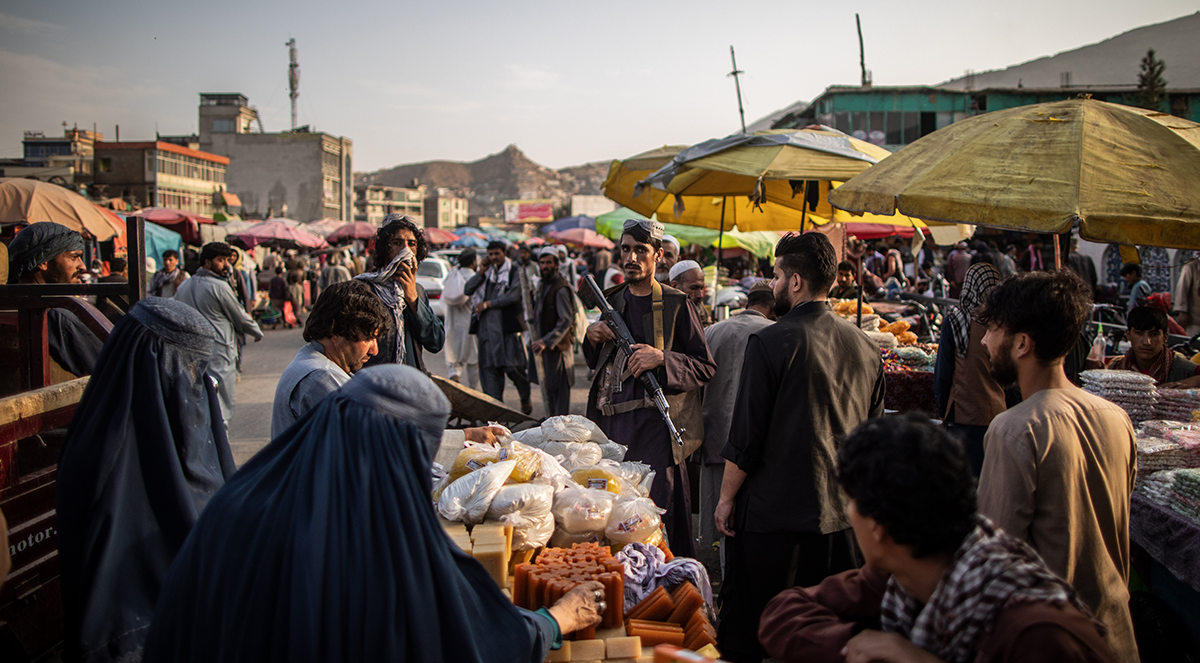
Afghanistan’s economy is collapsing. The Taliban’s forceful seizure of power led to a curtailment of almost all foreign aid, a devastating development for a nation overwhelmingly dependent on international assistance. Widespread drought, pervasive corruption, the perennially inadequate use of the country’s human capital, and a population largely unvaccinated against COVID-19 have exacerbated this longstanding problem of foreign financial dependence.
While Iraq’s next government may be “business as usual,” the election has planted the seeds for change
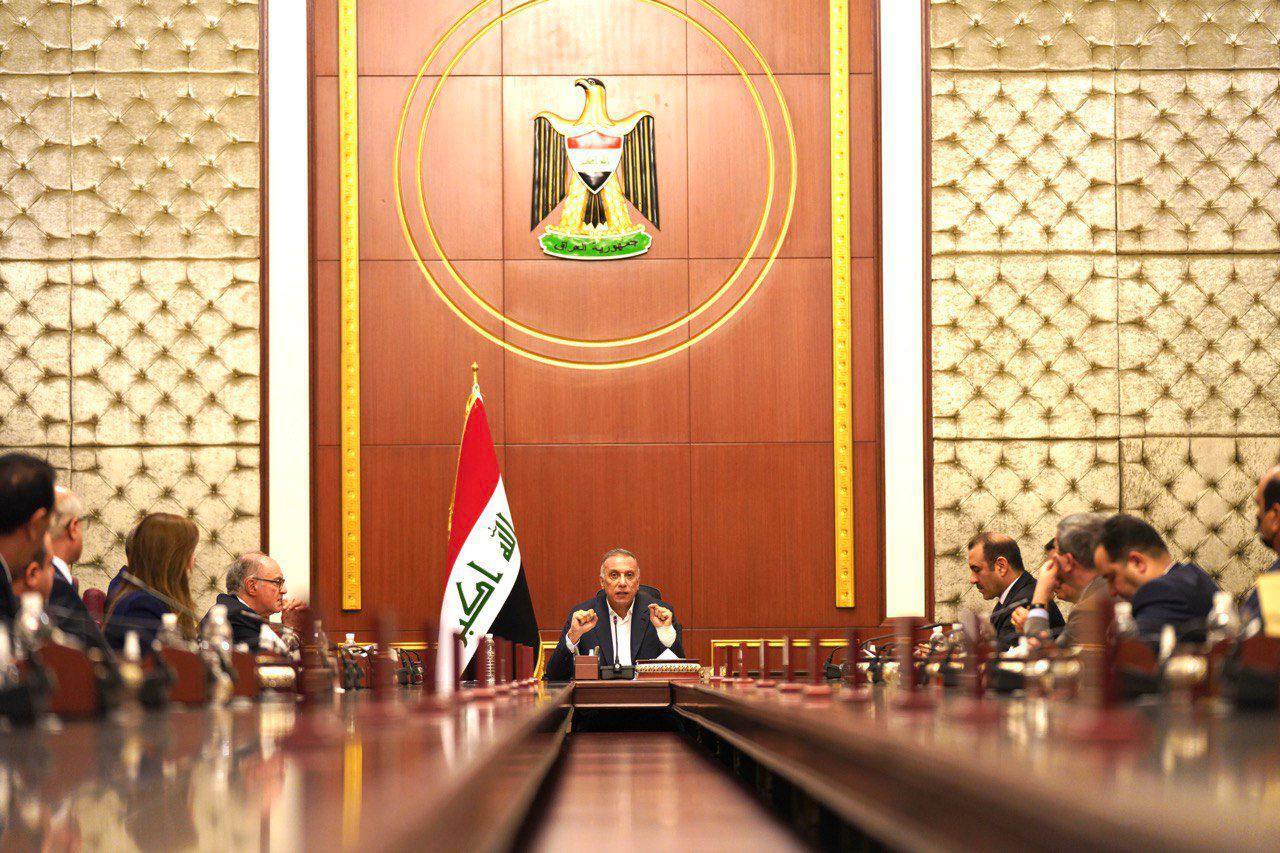
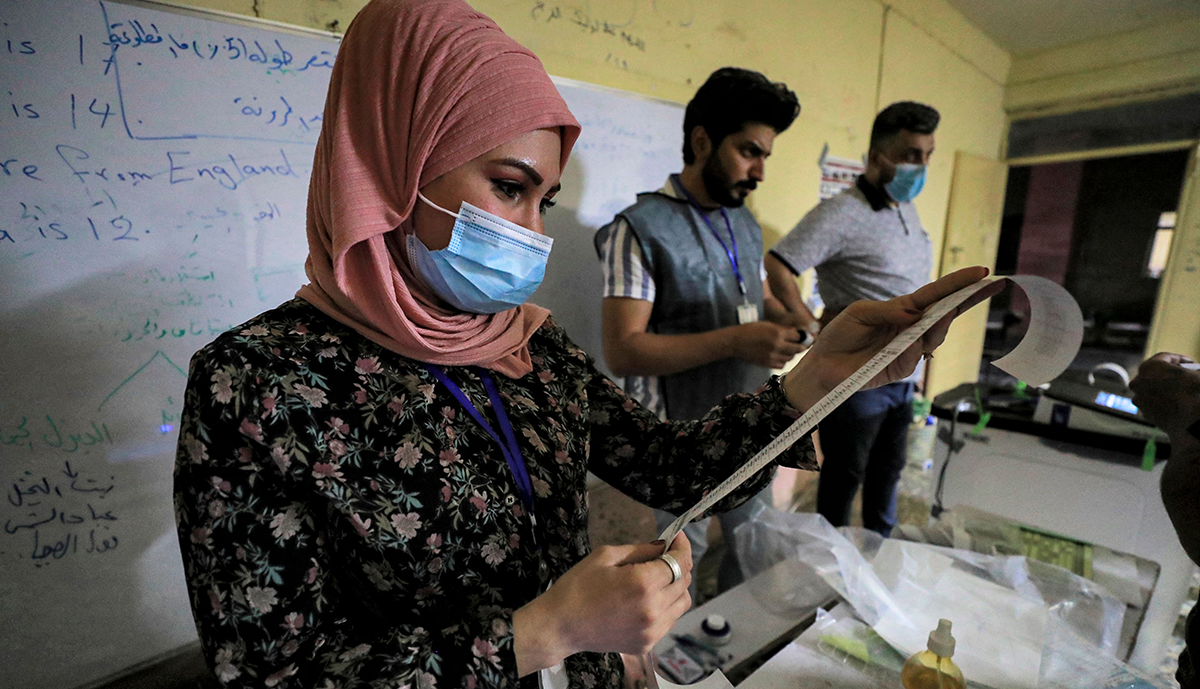
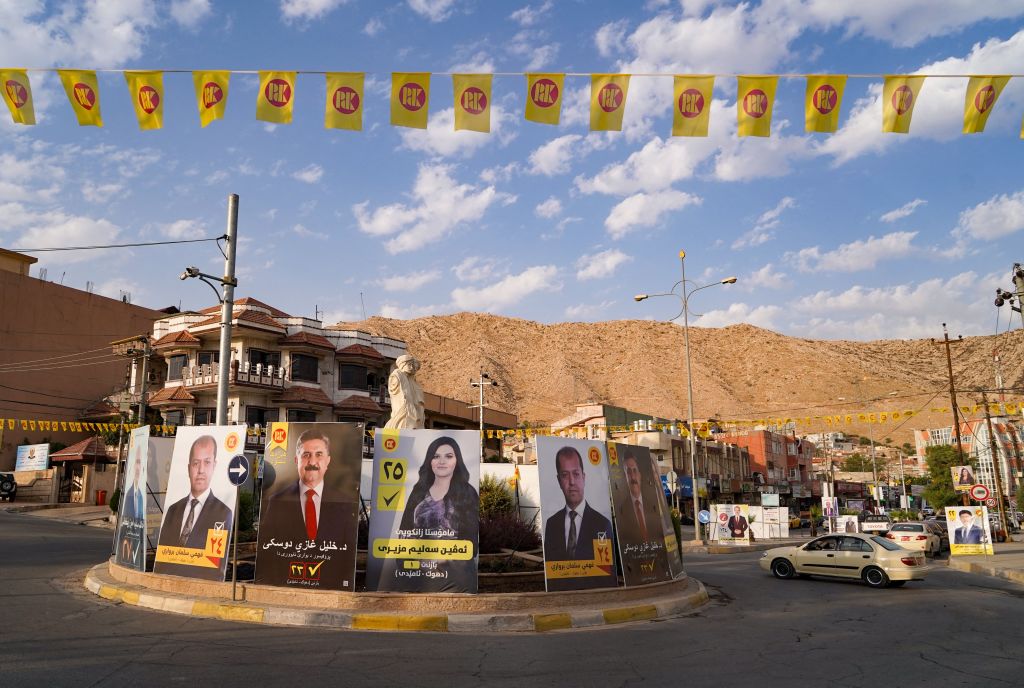
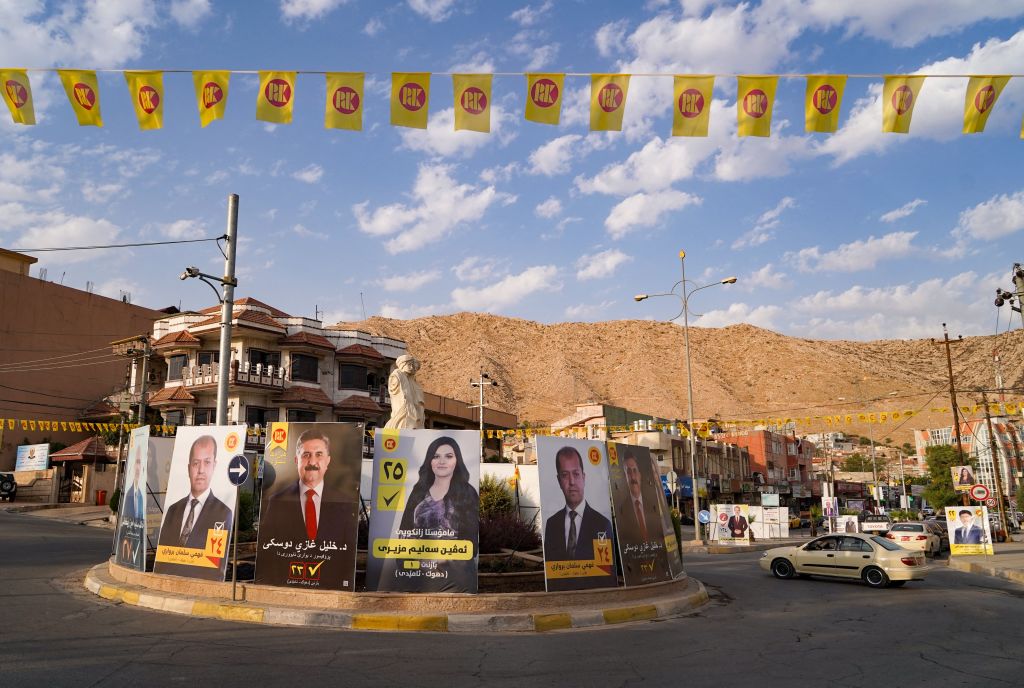
Iraq’s Oct. 10 election may be more consequential than its immediate results suggest. Some of the subtle facts and dynamics surrounding the election point to interesting trends and possibilities, more so than the headline-grabbing expansion of Muqtada al-Sadr’s power in the Iraqi legislature, or the losses suffered by candidates representing Iran-backed militias.
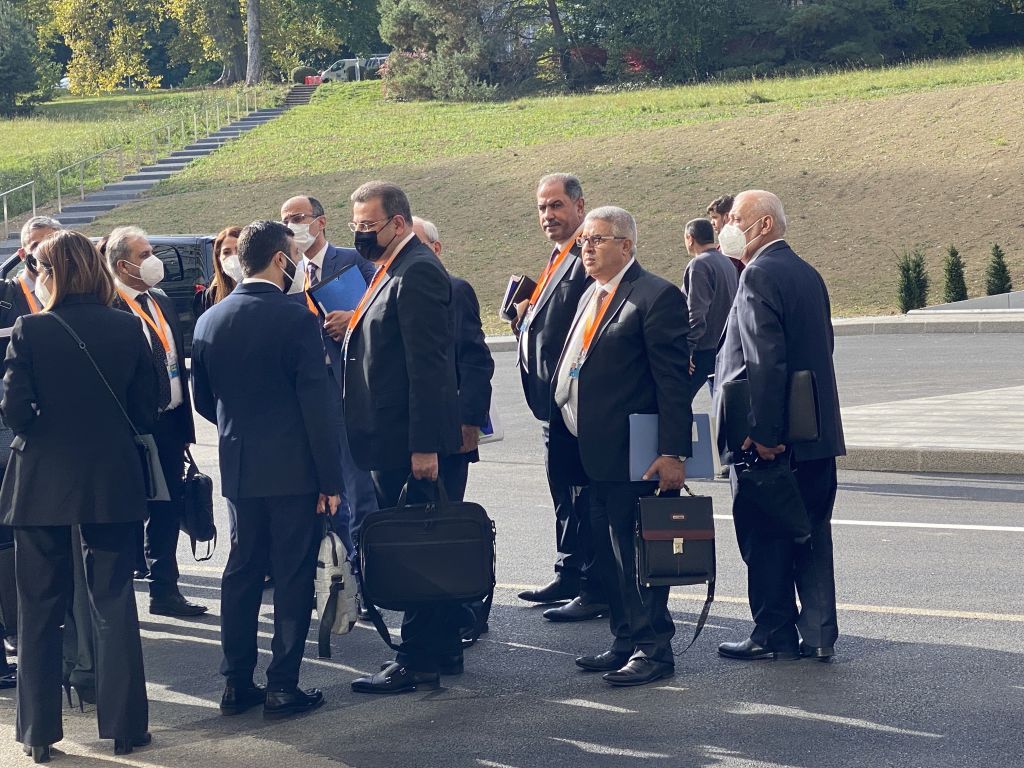
Mohammed Alsulami and Kasra Aarabi join Banafsheh Keynoush to discuss the latest talks between long-time regional rivals Saudi Arabia and Iran. Several rounds of talks between Riyadh and Tehran been held in Baghdad since April. They are taking place amid a broader regional trend toward deconfliction and as negotiations in Vienna over the revival of the 2015 Iran nuclear deal appear to have bogged down.
Has Israel’s campaign between the wars reached an impasse?
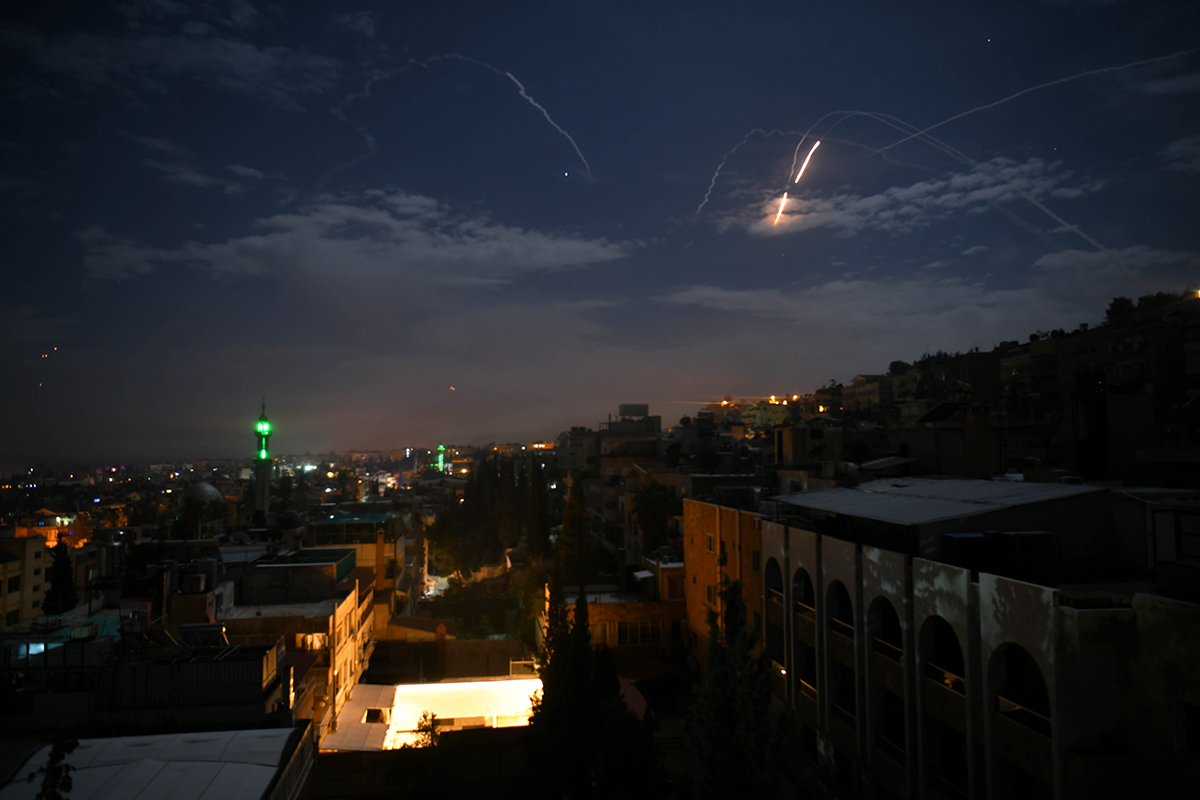
In recent years, Israel has waged a campaign against the military buildup of its enemies, mainly Iran, Syria, and Hezbollah. This ongoing effort is called “the campaign between the wars,” or the Mabam Campaign. Several events in recent weeks have given rise to questions about the effectiveness of this campaign, however, and have underscored the need to rethink its future.
Marsin Alshamary joins the program to discuss the upcoming Iraqi parliamentary elections on Oct. 10. Originally scheduled for 2022, the elections were moved up amid pressure from the Tishreen protest movement that began in late 2019. MEI Senior Fellow Randa Slim also speaks with two long-time watchers of Iraqi politics, Farhad Alaaldin and Naufel Alhassan, about how they see things playing out and the impact the elections might have on Iraq’s political landscape going forward.
ذكرى تشرين، مسألة مكتومة في الفترة التي تسبق الانتخابات العراقية
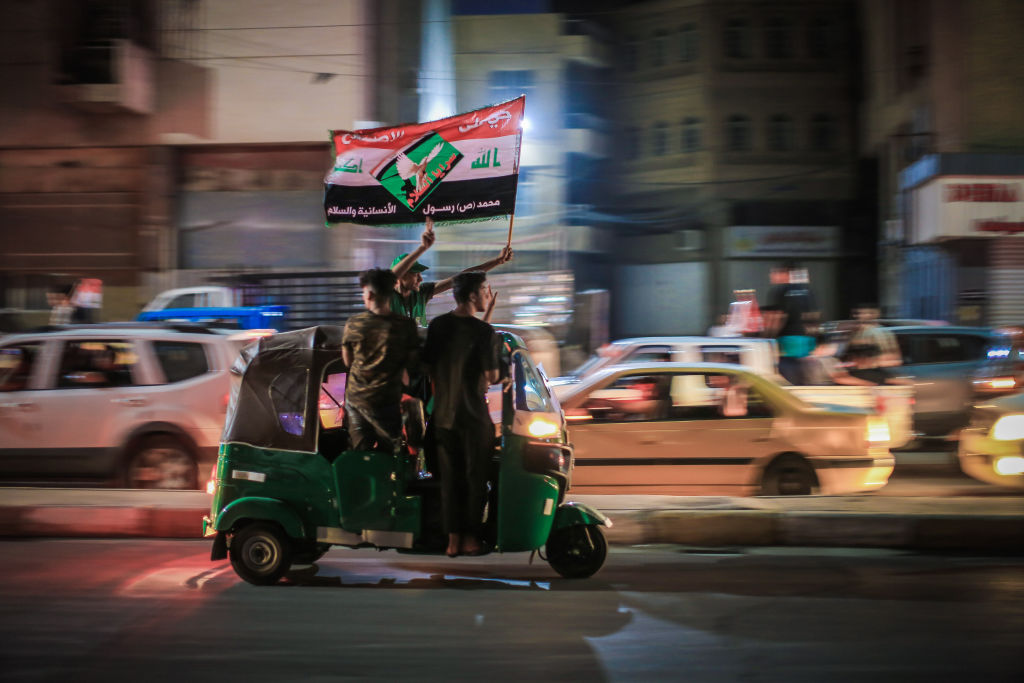
في الأول من أكتوبر/تشرين الأول، تجمع عدة مئات من العراقيين وشاركوا في مسيرة، احتجاجًا على عدم حدوث تغيير وذلك في ذكرى حركة تشرين التي اندلعت قبل عامين من ذاك اليوم والتي أحدثت هزة عنيفة بين النخبة السياسية العراقية. كانت التجمعات صغيرة والاحتجاجات خافتة لا صوت لها، وهي محاطة بالمنشورات الدعائية الانتخابية وملصقات المرشحين بينما يستعد العراقيون للذهاب إلى صناديق الاقتراع في 10 أكتوبر/تشرين الأول في انتخابات برلمانية مبكرة.
Why Washington has provided King Abdullah with political cover to engage the Assad regime
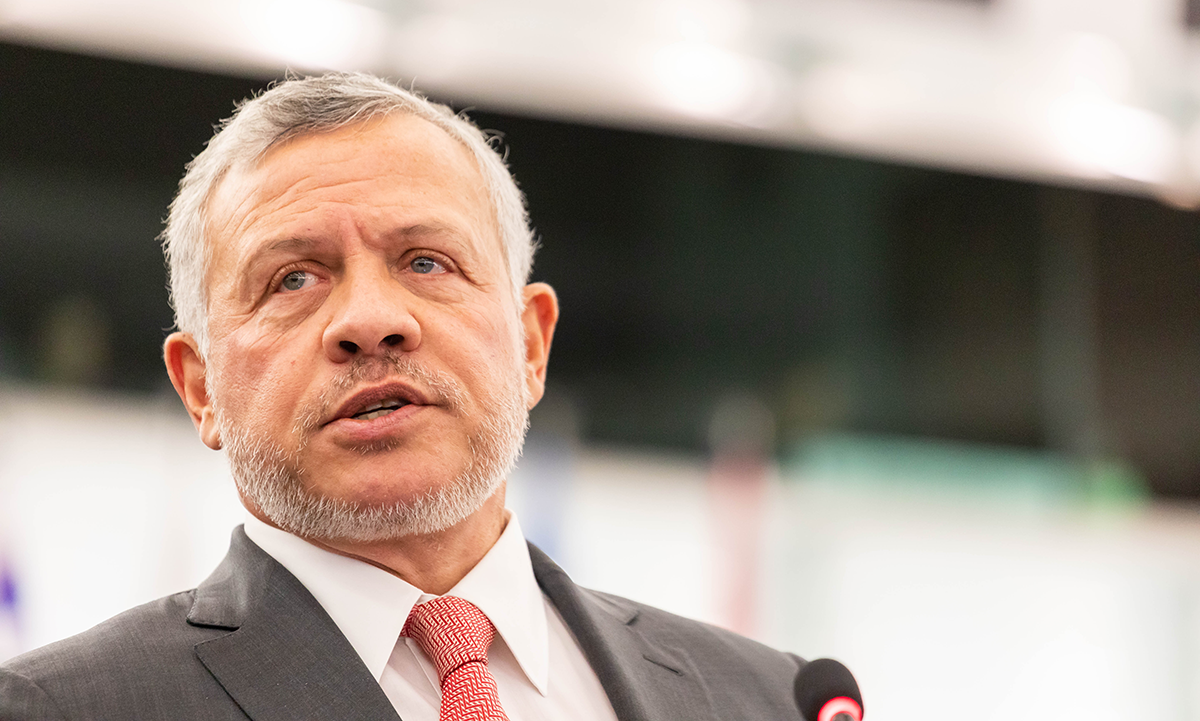
Jordan is going full speed ahead in normalizing relations with the Syrian regime, 10 years after it suspended political and economic ties with its northern neighbor in the wake of the eruption of the Syrian uprising. On Oct. 3, and in the first public contact between Abdullah and Syrian President Bashar al-Assad since 2011, Amman announced that the king had received a call from Assad. Talks focused on bilateral relations and ways to strengthen cooperation. The king stressed Jordan’s support for efforts to back Syrian territorial integrity, sovereignty, and unity. Jordan had allowed the Syrian embassy to remain open in Amman and kept a skeleton staff at its embassy in Damascus.
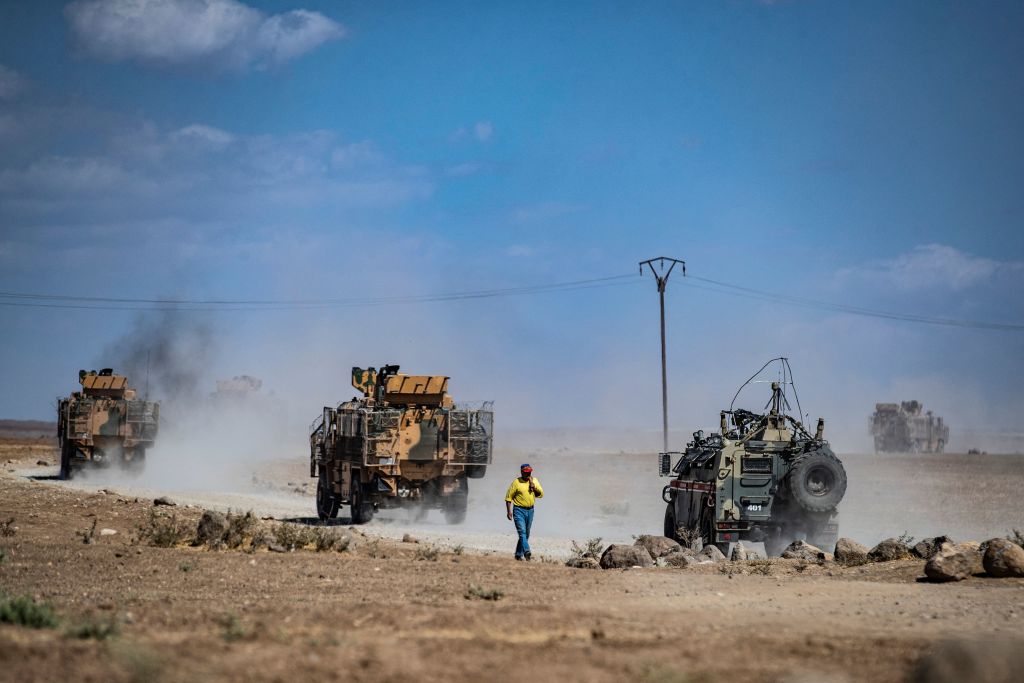
يجتمع الرؤساء الروسي والتركي والإيراني يوم الأربعاء 29 سبتمبر/أيلول في مدينة سوتشي الروسية لمناقشة الوضع في سوريا. وكما كان الحال في الاجتماعات السابقة، من المرجح أن يتصدر الوضع في شمال غرب سوريا جدول الأعمال. على الرغم من أن منطقة إدلب الكبرى ظلت من الناحية التقنية خاضعة لوقف إطلاق النار الذي اتفقت عليه روسيا وتركيا في مارس/آذار 2020، إلا أن الطائرات الروسية والمدفعية السورية ارتكبت انتهاكات قاتلة ومتكررة منذ ذلك الحين.
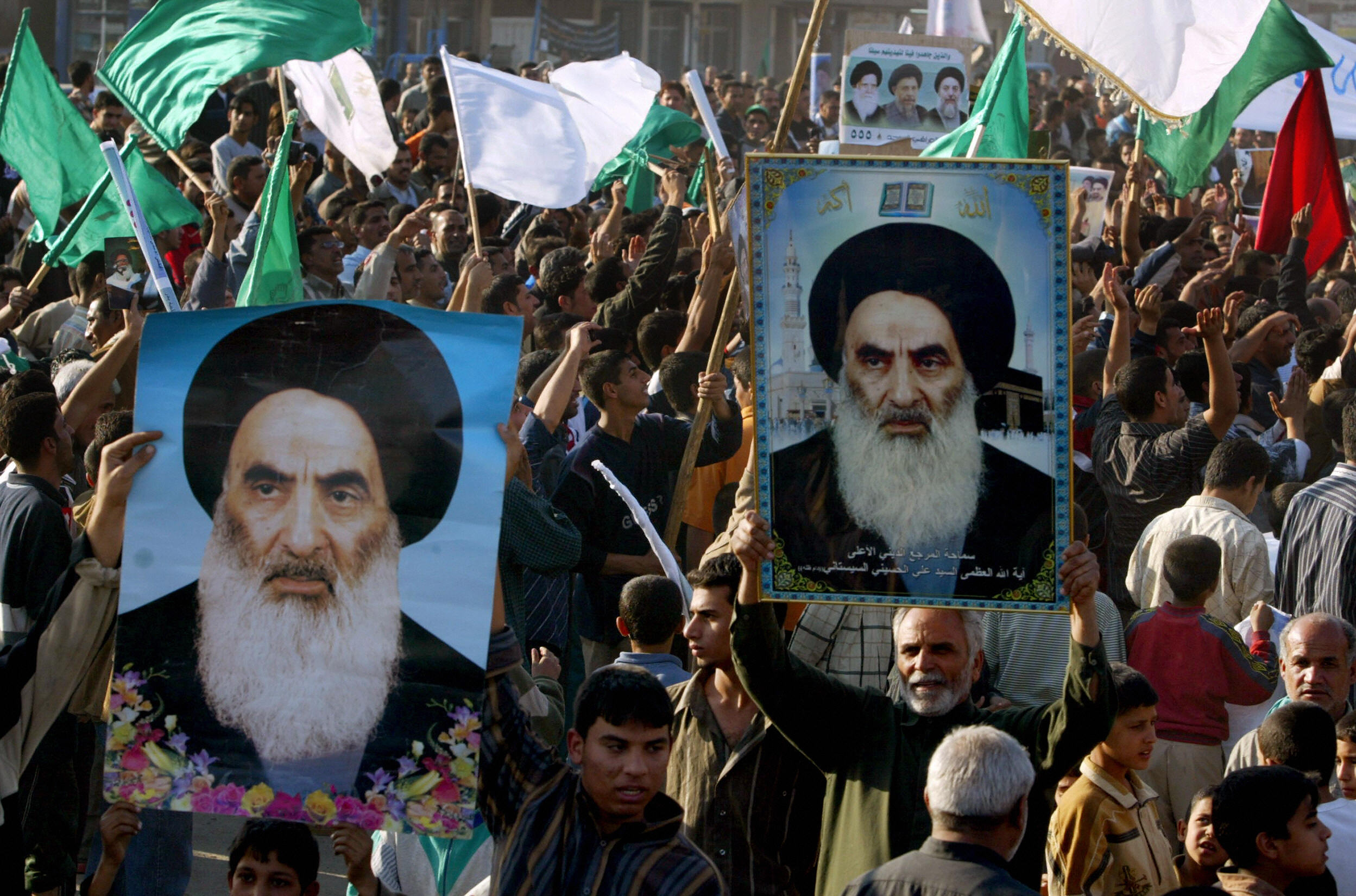
بعد غزو العراق في ٢٠٠٣، تحولت الأنظار إلى السيد علي السيستاني في النجف بوصفه نقطة محورية ليس فقط على مستوى العراق، بل في عموم المنطقة. اليوم، يبلغ السيستاني ٩١ عامًا مما يجعل مسألة خلافته أمرًا يشغل المتابعين، ليس فقط على مستوى الساحة الشيعية، ولكن على مستوى منطقة الشرق الأوسط بشكل عام. وعليه، تهدف هذه الدراسة إلى تسليط الضوء على مستقبل المرجعية الشيعية على أساس التغيير المرتقب القادم بعد السيستاني.
Will Sistani be the Last Legend? The Challenge of Succession and the Future of the Marj’aiyyah
For Shi’a Muslims, the highest-ranking religious authorities are known as marj’as, who serve as a reference point for emulation for laypeople (marj’a al-taqlīd). The position of the marj’a, known as the marj’aiyyah, has the exclusive right to issue religious rulings (fatwas). Since the 2003 invasion of Iraq, Ayatollah Sayyid Ali Sistani in Najaf has become a focal point not only for Shi’a in Iraq, but for the entire region. Sistani is now 91 years old and the question of succession is a central one — one that concerns not only Shi’a Muslims, but the wider Middle East as well. This paper aims to shed light on the future of the religious authority in the Shi’a world based on the unavoidable change after Sistani.