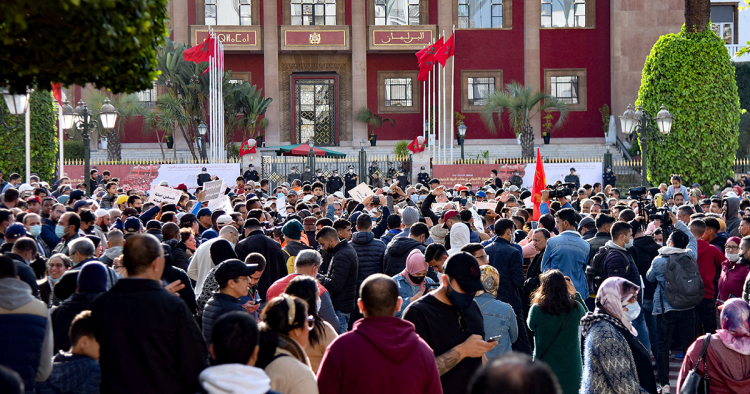
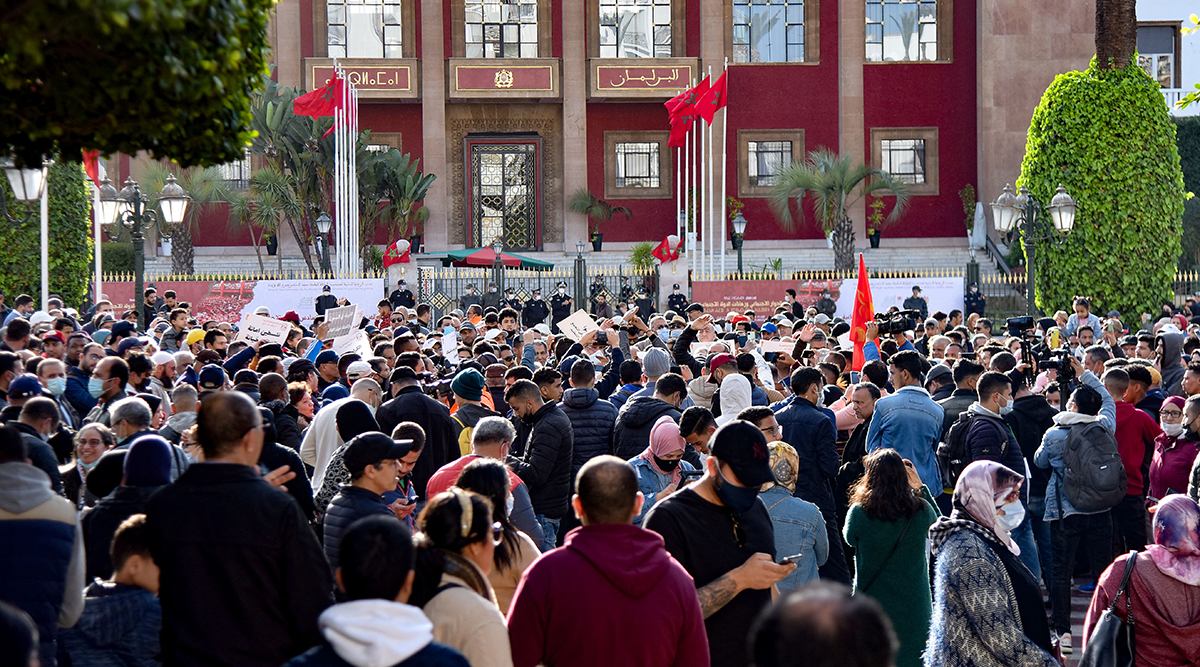
مثل الولايات المتحدة وأوروبا، شهد المغرب بدوره ارتفاعًا في معدلات التضخم مؤخرًا، مسجلة معدلا وصل 6.4 في المائة خلال يوليو 2022، وهو تضخم قادم من الخارج، يسمى ب”التضخم المستورد”. فبفضل سياسته النقدية المتينة، تمكن البلد من إبقاء التضخم عند الحد الأدنى في الماضي، لكن الوضع تغير الآن، كما أن السياسة النقدية المحلية غير قادرة على مواجهة العوامل الخارجية التي أدت إلى الارتفاع الأخير في الأسعار.
Like the U.S. and Europe, Morocco, too, has seen inflation rates rise recently. Morocco was able to keep inflation to a minimum over the past decade, but now things have changed and domestic monetary policy seems unable to address the external factors driving the recent rise.
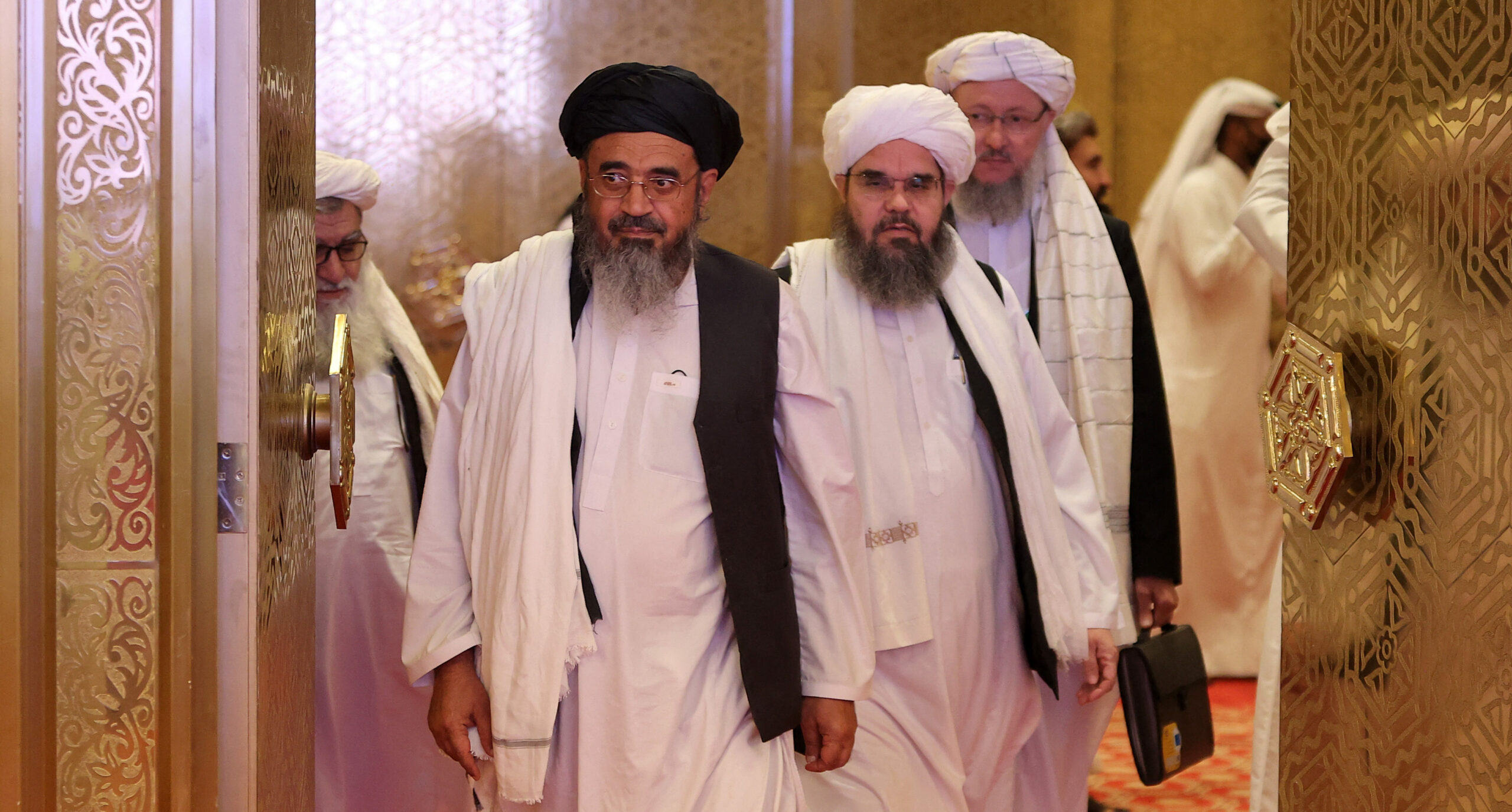
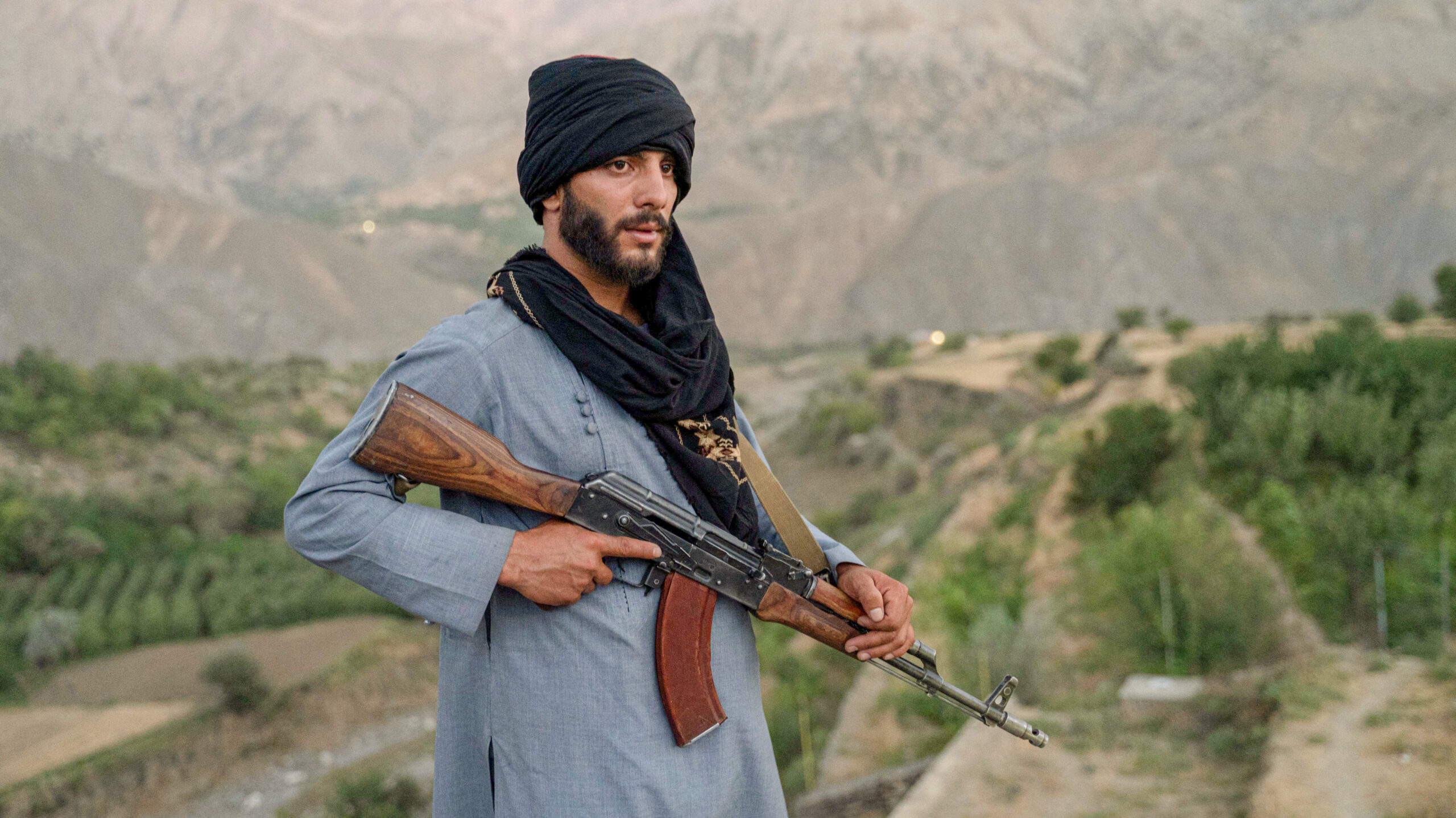
Why the Afghan peace process failed, and what could come next?
Multiple factors converged to derail the peace process prior to the U.S. withdrawal from Afghanistan. The lessons from this failure can inform policymakers on how to successfully pursue a new round of political peace talks involving the Taliban and all major segments of Afghan society.
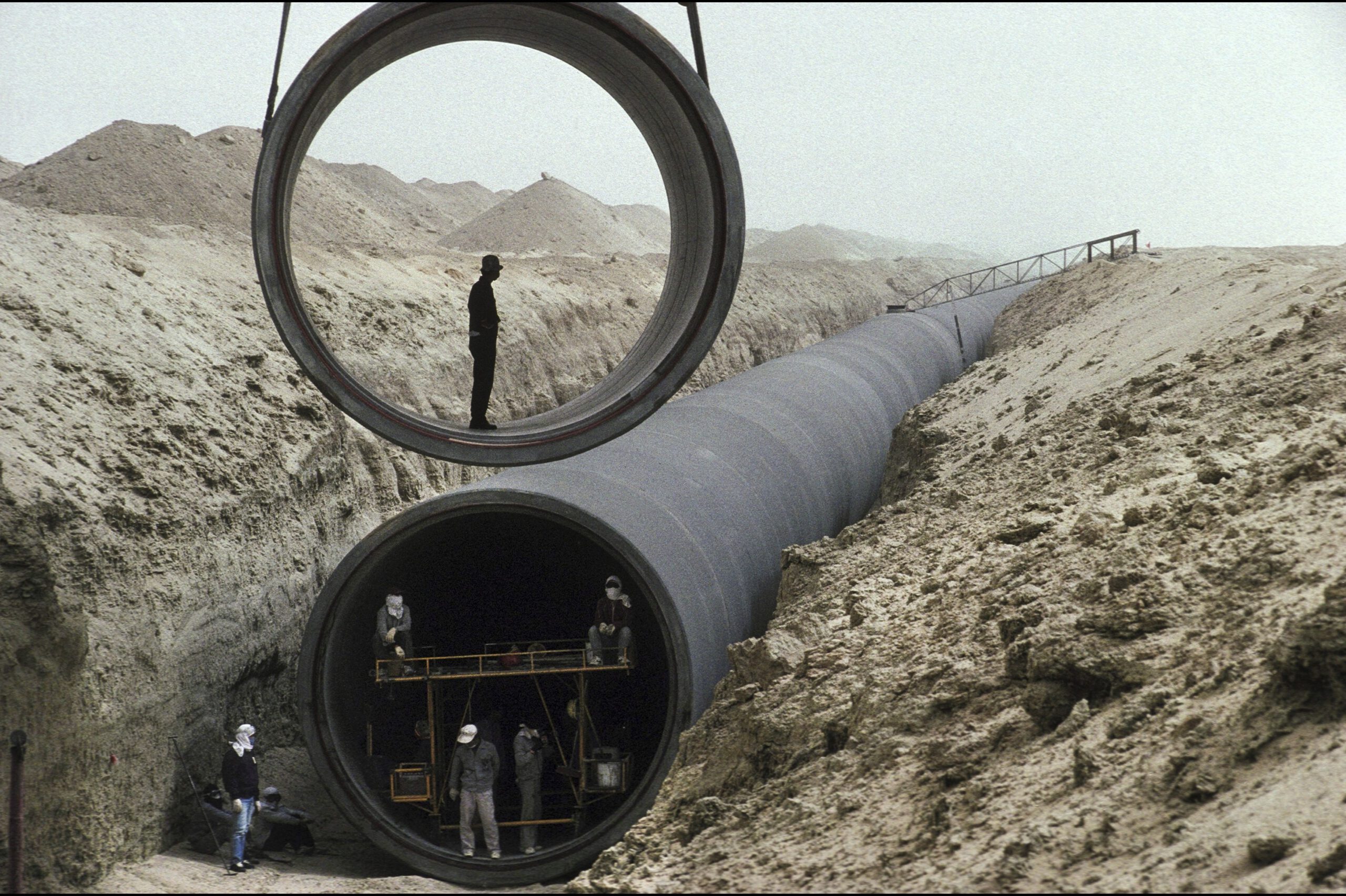
What’s next for Libya’s Great Man-Made River Project?
The Middle East and North Africa are well known for their severe water scarcity. The region’s lack of water resources is the result of many factors, including the harsh climate, intense heat, high evaporation rates, and increasing population growth. Libya is no exception in this regard. According to the World Resources Institute, it ranks 6th among the top countries worldwide facing “extremely high baseline” water stress.
On this week’s episode, host Alistair Taylor explores the ramifications of the CIA drone strike that killed al-Qaeda leader Ayman al-Zawahiri in Kabul, Afghanistan on July 31. Joining the program are three MEI experts — Mick Mulroy, Javid Ahmad, and Douglas London — who bring with them a variety of perspectives, from intelligence to diplomacy.
Afghanistan adrift one year after the Taliban takeover
Even prior to al-Qaeda leader Ayman al-Zawahiri’s death in a CIA drone strike on July 31, the last few months have mostly underscored the Taliban’s global isolation and the anguish of the Afghan people. A year on from the Taliban’s takeover of Kabul in August 2021, no foreign government has officially recognized the regime.
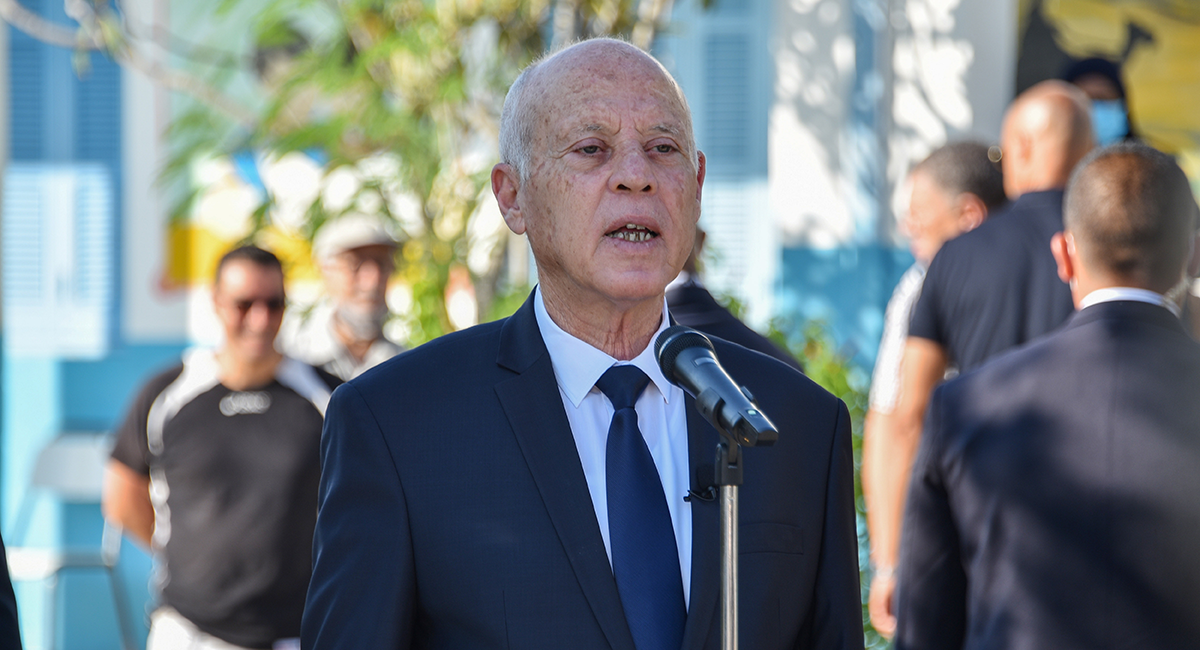
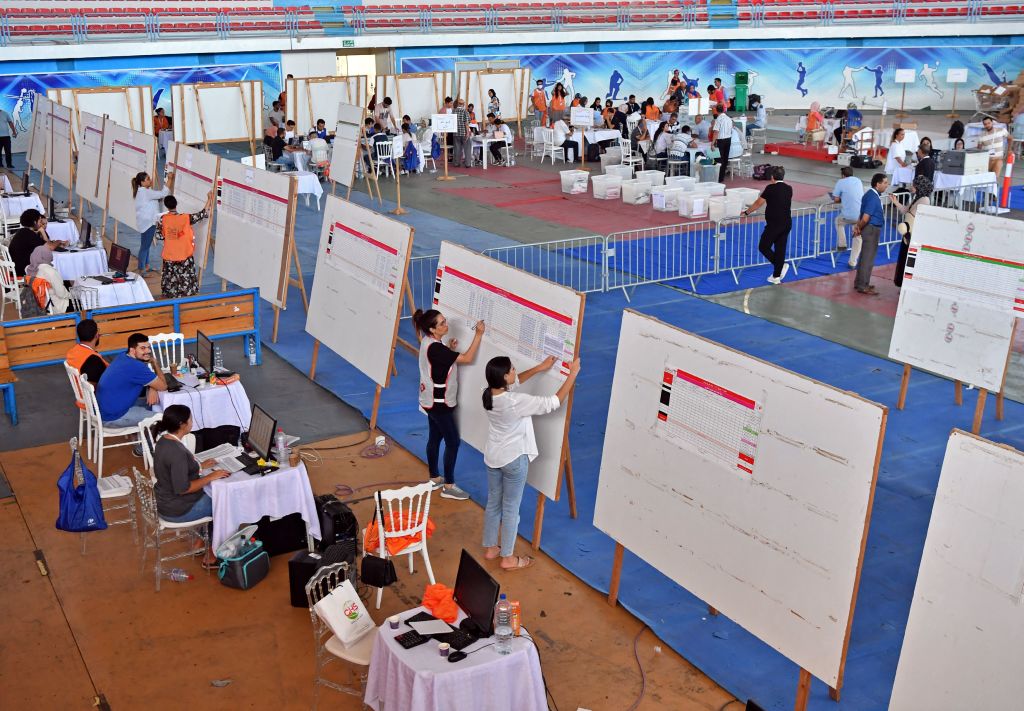
What's next for Tunisia after the constitutional referendum?
On July 25 Tunisians approved a new constitution that will give the president, Kais Saied, expansive new powers, centralizing control of the country while removing many of the existing checks and balances. According to figures from the state electoral body, an estimated 94% of those who voted in the national referendum approved the measure, although turnout, which officials put at 30.5%, was relatively light. Following on from the vote, here’s what can be expected moving forward.
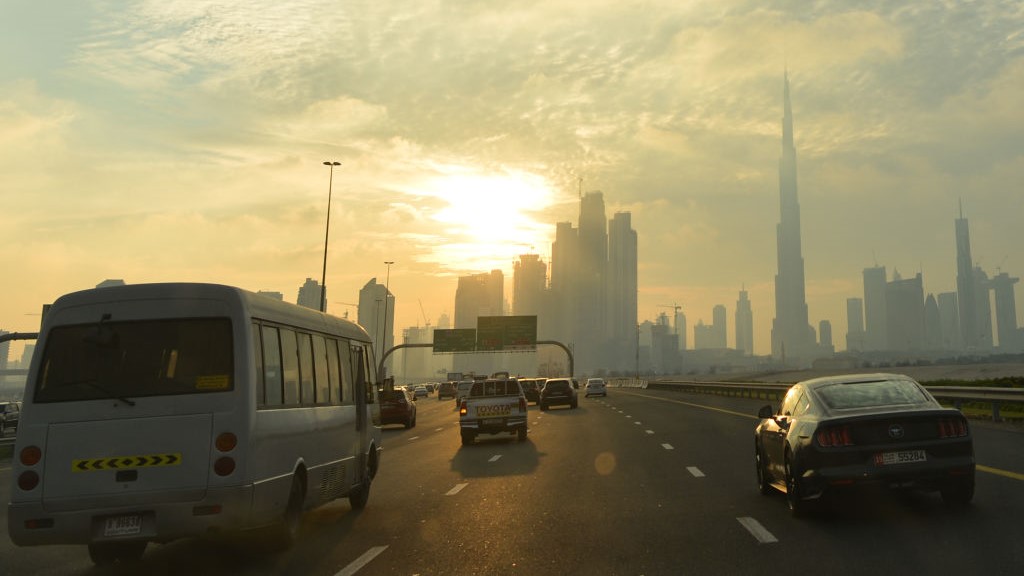
Urban pollution across the Middle East and Black Sea regions: Causes and mitigation measures
The latest IPCC reports clearly indicate that cities — responsible for up to 72% of global emissions — need to be redesigned to stand a chance against the climate crisis. The urban communities of the Middle East and Black Sea regions face some of the most difficult climate change effects. To properly address their challenges, a comprehensive analysis of drivers and strategies to follow is needed.
Intissar Fakir is joined by Marwa Haddar and Fadil Aliriza to discuss the economic issues Tunisia is facing, international financial institutions’ role in the crisis, and the government’s actions, or lack thereof, to help the country.