Skip to Content

Research & Commentary Results

Filter by
404 Results
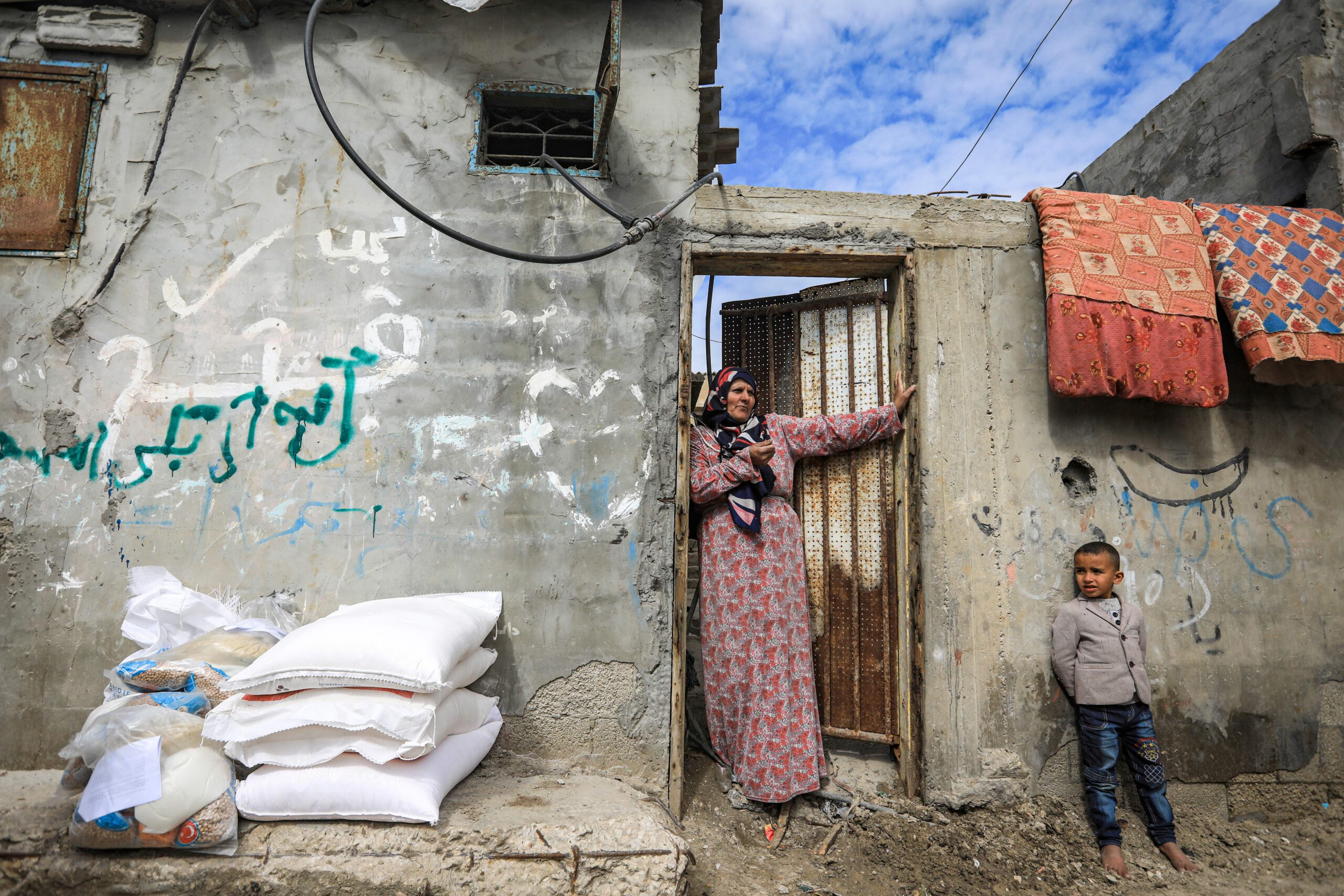
Economic desperation and dependence are driving the Palestinian Authority’s political decisions
Photo by Issam Rimawi/Anadolu Agency via Getty Images
  • Analysis
  • Economic desperation and dependence are driving the Palestinian Authority’s political decisions

    Faced with the Trump and Netanyahu governments’ persistent dismissal of the Palestinians and their rights, the PA has spent the better part of the last three years threatening to terminate all relations with Israel, and even to withdraw the Palestine Liberation Organization’s (PLO) recognition of Israel. The deteriorating situation culminated in Palestinian President Mahmoud Abbas’ May 2020 declaration that the Palestinian leadership was absolved “of all the agreements and understandings with the American and Israeli governments.” Notwithstanding previous similar warnings from Abbas in recent years, the announcement prompted speculation among Palestinian political parties, Palestinians at home and in the diaspora, scholars, activists, and journalists over the future of Palestinian politics in the post-Oslo era.

    December 2, 2020

    Biden could generate momentum for Israeli-Palestinian peace
  • Analysis
  • Biden could generate momentum for Israeli-Palestinian peace

    While the Israeli-Palestinian issue and renewal of negotiations is unlikely to feature prominently on his agenda anytime soon, Biden’s election generates renewed positive momentum.

    November 30, 2020

    Biden’s presidency cannot mean a return to the status quo for Palestinians
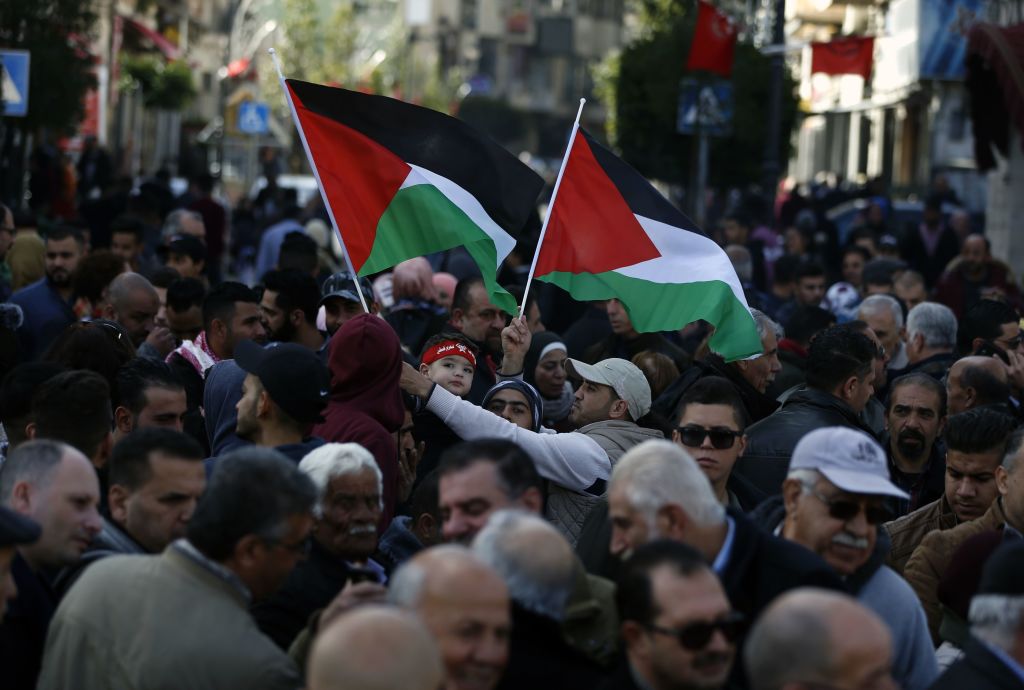
    Palestinians wave national flags as they march in the streets of the occupied West Bank city of Ramallah, calling for the cessation of divisions between Fatah and Hamas and the unification of the West Bank and Gaza Strip, on January 12, 2019.
  • Commentary
  • Biden’s presidency cannot mean a return to the status quo for Palestinians

    On Nov. 17 and 19, MEI’s Program on Palestine and Palestinian-Israeli Affairs convened a two-part series looking at the future of Palestinian politics and the Palestinian national movement. Below is a summary of Part 2, “Toward a Palestinian National Strategy,” which examined the efficacy of the Palestinian leadership’s current focus on a negotiated two-state settlement, as well as alternative visions and means of liberation, such as a one-state solution and the Boycott, Divestment, and Sanctions (BDS) movement.

    November 25, 2020

    Biden’s presidency indicates new opportunities for Palestinian politics
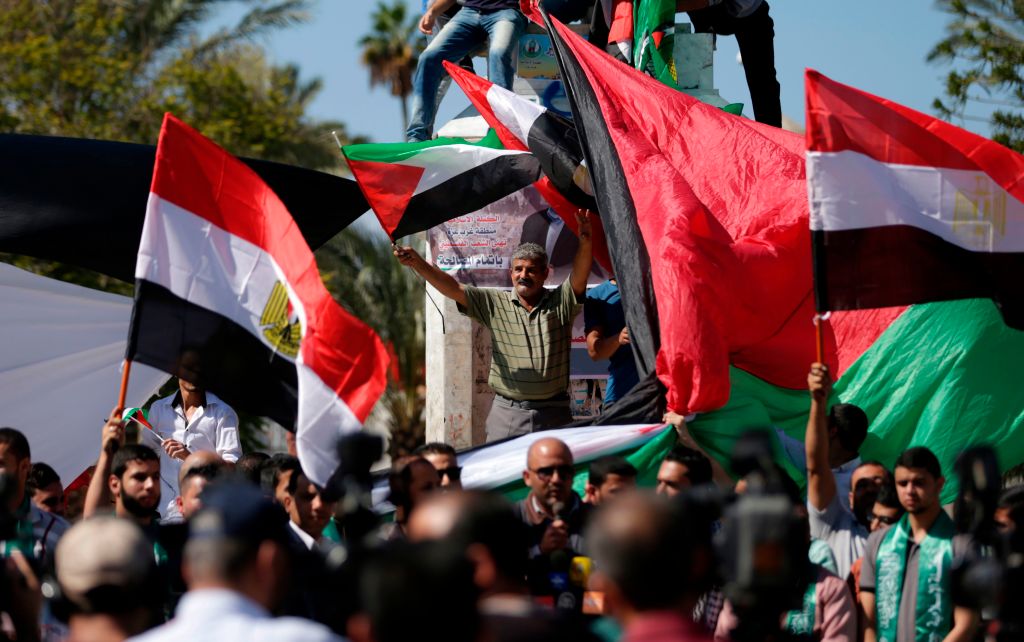
    A man waves a Palestinian flag while protesting.
  • Commentary
  • Biden’s presidency indicates new opportunities for Palestinian politics

    On Nov. 17 and 19, MEI’s Program on Palestine and Palestinian-Israeli Affairs convened a two-part series looking at the future of Palestinian politics and the Palestinian national movement. Below is a summary of Part 1, “Reviving Palestinian Political Life,” which focused on issues such as national reconciliation, elections, succession, the future of institutions like the Palestinian Authority (PA), and reform of the Palestine Liberation Organization (PLO).

    November 24, 2020

    Pompeo’s settlement visit caps a four-year effort to destroy the two-state solution
  • Commentary
  • Pompeo’s settlement visit caps a four-year effort to destroy the two-state solution

    Secretary of State Mike Pompeo made history this week by visiting two Israeli settlements, the Psagot winery located on the outskirts of Ramallah in the heart of the Israeli-occupied West Bank, and the City of David located in the Palestinian neighborhood of Silwan just outside Jerusalem’s Old City, the first ever such visits by a sitting American secretary of state. The visits were clearly aimed at legitimizing and normalizing Israel’s settlement enterprise, which is considered illegal under international law, in keeping with the administration’s approach of the last three years.

    November 20, 2020

    The Palestinian-Israeli conflict: Has the equation changed?
  • Analysis
  • The Palestinian-Israeli conflict: Has the equation changed?

    Throughout his term in office, the longest in Israeli history, Benjamin Netanyahu has sought to implement his expansionist vision regarding the Palestinian territories occupied in 1967. Netanyahu’s vision was explicitly articulated in the Nation-State Law, which declares that “the state views the development of Jewish settlement as a national value and will act to encourage and promote its establishment and consolidation.” The Israeli PM reiterated his stance at the most recent U.N. General Assembly meeting in a speech that described such Palestinian demands as the right of return for refugees, Israeli withdrawal from the occupied Palestinian Territories, and the evacuation of Israeli settlers from the West Bank as unrealistic.

    November 12, 2020

    In memoriam: Saeb Erakat
    Photo by AHMAD GHARABLI/AFP via Getty Images
  • Commentary
  • In memoriam: Saeb Erakat

    The passing of Palestinian chief negotiator Saeb Erakat is a tremendous loss, not only for his family but for the Palestinian people and all those who knew and worked with him as well. He was a tireless advocate for his people who dedicated his life to the goal of Palestinian freedom and the dream of Israeli-Palestinian peace.

    November 10, 2020

    Forget the US elections, the Palestinians need to choose their own way forward
    MAHMUD HAMS/AFP via Getty Images
  • Analysis
  • Forget the US elections, the Palestinians need to choose their own way forward

    Since Fatah and Hamas reached a reconciliation agreement in September, Palestinian scholars, activists, and journalists have speculated over when, how, and if this latest reconciliation might actually go forward. Many observers, both inside and outside of Palestine, view the move as a response to the recent rapprochement of Arab countries with Israel, as well as to uncertainty over this week’s U.S. presidential elections.

    November 3, 2020

    Left to fend for themselves, Israel’s Bedouin are struggling with COVID-19
    A picture of a Bedouin village in Israel.
  • Analysis
  • Left to fend for themselves, Israel’s Bedouin are struggling with COVID-19

    The COVID-19 pandemic is impacting all communities in Israel, but it has hit some of them much harder than others. The plight of the Haredim (ultra-Orthodox Jews) has been widely publicized, but the Bedouin of the Negev Desert are also being devastated by the pandemic and no one seems to care.

    October 29, 2020

    Farcical treaties
    Photo by Alex Wong/Getty Images
  • Analysis
  • Farcical treaties

    Are the treaties with the UAE and Bahrain in any way comparable to previous genuine milestones, like the agreements with Egypt and Jordan? Can we realistically see them as helping to lead the way to a brighter future, at least as far as Israel’s conflicts with its neighbors are concerned? The answer is almost certainly “not really.”

    October 6, 2020

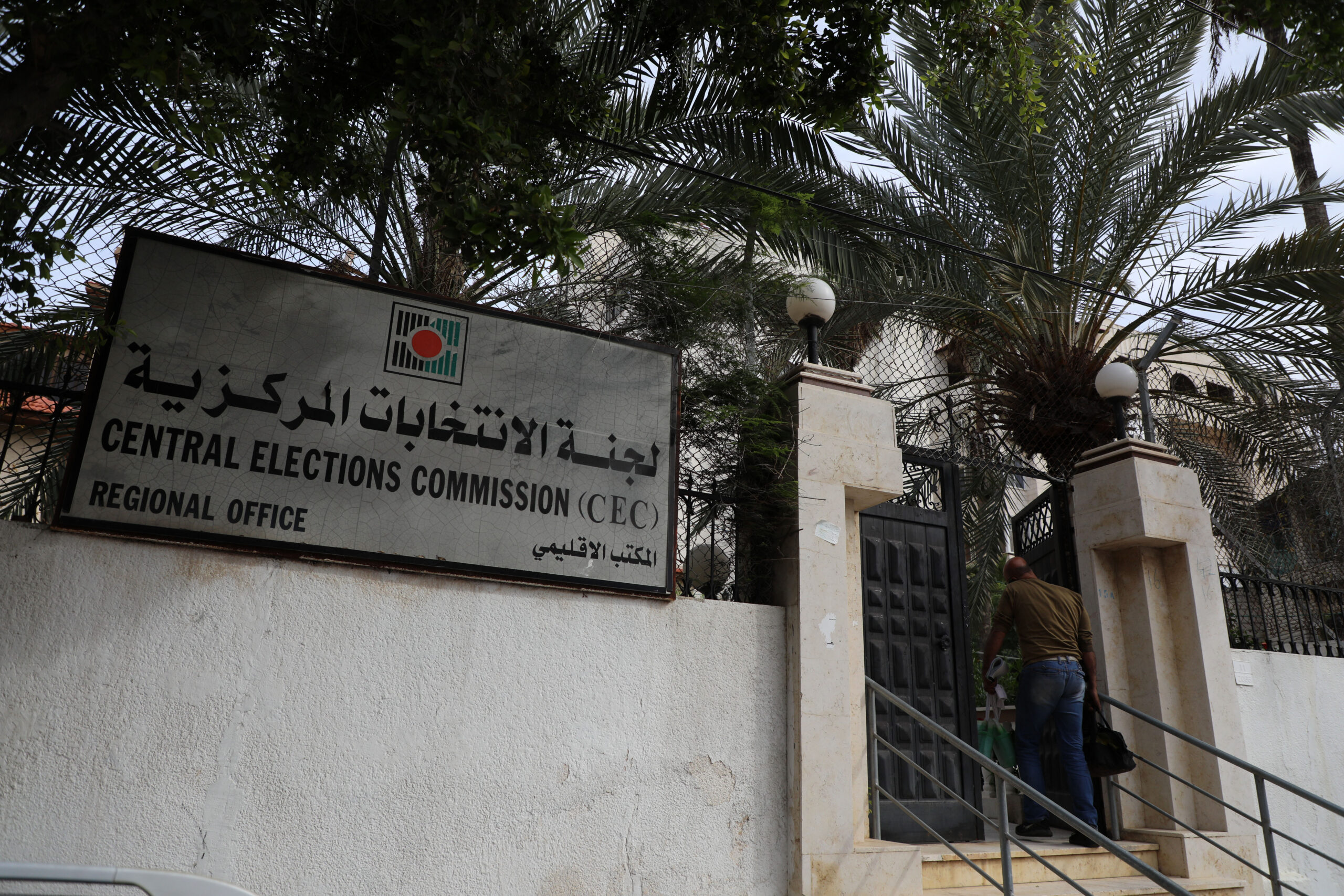
    How Palestinians agreed on elections
    Mahmoud Abbas, President of the Palestinian Authority
  • Analysis
  • How Palestinians agreed on elections

    Fourteen years after the Palestinian pro-Islamist group Hamas won a majority of seats in the Palestinian Legislative Council (PLC) in 2006, Palestinians may finally be returning to elections as a mechanism to resolve their differences and to present a unified legitimate national leadership. In a sign of progress toward reconciliation, Palestinian leaders met in person and over teleconference on September 3 and vowed to address threats to the Palestinian national movement. Most recently, President Abbas, addressing the U.N. General Assembly on September 25, declared that presidential elections would take place soon.The question now will be whether a unified Palestinian policy, means of accomplishing it, and a new leadership can be born in the coming six months.

    October 1, 2020

    The benefits and challenges of UAE-Israel normalization
    Photo by JACK GUEZ/AFP via Getty Images
  • Analysis
  • The benefits and challenges of UAE-Israel normalization

    Israel and the United Arab Emirates (UAE) have initiated a process that, if it comes to fruition, will bring about the normalization of relations between the two countries. The broader geostrategic challenges that the agreement could pose for Israel and the UAE have not been part of the public discourse, however, and any balanced treatment requires a discussion of those aspects as well.

    Is the Israel-UAE agreement a game changer for Israel?
    Photo by Alex Wong/Getty Images
  • Analysis
  • Is the Israel-UAE agreement a game changer for Israel?

    In an Aug. 13 tweet, U.S. President Donald Trump celebrated the Israeli-Emirati accord to normalize relations as a “HUGE breakthrough.” Israel’s integration into the region has been a goal of U.S. and Israeli foreign policy for decades, and the mid-August announcement was the first major official step in that direction in over 25 years. But is this really a game changer for Israel’s strategy in the Middle East?

    Trump and the UAE give Abbas a new lease on political life
  • Analysis
  • Trump and the UAE give Abbas a new lease on political life

    A March 2018 poll by the Palestinian Center for Policy and Survey Research showed that satisfaction with the performance of President Mahmoud Abbas stood at 33 percent; 68 percent of the public wanted him to resign; and had elections been called, he would most likely have lost his presidency to a rival from Hamas.Nearly two and a half years later, however, and Abbas’s political fortunes have been restored, thanks in large part to the Trump administration and the United Arab Emirates

    September 10, 2020