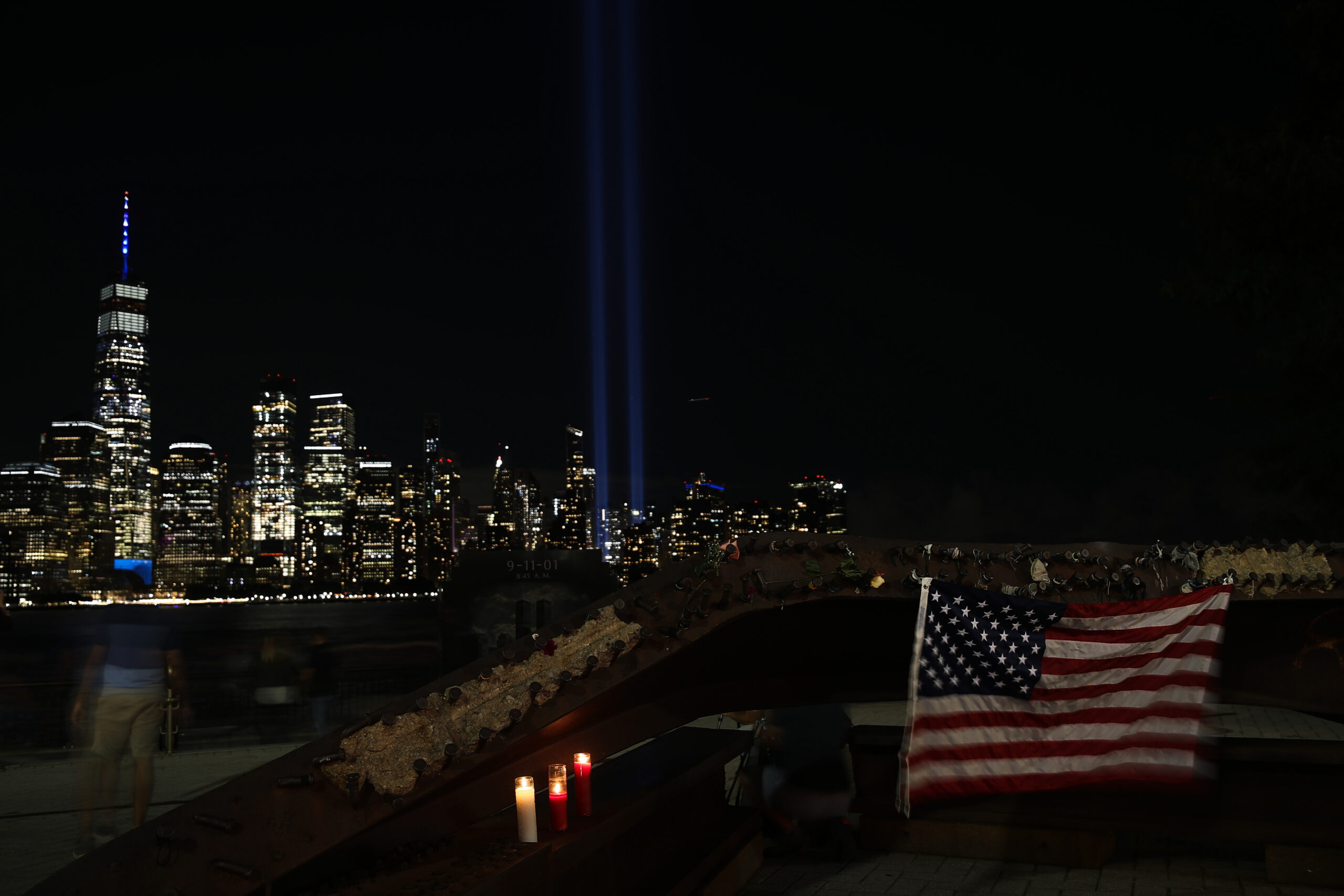
Twenty years ago, on September 11, 2001, al-Qaeda attacked New York and Washington, killing nearly 3,000 people. The terrorist attacks and their aftermath transformed U.S. policy, giving rise to the war on terror and the military intervention in Afghanistan. On the 20th anniversary of 9/11, scholars and Advisory Council members of MEI’s Countering Terrorism and Extremism Program offer their reflections.
Russia and the digital Middle East: An old game made new?
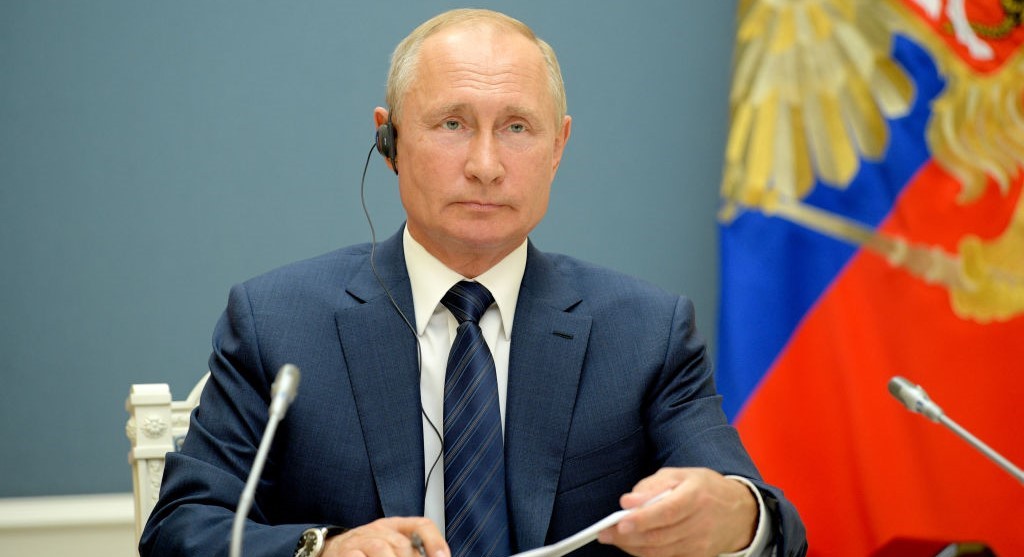
For over a decade, Russia’s immediate neighborhood has been subject to the vagaries of the Kremlin’s cyber operations. Russia has effectively used cyberspace to advance its adversarial goals, be it through combining cyberattacks with military action during its war with Georgia, or targeting essential power grids in Ukraine. Advancing its cyber capabilities has enabled Russia to reassert its status as a superpower and hit targets anywhere in the world. In recent years, as the use of social media grew, the information war in cyberspace became the Kremlin’s primary tool for discrediting its perceived archenemy: “The West.” The Middle East, with its increasing dependence on social media for news, has also fallen prey to Moscow’s disinformation campaigns. Russia’s main disinformation narratives in the region stem from its Soviet-inherited superpower complex and its broader strategic imperatives on the international stage.
Elisabeth Kendall and Nadwa al-Dawsari join Charles Lister to discuss Al-Qaeda in the Arabian Peninsula (AQAP) and its place in Yemen’s persistent internal conflict.
After Afghanistan: What’s next for Pakistan and the US?
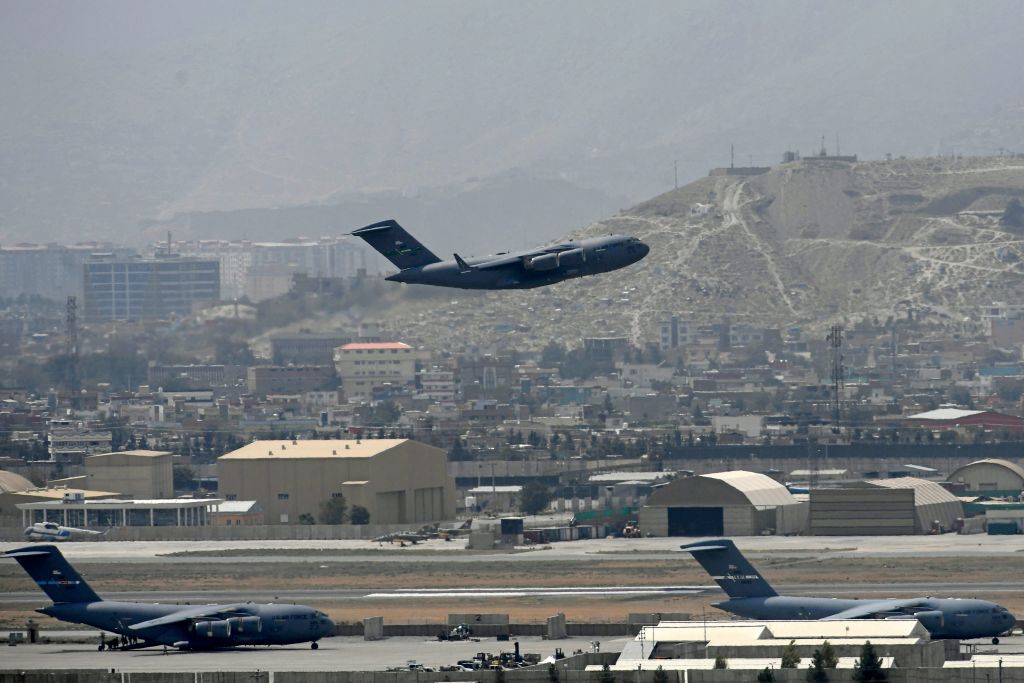
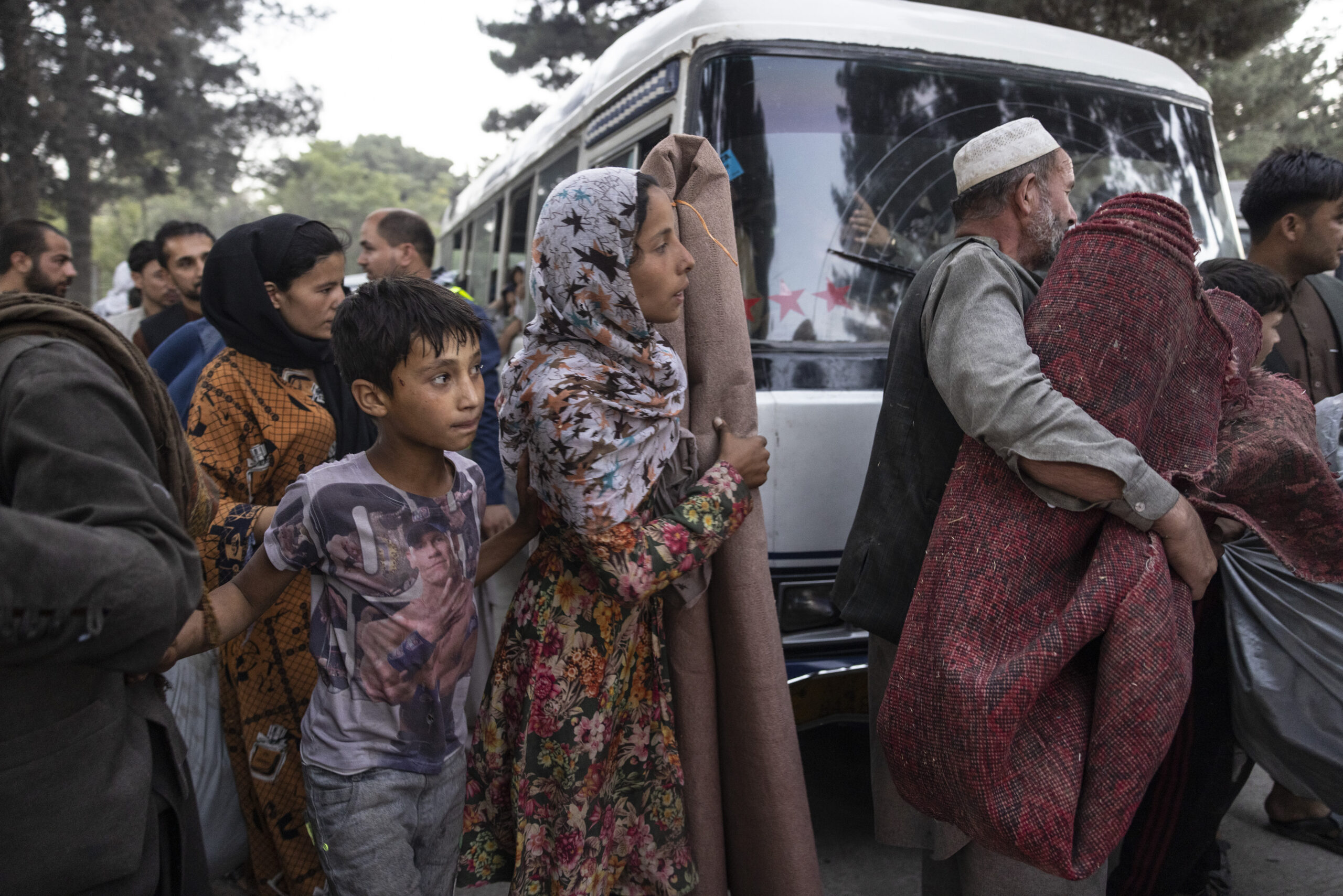
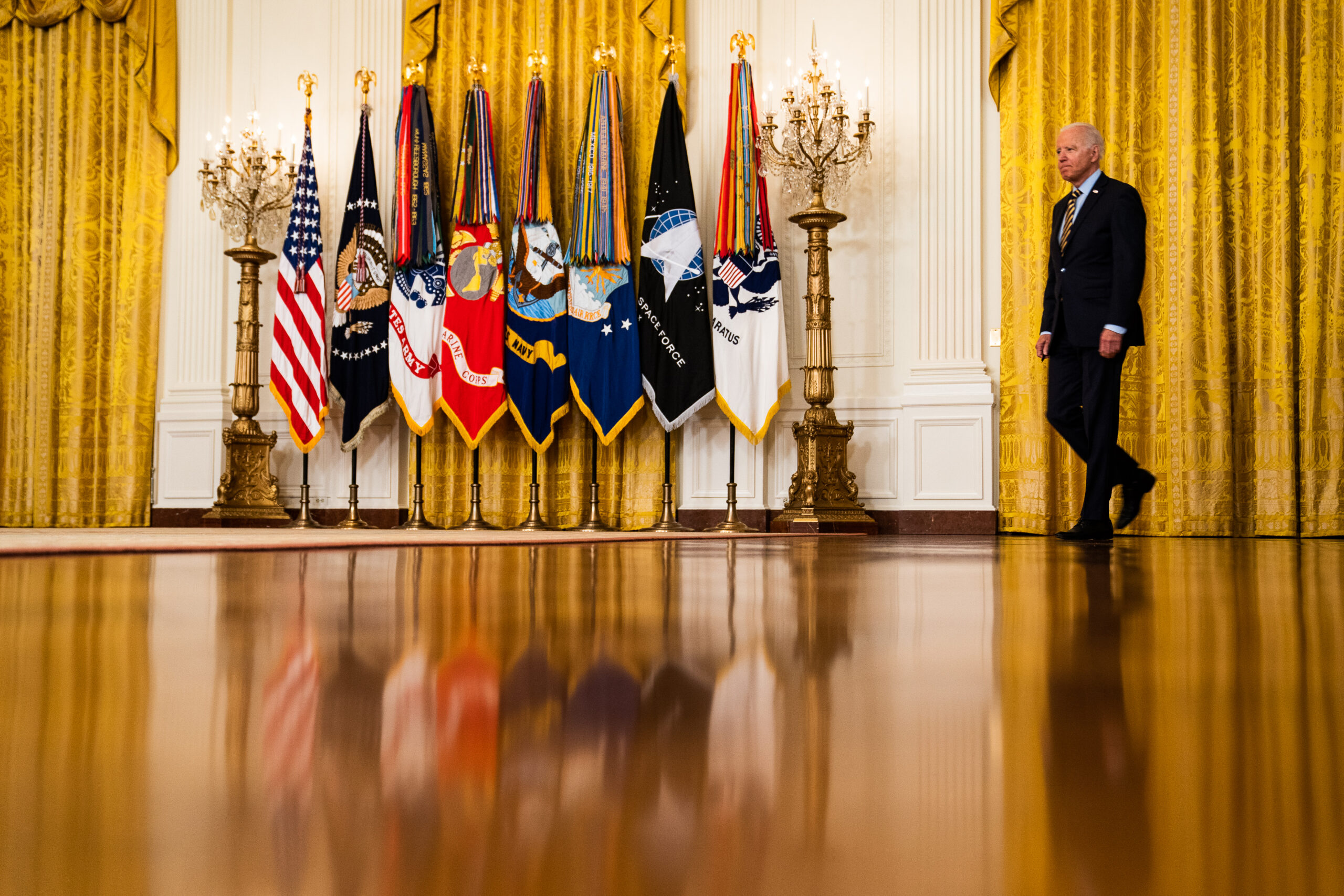
The evacuation crisis precipitated by the Taliban’s swift takeover of Afghanistan following the rapid withdrawal of American troops may further widen the divide between Pakistan and the United States. The Aug. 26 terror attack at Kabul airport claimed by Islamic State-Khorasan Province (ISKP), ISIS’s local affiliate, is a clear manifestation of Washington’s epic defeat in the two-decade-long “war on terror” and a sign that President Joe Biden is losing his grip on the Afghan narrative.
Islamic State Under-Reporting in Central Syria: Misdirection, Misinformation, or Miscommunication?
The central media apparatus of the Islamic State group is mis-reporting on the activities of its cells in central Syria. Rather than exaggerating their capabilities, something that it is conventionally assumed to be doing all the time, its Central Media Diwan appears either to be deliberately under-playing them, or, less likely, to be unaware of their full extent, possibly due to communication issues.
The CIA Is Better Than the U.S. Military at Creating Foreign Armies
The failure of the Afghan army is a reminder that Pentagon-led security cooperation programs are more expensive and less effective than those led by spies.
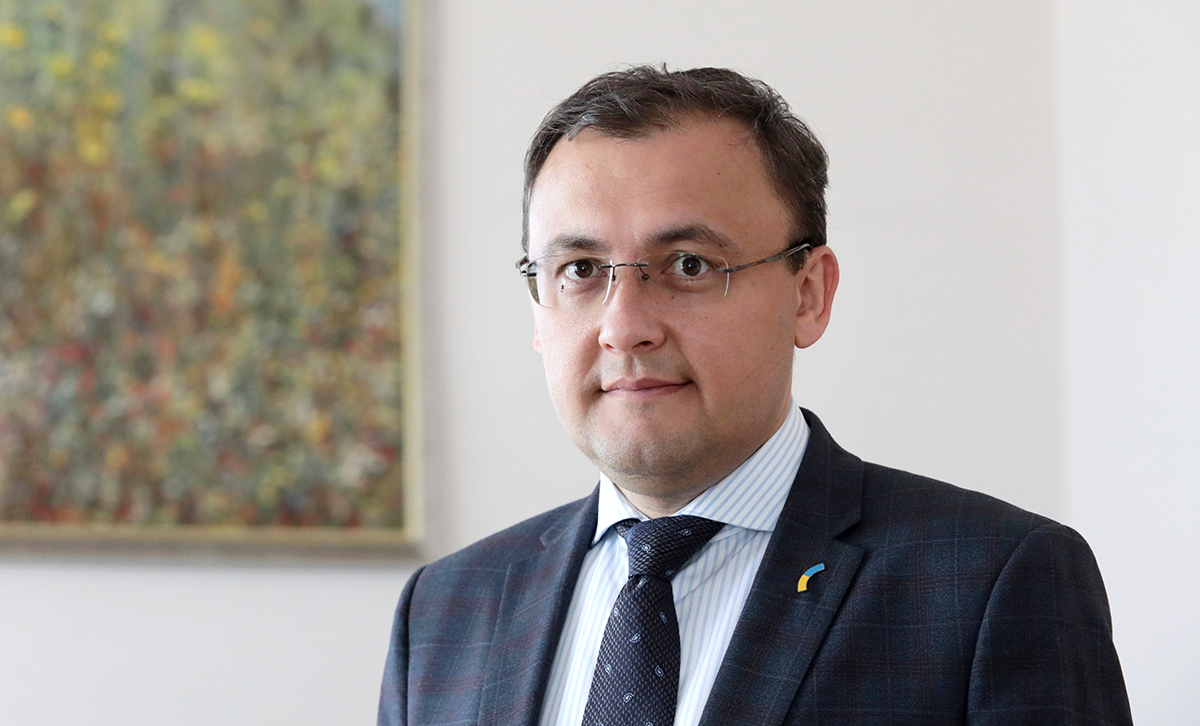
“Our greatest value is our experience”: An interview with Ukrainian Deputy Foreign Minister Vasyl Bodnar
According to Deputy Foreign Minister Vasyl Bodnar, Ukraine has completed the necessary reforms for NATO membership and does not rule out integration without the territories illegally annexed by the Russian Federation. Bodnar also explains why Ukraine’s Euro-Atlantic integration process is so difficult in comparison to that of the Baltic countries, which have had accelerated Western integration. This interview has been edited for length and clarity.
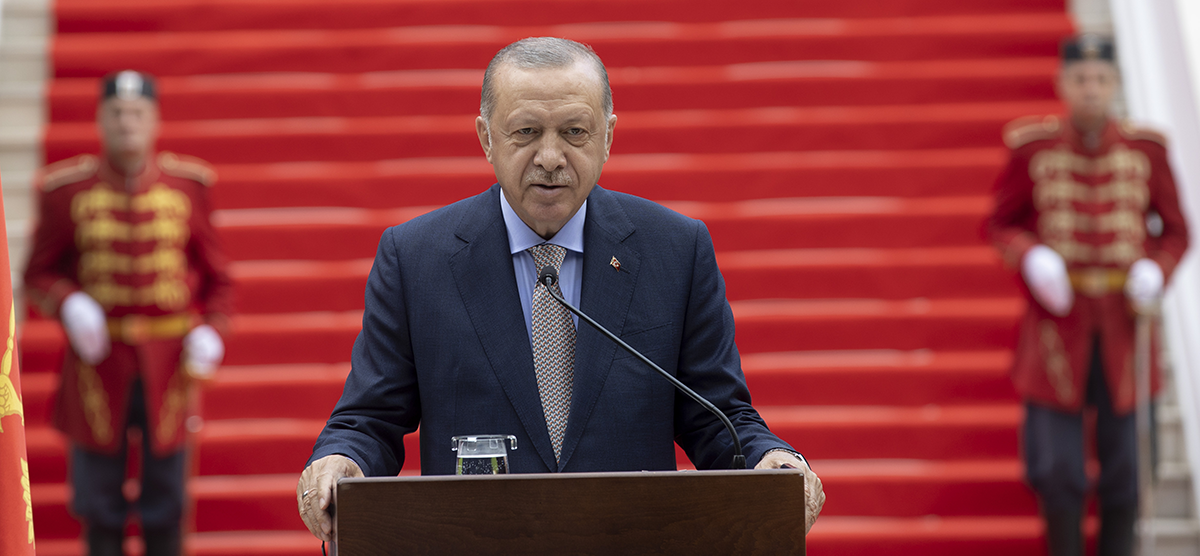
Just before visiting Turkish-occupied Northern Cyprus in late July, Turkish President Recep Tayyip Erdoğan gave Serbia an unpleasant surprise. He announced that Turkey would lobby to increase the number of countries that recognized independent Kosovo. Erdoğan stated on July 19, “Now 114 countries recognize Kosovo, and we want that number to increase. We hope that this year at the United Nations General Assembly, at the meeting I will have with [U.S. President Joe] Biden, we will discuss this topic again, that we will work together on the recognition of Kosovo.”
Building a Closer Black Sea: Promoting Trade and Economic Interdependence
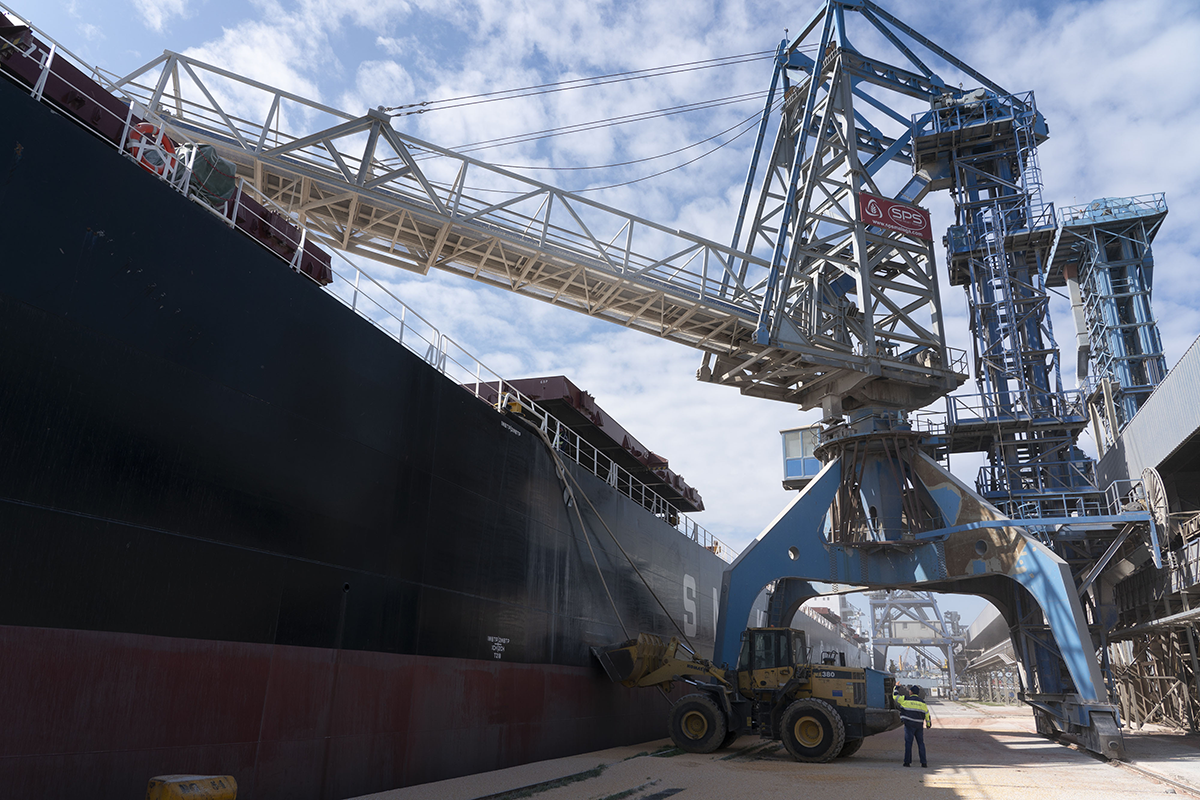
While the Black Sea has historically been an area of significant geostrategic importance, this has not made it a vibrant zone of commerce, transport, energy, tourism, or cultural exchange. Rather, it has become a theater of struggle for dominance and competing geopolitical and geo-economic interests. This situation has been exacerbated by conflict between Russia and countries in the region, like Ukraine and Georgia, that have sought closer ties with the West and aspire to NATO membership and EU integration. These developments have dire consequences for regional security and stability, disrupting political and economic ties in the area and beyond. A long-term solution to the region’s security issues could be based on intensifying trade relations and increasing economic interdependence between the states. This paper identifies major barriers to closer regional trade and economic cooperation and outlines ways to overcome them.
Afghanistan: The US decides, but will Europe pay the bill?
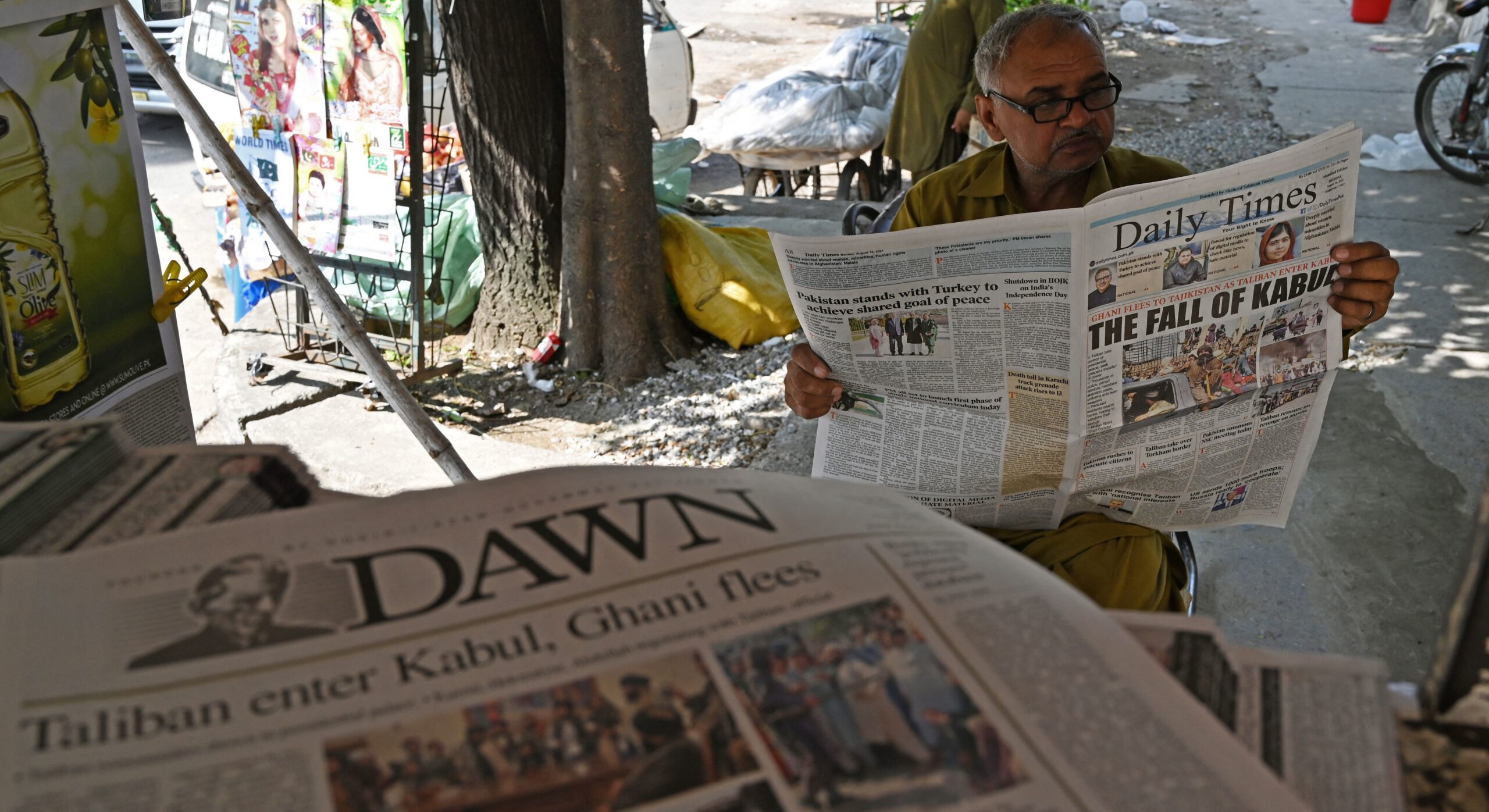
That the Taliban ended up taking over Afghanistan was not surprising, given the details of the agreement between the U.S. administration and the group’s leadership that have been known for many months. What was surprising for the international community, however, was the speed and manner of their takeover. The Taliban offensive and its consequences came as a particular shock to the institutions of the European Union (EU) and the member states that took part in the International Security Assistance Force (ISAF) mission and various aid programs in the country. When it comes to assessing the consequences of the Taliban’s takeover, there is no doubt that, first and foremost, it is the Afghan people that are most badly affected. Among the members of the international community, it is the Americans that have suffered the greatest reputational and financial losses so far, but from here on out the EU may well be the party that will face the greatest consequences.
Al Qaeda and lessons from the past 20 years of counterterrorism
Peter Bergen and Colin Clarke join guest host Charles Lister to discuss Bergen’s new book, The Rise and Fall of Osama Bin Laden, as well as the Biden administration’s handling of the US withdrawal from Afghanistan and concerns about the country once again becoming a safe haven for Al Qaeda under the Taliban.
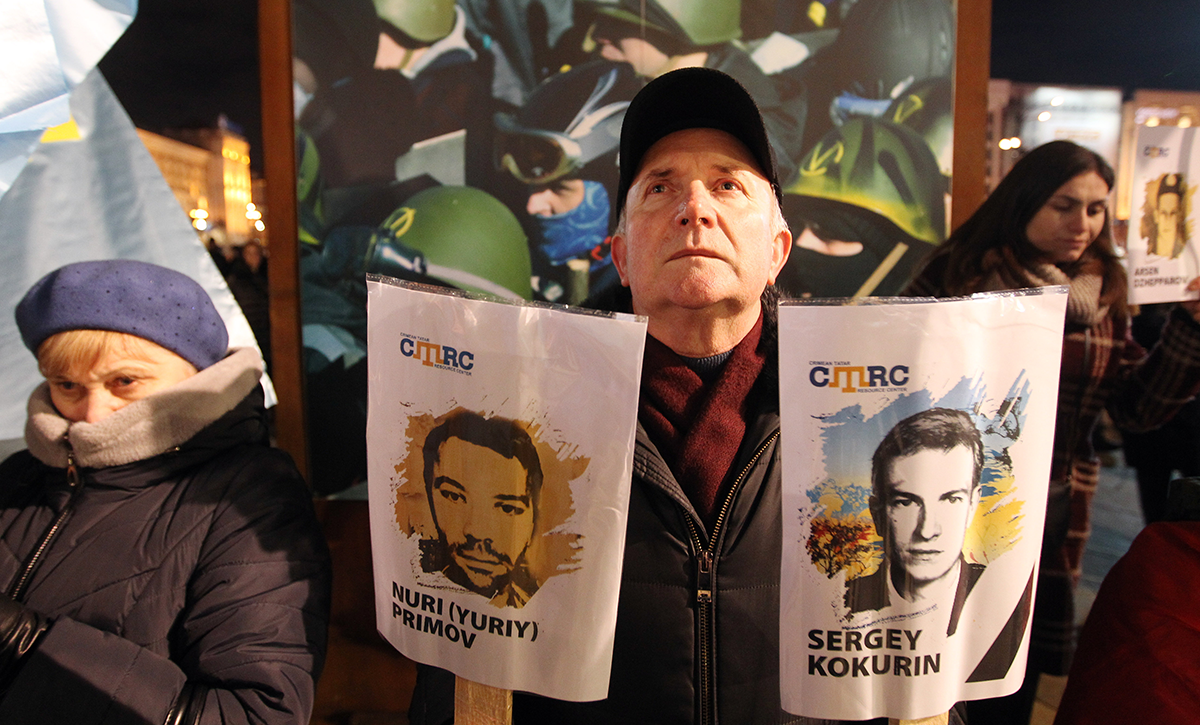
Human rights consequences of Russian occupation: Georgia and Ukraine
Despite their unique characteristics and contexts, the Russian occupation of two regions in Georgia and its annexation of Crimea in Ukraine share a variety of similarities when it comes to the human rights situation on the ground.