MEI experts Robert S. Ford, Fatima Abo Alasrar, and Emad Badi join host Alistair Taylor to survey what lies ahead for the Middle East in 2020, with particular attention to Iran, Syria, Yemen, Libya, Iraq and Algeria.
US policy in Afghanistan: Smoke and mirrors, but not yet hopeless
18 years after CIA and U.S. special operations elements touched down in Afghanistan to pursue al-Qaeda and topple the Taliban, ongoing, incremental troop reductions reveal the smoke and mirrors manner in which the U.S. is withdrawing from the conflict in lieu of a negotiated settlement.
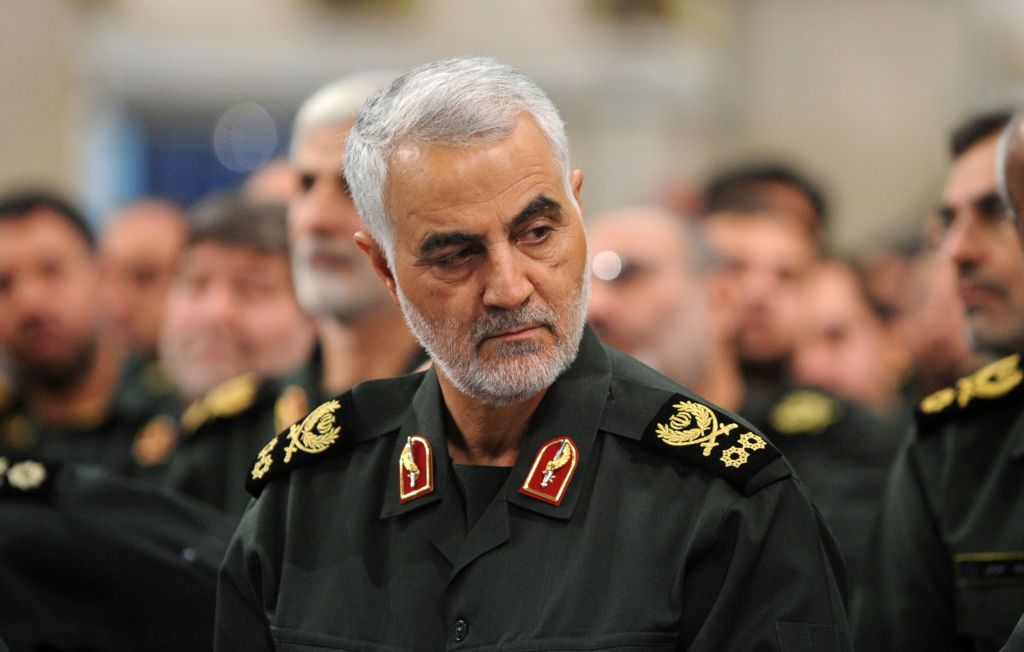
President Donald Trump’s decision to eliminate Iranian Gen. Qassem Soleimani, the head of the Islamic Revolutionary Guard Corps – Quds Force, might have caught his European partners by surprise, but it shouldn’t have. Key European decision makers have had enough time to learn and understand that the U.S. president makes unilateral decisions, paying no attention to their views or national interests. Throughout the ongoing crisis, Trump has called on European allies to sacrifice the Joint Comprehensive Plan of Action (JCPOA), as the Iran nuclear deal is officially known, and exert more diplomatic and economic pressure on Tehran — a call no one wants to heed. It is irrelevant which side is right; lack of transatlantic solidarity is a disservice to both American and European interests in the Middle East.
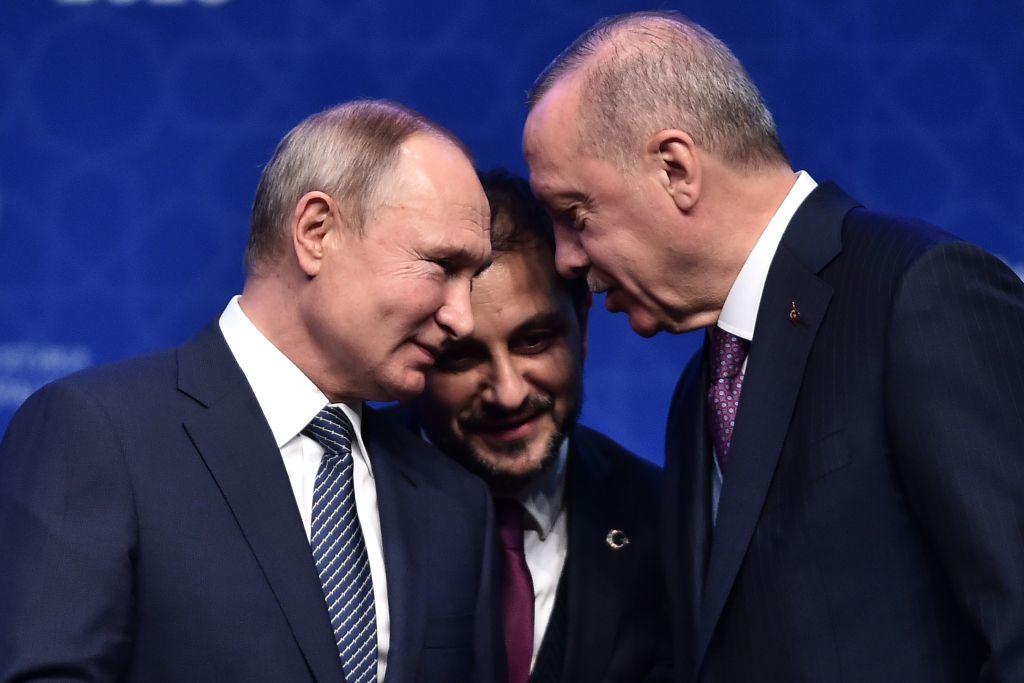
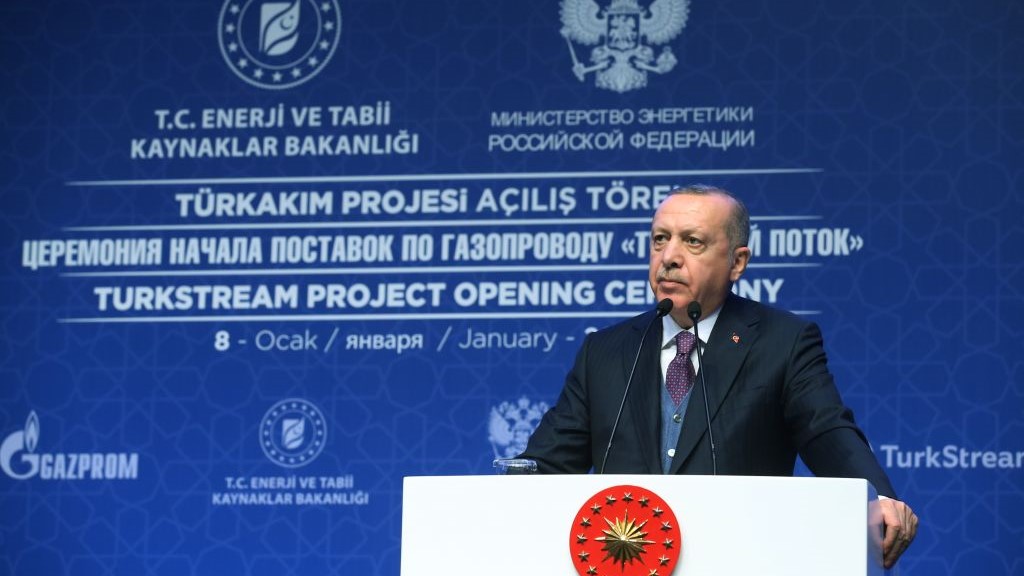
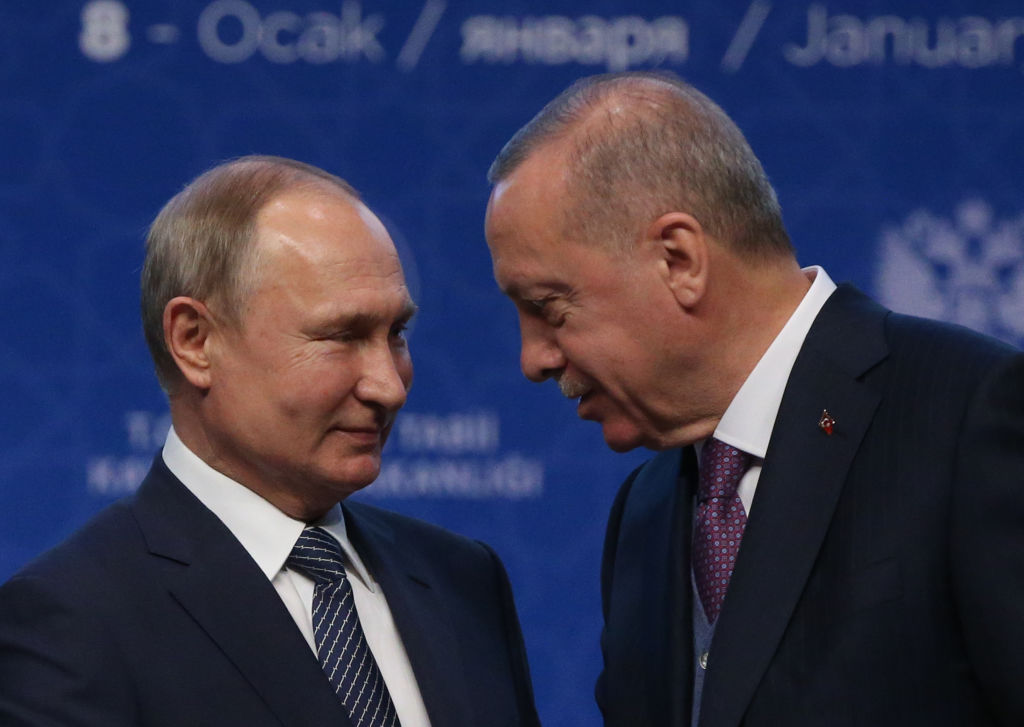
On Jan. 8, Turkey inaugurated the TurkStream natural gas pipeline from Russia, seemingly deepening Ankara’s ties with Moscow. However, a fuller analysis of Turkey’s current energy policies and consumption trends indicate a dramatic shift westward, away from Russia and Iran.
China’s Green Investment in the BRI Countries: The Case of Turkey
China is engaged in the use, production, and export of green technologies. As a part of this policy, China is extending its commitment to green technologies to its Belt and Road (BRI) partners. This article looks at China’s role in Turkey’s green transformation.
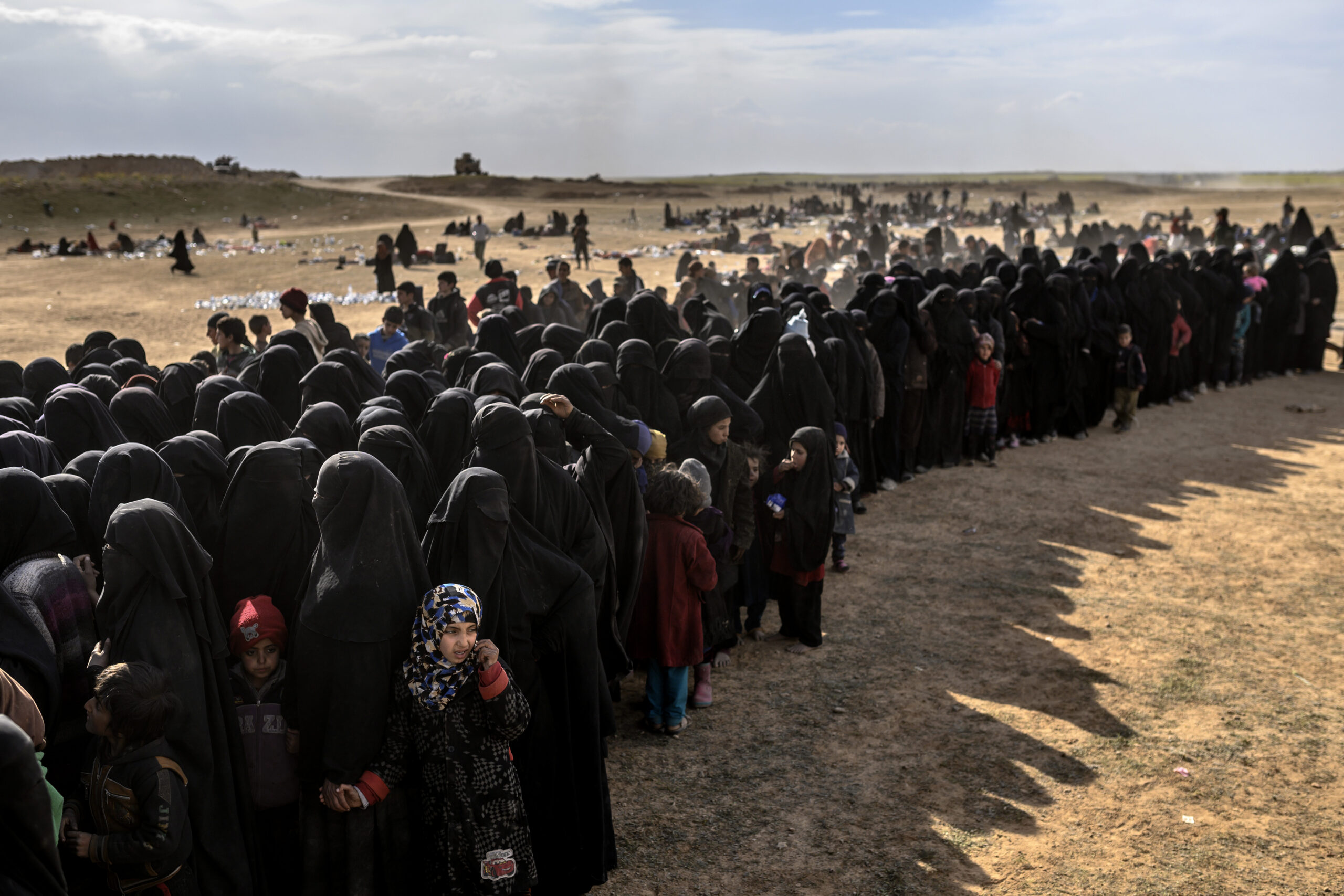
The Humanitarian Disaster During the Battle for Baghouz
It is unclear how many civilians were killed in February and March 2019, when the U.S.-led coalition and the Syrian Democratic Forces (SDF) pounded ISIS’s last enclave around the town of Baghouz. Presumably, the numbers reached into the thousands. Those who escaped found themselves in the desert, hundreds of kilometers away from lifesaving aid. The reasons for the failure of the humanitarian response were mainly political.
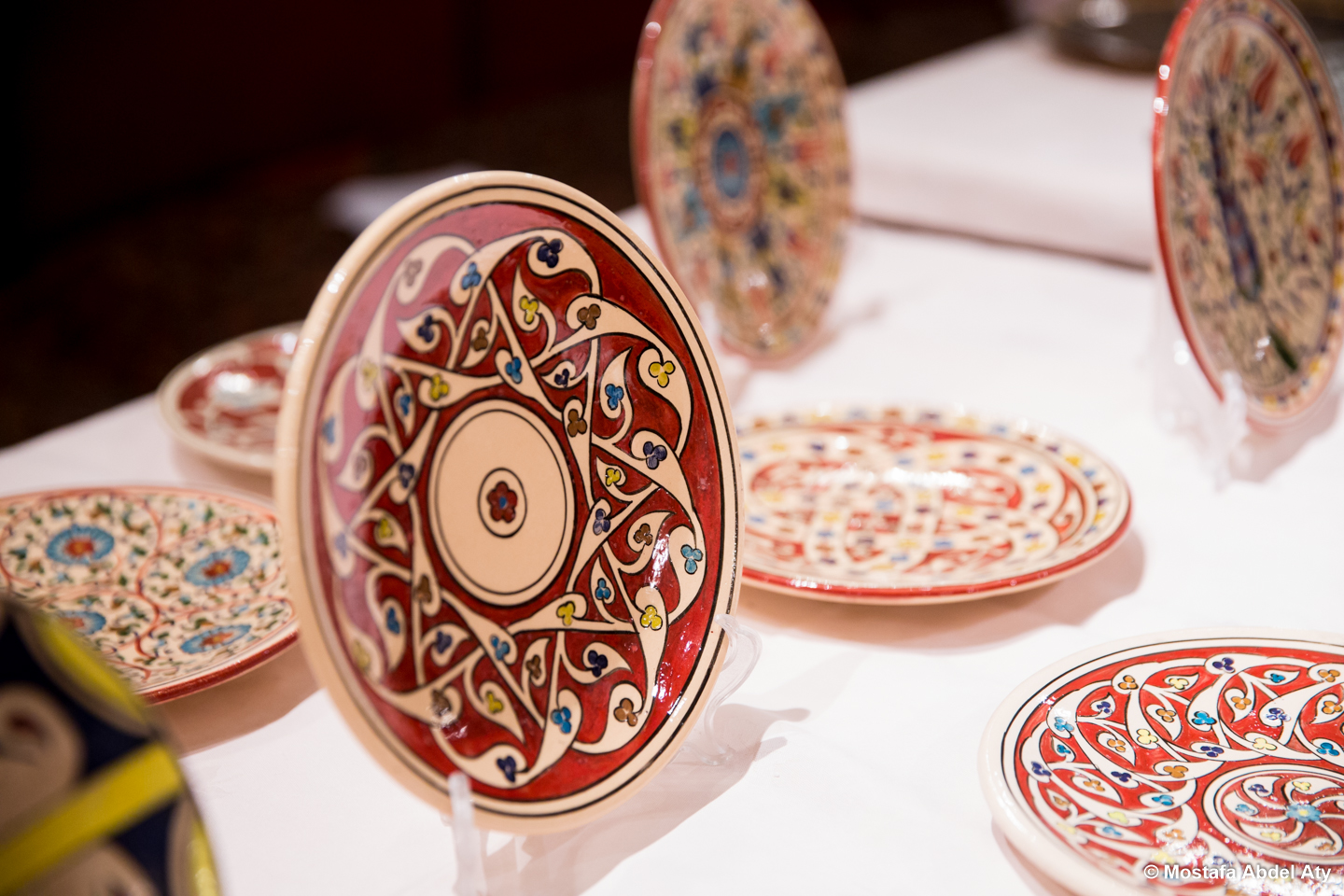
Safeguarding and celebrating Egypt’s traditional crafts
Accomplished craftspeople are a dying breed in Cairo, but Jameel House of Traditional Arts and Atelier Cairo are working to change that by training a new generation of artisans in traditional media like ceramics, wood, brass, glass, and gypsum work (stucco), helping to replenish the stock of skilled Egyptian craftspeople and keeping rare and beautiful art forms alive.
The killing of Qassem Soleimani: Was there a better way?
In the early hours of Jan. 3, 2020, a U.S. Military MQ-9 drone fired multiple air-to-ground missiles and killed the commander of the elite Iranian Islamic Revolutionary Guard Corps (IRGC) – Quds Force, Major General Qassem Soleimani. The targeted killing of Soleimani was carried out as he left the Baghdad International Airport under overt military authorities. Given that the strike was carried out under this authority, it was publicized globally shortly after it was completed. There were other options available to target Soleimani, however.
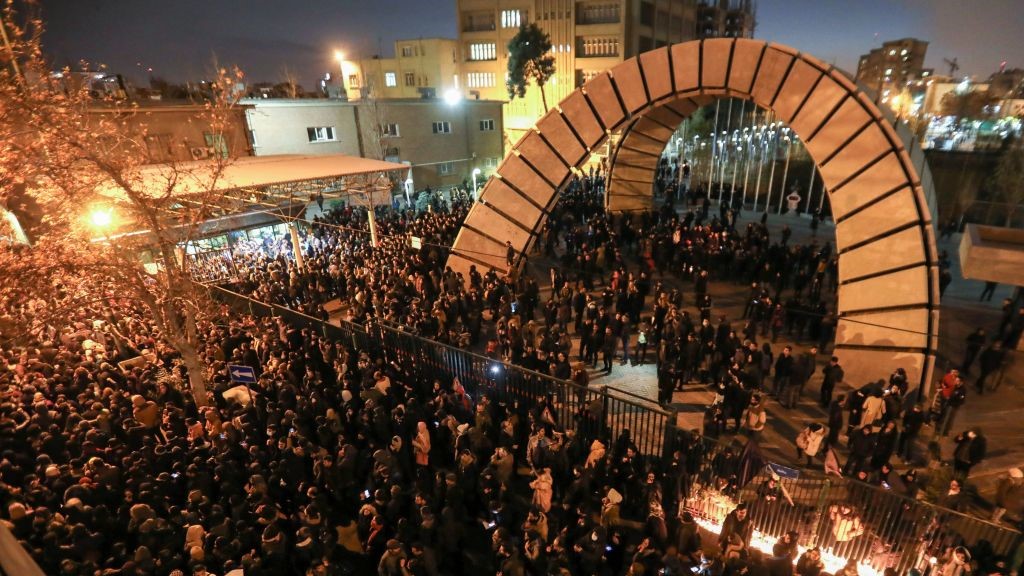
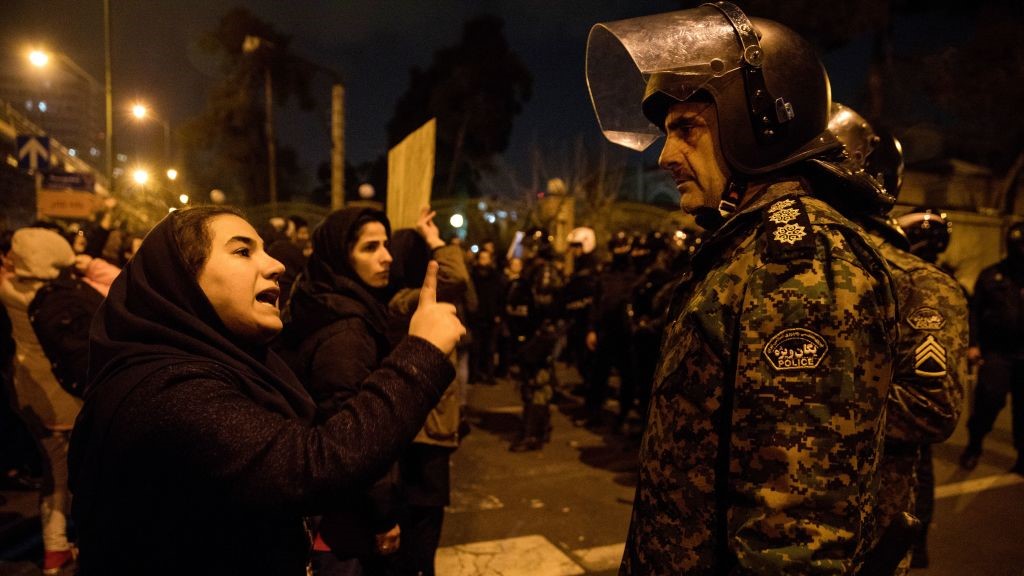
As anger mounts, protestors take to the streets again in Iran
While these latest protests will likely also be repressed, the anger against Khamenei and his foot soldiers in the Revolutionary Guards will not go away.
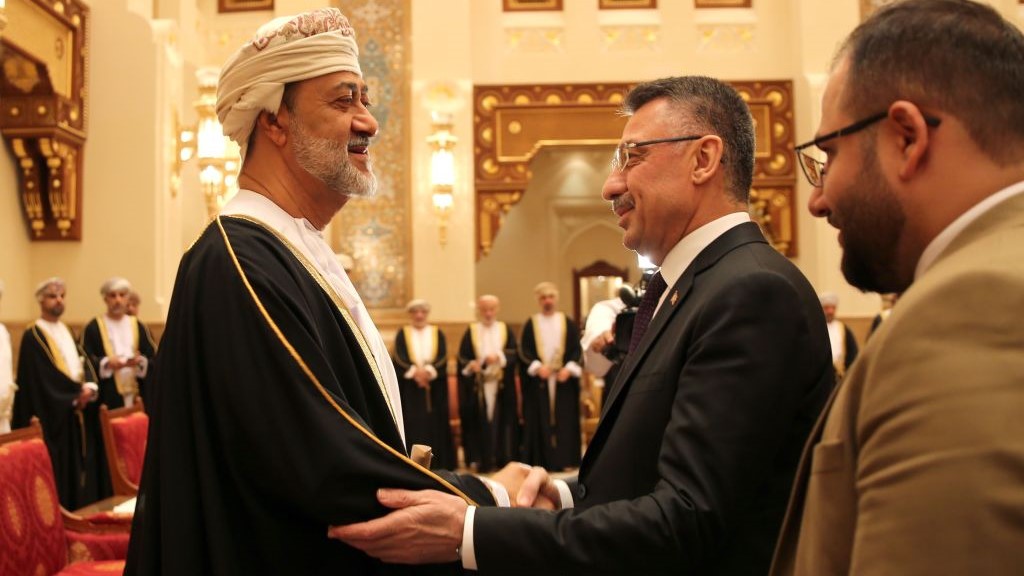
The announcement of Sultan Qaboos bin Said al-Said’s passing on Jan. 10 marked the end of an era. Now that the Arab world lost its longest-serving leader, none of the Gulf states has a ruler that was on the throne when the Gulf Cooperation Council (GCC) was established in 1981. Most Omanis have never known another leader and this transition period, marked by three days of mourning, is an emotional time for those in the sultanate.
In the aftermath of the latest round of U.S. and Iranian brinksmanship, hawks and liberals are interpreting developments as validating their positions. Hawks are claiming victory for “maximum pressure,” arguing how the U.S. strike against Islamic Revolutionary Guard Corps (IRGC) Quds Force Commander Qassem Soleimani frightened the now weakened ruling clerics into submission. Liberals argue that Iran took the high road, demonstrating a willingness to respond to incentives and negotiate.
Cease-fires in Idlib and Libya as Turkey looks to buy time
It is increasingly the case that the Russian-Turkish decisions on Idlib or Syria need to be understood as part of a broader Russian-Turkish partnership.