Biden could generate momentum for Israeli-Palestinian peace
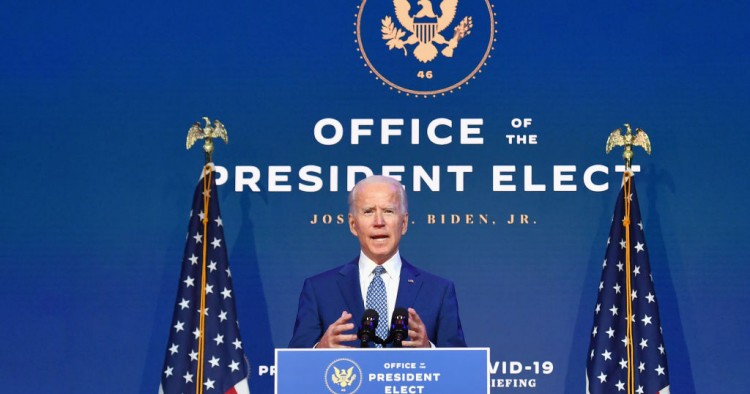
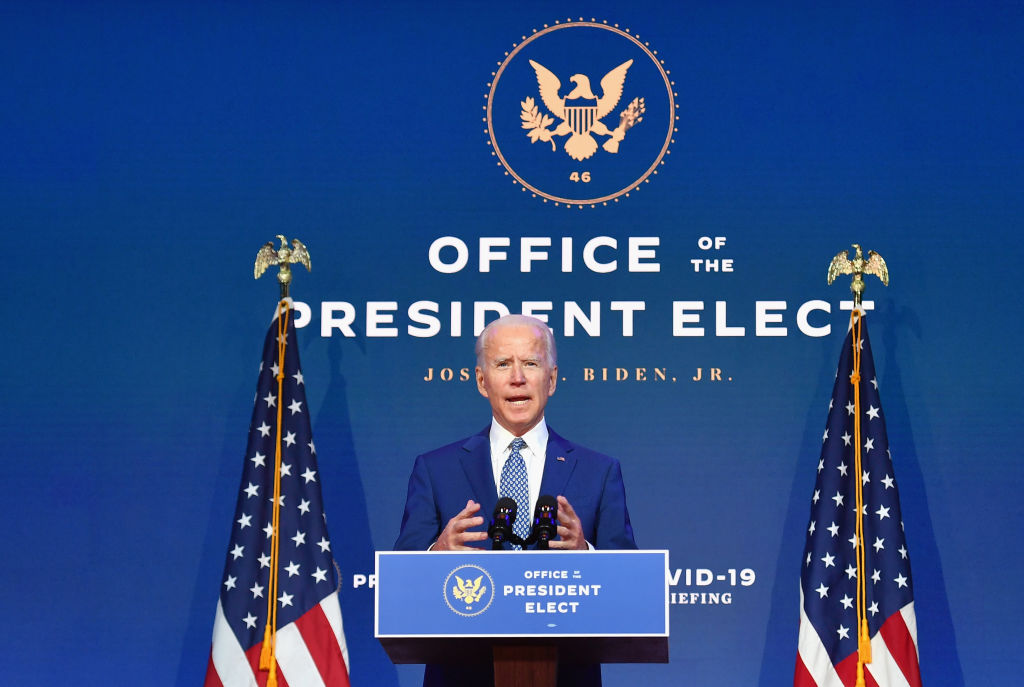
While the Israeli-Palestinian issue and renewal of negotiations is unlikely to feature prominently on his agenda anytime soon, Biden’s election generates renewed positive momentum.
Biden’s presidency cannot mean a return to the status quo for Palestinians
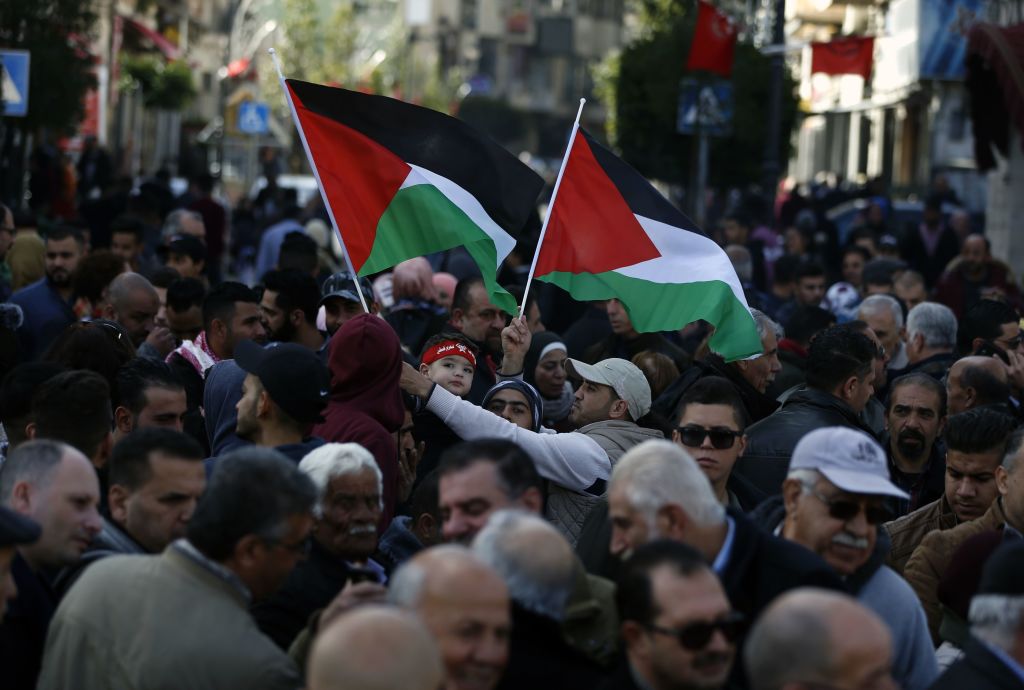
On Nov. 17 and 19, MEI’s Program on Palestine and Palestinian-Israeli Affairs convened a two-part series looking at the future of Palestinian politics and the Palestinian national movement. Below is a summary of Part 2, “Toward a Palestinian National Strategy,” which examined the efficacy of the Palestinian leadership’s current focus on a negotiated two-state settlement, as well as alternative visions and means of liberation, such as a one-state solution and the Boycott, Divestment, and Sanctions (BDS) movement.
Biden’s presidency indicates new opportunities for Palestinian politics
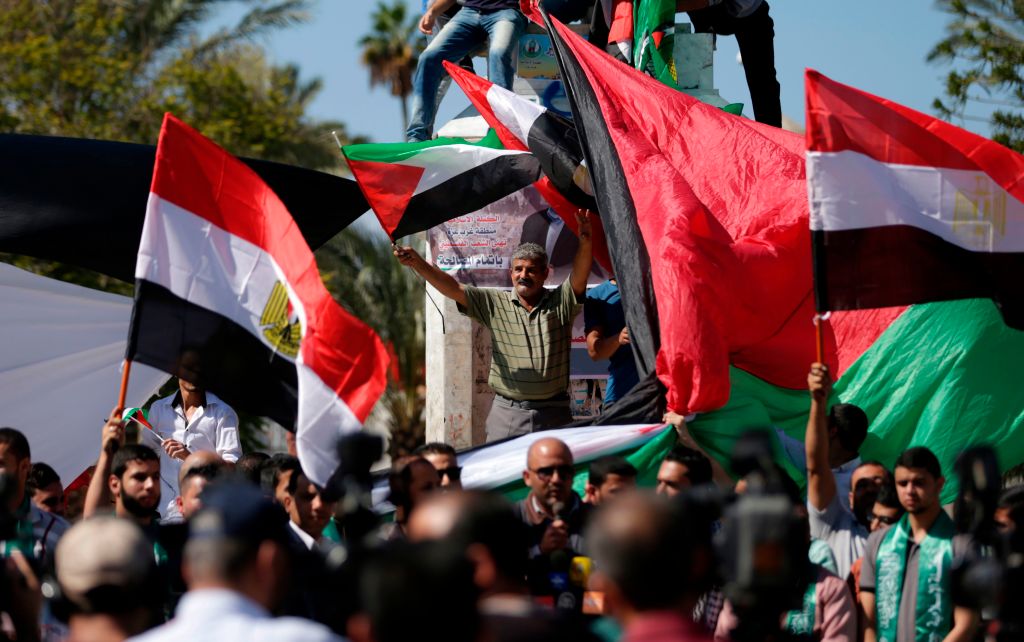
On Nov. 17 and 19, MEI’s Program on Palestine and Palestinian-Israeli Affairs convened a two-part series looking at the future of Palestinian politics and the Palestinian national movement. Below is a summary of Part 1, “Reviving Palestinian Political Life,” which focused on issues such as national reconciliation, elections, succession, the future of institutions like the Palestinian Authority (PA), and reform of the Palestine Liberation Organization (PLO).
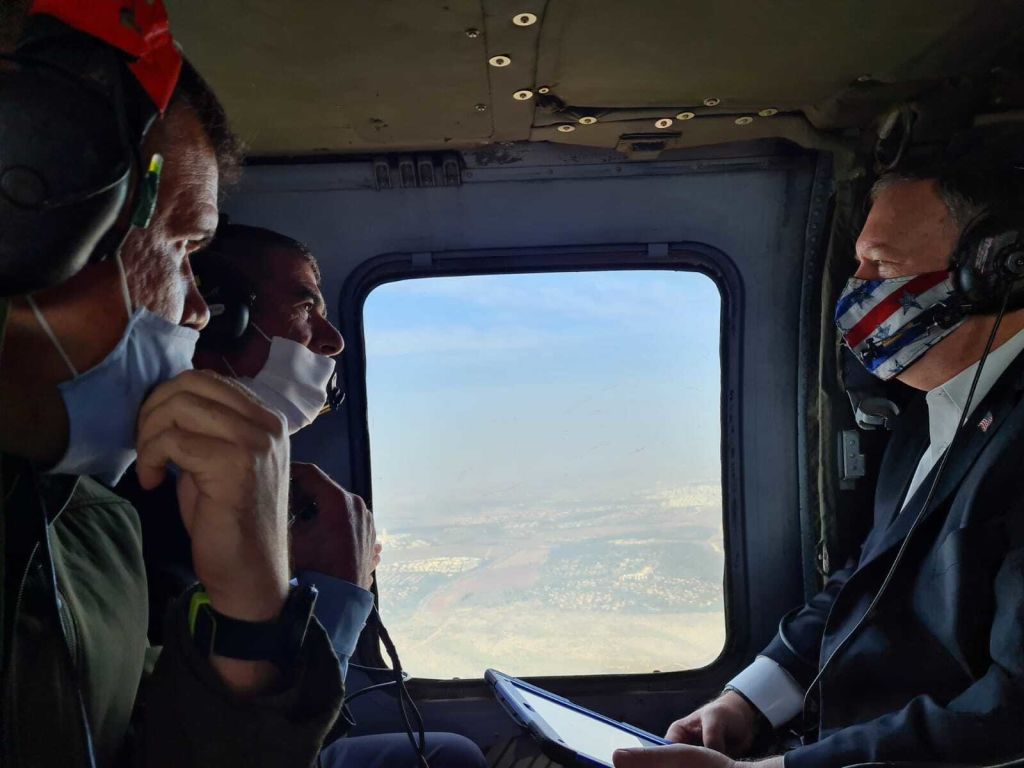
Monday Briefing: Pompeo’s Middle East farewell tour
This week’s briefing on recent news and upcoming events in the region featuring Gerald Feierstein, Mirette F. Mabrouk, Fatima Abo Alasrar, Marvin G. Weinbaum, and Yesar Al-Maleki.
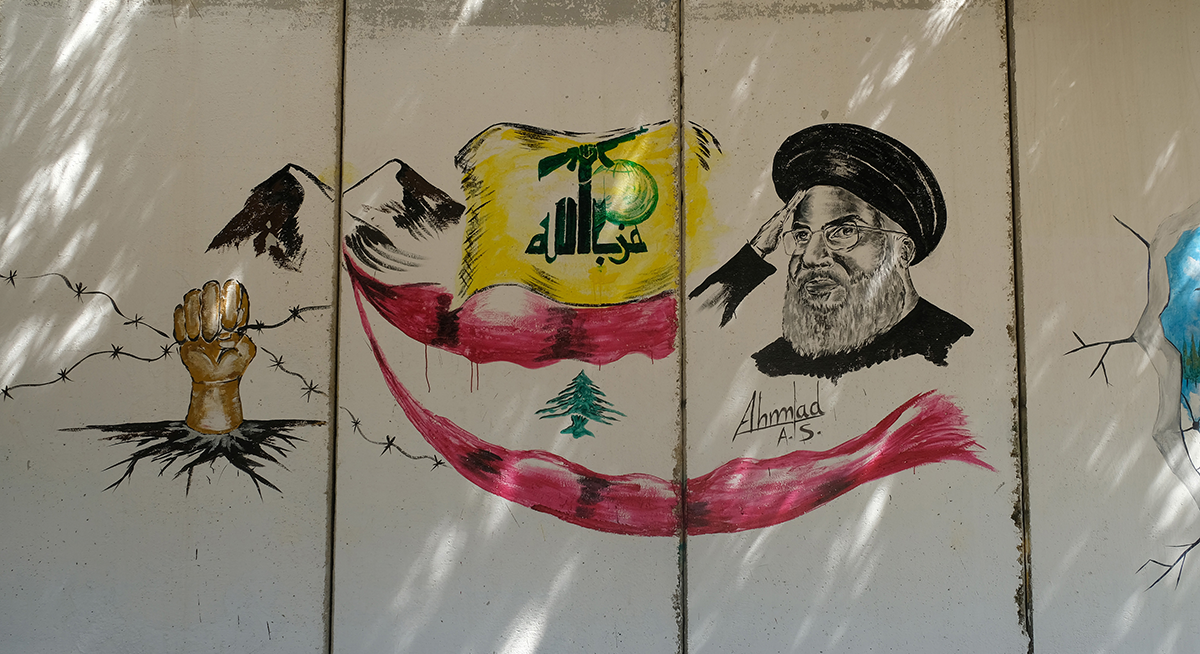
Despite fresh comments from Hezbollah’s leader Hassan Nasrallah that Joe Biden’s victory in the U.S. elections would not dramatically alter America’s pro-Israeli foreign policy in the Middle East, Hezbollah appears largely optimistic of its future under the new administration. The Party of God seems wary of the next few months, however, until President Donald Trump leaves the White House in January. While Hezbollah will certainly benefit from a reboot in diplomatic relations between the U.S and Iran, which could translate into much-needed liquidity for the organization and a strengthening of its internal position, it still faces numerous domestic challenges that money alone cannot solve.
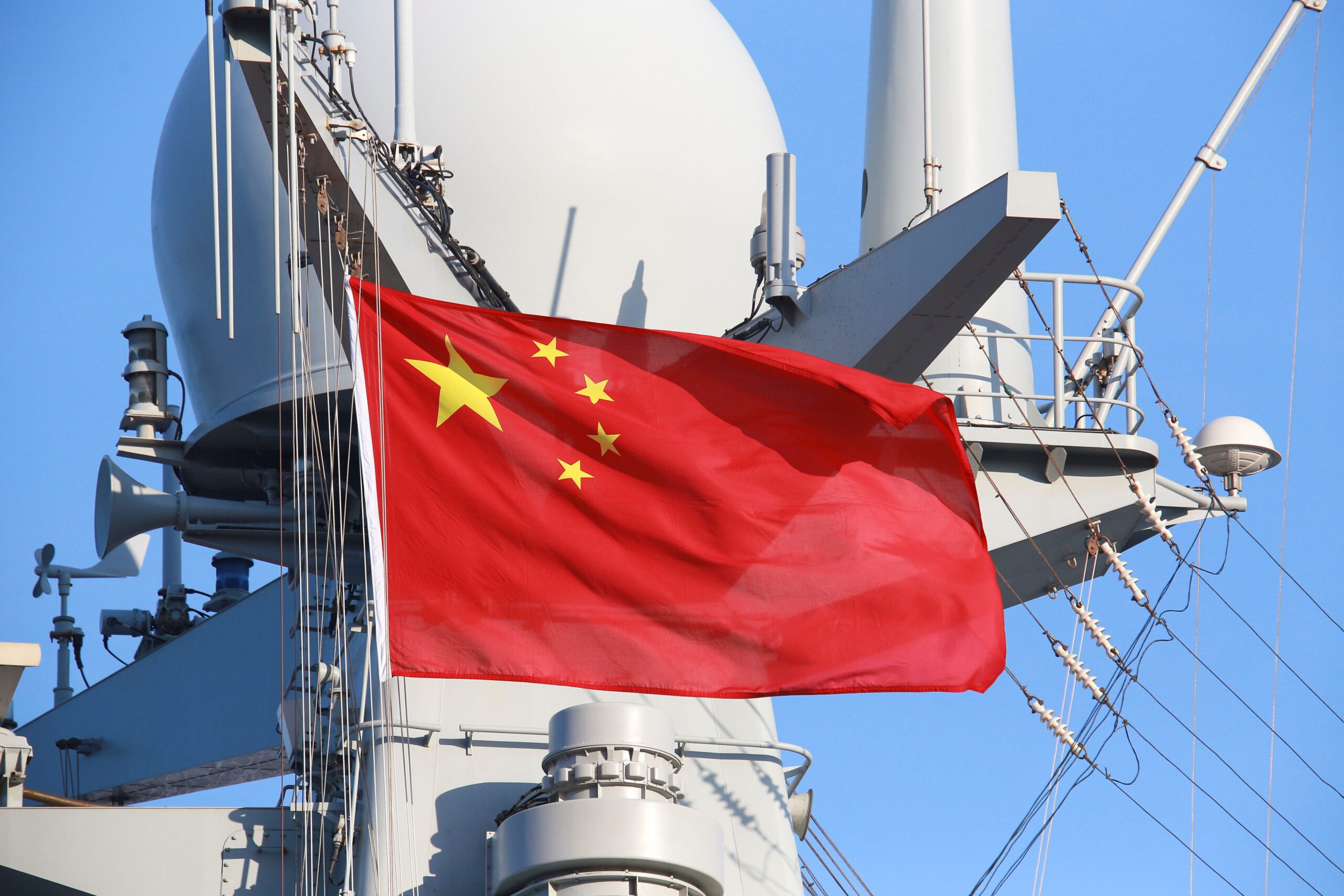
Through its Belt and Road Initiative, China seeks to play a larger role in the Black Sea region. China has been wooing littoral states in hopes of securing new markets for its goods and investing in infrastructure projects. But some worry that there is more to Chinese actions in the region than meets the eye. The worry is that China will increase its political and diplomatic clout in a region that is considered vital for Russian interests and create tension between Moscow and Washington. Despite the uneasiness in the West about China’s increasing presence in the Black Sea, there is not enough focus on the issue in the scholarly debates in Western capitals. The MEI’s Frontier Europe Initiative aims to contribute to the debate on the role of China in the Black Sea. We hope the articles in this report will help to address several important unaddressed questions.
Trusted networks: How the Assad regime subverts clan ties in Daraa
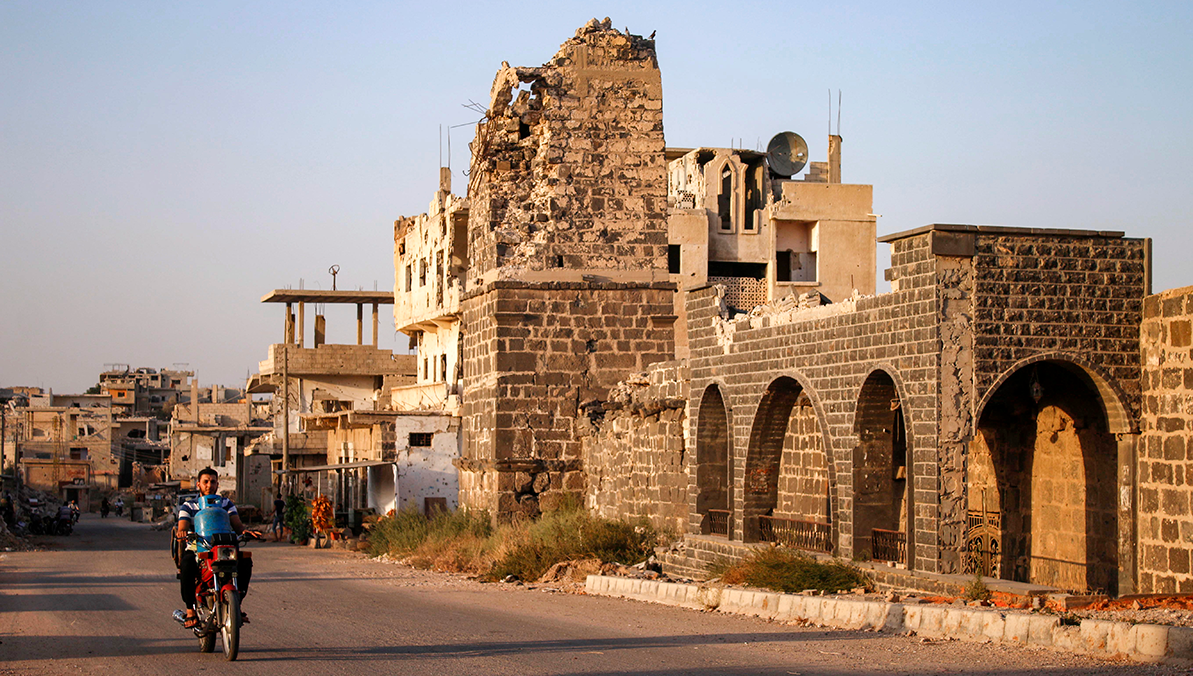
In 2018, Assad’s Syrian government forces, with Russian support, managed to regain control of opposition-held areas in Daraa. Russia has emerged as the primary power broker by arranging agreements between the rebels and the regime, which, in turn, has allowed the rebels to keep some of their arms under the banner of the Russian-formed Eighth Brigade. Nevertheless, since 2018, the tight-knit tribal networks in Daraa have functioned as a nucleus for the continuation of the uprising against the Assad regime. The same tribal attributes that create interconnectedness among the people of Daraa, however, also render them susceptible to the regime’s strategy of pitting clans against each other and leveraging the resulting strife to justify the use of force with the goal of asserting full control.
Monday Briefing: Will Afghanistan have a Christmas surprise?
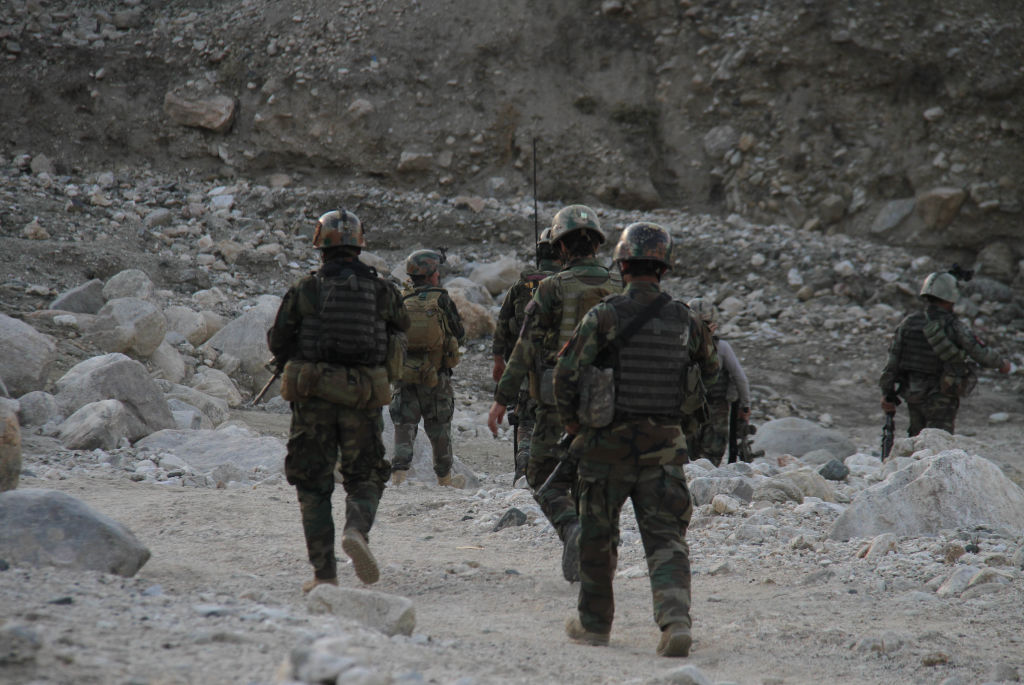
This week’s briefing on recent news and upcoming events in the region featuring Marvin G. Weinbaum, Hafsa Halawa, Robert S. Ford, and Thomas W. Lippman.
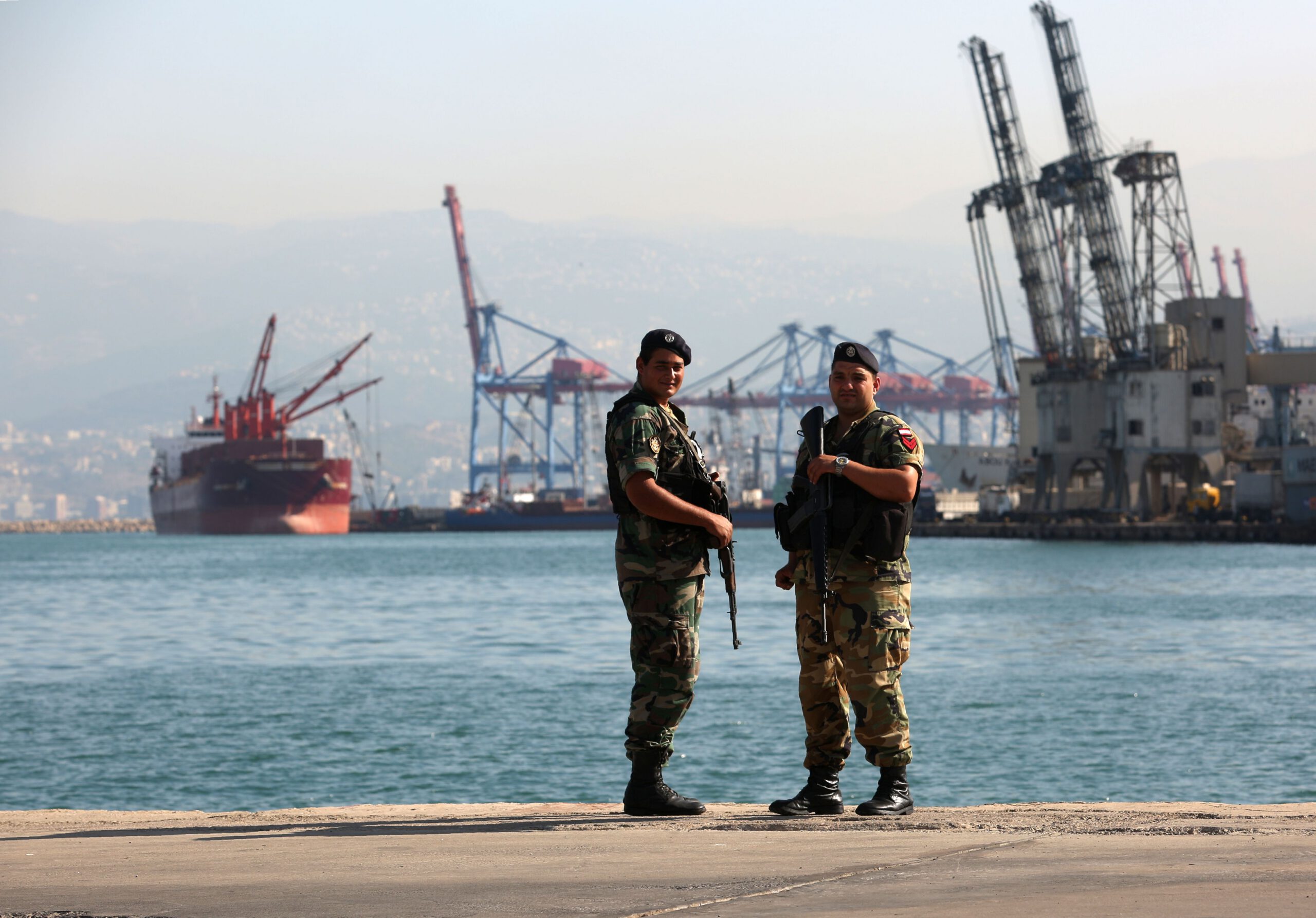
Lebanese maritime security: Navigating rough seas with good policy
Lebanon has a coastline of 120 nautical miles (NM) along the eastern Mediterranean and an exclusive economic zone (EEZ) that encompasses an area of 5000 square nautical miles (SNM). While this wide expanse presents many opportunities, it also represents a pressing security challenge for the Lebanese Navy and the region in general.
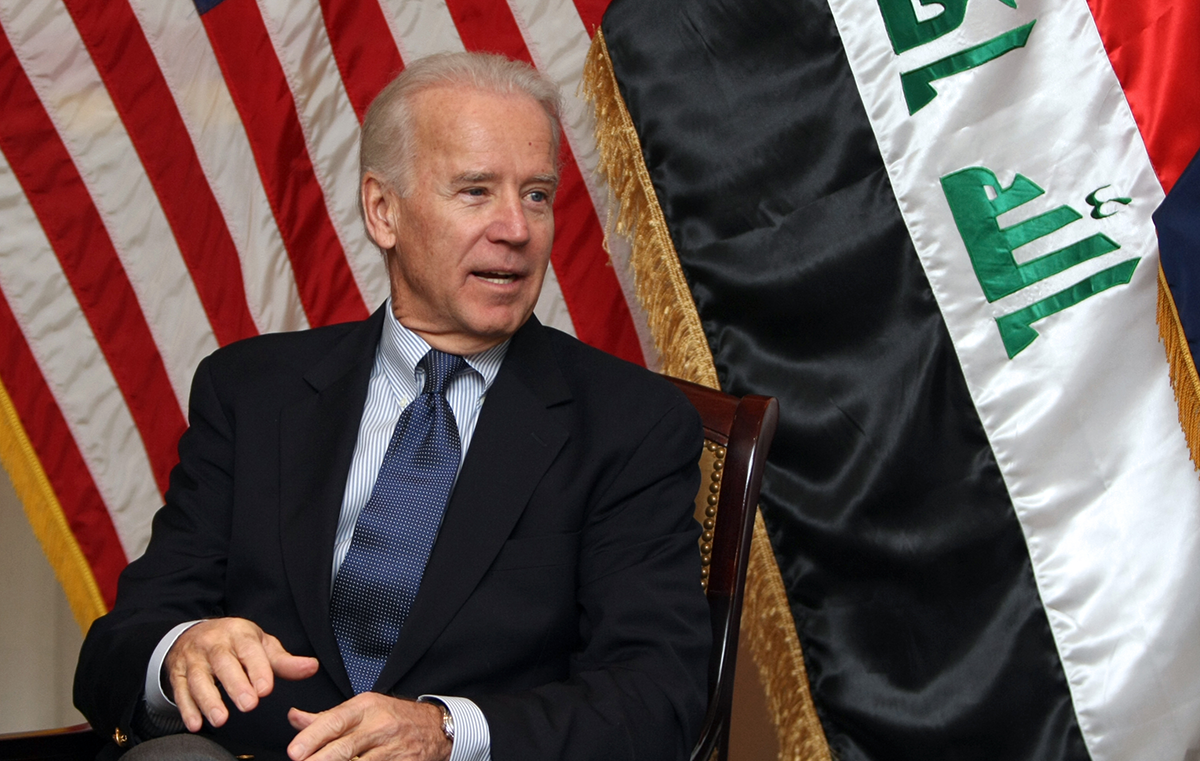
Between Trump’s Iranian lens and Obama’s indifference: What might a Biden presidency mean for Iraq?
Joe Biden is no stranger to Iraq and this informs how Iraqi politicians have responded to his victory in the U.S. presidential election. Some have welcomed the news, while others are more cautious given concerns that a Biden presidency might lead to greater Iranian influence in the country. Indeed, Biden has a mixed record on Iraq. Though a Democrat, he voted for the 2003 Iraq War. But later as vice president, he was President Barack Obama’s right hand and fast-tracked their campaign promise to withdraw U.S. troops in 2011. Looking ahead to his presidency, his familiarity with the political class in Baghdad, forthright proposals about Iraq’s territorial integrity, and previous role in tipping power between major actors may falsely lead to a conclusion that Iraq will be a focus for his upcoming administration. The reality, however, is much different.
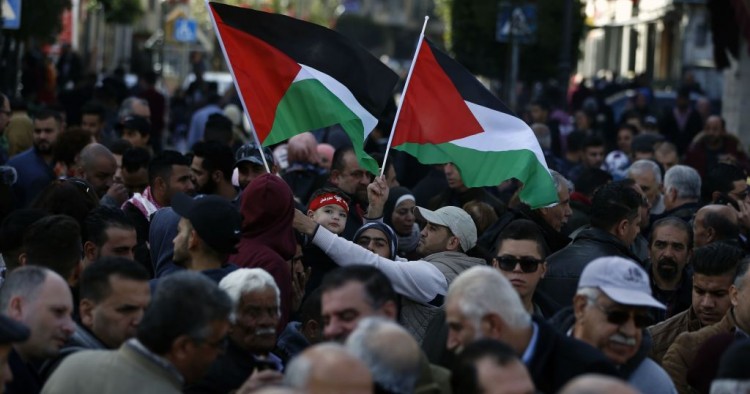
The Palestinian-Israeli conflict: Has the equation changed?
Throughout his term in office, the longest in Israeli history, Benjamin Netanyahu has sought to implement his expansionist vision regarding the Palestinian territories occupied in 1967. Netanyahu’s vision was explicitly articulated in the Nation-State Law, which declares that “the state views the development of Jewish settlement as a national value and will act to encourage and promote its establishment and consolidation.” The Israeli PM reiterated his stance at the most recent U.N. General Assembly meeting in a speech that described such Palestinian demands as the right of return for refugees, Israeli withdrawal from the occupied Palestinian Territories, and the evacuation of Israeli settlers from the West Bank as unrealistic.
Monday Briefing: The reverberations of the US election in the Middle East
This week’s briefing on recent news and upcoming events in the region featuring Paul Salem, Alex Vatanka, Gonul Tol, Gerald Feierstein, Randa Slim, Khaled Elgindy, Charles Lister, Mirette F. Mabrouk, and Marvin G. Weinbaum.
Iraq’s reform program: A white paper with no action plan
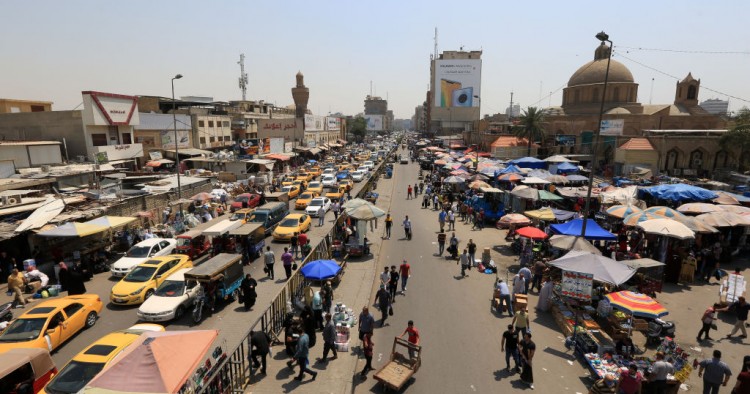
Iraq’s economic and fiscal crises, which came to the forefront this year following the onset of the coronavirus pandemic, were bound to happen at some point. What corona and the ensuing drop in oil prices and declining demand for oil did is accelerate the timing, according to the recently released Iraqi government white paper, a report of the Emergency Cell for Financial Reform. What the paper doesn’t predict is that in the next 6-12 months, and possibly beyond, we could see a worsening of the crisis with both current and future governments trying to adjust oil production and revenues in an effort to contain public discontent.
Using the Convention against Torture to hold Syria to account
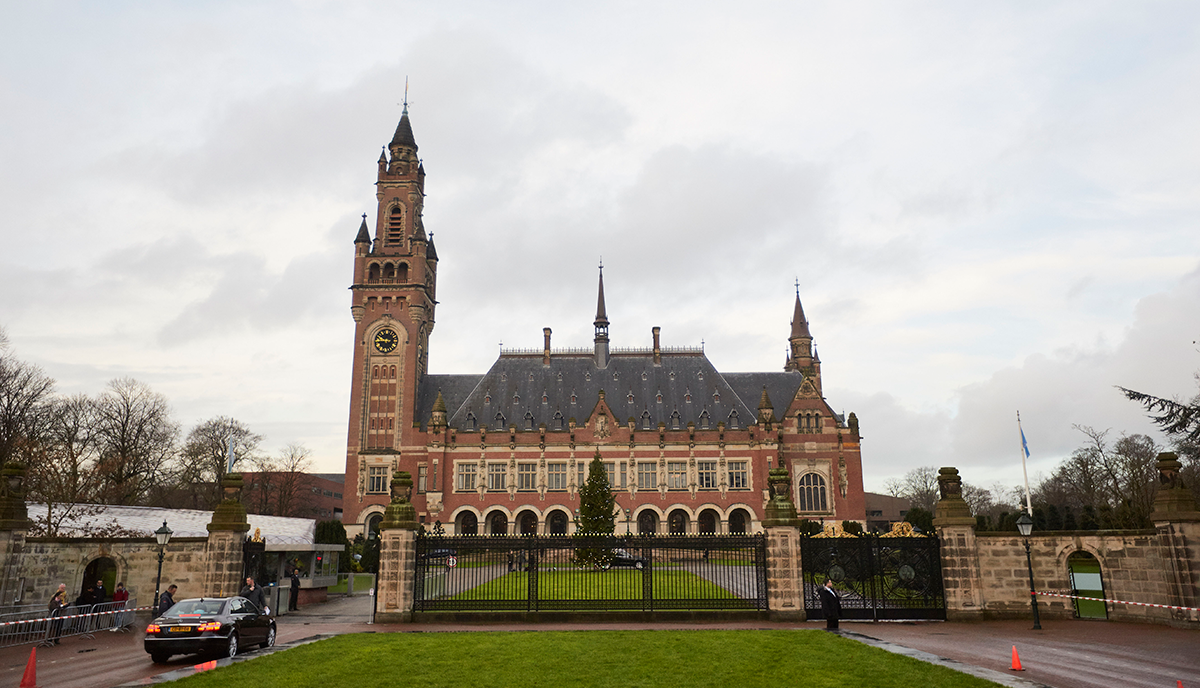
Last month, the Netherlands announced its intent to hold Syria responsible for gross human rights violations and torture under the U.N. Convention against Torture (CAT). With only one other case — Belgium v. Senegal — brought to the International Court of Justice (ICJ) under the CAT, the Netherlands is entering relatively uncharted waters. Indeed, it would be the first country to litigate the substance of Article 1 of the Convention. While it is unlikely that the Netherlands’ claims will reach the ICJ for another year or more, its announcement serves as an important step in the push for broader accountability in Syria.
US Policy and the Resurgence of ISIS in Iraq and Syria
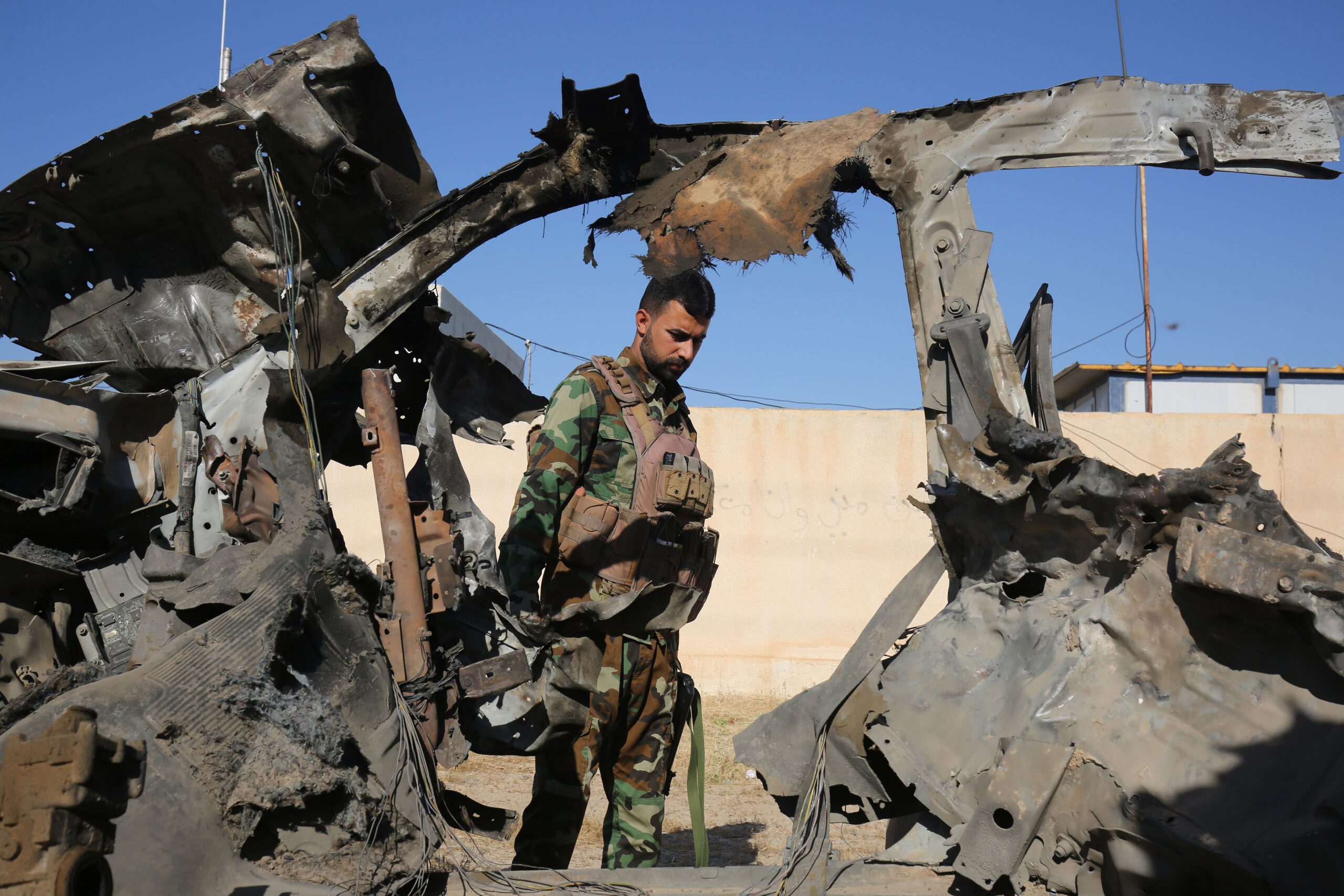
As attacks by ISIS increase in both Iraq and Syria, the upcoming U.S. presidential election offers a turning point for how U.S. foreign policy will seek to address a potential ISIS resurgence. This paper lays out this growing problem and recommends policy, which will be constrained by the outcome of the November election.