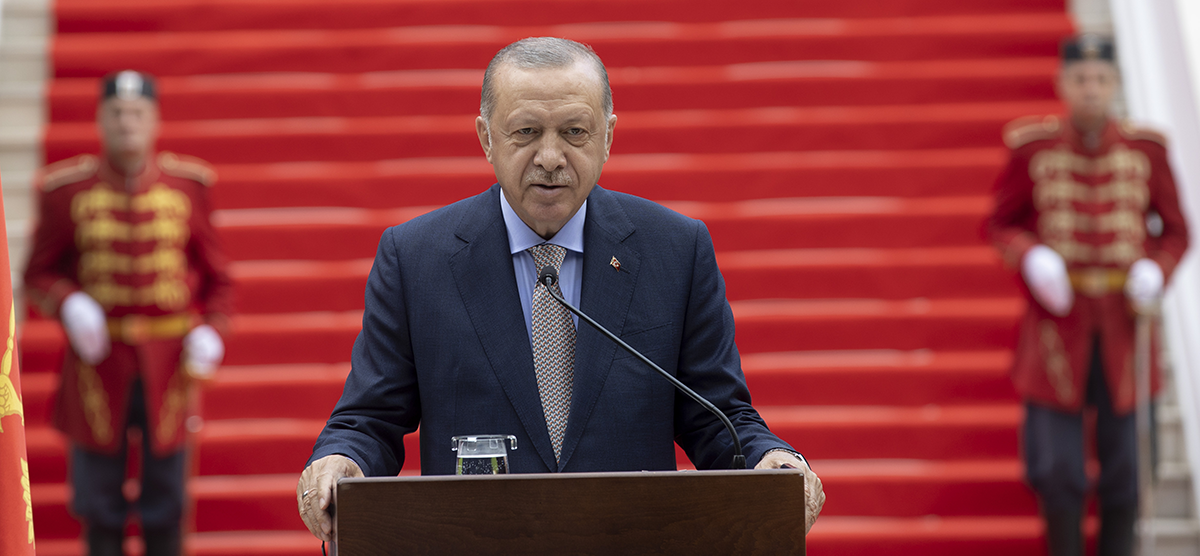
Just before visiting Turkish-occupied Northern Cyprus in late July, Turkish President Recep Tayyip Erdoğan gave Serbia an unpleasant surprise. He announced that Turkey would lobby to increase the number of countries that recognized independent Kosovo. Erdoğan stated on July 19, “Now 114 countries recognize Kosovo, and we want that number to increase. We hope that this year at the United Nations General Assembly, at the meeting I will have with [U.S. President Joe] Biden, we will discuss this topic again, that we will work together on the recognition of Kosovo.”
Building a Closer Black Sea: Promoting Trade and Economic Interdependence
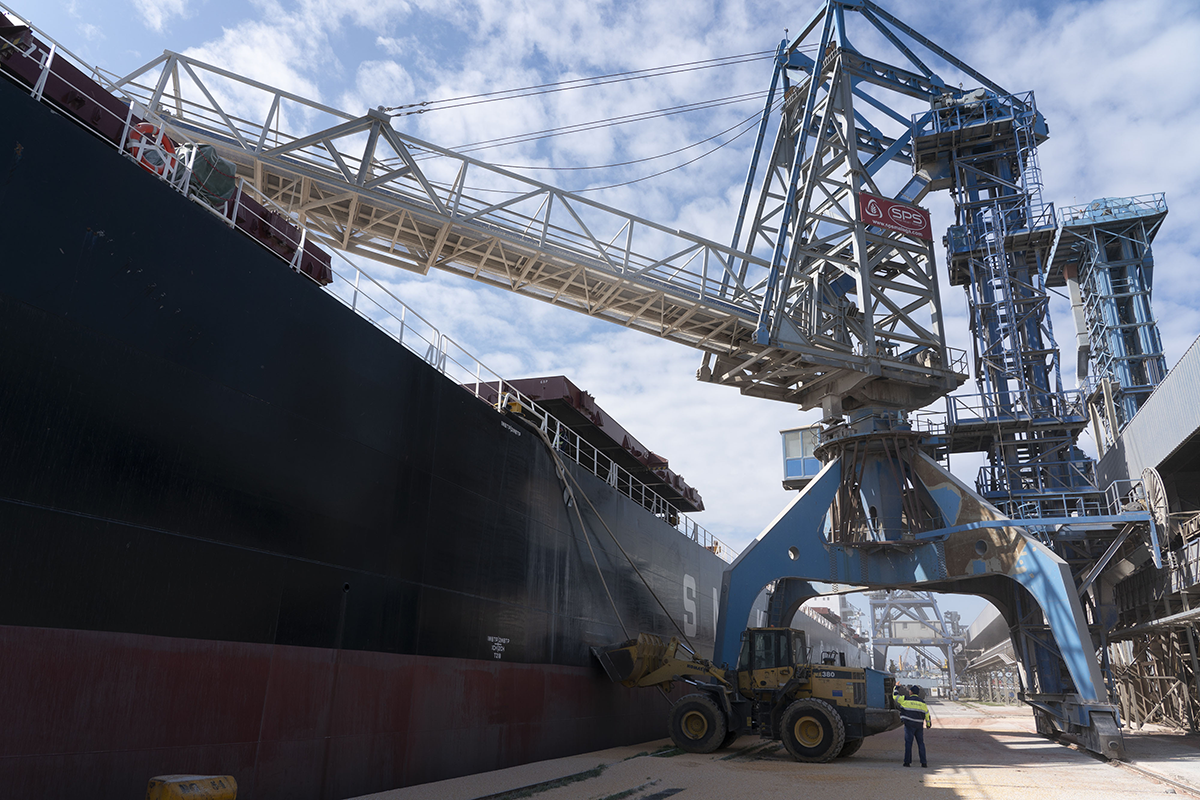
While the Black Sea has historically been an area of significant geostrategic importance, this has not made it a vibrant zone of commerce, transport, energy, tourism, or cultural exchange. Rather, it has become a theater of struggle for dominance and competing geopolitical and geo-economic interests. This situation has been exacerbated by conflict between Russia and countries in the region, like Ukraine and Georgia, that have sought closer ties with the West and aspire to NATO membership and EU integration. These developments have dire consequences for regional security and stability, disrupting political and economic ties in the area and beyond. A long-term solution to the region’s security issues could be based on intensifying trade relations and increasing economic interdependence between the states. This paper identifies major barriers to closer regional trade and economic cooperation and outlines ways to overcome them.
Preparing for advancements in Russian warfare in the Black Sea region
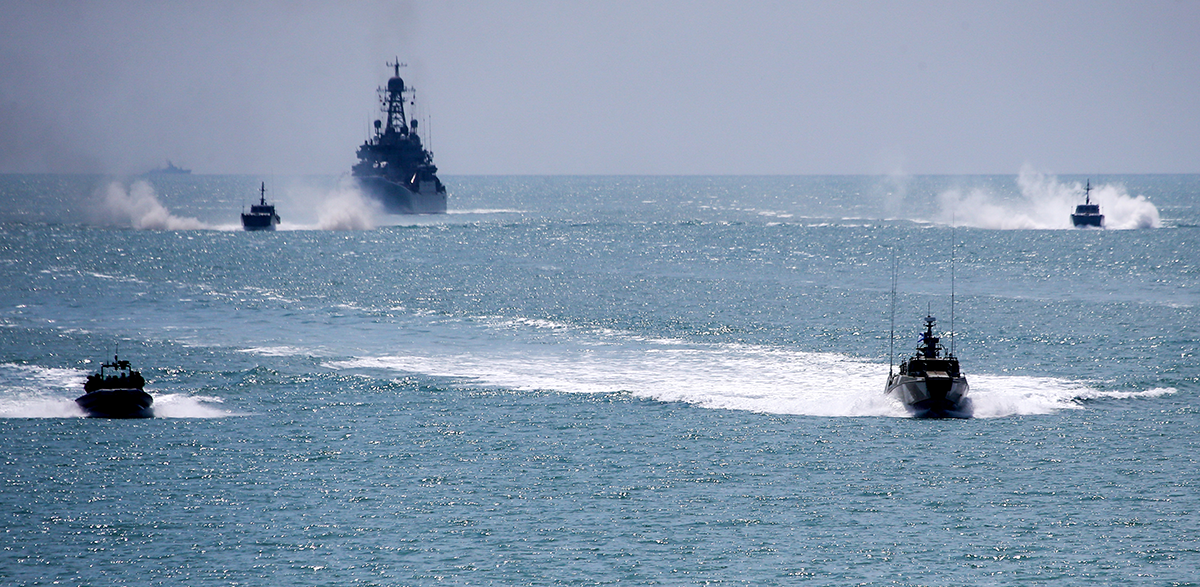
Suddenly and seemingly without warning, Russian forces amassed in Crimea and near the Ukrainian border in April 2021. Heavy armor, long-range missiles and artillery, modern air forces, and elite airborne infantry units deployed into positions that raised alarm in Ukraine and throughout Europe. The situation today appears stable, but reports of new and upgraded hardware, including unmanned vehicles, demand a fresh evaluation of the Russian way of war.
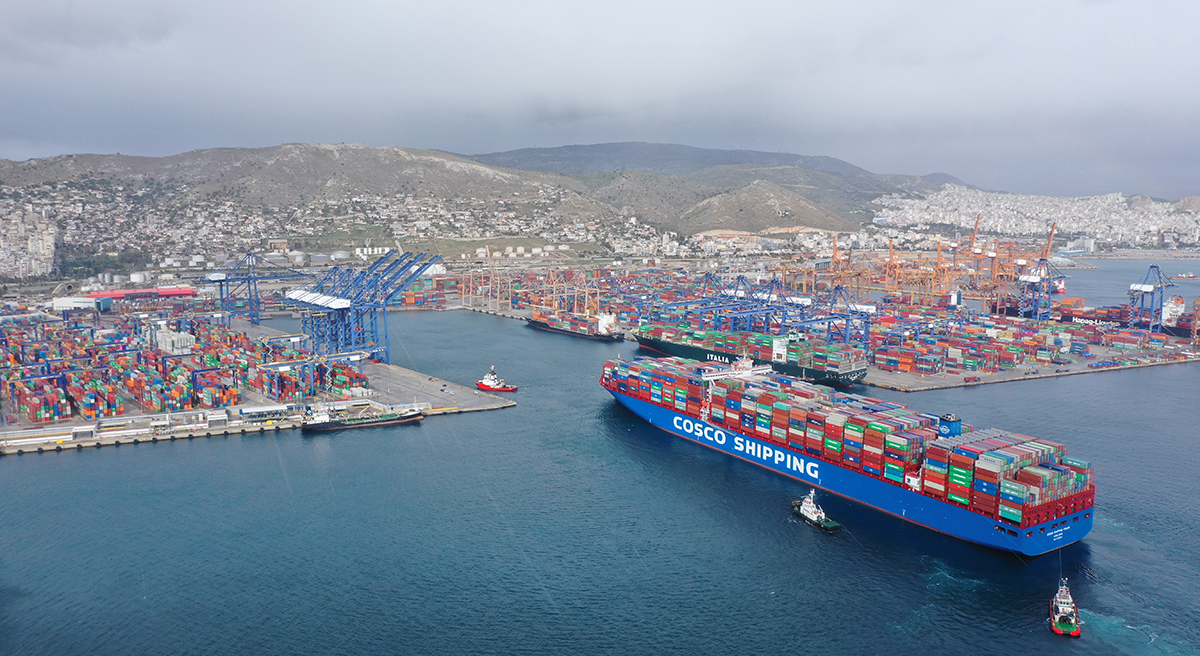
One of the most consequential changes in the Middle East’s geopolitical map is happening at the water’s edge. Along the entire eastern rim of the Mediterranean basin, global and regional actors are engaging in a spate of port capacity expansions, new private port construction, and the sell-off of major state-owned ports that will determine who sits atop the region’s global trade flows for decades to come. The international competition to rebuild Beirut’s port is one key puzzle piece in this larger process that is reconfiguring the Levant’s maritime commercial architecture and, as a consequence, the geopolitical contours of the Middle East.
The possibility that the Lebanese government could opt for China to reconstruct Beirut’s port has raised alarm in Washington and European capitals given China’s already outsized commercial port presence in Egypt, Israel, and Greece. Increased Chinese involvement in Lebanon’s port operations could consolidate Beijing’s hold over the commercial connectivity architecture of the Levant. Re-orienting global commercial flows between Europe, the Middle East, and Asia according to Beijing’s priorities would make China’s Belt and Road Initiative a dominant organizing principle in the international relations of the Middle East. The most effective way to offset China’s ambition may be to facilitate Mediterranean rivals France and Turkey to jointly rebuild Beirut’s port.
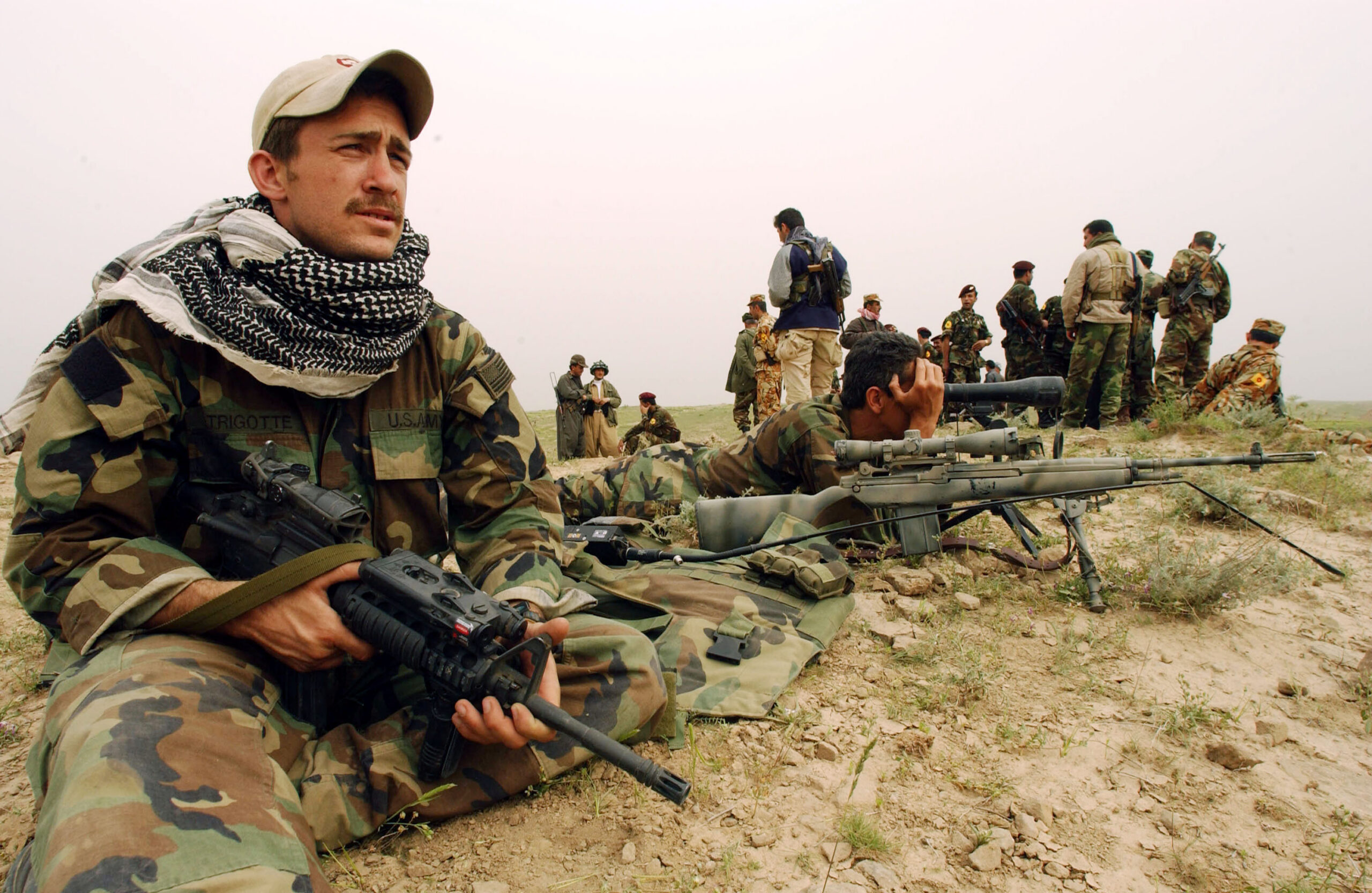
Irregular Warfare: A Case Study in CIA and US Army Special Forces Operations in Northern Iraq, 2002-03
Irregular warfare (IW) is increasingly common in the 21st century and the U.S. must learn from its successful experiences with it and apply those lessons to great power competition. For the past two decades the CIA and Army Special Forces have demonstrated how to leverage interagency relationships and apply complementary capabilities to achieve successful IW outcomes. The CIA/Army Special Forces partnership in Northern Iraq during the invasion of Iraq demonstrates the value of this interagency team and provides lessons and a model for the conduct of IW in the future.
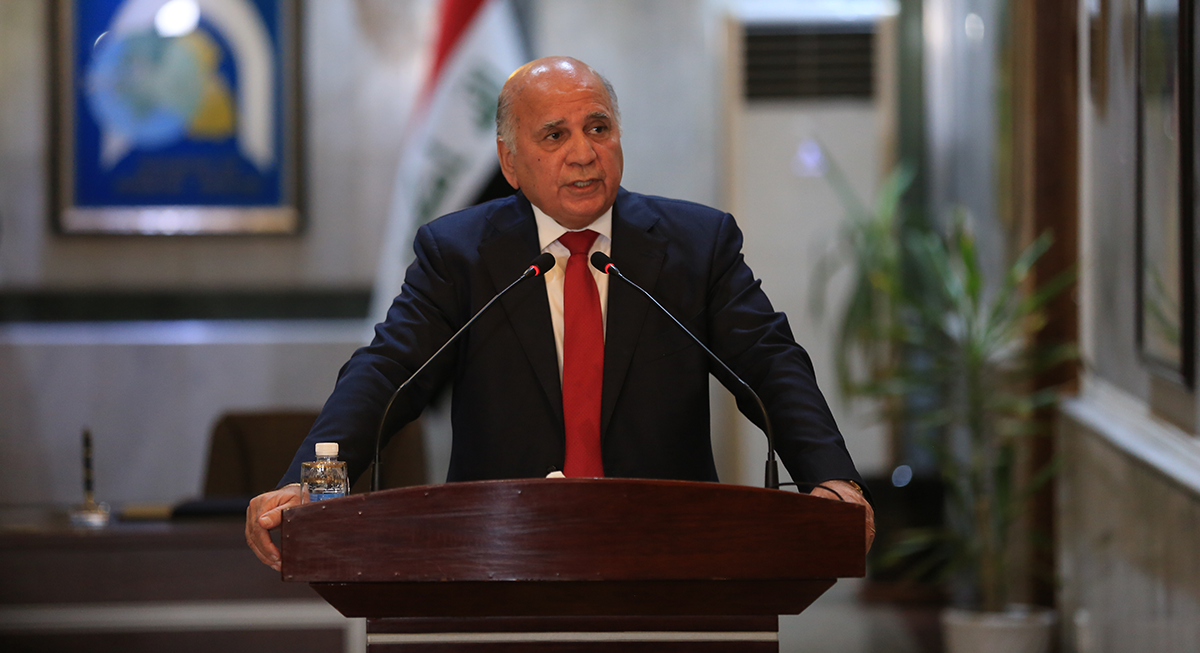
في 8 أغسطس/آب، سلَّم وزير الخارجية العراقي فؤاد حسين، عبر نظيره السعودي، دعوة من رئيس الوزراء مصطفى الكاظمي إلى العاهل السعودي الملك سلمان بن عبد العزيز آل سعود لحضور “قمة” لدول جوار العراق على مستوى القادة، والتي ستُعقد في نهاية هذا الشهر. في اليوم نفسه، وجَّه دعوة أخرى إلى الرئيس التركي رجب طيب أردوغان. لا شك أن الفكرة طموحة والصورة الأولى التي تتبادر إلى الذهن هي الاحتمال غير المرجح أن يجلس الملك سلمان والرئيس الإيراني الجديد المتشدد إبراهيم رئيسي، على جانبي الطاولة نفسها في بغداد.
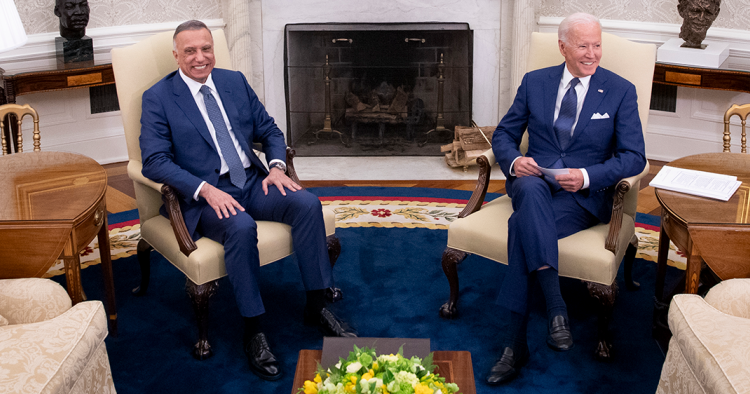
There were two parts to the Iraqi prime minister’s request to President Biden on July 26 in their meeting at the White House: end Washington’s combat mission in Iraq but maintain U.S. military assistance there. The first part was aimed mostly at Mustafa al-Kadhimi’s domestic audience; the roughly 2,500 U.S. troops in Iraq are there primarily to advise and assist the Iraqi army. But the second part deserves a bit of thought.
لقاء الرئيس جو بايدن مع رئيس الوزراء العراقي مصطفى الكاظمي يوم الاثنين 26 يوليو/تموز لن يفتح آفاقًا جديدة، لكن الأمريكيين بدلًا من ذلك يحاولون إبراز الجوانب غير العسكرية للعلاقة الثنائية. ففي وزارة الخارجية الأمريكية في نهاية الأسبوع الماضي، قاد وزير الخارجية أنتوني بلينكن ووزير الخارجية العراقي فؤاد حسين فرقًا ناقشت التعاون المستمر في مجالات مثل الصحة العامة، حيث يدعم الأمريكيون جهود بغداد للتعامل مع تفشي فيروس كورونا. كما أعلن بلينكن يوم الجمعة الماضي عن مساعدات إنسانية أخرى بقيمة 155 مليون دولار للعراقيين النازحين داخليًا وكذلك لتجمعات اللاجئين العراقيين في الدول المجاورة.
Hezbollah’s Regional Activities in Support of Iran’s Proxy Networks
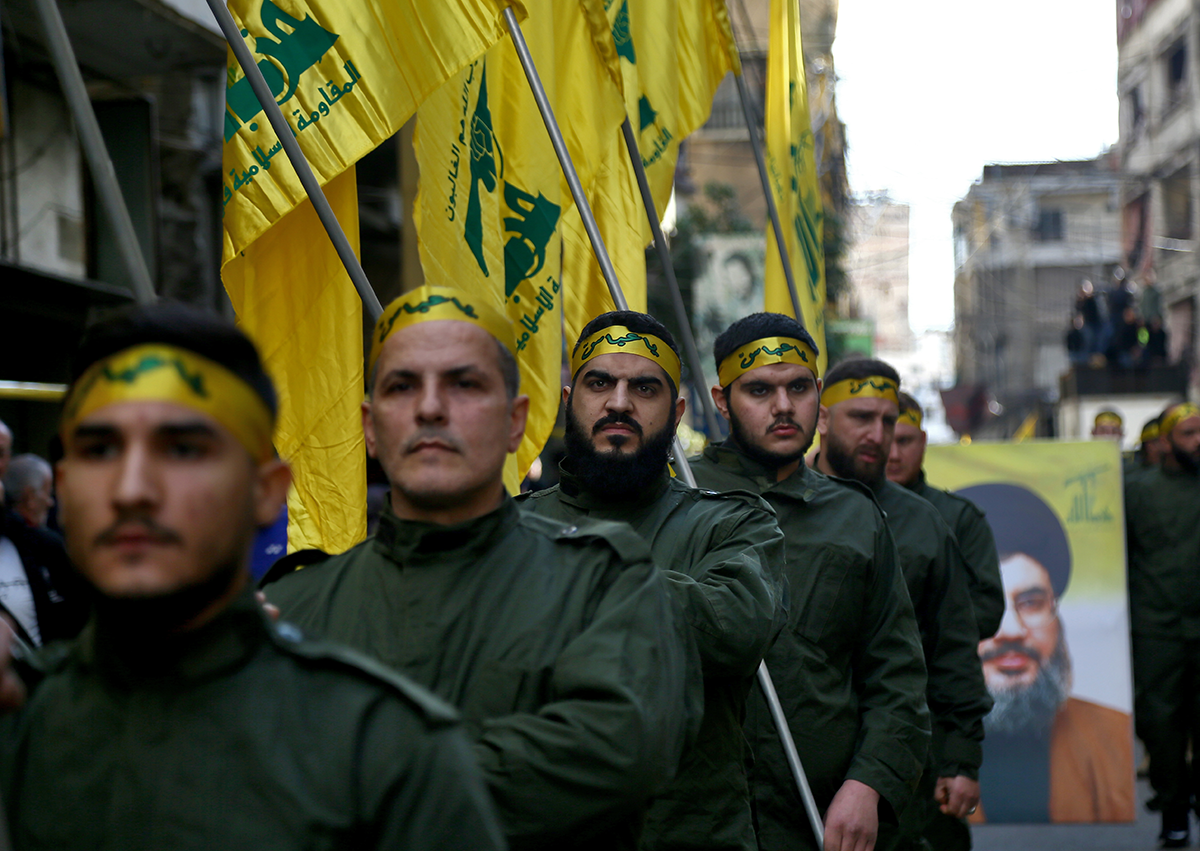
As a Lebanese actor ideologically tied to Iran, Hezbollah has multiple allegiances and objectives that do not always align symmetrically. Hezbollah’s regional activities are a reflection of the group’s increasingly close alignment with Iran, rather than the interests of the Lebanese state or citizenry. Today, Hezbollah’s regional adventurism is most pronounced in its expeditionary forces deployed in Syria and elsewhere in the region, but no less important are the group’s advanced training regimen for other Shi’a militias aligned with Iran, its expansive illicit financing activities across the region, and its procurement, intelligence, cyber, and disinformation activities. Together, these underscore the scale and scope of the group’s all-in approach to transforming from one of several Lebanese militias into a regional player acting at Iran’s behest.
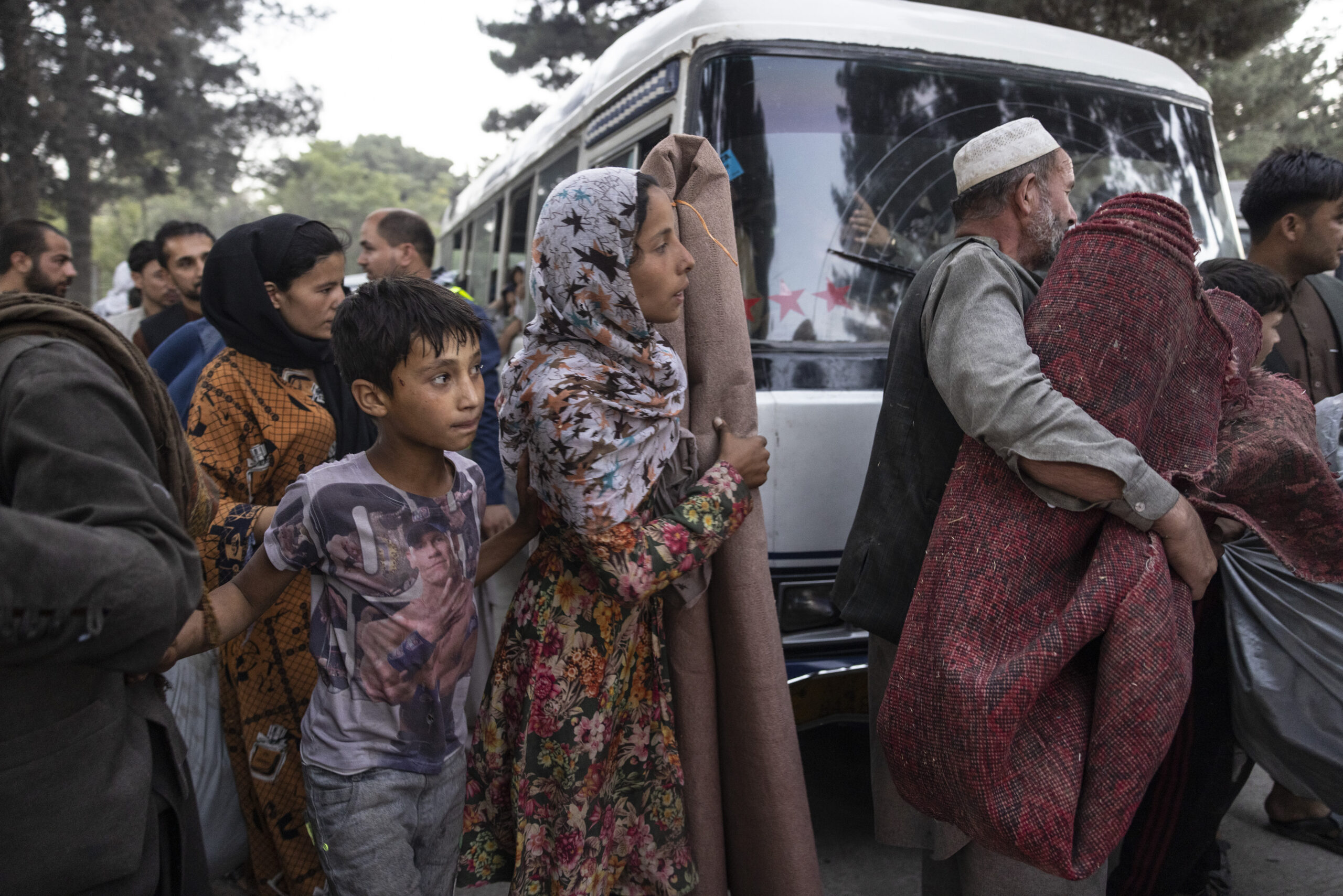
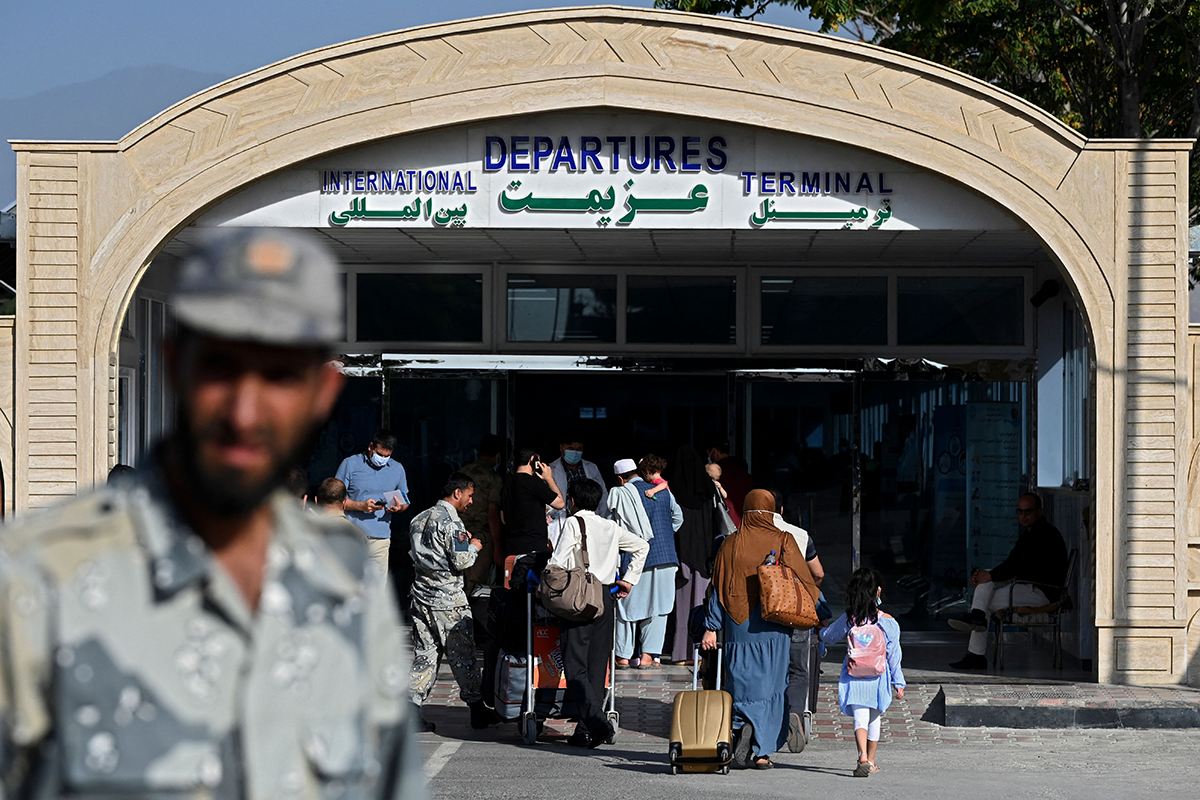
In a politically significant statement, Turkish President Recep Tayyip Erdoğan has asked the Afghan Taliban to “end the occupation of their brothers’ soil.” This follows a Taliban warning of severe consequences if Turkey were to remain in charge of security at Kabul Airport after the exit of American troops. Erdoğan’s message is likely to be interpreted differently by different stakeholders in the unfolding Afghan tragedy, a situation characterized by escalating violence, political uncertainty, and regional chaos.
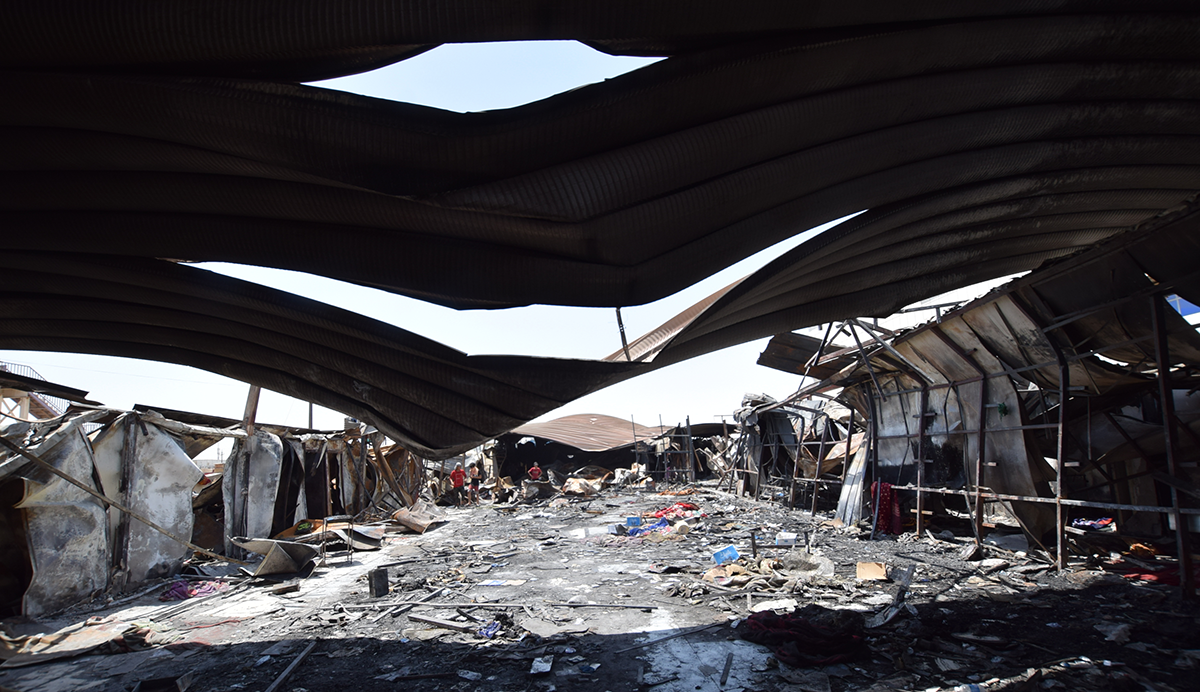
The idea for writing this piece came late last Tuesday as feelings ran high — the author’s included — amid scenes of patients’ charred bodies being pulled out from what remained of a burned-out coronavirus isolation ward in Nassiriya. It was originally meant to be a eulogy for those lost to Iraq’s stubborn corruption and chronic mismanagement, but it has since become a eulogy for democracy in Iraq.