Monday Briefing: Turkey's Iran Outreach and Regional Diplomatic Strategy
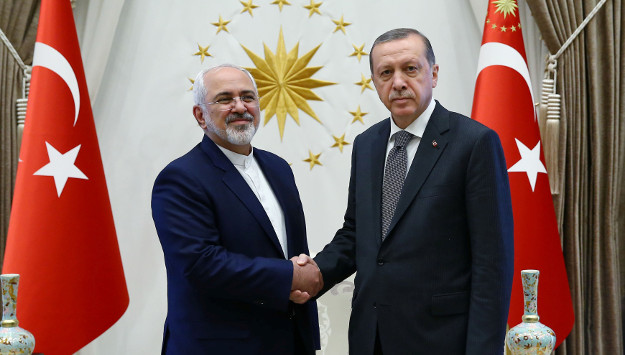
In this week’s Monday Briefing, MEI experts Gonul Tol, Alex Vatanka, Charles Schmitz, and Robert S. Ford provide analysis on current issues including Turkey’s regional diplomacy as President Erdogan is set to visit Tehran, the Iranian perspective on Turkey’s role in the region, Secretary Kerry’s visit to Saudi Arabia amid renewed fighting in Yemen, and ongoing attempts to broker a cease-fire deal in Syria.
Monday Briefing: Manbij Offensive, Yemen Talks, Turkey-Israel, Tunisia Unity Government
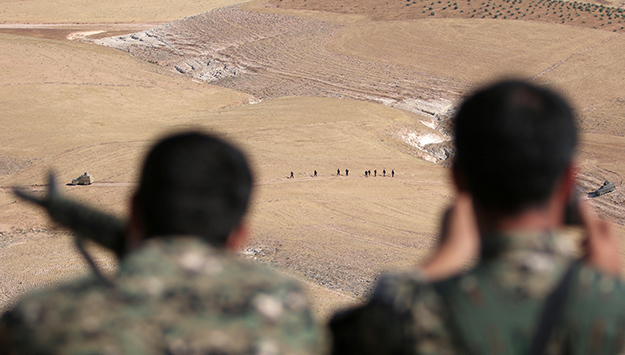
In this week’s Monday Briefing, MEI experts Robert S. Ford, Charles Schmitz, Gonul Tol, and Mabrouka M’Barek provide analysis on recent events including Manbij offensive, Yemen talks, Israel-Turkey rapprochement, and Tunisia national unity government.
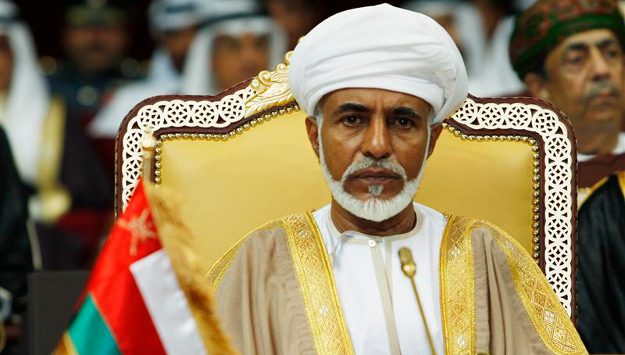
As political and humanitarian crises destabilize many Arab states, the Sultanate of Oman is a beacon of tranquility in a tumultuous region. The nation’s unique cohesion and stability is largely attributable to the legitimacy of Sultan Qaboos bin Said Al Busaidi, the longest serving Arab ruler still in power. Since ascending to the throne in 1970, Qaboos has transformed Oman from an impoverished state into a wealthy country with first-world infrastructure, a vibrant tourism industry and a military alliance with the United States and Britain.
Monday Briefing: Syria Cease-fire, Yemen Talks, and Iran Elections
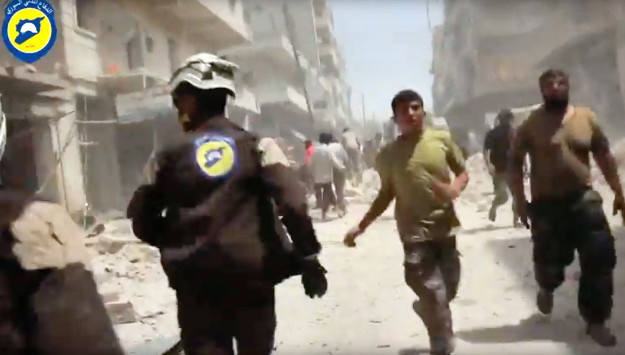
In this week’s Monday Briefing, MEI experts Charles Lister, Charles Schmitz, and Alex Vatanka provide analysis on recent events including the Syrian cease-fire, Al-Qaeda losses in Yemen, and Iran’s parliamentary elections.
Monday Briefing: Syrian Peace Talks, Yemen's Cease-fire, and Saudi Regional Diplomacy
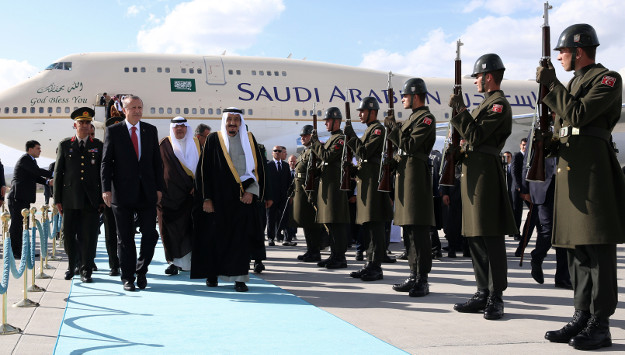
In this week’s Monday Briefing, MEI experts Randa Slim, Charles Schmitz, and Paul Salem provide analysis on recent and upcoming events including the next round of Syrian peace talks, the cease-fire in Yemen and the negotiations ahead, and Saudi King Salman’s visits to Egypt and Turkey.
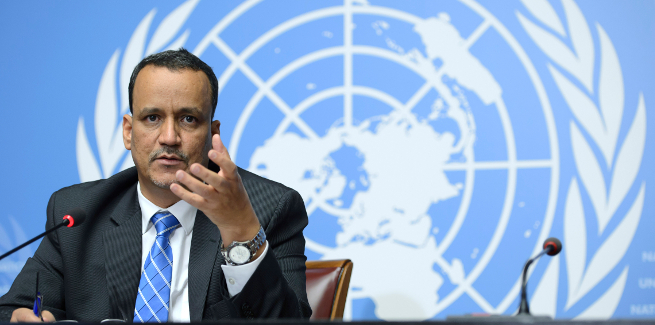
Just days before the first anniversary of the Saudi air campaign in Yemen on March 26, the U.N. special rapporteur to Yemen, Ould Cheikh, announced a cease-fire to begin April 10 followed by a third round of talks between the warring Yemeni factions on April 18. These talks have a better chance of success than previous attempts. The Houthi-Saleh alliance has long insisted that a complete and final cease-fire proceed any talks, and in previous attempts at negotiation, announced cease-fires never took hold and talks went nowhere.
A Look at Oman and South Korea’s Strategic Partnership
Since Oman and South Korea established official diplomatic ties in 1974, trade has largely defined the Muscat-Seoul relationship. Oman’s oil and liquefied natural gas (L.N.G.) and South Korea’s automobiles, electronics, and large vessels have dominated bilateral trade. Yet as Seoul stakes out increasingly vital national interests in the volatile Middle East, a host of geopolitical and security trends will more meaningfully influence the future of Omani-Korean relations.
U.N. mediator to Yemen, Walid Sheikh, recently succeeded in negotiating the release of a number of political prisoners held by Houthi rebels, including a government minister, as a confidence-building measure. Despite this small success, the third round of negotiations in the Yemeni conflict appear to be floundering without a start date.
Gulf Decisionmakers' Perceptions of Security Ties with China
The essays featured here are the products of a workshop series analyzing China’s position in the context of Gulf security, organized by the Department of International Affairs and the Center for Humanities and Social Sciences of Qatar University under the direction of Dr. Imad Mansour.
Shoot Film, Not Bullets: Yemenis Turn to Art to Cope with Conflict
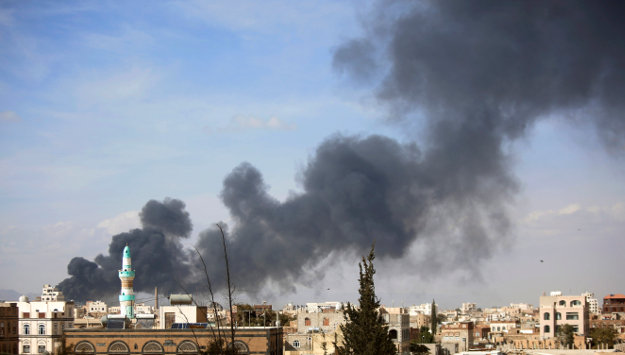
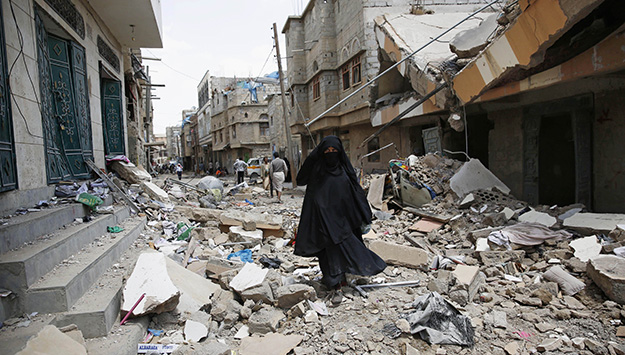
Yemen’s war is a forgotten catastrophe. Peter Maurer, the president of the International Committee of the Red Cross, stated in August: “Yemen after five months looks like Syria after five years.” All too commonly, civilians are bearing the brunt of the violence in Yemen. According to the United Nations, more than 2,700 people have been killed and more than 5,000 wounded. Schools, hospitals, and roads have been destroyed by the Saudi-led air campaign.
Saudi-Iran Tensions Place Pressure on Smaller GCC States
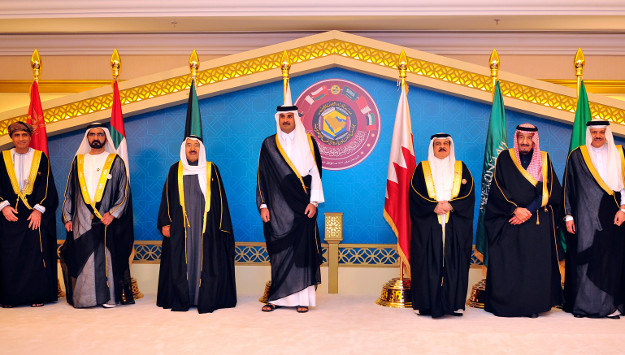
The recent escalation in tension between Saudi Arabia and Iran is throwing the GCC into a crisis of unity. Riyadh’s actions in particular are built on the frustration of the Yemen war and the perception of Iranian encroachment in Arab lands that the Saudi kingdom believes is its domain. King Salman and his son, Deputy Crown Prince Mohammad bin Salman, feel the kingdom is being ignored by the international community in other hot zones, namely Syria, where the outcome of the war is being determined by Washington and Moscow.
Immunizing Against Sectarian “Sickness”: The Case of Oman
The political culture in Oman seems to foster a pluralist intermeshing of national and sub-national identities that other diverse Arab states like Syria and Iraq were at pains to eliminate. This essay examines the Omani case to explore whether there are any lessons to be learned about sectarianism and how it can be confronted in the wider Middle East.
The Sectarian Crisis in Yemen: Damage from a Divisive Storm
The military campaign called Operation Decisive Storm pits Saudi Arabia and most of the GCC states, along with the United States, Britain, Egypt, Jordan, Pakistan, and several other minor players, against the Houthis in Yemen, which possess only moral support from the real target in this proxy war, Shi‘i Iran. How did such a lopsided war come about? Why has Yemen become the new battleground in a Sunni-Shi‘i fault line emerging as an ideological rival to the Cold War mentality that saw Soviet communism versus Western capitalism? What precisely is this sectarian crisis all about?
Hadi flip-flopped again. On Thursday, September 10, Yemeni President Abdu Rabbu Mansour Hadi announced that the government would meet with the Houthi rebels directly and without any conditions at the UN-sponsored negotiating table. As the military buildup for the assault on Sana reaches its final stages, Hadi’s announcement came with a sense of relief that Sana, having endured six months of bombardment from the Saudi Air Force, would be spared a ground assault. But two days later, Hadi reversed and
The Humanitarian Crisis in the Middle East: Highlights from the MEI Conference
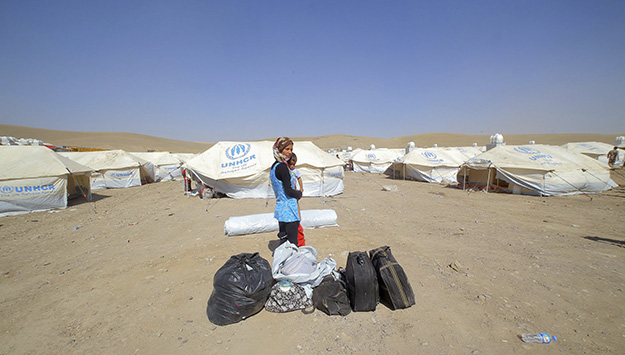
For decades, most refugee crises followed a pattern: A war erupted, usually in a poor country, and beleaguered civilians staggered across the nearest border. The United Nations organized a response, rich nations footed the bill, and aid groups sent in workers to tend to the needy. Even in extreme cases, such as the mass exodus from Afghanistan during the Soviet invasion in the 1980s, the crisis was largely confined to the country at war and a few immediate neighbors.