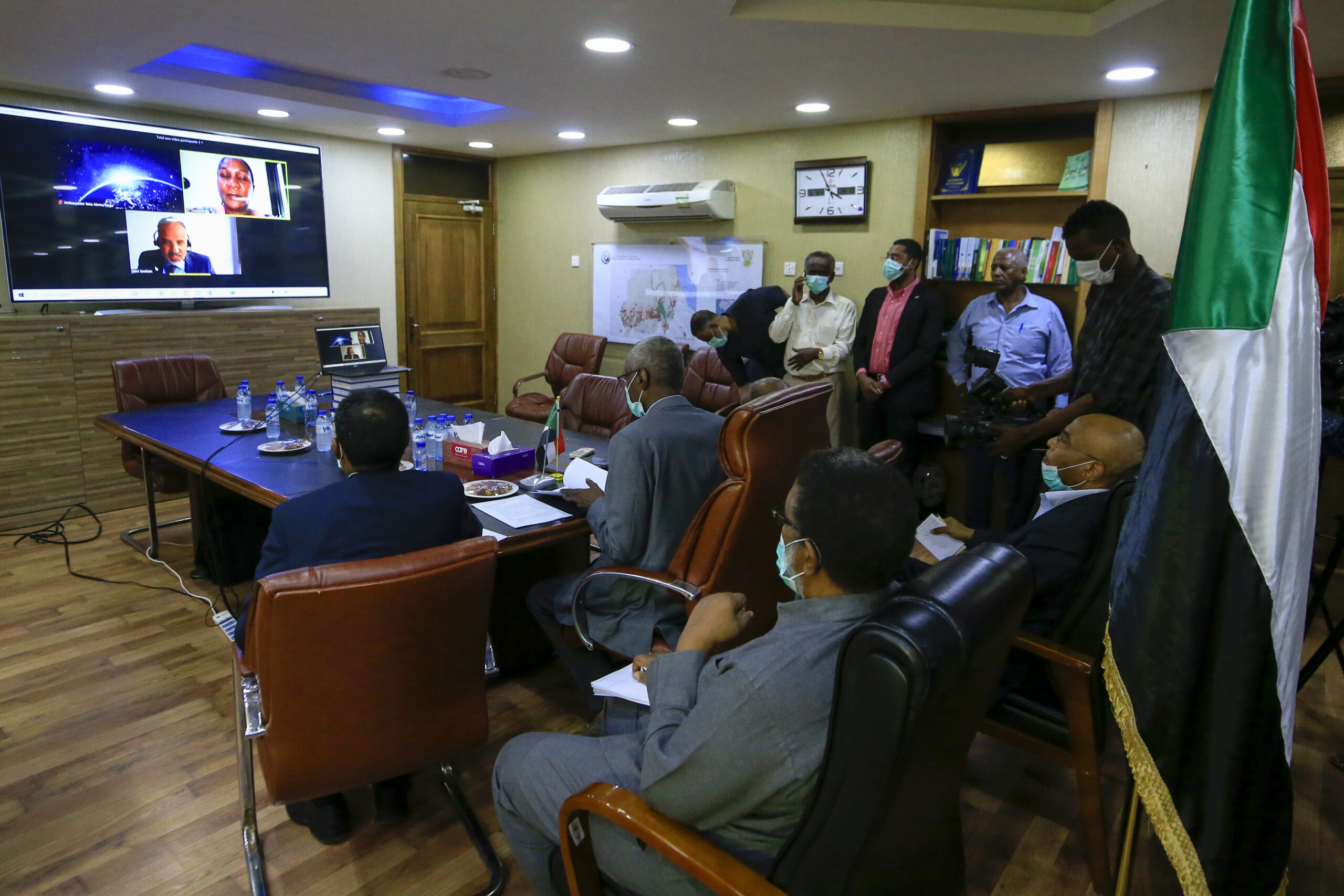
Jonathan Winer and Mirette Mabrouk join host Alistair Taylor to discuss the latest developments in Libya and the regional dynamics in play, including the role of Egypt.
عندما يتعلق الأمر ببغداد، على واشنطن أن تنظر إلى ما هو أبعد من الأمن والدينامية الإقليمية
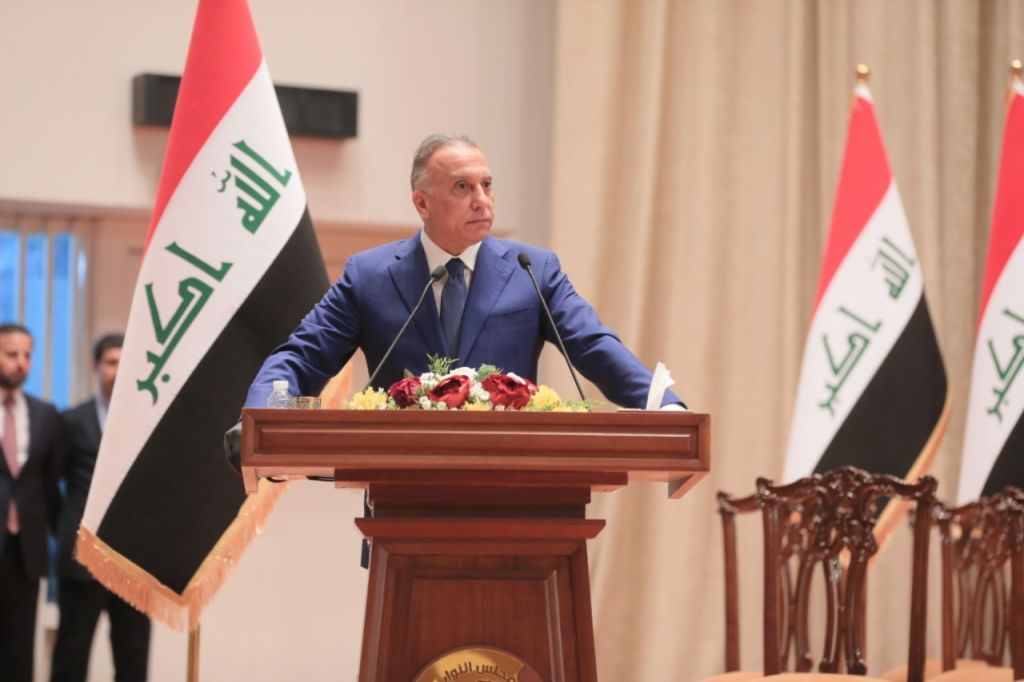
نجحت حكومة رئيس الوزراء العراقي مصطفى الكاظمي بحذر في اجتياز اختبارها الذي دام 100 يوم، وهو تقليد عمره عشر سنوات للقادة العراقيين، إذ يُتوقع منهم تحسين الخدمات في إطار زمني قصير للغاية.
فقد تم دفع الكاظمي إلى القيادة في أعقاب ما أصبح فعليًا أول انتفاضة شعبية كبيرة في العراق بعد التحول الديمقراطي عام 2003، وهي الانتفاضة التي أطاحت بسلفه عادل عبد المهدي.
Iraqi Kurdistan in the US-Iraq strategic dialogue: Re-evaluating security sector reform
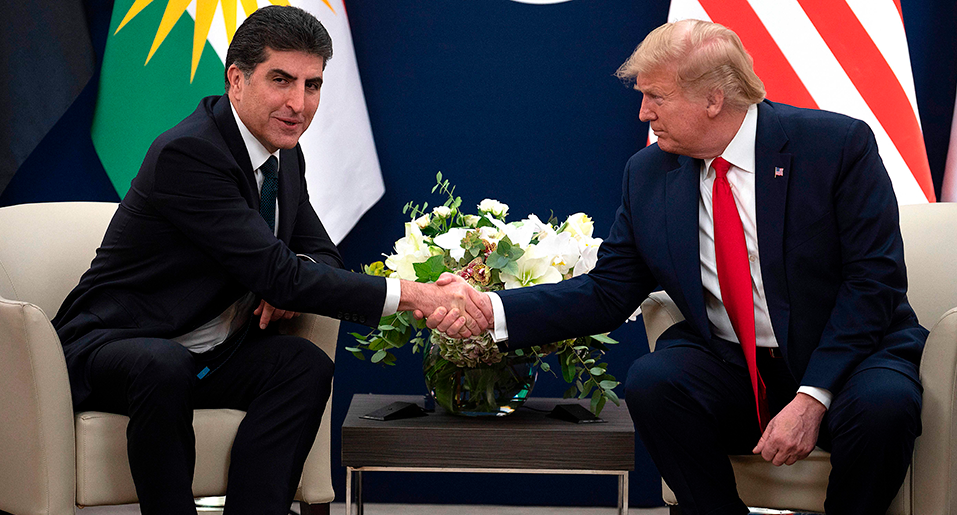
The United States’ primary focus on maintaining stability in the Kurdistan Region of Iraq (KRI) has been detrimental to the region. Channeling military aid to partisan militias has entrenched the duopoly rule of the Kurdistan Democratic Party (KDP) and the Patriotic Union of Kurdistan (PUK) while preventing meaningful democratic reforms that could bring long-term stability.
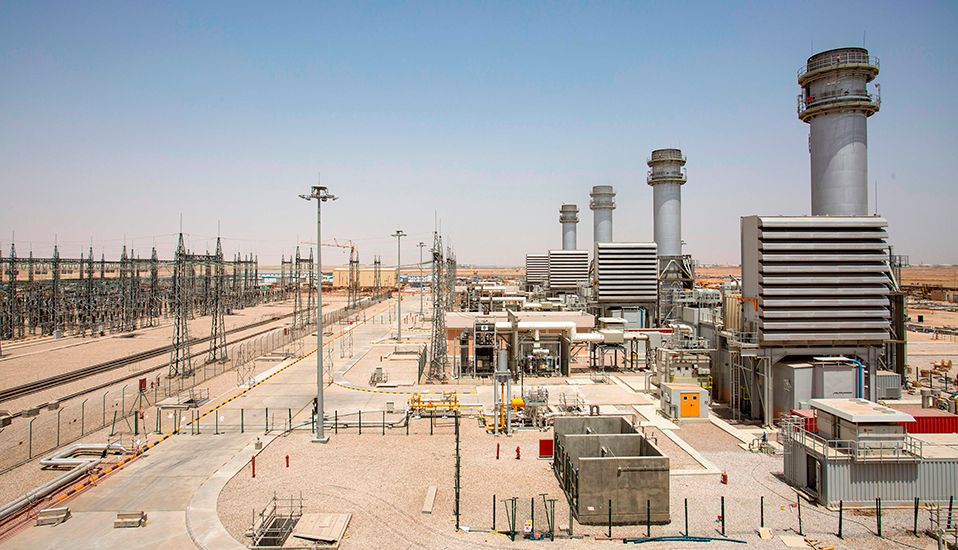
Iraq’s long-running electricity dilemma is now a daily source of public misery. The struggle of the power generation and distribution system to keep up with relentless demand caused by almost free electricity, especially as temperatures soar to record levels of over 120 degrees, is likely to get worse without reforms.
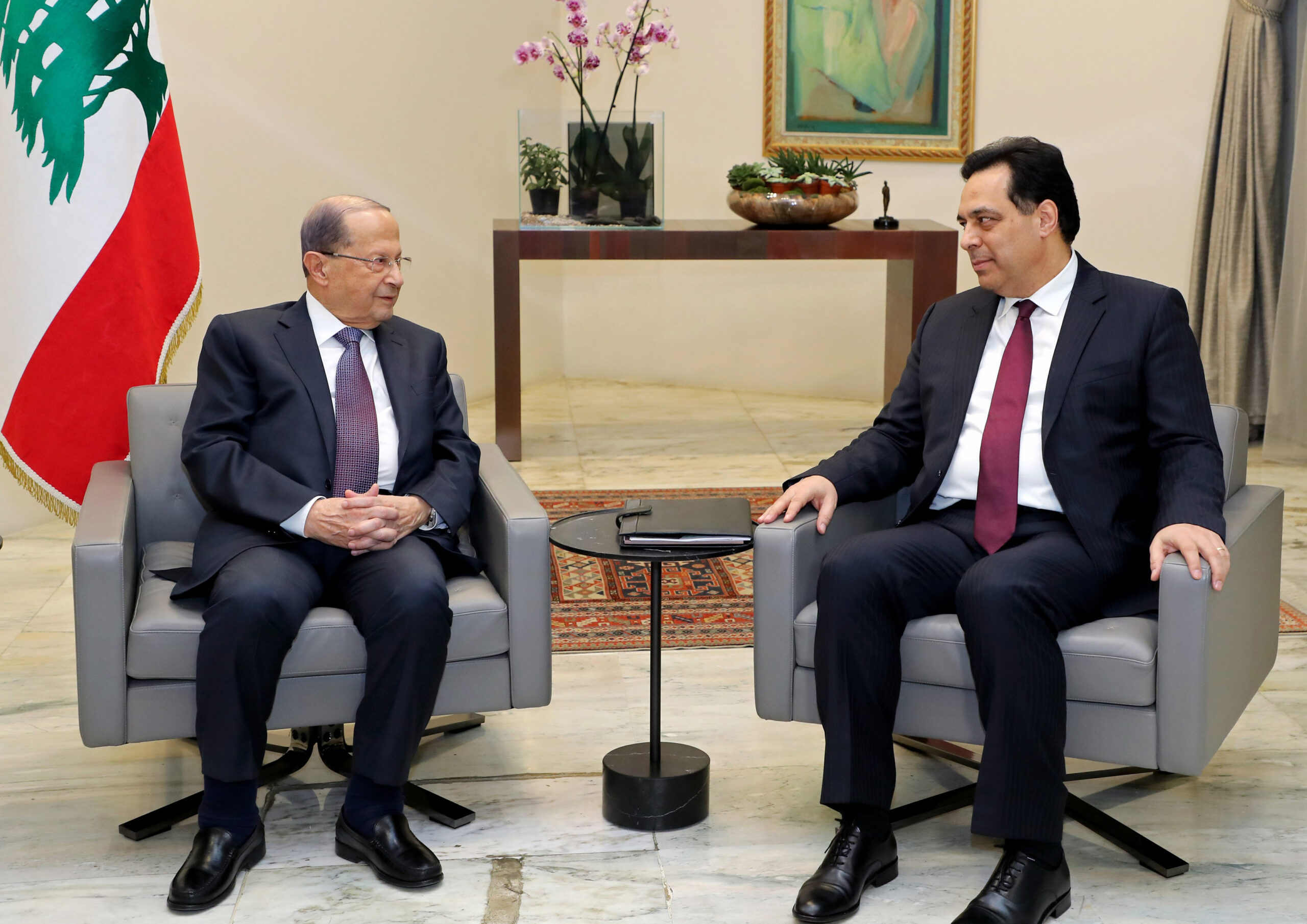
Monday Briefing | Lebanon: The twilight of an impotent government
This week’s briefing on recent news and upcoming events in the region featuring Paul Salem, Hafsa Halawa, Marvin G. Weinbaum, Anne-Linda Amira Augustin, and Gerald Feierstein.
رئيس الوزراء الكاظمي يعلن عن موعد إجراء انتخابات مبكرة في العراق
“على المستوى السياسي، قد تشكل الانتخابات المبكرة خطرا على الحركة الاحتجاجية”
يوم الجمعة الماضي، وسط تجدد الاحتجاجات والغضب من استمرار العنف الممارس من جانب قوات الأمن، أعلن رئيس الوزراء مصطفى الكاظمي عن موعد لإجراء انتخابات برلمانية جديدة في العراق في 6 يونيو 2021.
وقد خلف الإعلان ردود فعل متباينة كما كان متوقعا. فقد جادلت جهات سياسية فاعلة بأن الإعلان يعتبر غير دستوري ويتطلب موافقة البرلمان لتحديد موعد انتخابات جديدة (وضمنيا حل البرلمان الحالي)، بينما اتسم رد فعل المتظاهرين بتفاؤل حذر.
MEI’s Mirette Mabrouk and Guled Ahmed join host Alistair Taylor to discuss the ongoing dispute between Egypt, Sudan, and Ethiopia over the Grand Ethiopian Renaissance Dam (GERD), recent developments in Somaliland, and changing dynamics in the Horn of Africa.
Monday Briefing: GERD talks continue, but political will is still lacking
This week’s briefing on recent news and upcoming events in the region featuring Mirette F. Mabrouk, Marvin G. Weinbaum, Gonul Tol, Alex Vatanka, and Gerald Feierstein.
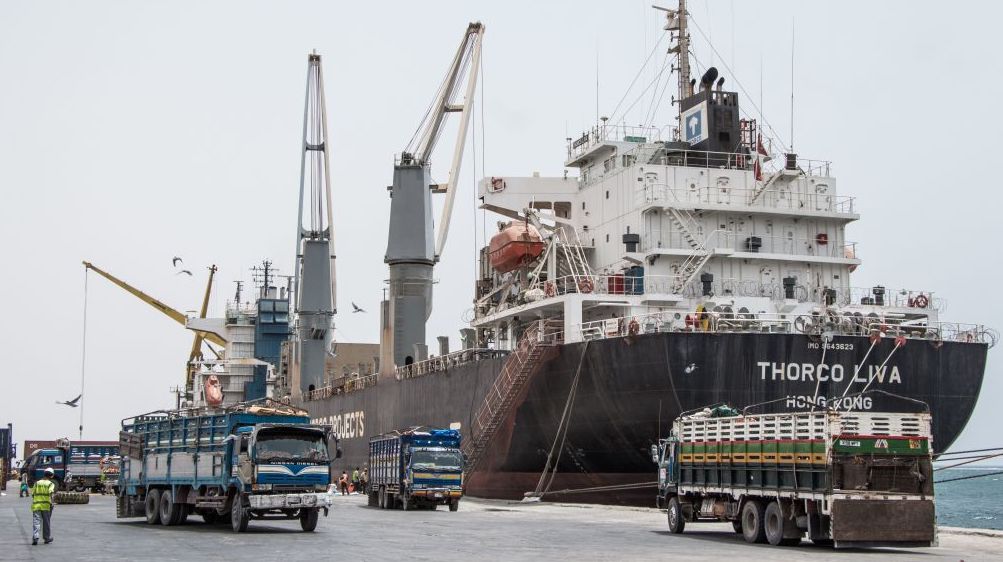
Somaliland’s ports: The Horn of Africa’s most valuable real estate
Berbera and Zeila, two of the Horn of Africa’s ancient trading cities, have long attracted the interest of global powers because of their strategic location near the Bab el-Mandeb Strait connecting the Gulf of Aden and the Red Sea. This location makes Somaliland’s coastal ports among the region’s most valuable real estate.
Monday Briefing: Red lines and rising tensions in Libya
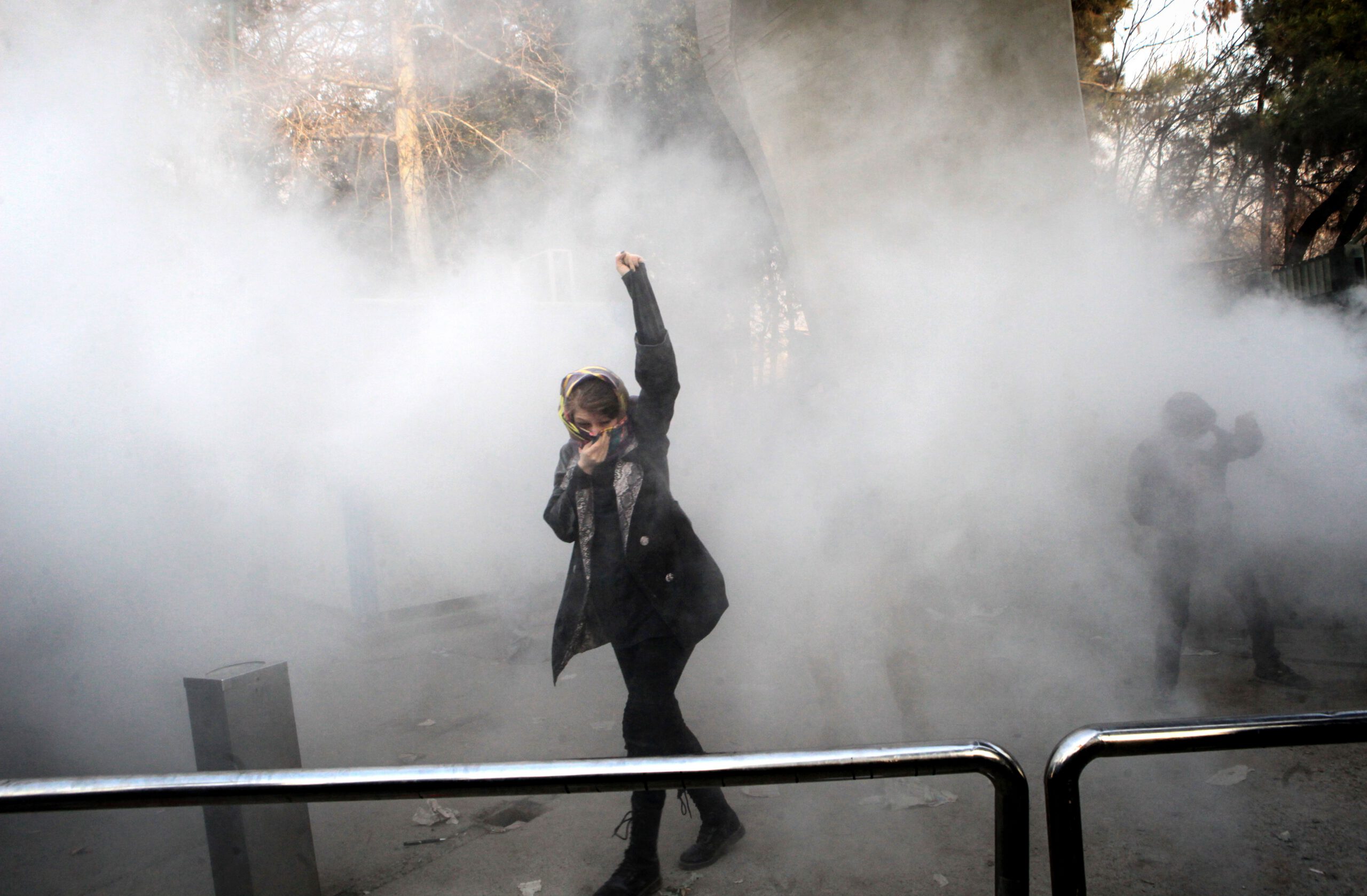
In this week’s Monday Briefing, MEI experts Mirette F. Mabrouk, Robert S. Ford, Nazila Fathi, and Marvin G. Weinbaum provide analysis on recent and upcoming events including rising tensions in Libya, economic turmoil and anti-regime protests in Iran, and the Jordanian high court’s decision to dissolve the Muslim Brotherhood.
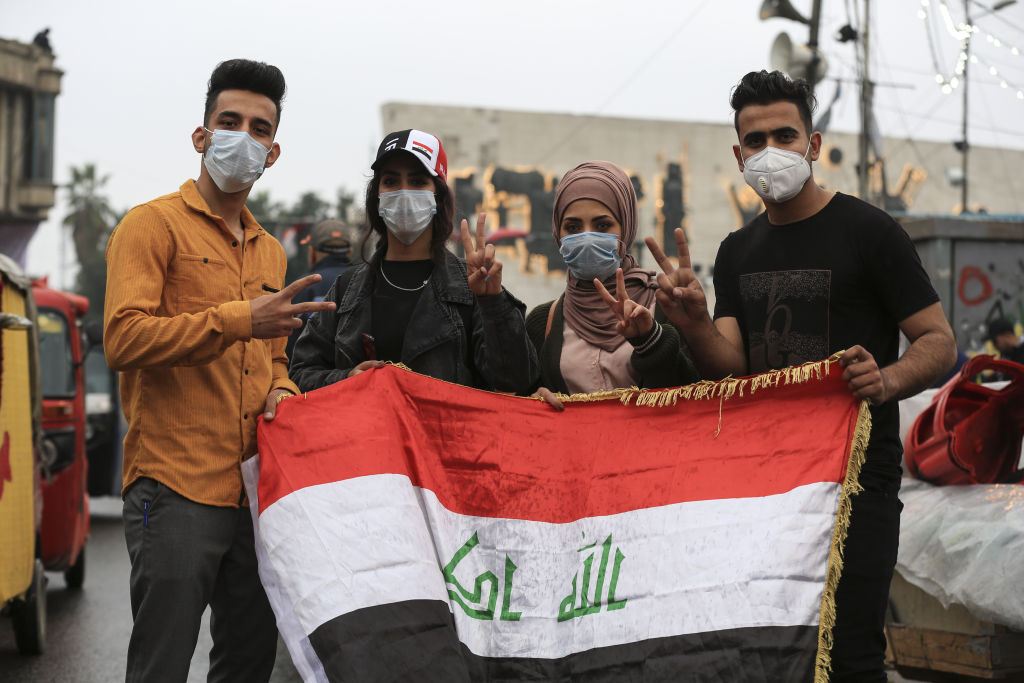
The nationwide protests that erupted in October 2019 shifted the political landscape and paradigm of Iraqi political participation: Led by motivated Iraqi youth in their teens and twenties with no previous civic experience, they signal a rejection of the post-2003 sectarian patronage system, known as muhassasa, that has failed to deliver security, economic development, or basic services. The protest movement’s spontaneity and authenticity are its core strength; no public figure or party directed the waves of protests across central and southern Iraq.
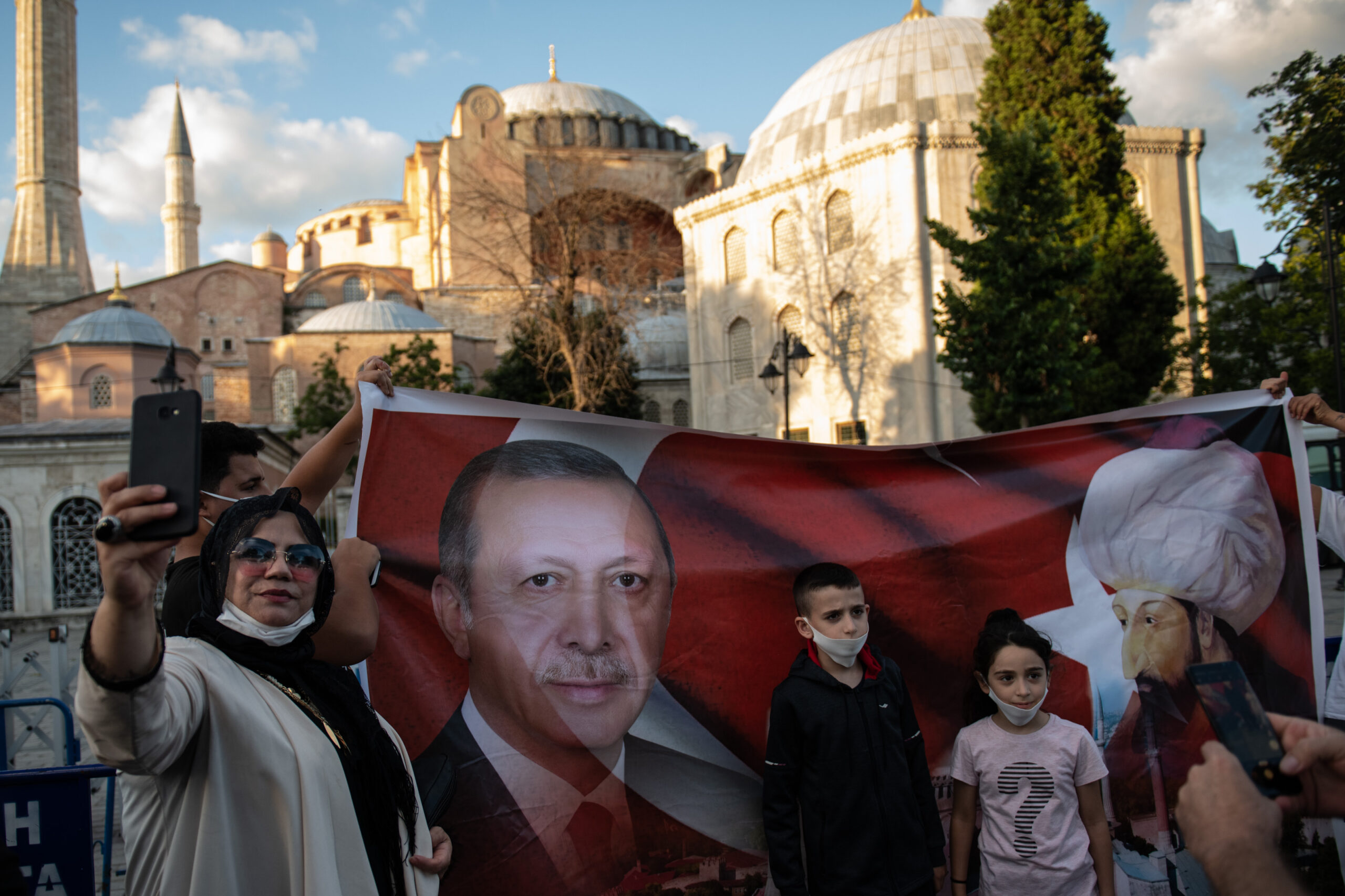
Monday Briefing: Erdoğan and the “symbolic war” over Hagia Sophia
This week’s briefing on recent news and upcoming events in the region featuring Seren Selvin Korkmaz, Marvin G. Weinbaum, Mirette F. Mabrouk, Robert S. Ford, and Nilsu Goren.
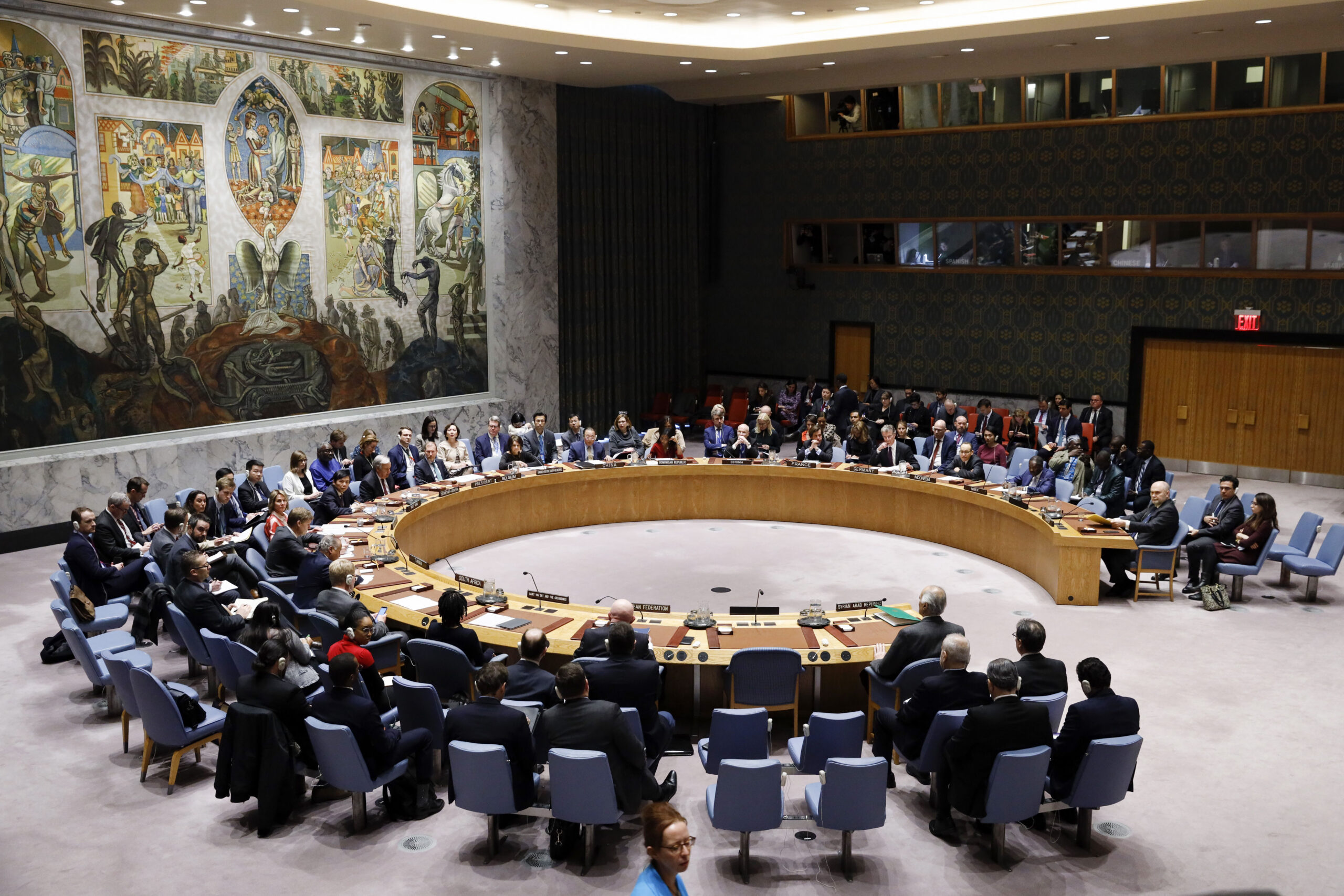
Monday Briefing: The UN Security Council must act now to save northwest Syria
This week’s briefing on recent news and upcoming events in the region featuring Dara Conduit, Marvin G. Weinbaum, Mark Heller, Syed Mohammad Ali, Gonul Tol, and Guled Ahmed.
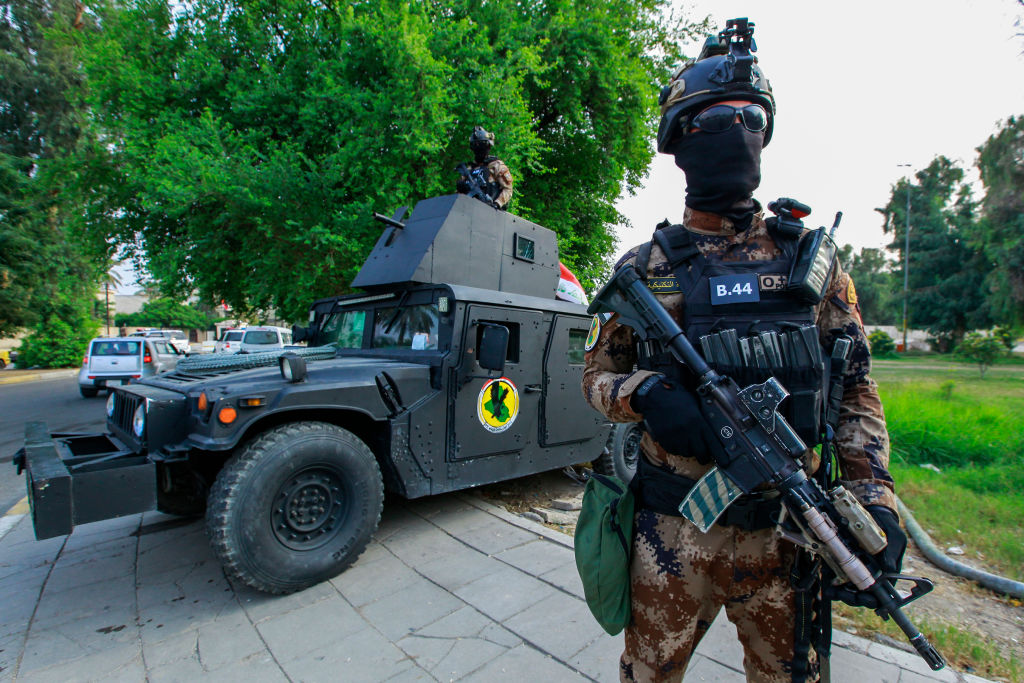
Late on June 25, the Iraqi Counter Terrorism Service carried out an operation against Kataib Hezbollah, a powerful Iran-backed militia, in the suburbs of Baghdad, detaining militiamen, confiscating mobile Katyusha rocket launchers, and accusing the group of plotting another round of rocket attacks targeting the Green Zone and Baghdad International Airport.