Skip to Content

Research & Commentary Results

Filter by
1230 Results
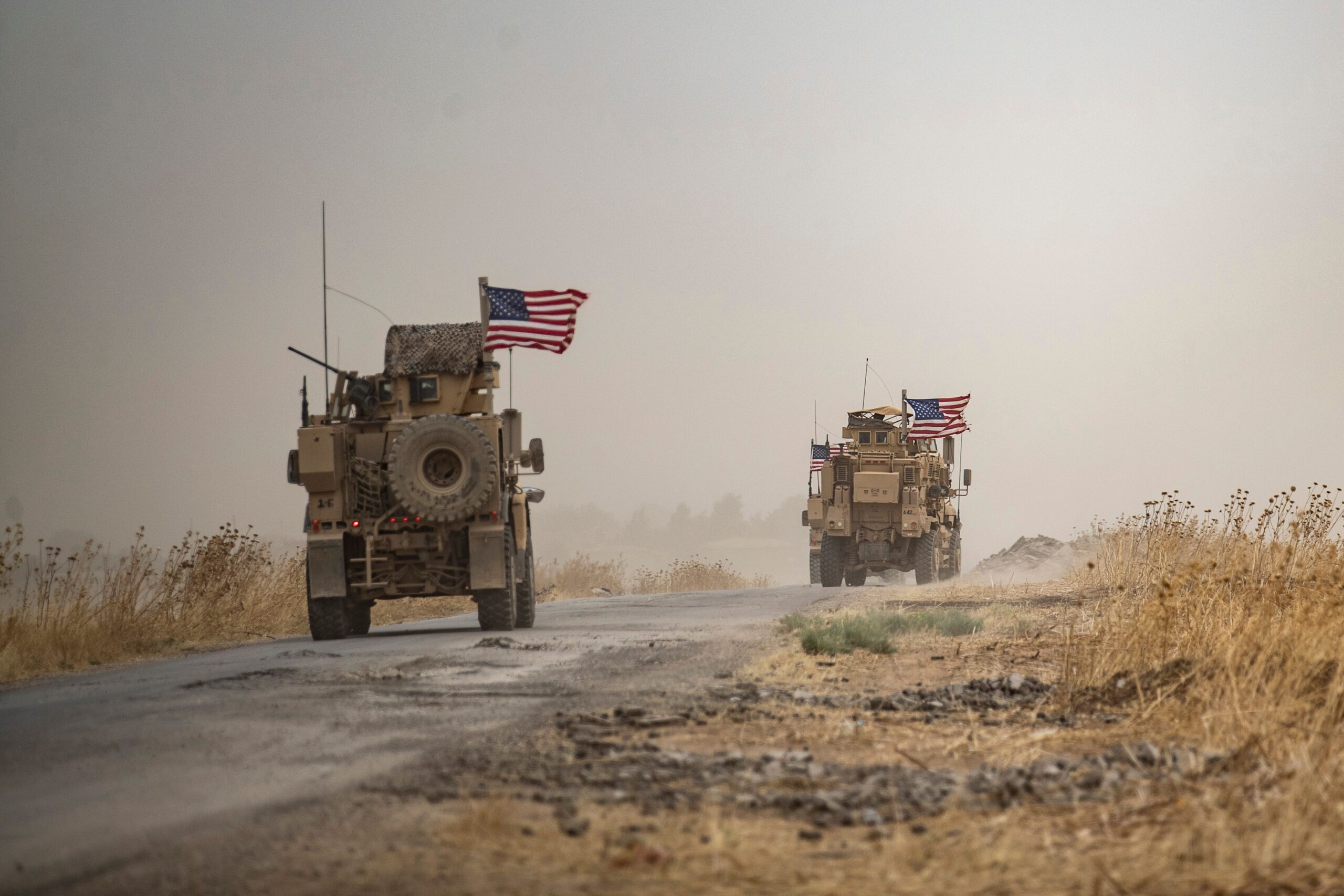
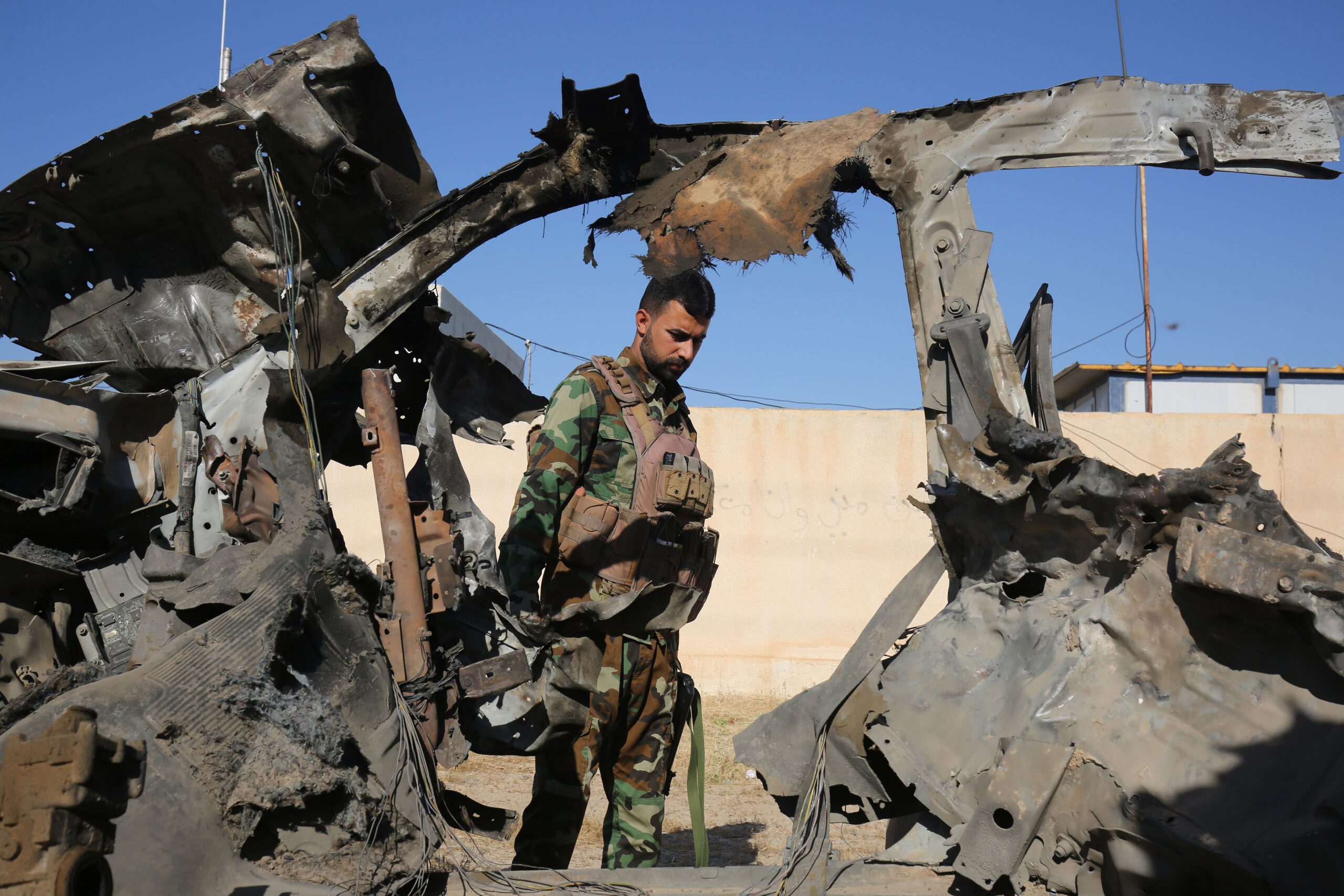
US Policy and the Resurgence of ISIS in Iraq and Syria
  • Analysis
  • US Policy and the Resurgence of ISIS in Iraq and Syria

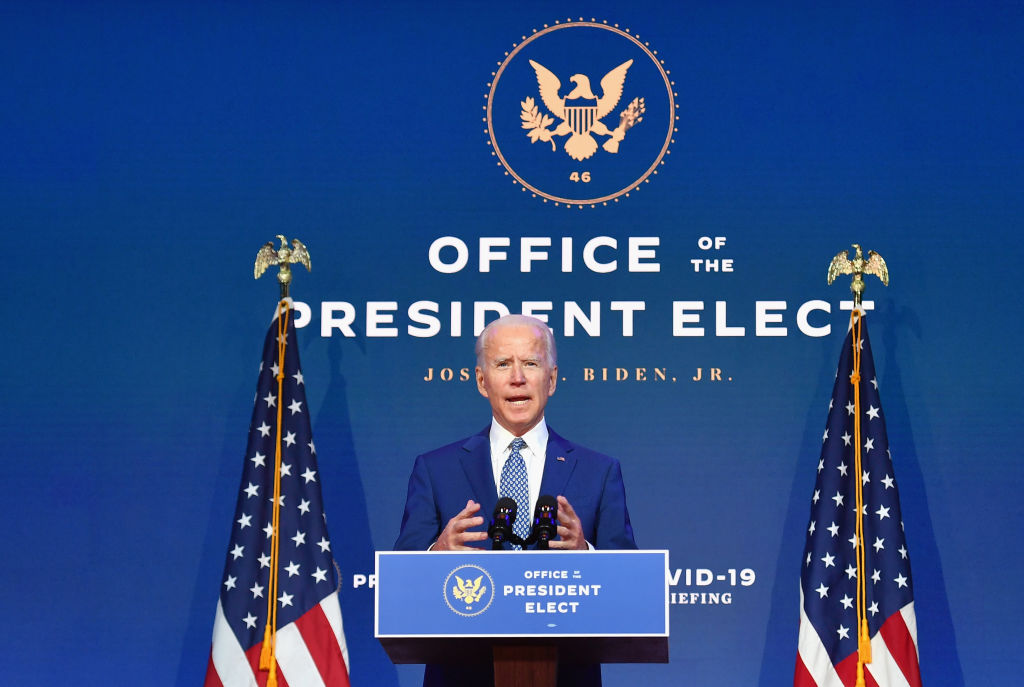
    As attacks by ISIS increase in both Iraq and Syria, the upcoming U.S. presidential election offers a turning point for how U.S. foreign policy will seek to address a potential ISIS resurgence. This paper lays out this growing problem and recommends policy, which will be constrained by the outcome of the November election.

    October 21, 2020

    Will Trump’s Syria hostage diplomacy work?
    Photo by JOSEPH EID/AFP via Getty Images
  • Analysis
  • Will Trump’s Syria hostage diplomacy work?

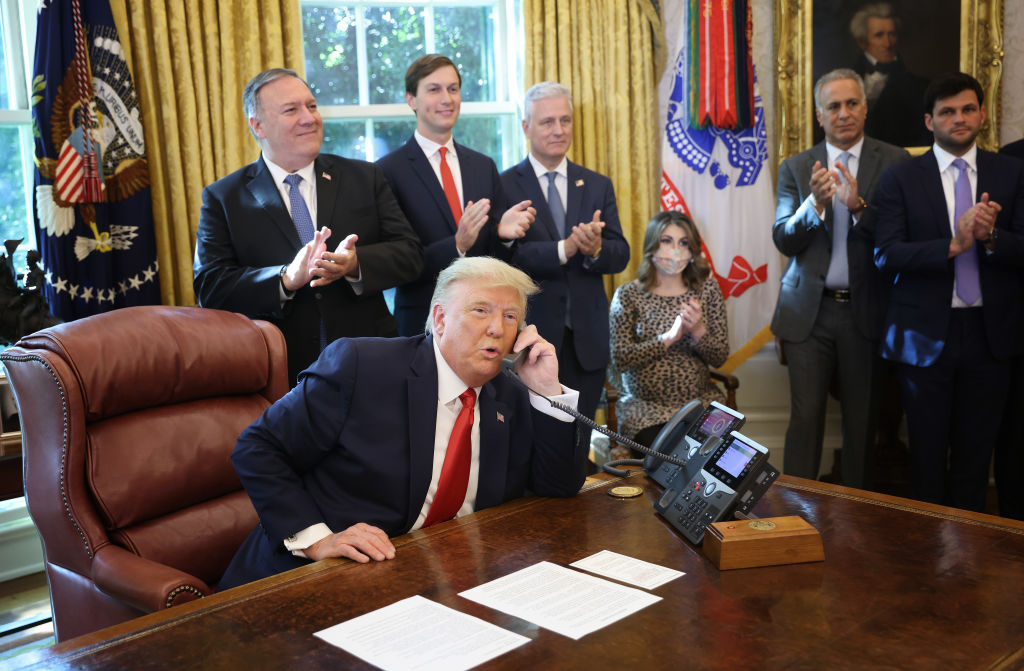
    With a presidential election looming in the United States, the continuing crisis in Syria is unlikely to make headlines. Aside from the COVID-19 pandemic, raging wildfires, and the occasional flare-up of violence in Idlib, Syria has been largely off the radar in the U.S. for quite some time. Yet dramatic new revelations suggest that Syria could be on the administration’s agenda more prominently as President Donald Trump makes a serious, if desperate, move to secure American hostages thought by U.S. officials to be held in Damascus.

    US sanctions hurt Syrian civilians — they need to be worth it
    Photo by Hasan Belal/NurPhoto via Getty Images
  • Analysis
  • US sanctions hurt Syrian civilians — they need to be worth it

    On June 17, 2020, the U.S. State Department’s special envoy to Syria, Joel Rayburn, announced the beginning of the “summer of Caesar,” promising a wave of sanctions designations under the newly activated Caesar Syria Civilian Protection Act. Summer has come and gone, but there’s little to show for it.

    October 15, 2020

    How are Russia and China responding to the Caesar Act?
    Photo by LOUAI BESHARA/AFP via Getty Images
  • Analysis
  • How are Russia and China responding to the Caesar Act?

    The Caesar Civilian Protection Act sanctions on Syria, which were signed into law by U.S. President Donald Trump in December and took effect on June 17, have polarized the international community. Most European countries have supported the Caesar Act’s use of sanctions to punish Syrian President Bashar al-Assad for war crimes, but Russia and China have stridently criticized the legislation.

    October 14, 2020

    Jannah or Jahannam: Options for Dealing with ISIS Detainees
  • Analysis
  • Jannah or Jahannam: Options for Dealing with ISIS Detainees

    Thousands of former ISIS fighters and tens of thousands of civilians indoctrinated in the group’s extremist ideology currently sit in prisons and refugee camps across Iraq and Syria. Leaving the detainees there is dangerous, but transitioning them will require some type of accountability for the crimes committed. This paper explores options for international action to deal with the detention of ISIS members from Iraq and Syria and the foreign terrorist fighters who joined the group from around the globe.

    Southern Syria: “Sibling feud” or engineered violence?
  • Analysis
  • Southern Syria: “Sibling feud” or engineered violence?

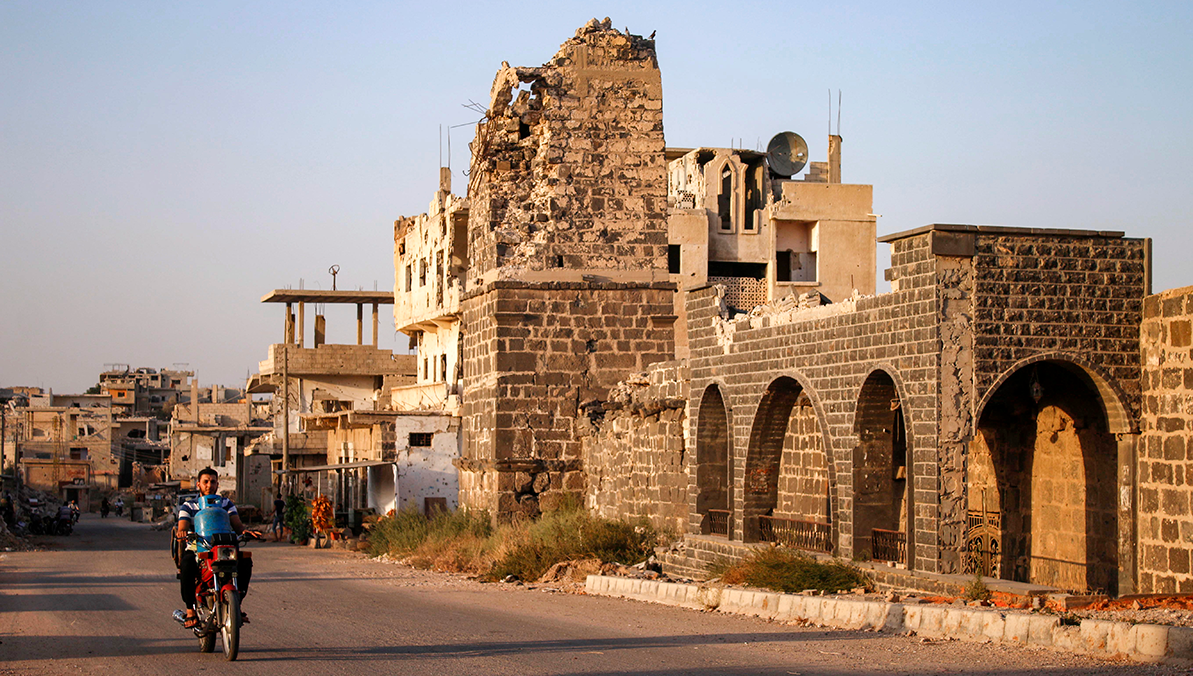
    The significant increase in tit-for-tat kidnappings between Daraa governorate and As-Suwayda governorate has become a defining characteristic of volatile southern Syria. Contrary to the belief of many, instances of kidnappings between the “plain” (Daraa) and “mount” (As-Suwayda) of Hauran, which have been occurring since at least 2011, are not driven by Sunni-Druze sectarian hatred. Rather, the deteriorating economy, decline of agriculture, unemployment, desperate poverty, and abundance of weapons are the core factors pushing many individuals to participate in criminal groups and engage in profit kidnapping, drug dealing, and gun running.

    Jordan: US security assistance and border defense capacity building
  • Analysis
  • Jordan: US security assistance and border defense capacity building

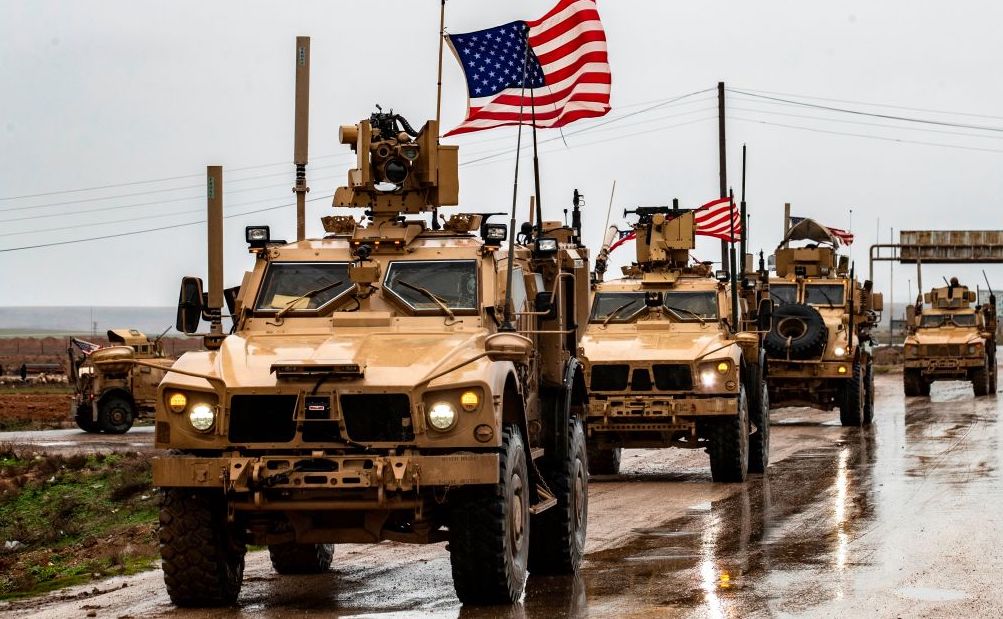
    The Department of Defense (DoD) border security assistance programs in the Middle East region have helped partner countries to defend their borders against terrorist militia groups and other transnational security threats in the region. These programs set the standard for how the US military can foster long-term stability in the Middle East, while gradually drawing down its presence in the region.

    October 6, 2020

    Who owns Syria’s cultural heritage?
  • Analysis
  • Who owns Syria’s cultural heritage?

    Political manipulation of cultural heritage is a powerful tool in the armory of soft power. Syria’s President Bashar al-Assad understands this well, as does Russia’s President Vladimir Putin and Turkey’s President Recep Tayyip Erdogan.

    September 23, 2020

    Kata’ib Khattab al-Shishani: Fact or fiction?
    Photo by MOHAMMED AL-RIFAI/AFP via Getty Images
  • Analysis
  • Kata’ib Khattab al-Shishani: Fact or fiction?

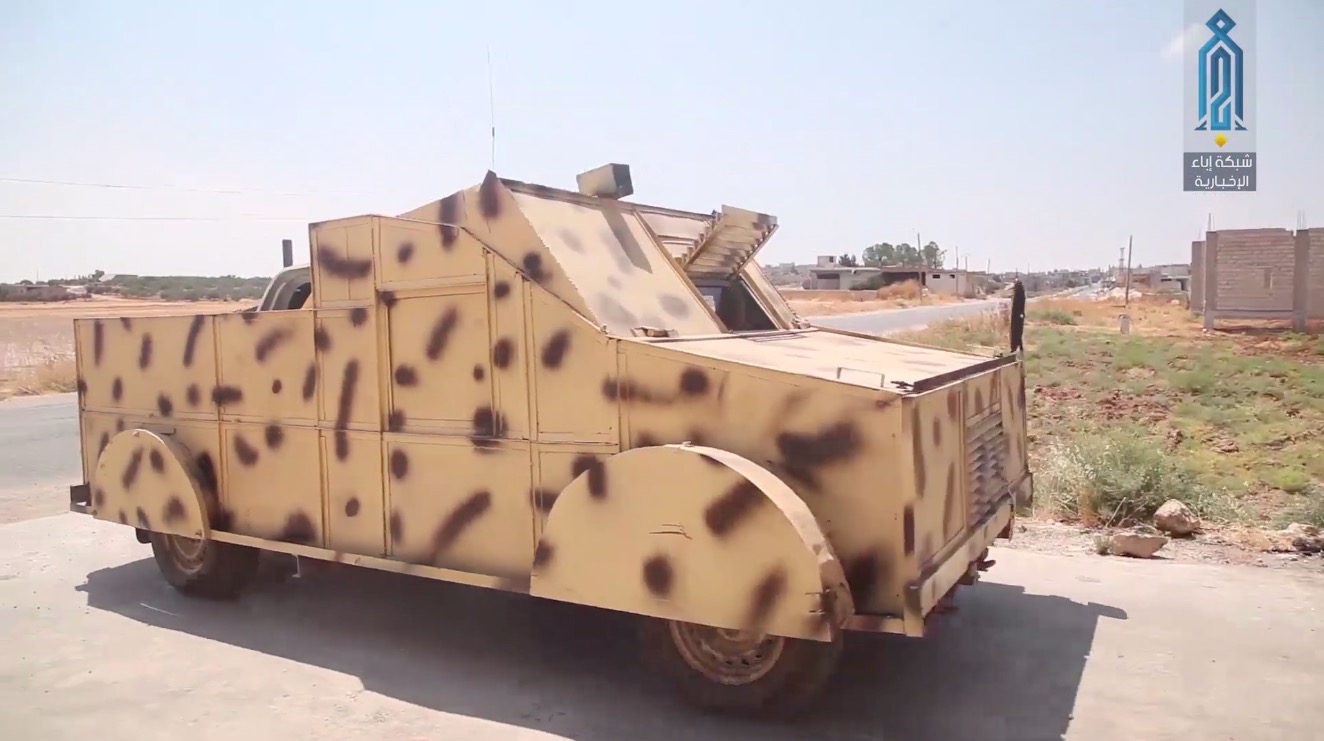
    Foreign fighters have played a major role in Syria’s ongoing conflict, with a presence in the country that numbered in the tens of thousands at its peak. One of the most mythologized sources of foreign recruits has been Chechnya, the once-separatist province of Russia’s North Caucasus that was reconquered by the Russian army in the early 2000s. Several thousand Chechen fighters traveled to Syria to fight in various opposition and Islamist factions, where their battlefield prowess made them a prized commodity among Syrian rebel militants.

    September 16, 2020

    Syria Still Matters: Charting a Strategic Approach to Syria Policy
    Photo by GEORGE OURFALIAN/AFP via Getty Images
  • Analysis
  • Syria Still Matters: Charting a Strategic Approach to Syria Policy

    Nine years of conflict in Syria has had a profoundly destabilizing effect on regional and international security. Although overarching dynamics have changed, the crisis is far from over — it is merely evolving. All of the conflict’s root causes remain in place and many have worsened. In controlling less than two-thirds of the country, the Syrian state and its Russian and Iranian backers are increasingly incapable of addressing the many challenges they face: economic collapse and inflation, fledgling insurgencies, a resurgent ISIS, a COVID crisis, and endemic corruption and mismanagement. What happens in Syria never stays in Syria. The United States cannot afford to prematurely withdraw or sustain today’s inconsistent and ill-considered policy — it must step up, re-assert its leverage, strengthen its partners, mobilize its allies, and move determinedly toward protecting American interests and helping to diplomatically resolve the crisis once and for all, creating space for foreign actors, the U.S. included, to depart Syrian soil responsibly.

    Election 2020: Challenges and Opportunities for US Policy in the Middle East
  • Analysis
  • Election 2020: Challenges and Opportunities for US Policy in the Middle East

    In a new briefing book released ahead of the U.S. elections in November, entitled Election 2020: Challenges and Opportunities for US Policy in the Middle East, MEI scholars lay out key issues across the region, highlight the U.S. interests at stake, and provide policy insights and recommendations for the path forward.