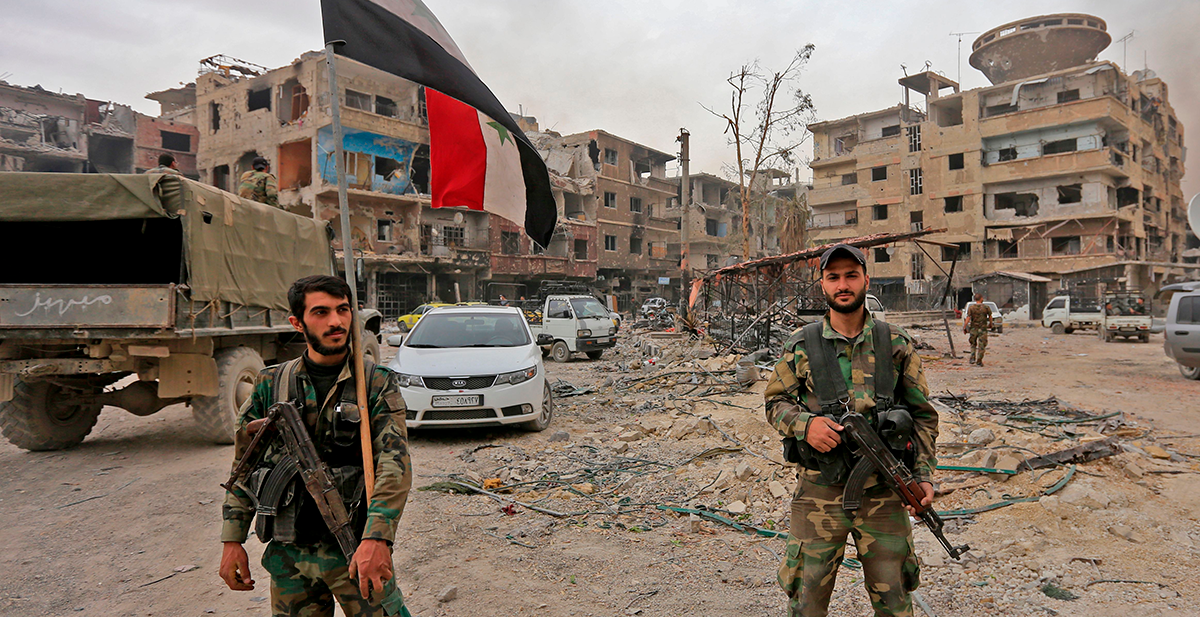
Divided Syria: An examination of stabilization efforts and prospects for state continuity
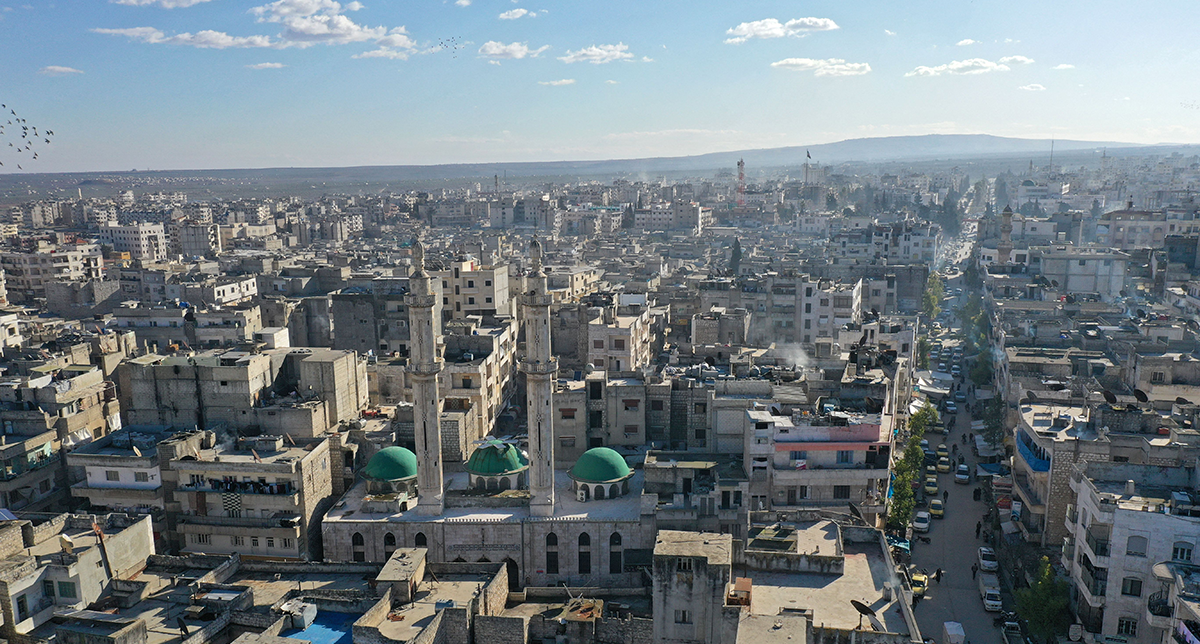
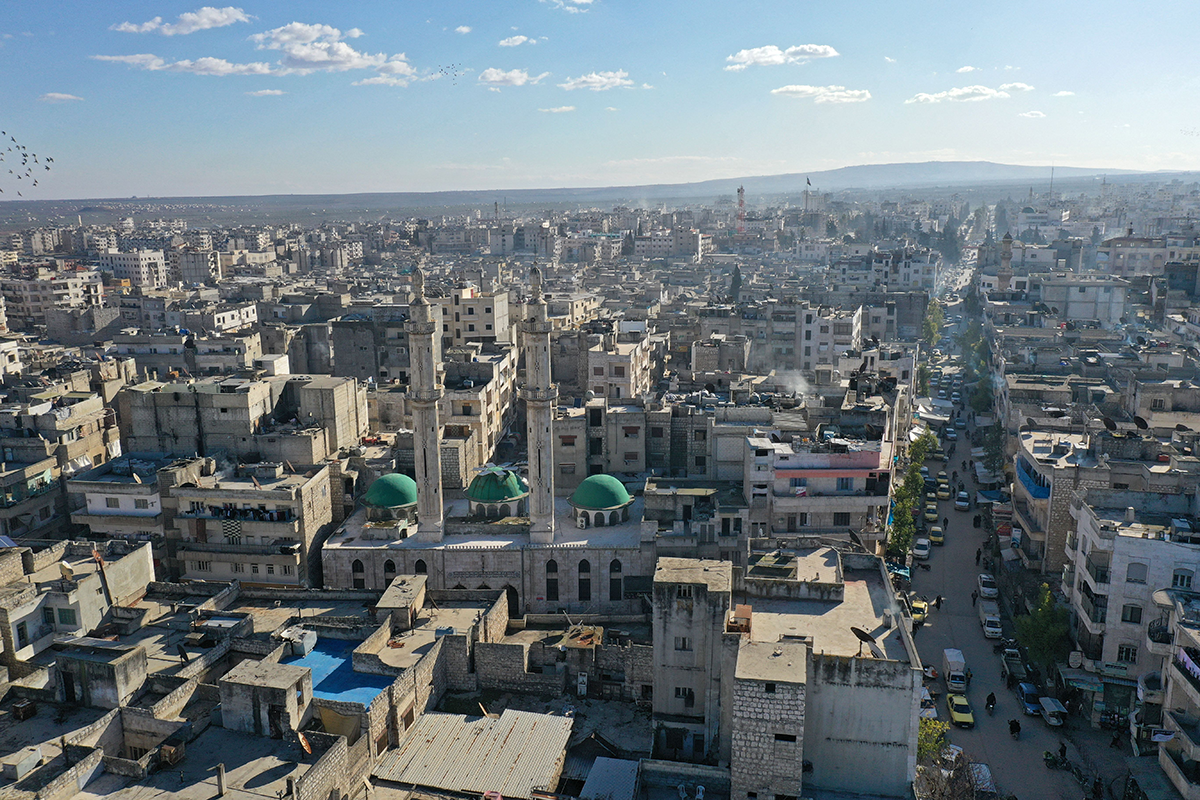
The war in Syria started with a ferocious regime crackdown on nonviolent demonstrations but transformed rapidly into a hydra-headed conflict. Syrian citizens with Gulf support took up arms to defend themselves, extremists rushed in, Iran and its proxies upped the ante, and moderate and extremist opposition forces fought both with each other and regime.
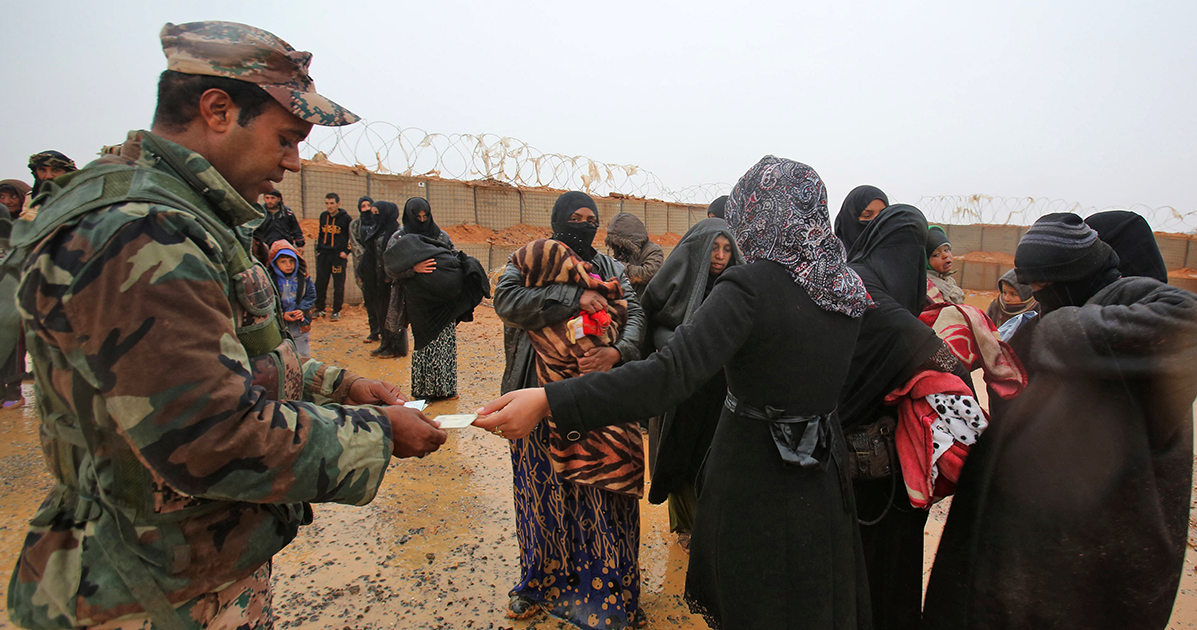
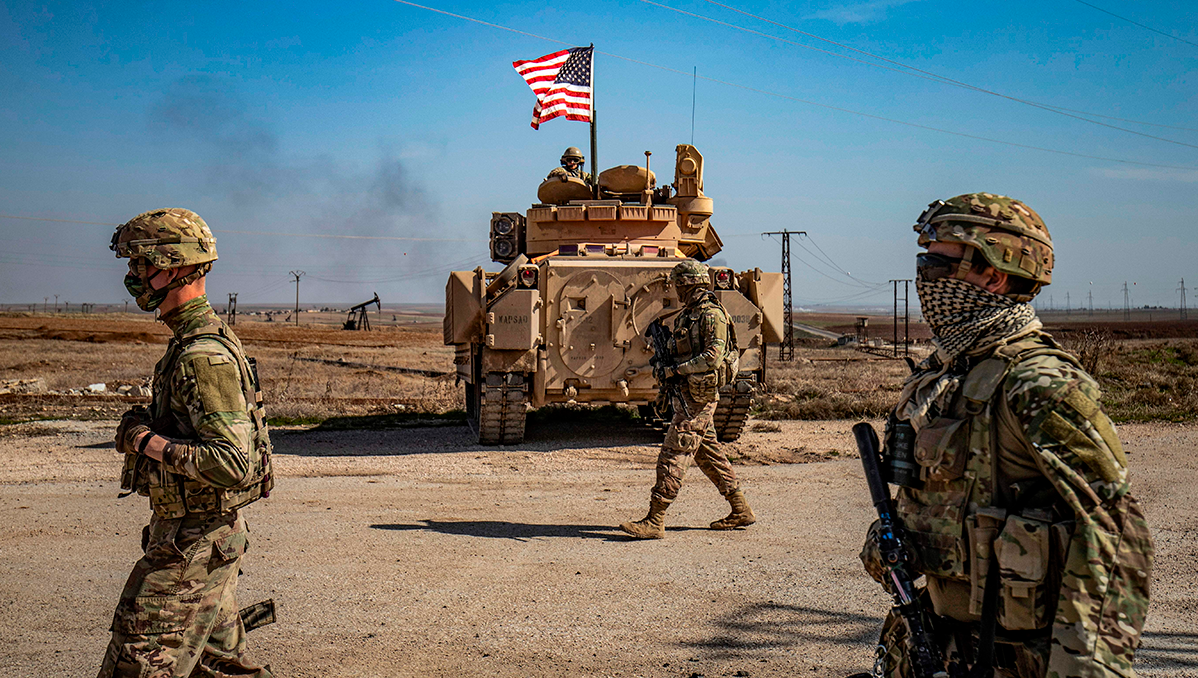
Last month, members of Congress called on the Biden administration to address the eight-year-long humanitarian crisis at Rukban, a desolate informal displacement camp in the eastern Syria desert, just miles from the U.S.-led coalition base at the al-Tanf garrison (ATG). Since 2015, Syria, Jordan, Russia, and the United States have refrained from claiming responsibility for the camp, resulting in a protracted period of inaction with severe humanitarian consequences.
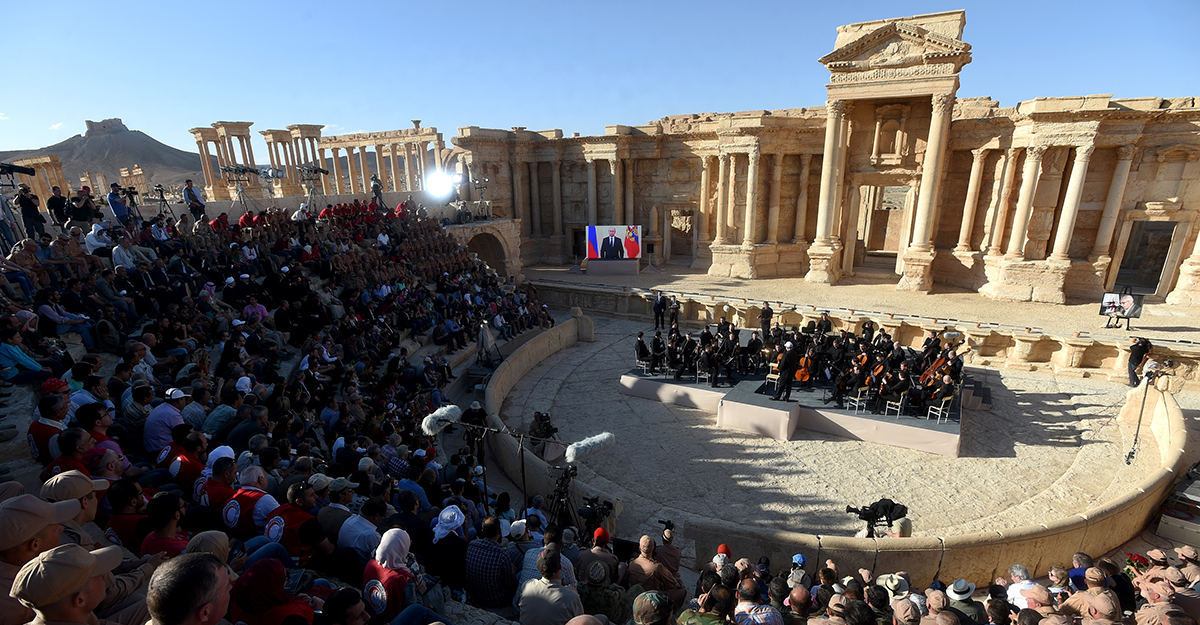
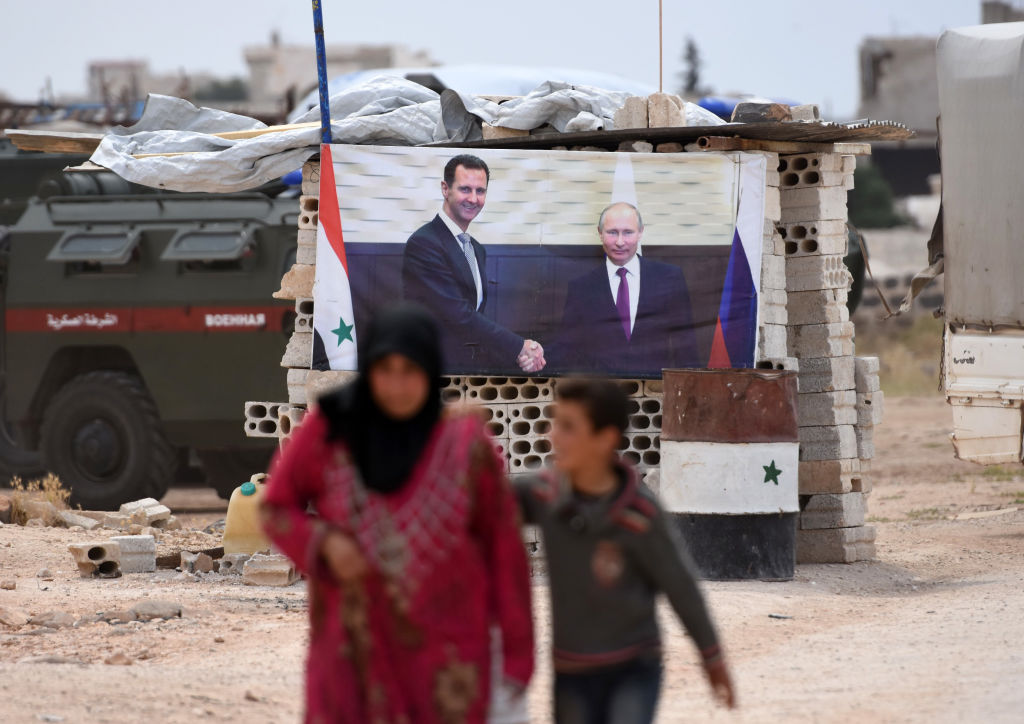
Putin in Palmyra: How Russia won the “truth” battle in Syria and learned lessons for Ukraine
Syria provided Putin with the perfect training ground for Ukraine. Russia is now using the same techniques that it first employed in Syria in its reporting of the “special military operation” in Ukraine.
«داعش» يتعافى في سوريا… لكن الحاجة ماسة إلى الاستقرار
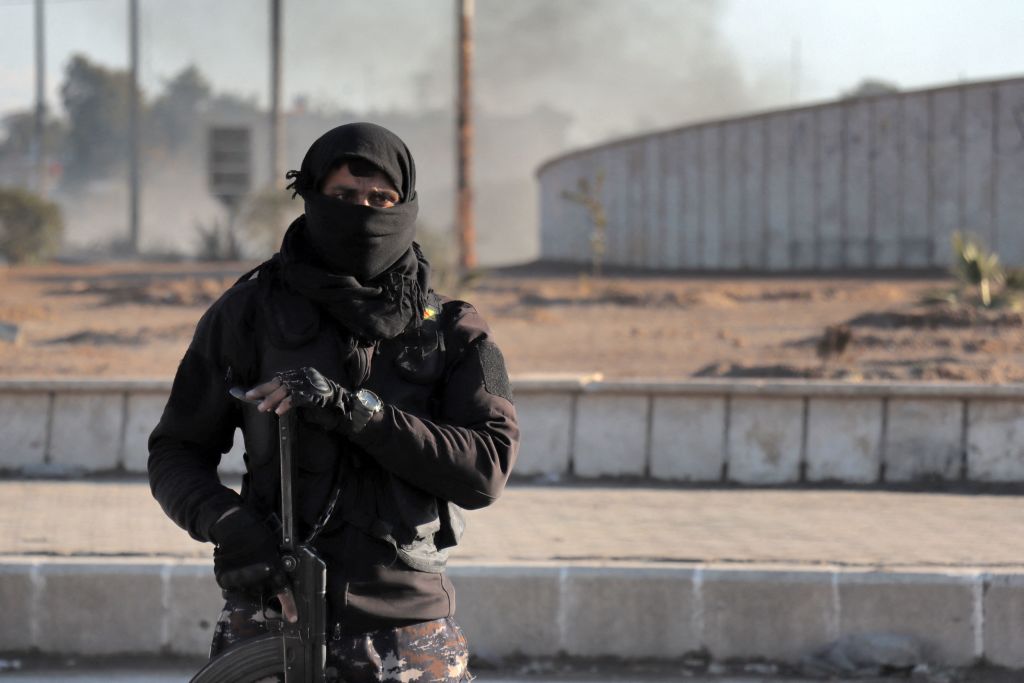
عندما لقي تنظيم داعش الإقليمي الهزيمة في سوريا قبل أكثر من ثلاث سنوات، احتفل العالم بإنجاز تاريخي. فعلى مدار خمس سنوات، حشد تحالف ضم أكثر من 80 دولة موارده المشتركة لدحر «داعش» في سوريا والعراق، والتصدي للجماعة الإرهابية على الإنترنت، ودحر شبكاتها المالية والشركات التابعة لها المكتشفة حديثاً في جميع أنحاء العالم.
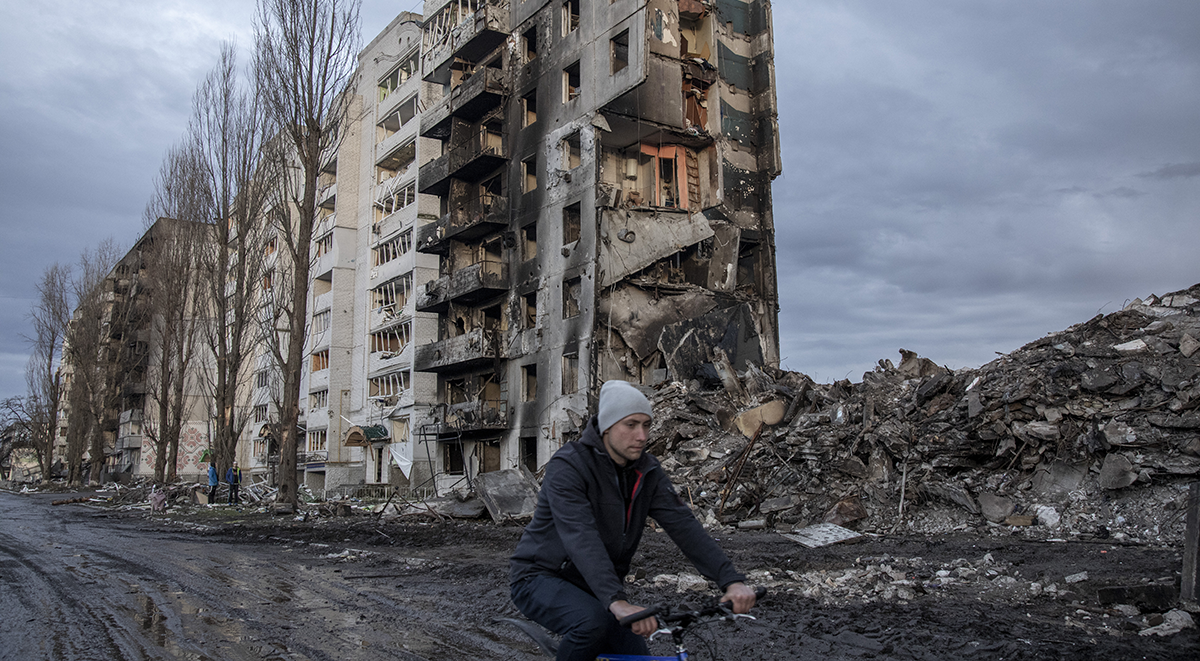
What can the Syrian civil war tell us about the war in Ukraine?
The conflict in Syria may reveal what is likely to unfold as the war in Ukraine continues. The nature of the conflict, the presence of foreign fighters, and the refugee crisis that came to characterize the Syrian civil war may portend what is to come in Ukraine.
Iulia-Sabina Joja and Charles Lister discuss the parallels between the wars in Ukraine and Syria, the similarities of Russia’s tactics in both conflicts, and what the recent history in Syria may signal for Ukraine in the months ahead.
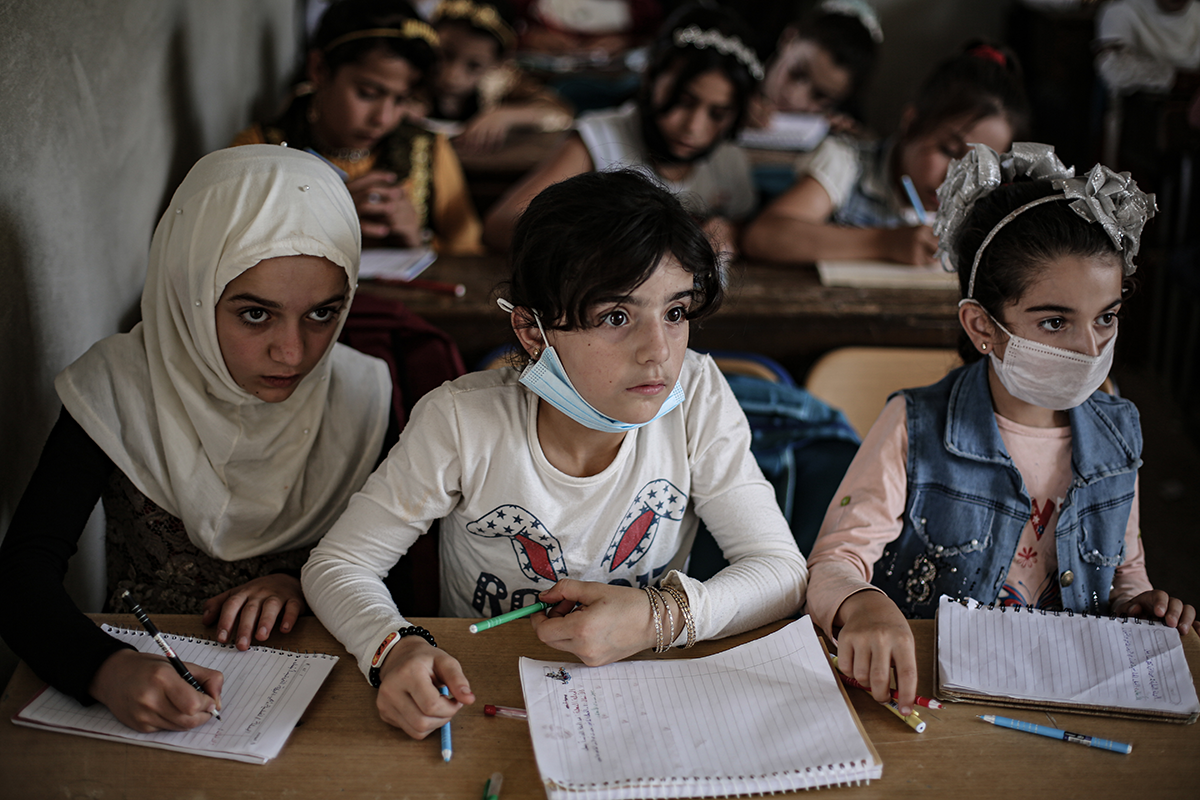
Syria’s Education Crisis: A Sustainable Approach After 11 Years of Conflict
Education in Syria faces major disruptions amid the ongoing humanitarian catastrophe. Failure by international governments to act urgently endangers the prospects of stabilizing Syria and facilitating recovery.
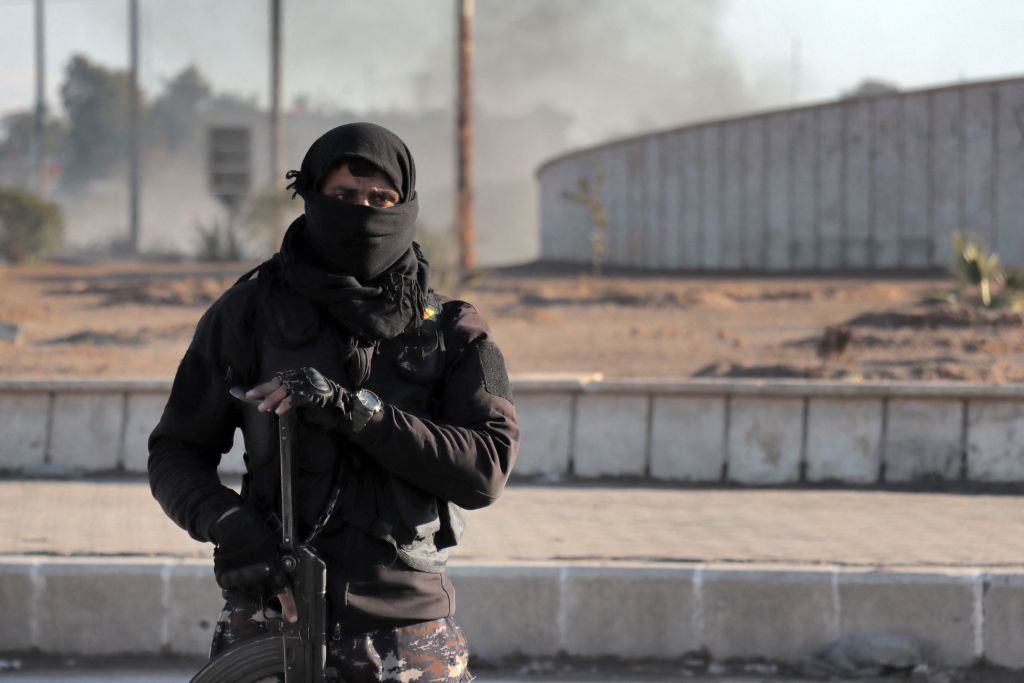
الوجود الإيراني في الحسكة السورية دور متنامي ومصدر تهديد مباشر للقوات الأمريكية
زيادة القدرات العسكرية واللوجستية للمليشيات الإيرانية في محافظة الحسكة، ازداد منذ مطلع عام 2022، بعد أن كان وجودها يقتصر على مجموعات عسكرية صغيرة وبعض المليشيات المحلية المدعومة من إيران، لكن الأحداث الأخيرة فتحت المجال لها للتغلغل داخل المجتمعات المحلية، مستغلة تراجع الدور الروسي في المنطقة وخلافات العشائر العربية مع الإدارة الذاتية وقوات سوريا الديمقراطية.
Iran’s growing presence in Syria’s al-Hasakah poses a direct threat to US forces
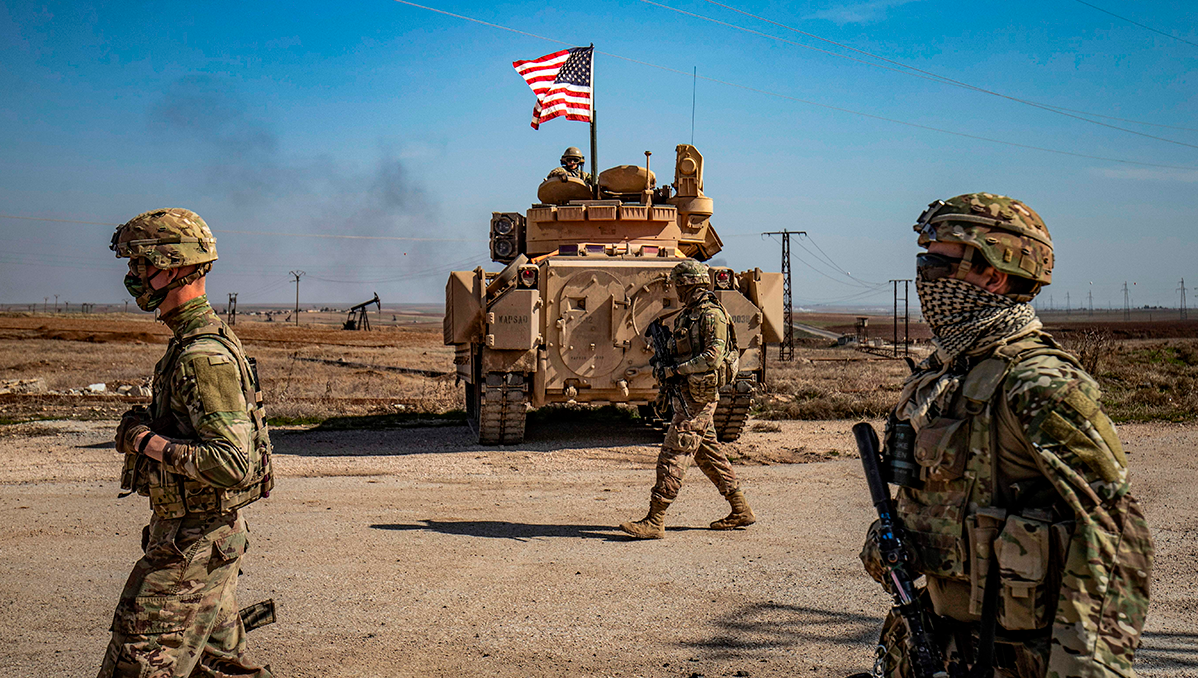
During February and early March 2022, the militias of the Iranian Islamic Revolutionary Guard Corps (IRGC) located in Syria’s al-Hasakah Governorate brought in several shipments of weapons and military equipment in an effort to strengthen their military and security presence in the governorate, which is considered the richest in Syria in terms of oil and agricultural wealth.
Amid efforts to normalize Assad’s regime, the need for a new US Syria policy is clear
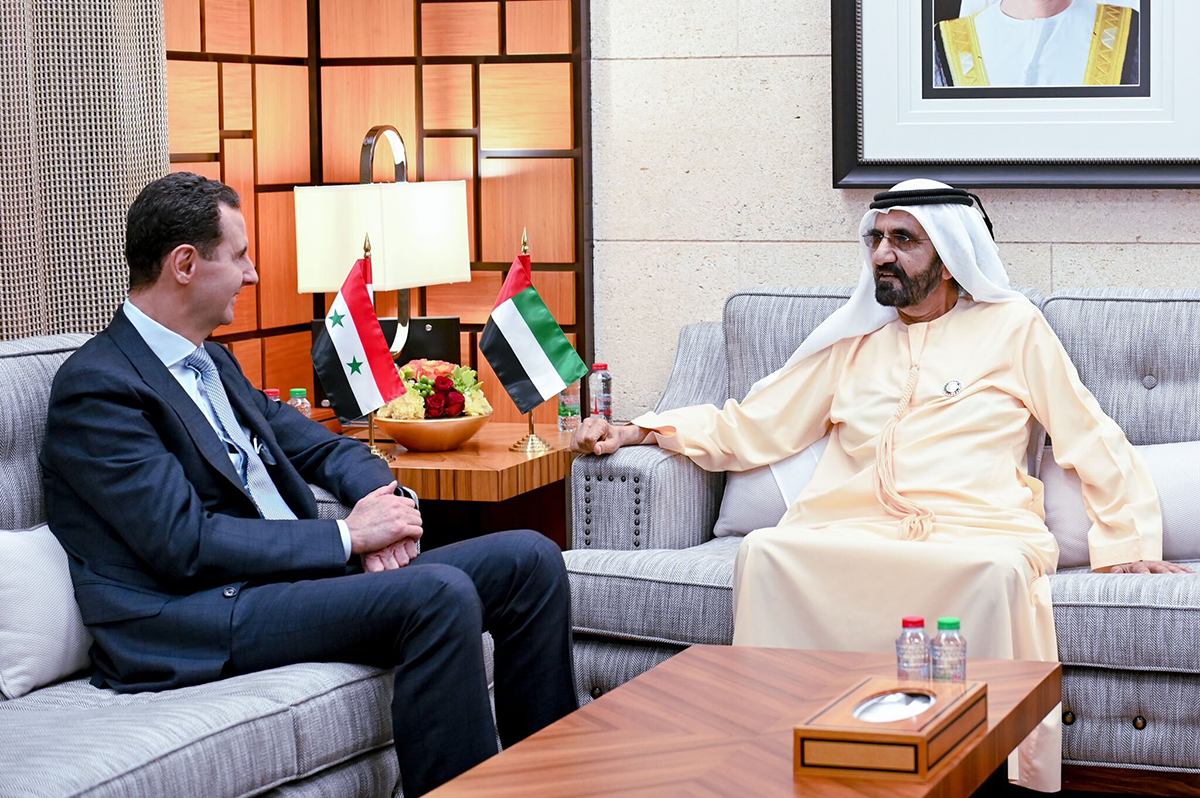
The decision by the UAE to host Syria’s President Bashar al-Assad in Dubai on March 18 has drawn deep consternation across the U.S. government and Congress, as well as in allied capitals in Europe and some in the Middle East.
Russia’s invasion of Ukraine should fundamentally alter how we think about Syria and its future. How can the United States protect its objectives in Syria without compromising with Russia? The answer lies in the north.
Russia’s invasion of Ukraine and the resulting collapse of U.S. and European diplomatic relations with Moscow mean Syria diplomacy is now all but dead. Small signs that diplomacy may have been poised for renewed investment in early 2022 now feel like a distant memory.
Most of the reporting on Russian recruitment in Syria has involved half-truths, if not outright lies. While it does appear that some Syrians have signed contracts to fight in Ukraine, there is no guarantee these fighters will actually be sent there. The coverage of this topic has also missed a key aspect of who would actually be involved if Syrians really do deploy to Ukraine.