Migration Agreements between Italy and North Africa: Domestic Imperatives versus International Norms
The upheavals which spread across North Africa in 2011 changed the political map of the region. With the downfall of longstanding rulers, the European Union has sought to re-launch a policy dialogue informed by an awareness of human rights issues and to support the process of democratic transition in its Mediterranean neighbors.
China and the Middle East: Rising Power and a Region in Turmoil
China and the Middle East: Rising Power and a Region in Turmoil Featuring:Dr. Yitzhak Shichor, Professor of political science and Asian studies, University of Haifa Dr. Dawn Murphy, Princeton-Harvard China and the World Postdoctoral Fellow Moderated by: Sam Chester, Masters candidate in China and the Middle East studies, Johns Hopkins University’s School of Advanced International Studies Tuesday, December 4, 201212:00-1:30pm Middle East InstituteBoardman Room1761 N Street, NWWashington D.C., 20036 This program features three experts on China’s relations with the Middle East.
China and the Middle East: Rising Power and a Region in Turmoil
China and the Middle East: Rising Power and a Region in Turmoil Featuring:Dr. Yitzhak Shichor, Professor of political science and Asian studies, University of Haifa Dr. Dawn Murphy, Princeton-Harvard China and the World Postdoctoral Fellow Moderated by: Sam Chester, Masters candidate in China and the Middle East studies, Johns Hopkins University’s School of Advanced International Studies Tuesday, December 4, 201212:00-1:30pm Middle East InstituteBoardman Room1761 N Street, NWWashington D.C., 20036 This program features three experts on China’s relations with the Middle East.
China and the Middle East: Rising Power and a Region in Turmoil
China and the Middle East: Rising Power and a Region in Turmoil Featuring:Dr. Yitzhak Shichor, Professor of political science and Asian studies, University of Haifa Dr. Dawn Murphy, Princeton-Harvard China and the World Postdoctoral Fellow Moderated by: Sam Chester, Masters candidate in China and the Middle East studies, Johns Hopkins University’s School of Advanced International Studies Tuesday, December 4, 201212:00-1:30pm Middle East InstituteBoardman Room1761 N Street, NWWashington D.C., 20036 This program features three experts on China’s relations with the Middle East.
China and the Middle East: Rising Power and a Region in Turmoil
China and the Middle East: Rising Power and a Region in Turmoil Featuring:Dr. Yitzhak Shichor, Professor of political science and Asian studies, University of Haifa Dr. Dawn Murphy, Princeton-Harvard China and the World Postdoctoral Fellow Moderated by: Sam Chester, Masters candidate in China and the Middle East studies, Johns Hopkins University’s School of Advanced International Studies Tuesday, December 4, 201212:00-1:30pm Middle East InstituteBoardman Room1761 N Street, NWWashington D.C., 20036 This program features three experts on China’s relations with the Middle East.
The Middle East Institute’s 66th Annual Conference
The Middle East Institute’s 66th Annual Conference
November 13-14, 2012
The Grand Hyatt Hotel
1000 H Street, NW
Washington, DC 20001
Banquet:
Tuesday November 13
Keynote Speaker: Ambassador (Ret.) Ryan C. Crocker
Ryan C. Crocker recently left his post as U.S. ambassador to Afghanistan.
He has also served as U.S. ambassador in Iraq, Pakistan, Syria, Kuwait, and Lebanon.
The Middle East Institute’s 66th Annual Conference
The Middle East Institute’s 66th Annual Conference
November 13-14, 2012
The Grand Hyatt Hotel
1000 H Street, NW
Washington, DC 20001
Banquet:
Tuesday November 13
Keynote Speaker: Ambassador (Ret.) Ryan C. Crocker
Ryan C. Crocker recently left his post as U.S. ambassador to Afghanistan.
He has also served as U.S. ambassador in Iraq, Pakistan, Syria, Kuwait, and Lebanon.
The Middle East Institute’s 66th Annual Conference
The Middle East Institute’s 66th Annual Conference
November 13-14, 2012
The Grand Hyatt Hotel
1000 H Street, NW
Washington, DC 20001
Banquet:
Tuesday November 13
Keynote Speaker: Ambassador (Ret.) Ryan C. Crocker
Ryan C. Crocker recently left his post as U.S. ambassador to Afghanistan.
He has also served as U.S. ambassador in Iraq, Pakistan, Syria, Kuwait, and Lebanon.
The Middle East Institute’s 66th Annual Conference
The Middle East Institute’s 66th Annual Conference
November 13-14, 2012
The Grand Hyatt Hotel
1000 H Street, NW
Washington, DC 20001
Banquet:
Tuesday November 13
Keynote Speaker: Ambassador (Ret.) Ryan C. Crocker
Ryan C. Crocker recently left his post as U.S. ambassador to Afghanistan.
He has also served as U.S. ambassador in Iraq, Pakistan, Syria, Kuwait, and Lebanon.
The Middle East Institute’s 66th Annual Conference
The Middle East Institute’s 66th Annual Conference
November 13-14, 2012
The Grand Hyatt Hotel
1000 H Street, NW
Washington, DC 20001
Banquet:
Tuesday November 13
Keynote Speaker: Ambassador (Ret.) Ryan C. Crocker
Ryan C. Crocker recently left his post as U.S. ambassador to Afghanistan.
He has also served as U.S. ambassador in Iraq, Pakistan, Syria, Kuwait, and Lebanon.
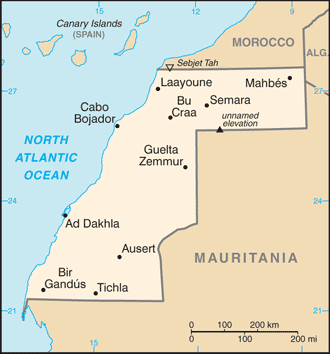
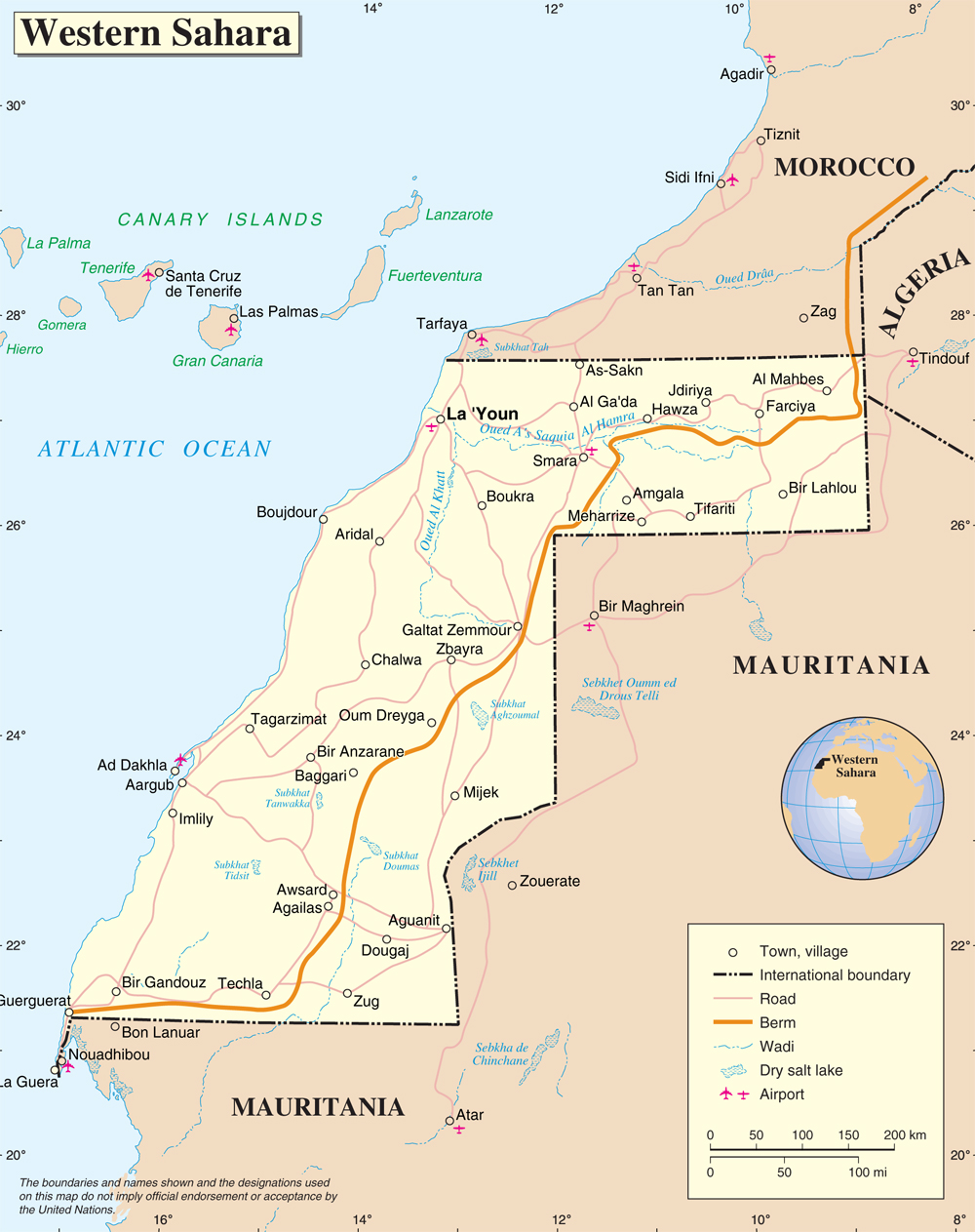
What more can be done to resolve the problem in Western Sahara?
Mr. (Carne) Ross, Undersecretary General Miyet, and I have be trading opinions for six months and it is clear that Mr. Ross has no intention to propose or agree on any kind of political settlement or compromise, regardless of arguments to the contrary. It is time to quit deluding ourselves and allowing the refugees to be used as hostages in an effort to advance the cause of a few thousand Polisario rebels. Rather, we should reach out together for a common middle-ground solution.