Making sense of the Iran-China strategic agreement
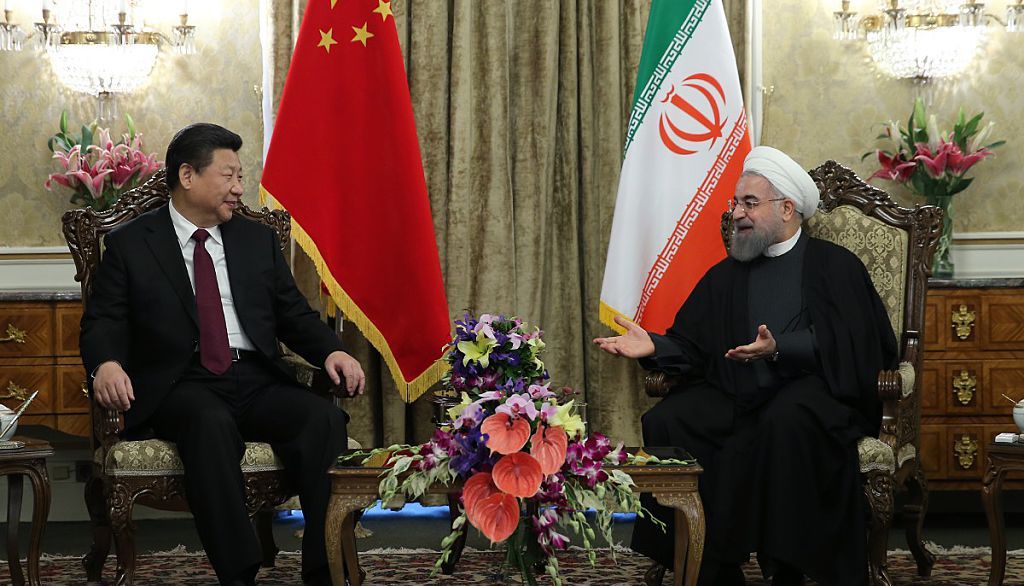
The 25-year agreement between Iran and China that made headlines this past month is far from new. It was first announced in 2016 during a state visit by President Xi Jinping to Tehran, at a time when sanctions on Iran were being lifted as part of the 2015 nuclear deal. Chinese and Iranian officials have been working out the details of the deal ever since as part of a slow process of consultation and negotiations. The timing of the latest announcement about the agreement is, therefore, less about developments in relations between Beijing and Tehran and more about the fast-deteriorating relations between Beijing and Washington. China is looking to identify areas where it can cultivate leverage, and Iran is a prime opportunity.
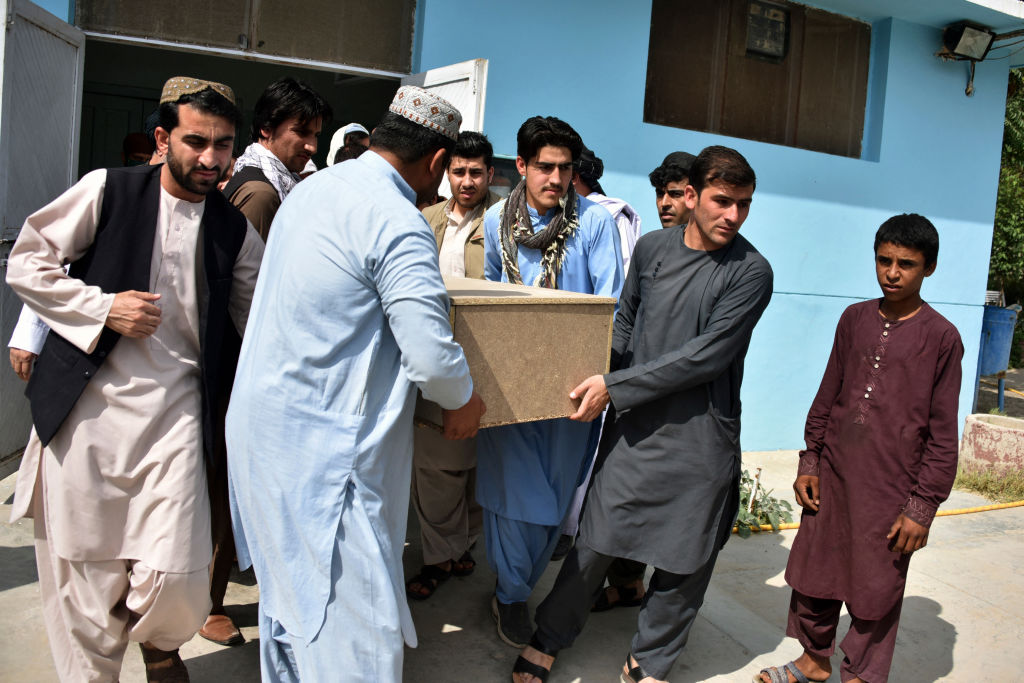
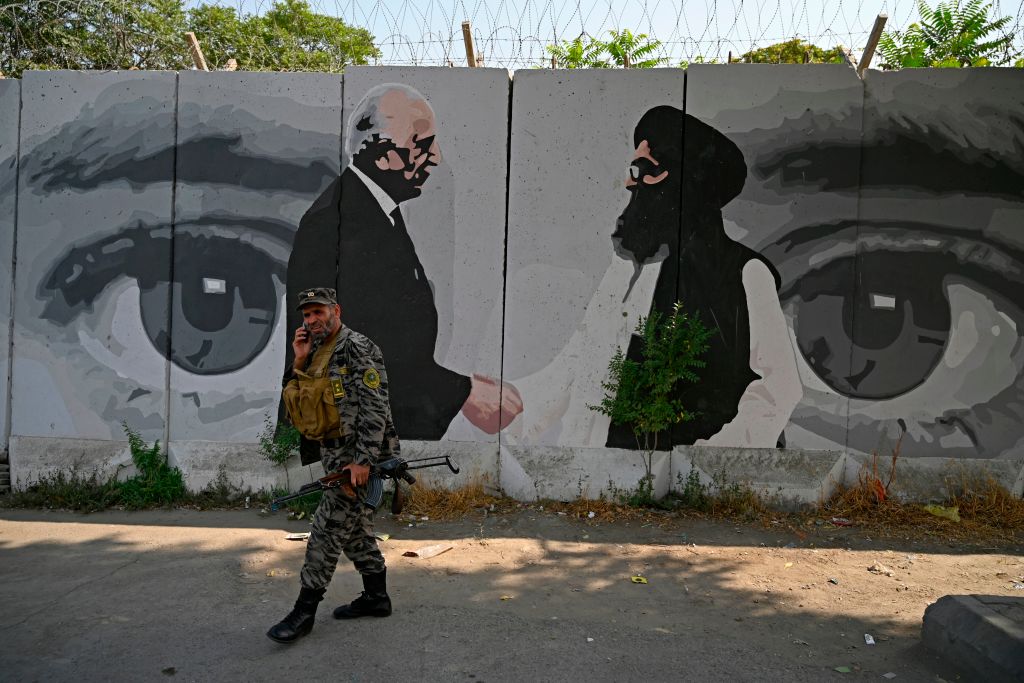
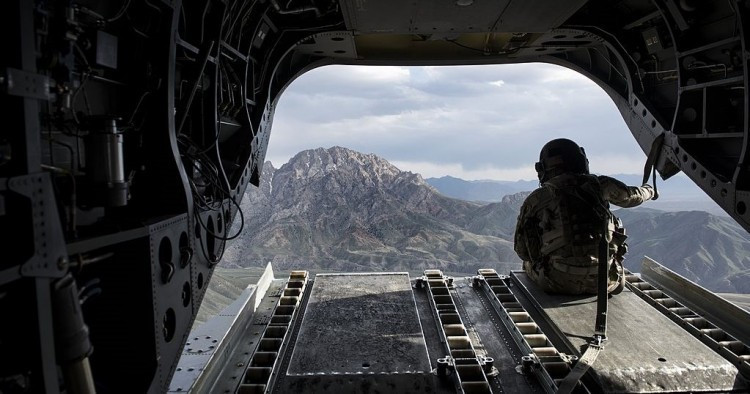
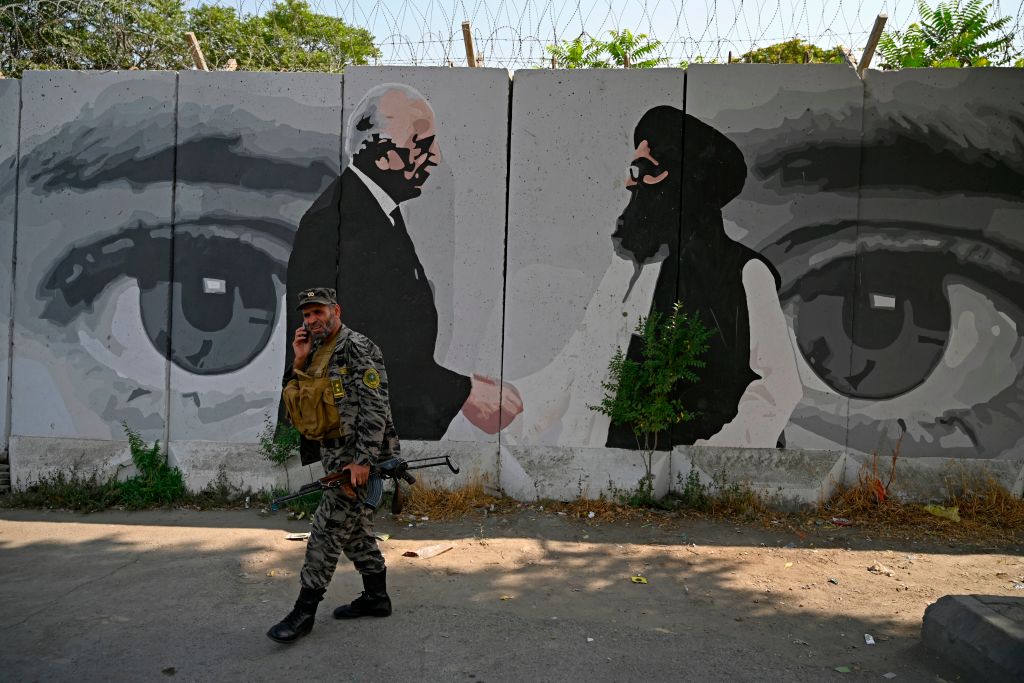
Marvin Weinbaum and David Sedney join host Alistair Taylor to discuss the recently announced U.S. military withdrawal from Afghanistan and what it means for the country, the U.S., and the region as a whole.
Failing to learn from past mistakes, Pakistan caves to the TLP
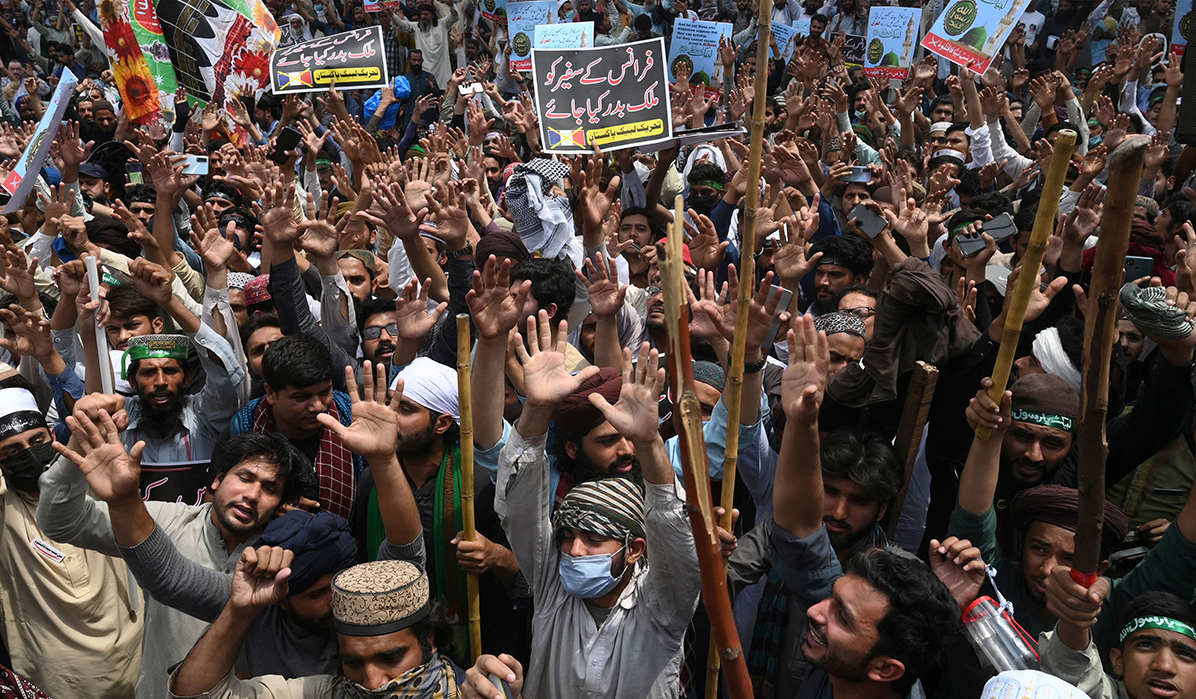
The Tehreek-e-Labbaik Pakistan (TLP) has exposed the Pakistani state’s vulnerability to ultra-conservative Islamist groups that have been mainstreamed for narrow political and strategic purposes by the country’s security establishment and self-serving politicians. Only a week after declaring the TLP a terrorist group and banning it, the Imran Khan-led Pakistan Tehreek-e-Insaf (PTI) government gave in to the group’s demands in the face of violent protests by its supporters
Seats at the Table: How other world powers figure into the Biden Administration's Afghanistan policy
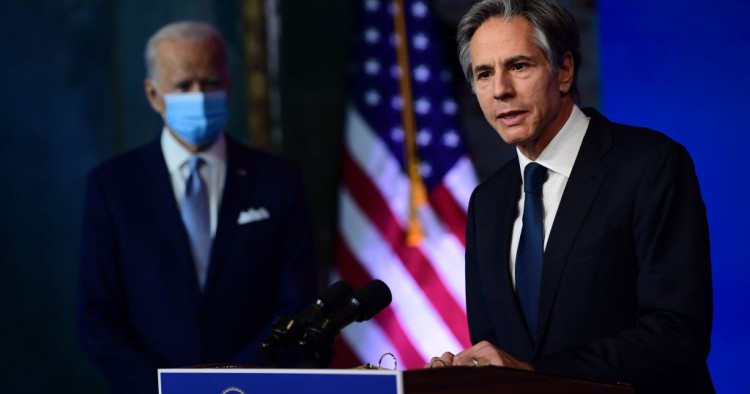
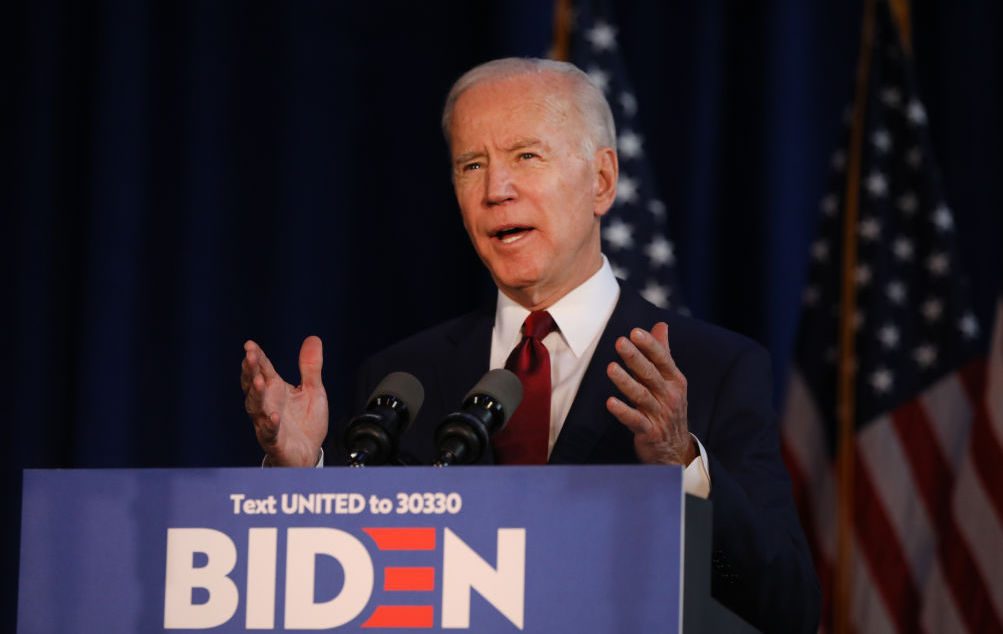
What U.S. Secretary of State Antony Blinken’s letter to Afghan President Ashraf Ghani makes clear is the declining domestic support in the U.S. for continued military involvement in Afghanistan. With his message, Blinken also signaled the demise of the Doha negotiations between the Afghan Taliban and the Afghan government and the start of a new phase. Facing domestic political disagreements and the Covid-19 pandemic, the Biden Administration was left with no option but to finalize and implement a viable Afghan strategy.
After last year’s crisis, Pakistan and Saudi Arabia pursue a reset
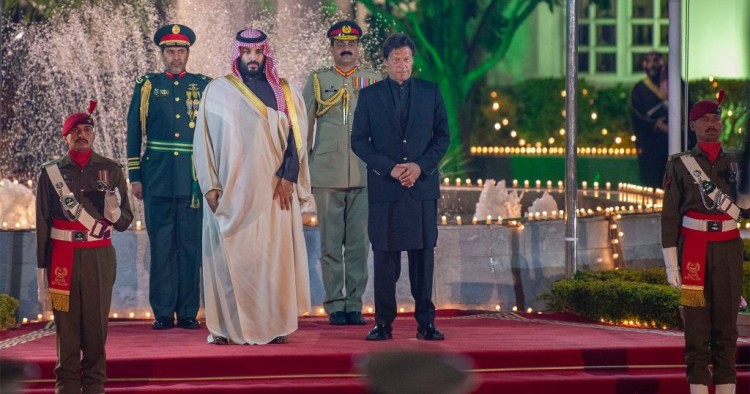
After last year’s much-publicized spat between Pakistan and Saudi Arabia — culminating with Riyadh’s demand for early repayment of $3 billion in loans meant to shore up Islamabad’s foreign exchange reserves — tensions between the two countries have since cooled. Pakistan and Saudi Arabia appear to be in the midst of a reset of relations.