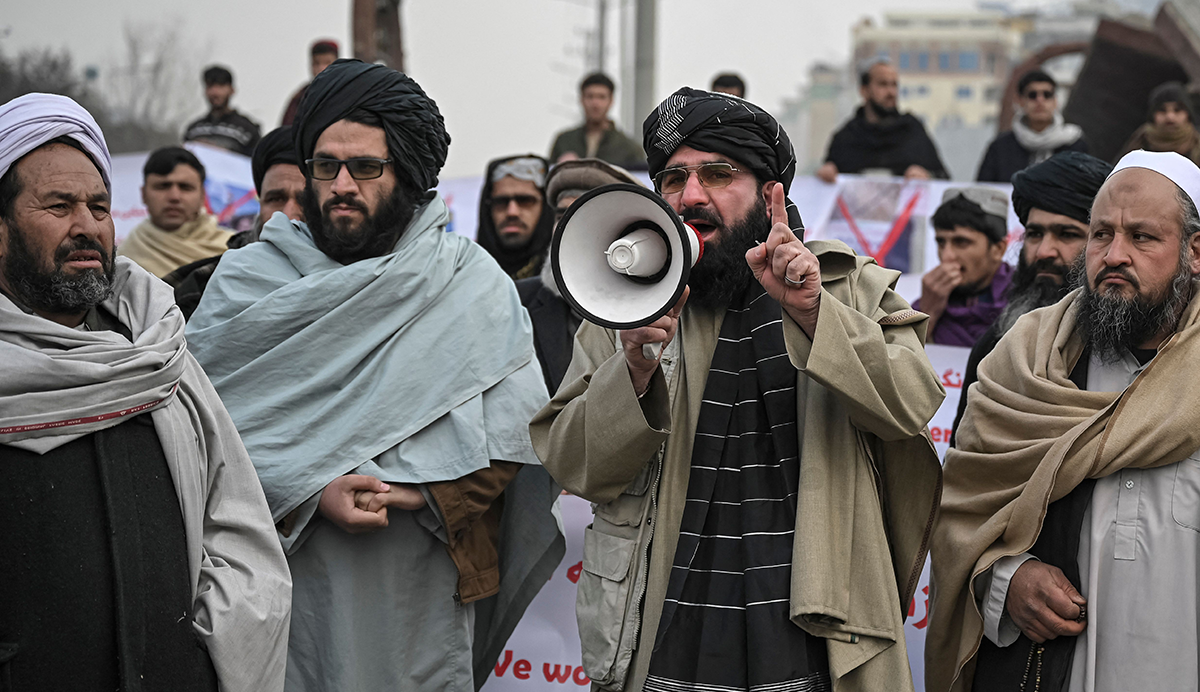
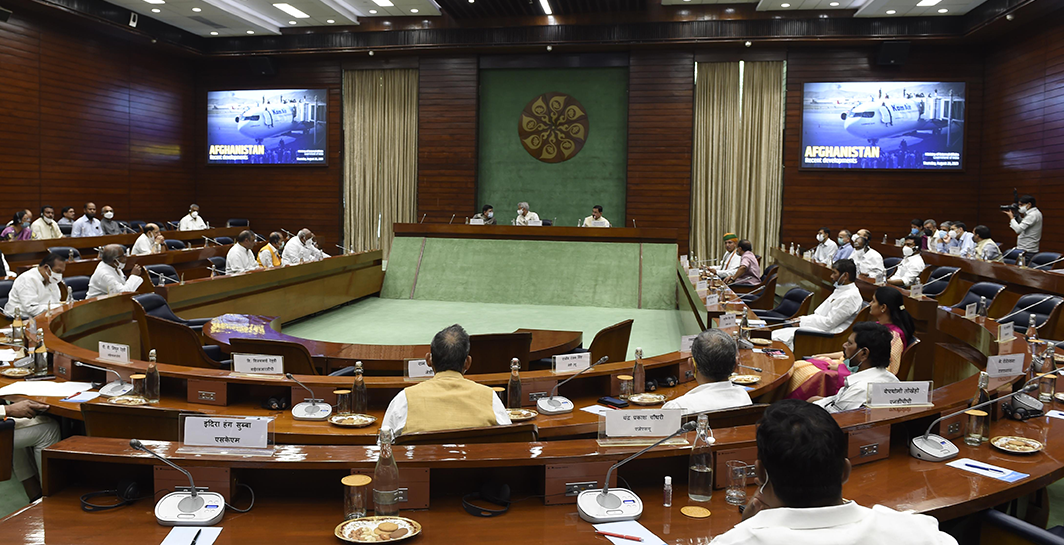
For years, the world tried to soften the Taliban’s extremist ideology by exposing them to modernity. As an insurgency they learned diplomacy and negotiation tactics, but their medieval thinking remained just as rigid. Now that the Taliban rule over Afghanistan, the international community continues to appease them, assuming it can convince them to form an inclusive government and ease their regressive policies while alleviating the country’s worsening humanitarian disaster. That is a naïve assumption that overlooks the root causes of the current crisis. Not only will the international community not get what it wants, but it also risks creating a much greater crisis: a Taliban theocracy that institutionalizes its repressive rule at a steep human and economic cost.
Charles Lister and Mick Mulroy discuss the dramatic Feb. 3rd U.S. special operations raid that killed ISIS leader Abu Ibrahim al-Hashimi al-Qurayshi, the group’s late January attack on the al-Sina prison, and ISIS’s broader trajectory in both Syria and Iraq.
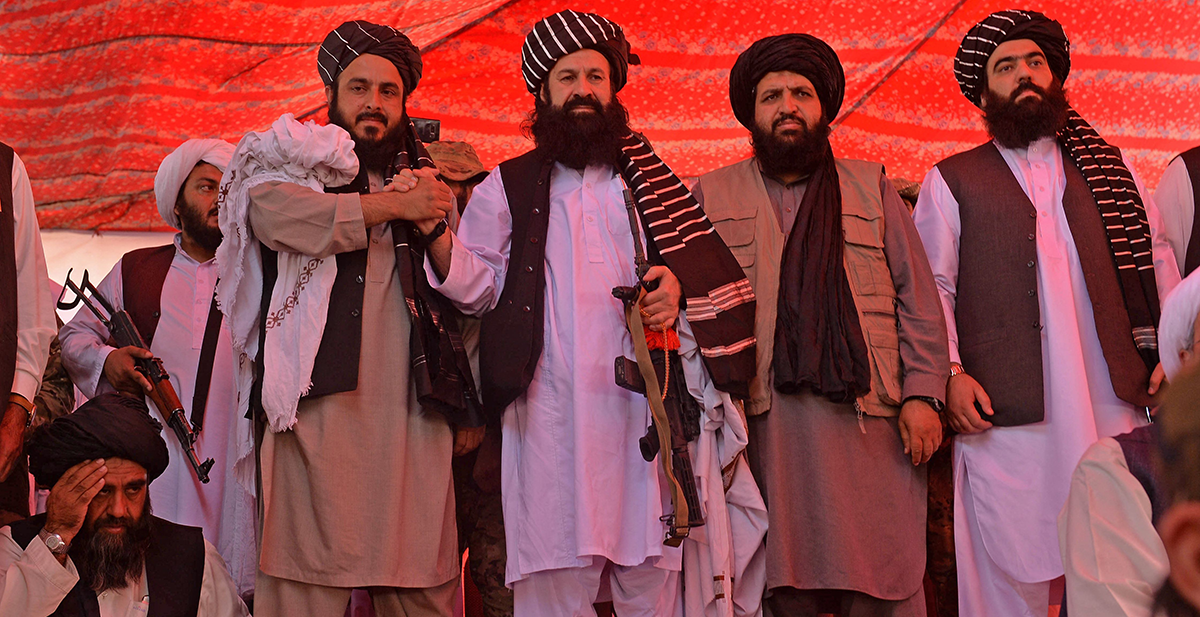
After a grueling 20-year campaign, America concluded its war in Afghanistan where it started: with the Taliban in charge. But this isn’t your father’s Taliban. In recognition of their need for a firmer ideological base and their desire to establish a purely Islamic system, the Taliban rulers are gradually putting together the framework for their new ideological state. They are enacting three closely intertwined ideological initiatives in order to solidify their rule: fleshing out a state religious ideology, burnishing their “originalist” religious credentials, and channeling Afghan nationalism into religious nationalism. These ongoing efforts, which revolve around the Taliban’s Islamism, provide a preview of how the new rulers intend to interact with temporal political realities by provoking religious reform in order to rule Afghanistan.
The attack on al-Sina Prison points to a broader ISIS resurgence
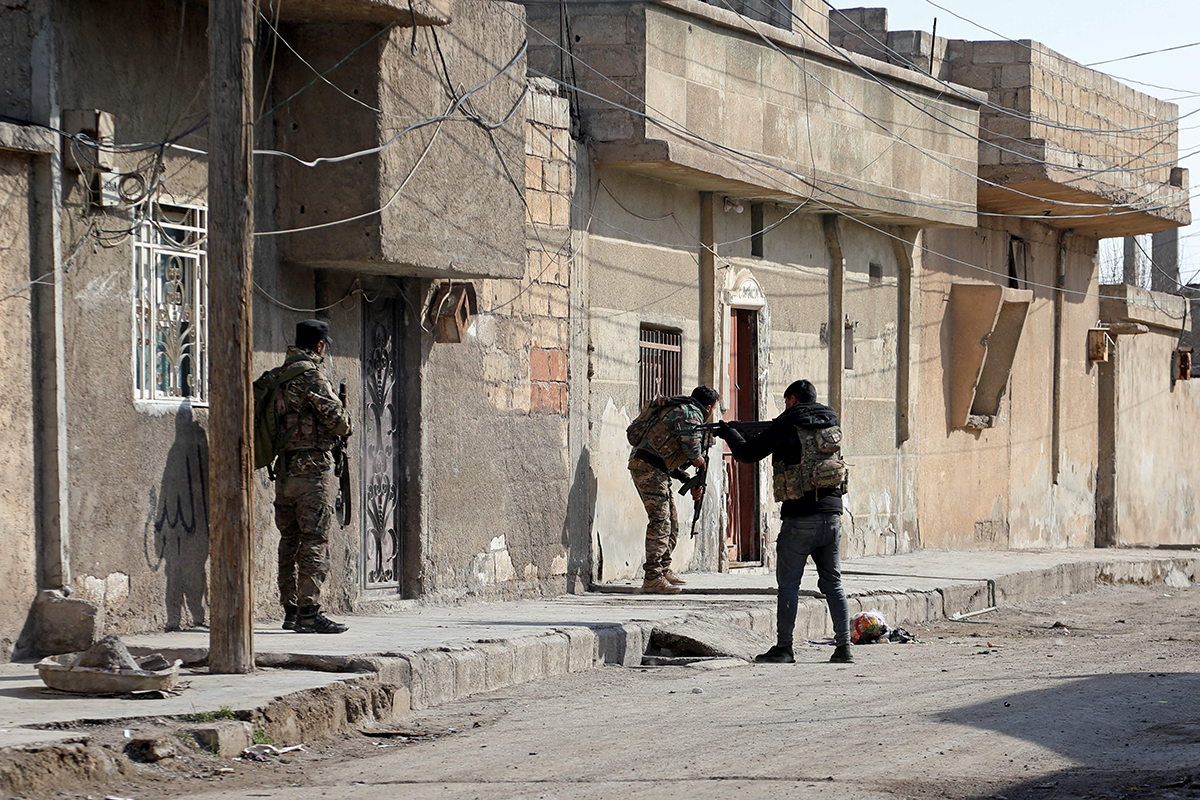
Intense fighting between the SDF and ISIS continued for the fifth day in Syria’s northeastern city of al-Hasakeh on Monday, following ISIS’s biggest attack in Syria and Iraq in three years. In the evening of Jan. 20, as many as 200 ISIS militants, many wearing suicide belts, launched a coordinated multi-axis assault on al-Sina Prison, shortly after detonating two car bombs parked along the exterior walls of its northern wing. In the chaos that ensued, SDF vehicles were seized and used to break through secure walls, clearing the way for hundreds of ISIS detainees to escape.
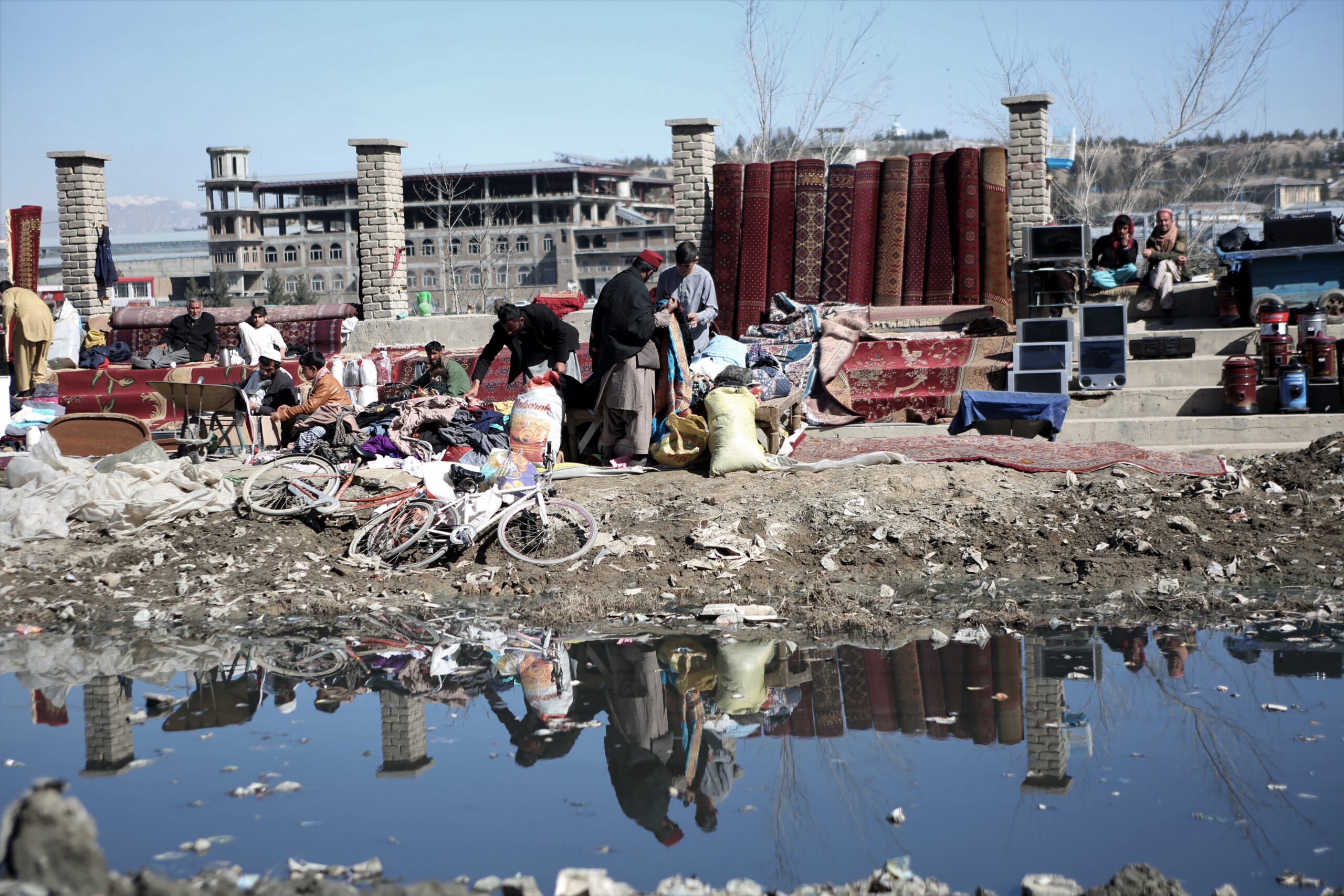
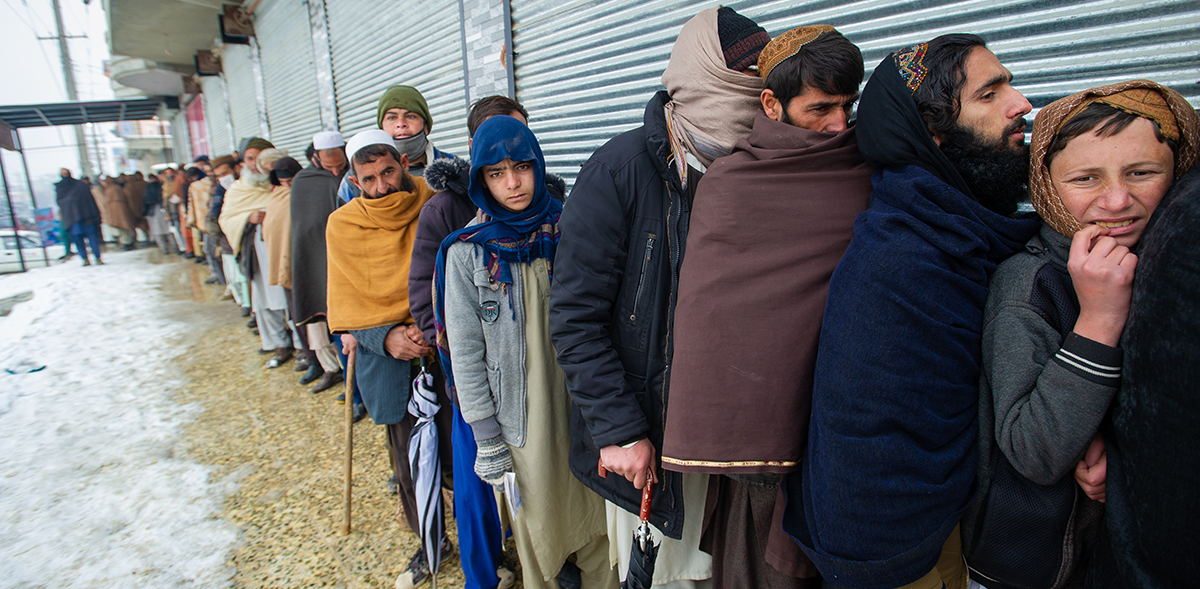
On Jan. 13, U.N. Secretary-General Antonio Guterres expressed alarm that millions of Afghans are on the “verge of death” thanks to a lethal brew of “freezing temperatures and frozen assets.” This was no idle warning. Notwithstanding the decline in fighting following the Taliban’s victory in August 2021, Afghanistan’s economy is in a deepening spiral of impoverishment and destitution.
Sinan al-Shabibi: Immortalizing the legacy of Iraq’s best
In Iraqi folklore, Saturday is both an ominous and auspicious day. Iraqis say it is Awwad —“repetitive” — and hence they prefer to postpone taking important decisions to other days of the week. For many Iraqis this week, the news of Dr. Sinan al-Shabibi’s unfortunate passing on Saturday, Jan. 8 could not have come on a worse day. While the loss of one of Iraq’s last firmly independent voices, a respected economist and former central bank governor and someone who genuinely sought the country’s economic transformation, was ominous, in time the day may also become auspicious if his memory and legacy help to inspire a new generation of Iraqis to realize his aspirations for the country.
ميليشيات العراق تسعى لاستغلال وجود القوات الأمريكية
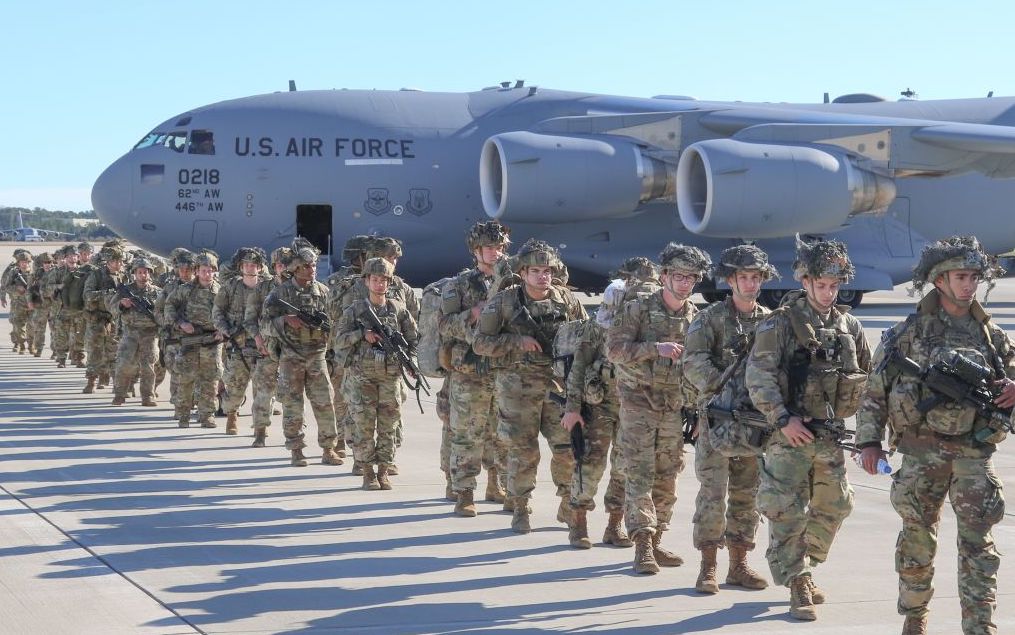
في 9 ديسمبر/كانون الأول، قال الجنرال الأمريكي المسؤول عن التحالف الدولي المناهض لتنظيم الدولة الإسلامية في العراق إن المهمة القتالية الأمريكية قد انتهت وأن القوات الأمريكية لن تقدم سوى المشورة والتدريب والمساعدة والاستخبارات لشركائها العراقيين. لن يغير التحول في الأدوار حجم القوة الأمريكية الصغيرة في العراق كثيرًا، لكن الجنرال فرانك ماكنزي، قائد القوات الأمريكية في الشرق الأوسط، قال في 9 ديسمبر/كانون الأول إن تواجد الناتو في مهمة المساعدة يجب أن يزيد.
As the humanitarian situation in Afghanistan grows increasingly dire, Pakistan has informed India that it will allow the transportation of wheat and life-saving medicines from India to Afghanistan through its territory, on the condition that only Afghan trucks are used to carry it. The Taliban regime has praised Pakistan for the move, but will it arrest the decline in India’s fortunes in Afghanistan?
تشكيل الحكومة العراقية الجديدة: تحولات استراتيجية وتغييرات تكتيكية
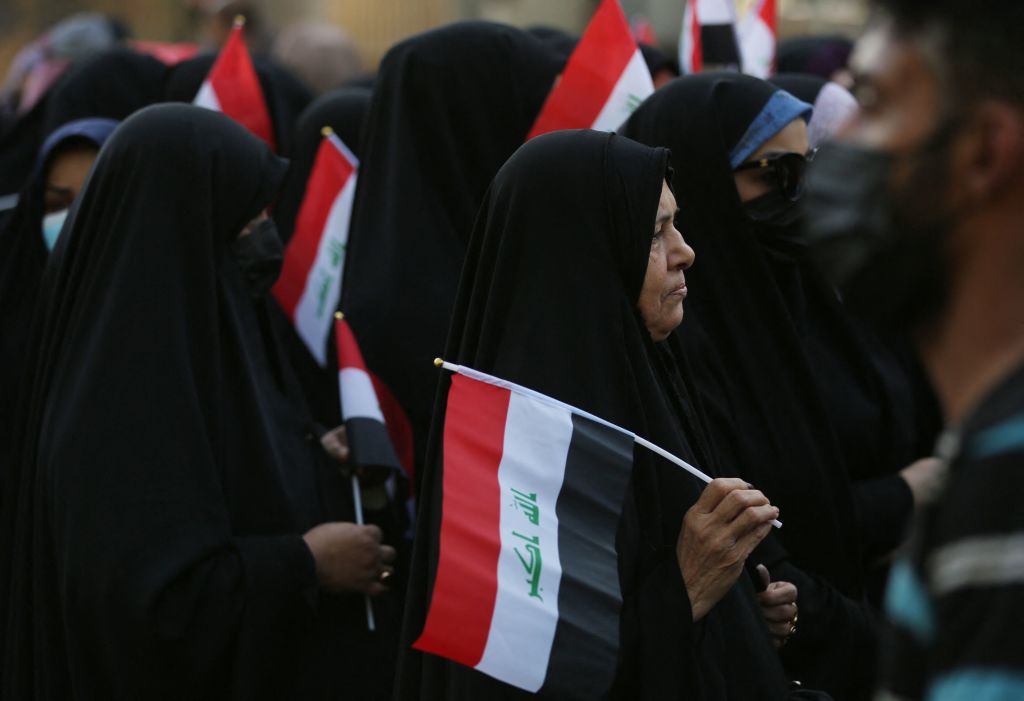
أحدثت انتخابات 10 أكتوبر/تشرين الأول 2021 ثلاث تحولات استراتيجية رئيسية في العملية السياسية العراقية، والتي على الرغم من أنها لم تسفر بعد عن تغييرات جوهرية في عملية تشكيل الحكومة الحالية، إلا أنها تتمتع بإمكانية هائلة لإحداث المزيد من التغييرات الجوهرية في المستقبل. أولاً، تعرضت الفصائل الموالية لإيران عبر القوائم والأحزاب السياسية العراقية، سواء داخل الكتل الكردية أو السنية أو الشيعية، لخسارة ثقيلة. ثانيًا، فازت الأحزاب التي انبثقت عن الاحتجاجات الشعبية في أكتوبر/تشرين الأول 2019، “امتداد وإشراقات كانون”، بتسعة مقاعد وستة مقاعد على التوالي في منافستها الانتخابية الأولى.