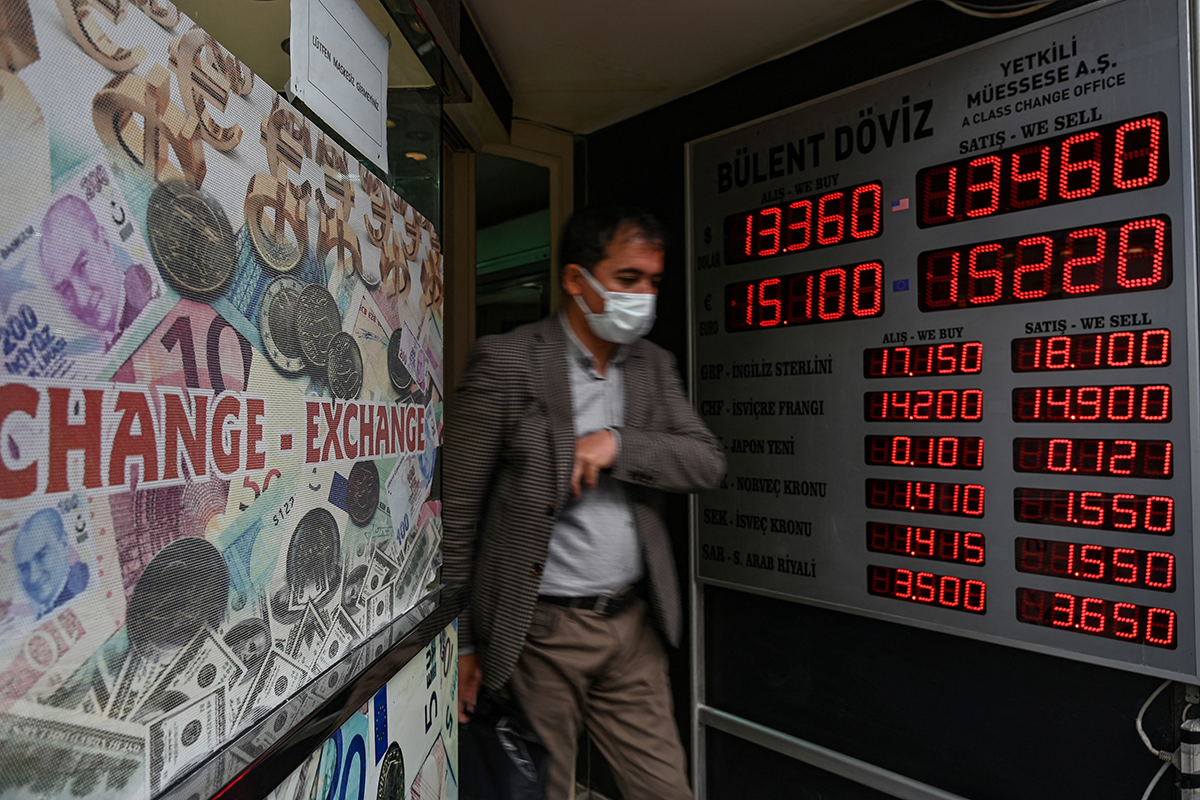
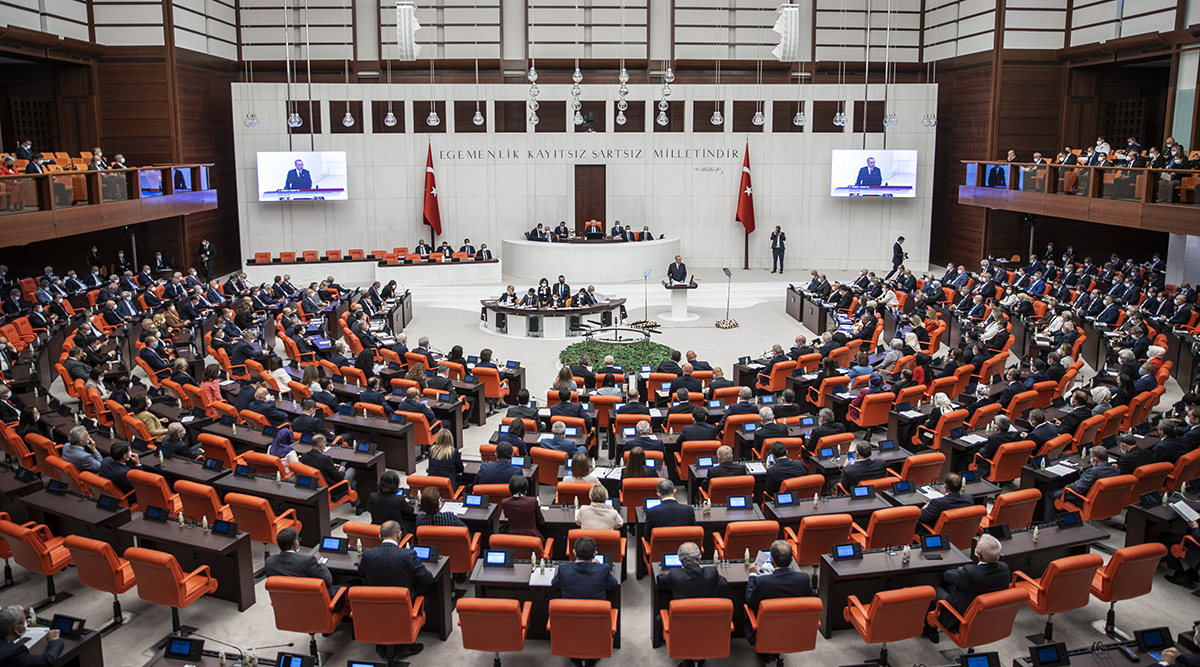
Following the resignation of the finance minister and his replacement by a loyalist on Dec. 2, the Turkish lira continued its steady decline against the dollar, bringing its losses for the year to nearly 50%. The Central Bank of the Republic of Turkey’s early cuts to the policy rate since September have resulted in an exodus of foreign capital and a rush in demand for foreign exchange among domestic investors.
Tajikistan’s evolving relations with the Taliban 2.0
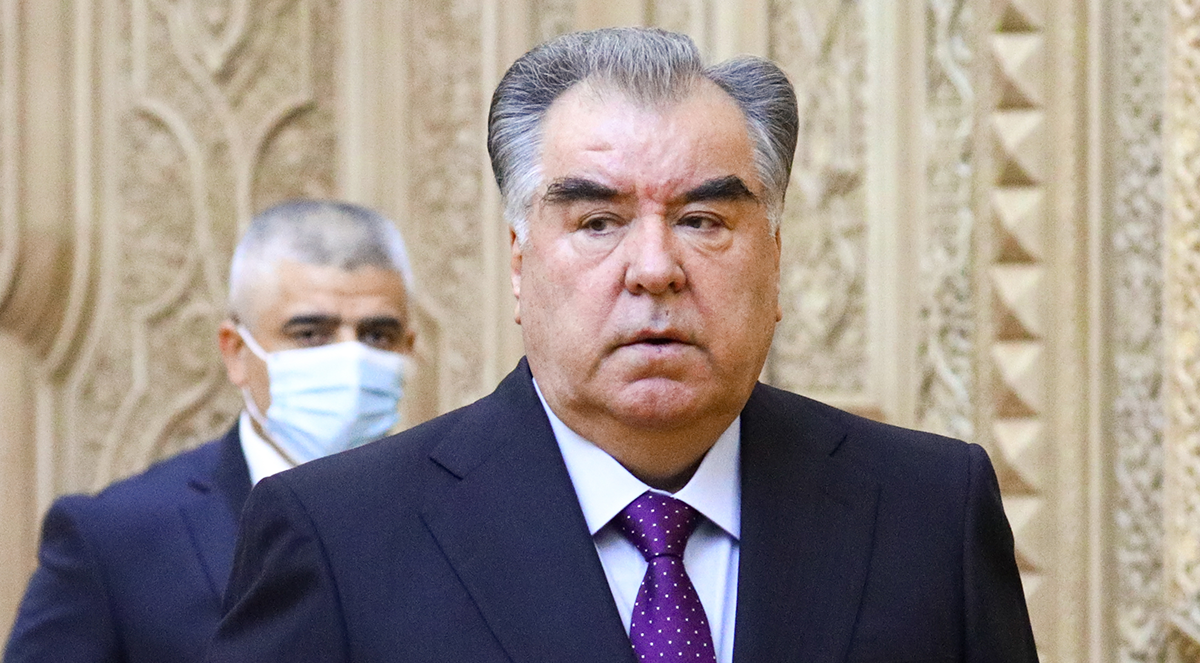
While the international community has adopted a “wait-and-see” attitude toward the Afghan Taliban, Tajikistan has taken a sharply critical view. Rhetoric between Tajikistan and the Taliban is increasingly bitter, a symptom of a broader problem in their bilateral ties. Tajikistan’s President Emomali Rahmon has condemned the Taliban regime in Kabul for failing to form an inclusive government and for violating human rights in the Panjshir Valley. The Taliban have responded by warning Tajikistan not to interfere in Afghanistan’s internal affairs.
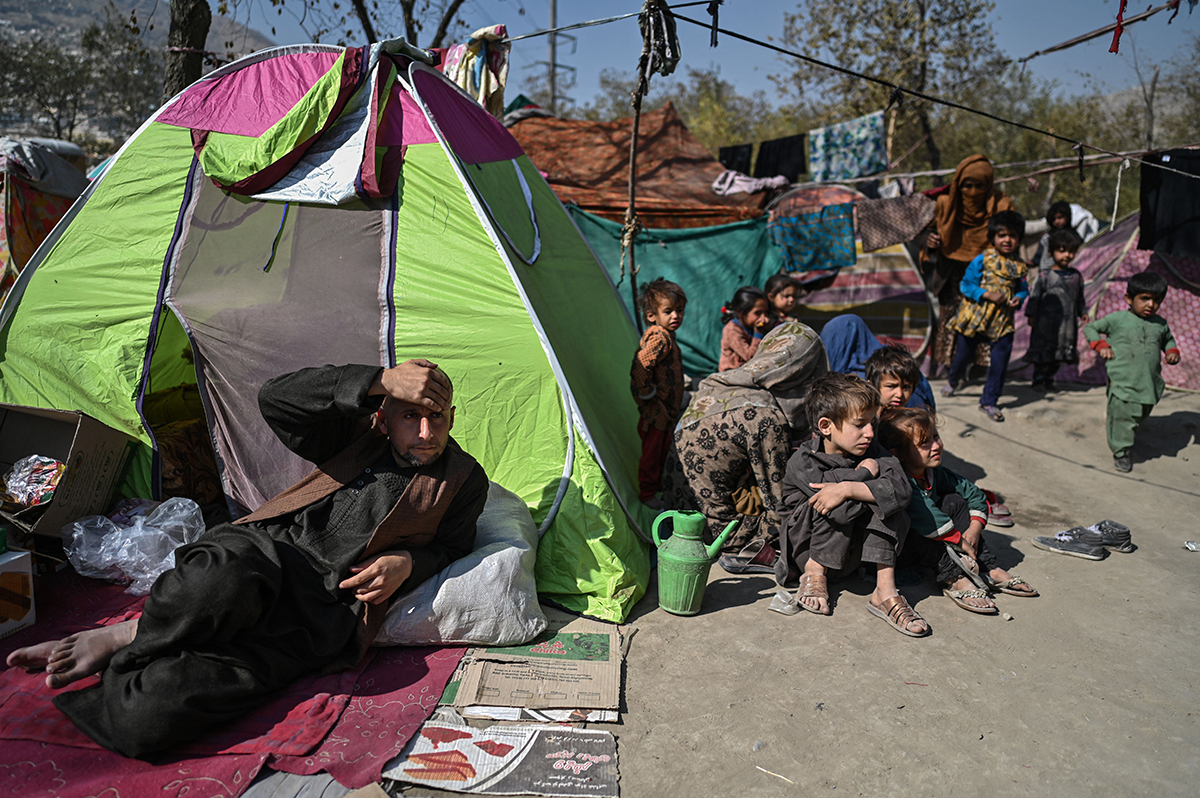
Since the hasty American withdrawal from Afghanistan in August, refugees have flowed out of the country and its domestic problems have grown increasingly dire due to the lack of effective governance and much-needed funding. Neighboring countries Iran, Pakistan, and China, along with other regional states and the U.S., now all face a dilemma as to how to stabilize the rapidly deteriorating internal situation. Further efforts must be made to address the growing economic and humanitarian crisis, especially before the onset of winter, although the nature and scope of these efforts are likely to be shaped by the broader competition between Washington and Beijing.
The 3+3 format in the South Caucasus doesn’t add up
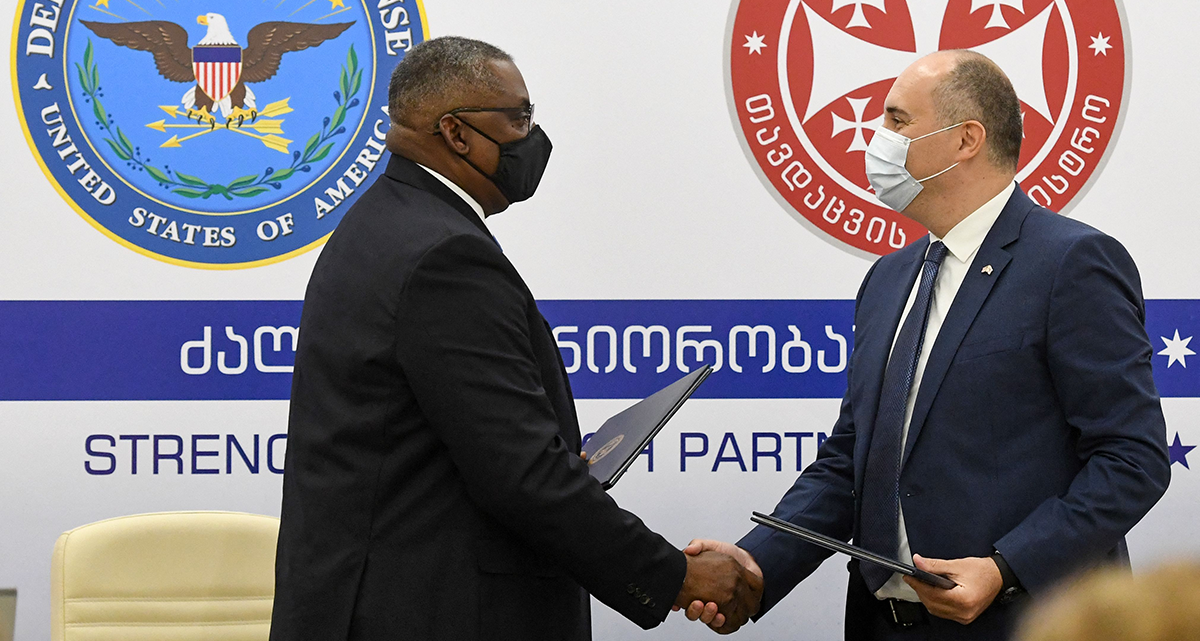
During his recent visit to Tbilisi, U.S. Defense Secretary Lloyd Austin poured cold water on the idea of American support for a so-called “3+3 format” in the South Caucasus. When asked about the proposal, he said, “I would just say that Russia, which currently occupies 20% of Georgia’s territory, should focus on honoring its 2008 cease-fire commitments before promoting any new discussion platforms.”
Marvin Weinbaum and Javid Ahmad discuss conditions in Afghanistan since falling back under Taliban rule, including worsening economic and humanitarian crises, the security situation, the role of international and regional actors, and where things might be headed moving forward.
The China-Pakistan Economic Corridor: Slower may be better
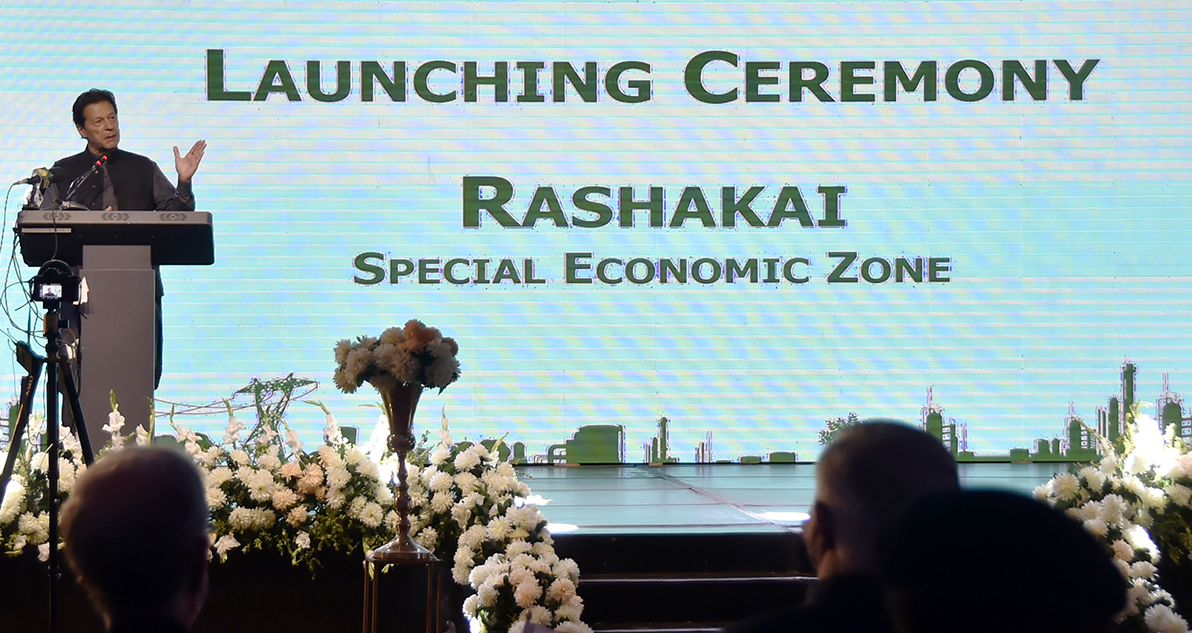
In September, China and Pakistan convened the tenth session of their joint coordination committee that oversees the CPEC — the largest of the BRI corridors. The long-anticipated meeting ultimately yielded no major breakthroughs. The momentum of CPEC appears to be losing steam once again, but for Pakistan, slower may actually be better.
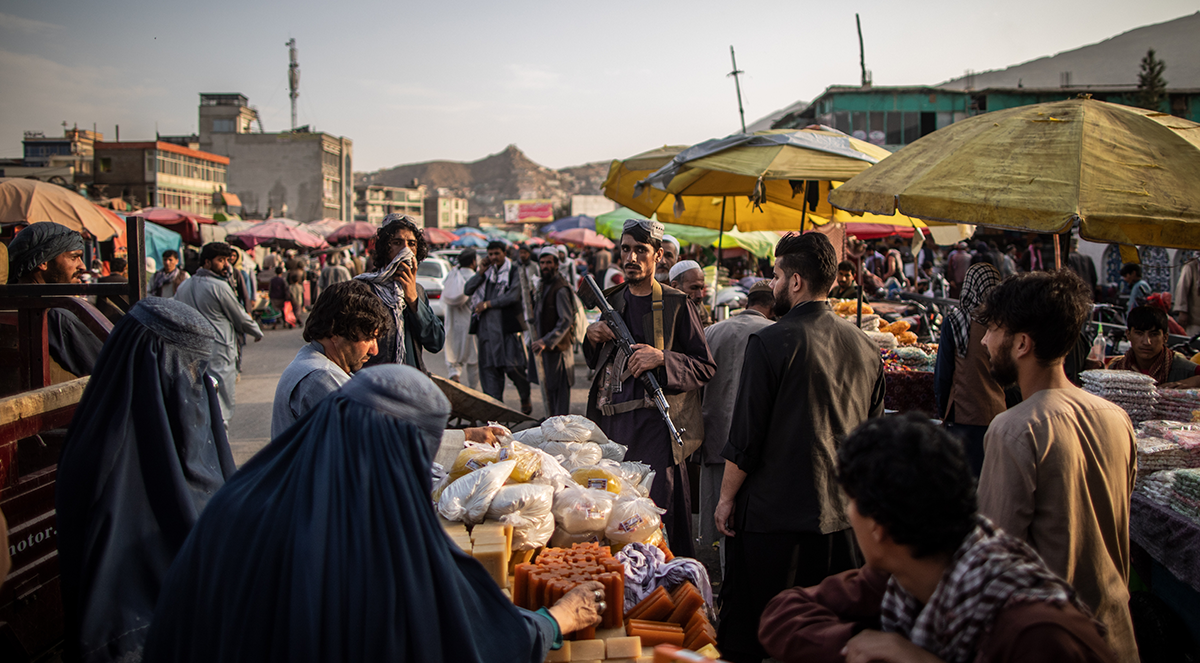
Afghanistan’s economy is collapsing. The Taliban’s forceful seizure of power led to a curtailment of almost all foreign aid, a devastating development for a nation overwhelmingly dependent on international assistance. Widespread drought, pervasive corruption, the perennially inadequate use of the country’s human capital, and a population largely unvaccinated against COVID-19 have exacerbated this longstanding problem of foreign financial dependence.
A storm brews over the Black Sea: Turkey’s contradictory maritime policy
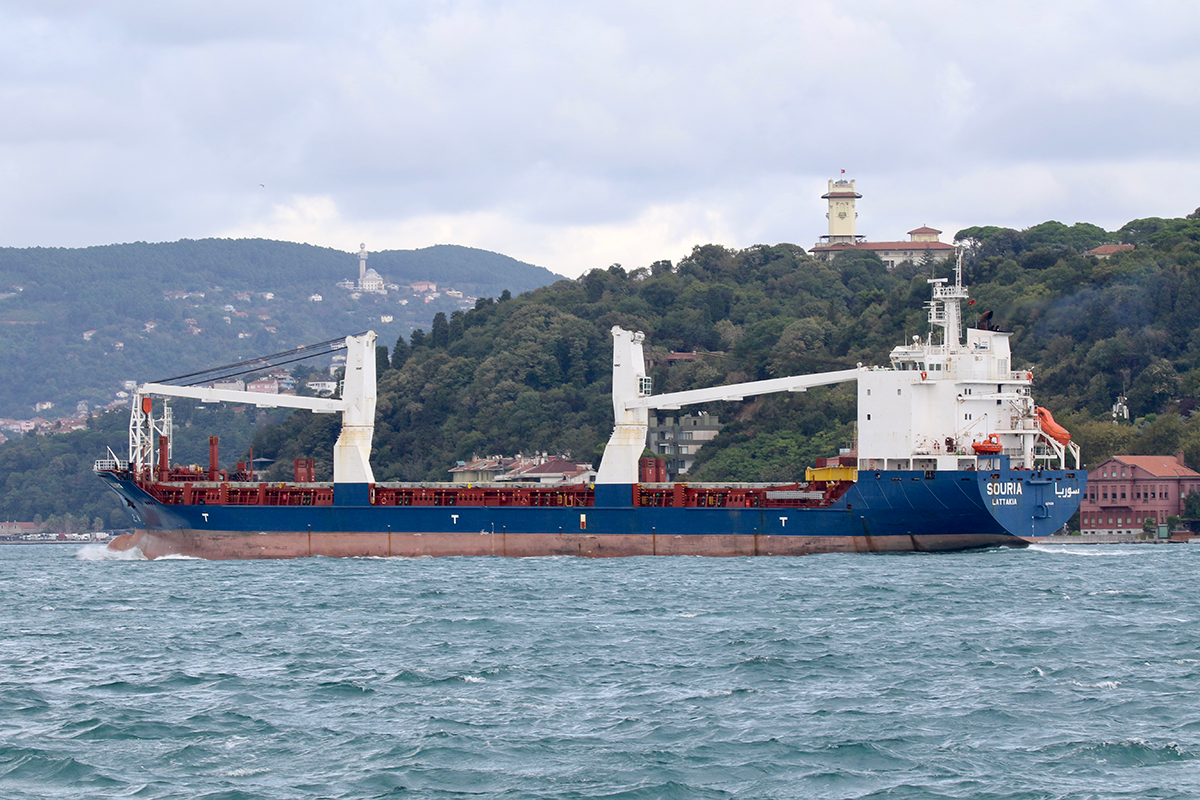
Turkey’s official policy supports the territorial integrity of Ukraine and Georgia, and it sells UAVs and ships to Ukraine. Yet, trade continues with the Russian-occupied territories of Abkhazia and Crimea. By allowing this illegal trade, Turkey undermines both its own credibility and its trading partners’ security. Shipped goods not only help connect occupied zones to Russia, but trade also brings hard currency into these zones, which are outside the international banking system.
Turkey finally ratified the Paris Agreement. Why now?
Turkey, like many countries worldwide, has recently faced severe environmental events. Suffering from floods and the worst wildfires in its history in the summer of 2021, the country finally took an important step to tackle climate change, ratifying the Paris Agreement international treaty on climate change on Oct. 6, 2021.
لقاء بايدن في البيت الأبيض مع البطريرك المسكوني يوفر فرصة فريدة
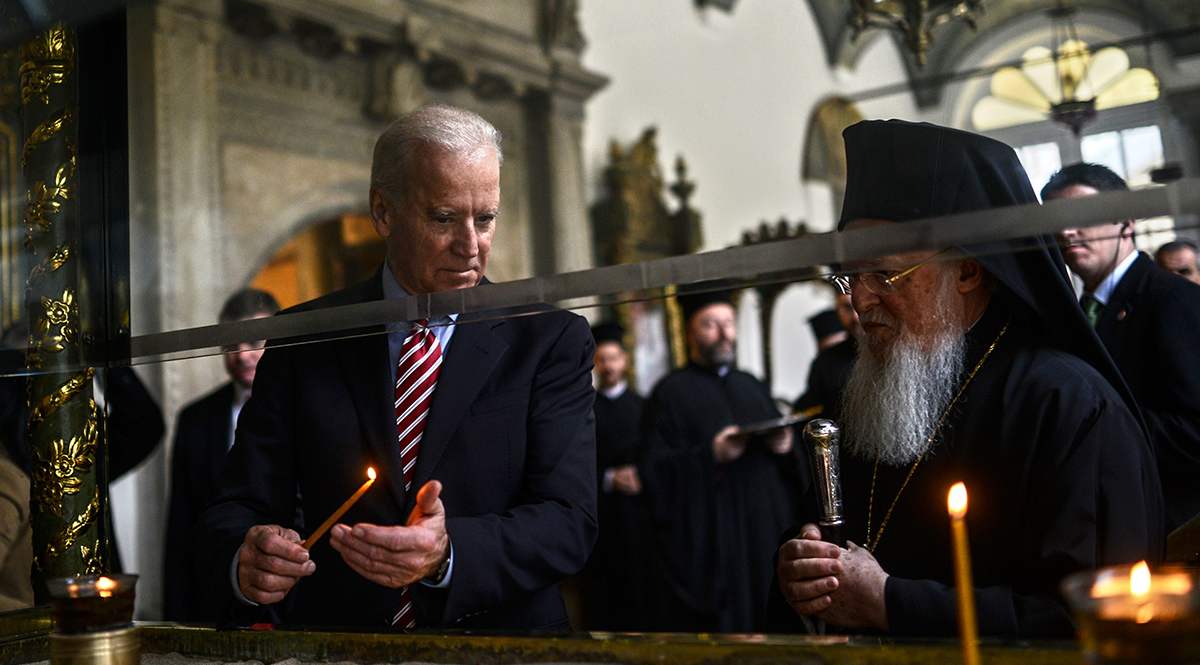
سيزور برثلماوس الأول، البطريرك المسكوني للقسطنطينية والزعيم الروحي لما يقرب من 300 مليون مسيحي أرثوذكسي على مستوى العالم، الولايات المتحدة بين 23 أكتوبر/تشرين الأول و3 نوفمبر/تشرين الثاني. وسيعلن بدء الاحتفال بالذكرى المئوية لتأسيس أبرشية الروم الأرثوذكس بأمريكا في زيارته الأولى للولايات المتحدة الأمريكية منذ 12 عامًا. ستكون المحطة الأولى للبطريرك المسكوني هي واشنطن العاصمة، حيث من المقرر أن يلتقي بالرئيس جو بايدن في البيت الأبيض.
Far from a benefactor, the Turkish government is exploiting Somalia’s fragility
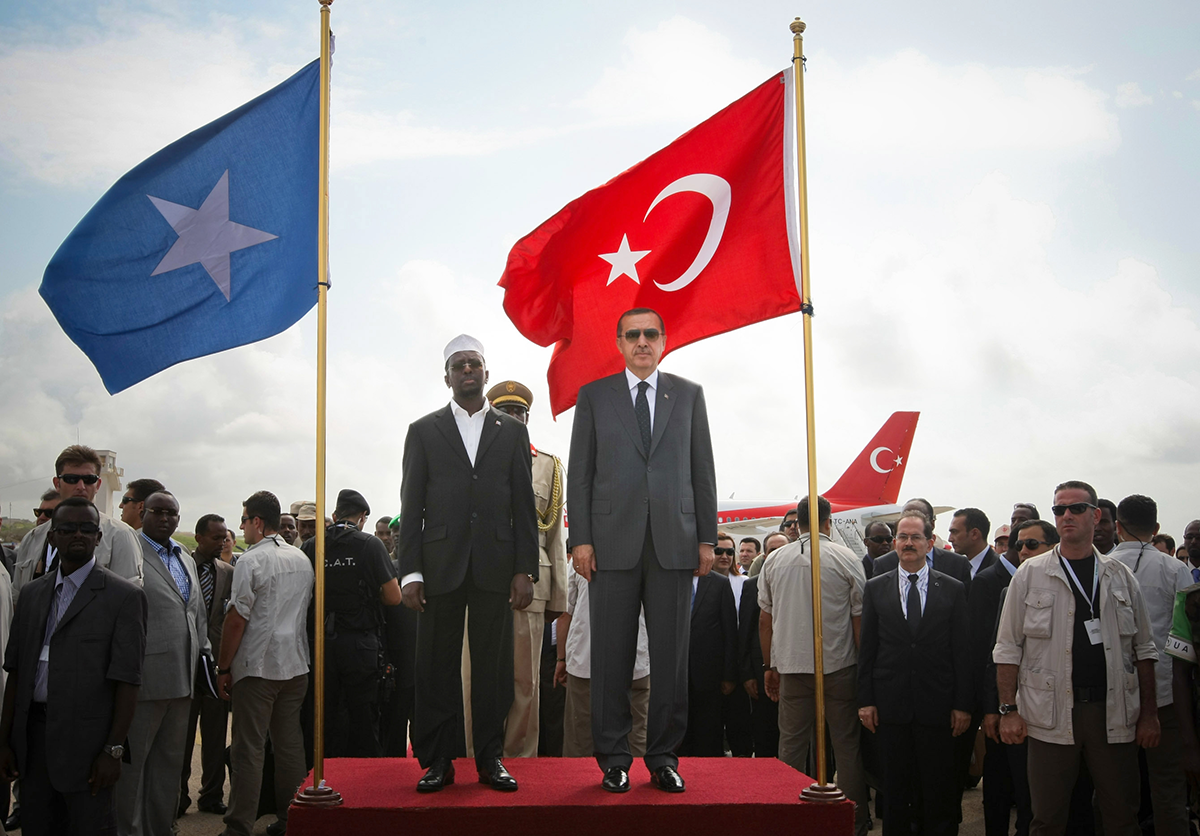
A decade has passed since Turkish President Recep Tayyip Erdoğan landed in Mogadishu at the height of one of Somalia’s worst famines, announcing grandiose projects like the launch of Turkish Airlines flights to the Somali capital, the remodeling of a hospital, and the opening of the biggest embassy in Africa, all designed to show that Turkey’s mission goes well beyond aid and that Ankara is an alternative to Somalia’s traditional donors. Erdoğan’s historic visit earned him high praise throughout Somalia. Although his trip appeared to be a heartfelt humanitarian mission, in reality it was part of a long-term, strategically planned effort. A decade on, Somalis are starting to realize that Turkey has evolved from friend to foe, trade partner to trade protectionist, state builder to outright spoiler.