Iran’s Unconventional Alliance Network in the Middle East and Beyond
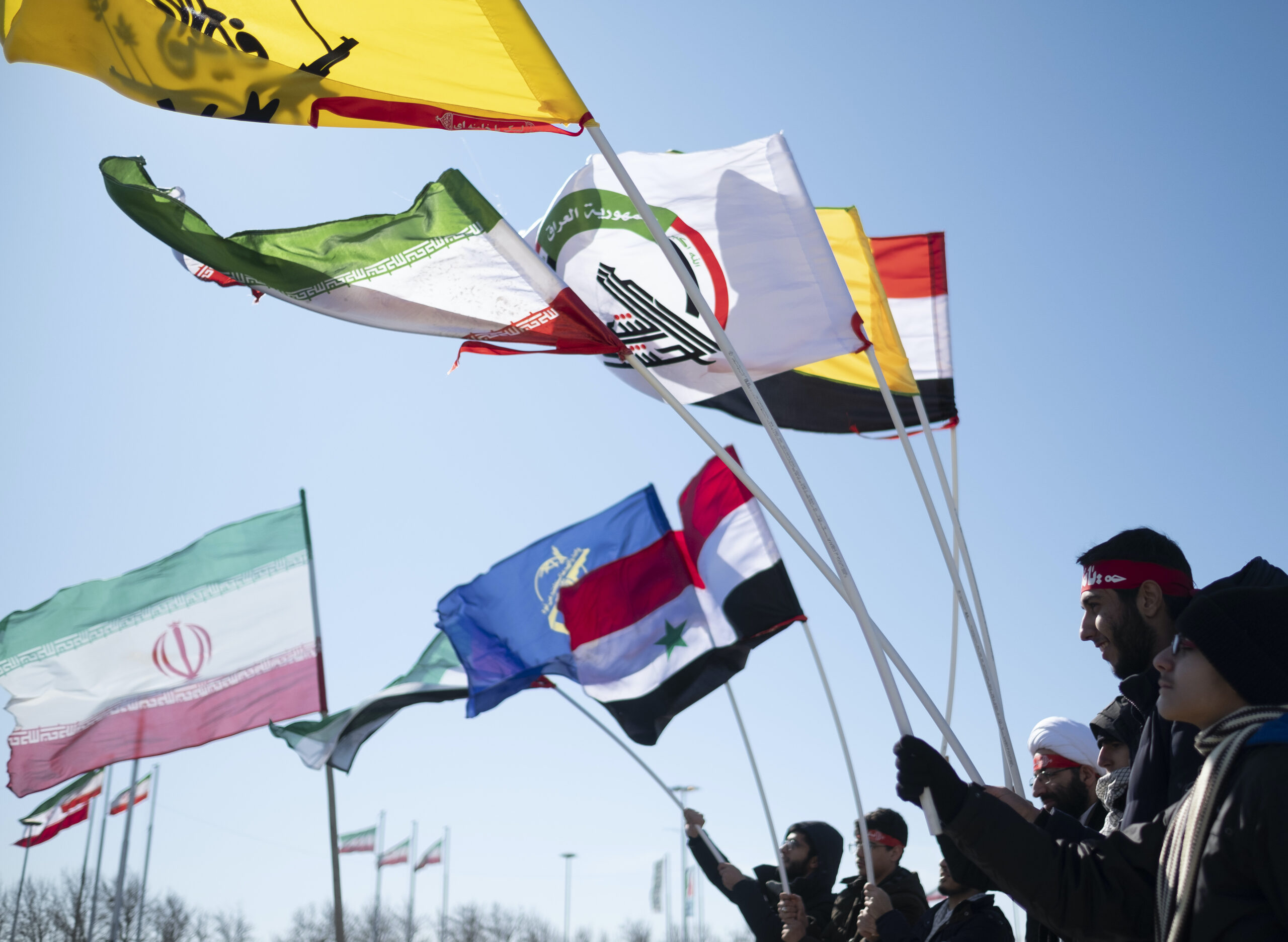
The Islamic Republic’s unconventional alliance network reaches far and wide, and its workings have only intensified since the killing of Gen. Qassem Soleimani in early January 2020. The systematic effort to consolidate these alliances, indicated by the swift appointment of Gen. Esmail Qaani and his new deputy Gen. Mohammad Hosseinzadeh Hejazi to lead the Quds Force, is about much more than just retaliation and revenge against the United States. It is also, and perhaps more importantly, a calibrated response to the Trump administration’s reckless and escalatory changes to the established “rules of engagement” between Washington and Tehran.
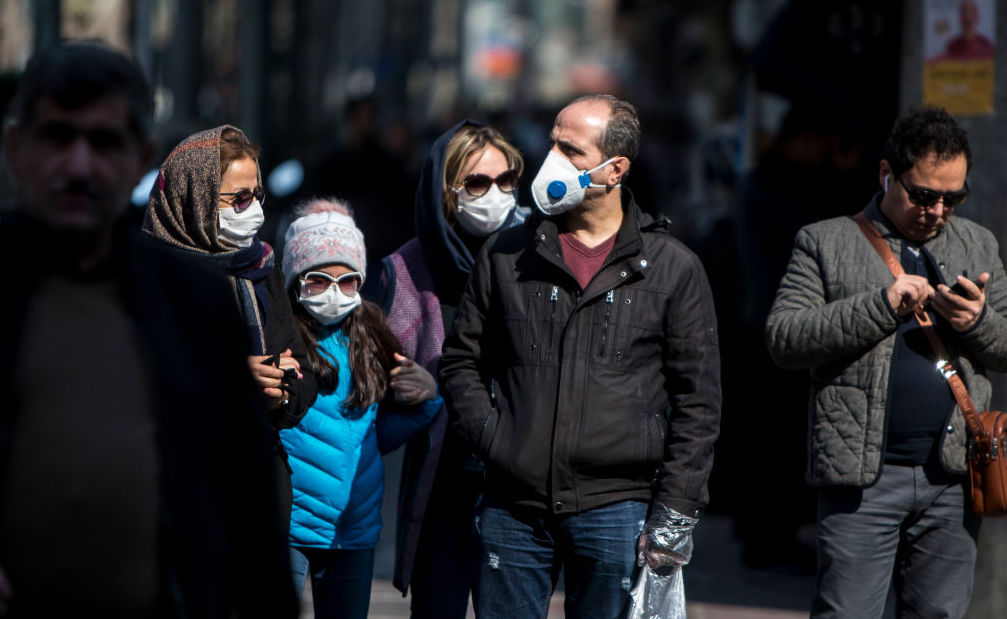
Vanda Felbab-Brown, Michael Kugelman, and Marvin Weinbaum join host Alistair Taylor to discuss the recent US-Taliban agreement in Afghanistan, the political power struggle over the presidency, the challenges facing the intra-Afghan dialogue, and the effects of coronavirus.
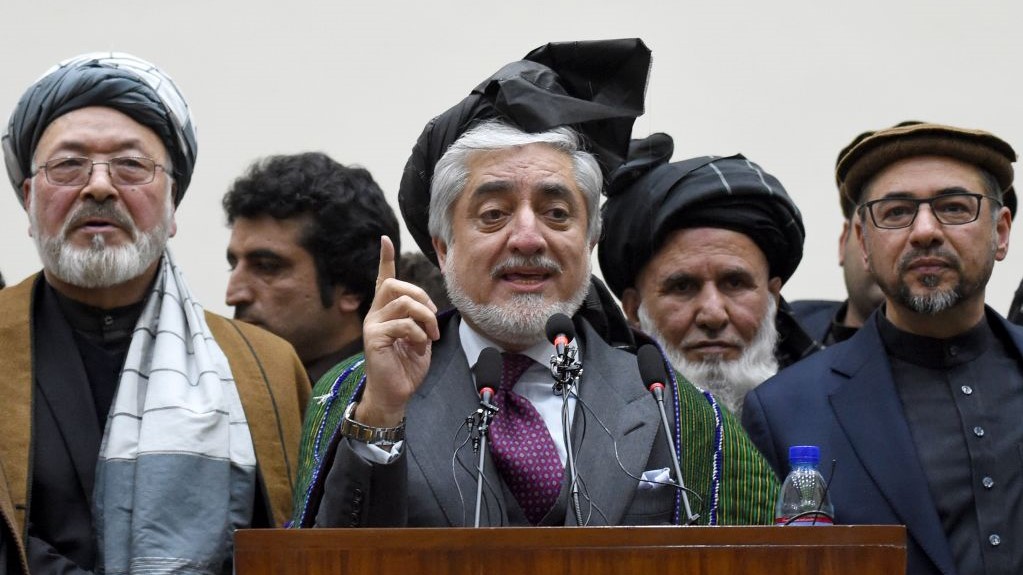
Uncertainty and chaos as Afghanistan’s political crisis deepens
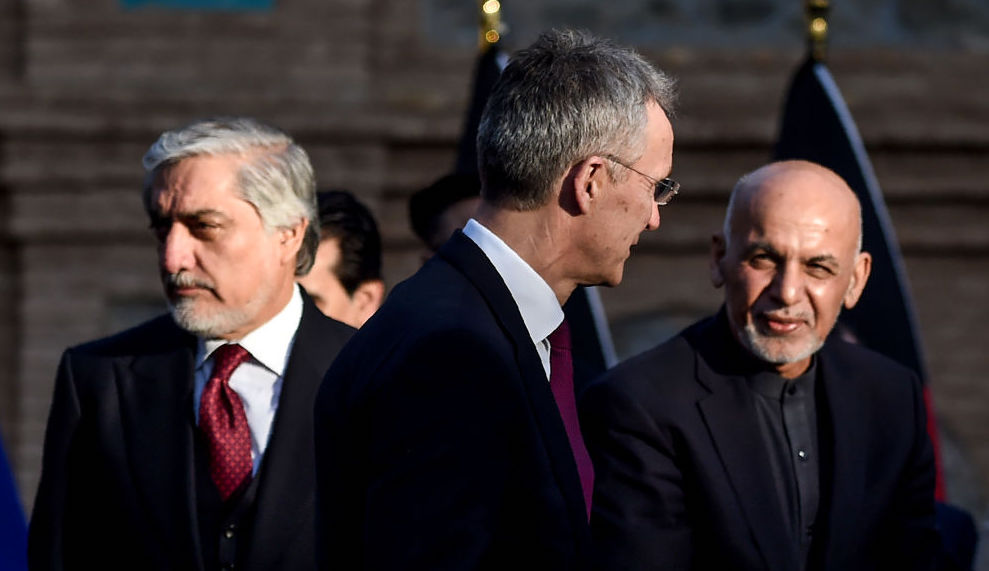
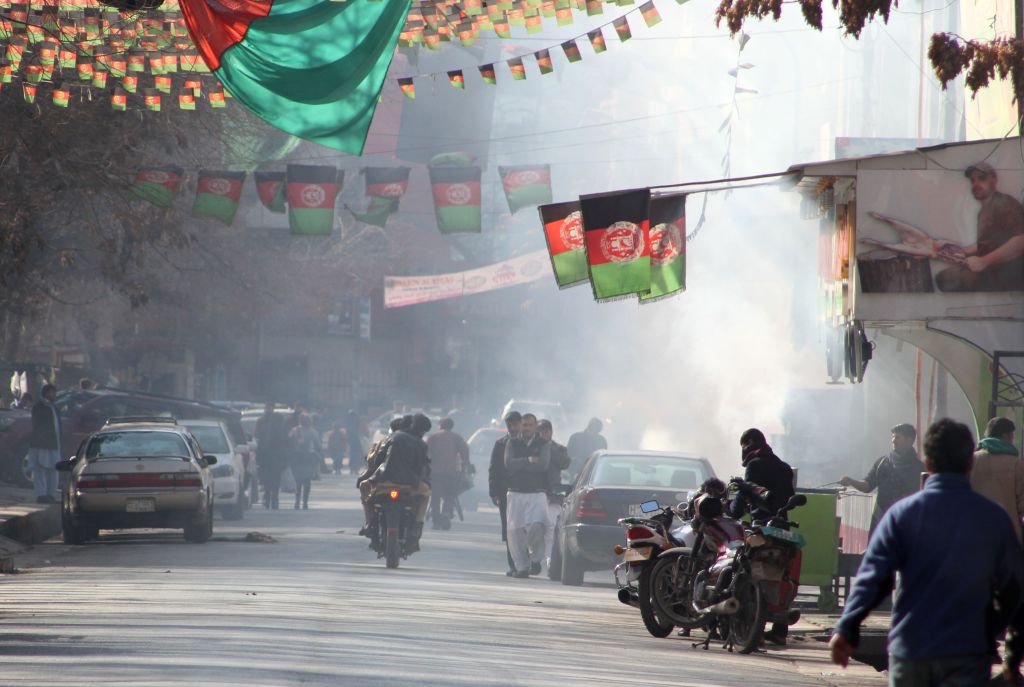
On March 9, Afghanistan’s sitting president, Ashraf Ghani, took the oath of office for a second term. However, on the same day the country’s chief executive, Abdullah Abdullah, also declared himself president at a rival swearing-in ceremony. The controversy has plunged the country into further political uncertainty and potential chaos, dashing hopes of an immediate return to peace following the historic U.S.-Taliban deal on Feb. 29.
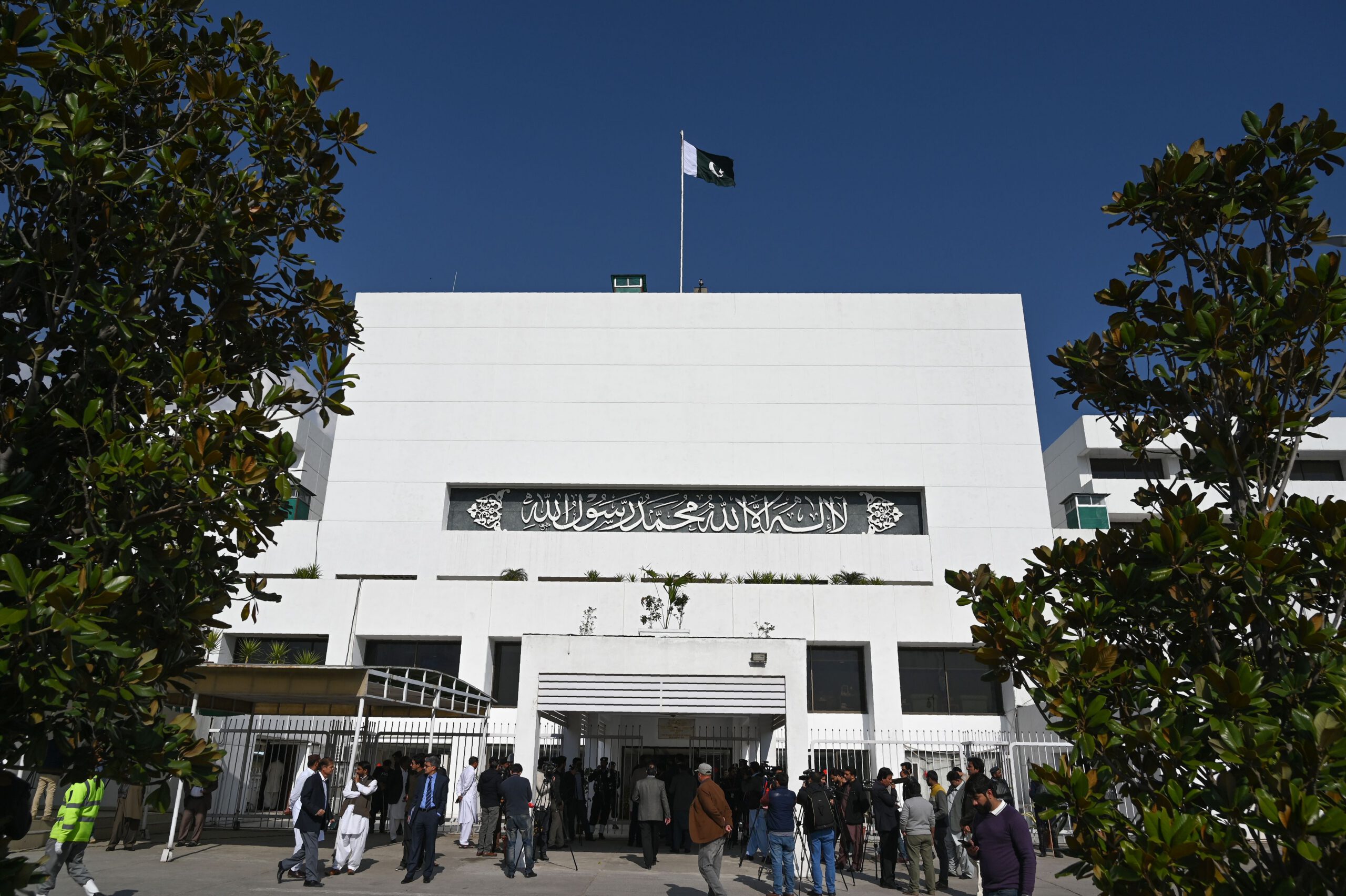
Seizing the Moment for Change: Pathways to a Sustainable US-Pakistan Relationship
It is a near truism that U.S. relations with Pakistan have been historically unstable, waxing and waning, climbing to heights of interdependence and sinking to mutual recrimination. Yet this is presently a period unmarked by either high promise or driven by crisis. Rather than a reason, however, for leaving the relationship untouched and unexamined, this can be a time of unusual opportunity to create a more deliberative approach to thinking about the bilateral relationship and for shaping fresh initiatives.
US and Taliban move closer to a deal, but major questions remain
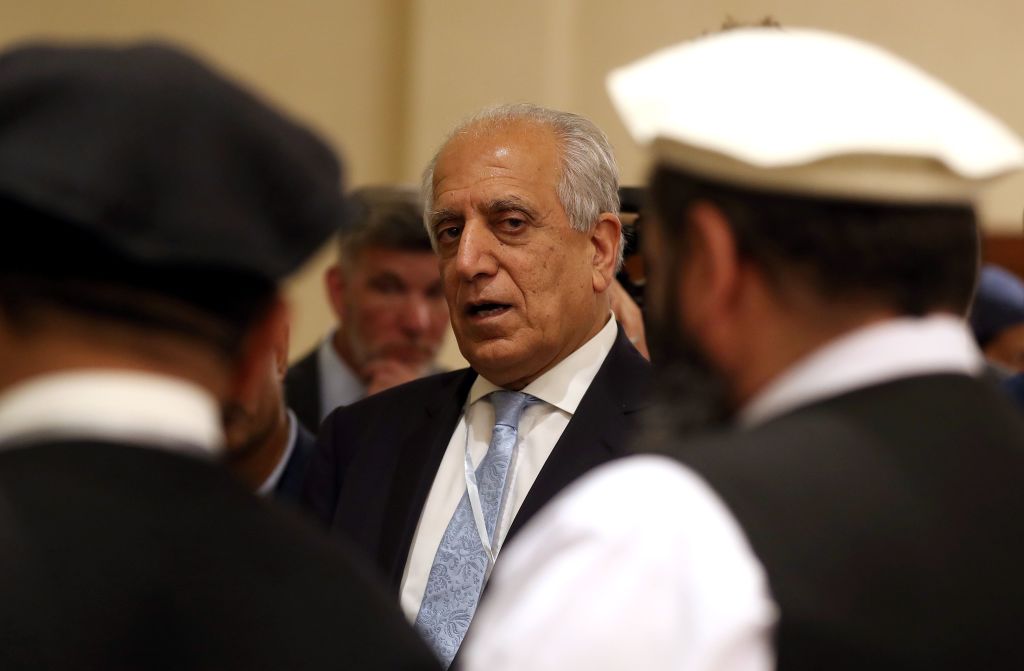
Whatever else it may do, the pending agreement is intended to provide the political cover for a U.S. departure from Afghanistan at an opportune time with this an election year.
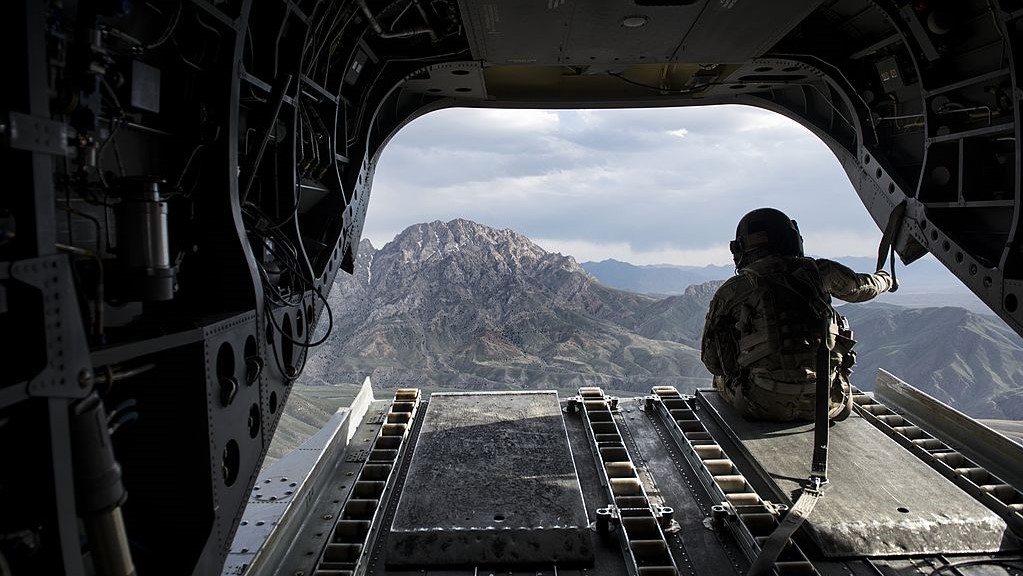
US policy in Afghanistan: Smoke and mirrors, but not yet hopeless
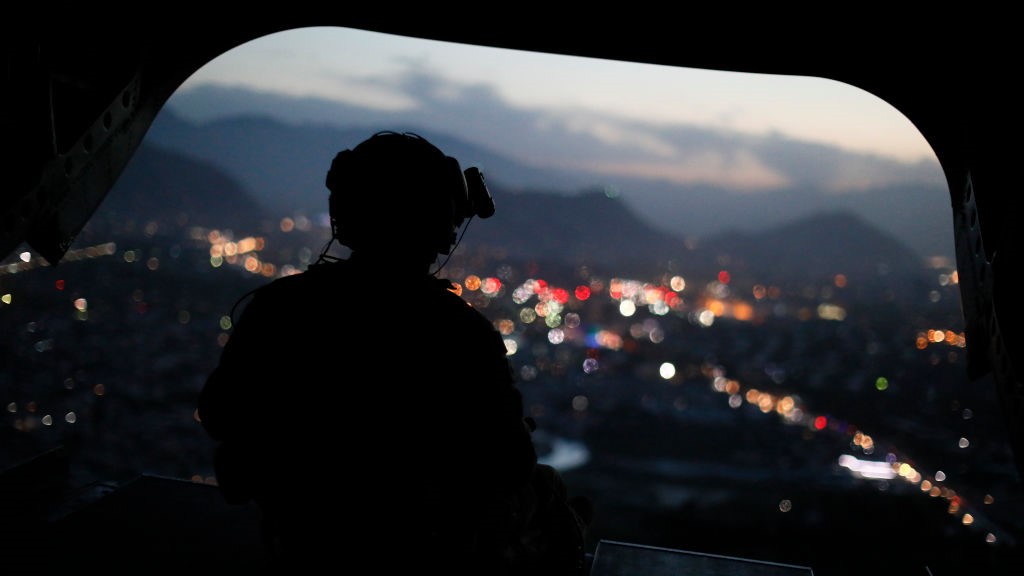
18 years after CIA and U.S. special operations elements touched down in Afghanistan to pursue al-Qaeda and topple the Taliban, ongoing, incremental troop reductions reveal the smoke and mirrors manner in which the U.S. is withdrawing from the conflict in lieu of a negotiated settlement.
Jihadism in South Asia: A militant landscape in flux
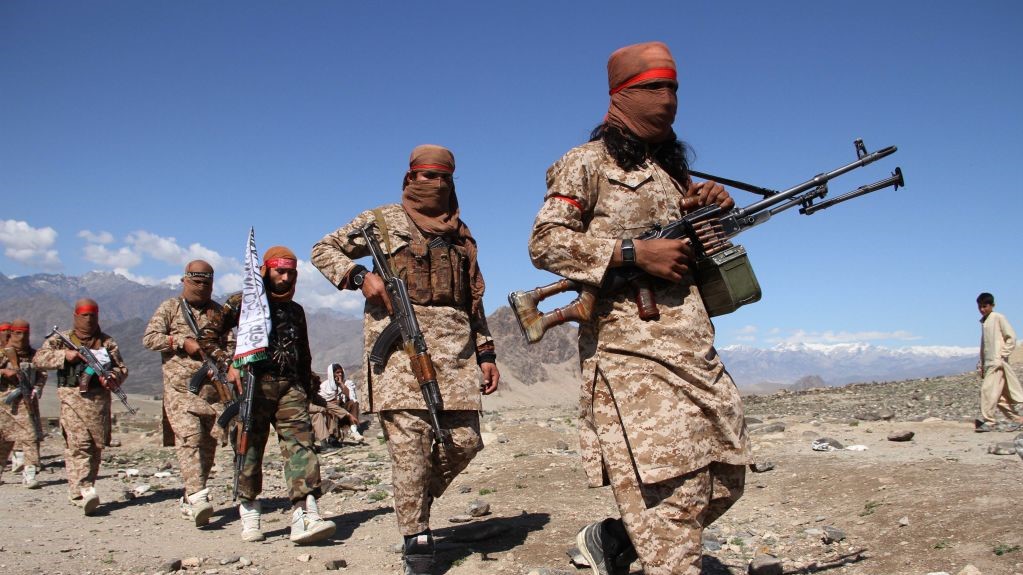
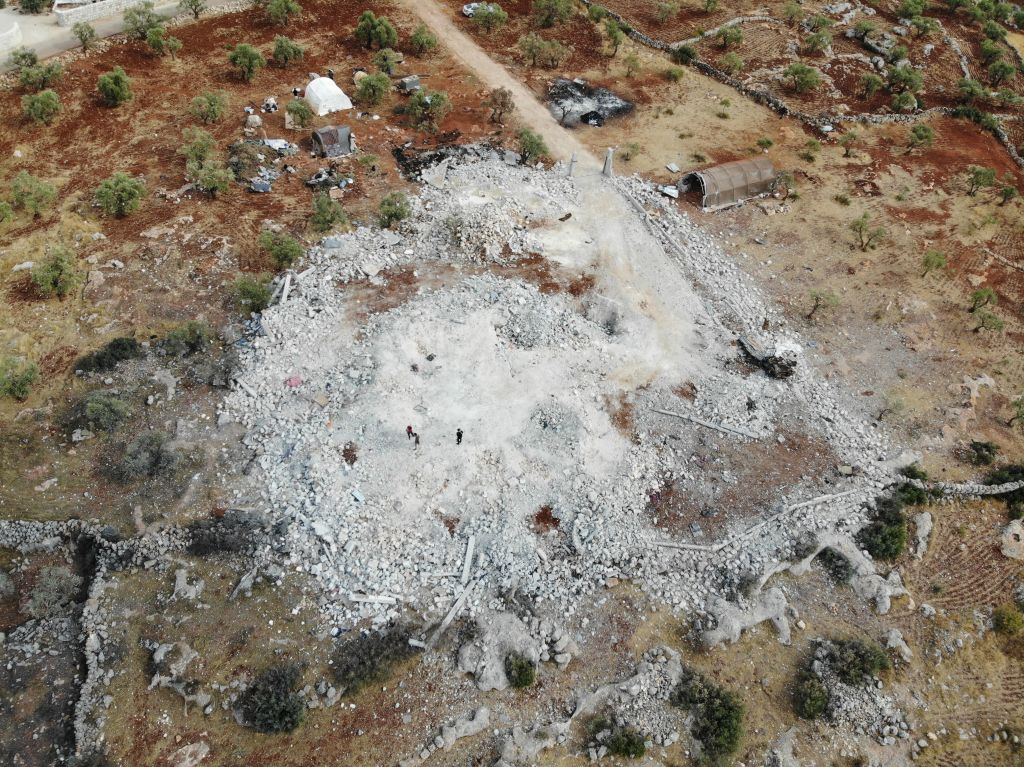
Over the past five years, the focus of U.S. counterterrorism strategists has remained on the Middle East, especially after the emergence of ISIS in 2014, while Islamist terrorist organizations operating in South Asia have been considered a secondary threat. However, the fact remains that South Asia is home to more Islamist terrorist organizations than any other region of the world. Al-Qaeda was born there, in Afghanistan, and ISIS has roots in the region. But at the turn of the decade both global jihadist groups are now facing major challenges and the critical question is whether they will manage to survive this period of crisis amid a severe leadership vacuum following the death of ISIS’s supreme leader and caliph, Abu Bakr al-Baghdadi, and the killing of al-Qaeda heir apparent Hamza bin Laden.
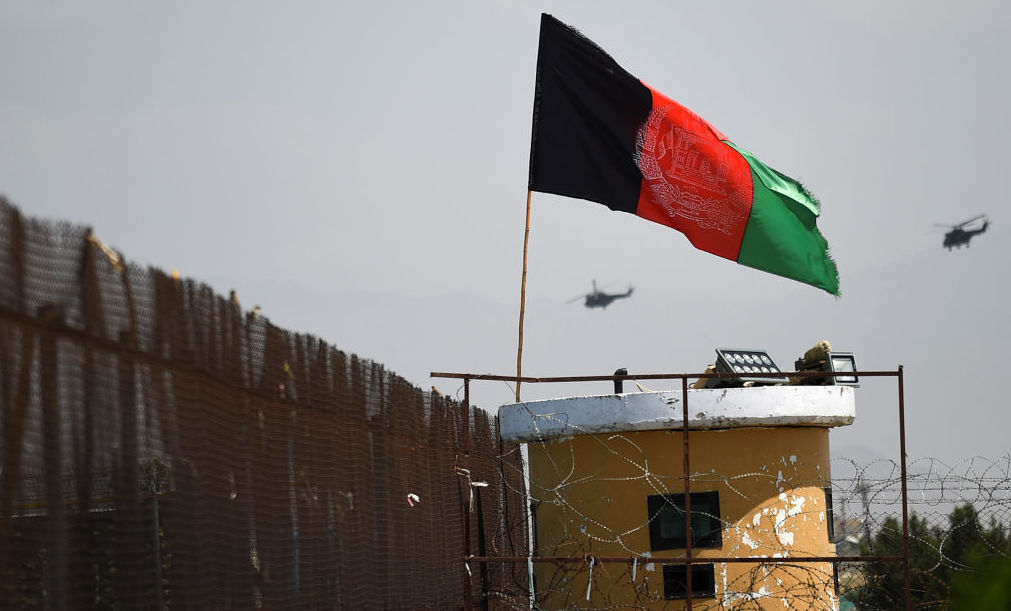
What do recent successes against ISIS mean for a US withdrawal from Afghanistan?
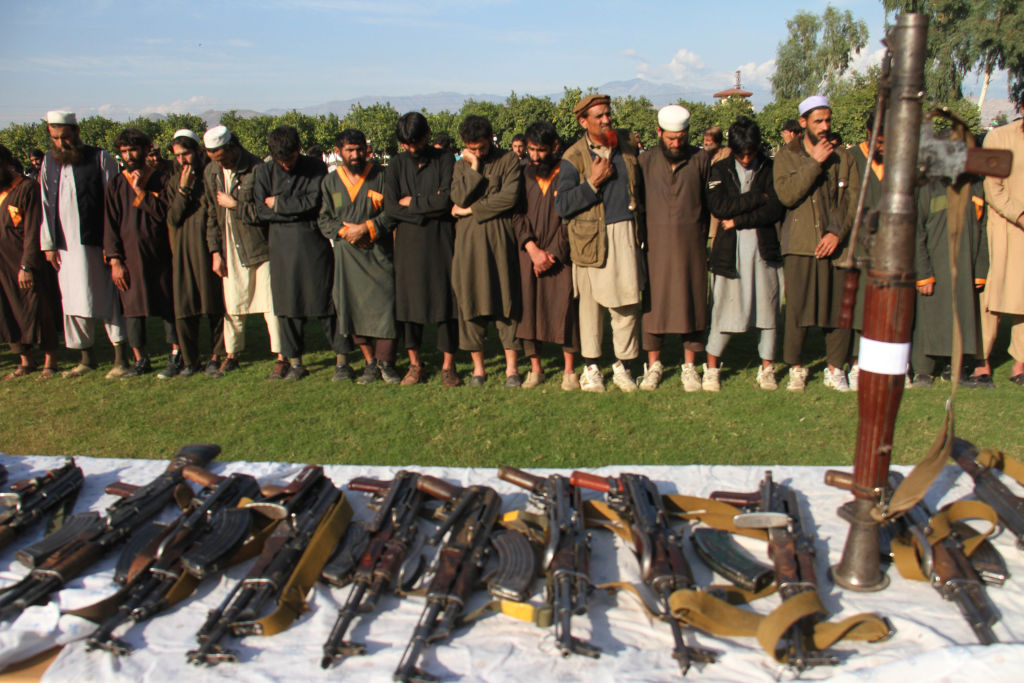
Afghan security forces, working in concert with U.S. airpower, have launched a series of successful attacks in eastern Afghanistan on ISIS forces, which operate locally under the banner of ISKP. Simultaneously, the Taliban has conducted its own military campaign against ISKP in the same region. These campaigns have significantly degraded ISKP’s position in eastern Afghanistan, a development that may well increase the likelihood of an eventual U.S.-Taliban peace deal.