Skip to Content

Research & Commentary Results

Filter by
1273 Results
A course correction on Syria under Biden
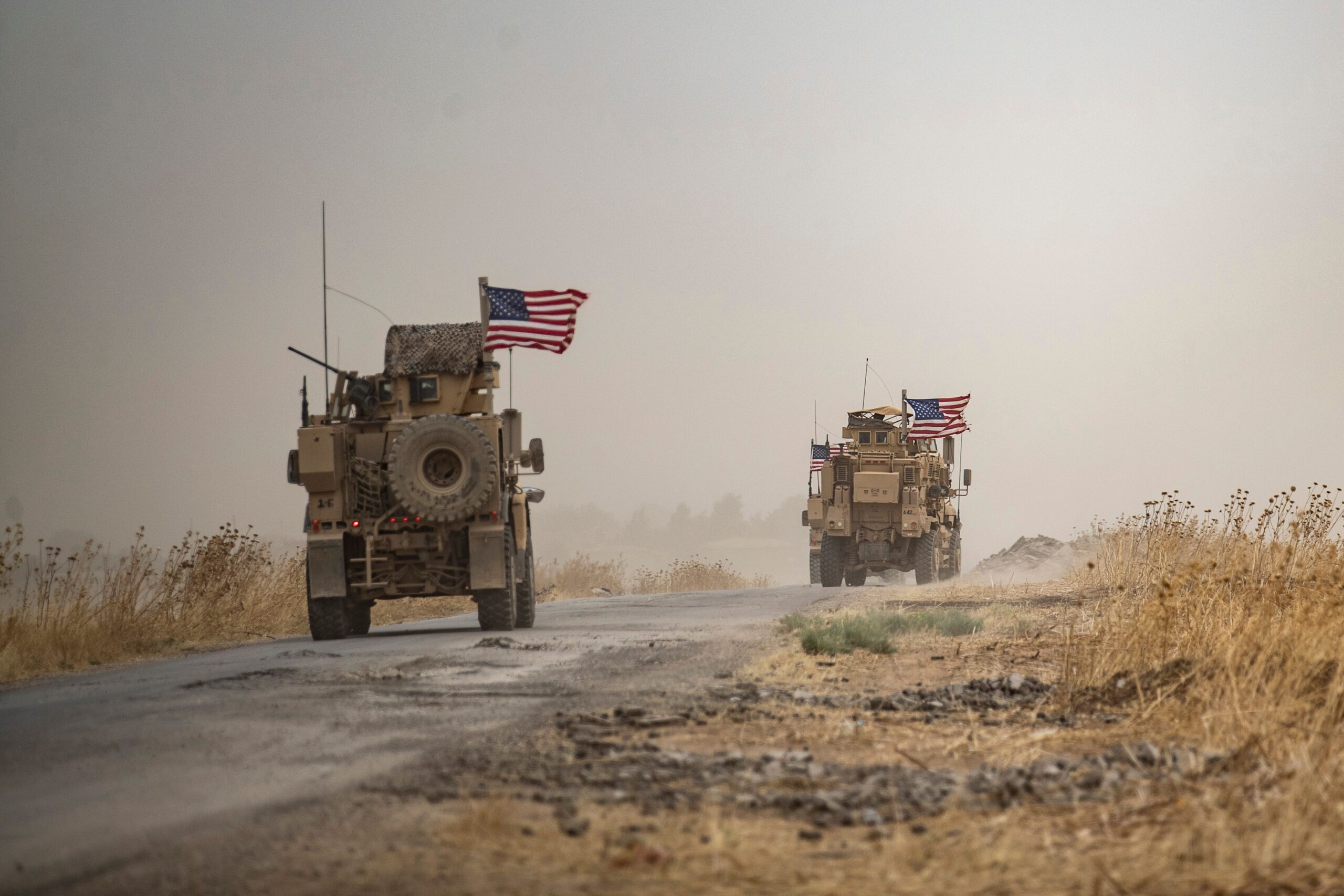
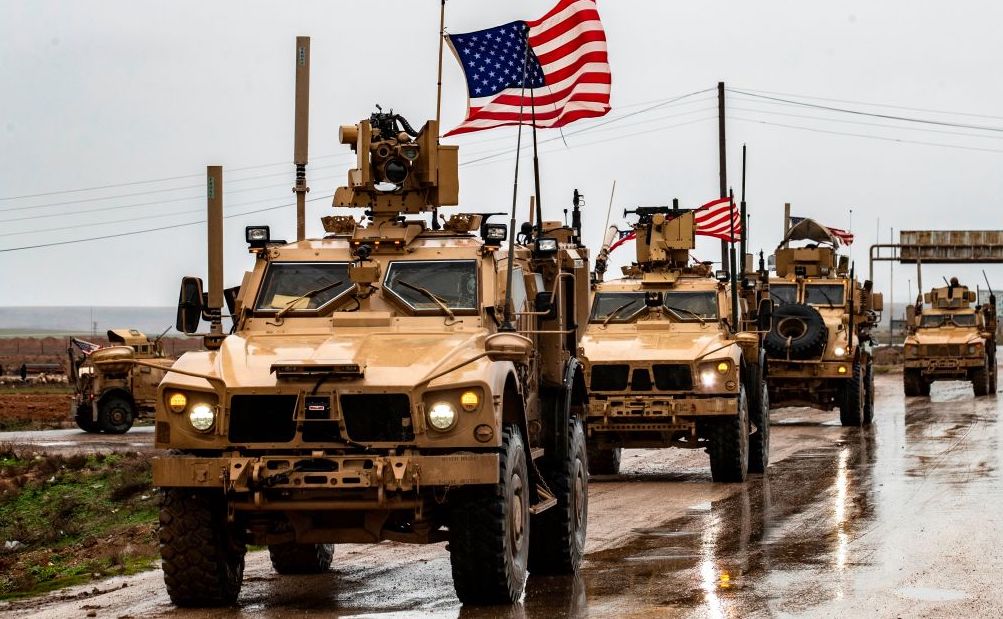
A row of U.S. troops with flags waving in Syria.
  • Analysis
  • A course correction on Syria under Biden

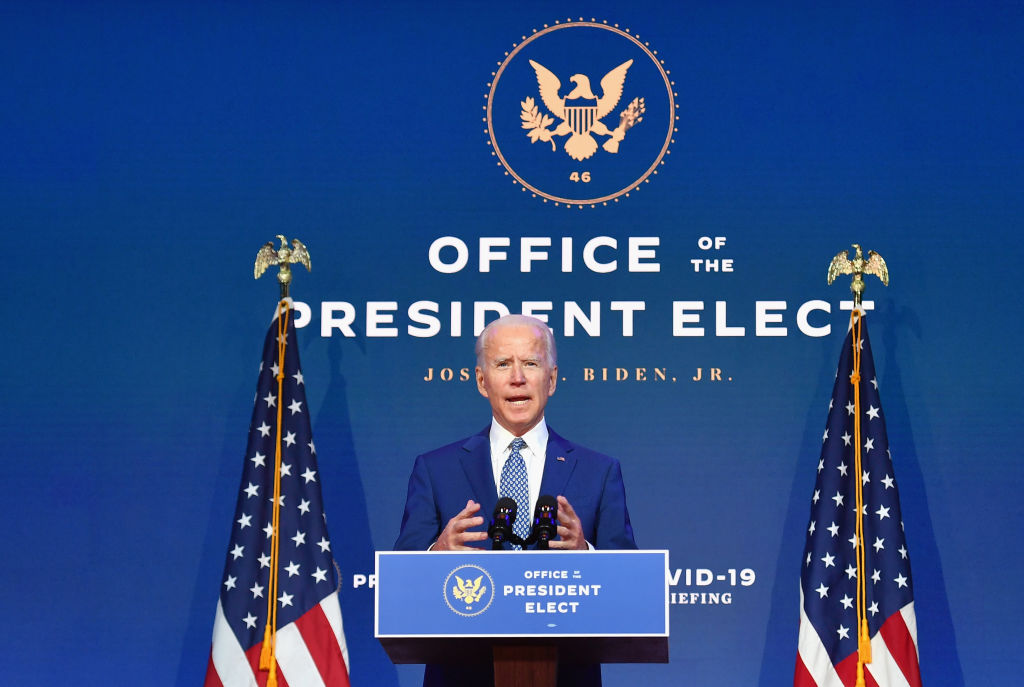
    When a Biden administration begins to settle into its offices in just a few months, Syria’s crisis will have reached a dreadful milestone, marking a decade in March 2021. Though many of President Biden’s senior team presided over U.S. policy throughout Syria’s most deadly years of 2011-16, it is clear that the tragedy that has befallen Syria and its extraordinary global ramifications are a source of sincere regret. Moreover, after four years of the Trump administration, during which American leverage has been repeatedly and illogically spurned and U.S. credibility eroded by repeatedly embarrassing flip-flops, there is a newfound determination to correct today’s trajectory and work determinedly toward the core objectives of defeating ISIS and pursuing a negotiated Syrian settlement.

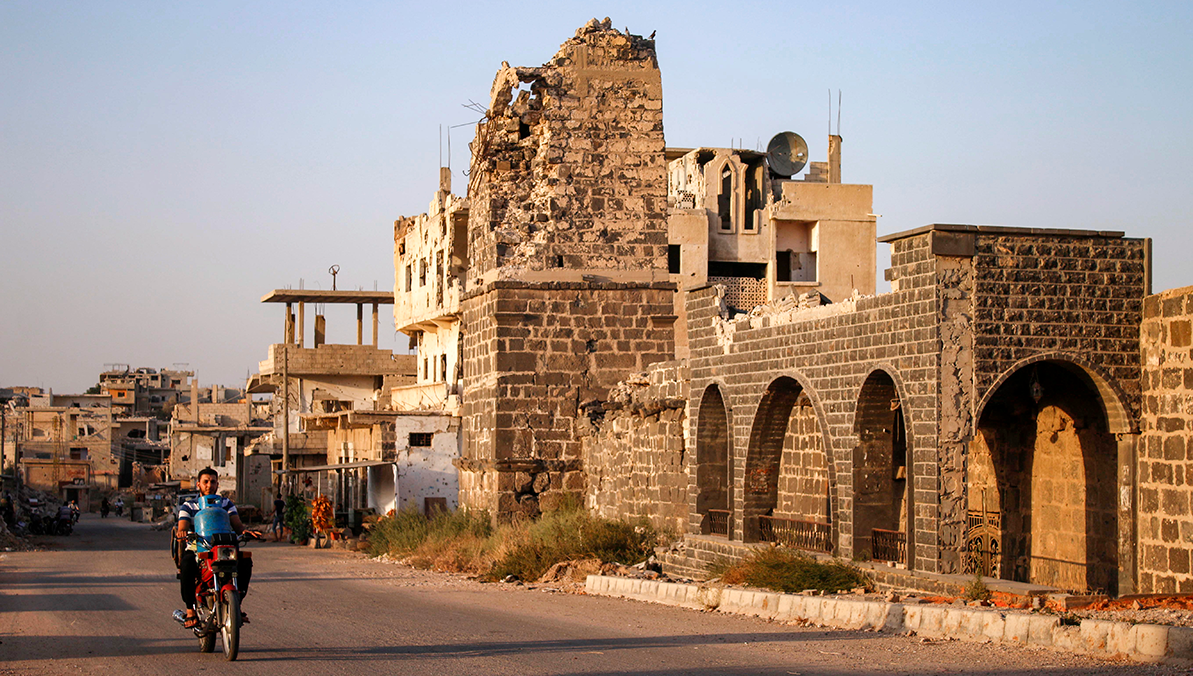
    Is escalation in Idlib on the horizon?
    Photo by BAKR ALKASEM/AFP via Getty Images
  • Commentary
  • Is escalation in Idlib on the horizon?

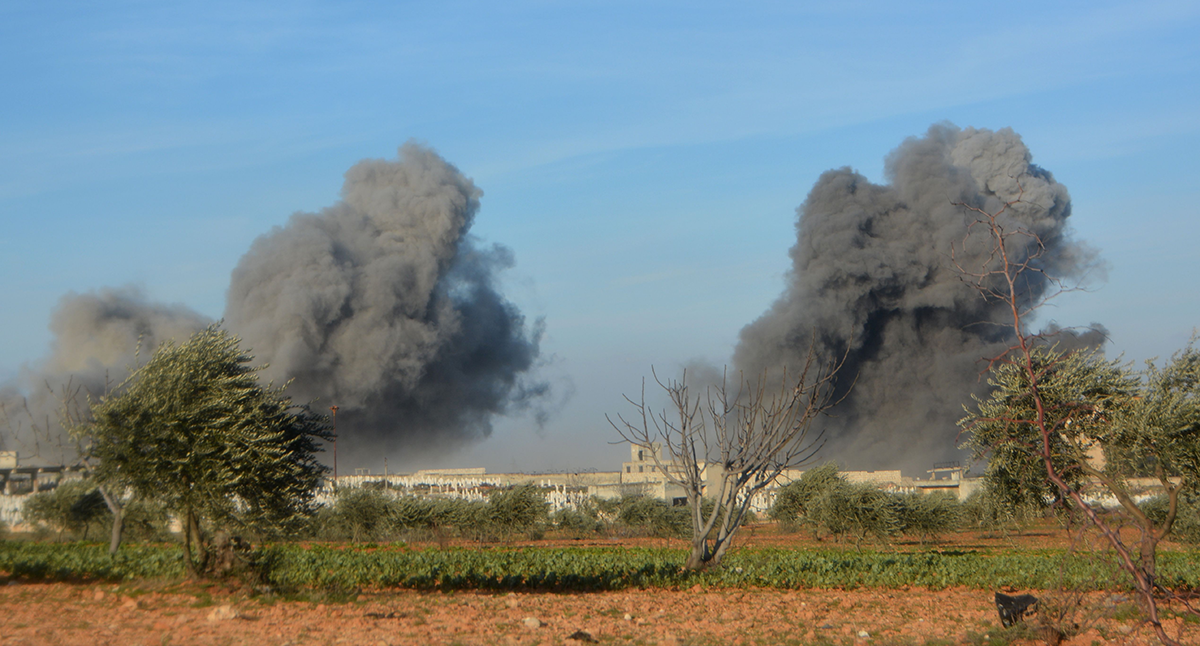
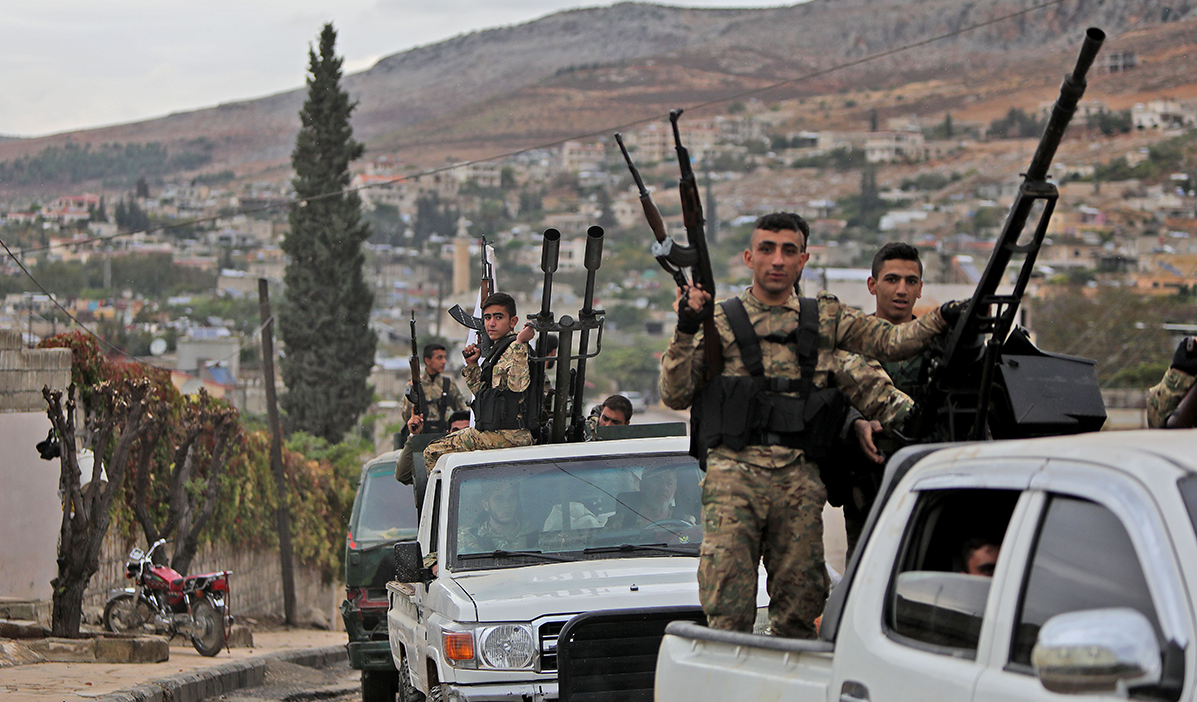
    As the conflict in Nagorno-Karabakh rages between Armenia and Azerbaijan, Russia and Turkey once again find themselves on opposite sides in a regional geopolitical war. With the reverberations from the fighting now spreading across the region, the fate of Idlib could be tied to battles elsewhere as Moscow potentially seeks to open up another front against Ankara.    

    Between the Coalition, ISIS, and Assad: Courting the Tribes of Deir ez-Zor
  • Analysis
  • Between the Coalition, ISIS, and Assad: Courting the Tribes of Deir ez-Zor

    In areas under the control of both the Syrian regime and Autonomous Administration in North and East Syria (AANES) in Deir ez-Zor Province, the governing bodies are failing to secure the loyalty and support of locals. The security structures built by the regime and the AANES have coopted and incorporated local tribes to a significant extent, but a lack of support from the central governing bodies amid increasing ISIS attacks threatens long-term stability in the province. These two regional dynamics are outlined and compared in this paper to illustrate the dual challenges both governance bodies face in appealing to locals and thwarting the resurgence of ISIS in the area.

    November 3, 2020

    Shifting Gears: HTS’s Evolving Use of SVBIEDs During the Idlib Offensive of 2019-20
  • Analysis
  • Shifting Gears: HTS’s Evolving Use of SVBIEDs During the Idlib Offensive of 2019-20

    Since May 2019, a series of Syrian loyalist offensives backed by the Russian air force has gradually encroached upon the country’s northwestern Idlib Province, home to the last major pocket of opposition-held territory. As the chief rebel group in control of Idlib, Hayat Tahrir al-Sham (HTS) has employed dozens of suicide car bombs as part of its continued defense of the area. Formally known as suicide vehicle-born improvised explosive devices (SVBIEDs), these weapons have been a cornerstone of the group’s — and by extension, the entire opposition’s — military strategy since early stages of the war, when rebel forces began capturing and holding territory. In an attempt to further understand this strategy and how it has evolved over time, this case study seeks to compare and contrast HTS’s past and current use of SVBIEDs, with a heavy focus on the latter. It will also examine HTS’s evolving SVBIED design, paying particular attention to technical innovations such as environment-specific paint schemes, drone support teams, tablets with target coordinates, and live camera feeds, as well as upgraded main charges.

    October 28, 2020

    Syria and US policy after the election
    Middle East Institute
  • Podcast
  • Syria and US policy after the election

    Charles Lister and Jomana Qaddour join host Alistair Taylor in a discussion about the current situation in Syria, US policy under the Trump administration, and what lies ahead following the presidential election.

    October 23, 2020

    Using the Convention against Torture to hold Syria to account
    A general view of the Peace Palace is seen as Myanmar State Counsellor Aung San Suu Kyi leads its delegation to the International Court of Justice to defend the national interests of Myanmar during Gambia's genocide case against Myanmar on December 11, 2019 in The Hague, Netherlands.
  • Analysis
  • Using the Convention against Torture to hold Syria to account

    Last month, the Netherlands announced its intent to hold Syria responsible for gross human rights violations and torture under the U.N. Convention against Torture (CAT). With only one other case — Belgium v. Senegal — brought to the International Court of Justice (ICJ) under the CAT, the Netherlands is entering relatively uncharted waters. Indeed, it would be the first country to litigate the substance of Article 1 of the Convention. While it is unlikely that the Netherlands’ claims will reach the ICJ for another year or more, its announcement serves as an important step in the push for broader accountability in Syria.

    October 22, 2020

    US Policy and the Resurgence of ISIS in Iraq and Syria
  • Analysis
  • US Policy and the Resurgence of ISIS in Iraq and Syria

    As attacks by ISIS increase in both Iraq and Syria, the upcoming U.S. presidential election offers a turning point for how U.S. foreign policy will seek to address a potential ISIS resurgence. This paper lays out this growing problem and recommends policy, which will be constrained by the outcome of the November election.

    October 21, 2020

    Will Trump’s Syria hostage diplomacy work?
    Photo by JOSEPH EID/AFP via Getty Images
  • Analysis
  • Will Trump’s Syria hostage diplomacy work?

    With a presidential election looming in the United States, the continuing crisis in Syria is unlikely to make headlines. Aside from the COVID-19 pandemic, raging wildfires, and the occasional flare-up of violence in Idlib, Syria has been largely off the radar in the U.S. for quite some time. Yet dramatic new revelations suggest that Syria could be on the administration’s agenda more prominently as President Donald Trump makes a serious, if desperate, move to secure American hostages thought by U.S. officials to be held in Damascus.

    US sanctions hurt Syrian civilians — they need to be worth it
    Photo by Hasan Belal/NurPhoto via Getty Images
  • Analysis
  • US sanctions hurt Syrian civilians — they need to be worth it

    On June 17, 2020, the U.S. State Department’s special envoy to Syria, Joel Rayburn, announced the beginning of the “summer of Caesar,” promising a wave of sanctions designations under the newly activated Caesar Syria Civilian Protection Act. Summer has come and gone, but there’s little to show for it.

    October 15, 2020