Understanding Algerian unemployment policies beyond rent redistribution
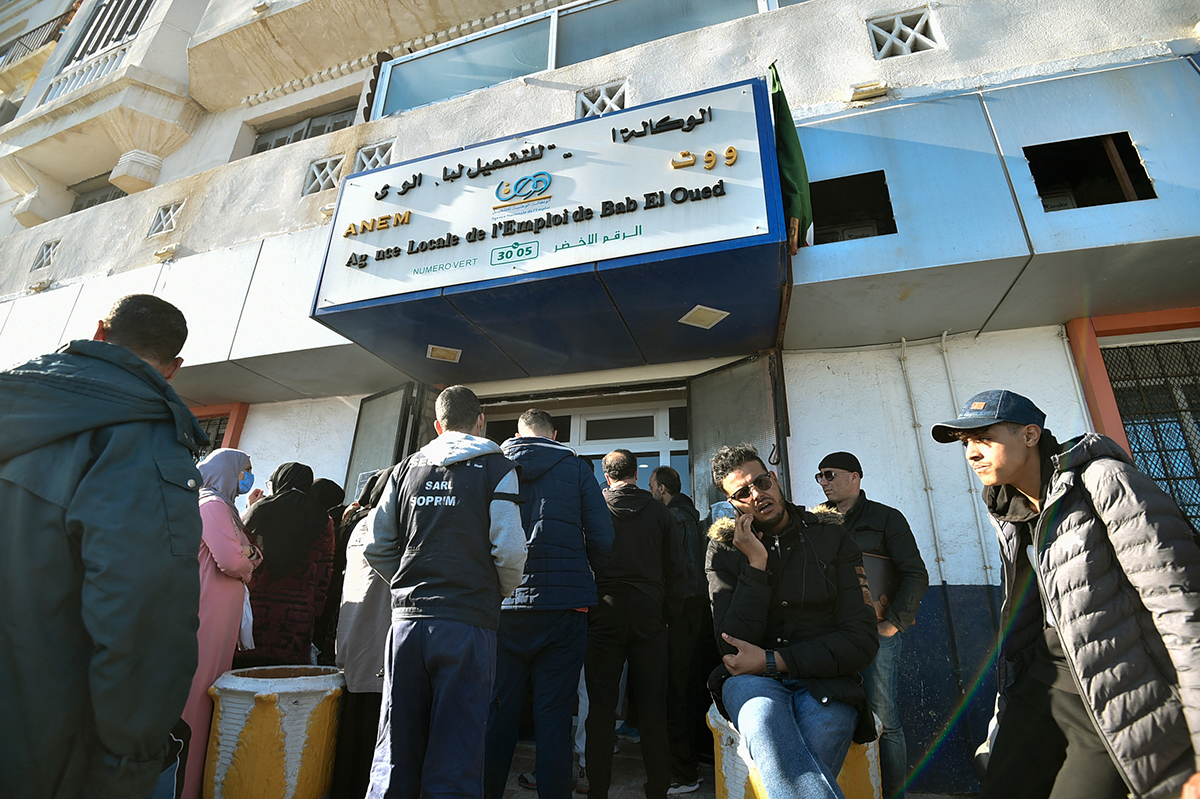
In February 2022, Algerian President Abdelmadjid Tebboune announced a new unemployment benefit for first-time jobseekers aged 19 to 40. On March 28, 580,000 young Algerians received their first $90 monthly payment. Though many young people have rushed to the offices of the National Employment Agency (ANEM) to register for the new benefit, potential problems have already cropped up.
Despite expectations that China, Russia, and other states would try to exploit the Western military departure from Afghanistan, the Taliban’s regime remains unrecognized by any other government. Neighboring countries have not gone beyond limited diplomatic engagement, economic detachment, and security containment.
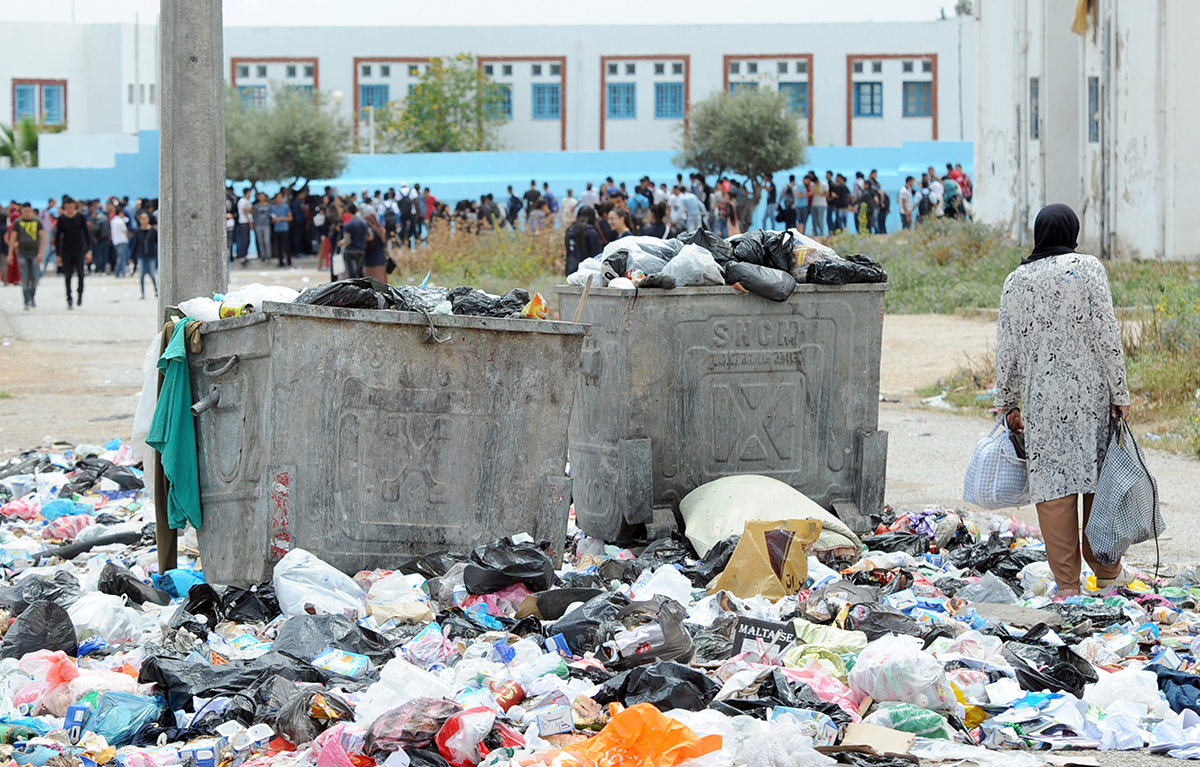
Solving Tunisia’s growing waste management problem
Given its outsized role in contributing to greenhouse gas emissions, waste management is an issue of global importance. Landfills account for almost 5% of total global greenhouse gas emissions and 12% of the world’s emissions of methane. The associated challenges are particularly acute in North Africa, and especially in Tunisia.
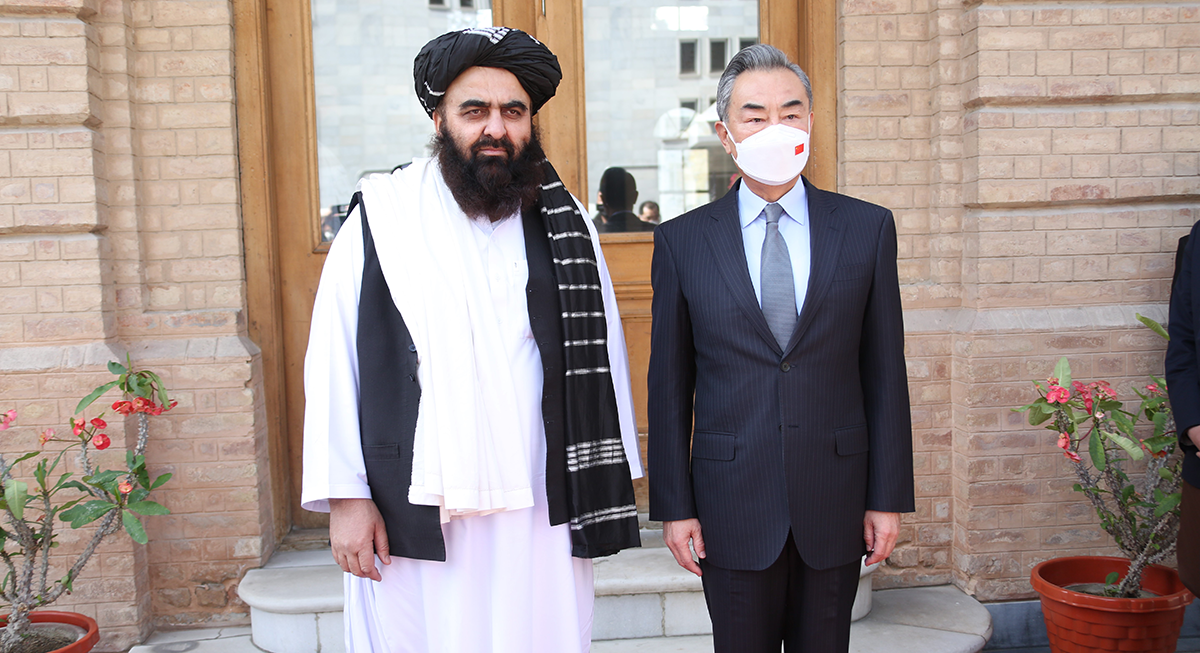
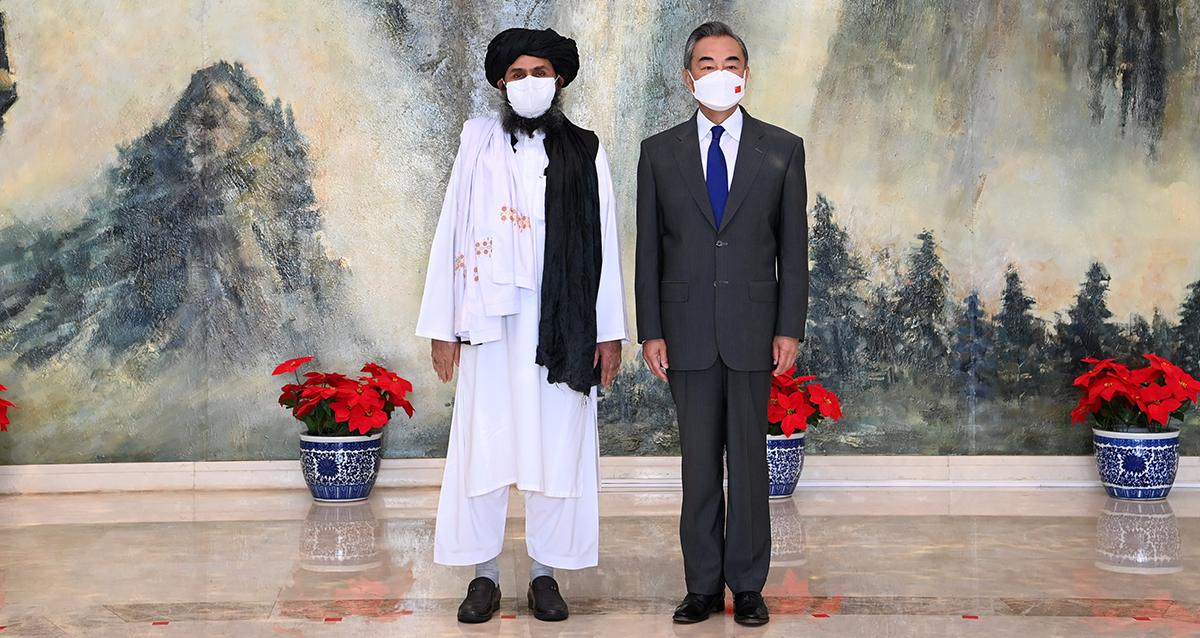
China draws closer to the Taliban as regional foreign ministers prepare to meet in Beijing
Despite the loss of crucial foreign aid, a deepening food crisis, and a sinking economy, little attention has been given to the effects of Afghanistan’s current political instability on the Taliban’s international relations. The international community has certainly taken an interest in Afghanistan, urging the Taliban to implement reforms, such as political representation for all Afghan ethnicities and respect for women’s rights, particularly when it comes to education and work. For its part, however, China has not let such concerns get in the way of establishing strong ties with the Afghan Taliban.
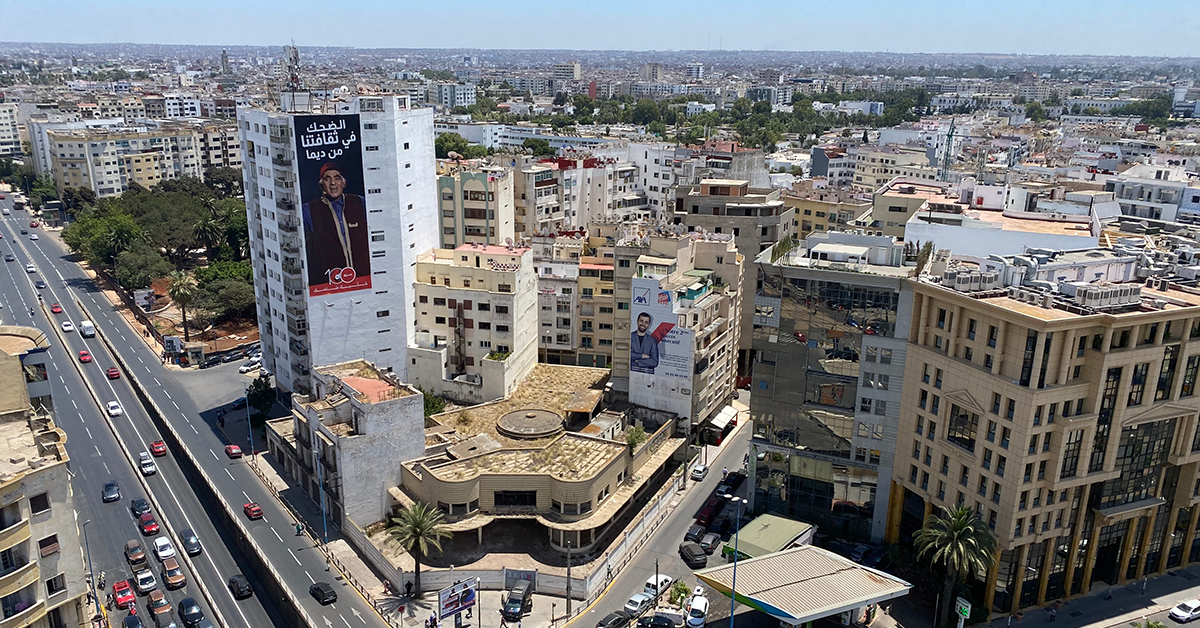
على مدى العقد الماضي، أحرز المغرب تقدمًا كبيرًا على مستوى مؤشر ممارسة الأعمال العالمي (دوين بيزنس)، حيث قفز من المرتبة 130 في عام 2009 إلى المرتبة 53 في عام 2020. رغم تلك الإصلاحات، لم يؤدي تحسن ترتيب المغرب على مستوى مؤشر مناخ الأعمال إلى تحسن اقتصادي كبير.
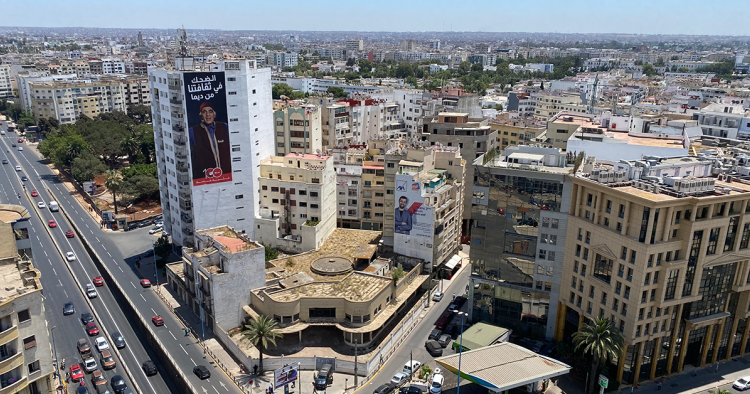
The Moroccan economy through the Doing Business Index
Over the past decade, Morocco made great progress in climbing up the global Doing Business Index (DBI), jumping from the rank of 130 in 2009 to 53 in 2020. Yet, Morocco’s improved DBI ranking did not correlate with significant economic improvement.
War in Ukraine and drought at home: A perfect storm in the Maghreb
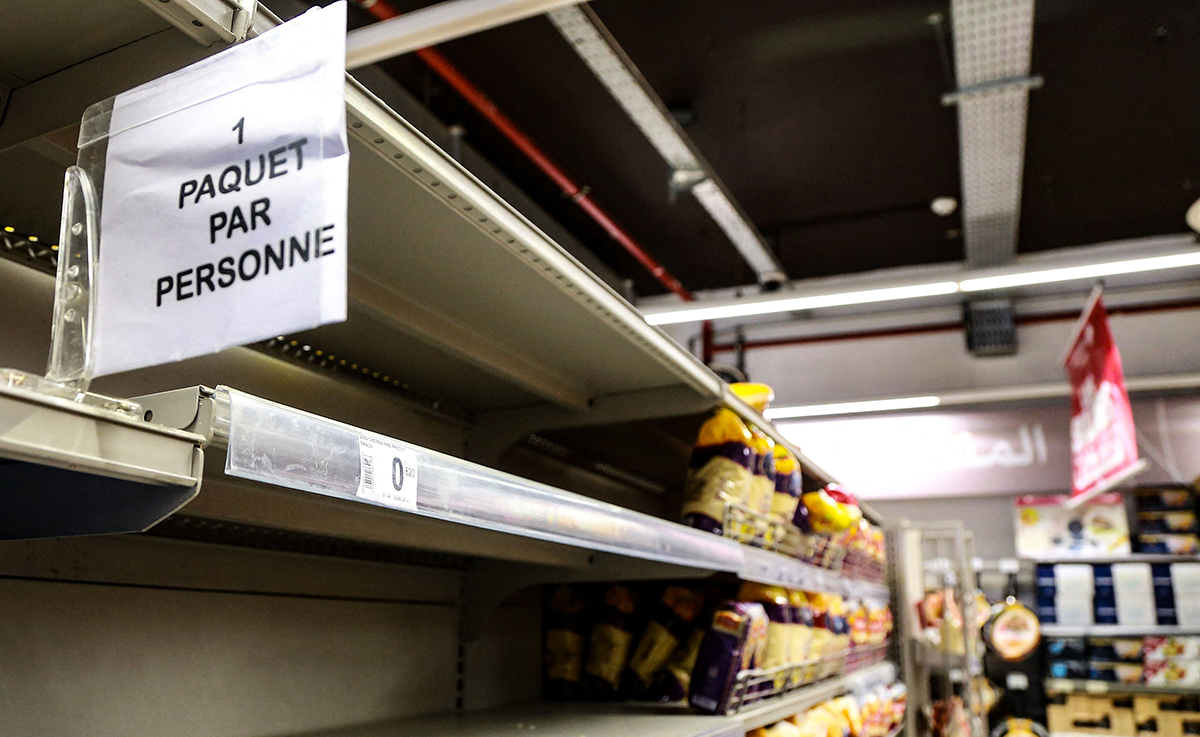
This year was already expected to pose challenges for Morocco, Algeria, and Tunisia. Inflationary pressures have been driving up the price of goods since the fourth quarter of 2021. Persistent unemployment, worsened by the COVID-19 pandemic, aggravated social discontent. Now, as winter turns to spring, socio-economic stability in the Maghreb is being imperiled by the conflict in Ukraine and insufficient rainfall at home.
Mirette Mabrouk, Joey Shea, and guest host Eliza Campbell discuss current political disputes over the Grand Ethiopian Renaissance Dam (GERD), cyber diplomacy, and the effects of climate change on the Horn of Africa.
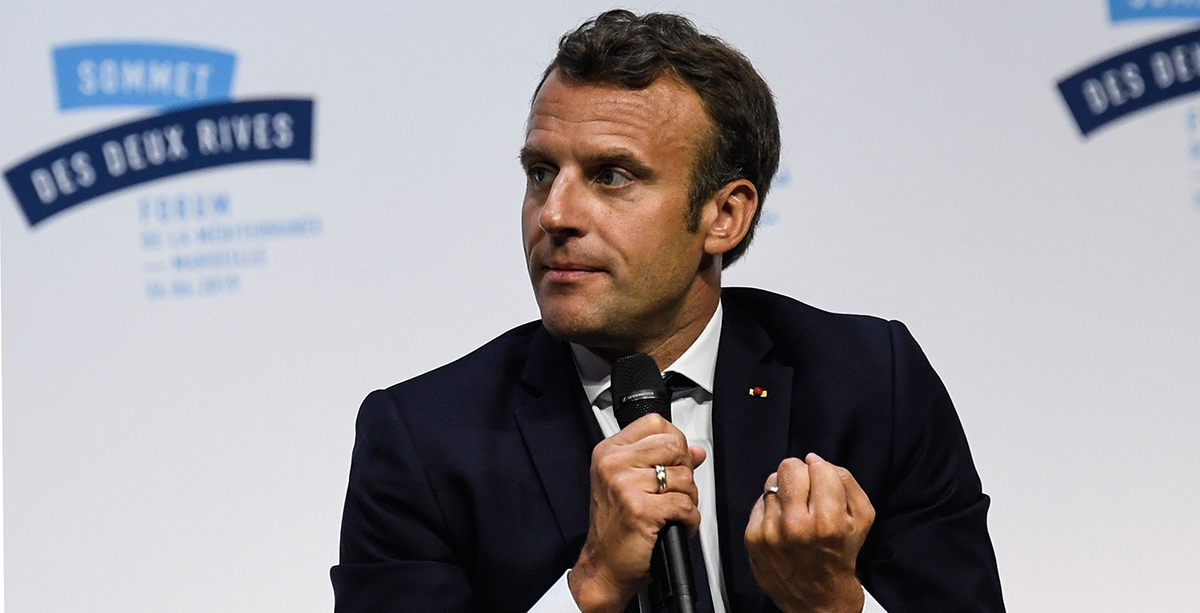
The "Mediterranean Worlds Forum”: France’s continued pursuit of leadership in the Mediterranean
On Feb. 7 and 8, France hosted the “Mediterranean Worlds Forum” in Marseille, following on the heels of the 2019 “Summit of the Two Shores, Mediterranean Forum.” These meetings have the stated goal of “giving new momentum” to relations in the western Mediterranean and illustrate Paris’s push to renew its leadership role in the region.