The ideological underpinnings of the Houthis’ Red Sea attacks
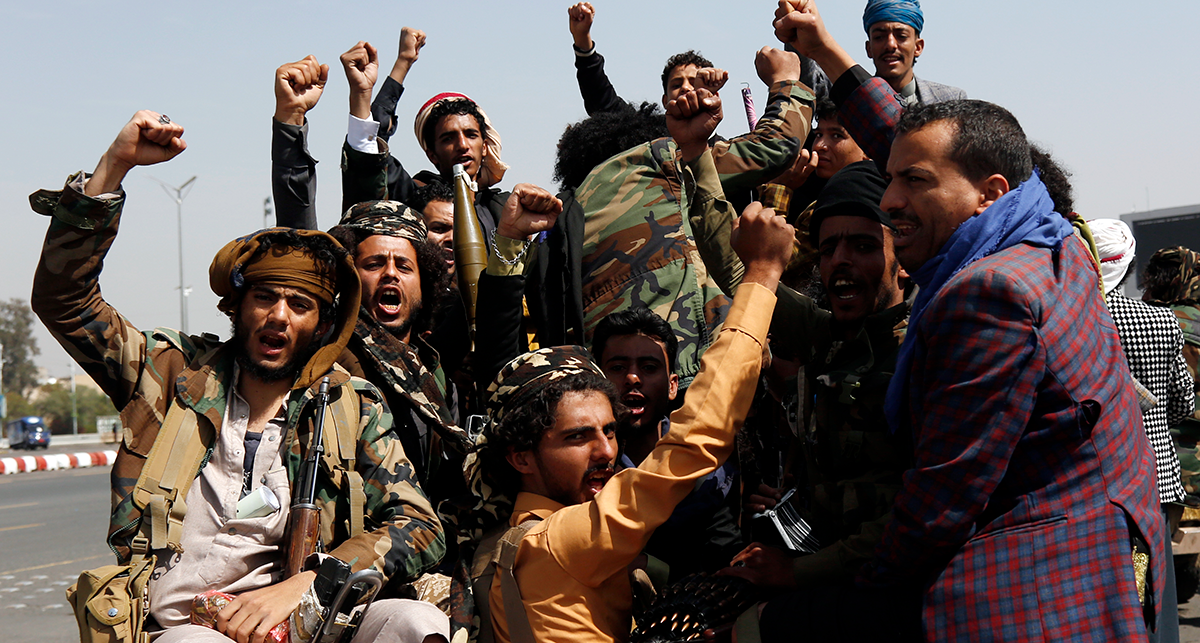
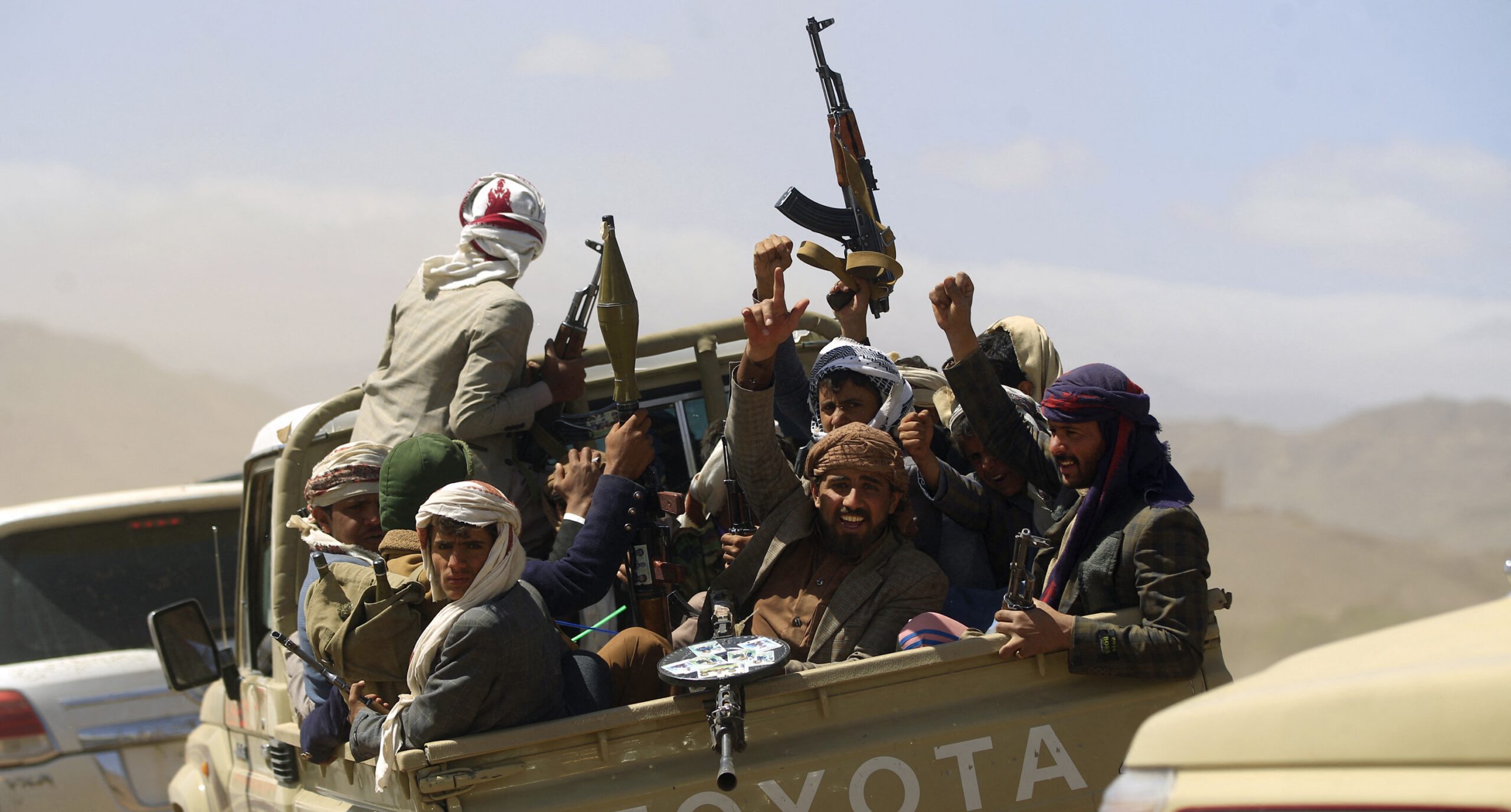
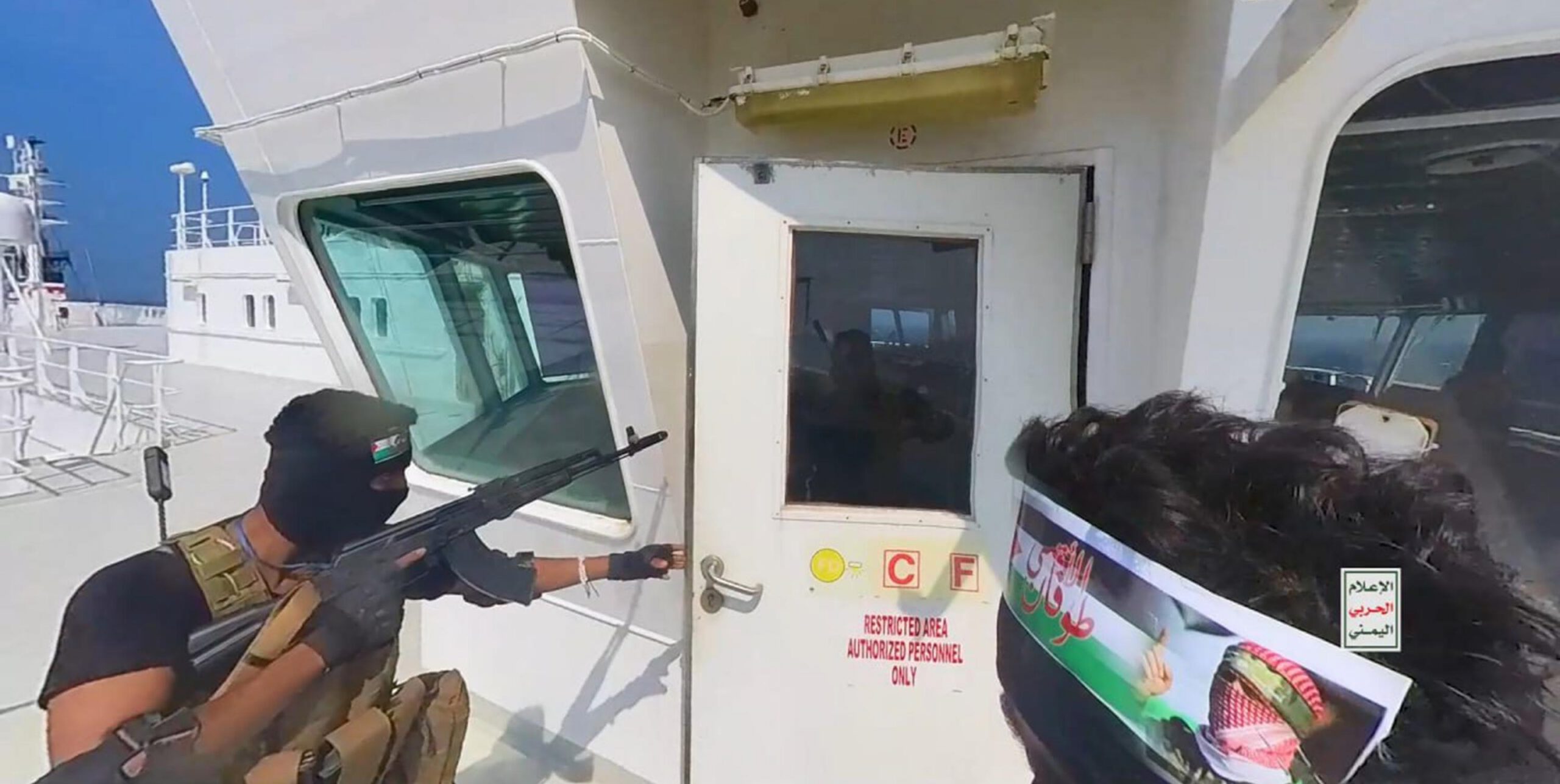
The Houthis’ attacks in the Red Sea are a manifestation of their ideology, rooted in Islamic fundamentalism. Today, aligned with Iran’s “Axis of Resistance,” this ideology aims to expel the US from the Middle East, destroy Israel, and institute a worldwide Islamic Caliphate with Jerusalem at its core. The following analysis delves into the ideological framework that propels the Houthis’ actions in the Red Sea and its broader implications.
Managing US Relations with Pakistan in Uncertain Times: Obstacles and Opportunities
With the U.S. withdrawal from Afghanistan, America’s bilateral relationship with Pakistan may have come to hold less priority. If it was thought, however, that the U.S. could afford to largely turn its back on Pakistan and its region, it has instead become increasingly evident that American strategic interests and other concerns demand continued attention and involvement. It is imperative that American policymakers take a longer view when it comes to dealing with Pakistan, especially at a time when great power competition is intensifying across South Asia. It is in the interest of both the U.S. and Pakistan to develop a mutually beneficial and sustainable relationship.
The unrelenting season of forced homecoming continues for Afghans who had sought refuge in neighboring countries in the past. Thousands of Afghan refugees have been forcefully relocated from countries like Pakistan, Iran, Turkey, and Tajikistan, back into Afghanistan. In a country where the current set of rulers has had little to offer other than regressive policies over the past 29 months to its citizens, these men, women, and children will find it difficult even to survive without an immediate increase in international attention and assistance.
Iranian youth and the protest movement in 2023: Drivers and limitations
Since the height of the protests in 2022, the government cracked down with a new degree of severity on the protesters, reducing their numbers on the street. Many leave if they can. Those who stay have adopted less visible shows of political and social dissatisfaction against the regime’s aggression.
Ansar Allah, the Yemen-based militant group commonly referred to as the Houthis, is arguably the latest and largest addition to the Iran-led Axis of Resistance. Present tensions in the Red Sea illustrate both the utility of the Houthis for Tehran’s anti-American and anti-Israel regional agenda as well as the challenges their actions can create for the Iranians.
Houthis see domestic and regional benefit to continued Red Sea attacks
Since the outbreak of the Israel-Hamas conflict in October, Yemen’s Houthi rebels have sought means to capitalize on the war in Gaza to raise their profile, enhance their pan-Arab legitimacy, and burnish their credentials both domestically and in the region. In their effort to insert themselves into the Gaza conflict, the Houthis believe their actions will strengthen their support base at home while also cementing their movement more firmly into the Iranian “Axis of Resistance.”
The Jews who disappeared from Iran and reappeared in Pakistan
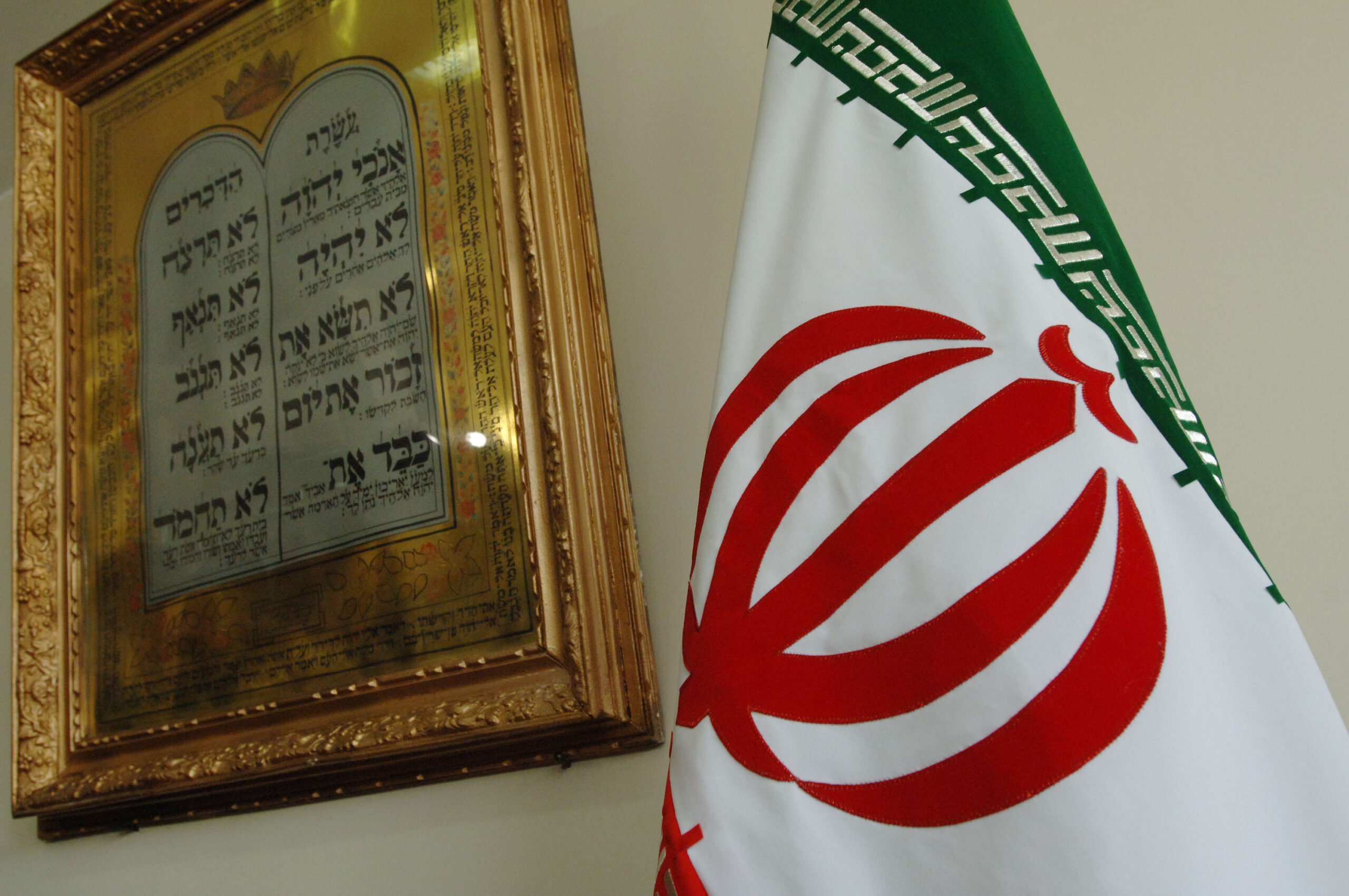
In the mid-1980s, during the long war between Iran and Iraq, students at Tehran’s Jewish high schools would watch their friends suddenly disappear, and then reappear six months later in Europe, the U.S., or Israel. They would get there through a sophisticated smuggling operation that spirited Iran’s Jews out of the country and into Pakistan.
Iran amid conflicting geopolitical dynamics in the Middle East
As two contradictory trends of de-escalation in the Persian Gulf and a new round of war between Palestinians and Israelis unfold at the same time, Iran is trying to play its best cards and navigate its position. Iran views the region’s geopolitical and security conflicts as a chance to uphold its position and leverage it to advance its defined national interests.
Soleimani birthed Iran’s Axis of Resistance, Ghaani coordinated it
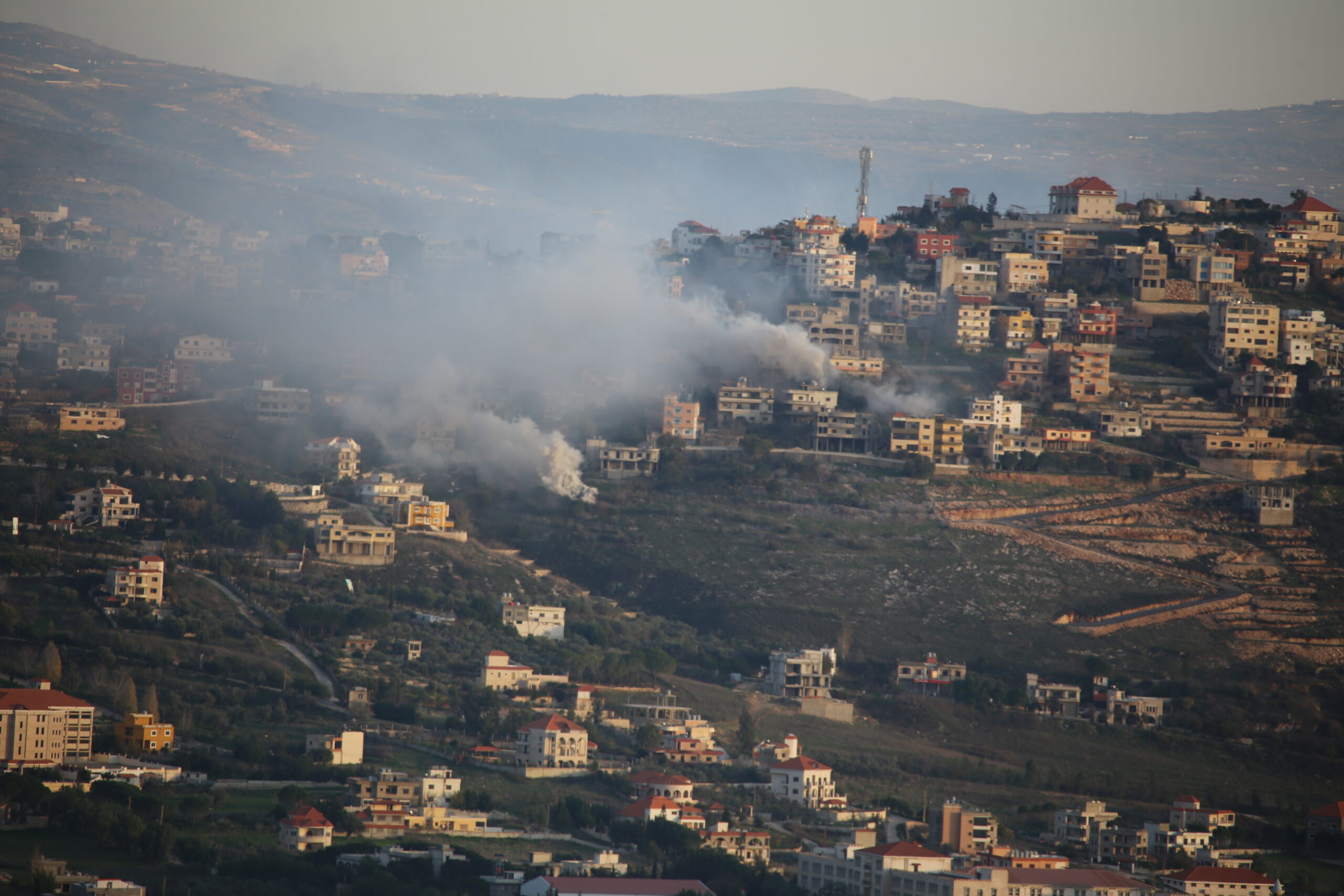
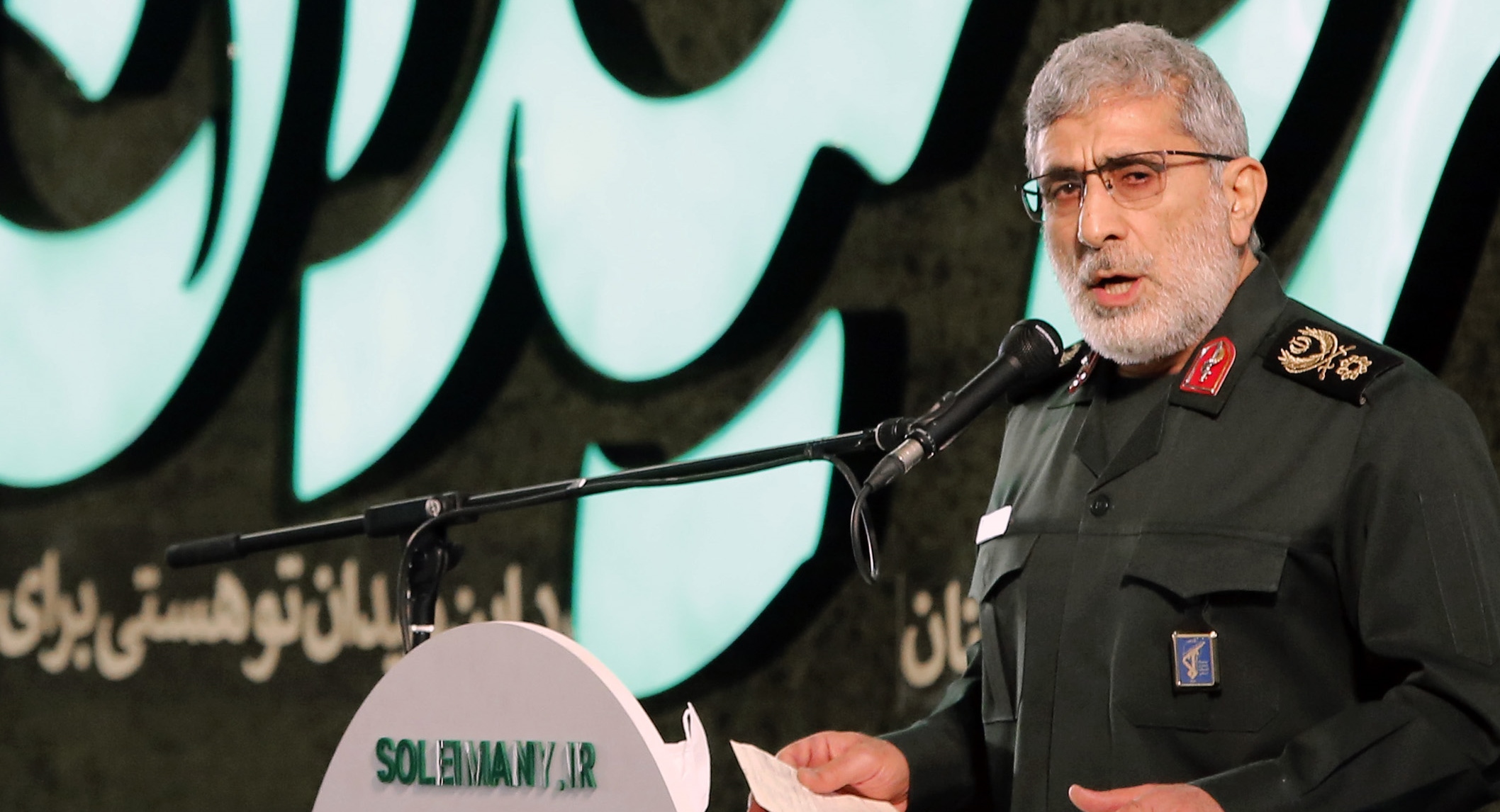
Iranian strategy in the Middle East has long centered on nurturing regional proxies and partners — a so-called “Axis of Resistance” — to mount an existential threat to Israel by encircling it in a ring of fire. The bloody war between Israel and Hamas sparked by the latter’s Oct. 7 massacre is the first large-scale implementation of this Axis of Resistance doctrine. Quds Force commander Esmail Ghaani’s lasting contribution will be the network’s entry into the battlefield in a comprehensive and coordinated manner.
Pakistan’s military and foreign policy under Gen. Asim Munir
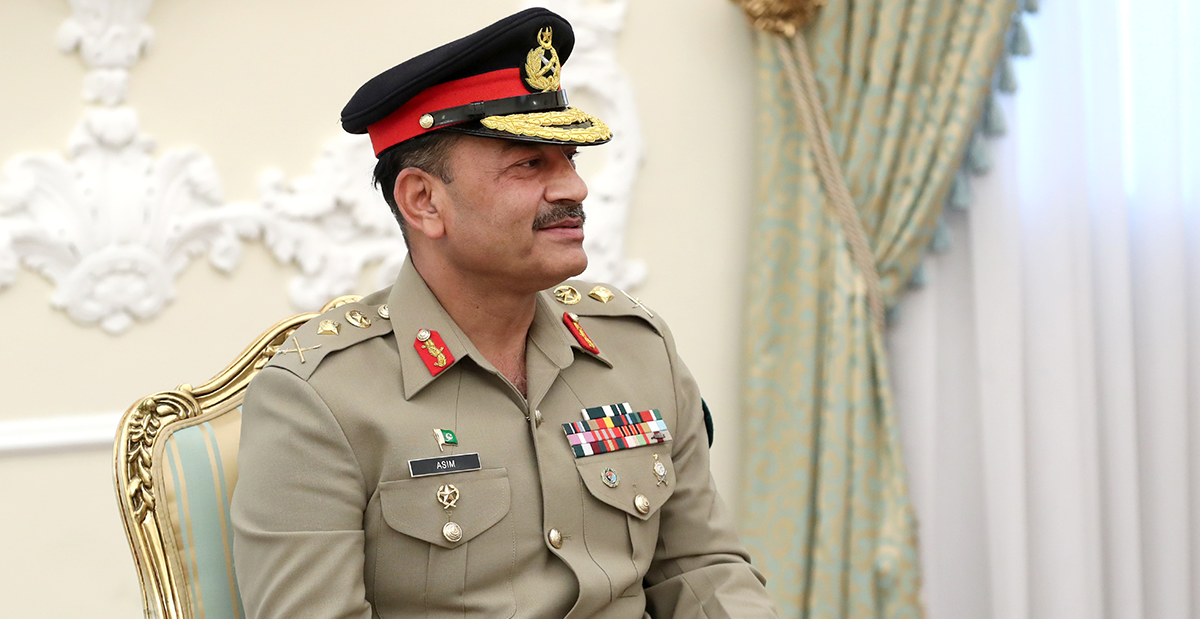
Gen. Qamar Javed Bajwa orchestrated a paradigm shift in Pakistan’s traditional geostrategic focus, transitioning from geopolitics to geoeconomics. His successor, Gen. Asim Munir, in command of Pakistan’s military for the past year, now faces the challenging task of turning Gen. Bajwa’s unrealized vision into a reality, a goal that requires cultivating positive interdependence and multi-alignment with a diverse range of partners, while also ensuring domestic stability.