A waiting game as the region teeters on the brink of full-blown war
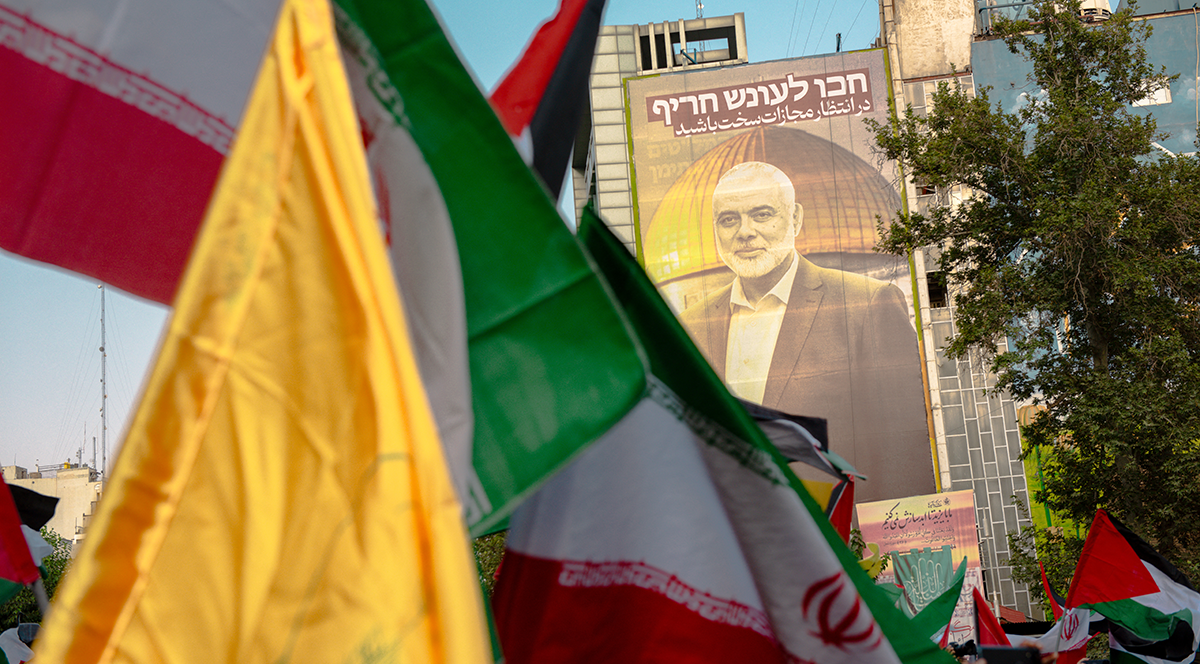
Israel’s targeted killing of Hezbollah military leader Fuad Shukr in Beirut and Hamas political chief Ismail Haniyeh in Tehran are explosive events for the region. Coming within 12 hours of each other, they were also an earthquake within the “Axis of Resistance” — but not one likely to encourage de-escalation. Far from it.
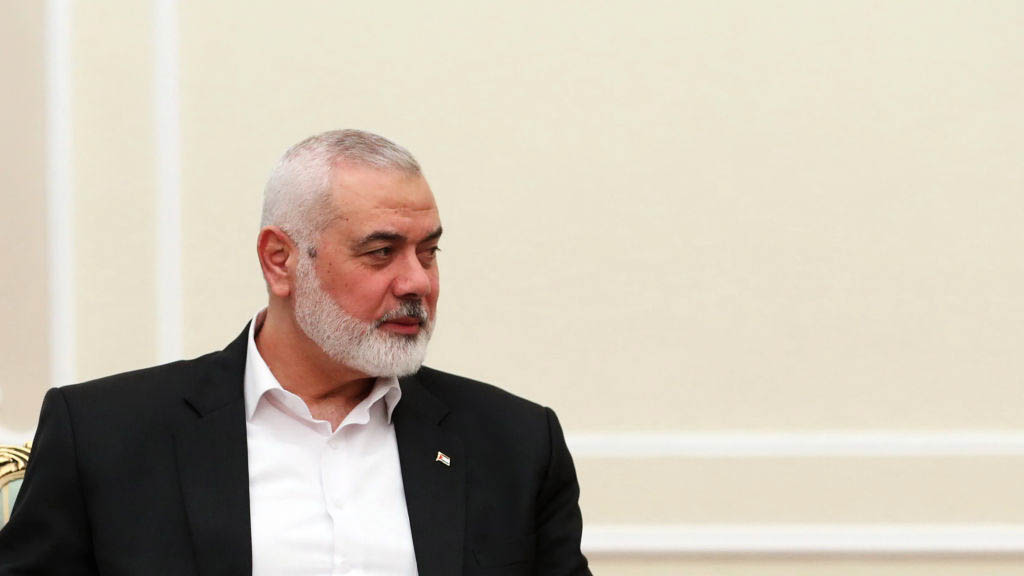
Special Briefing: The regional impact of Ismail Haniyeh’s assassination
In a new special briefing, scholars from across MEI weigh in with their thoughts on the assassination of Hamas political leader Ismail Haniyeh and the potential regional impact.
Israeli Strikes and the Risk of Regional Escalation
This week’s episode looks at the dramatic regional developments of the past 24 hours, including the Israeli strike on a top Hezbollah commander in Beirut and the assassination of Hamas political leader Ismail Haniyeh in Tehran. The strikes mark a significant escalation, and are expected to provoke retaliation from Iran and Hezbollah that could potentially ignite a wider regional conflict.
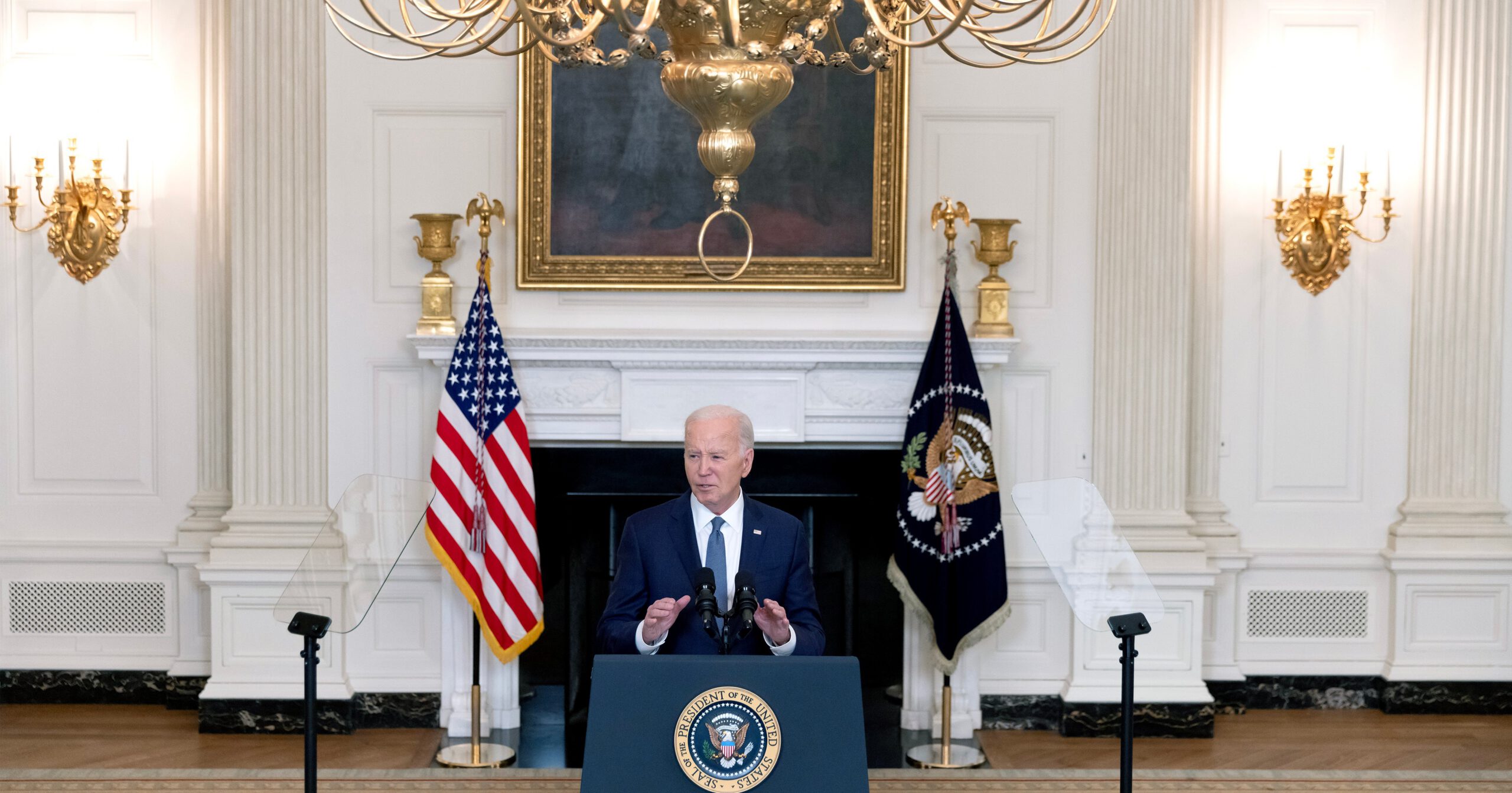
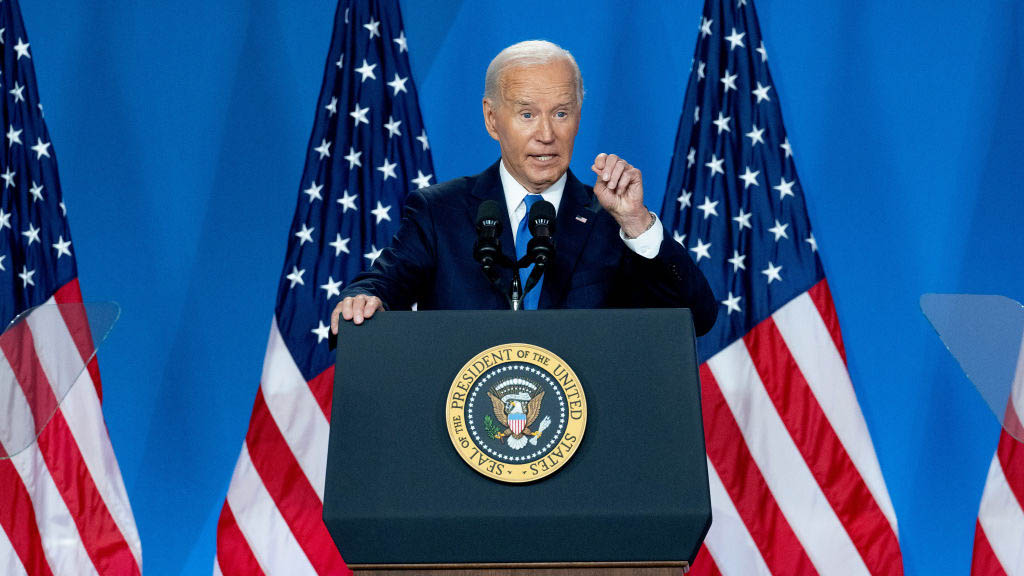
The Limits of Biden’s Middle East Diplomacy: An Assessment of US Policy, April-July 2024
In reaction to the Oct. 7 Hamas attack on Israel and the subsequent Gaza war, the Biden administration articulated six main objectives. After nine months of the Israel-Hamas conflict, which has repeatedly threatened to spill out into neighboring theaters, the Biden administration’s success toward achieving these goals has mostly declined, not for a lack of effort but rather a reflection of considerable challenges in the environment and major shortcomings in policy conceptualization and implementation.
CENTCOM says ISIS is reconstituting in Syria and Iraq, but the reality is even worse
On July 16, CENTCOM announced that after six months of 2024, “ISIS is on pace to more than double” the number of attacks in Syria and Iraq it claimed in 2023. But the reality is far worse than this statement suggested because the data represents only a fraction of ISIS’s actual attacks in Syria and Iraq.
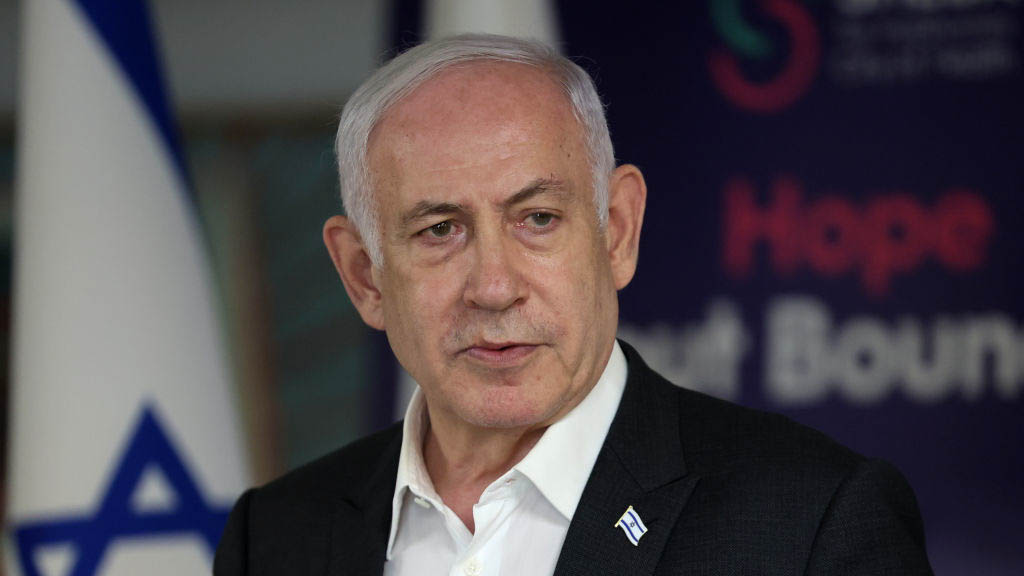
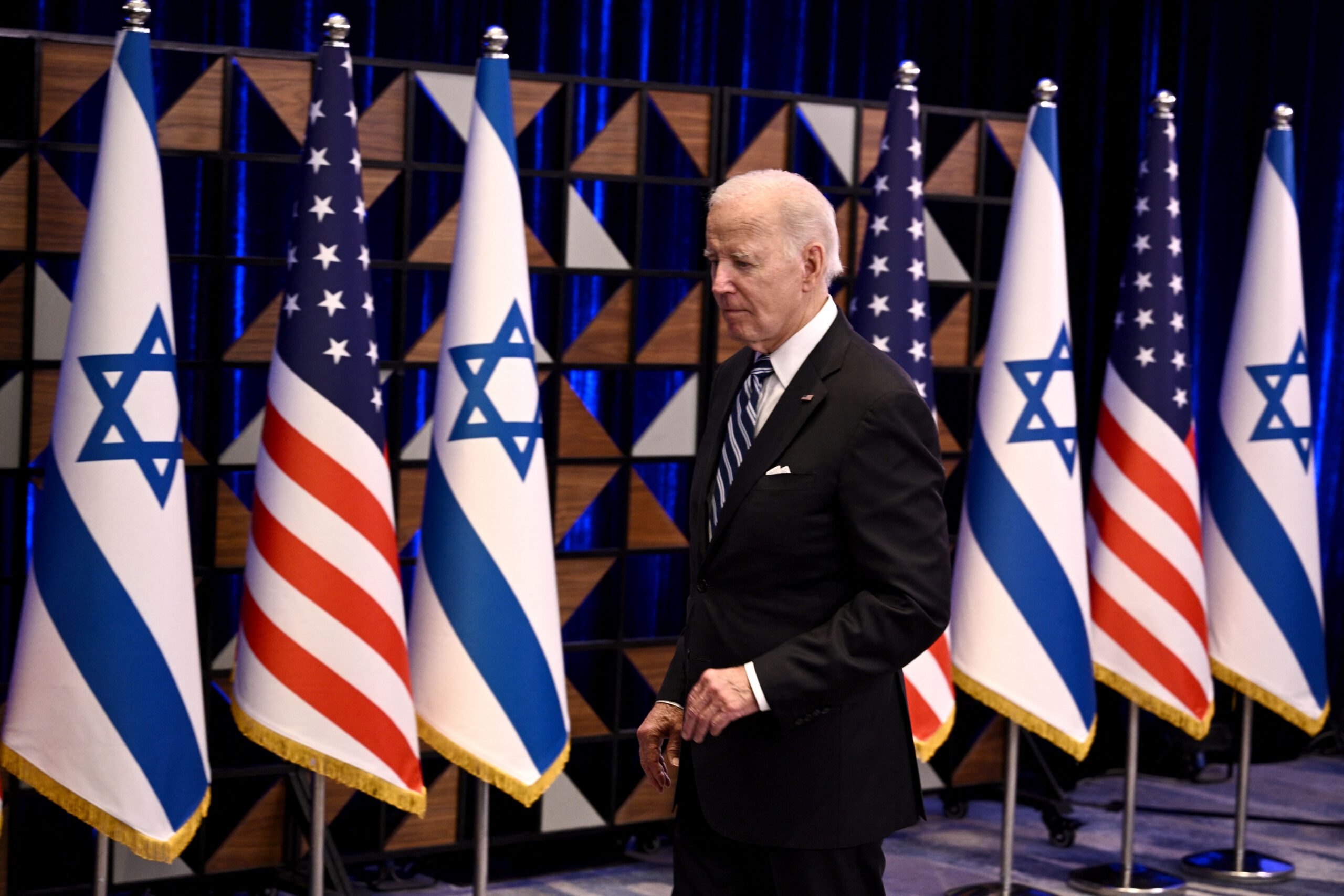
Netanyahu Must Choose: Endless War in Gaza or Biden's Remarkable Deal
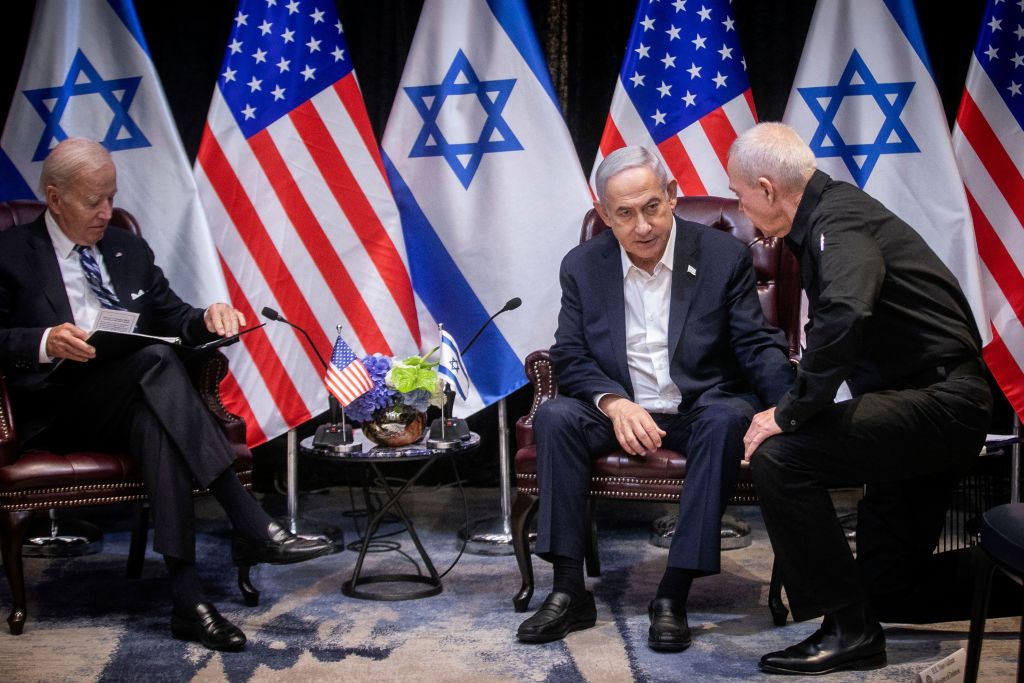
The Biden administration has presented Netanyahu a plan that could potentially defeat Hamas and cinch Saudi normalization with Israel. But Washington is growing impatient with the prime minister’s inaction which threatens to undermine America’s credibility in the region — and Israel’s very future.
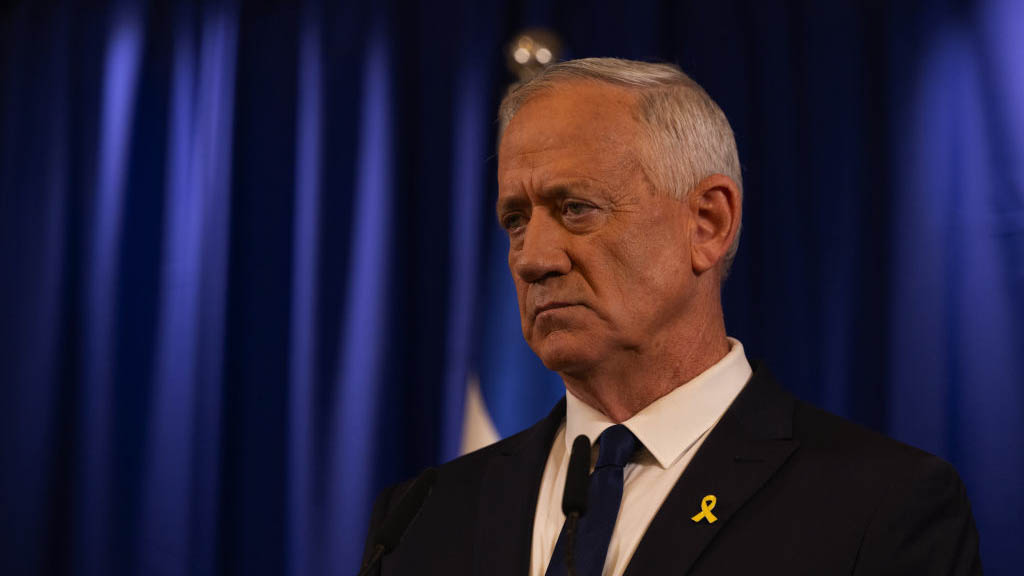
This week’s visit by Jake Sullivan, U.S. President Joe Biden’s national security advisor, came at a turbulent. uncertain time both inside Israel’s domestic politics and U.S.-Israel Relations.