Catastrophic floods: Understanding the gravity of Pakistan’s health and food crises
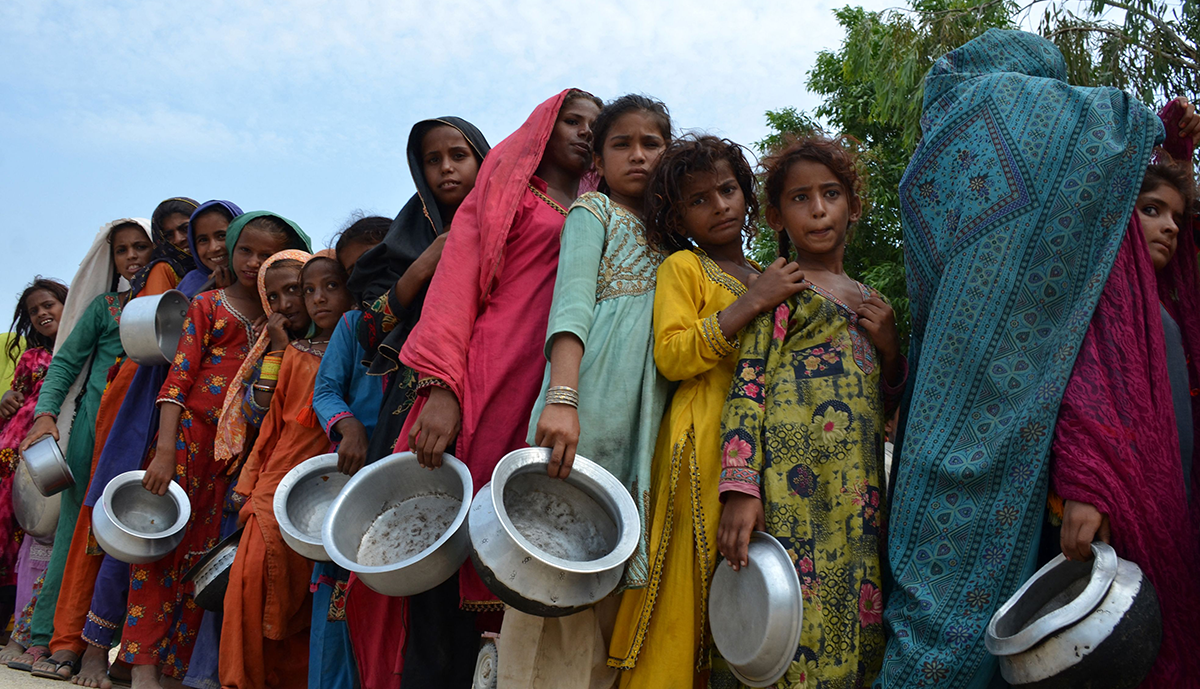
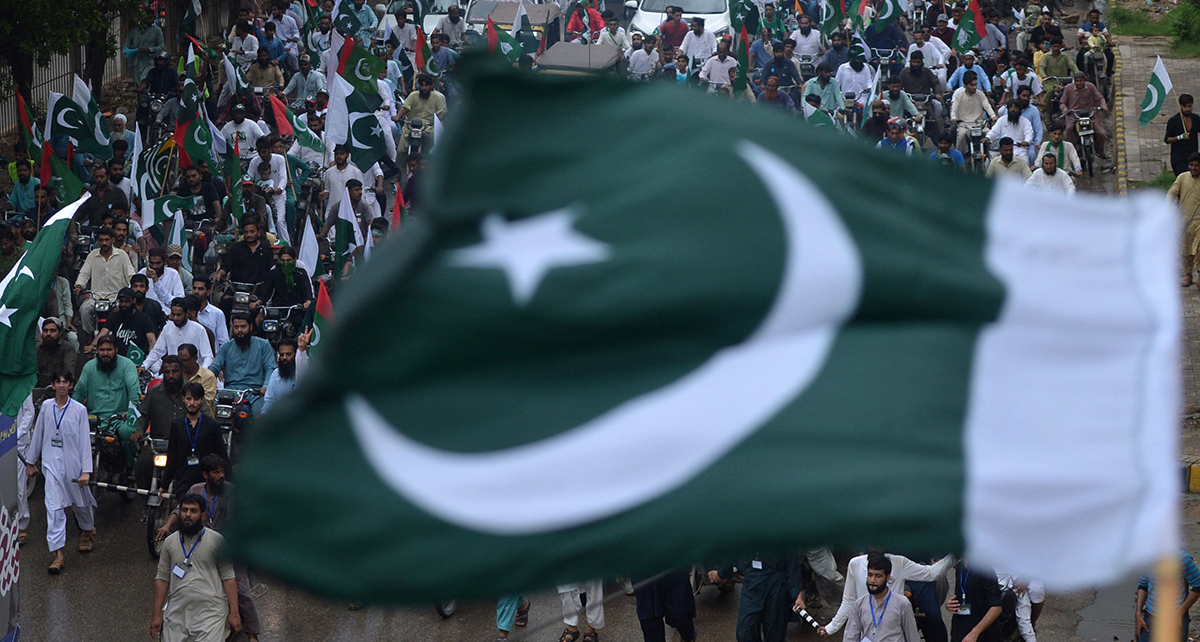
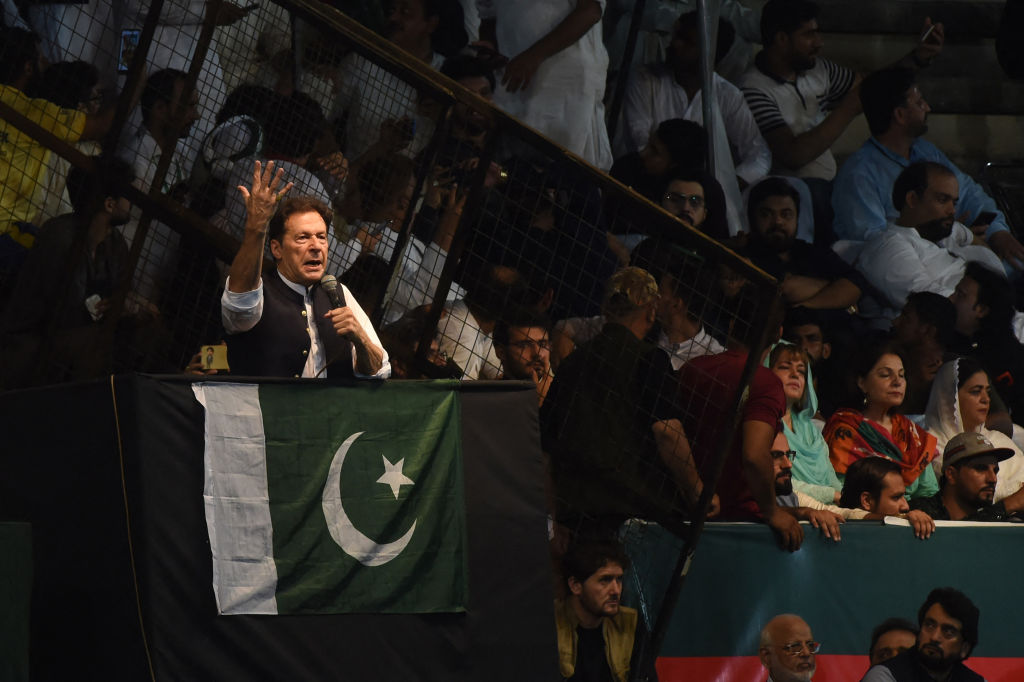
Pakistani Prime Minister Shehbaz Sharif recently warned that his country needs “an infinite amount of funding” to support flood relief efforts. Torrential rains and heavy flooding have killed more than 1,550 people and displaced millions. Compounding the challenge are Pakistan’s intensifying food and health crises, as flood-borne diseases surge and nearly two-thirds of the country’s food basket has been destroyed.
حياكة السجاد الإيراني شرق الفرات: رغم الرفض الشعبي جماعات إيرانية تزيد نفوذها في الحسكة
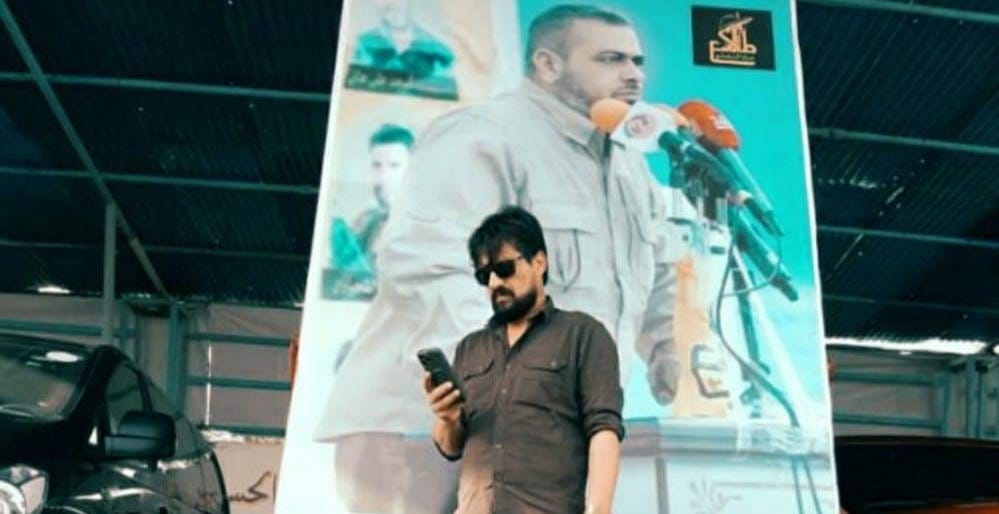
شهدت مدينة الحسكة شمال شرق سوريا يوم 22 أغسطس الحالي توزيعا لمنشورات وملصقات مناهضة للنفوذ الإيراني في المدينة، حيث ظهرت الملصقات في عدة مناطق حساسة وسط المدينة في المنطقة المعروفة بـ “المربع الأمني” التي تخضع لسيطرة جيش النظام السوري وميليشيات الدفاع الوطني التي أصبحت تخضع لنفوذ إيران.
“Carpet weaving” east of the Euphrates: Iranian proxy groups expand their influence in Syria’s Hasakah Province
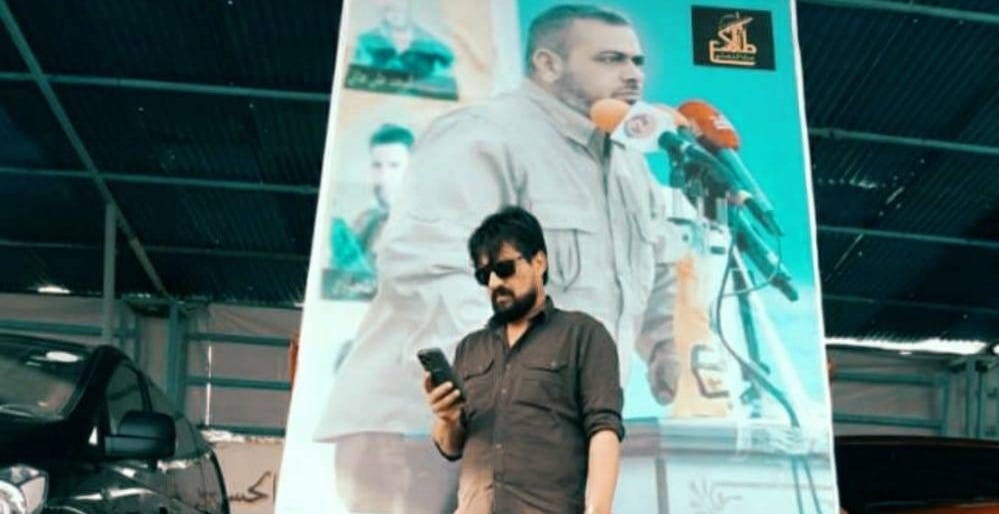
On Aug. 22, the northeastern Syrian city of al-Hasakah was inundated with leaflets condemning creeping Iranian influence in the area. The printed messages were plastered around several highly sensitive locations in the city center, including the local branch of the Ba’ath Party, the neighborhoods of al-Matar and al-Mahatah, as well as near the Great Mosque and market streets.
From Tiger Forces to the 16th Brigade: Russia’s evolving Syrian proxies
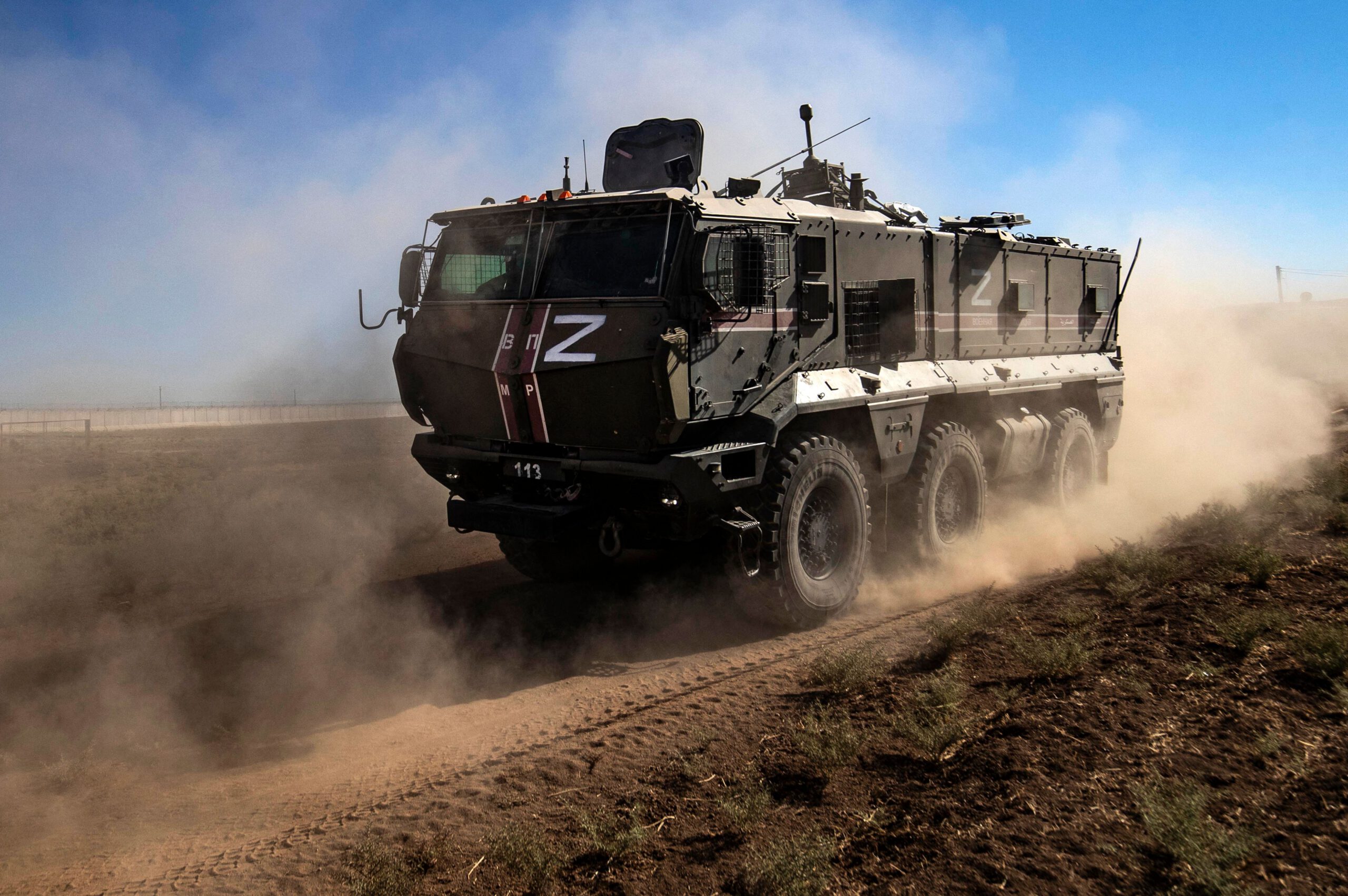
Russia’s 2022 invasion of Ukraine renewed focus on Moscow’s earlier military intervention in Syria, which often became framed as a “testing ground” for the weapons and tactics it now employs against Ukrainian cities. But crucially, the Russian forces backing Assad’s embattled regime also understood the importance of rebuilding the broken Syrian security forces into more effective fighting units.
Pakistan at 75: The clock has run out for business as usual
On Aug. 14, Pakistan marked its 75th independence day, like many of the preceding 74, in a state of political and economic crisis. Days later, epic floods would befall the country, submerging a third of it under water. Pakistan can no longer afford business as usual.
Dysfunctional centralization and growing fragility under Taliban rule
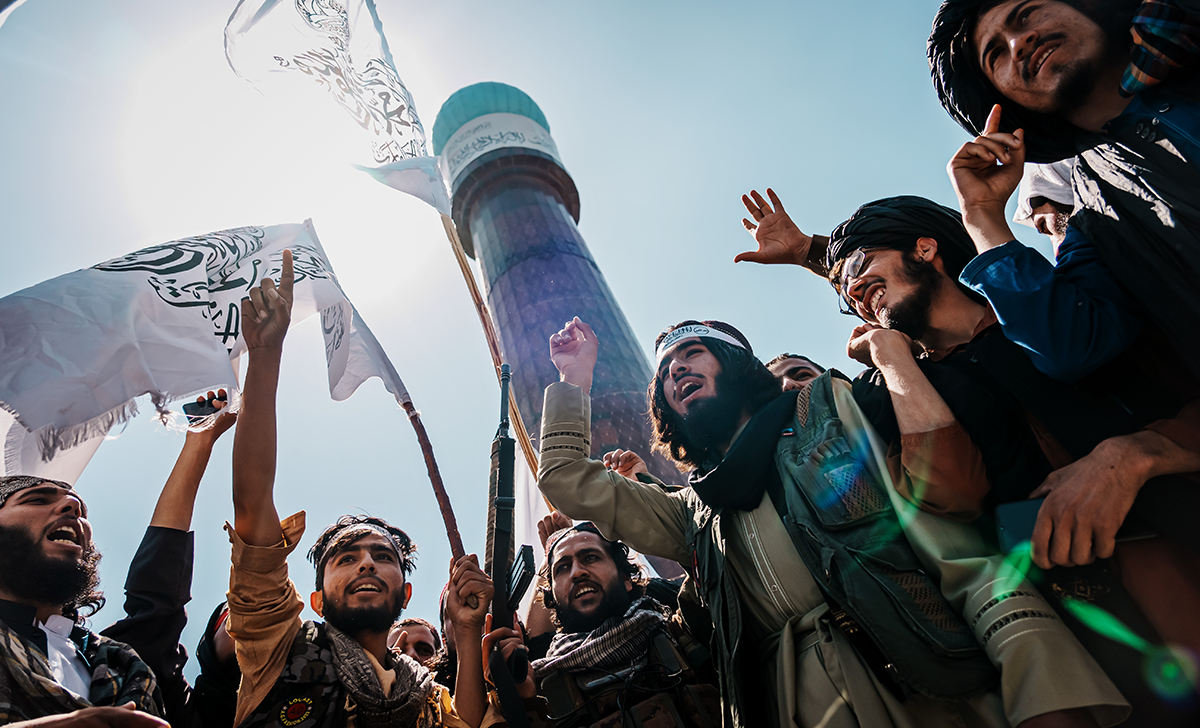
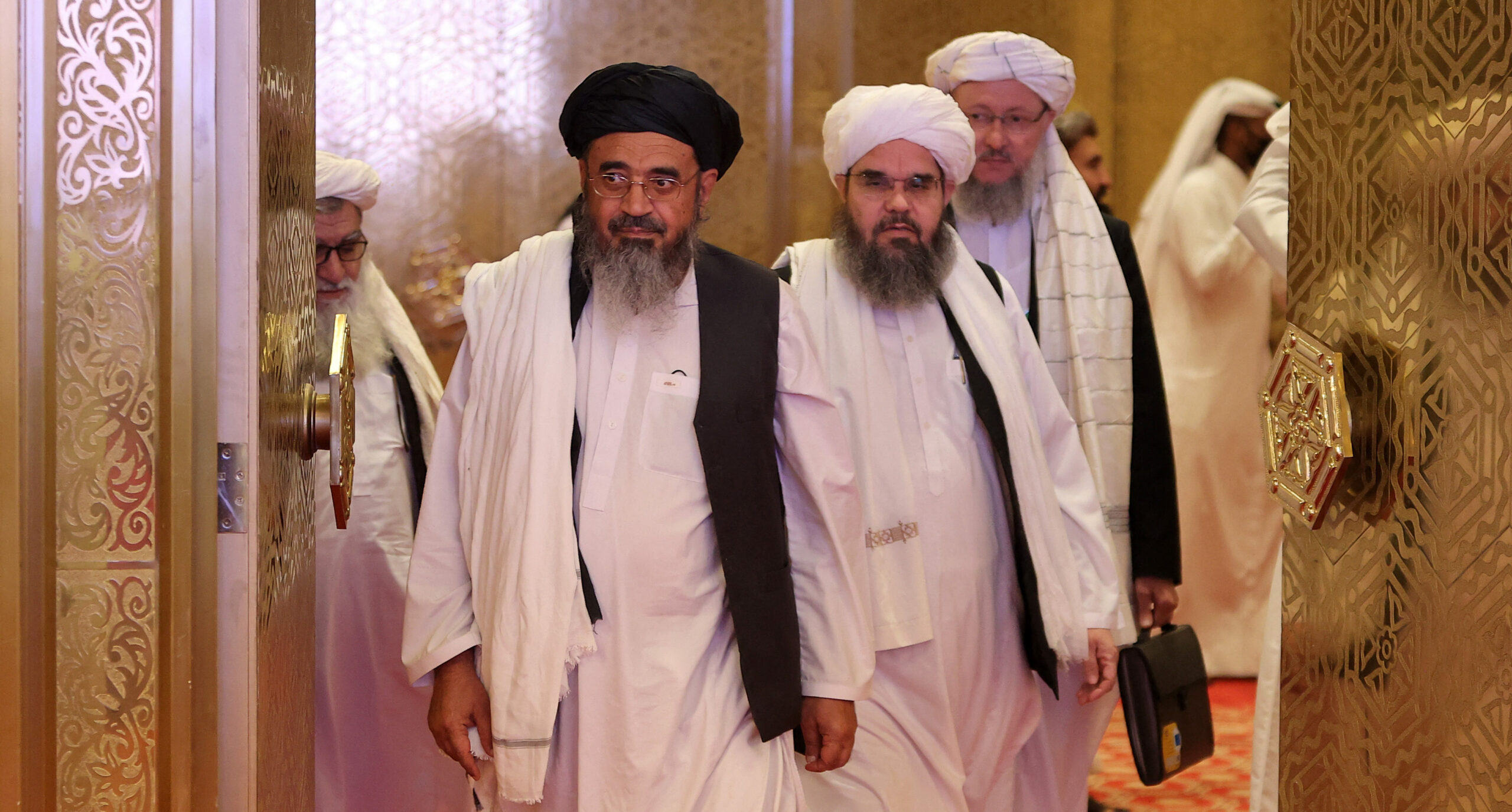
One year ago, on Aug. 31, 2021, the last foreign soldier left Afghanistan. Since then, the situation in the country has only grown more fragile, marked by deteriorating living conditions, widespread human rights violations, and increasing political instability. One key contributing factor to the crisis is a dysfunctional centralized governance structure that has become more paralyzed and unresponsive under Taliban control.
On the anniversary of the US withdrawal from Afghanistan
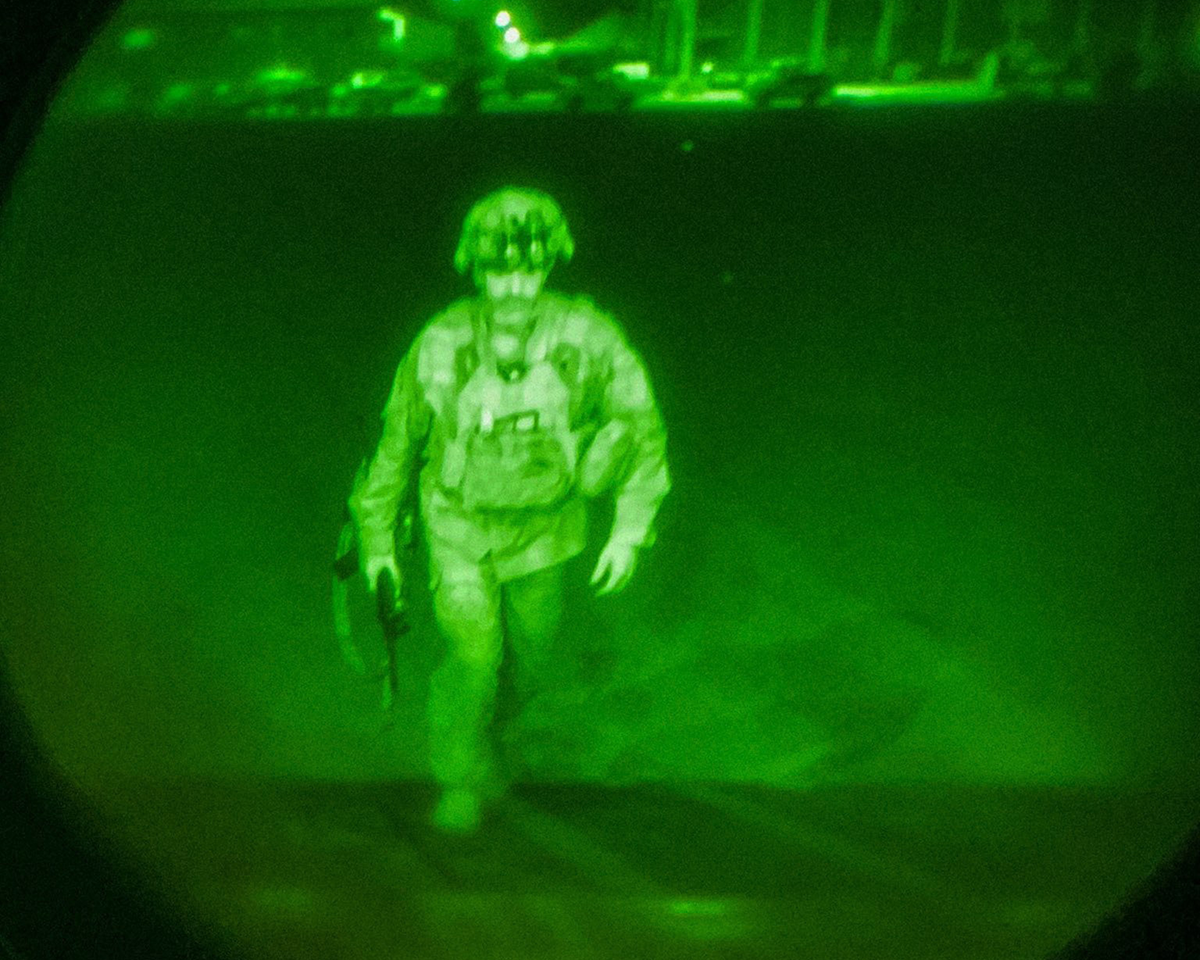
On Aug. 30, 2021, the commander of the 82nd Airborne Division, Maj. Gen. Chris Donahue, boarded the last U.S. military flight out of Hamid Karzai International Airport in Kabul. For many, the image of the final American soldier stepping onto a C-17 military transport plane marked the end of the war. But even as we remember the chaotic end of America’s longest war, we should also recall the sublime acts of loyalty and resolve that took place simultaneously.
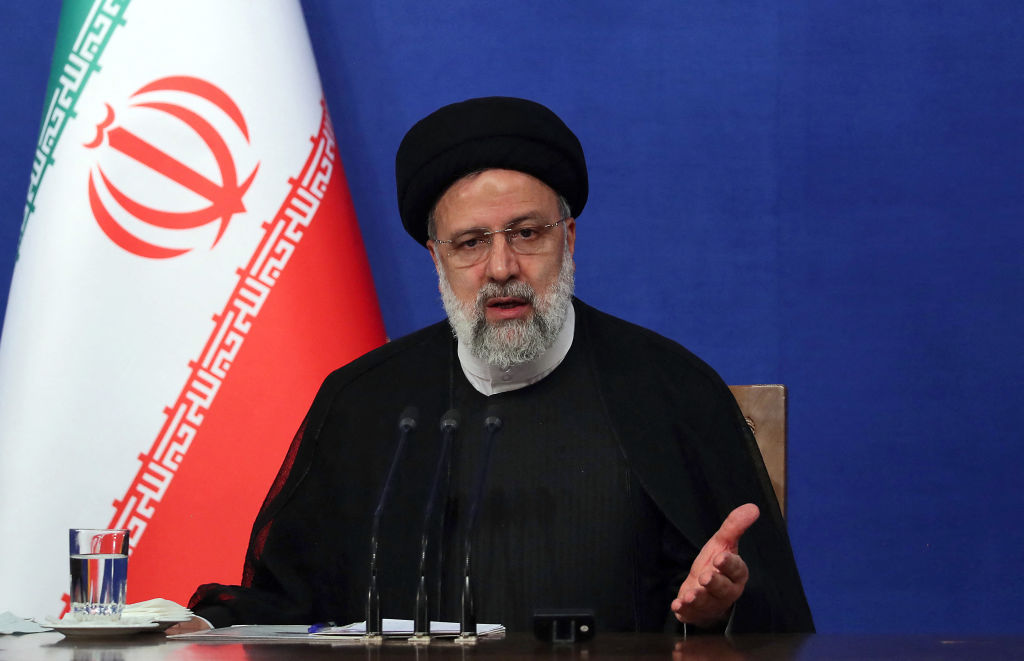
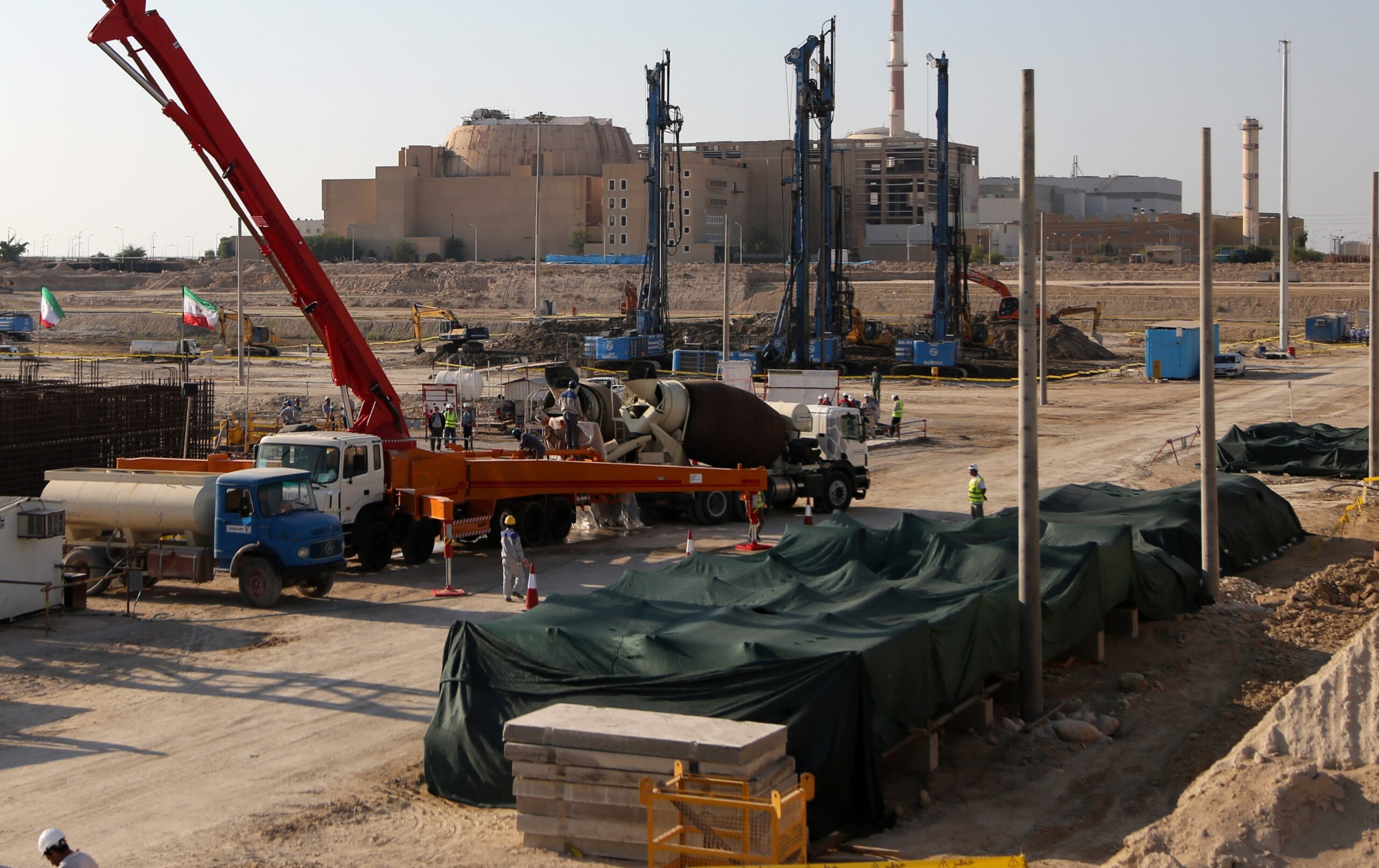
The renewal of the international agreement on Iran’s nuclear program does not undermine Israeli national security per se but rather a longstanding tenet of Israel’s strategic thinking: that it must be able to fully eradicate any challenge to its military superiority deep inside enemy territory.
Syrian foreign policy in the Caucasus and Ukraine: An unbalanced, Russia-centered approach
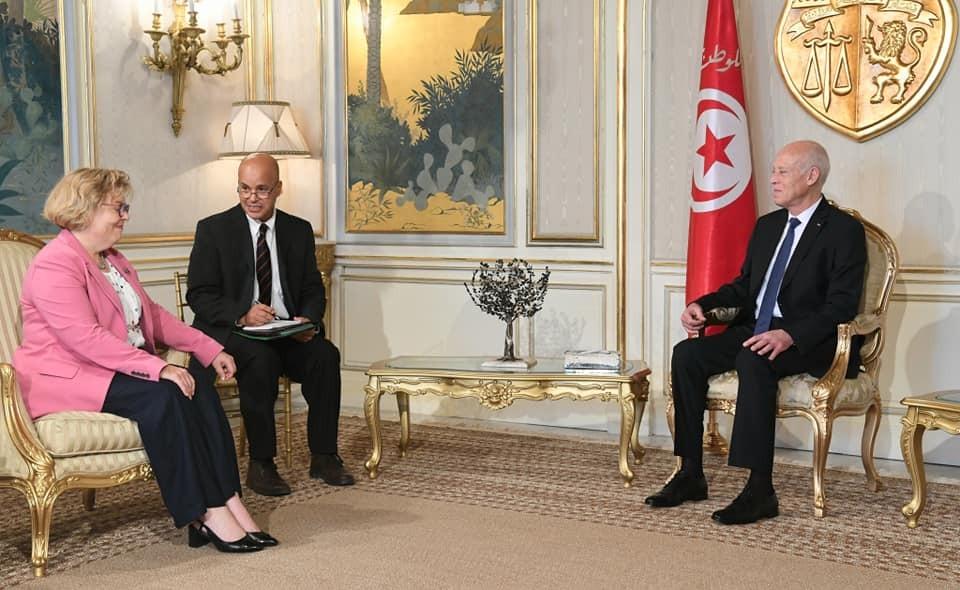
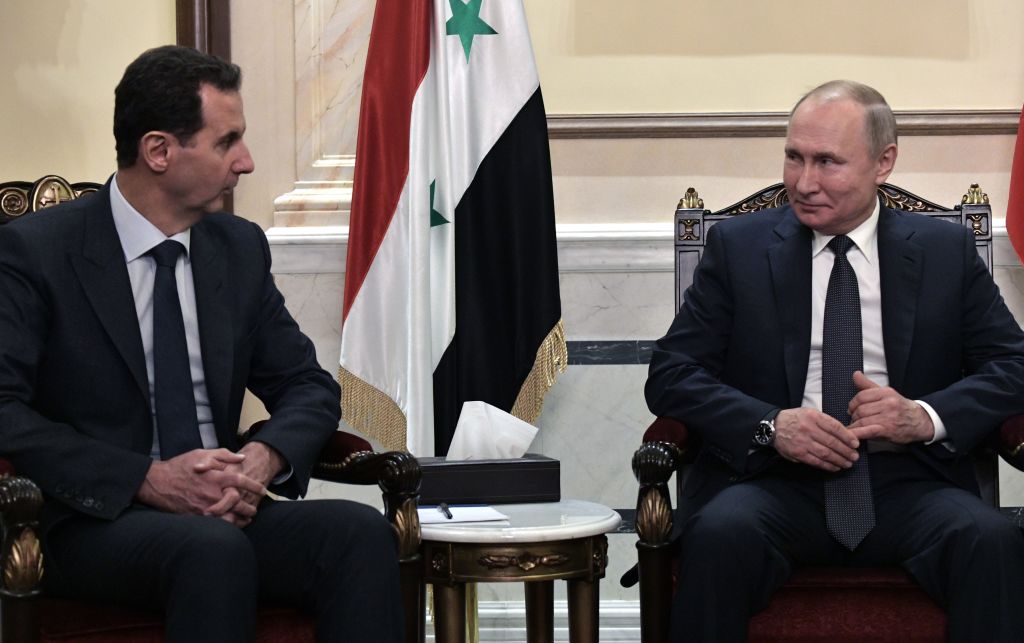
The embattled Syrian regime’s need to preserve Russian military and political support has compelled Damascus to adopt the Kremlin line in its foreign policy positions toward the former Soviet space.
Why the Afghan peace process failed, and what could come next?
Multiple factors converged to derail the peace process prior to the U.S. withdrawal from Afghanistan. The lessons from this failure can inform policymakers on how to successfully pursue a new round of political peace talks involving the Taliban and all major segments of Afghan society.