Palestinian Director Leila Sansour Talks Bethlehem
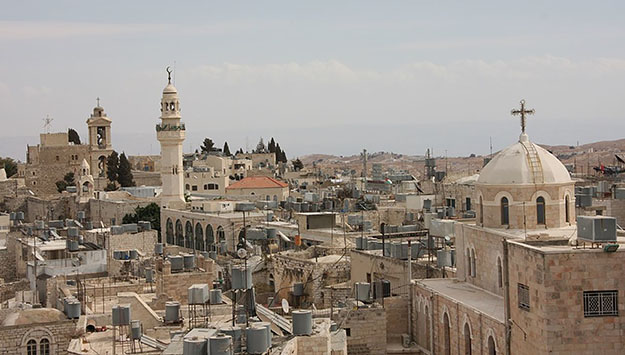
Leila Sansour is an acclaimed filmmaker, best known for “Jeremy Hardy versus the Israeli Army.” She returned to her hometown Bethlehem to document the detrimental effect of the wall on the city and its people. She discusses her latest film, Open Bethlehem.
The following interview was edited for style and clarity.
MEI: Tell me about the genesis of this film and project, and your inspiration for it?
Saving Iraq’s Cultural Heritage
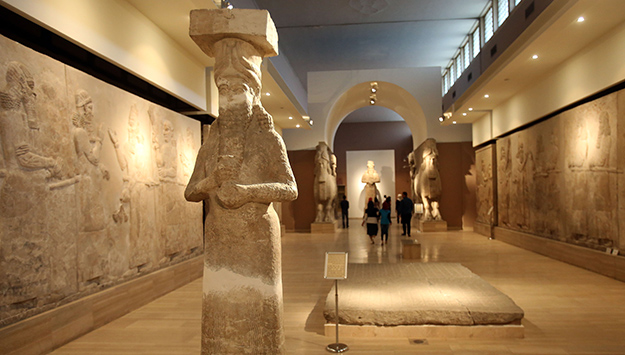
Ongoing conflict is robbing Iraq of both its future and its past by stripping the country of its tangible cultural heritage.[1] The Islamic State, as part of its strategy, is deliberately seeking to erase all aspects of Iraqi identity which compete with its own dogma. Iraq’s cultural heritage faces additional threats in the form of illicit looting, vandalism, government neglect, and political infighting.

Middle East and North African Countries Unite to Fight Antiquities Looting, the Destruction of Cultural Heritage, and Terrorist Financing
Amman, Jordan – Seventeen countries from the Middle East and North Africa (MENA) and the League of Arab States convened today to launch an aggressive action plan to combat antiquities looting and the illicit trade in cultural heritage.
Iraqis Defy Sectarianism through Urban Planning, Art
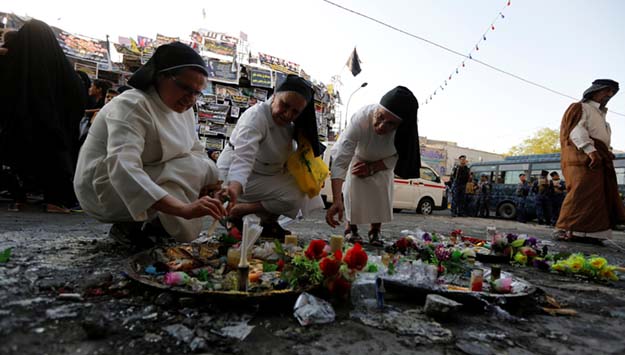
While the post-invasion map of Iraq is often conceived as a neatly trisected nation with a Kurdish top end, Sunni middle, and Shiite south, the reality is one of mixed marriages and common humanity.
Although the changes once-mixed and cosmopolitan Iraqi cities have experienced since 2003 are telling (see maps of changes to Baghdad neighborhood demographics since 2003), there are many people and projects that cross the post-invasion sectarian divide.
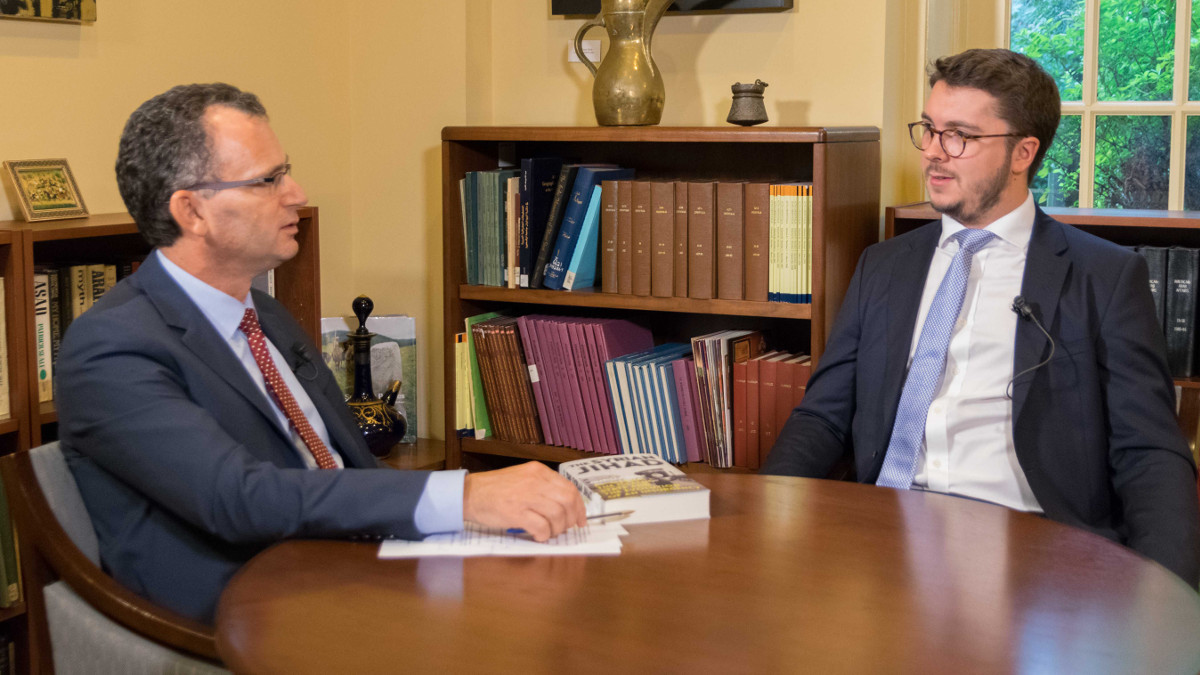
The Battle for Aleppo: Political and Security Repercussions
August 8, 2016 – A conversation with MEI Senior Fellow Charles Lister on the siege of Aleppo and the dynamics within Syrian opposition groups. Hosted by Paul Salem, vice president for policy and research at The Middle East Institute.
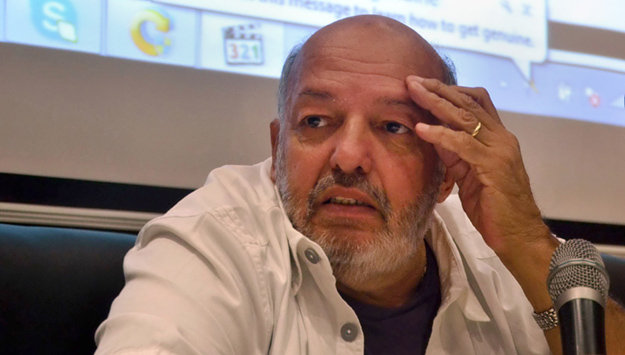
Remembering Mohamed Khan—the Leader of Egypt’s Neo-Realist Cinema
Of the numerous artists claimed by the grim reaper this year, the sudden death of veteran Egyptian filmmaker Mohamed Khan at 73 was among the most impactful. Widely considered as one of Egypt’s greatest directors, the vivacious, imposing Khan had a voracious appetite for life that concealed his real age. He was a man who always seemed to be bigger than death.
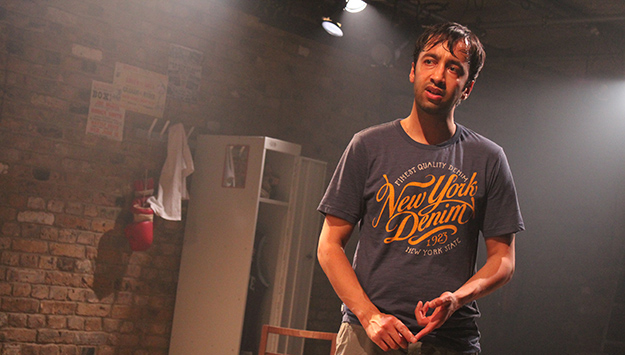
London Play Tackles Middle East Mayhem with Humor
A small, darkened theater in Hackney was transformed this month into a portal for Palestine, Bradford, New York City, and a London suburb. But the quartet of monologues by Hassan Abdulrazzak—performed admirably by Asif Khan—traversed these disparate landscapes using humor as subversion, providing a unique window into otherwise humorless subjects.
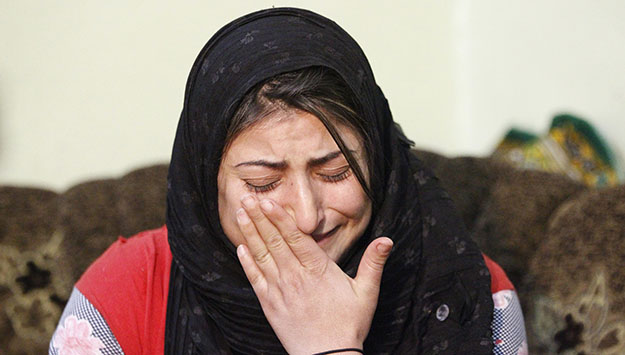
Iraqi Narrative of U.S. Invasion Struggles to Be Heard
A new American opera called Fallujah debuted this spring, bringing attention to post-traumatic stress disorders suffered by U.S. marines who fought in Iraq. The opera joins a list of American artworks that have explored the impact of the Iraq war on American lives. The big elephant in the room, however, are the Iraqi victims of the war and the deafening silence in U.S. discourse on the horrific consequences the war brought on them.
Top 10 Arab Movies of All Time at Cannes
In their dissection of this year’s Festival de Cannes, analysts have noted the glaring absence of the most pertinent theme in present French debates: the relation of France to the Arab world following the Paris terror attacks last November. Cannes remains an exclusive club, restricted to the world’s most prominent filmmakers, the majority of whom are Cannes alumni—Ken Loach, Olivier Assayas, Pedro Almodóvar, Cristian Mungiu, and so forth. The various sidebars of the fest have made up for this omission, featuring ten pan-Arab films mostly by second-generation French Arabs.
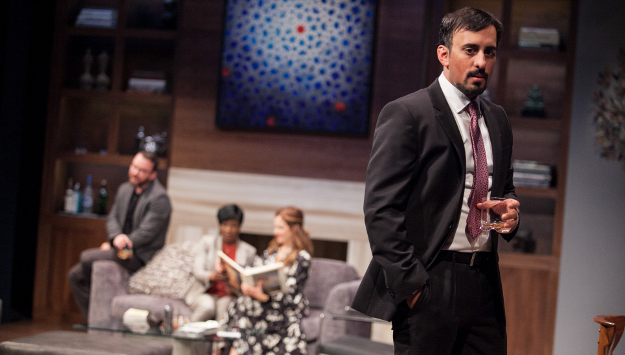
'Disgraced' Exposes the Contradictions of Identity
Unsettling is perhaps the word that best describes playwright Ayad Akhtar’s Disgraced. The intensity of the scenes provoked uncomfortable shuffling in seats, and reduced one audience member to tears. The Pulitzer Prize-winning play, featured by Arena Stage in Washington until May 29, should be commended for its bold attempt to tackle one of the most complex and sensitive issues dominating today’s political discourse: Islam and identity.
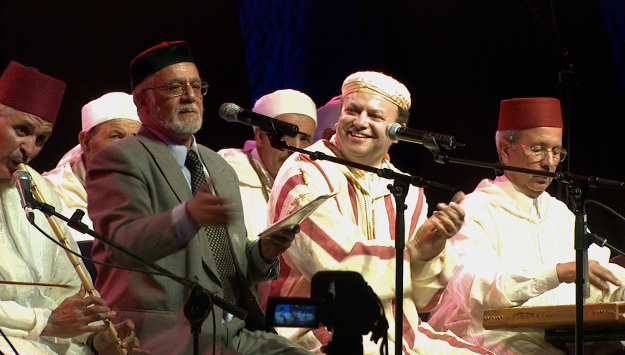
The Arab World’s Jewish Heritage Showcased in Berlin
The exodus of Jews from the Arab world is one of the most under-recorded stories of the region’s recent history. As many as 800,000 Jews lived in Egypt, North Africa, Yemen, and the Levant prior to the creation of the state of Israel in 1948. Their stories have largely been deliberately forgotten, buried in the cellars of history for more than half a century.
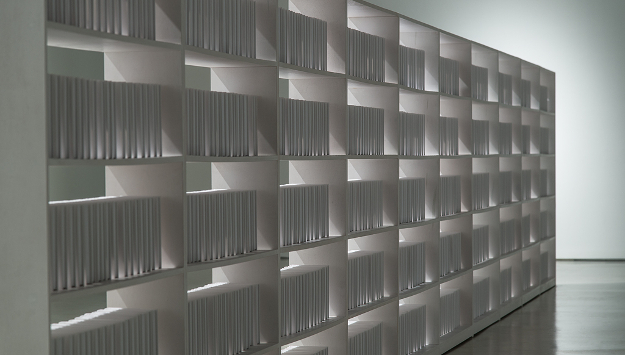
Reviving Baghdad’s College of Fine Arts
When the Mongols invaded Baghdad in 1258, they laid siege to the city’s libraries, including the famed House of Wisdom—the largest in the world at the time.
A center for Muslim, Jewish, and Christian scholars, the destruction of the library remains one of the most famous examples of cultural loss during wartime.
Nine centuries later, Iraqi-American artist Wafaa Bilal has taken the fate of the House of Wisdom as a starting point for a cultural project aimed at rebuilding the library of the Baghdad College of Fine Arts, destroyed in the aftermath of the 2003 invasion.
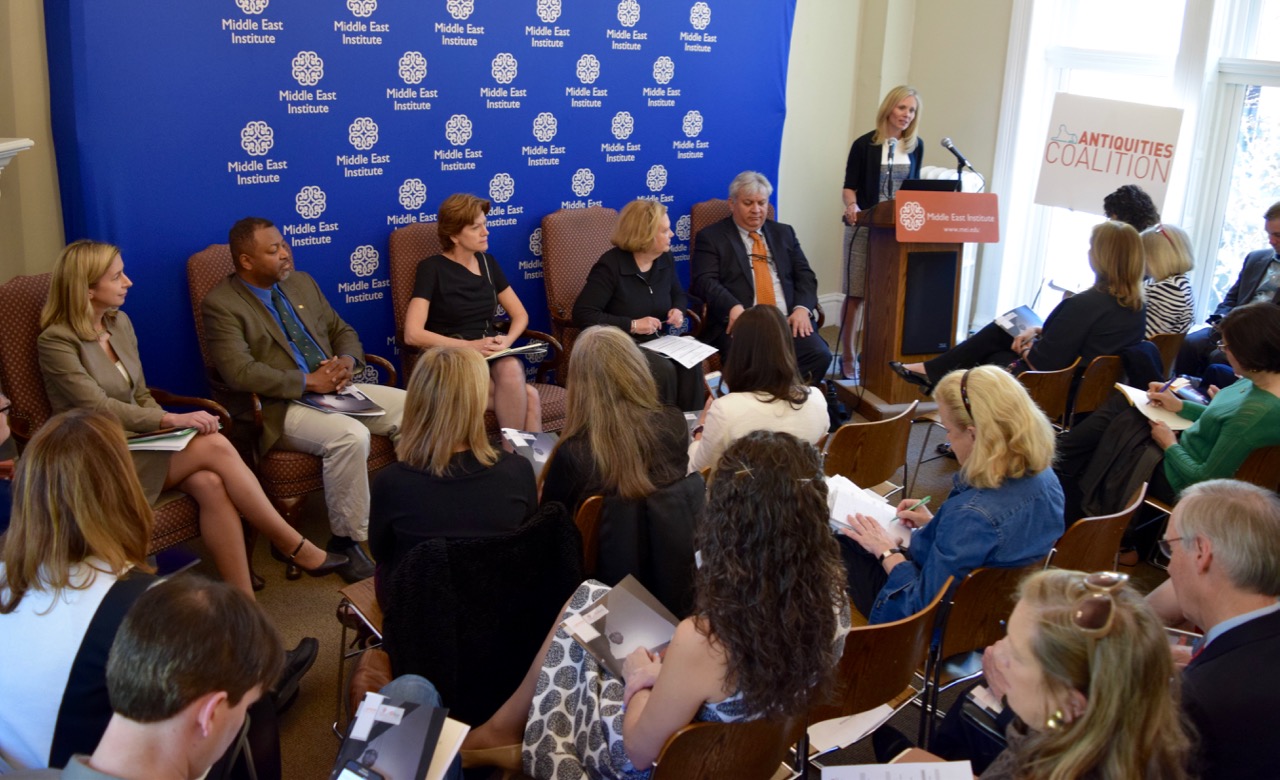
#CultureUnderThreat Task Force Unveils Recommendations to Combat Antiquities Trafficking
WASHINGTON, DC (April 13, 2016) – Today the Antiquities Coalition, Asia Society, and Middle East Institute released #CultureUnderThreat: Recommendations for the U.S. Government, a series of steps for confronting growing threats to our cultural heritage and global security. Cultural racketeering – the global trade in looted antiquities – is a multibillion-dollar industry that funds organized crime and terrorists like Daesh (also known as ISIS).