Key takeaways for NATO and the Middle East from the Washington Summit Declaration
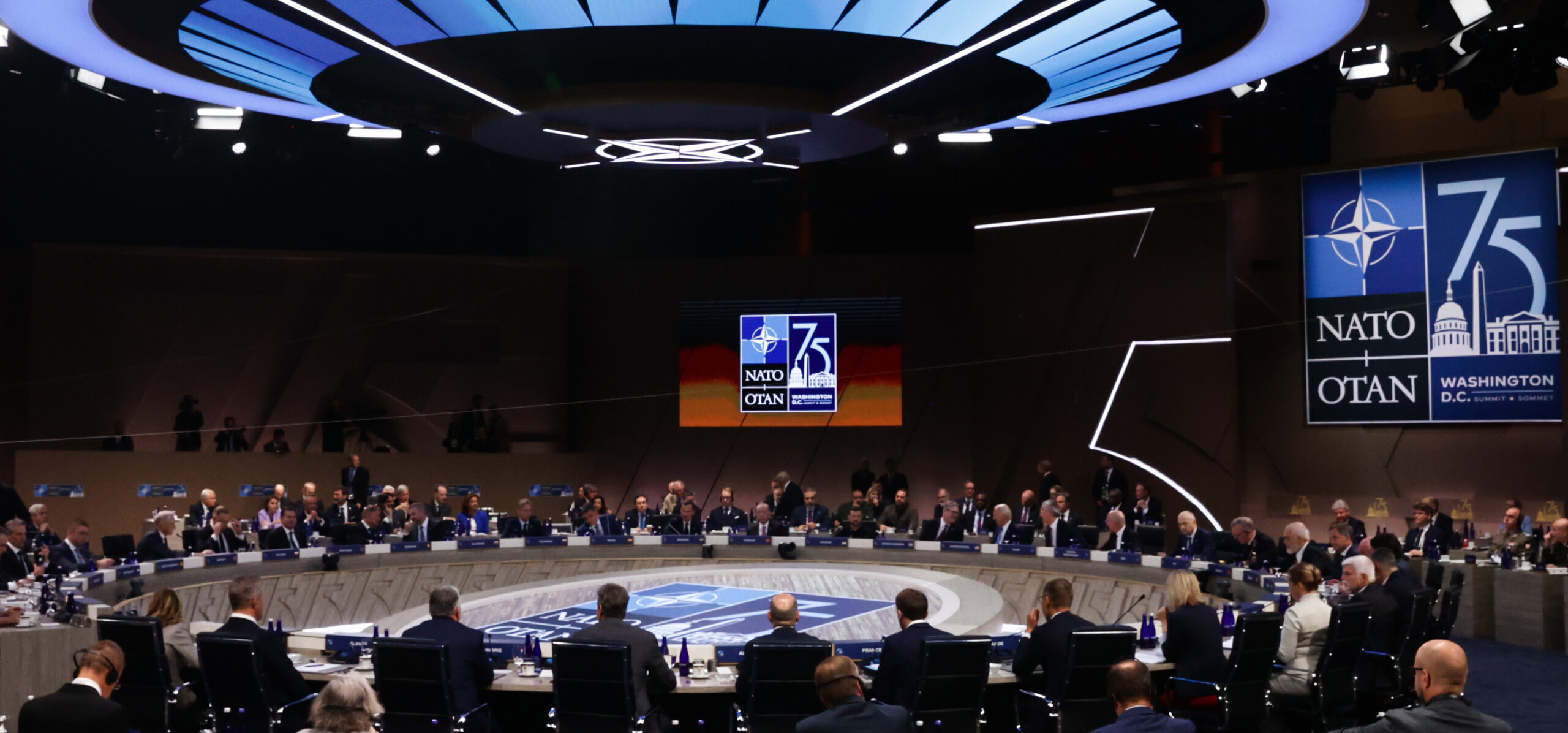
At the Washington Summit, NATO member states mostly focused on efforts to counter Russia and to support Ukraine. However, the 2024 summit communiqué also addresses non-Euro-Atlantic risks and opportunities, based on the idea that “conflict, fragility and instability” elsewhere directly affects NATO security.
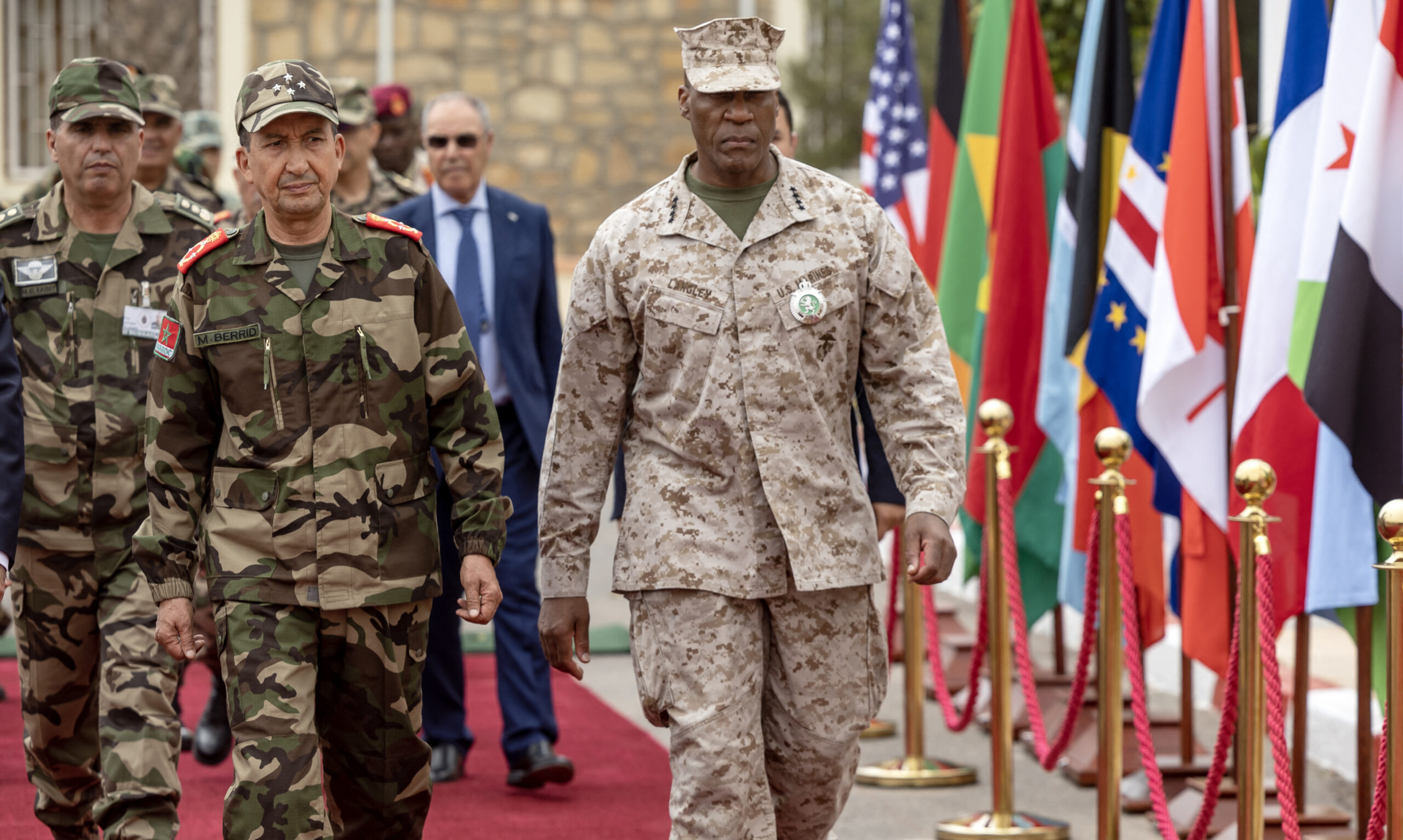
NATO, North Africa, and the Sahel: Squaring the triangle of insecurity
With NATO celebrating 75 years since its founding, Alliance members will gather in Washington, DC, on July 9-11, for a historic summit. Two of the key issues on the agenda will be addressing the acute threats emanating from the Black Sea region and adopting a strategic approach toward the Middle East and Africa.
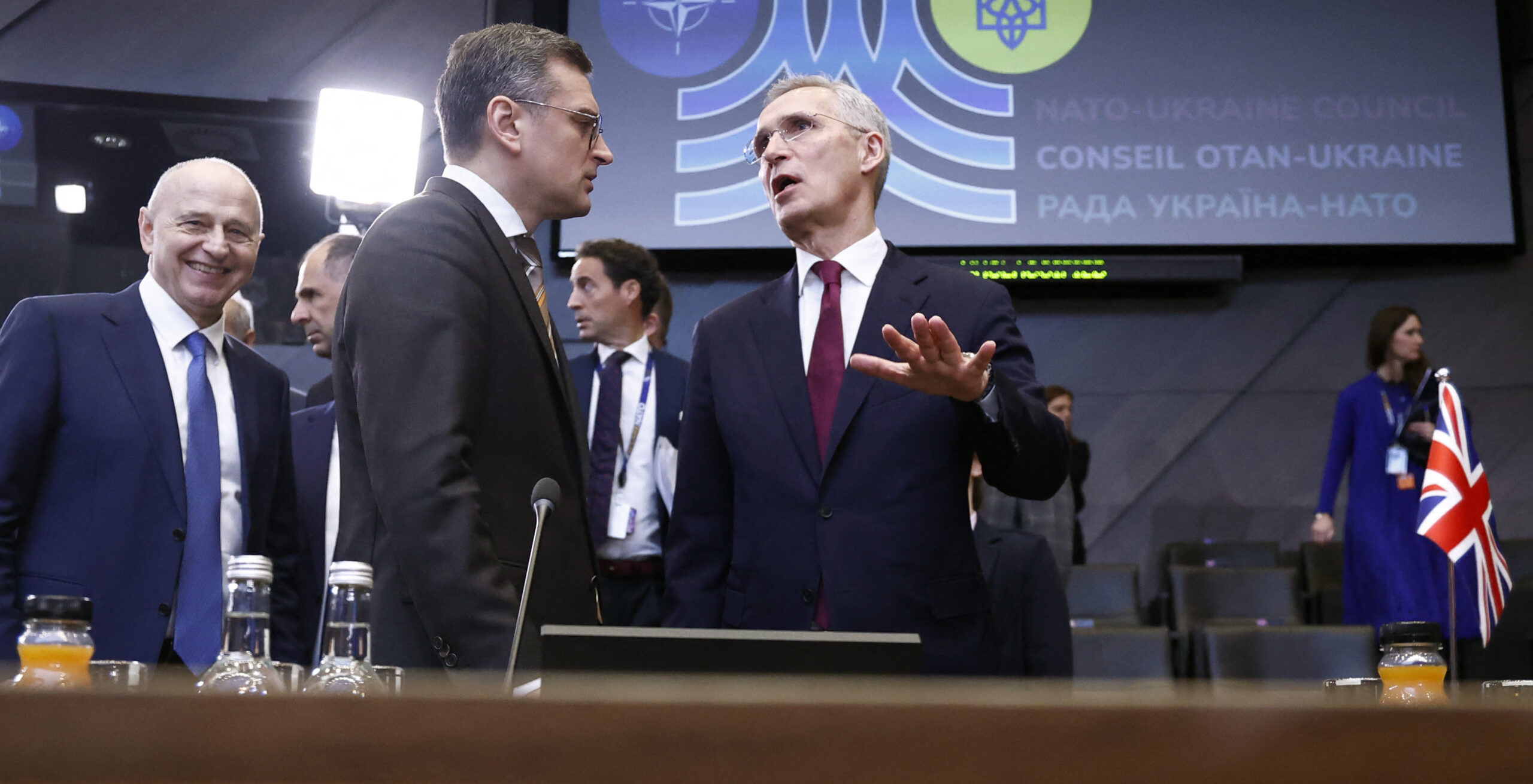
In its 2022 Strategic Concept, NATO declared the Black Sea Region (BSR) of strategic importance for the Alliance, yet this recognition has never translated into NATO developing a proper strategy toward its critical southeastern flank. That glaring gap must be addressed right away.
NATO’s narrow window of opportunity for an effective Southern Strategy
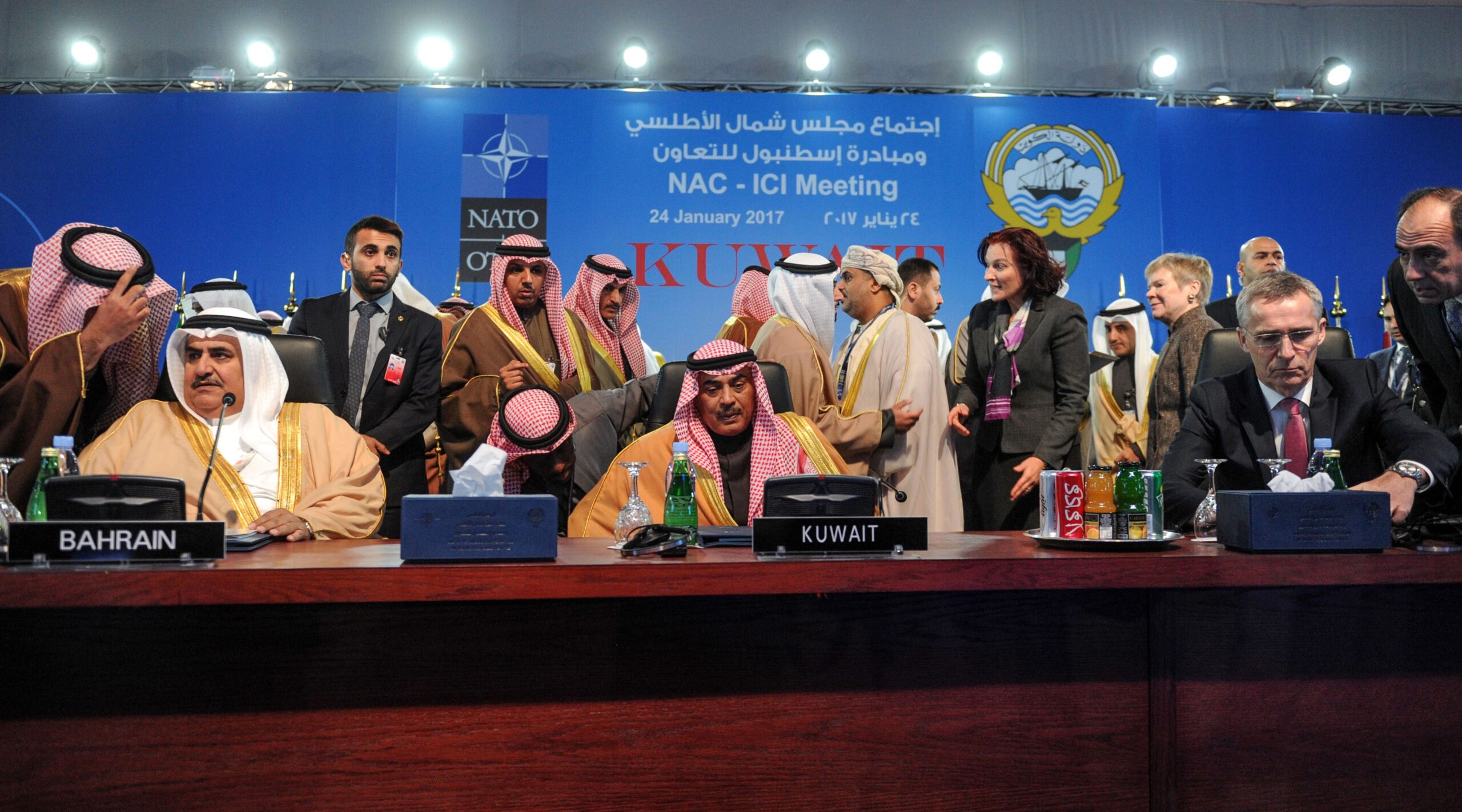
While the Washington Summit is unlikely to deliver any ground-breaking outcome, it certainly offers the opportunity to articulate the nexus between security in Europe and the Mediterranean-African region. NATO also has the opportunity to renew and streamline its partnerships with Middle Eastern and North African countries while strengthening its outreach to Africa.
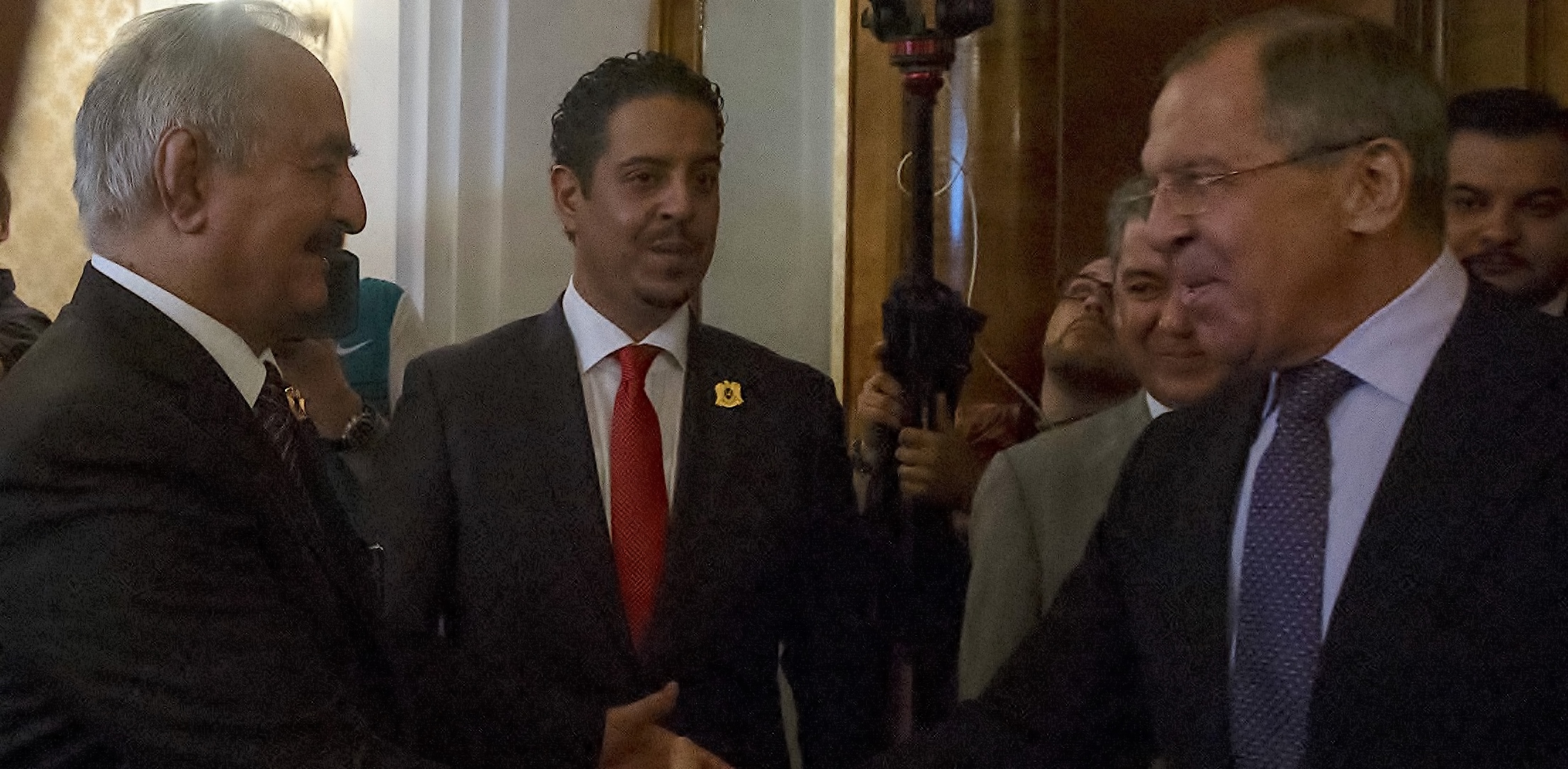
Libya remains the key for NATO to counter Russian malign activities in Africa
Eight years ago, few would have predicted that Russia could move in as quickly and comprehensively throughout Africa as it has done. Now there is widespread recognition of the threat posed by the destabilizing Russian expansion in Africa, to NATO, its members, and the African region.
From “fierce entanglement” to a viable path toward Palestinian statehood: A pragmatic proposal
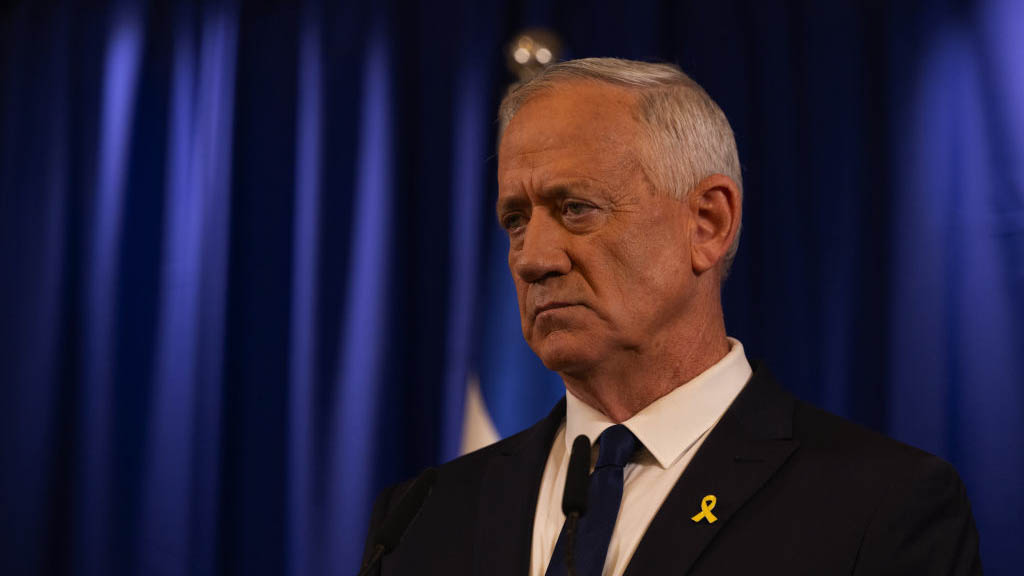
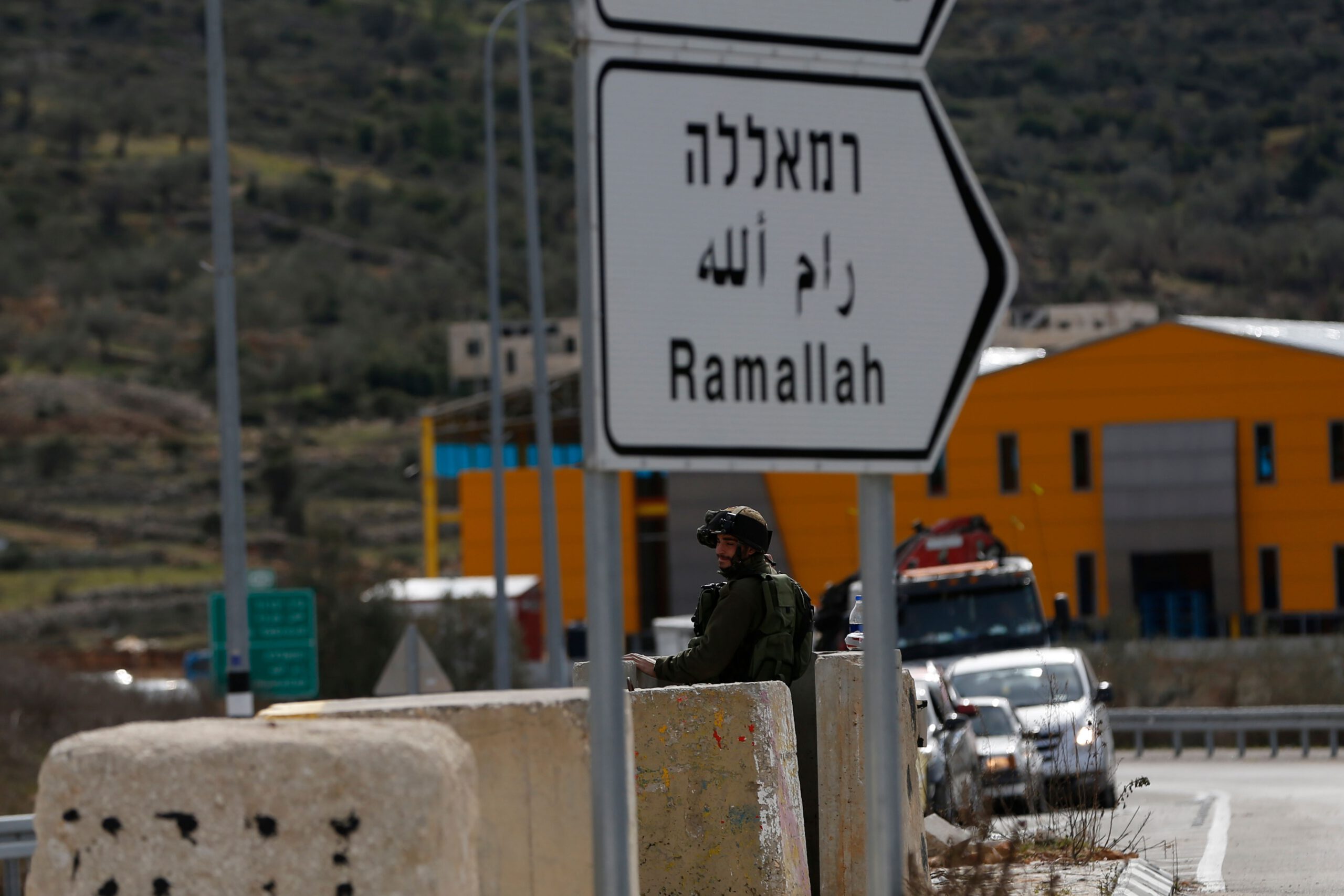
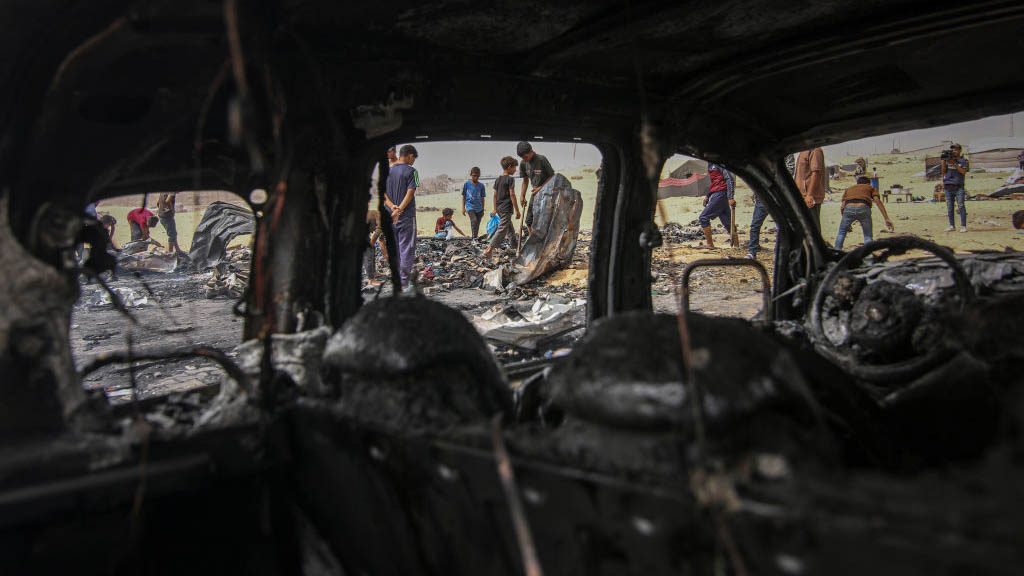
The Israelis and Palestinians are stuck with each other in a situation of “fierce entanglement.” Things never got “bad enough” for Israel to work toward a better and lasting solution with the Palestinians until Oct. 7 abruptly changed the status quo. After the visceral anger subsides and Hamas is replaced in Gaza, Israel and the Palestinian Authority must work together for something other than “waiting for the next round of violence.”
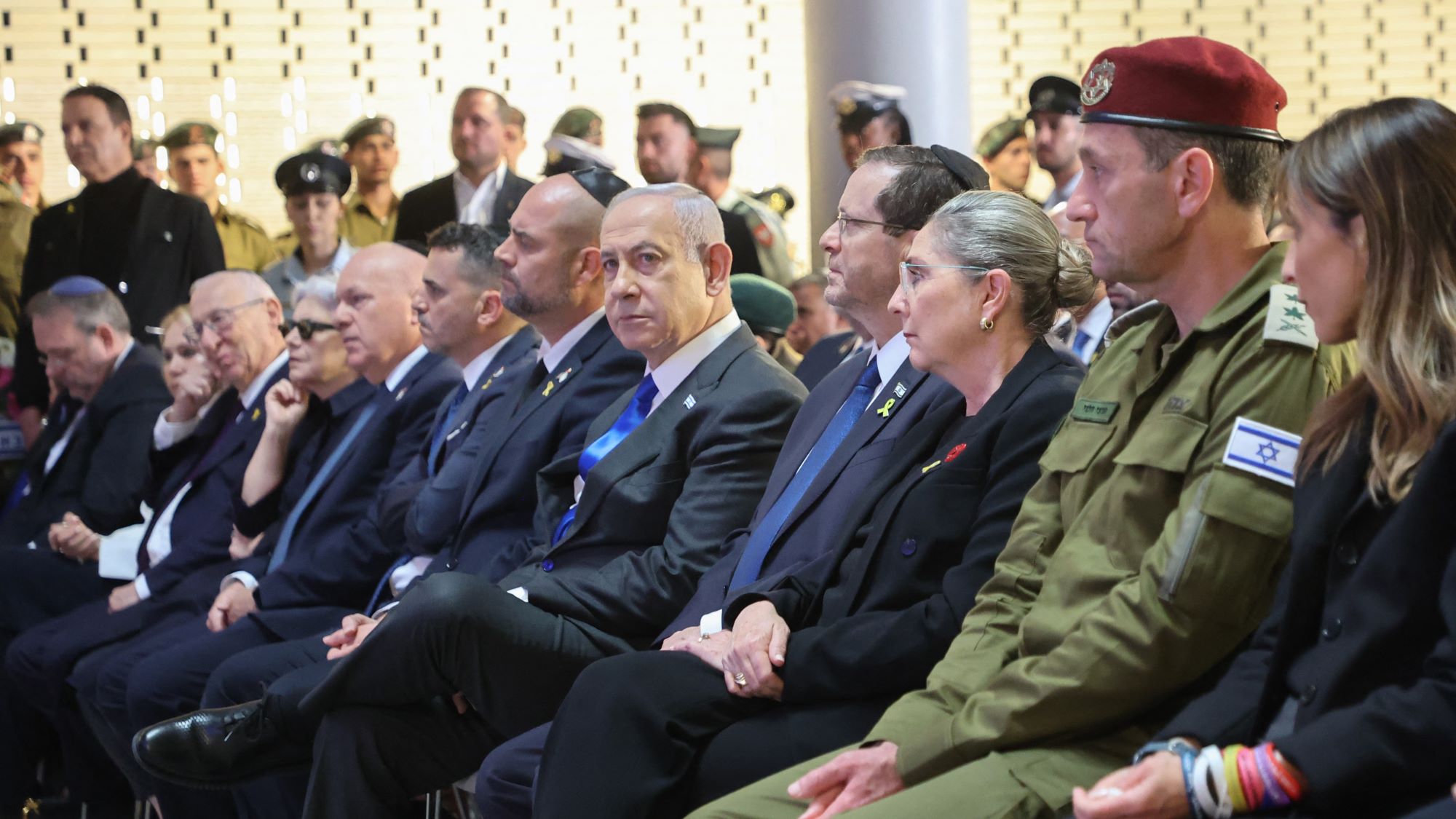
Netanyahu has sought to direct the blame for the debacle of Oct. 7, as well as the subsequent failures in the management of the war, squarely on the Israeli security establishment, while avoiding taking personal responsibility that would cost him his job.
Why they left: The causes and implications of the Russian peacekeepers’ withdrawal from Karabakh
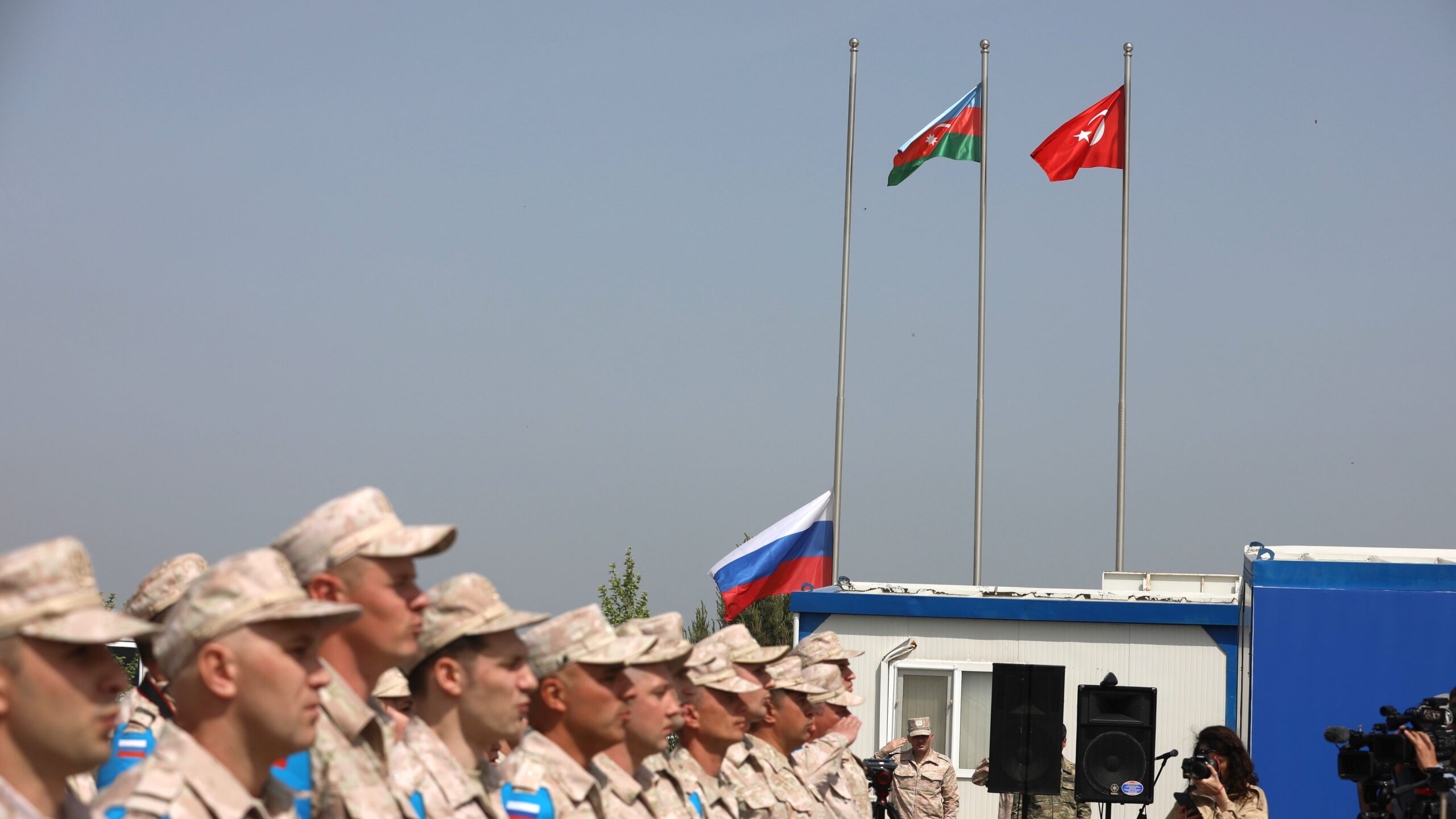
On April 17, Russian and Azerbaijani officials confirmed that the Russian peacekeeping forces deployed in Karabakh since November 2020 had begun pulling out from the region. The reasons behind the decision remain a matter of intense debate; but it is possible to draw several important conclusions from its timing and consequences.
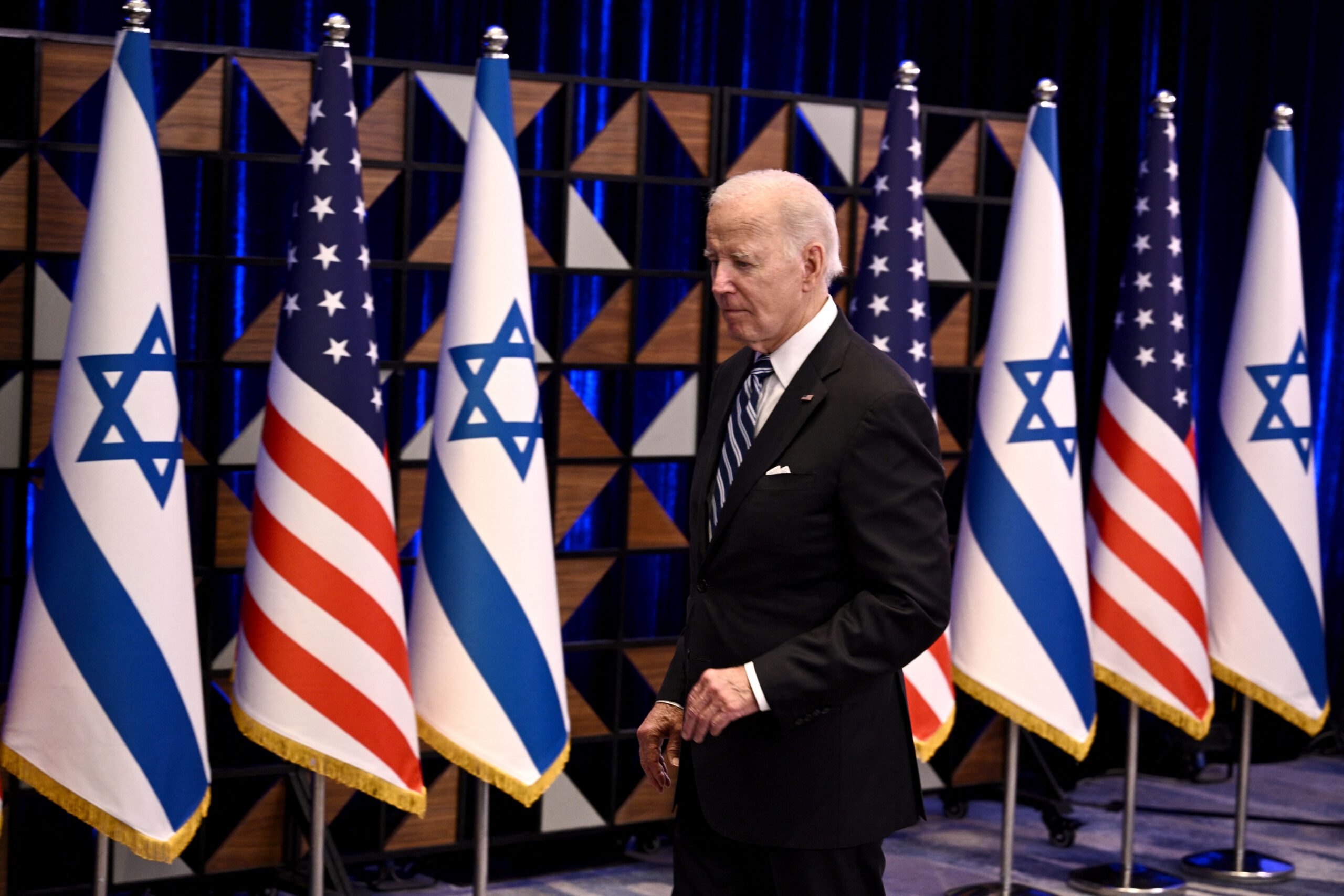
Netanyahu Must Choose: Endless War in Gaza or Biden's Remarkable Deal
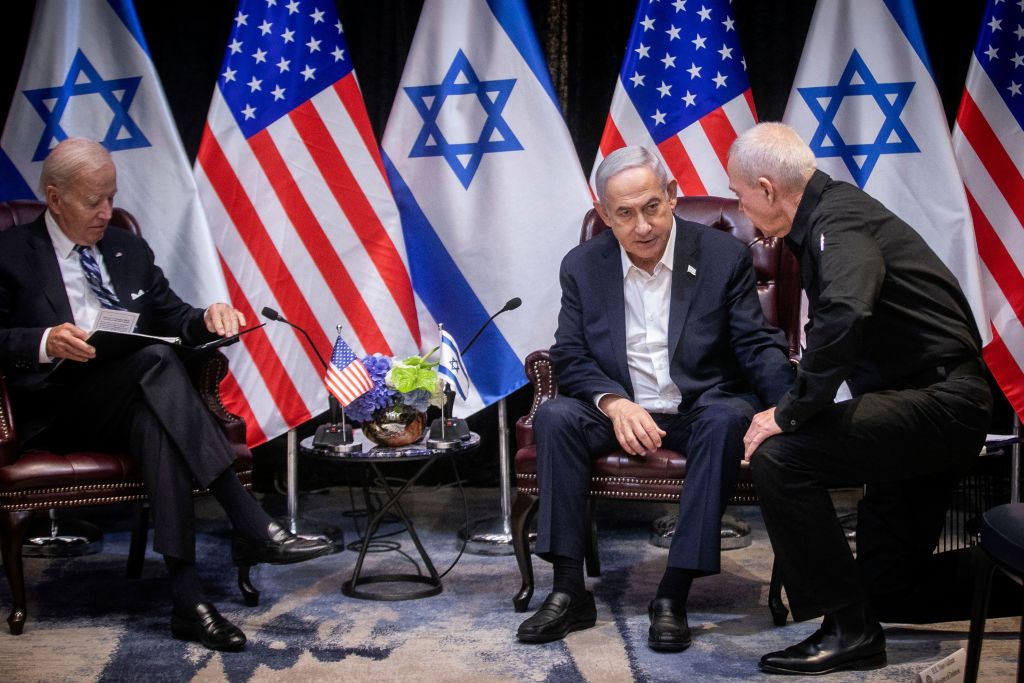
The Biden administration has presented Netanyahu a plan that could potentially defeat Hamas and cinch Saudi normalization with Israel. But Washington is growing impatient with the prime minister’s inaction which threatens to undermine America’s credibility in the region — and Israel’s very future.
This week’s visit by Jake Sullivan, U.S. President Joe Biden’s national security advisor, came at a turbulent. uncertain time both inside Israel’s domestic politics and U.S.-Israel Relations.