The Israeli election results are not a seismic shift — it’s worse than that
Over the years, recognition of clear, long-term, and structural developments in how the Jewish Israeli electorate votes has been neglected, glossed over, or lost behind reactions to electoral cycles. And the pro/anti-Netanyahu paradigm — which routinely serves as a crude substitute for “right” versus “left” — has helped delay a reckoning and a fork in the road for a host of constituencies.
The victory of Israel’s extreme right: Implications for citizens’ rights and Israeli-US relations
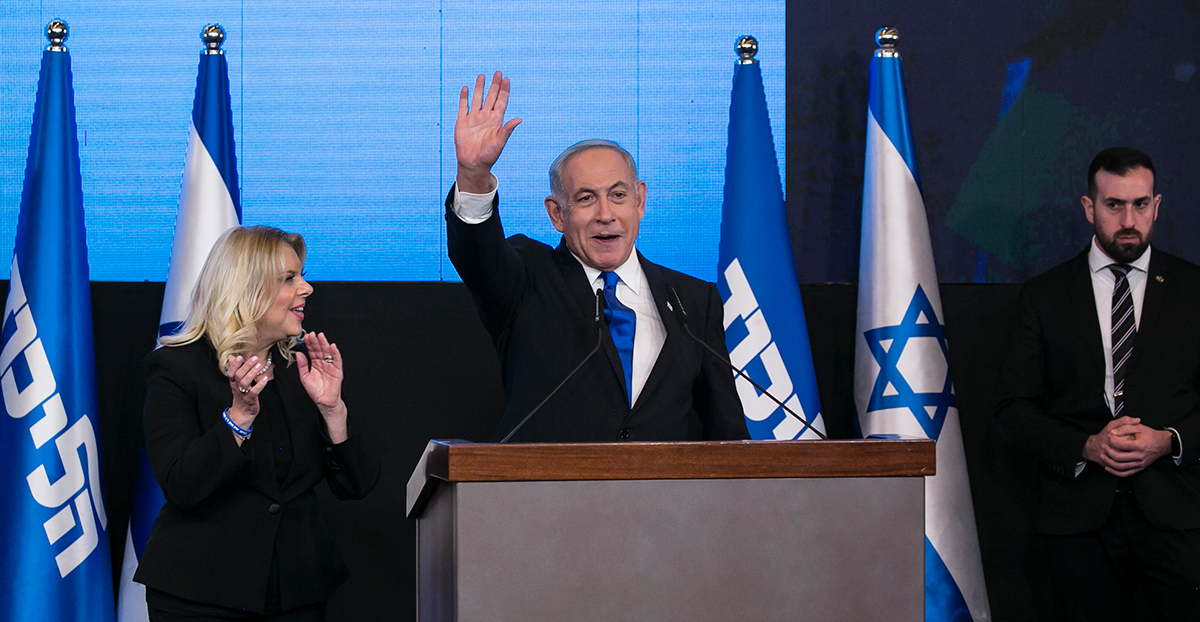
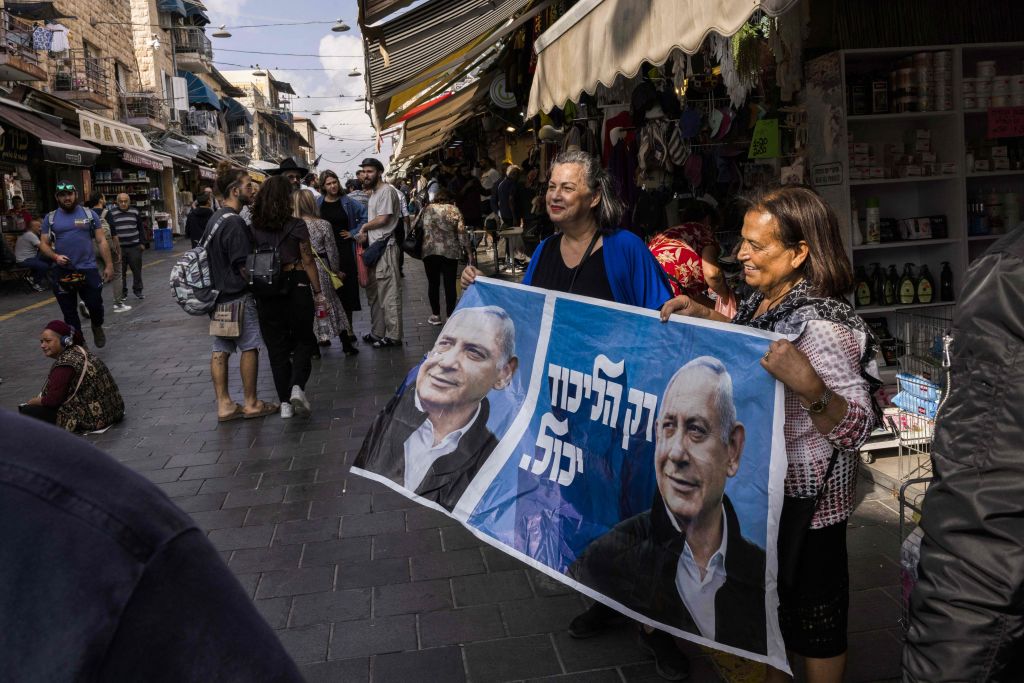
Since winning the Israeli elections on Nov. 1, Benjamin Netanyahu leads a bloc that is ideologically homogeneous in ways never before seen, with a majority of religious nationalists and ultra-Orthodox parties set to enter government and likely to work cohesively for the next four years, unlike in the past.
In Turkish-Russian relations, the Ukraine grain deal is not the point
The Ukraine grain export deal, which Turkey helped mediate over the summer, was saved last week to much fanfare; but the central unaddressed issue remains lifting Russia’s illegal blockade of Ukrainian ports, so Ukraine can freely trade with the world.
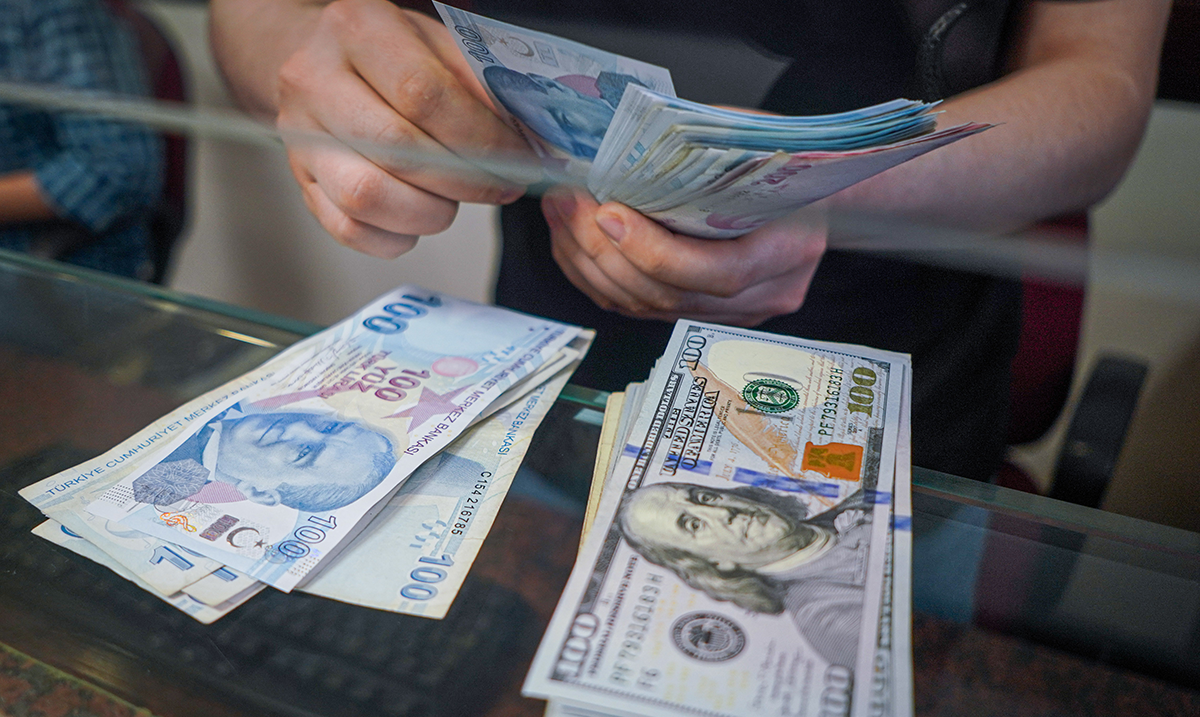
As liquidity problems worsen, Turkey turns to capital controls and informal FX flows
The Turkish economy’s foreign exchange liquidity problem is getting worse. The current account balance has been in the red this year with a monthly deficit of around $5 billion. The government has so far managed to avoid a repeat of the December 2021 currency shock by restricting capital mobility, further tightening regulations in October 2022.
Israel’s election produces a clear winner — and a lurch further to the right
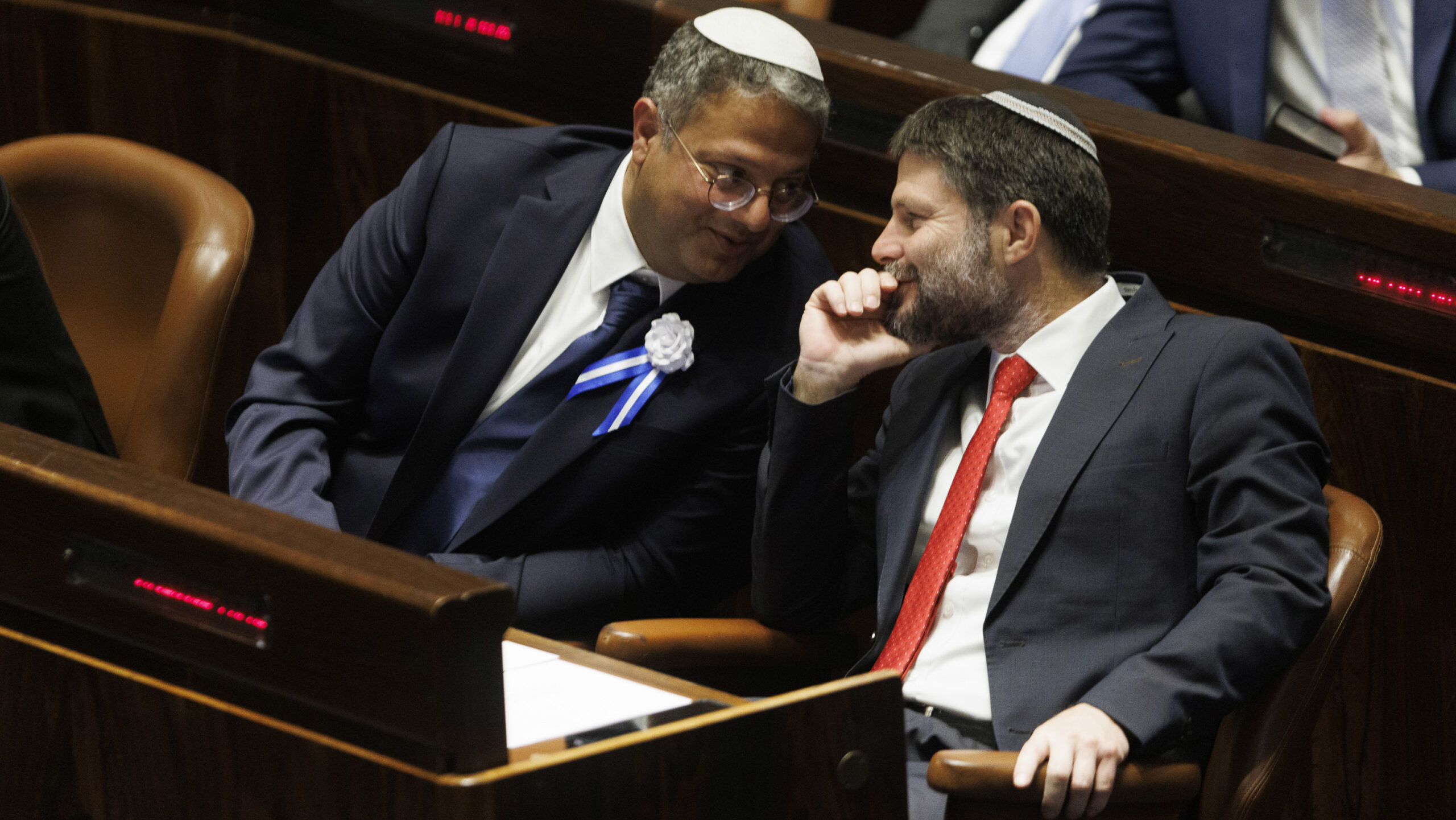
On Nov. 1, Israel’s democracy was shaken, perhaps as never before. It is not so much that former Prime Minister Benjamin Netanyahu has been returned to power, but that if he does become prime minister again, as seems overwhelmingly likely, it will undoubtedly be with crucial support provided by the “Religious Zionism” party, which includes “Jewish Power,” the vehicle of the veteran neo-Kahanist Itamar Ben-Gvir.
The Arab Peace Initiative returns. Will it supplant the Abraham Accords?
Although the Abraham Accords have been the main focus of Arab-Israeli peace-making since they were signed, the Arab Peace Initiative (API), introduced by the late Saudi King Abdullah 20 years ago, remains relevant and may be the better reflection of a path forward for Middle East peace
Egyptian “national dialogue” will kick off amid difficult domestic situation
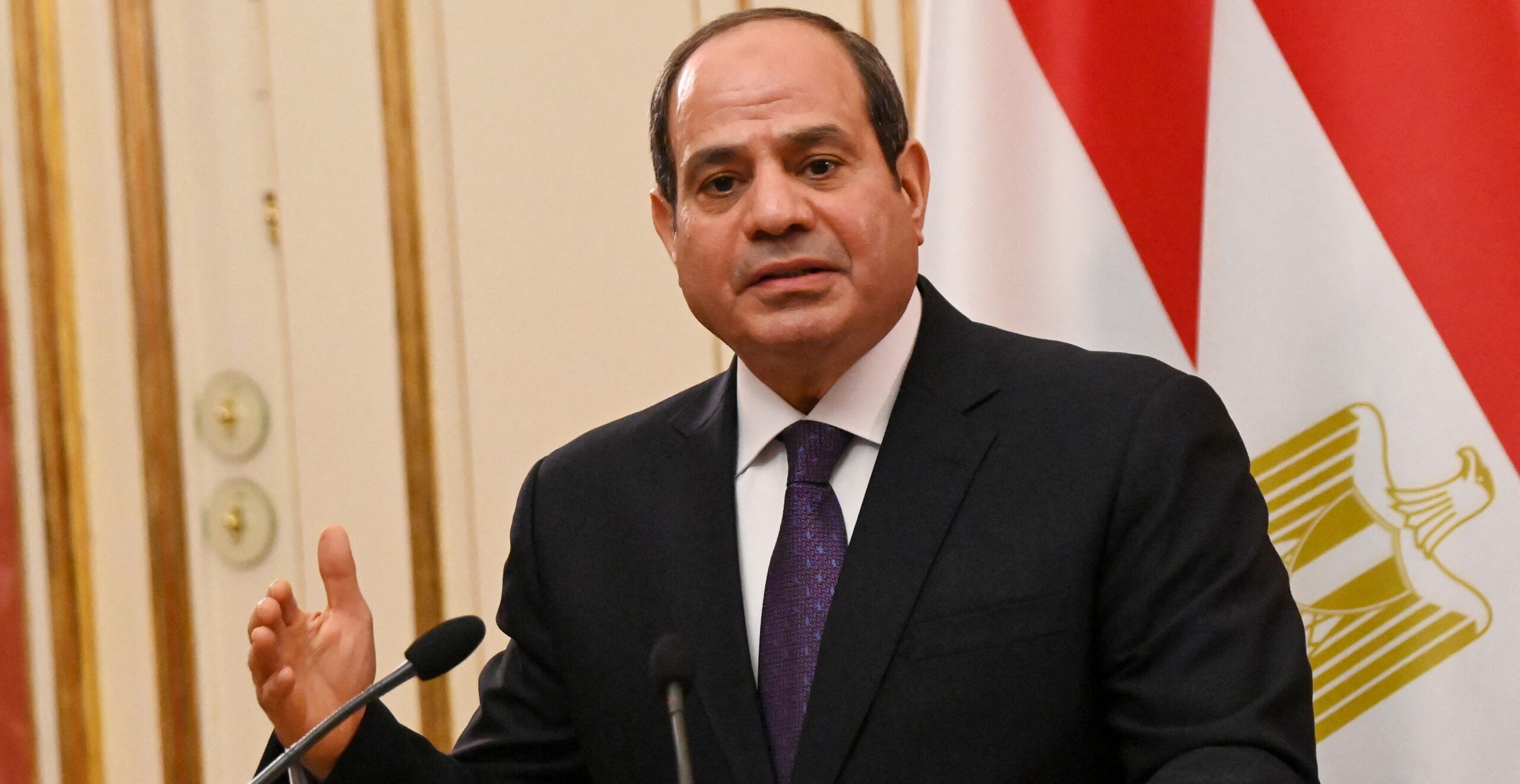
The “national dialogue” that Egyptian President Abdel-Fattah el-Sisi called for more than five months ago has nearly concluded its lengthy preparatory stage, though the official launch has repeatedly been pushed back. It will be a rare chance for opposition parties to present alternative policies to those of the president. But whether the dialogue marks a genuine change in the regime’s authoritarian policies remains to be seen.
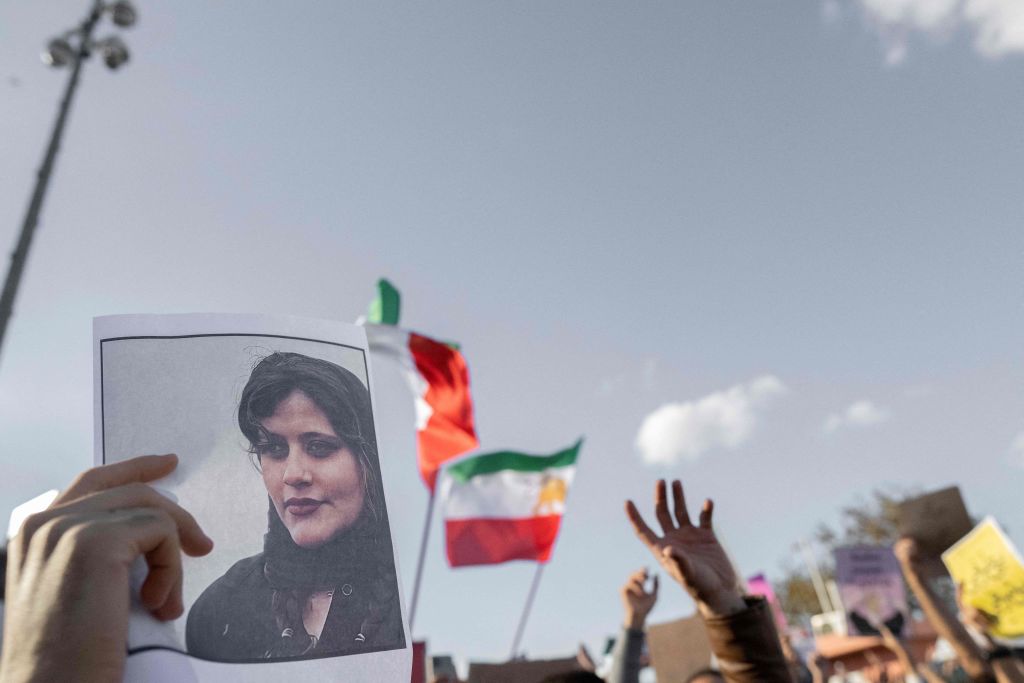
As protesters’ slogans and chants have made clear, the current protests are definitely not about the economy, but about opposition to the regime more broadly and its political and social oppression. Yet Iran’s economic problems have created an atmosphere that encouraged and fueled protesters’ anger and have done nothing to help the regime.
Amid Lebanon’s perfect storm of crises, water demands attention
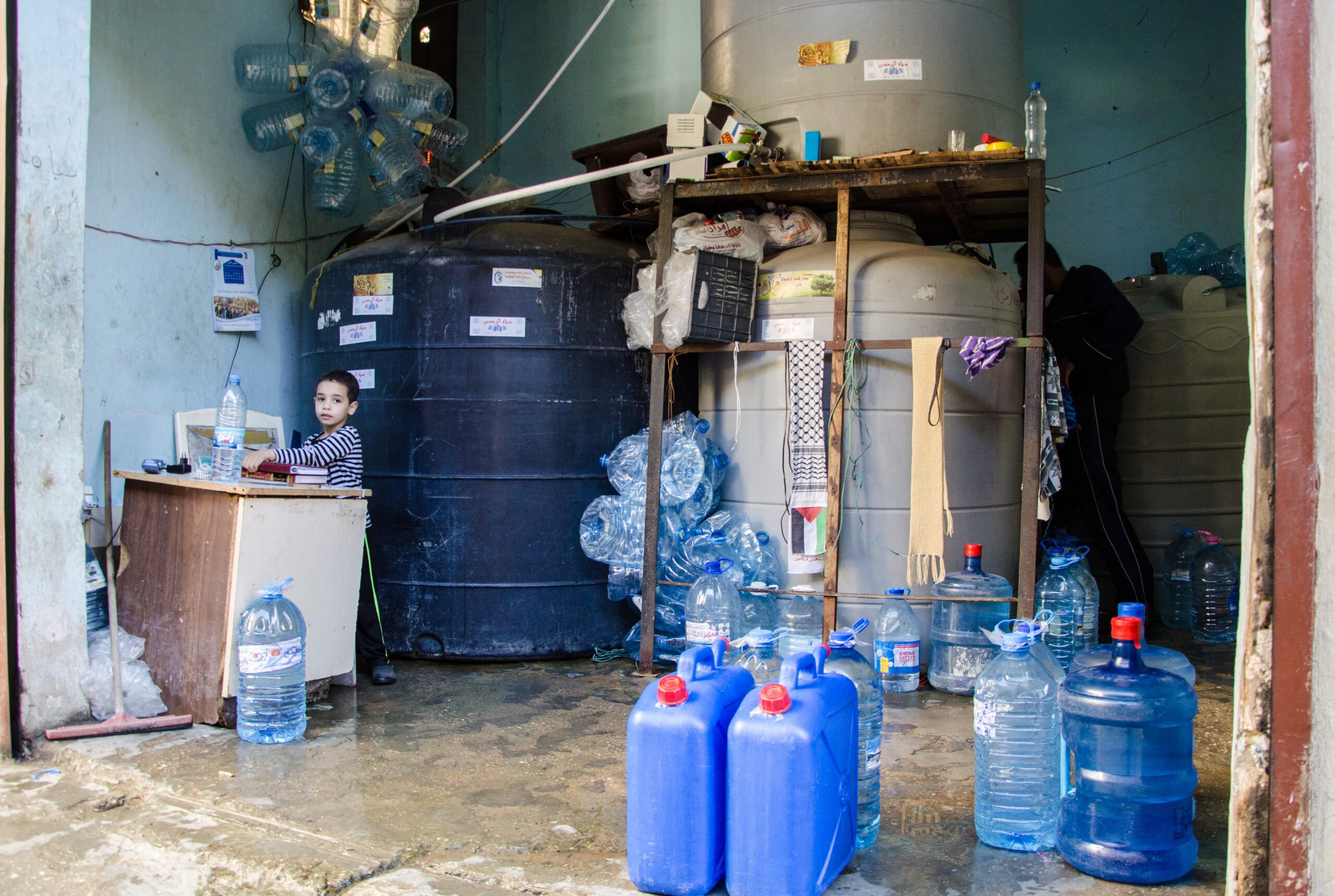
Lebanese crises have repeatedly made international news since October 2019, when the country witnessed the start of a popular revolution against a stagnant and corrupt political elite. Much less discussed but no less critical is the issue of water. The problem has been slumbering for years but has recently come to light along with other failings of the Lebanese government.
Over the past decade, Turkey has been on a steadily downward economic trajectory. Throughout this long period of turmoil the government has pursued a range of different economic policies, most of which were inconsistent with one another. The transition to a presidential system under Erdoğan has had a disastrous impact on Turkey’s economic institutions and administration. This paper explores the impact of the presidential system on the Turkish economy, the country’s economic outlook, and potential solutions to the current crisis, as well as the opposition’s role and ability to implement them, with an eye to the June 2023 elections.