A way out for Russia and Turkey from Idlib's spiral of violence
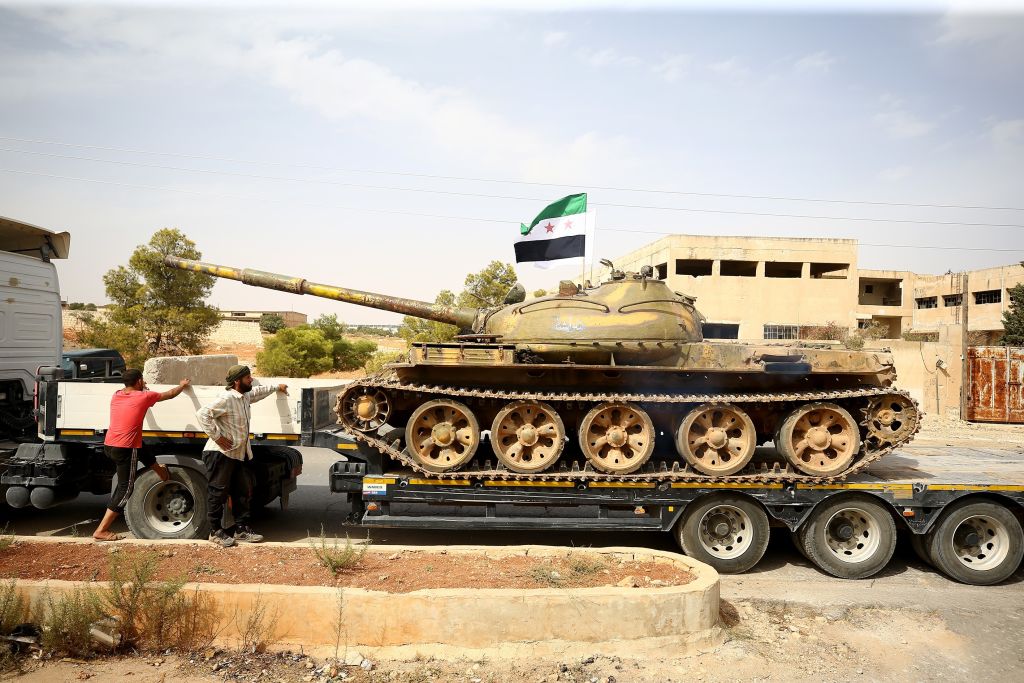
Since the start of the regime’s military campaign in Idlib last month, a group of Free Syrian Army factions that fought alongside Turkish soldiers has gradually entered the region. This development may balance the Hayat Tahrir al-Sham presence and ultimately help to force the group out of the demilitarized zone, ensuring a continued Turkish-Russian consensus on Idlib.
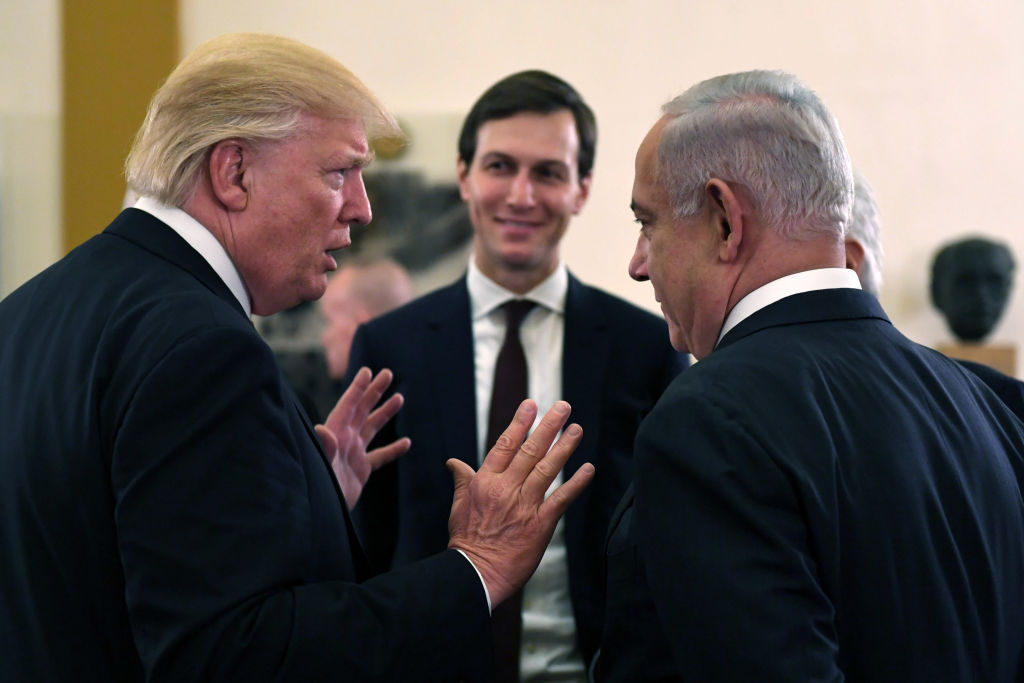
The Bahrain workshop and the dwindling prospects for Israeli-Palestinian peace under Trump
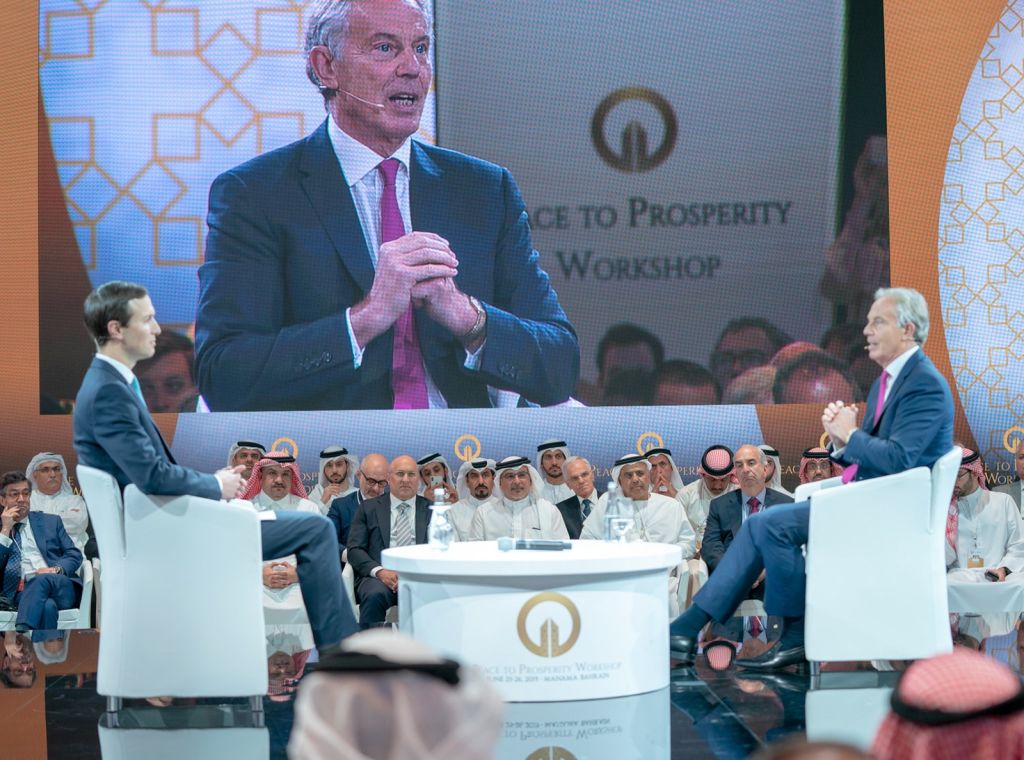
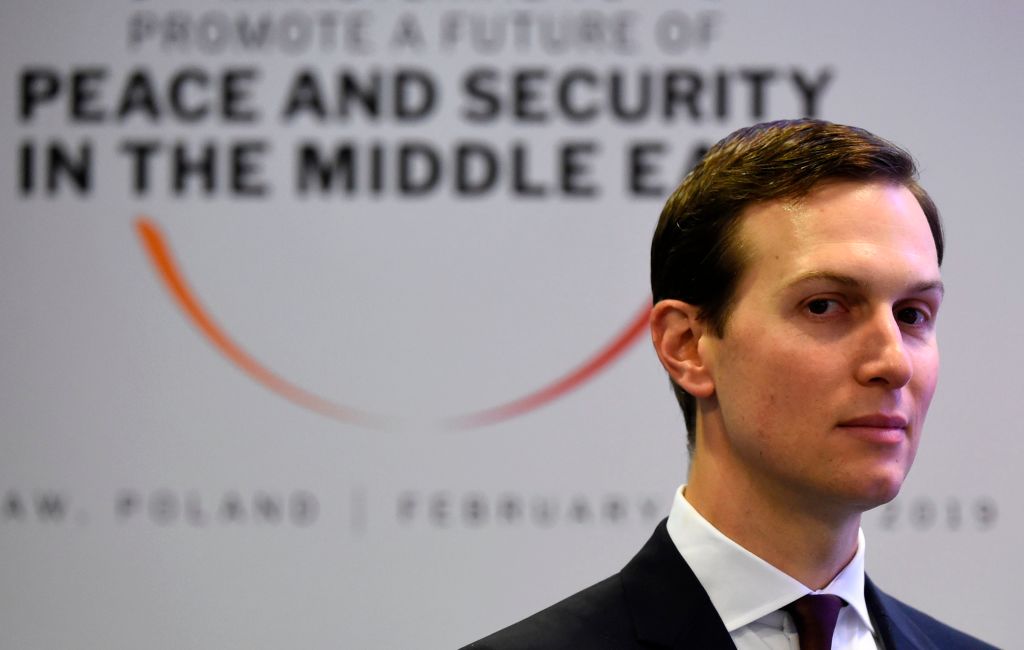
The Trump administration’s economic workshop in Bahrain produced some noteworthy moments that reflected recent changes in Israeli-Gulf relations, but it fell well short of its original declared intent. Neither Israeli nor Palestinian officials attended, and it did not conclude with any tangible steps to advance the peace process.
Monday Briefing: Bahrain workshop is little more than a kabuki show
In this week’s Monday Briefing, MEI experts Gerald Feierstein, Guney Yildiz, Nathan Stock, Elizabeth Dent, and Eran Etzion provide analysis on recent and upcoming events including this week’s Bahrain “workshop” on Palestine’s economic development, an opposition victory in Istanbul’s rerun election, the release of a portion of the Trump administration’s Israel-Palestine peace plan, the fracturing of the Global Coalition to Defeat ISIS, and Tuesday’s trilateral meeting between the U.S., Israel, and Russia.
Between Ankara and Damascus: The role of the Turkish state in north Aleppo
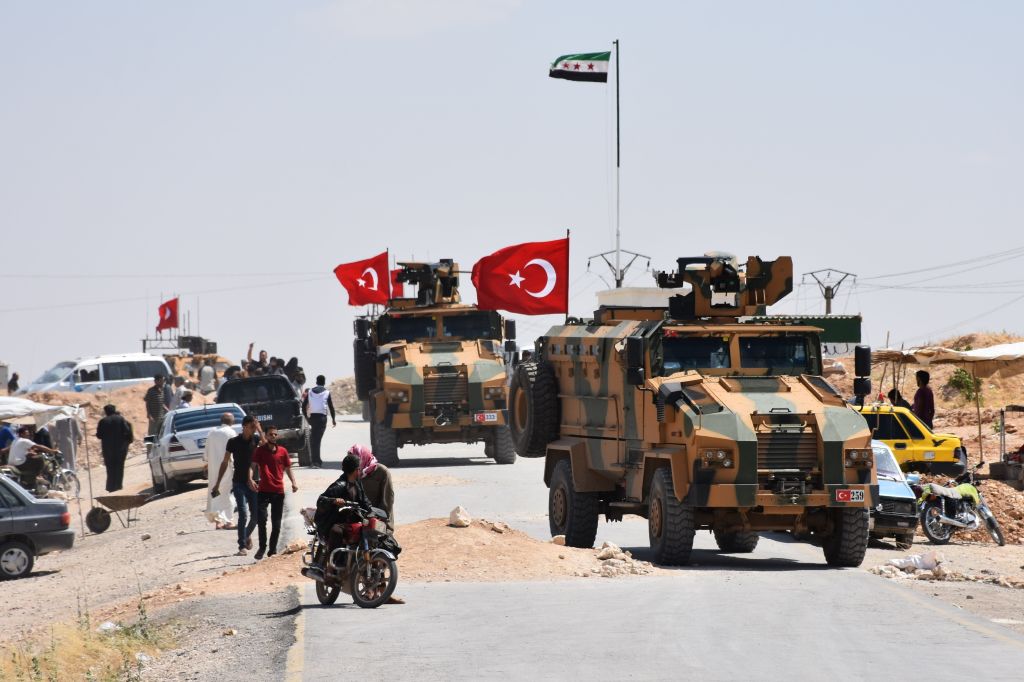
It’s been nearly three years since the Turkish incursion into northern Syria in August 2016, but one central question remains unanswered: What is Ankara’s plan for the area now under its control? This paper examines the complex relationship between local governance and service provision in the Euphrates Shield (ES) area of north Aleppo and the Turkish state. Using secondary sources and interviews with Syrian and Turkish activists and officials, this paper establishes that, first and foremost, Turkey has no coherent policy with regards to local governance in ES.
Countering Extremism After the Fall of the ISIS Caliphate
The territorial defeat of ISIS in March 2019 was a significant victory in the fight against terrorism, but the struggle to defeat violent extremism is far from over. Ambassador Edmund Fitton-Brown and Charles Lister join guest host Gerald Feierstein to discuss the latest developments in policy to combat regional terrorist threats.
Monday Briefing: Regime offensive in Syria’s northwest grinds to a halt
In this week’s Monday Briefing, MEI experts Charles Lister, Paul Salem, and Mirette F. Mabrouk provide analysis on recent and upcoming events including military developments in Syria’s northwest, the confirmation of David Schenker as Assistant Secretary of State for Near Eastern Affairs, and the approval of amendments to laws regulating Egypt’s judiciary.
What does Trump’s Golan proclamation mean for UNDOF?
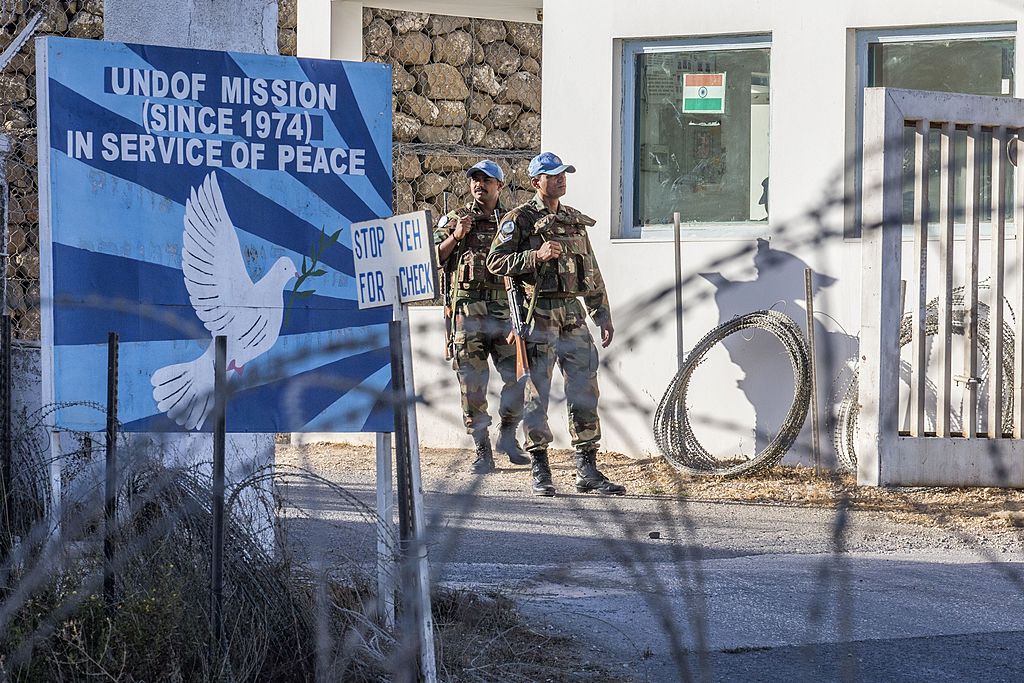
Sometime in June the UN Security Council will vote to approve another six-month renewal of the mandate of the 1000-strong UN Disengagement Observer Force (UNDOF) deployed in the Golan Heights. For more than four decades, the UN Security Council has unanimously renewed the mission’s mandate to maintain the ceasefire between Israel and Syria, but this will be the first time it has come up for a vote since President Donald Trump signed a proclamation recognizing Israeli sovereignty over the area of the Golan Heights on March 25th.
Is ISIS the real winner of Hifter’s Tripoli offensive?
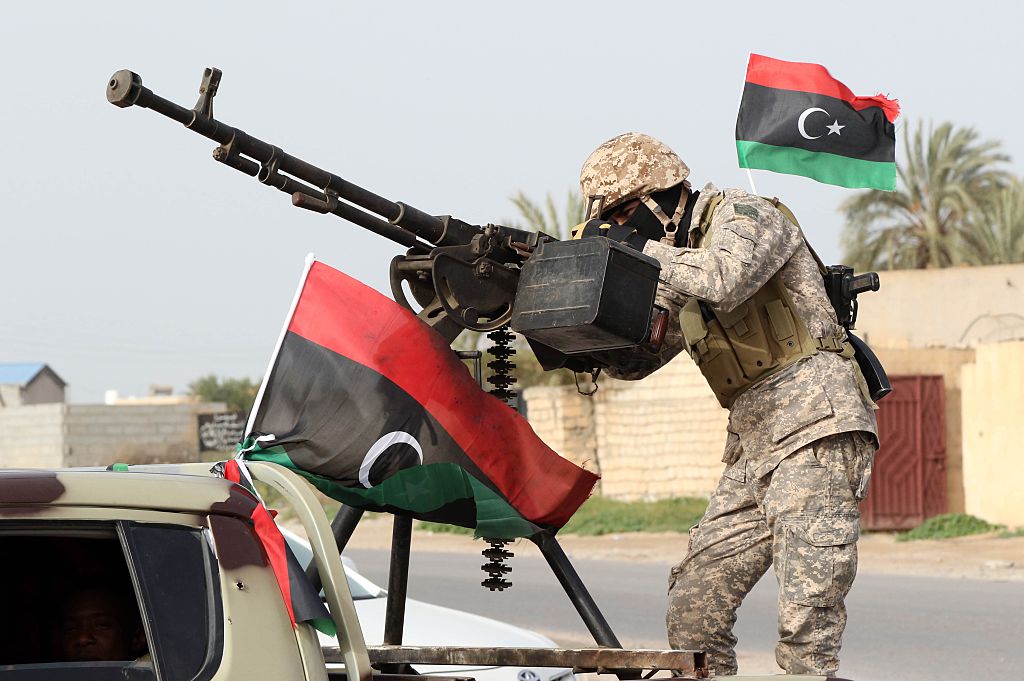
The launch of General Khalifa Hifter’s campaign to retake Tripoli in April has intensified Libya’s political upheaval and created the conditions for a potential resurgence of ISIS. The onset of the Libyan civil war in mid-2014 gave rise to a power vacuum that enabled the group to establish an initial presence in Libya, and while ISIS was eventually driven out at the end of 2016, the current political instability could give it an opportunity to regroup and re-establish itself — with major ramifications for the country and the broader region.
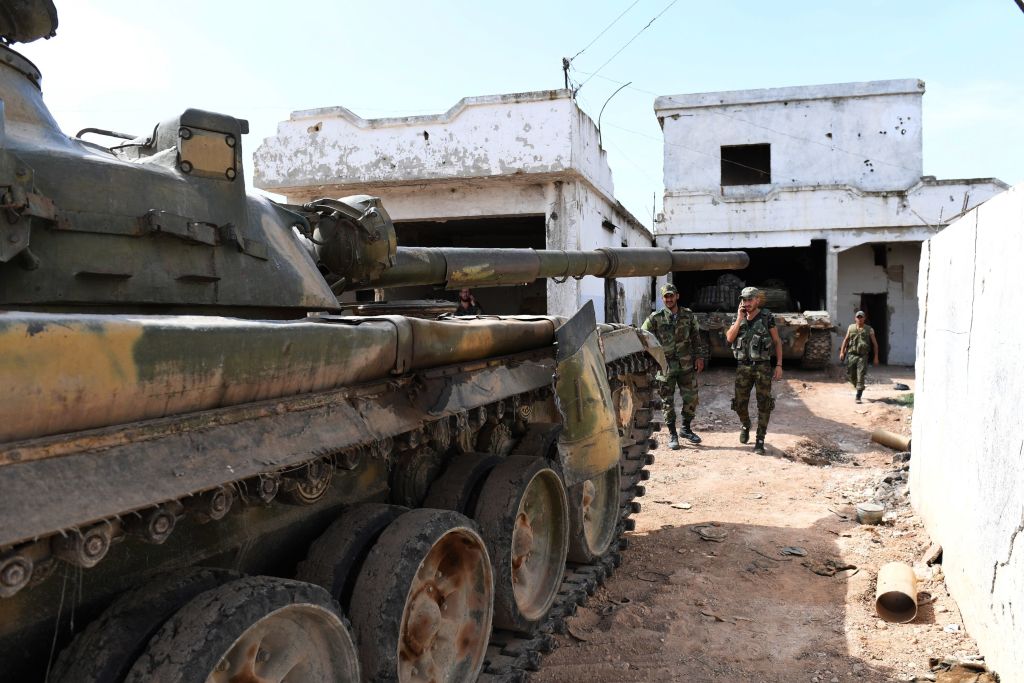
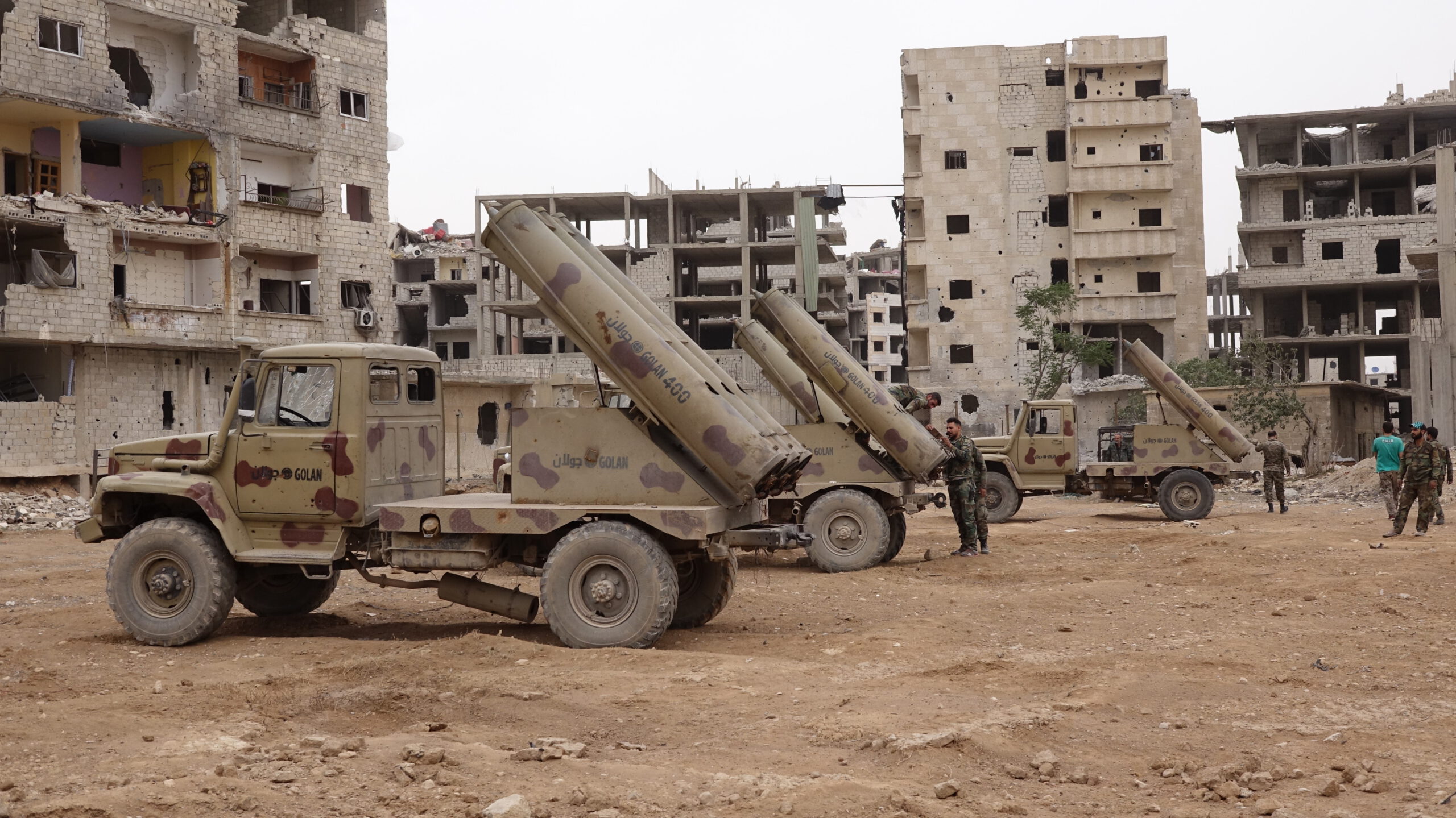
As fighting rages across the last opposition-held province of Idlib, the war in Syria has reached its brutal endgame. The Syrian army’s offensive, launched in early May, will not be quick, but rather marks the start of what will likely be a prolonged, violent, and ultimately costly campaign. If the first few weeks of the operation are anything to go by, resistance will be fierce — fiercer than initially expected — and as the world’s attention shifts toward Idlib, the stakes are now higher than ever.
Transformative conflict resolution through Track II dialogue
MEI’s Randa Slim and Paul Salem join host Alistair Taylor to discuss the Institute’s conflict resolution program and how Track II diplomacy—or unofficial meetings between adversarial groups—has supplemented state-to-state diplomacy and become a transformative experience for many of its participants.
Understanding the Fatemiyoun Division: Life Through the Eyes of a Militia Member
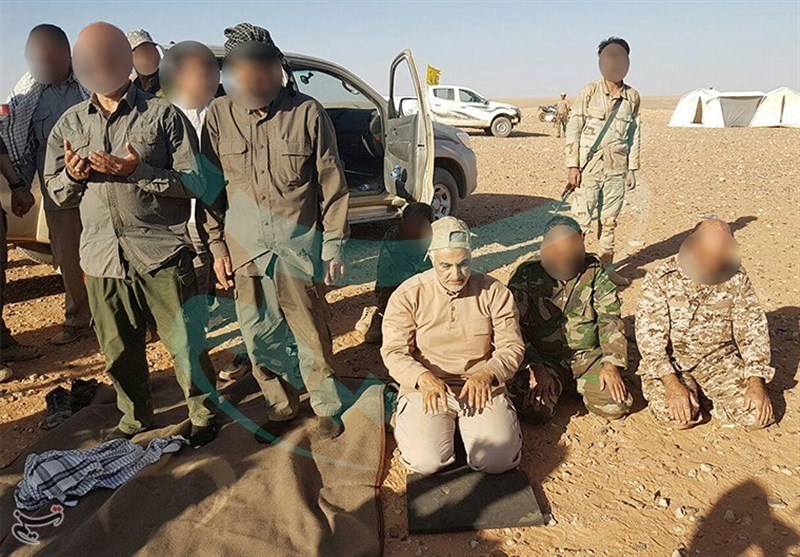
Approximately 10,000-20,000 Afghan men, mostly from the Hazara ethnic group, have fought in Syria in support of the government of President Bashar al-Assad. Organized by Iran and led by the Islamic Revolutionary Guard Corps and other affiliated groups, they have gathered under the banner of the so-called “Fatemiyoun” Division. This is the story of one of those men, Mohammed Jalil Dinsta, told through selections from his writings, alongside relevant analysis.
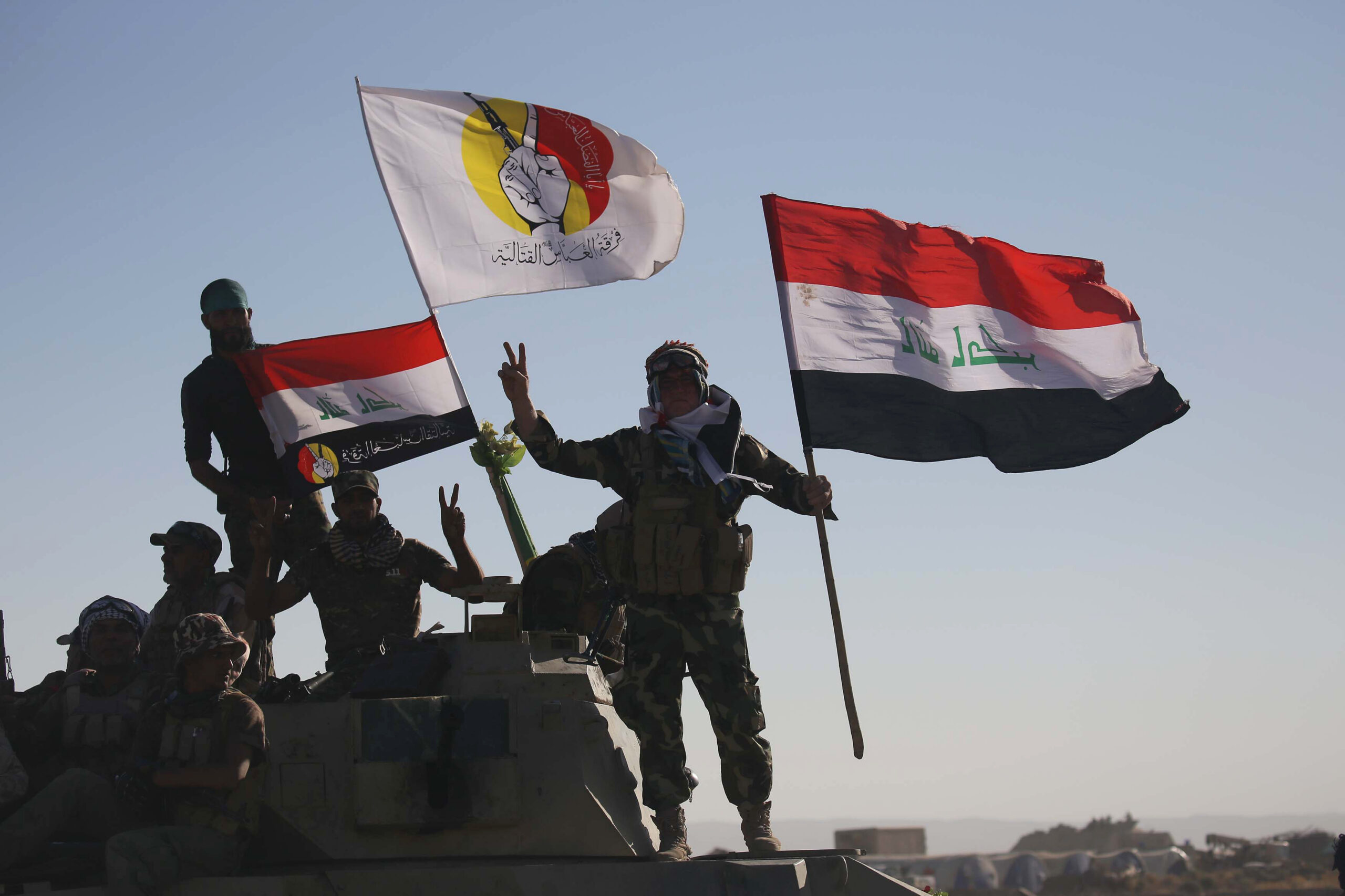
The growing economic and political role of Iraq’s PMF
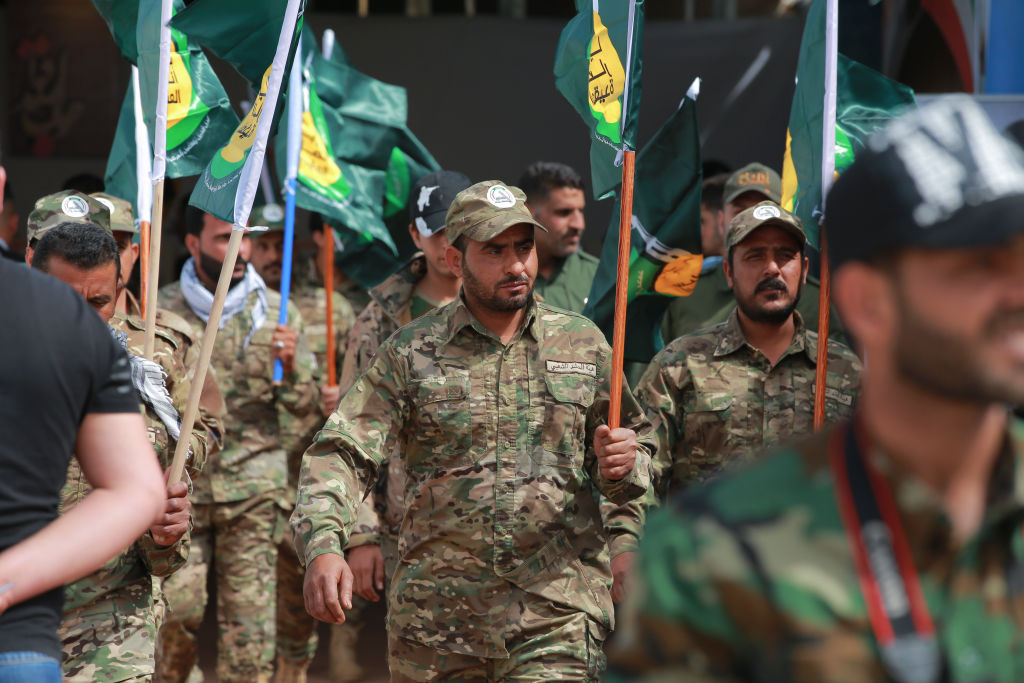
Conditions in Iraq since the defeat of ISIS’s territorial “caliphate” justify both optimism and concern at the same time. One issue where there has been much hand wringing but few practical suggestions for what to do is that of the popular mobilization forces (PMF). As the main campaign against ISIS drew to a close, many of the PMF’s leaders sought to translate their fighters’ battlefield sacrifices into political and economic gains.
Is Trump’s “Deal of the Century” really a peace plan?
The Trump administration is preparing to present the “Deal of the Century,” proposing an outline for an Israeli-Palestinian agreement. Very little is known about the plan so far. However, it is important to discuss the context and the conditions under which it has been formulated, and to highlight some basic elements that are required for a third party to promote a peace plan — which are absent in this case.
Iraq: A Conflict Over State Identity and Ownership
At the heart of the conflict in Iraq has been a clash of visions over the identity and ownership of the Iraqi state. The post-2003 conflict was, in effect, a violent renegotiation of both the political compact in place since the 1960s and of the balance of power among regional and international players.
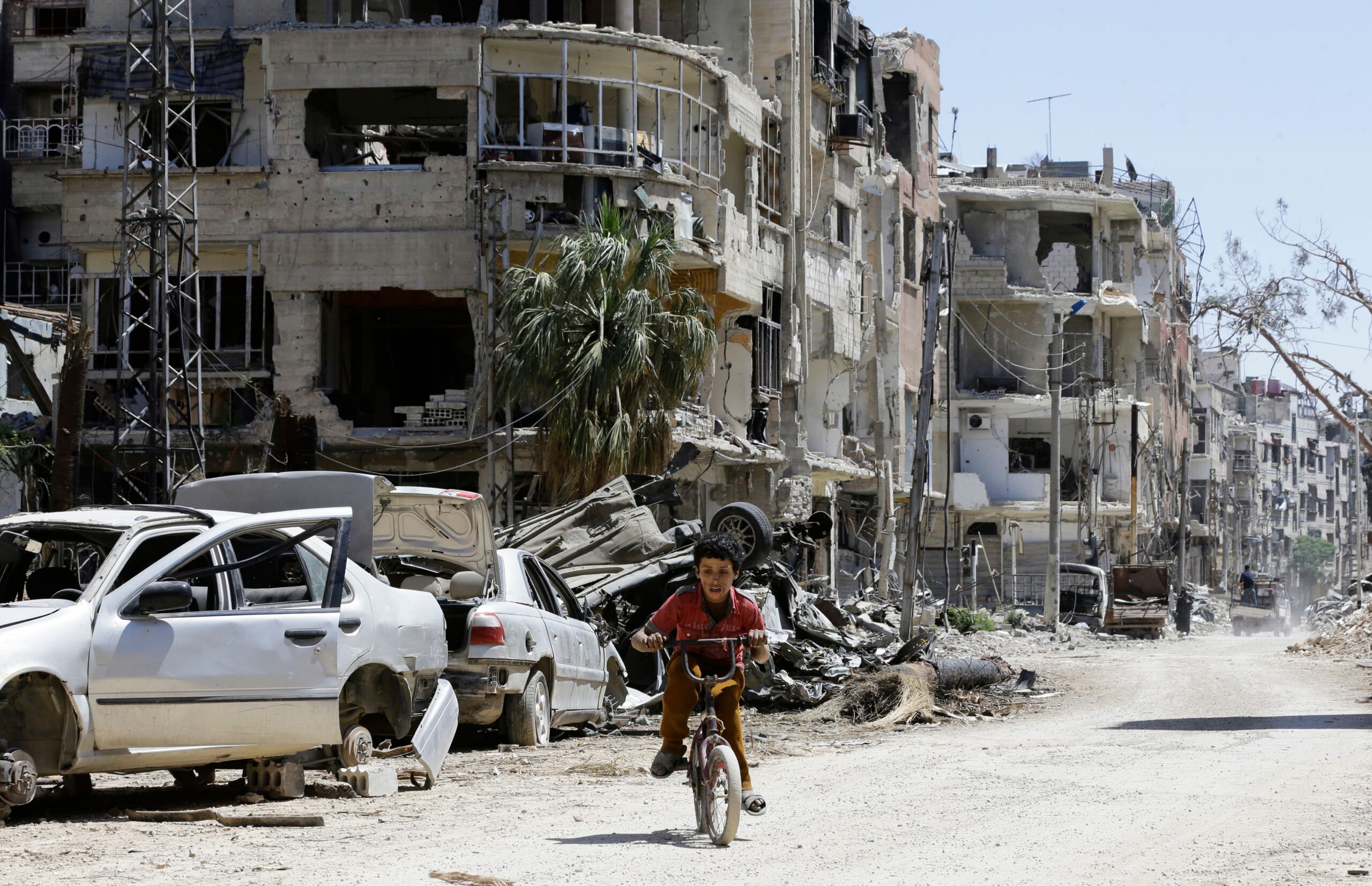
Forgotten Lives: Life Under Regime Rule in East Ghouta
A “black hole” of information, East Ghouta is a dark example of the reimposition of the Assad regime’s rule over a community once controlled by the opposition. This paper, produced in association with ETANA Syria, shines a light on what the regime’s military rule looks like on the ground and the resulting human rights violations against the population, and details the scale of the Iranian presence in key strategic locations around Damascus.