Is Trump’s “Deal of the Century” really a peace plan?
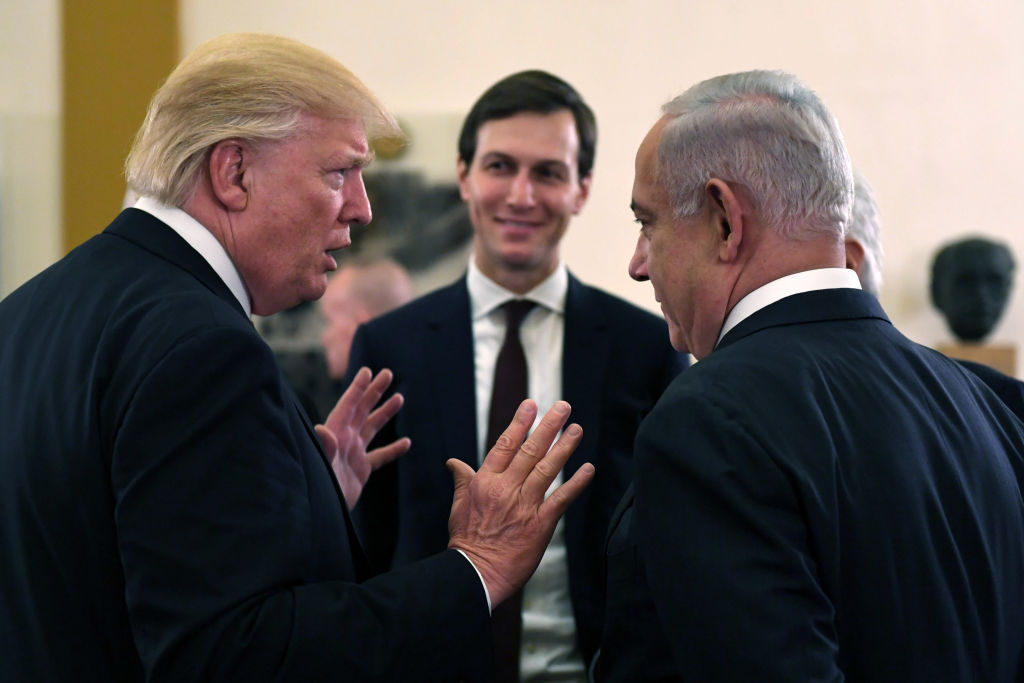
The Trump administration is preparing to present the “Deal of the Century,” proposing an outline for an Israeli-Palestinian agreement. Very little is known about the plan so far. However, it is important to discuss the context and the conditions under which it has been formulated, and to highlight some basic elements that are required for a third party to promote a peace plan — which are absent in this case.
MEI Senior Vice President Gerald Feierstein and Senior Fellow Alex Vatanka join host Alistair Taylor to discuss the rapid rise of tensions between the US and Iran this week, the political calculations being made by each side, and where things could go from here.
With tensions rising, are we heading toward conflict in the Gulf?
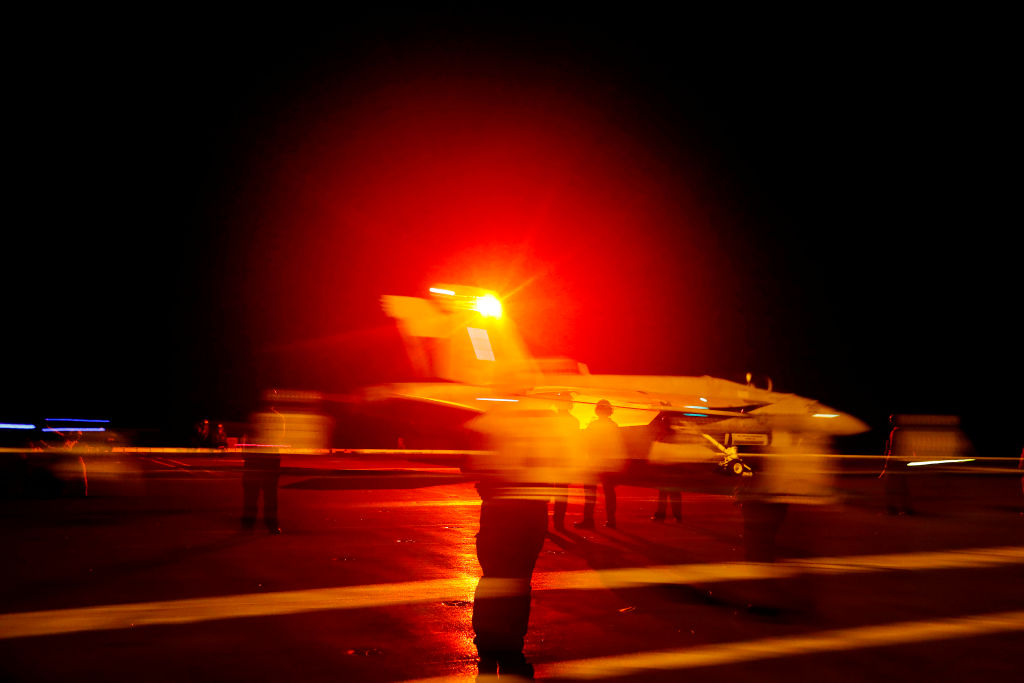
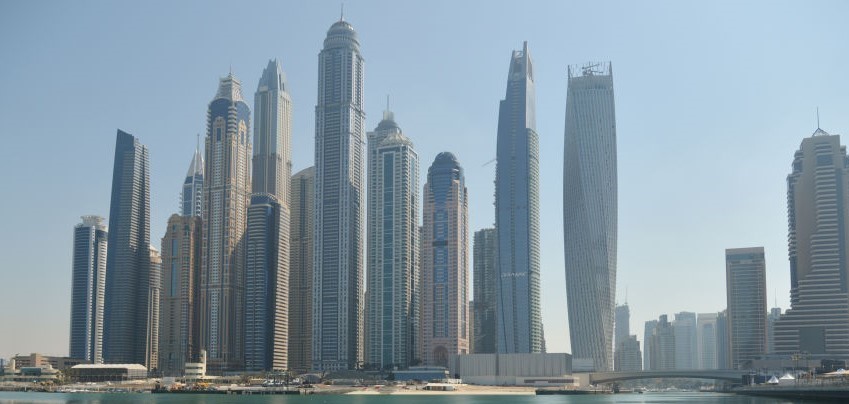
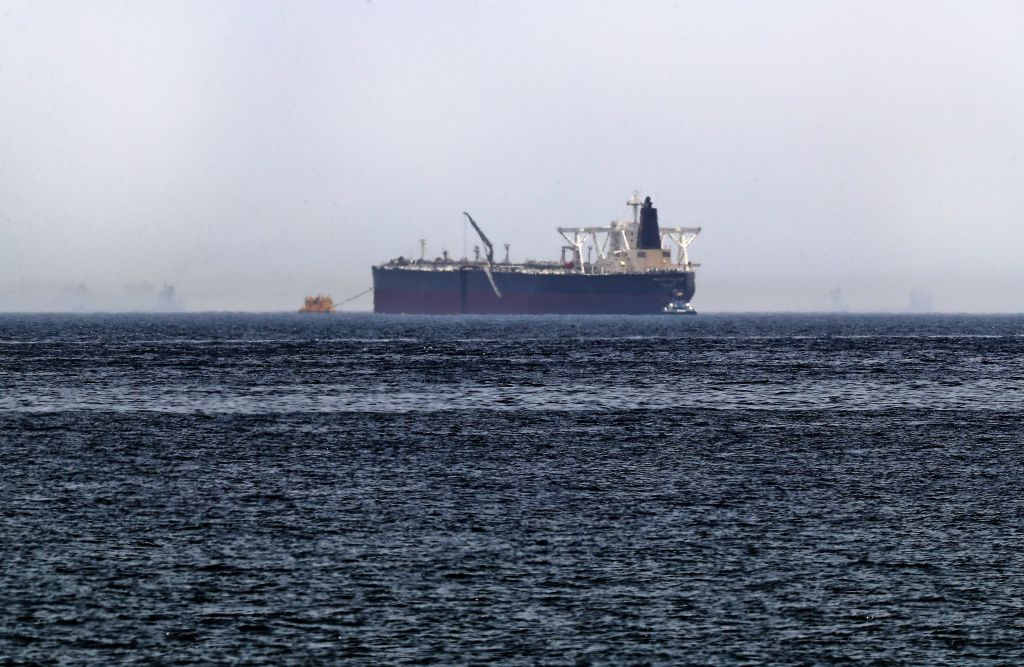
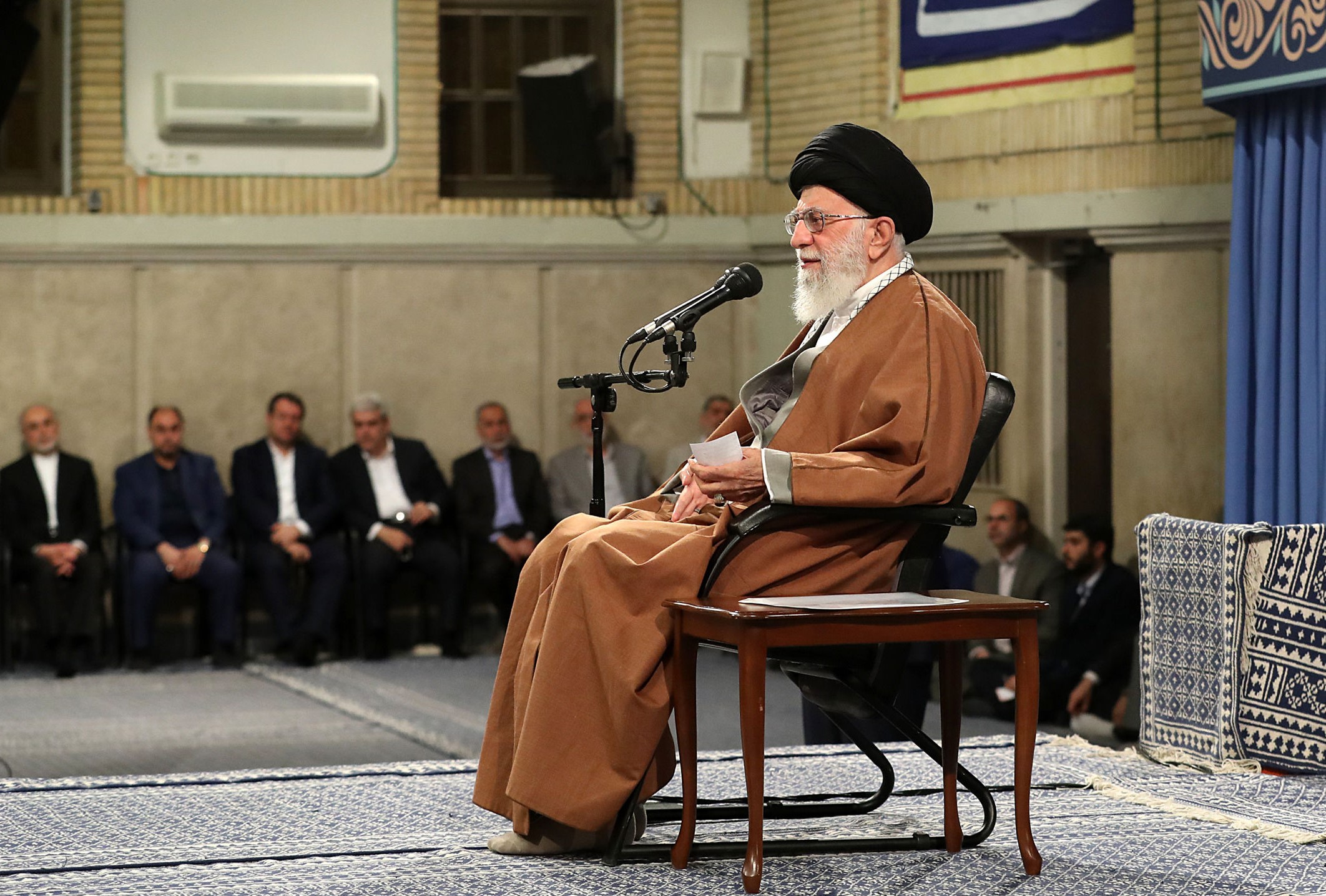
Since the Trump administration refused to extend waivers for Iranian oil exports expiring on May 2nd, the U.S. and Iran have engaged in a cycle of escalating threats and actions. The U.S. has further ratcheted up its “maximum pressure” campaign by adding new sanctions, and in the last few days, the turmoil has deepened as the region absorbed reports of mysterious sabotage against tankers in Emirati ports, apparent Houthi drone attacks on Saudi oil facilities, and news that the Trump administration is contemplating substantial deployments of U.S. military personnel to the region.
If at first you don’t succeed: Turkey gears up for Istanbul election rerun
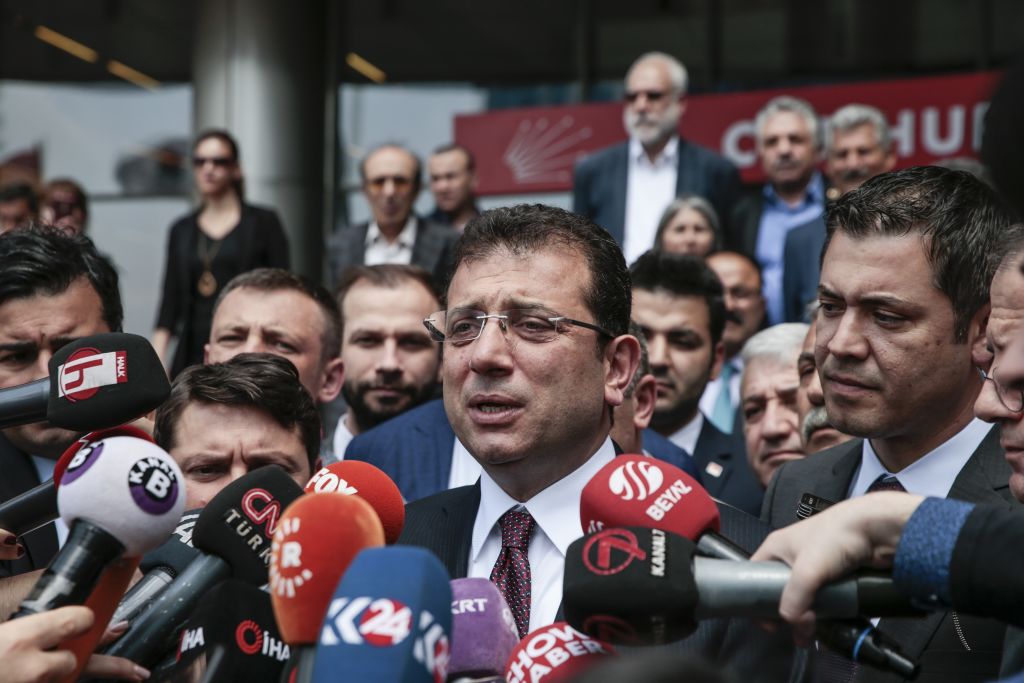
The March 31st local elections in Turkey were a breath of fresh air for those long resigned to the fact that the ballot box doesn’t matter anymore and that President Recep Tayyip Erdogan was invincible. To the surprise of many, the opposition captured all of Turkey’s major cities, but the decision by the Supreme Election Council on May 6th to nullify the results of the Istanbul mayoral election and call for a new vote quickly changed the mood. The election is now set to be rerun on June 23rd.
Iraq: A Conflict Over State Identity and Ownership
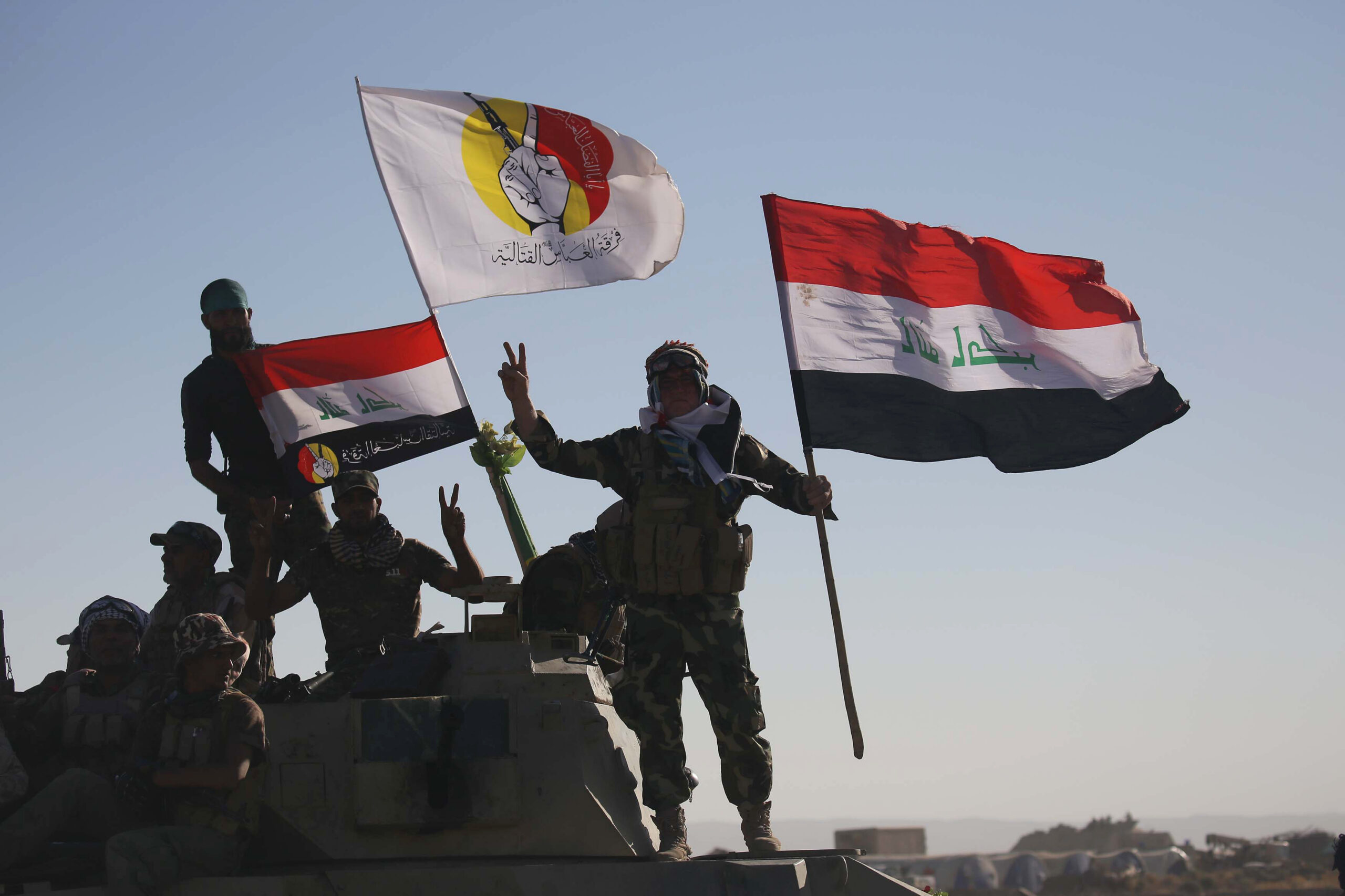
At the heart of the conflict in Iraq has been a clash of visions over the identity and ownership of the Iraqi state. The post-2003 conflict was, in effect, a violent renegotiation of both the political compact in place since the 1960s and of the balance of power among regional and international players.
Challenges threaten the rise of Turkey’s defense industry
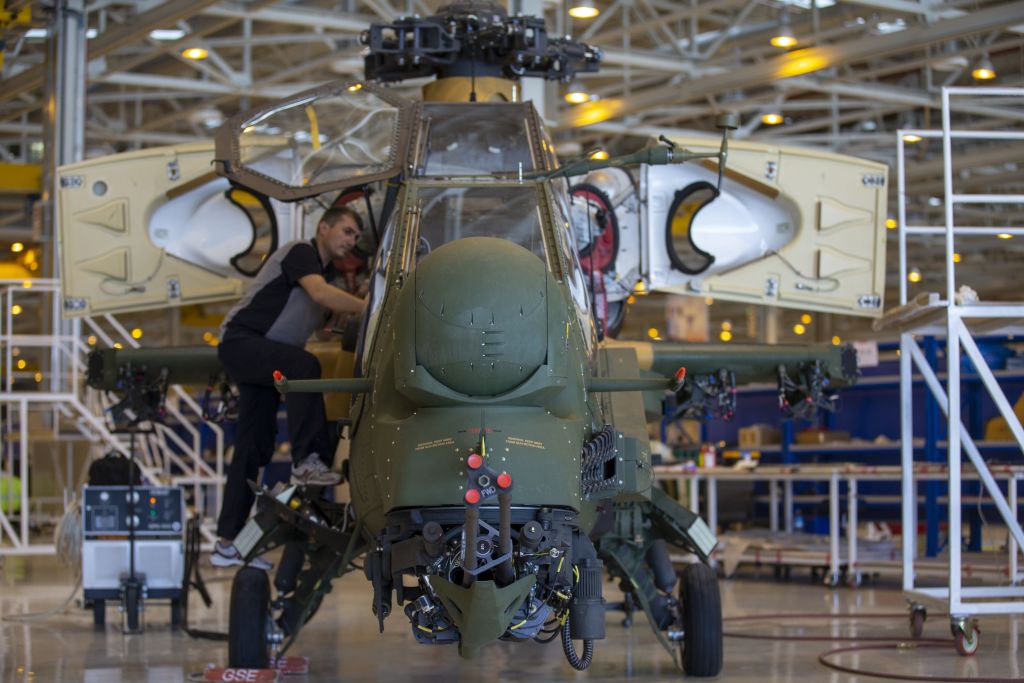
Building up Turkey’s defense industry has long been a priority for the government, and it has made considerable progress. Turkey is now the world’s 14th largest defense exporter. Despite its success to date, the industry is facing growing pains, and challenges like brain drain, a currency crisis, dependence on foreign suppliers, and regional political disputes could hamper growth going forward.
Forgotten Lives: Life Under Regime Rule in East Ghouta
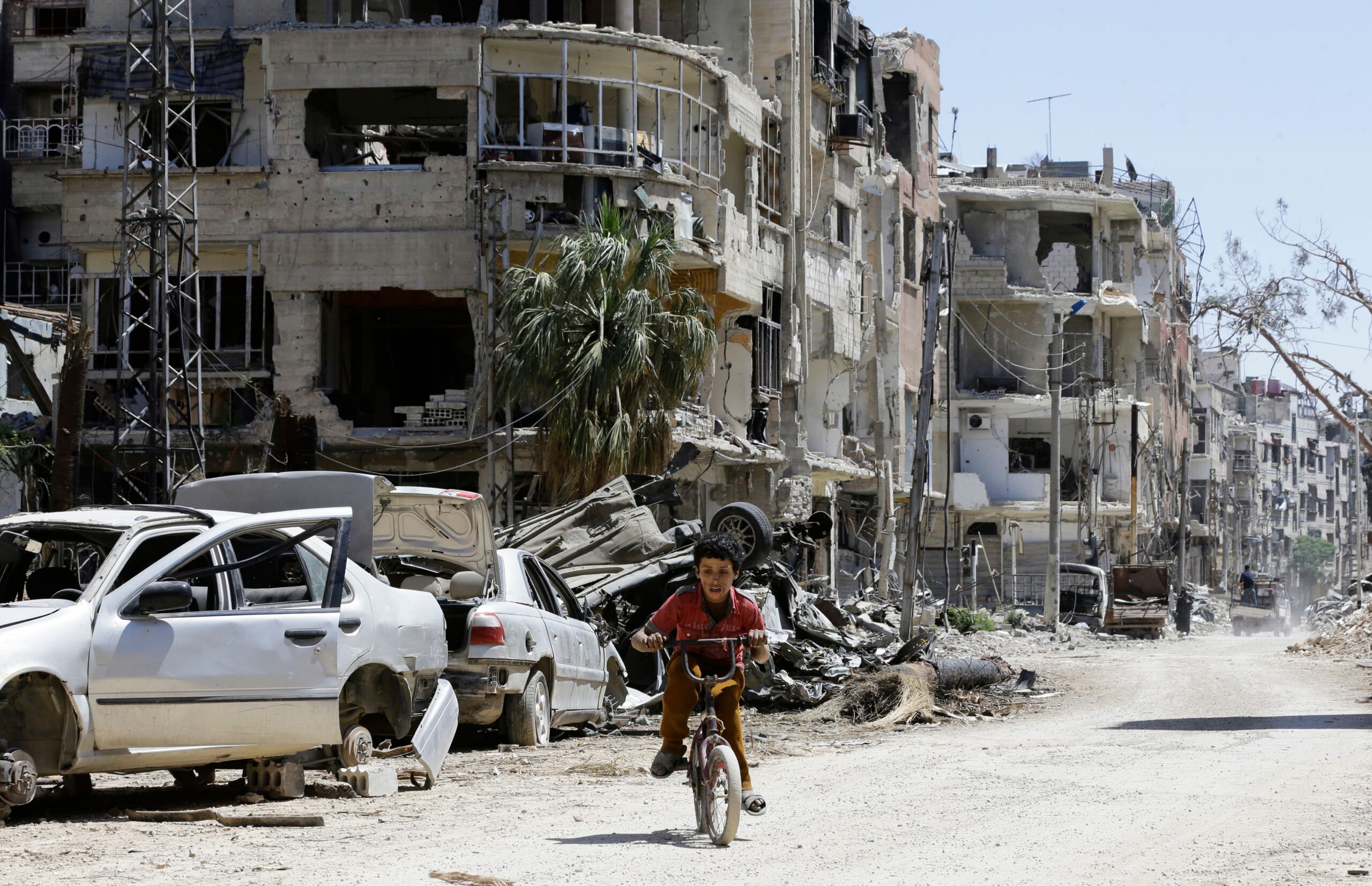
A “black hole” of information, East Ghouta is a dark example of the reimposition of the Assad regime’s rule over a community once controlled by the opposition. This paper, produced in association with ETANA Syria, shines a light on what the regime’s military rule looks like on the ground and the resulting human rights violations against the population, and details the scale of the Iranian presence in key strategic locations around Damascus.
Political Complexities of Return: Syrian Refugees in Lebanon
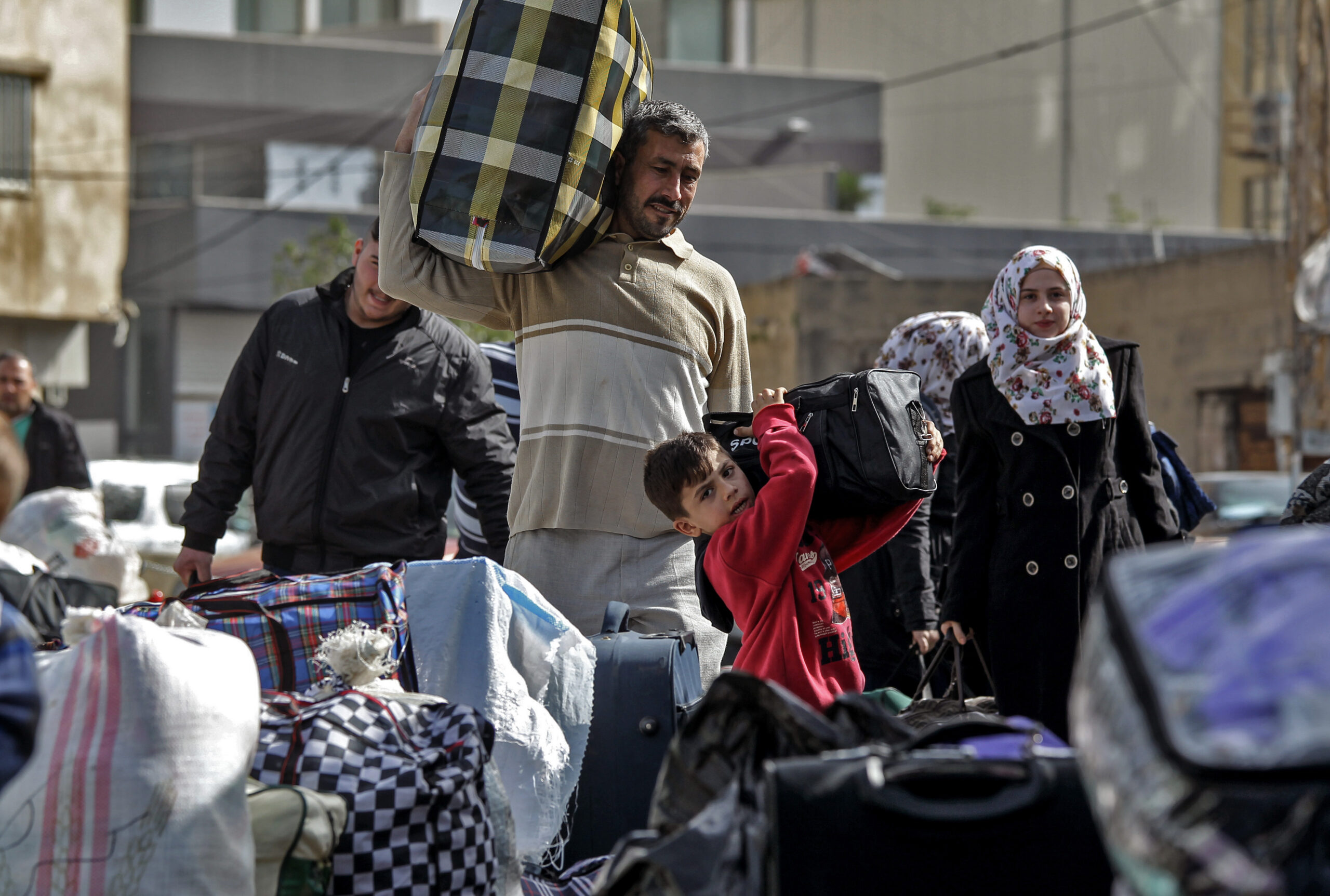
This essay explores political complexities of the country hosting the highest number of refugees per capita worldwide: Lebanon. Rampant corruption and sectarian rhetoric paired with political complexities now threaten the lives and futures of Syrians residing in Lebanon. This article discusses two of these major complexities below and explain their implications on Lebanese and Syrians residing in some of the country’s most impoverished areas.
The Middle East and its role in the global economy
Too many of the world’s economies are still struggling. Who right now can help them and in the process most help itself? We suggest it’s the Middle East, but only once the region takes on a long overdue leadership role in the global economy’s financial regulatory and development bodies.
Monday Briefing: Ships sabotaged in the Gulf amid rising tensions with Iran
In this week’s Monday Briefing, MEI experts Alex Vatanka, Robert S. Ford, Jonathan M. Winer, and Gonul Tol provide analysis on recent and upcoming events including the sabotage this weekend of four ships off the coast of the UAE, the recent escalation of fighting in northwestern Syria, efforts to negotiate a ceasefire in Libya, and mounting concerns about Turkey’s economic health.
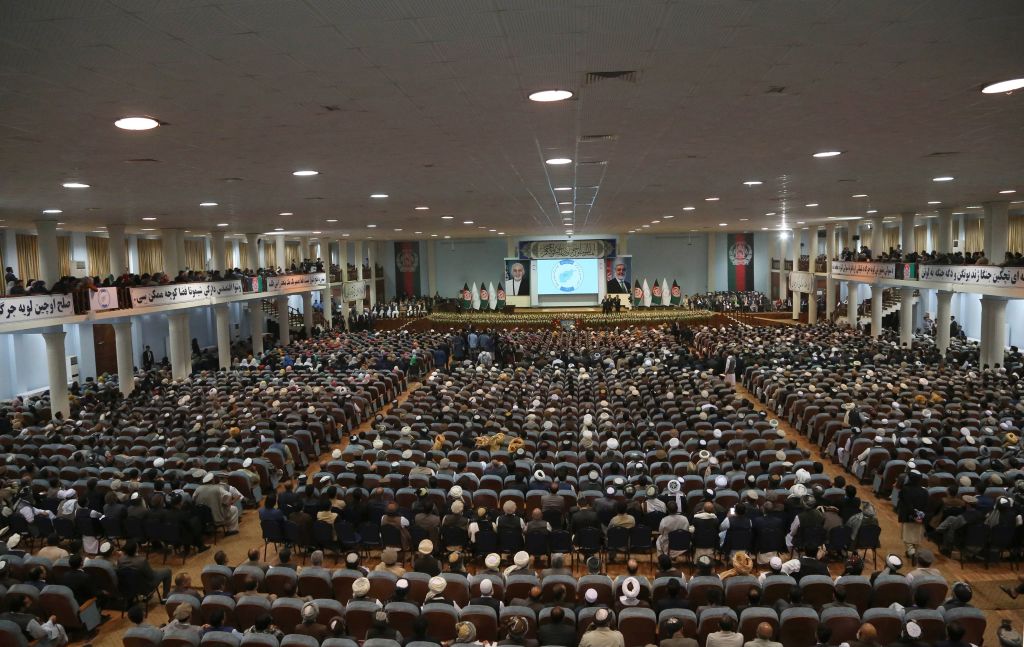
U.S. Special Representative Zalmay Khalilzad is holding talks with the Afghan Taliban to make sure the guns fall silent in Afghanistan. But getting the Taliban to agree on a ceasefire and engage in an intra-Afghan dialogue is severely testing Khalilzad’s negotiating skills; the fifth round of talks in Doha lasted for 16 days. If the intra-Afghan dimension cannot be made to work, it will likely lead to not only a more complicated political process, but also a far more dangerous one.
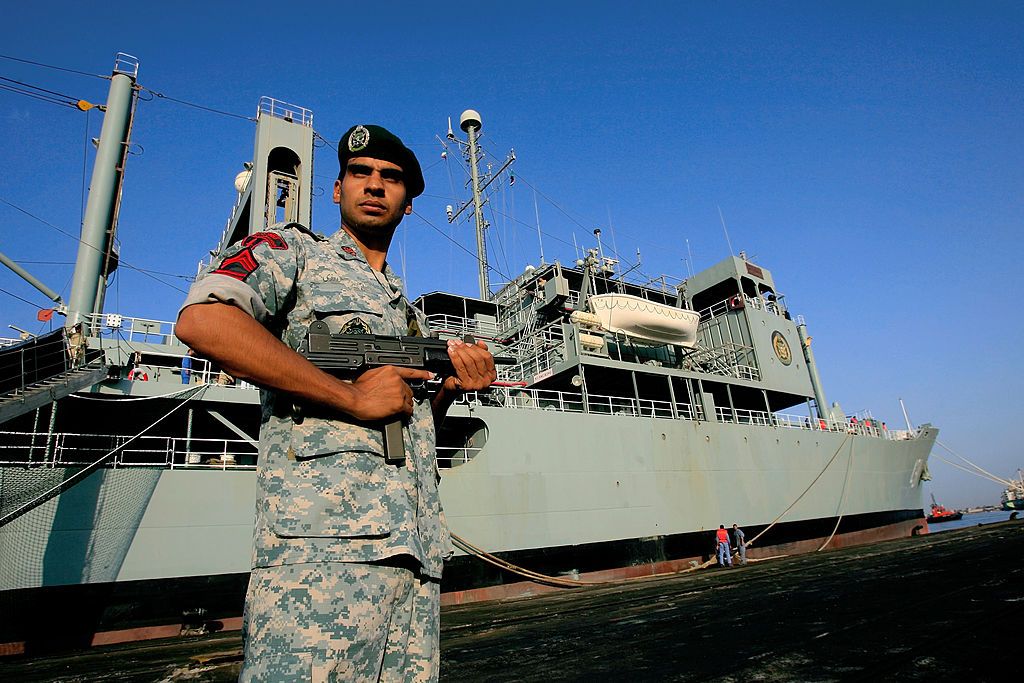
Much analysis of the geopolitical ramifications of President Omar al-Bashir’s ouster last month has focused on how Sudan fits into the larger struggle between the Middle East’s Sunni powers, but Iran is also part of the equation as well. Saudi and Emirati leaders have a number of objectives in Sudan and preventing the Islamic Republic from re-establishing a foothold in Africa is one of them. Indeed, Riyadh and Abu Dhabi are determined to ensure that Khartoum remains firmly in the anti-Iranian camp, following its realignment between 2014 and early 2016.
Sri Lanka’s Easter Sunday Bombings: Moving Forward
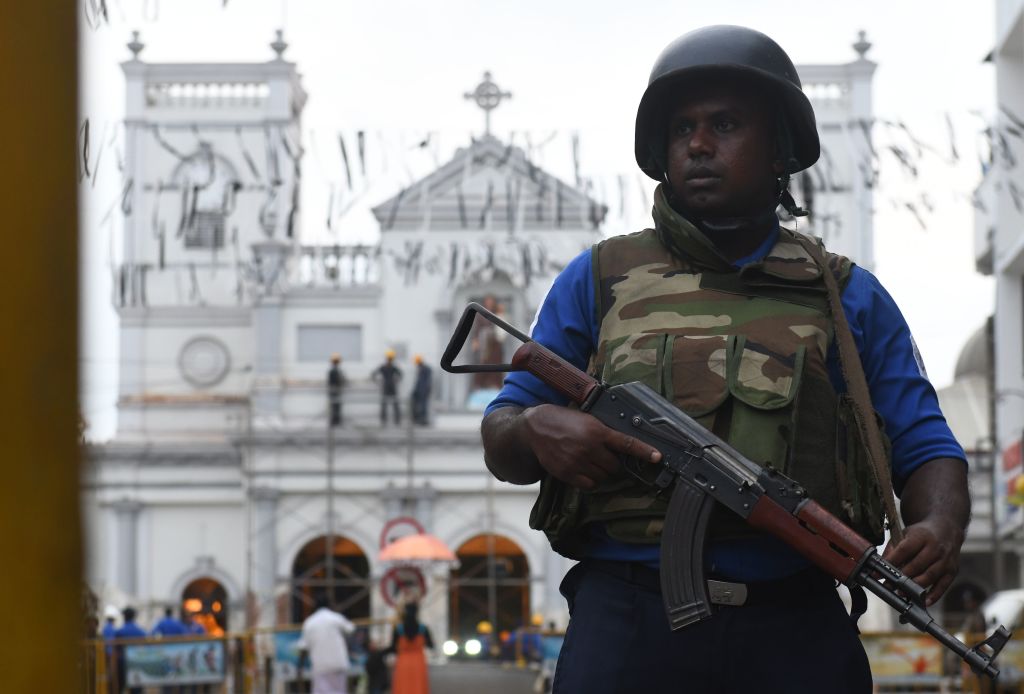
On Easter Sunday (April 21), a series of devastating terror attacks struck popular churches and high-end hotels in Sri Lanka. These tragic events rocked the nation and reverberated across Asia and beyond. This article discusses the circumstances surrounding the bombings and the authorities’ initial responses to them, and suggests ways to help reduce the risk of extremist violence in Sri Lanka.
With elections set for the fall, Tunisian voters are searching for leaders to emerge who can tackle issues of political fragmentation, long standing economic problems, growing protests, and a volatile regional environment with civil war in Libya on one side and political upheaval in Algeria on the other. Sarah Yerkes, a fellow with the Carnegie Endowment’s Middle East program, and Sharan Grewal, postdoctoral fellow at the Brookings Center for Middle East Policy, join host Alistair Taylor to discuss.