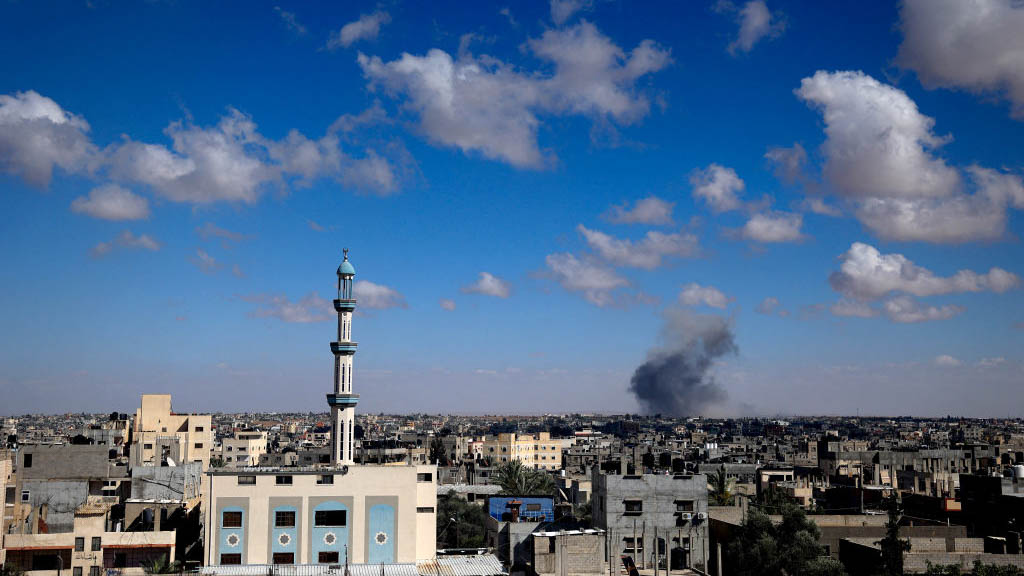
Rafah operation won’t help Israel escape its political doom loop
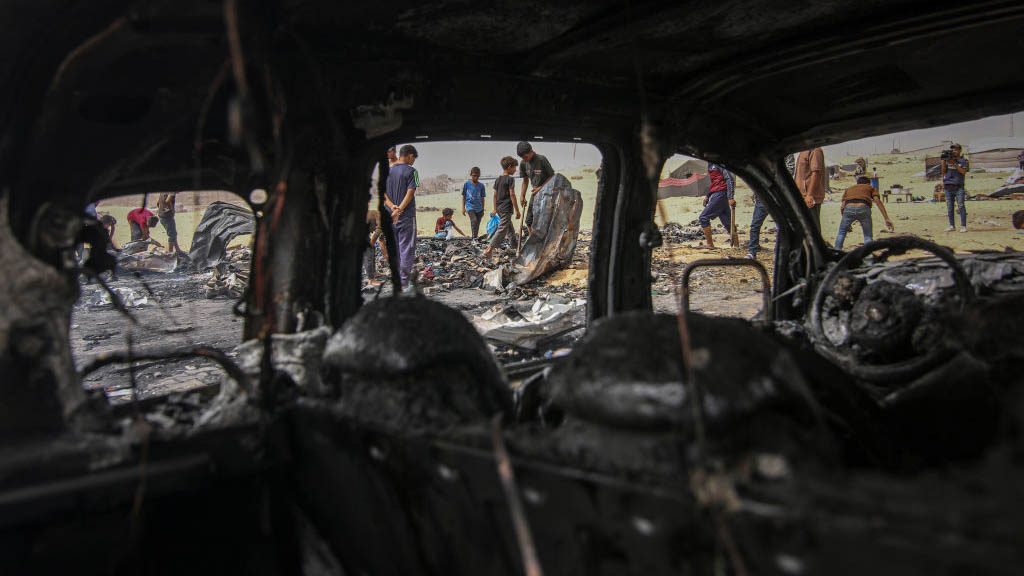
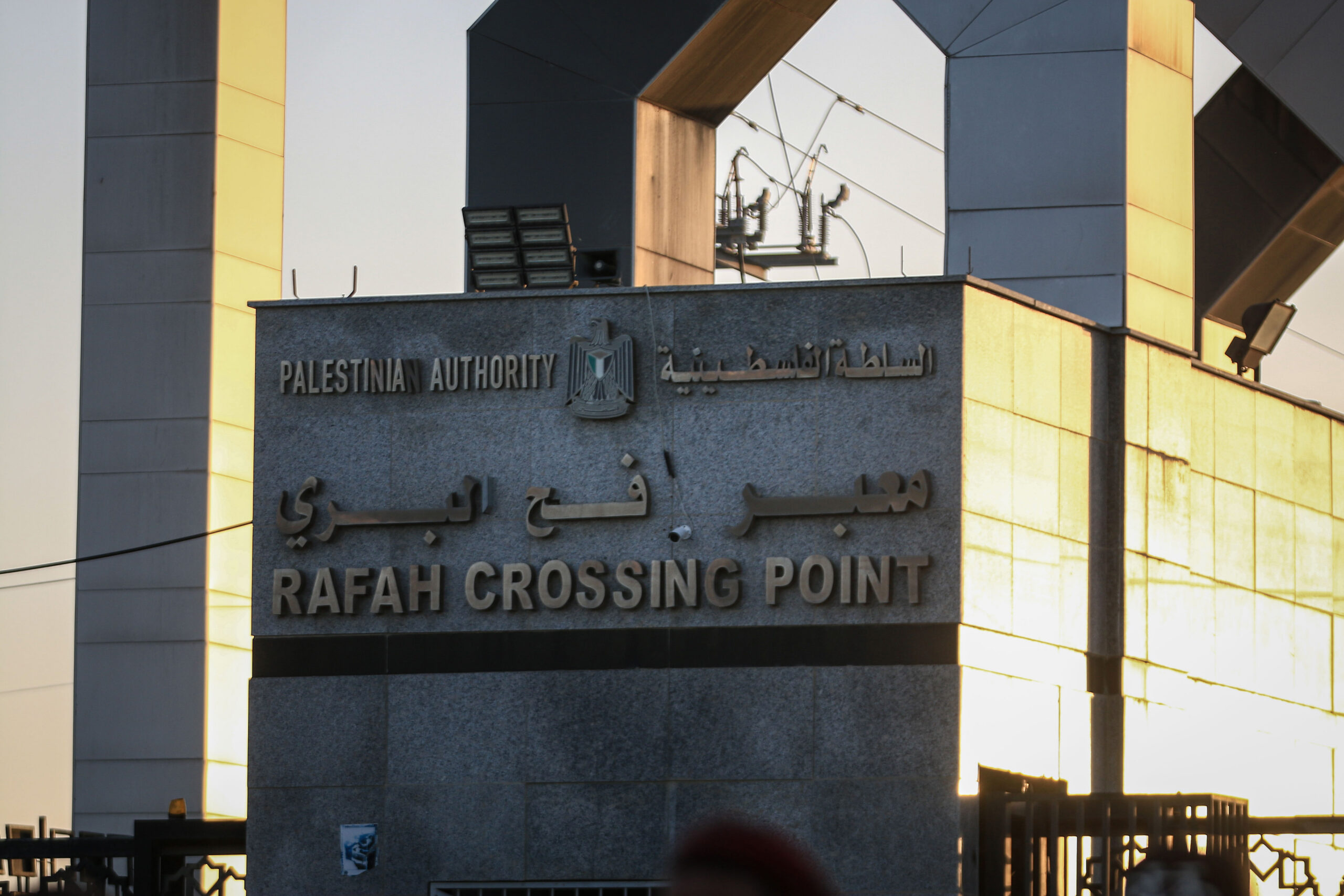
As the ongoing attempts to revive a ceasefire and hostage deal between Israel and Hamas are showing minimal signs of success, Israel is moving forward with its plan for an operation in Rafah, the most southern city in Gaza that borders Egypt. On May 6, the Israeli military issued an evacuation order for more than 200,000 Gazans in the southern-west part of the Gaza Strip.
Deterrence Reasserted? Debating Iran's Missile Capabilities and Willingness to Use Force
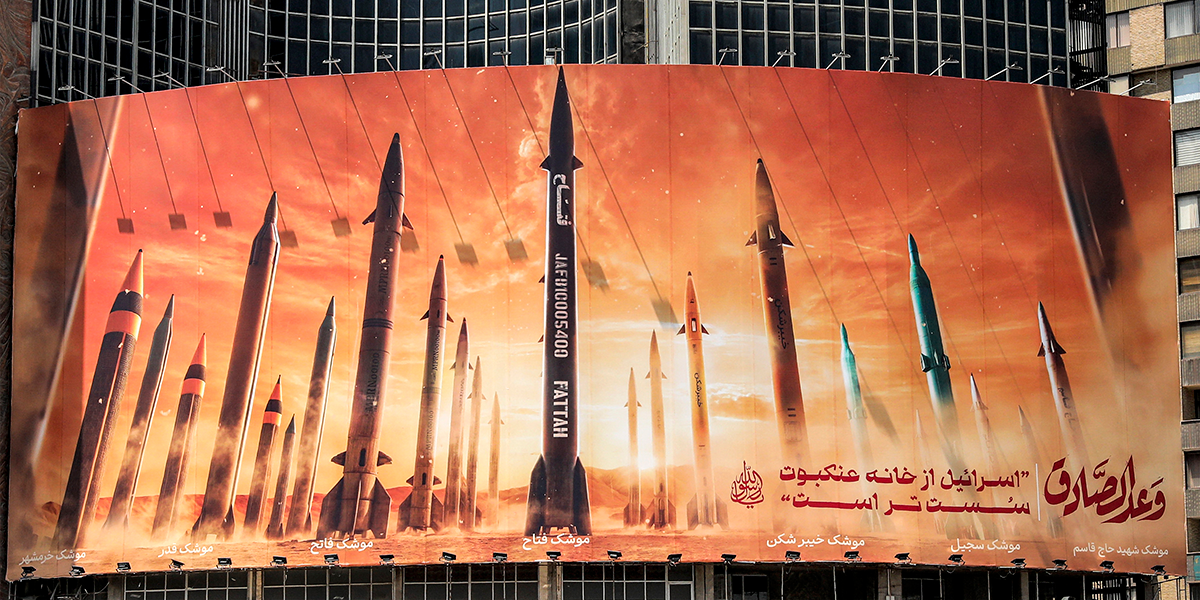
On this week’s episode, David DesRoches and Abdolrasool (Farzam) Divsallar, a Non-Resident Scholar with MEI’s Iran Program, speak to MEI Managing Editor Matthew Czekaj on Iran’s April 13 missile and drone attack on Israel and what it reveals about both countries’ attack and deterrence capabilities.
As the Knesset reconvenes, Israel’s newly elected municipal leaders can help foster change in national politics
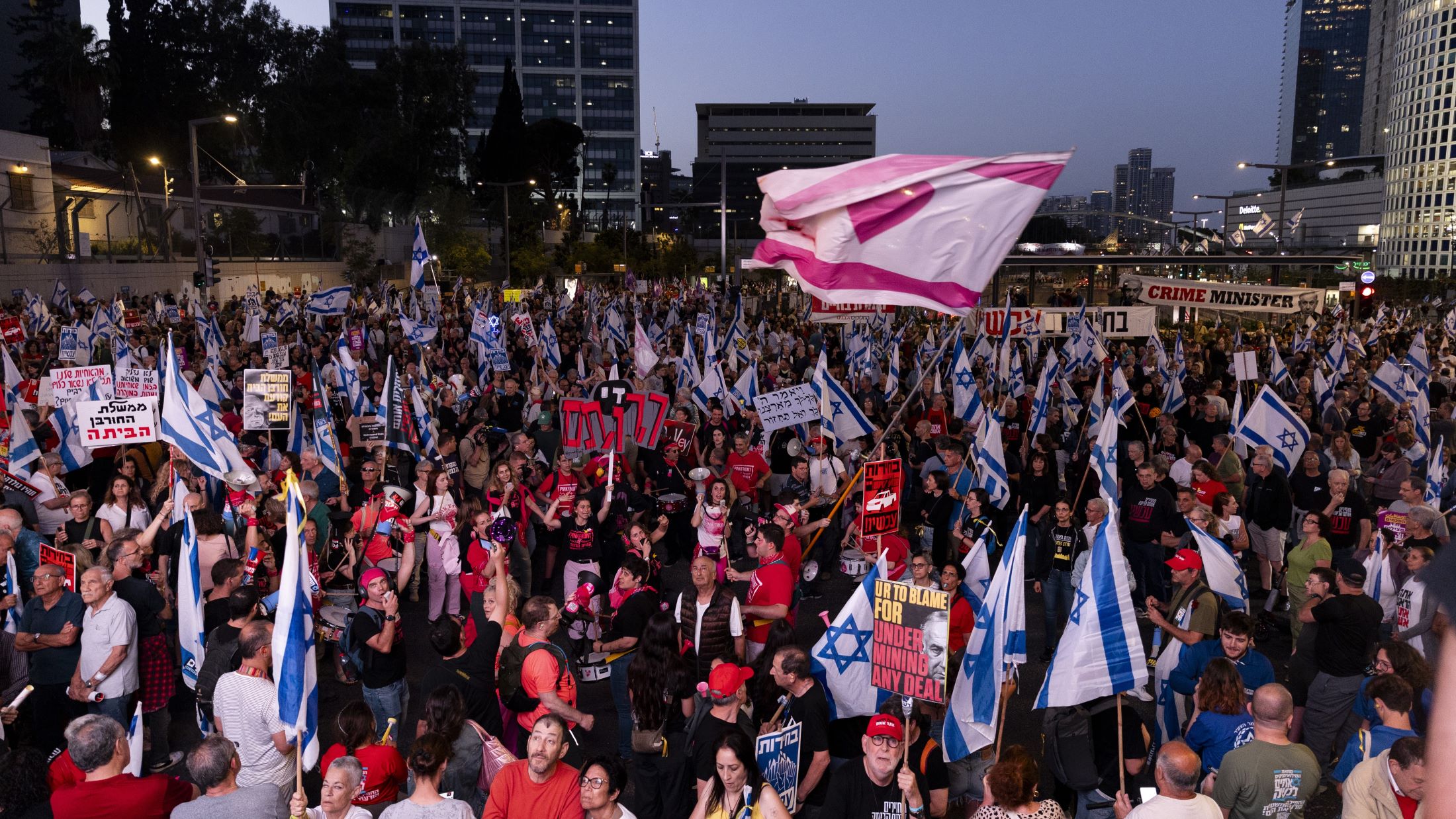
Following a year of protests and as the war with Hamas and Hezbollah enters its eighth month, the domestic scene in Israel looks poised for a political transition. Pro-democracy mayors and city councils across the country have grown increasingly influential when it comes to safeguarding and advancing liberal values. They are now better positioned and more motivated to make an impact on Israeli national politics, particularly as early elections look ever more likely.
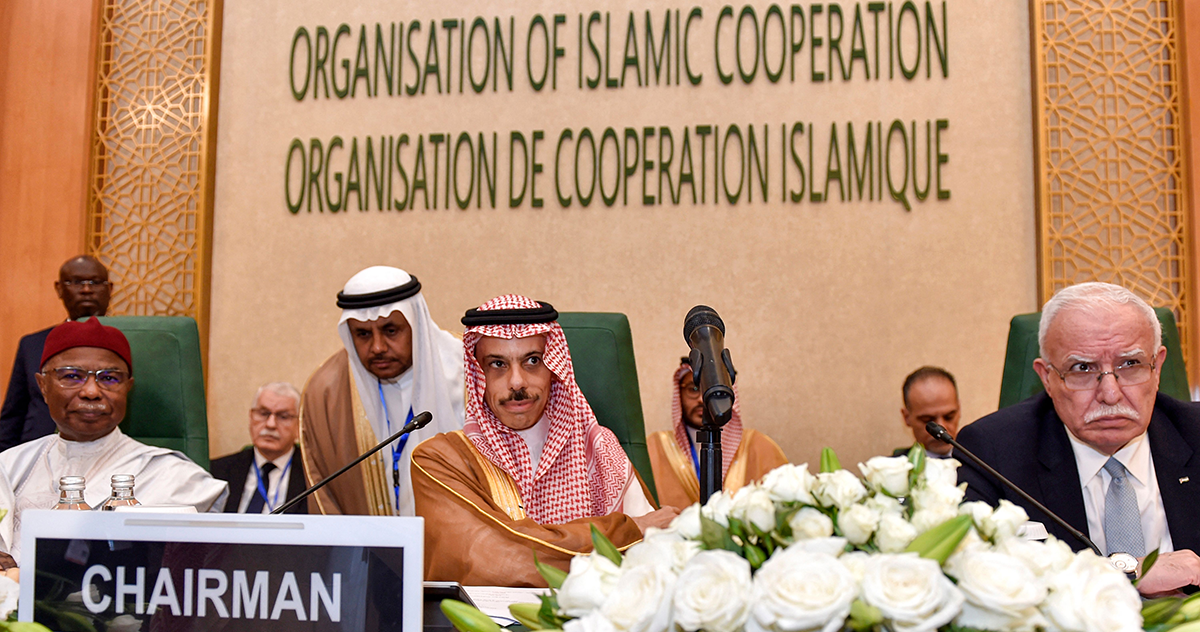
Riyadh and Tehran use OIC to mend ties, but its sway is limited
A year after the restoration of diplomatic relations between Saudi Arabia and Iran, the two countries are working to ease regional tensions in the Middle East in exchange for promises of improved bilateral cooperation. But strains persist in the relationship between Riyadh and Tehran, and the two capitals are using the Saudi-based Organization of Islamic Cooperation, which includes members from 57 Muslim countries, to try to bridge their differences.
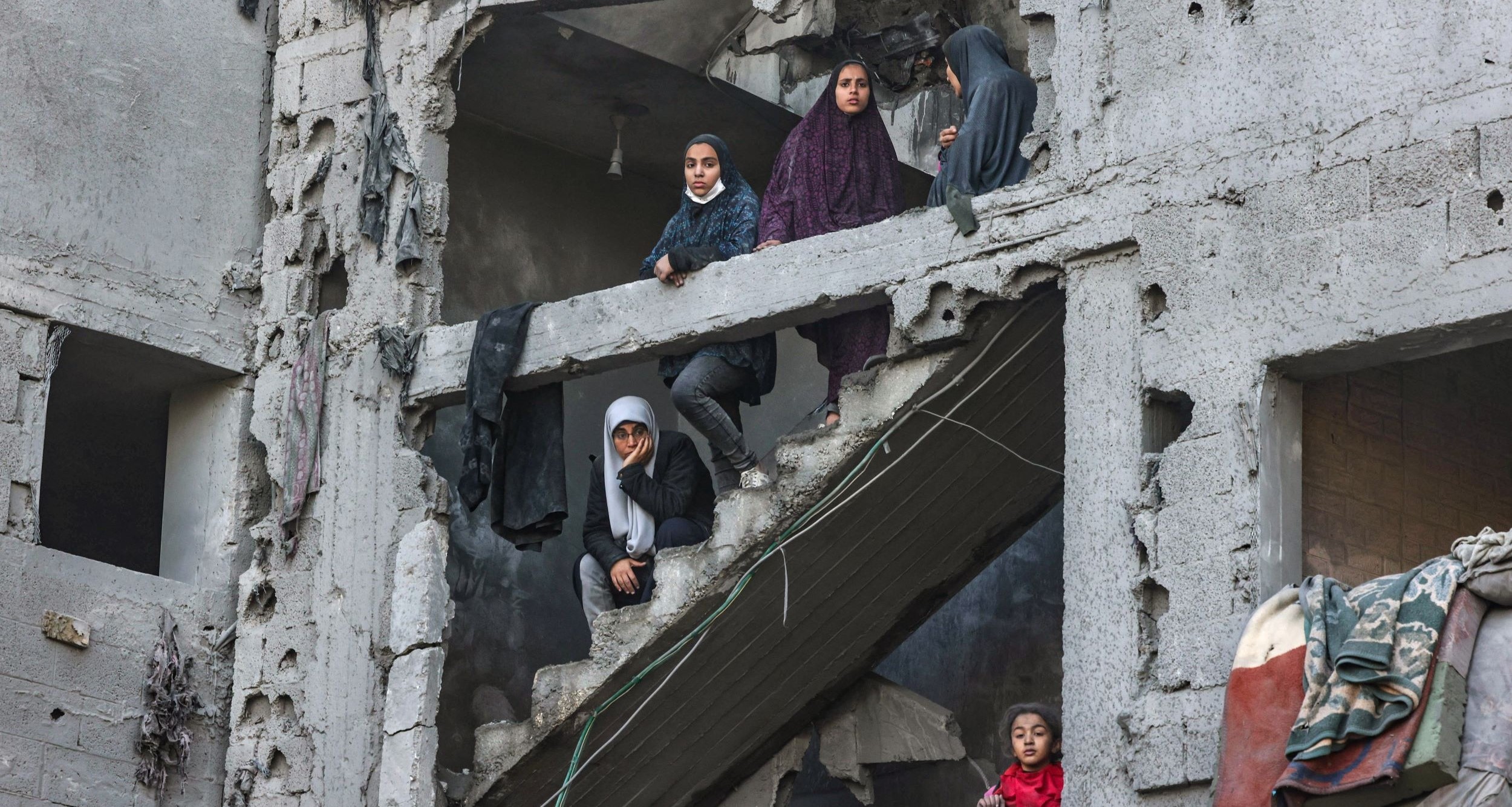
Human shields or shielding Israel from accountability?
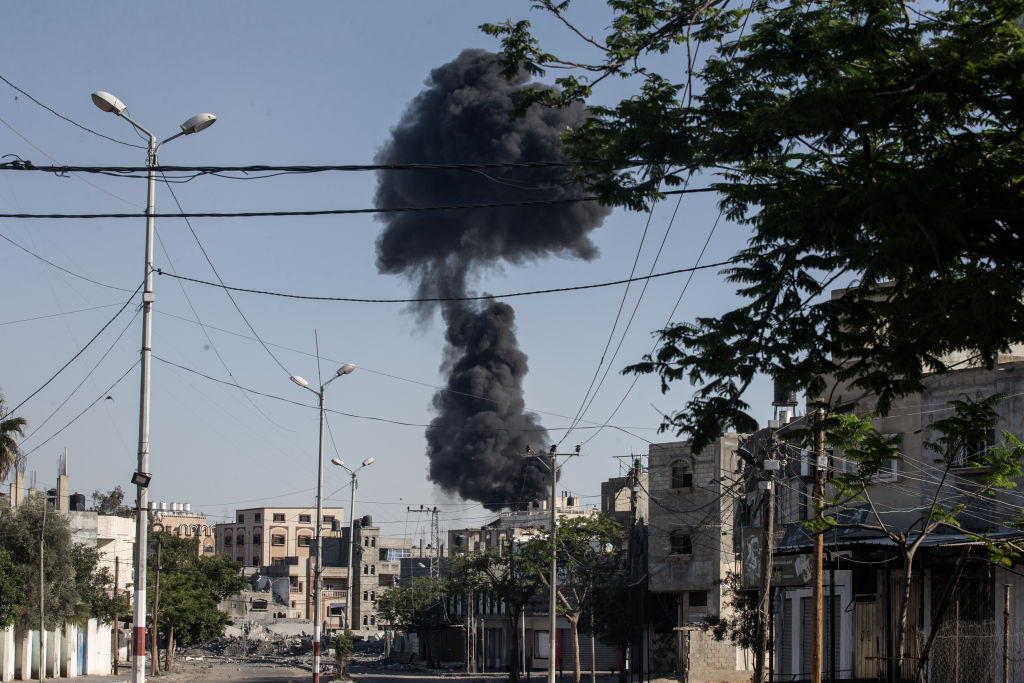
Israeli leaders insist that the extreme destruction in the Gaza Strip is unavoidable given Hamas’ use of “human shields” and the fact that the militant group has embedded itself among the civilian population and routinely operates from civilian structures like hospitals and schools. But far from explaining the current devastation, the questionable “human shields” charge has become a way to shield Israel from legitimate scrutiny and accountability.
Israel in the Red Sea during the War in Gaza: Strategic insights
In recent months, Israel’s situation in the Red Sea has grown increasingly challenging in the security, economic, and diplomatic spheres. But the country is in a better position to meet these challenges and threats by leveraging the strategic regional partnerships it has developed over the past several years.
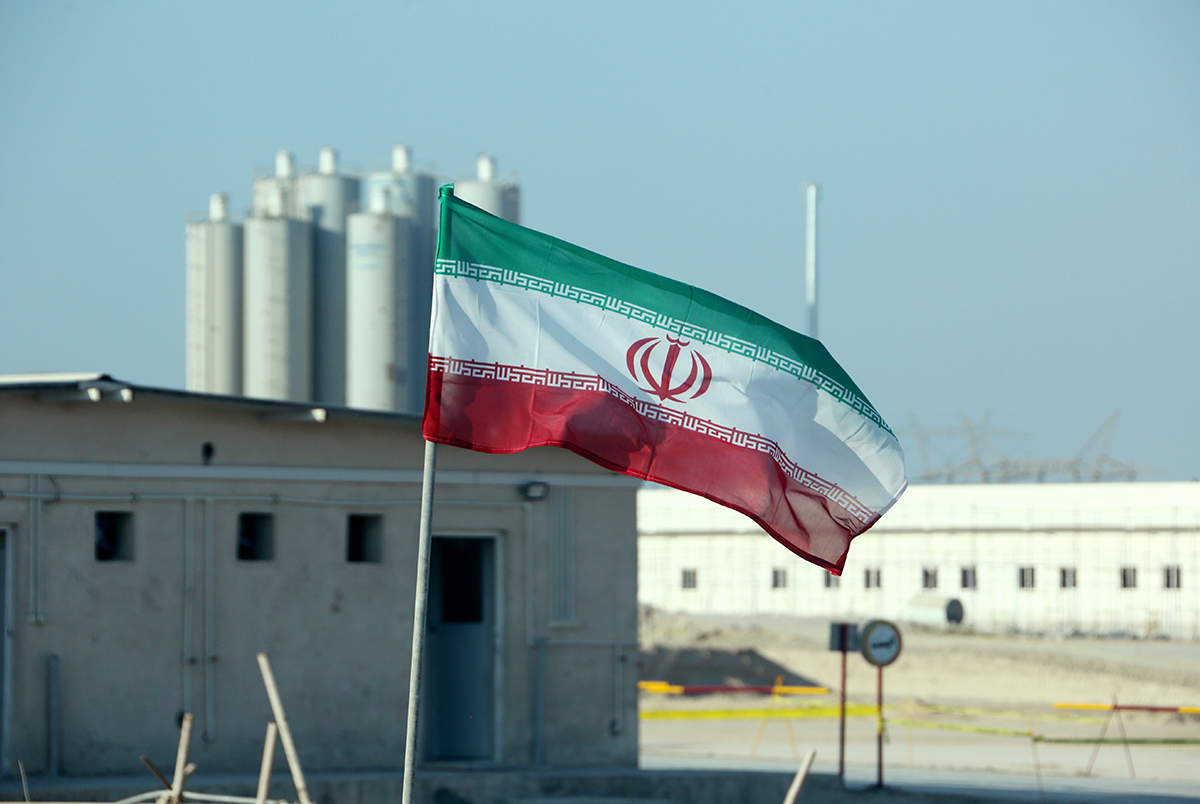
Iran’s new nuclear policy between deterrence and pragmatism
The recent escalation in tensions between Israel and Iran has sparked concerns about a potential shift in Tehran’s strategy toward full weaponization of its nuclear program. Under the current circumstances though, maintaining its status as a threshold nuclear power is likely to be Iran’s chosen strategy, in line with its broader shift from strategic patience to active deterrence.
As Armenia gradually reorients toward the West, Azerbaijan faces its own geopolitical choice
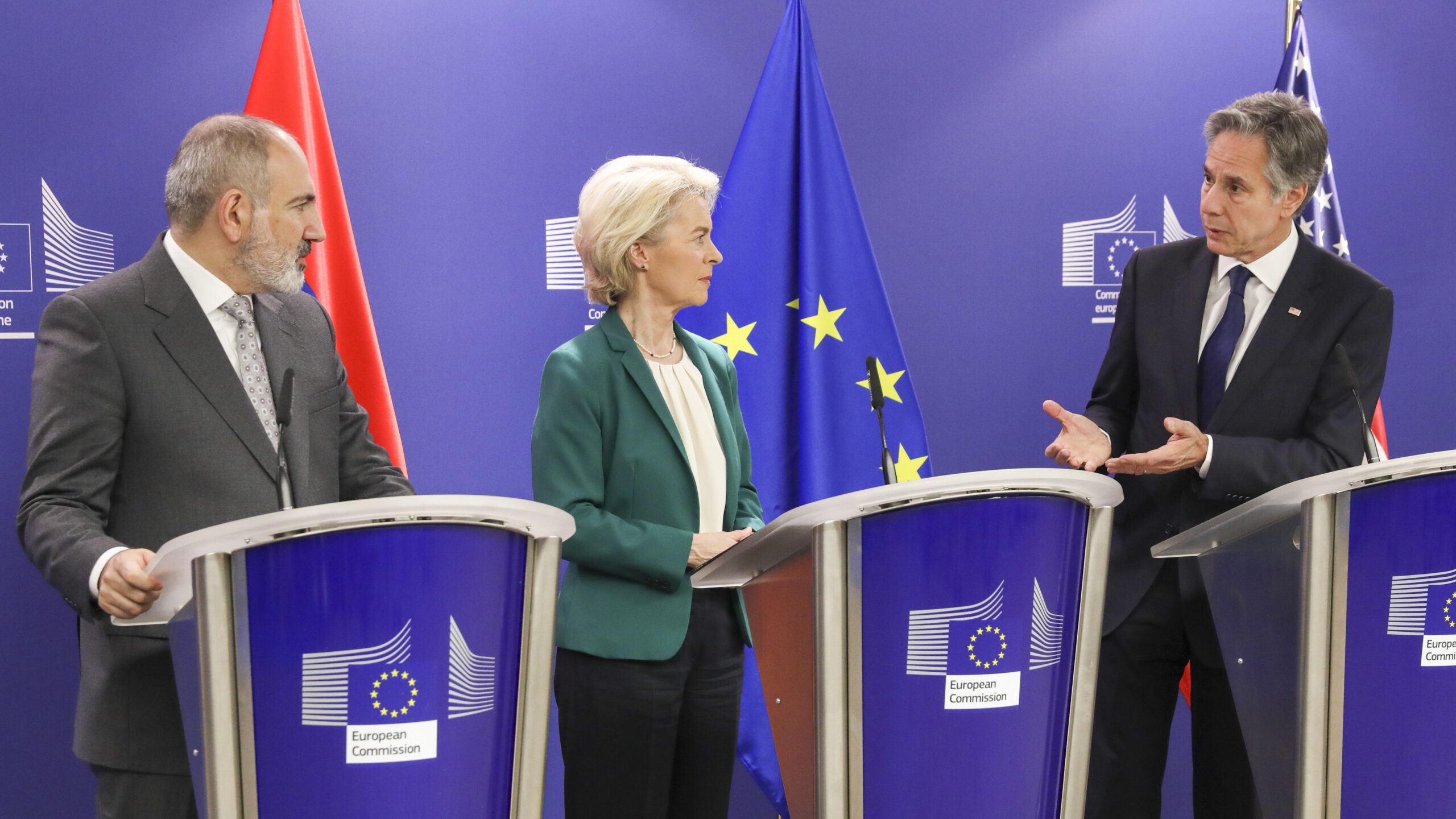
In early April, a highly publicized trilateral meeting involving the United States, the European Union, and Armenia was widely believed to mark a turning point in Yerevan’s relationship with the West. If it comes to pass, it will present Baku with its own critical decision: whether to abandon multi-vectorism and more fully align with Russia or the West.
“The IRGC has become a multi-headed dragon”: A conversation with Mohsen Sazegara about the IRGC’s emergence and evolution
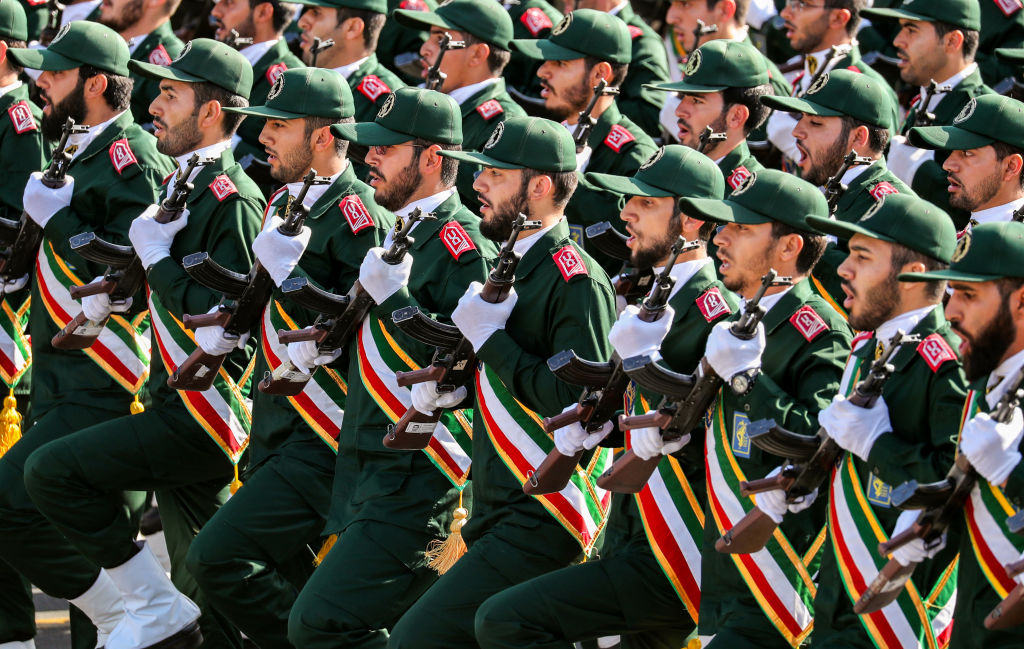
This month marks the 45th anniversary of the founding of Iran’s Islamic Revolutionary Guard Corps (IRGC). Mohsen Sazegara, a non-resident scholar with MEI’s Iran Program, was one of the group’s founders and a member of its first board of commanders. He later became a journalist and a reformist political activist. He was arrested and imprisoned four times before ultimately leaving Iran. He was interviewed by MEI in early May.
The way out of the war in Gaza will shape Israel-Egypt relations for years
March 26, 2024, marked the 45th anniversary of the signing of the peace agreement between Israel and Egypt. Over the years, this bilateral settlement has proven its stability and resilience, despite a series of crucial challenges. Yet the Begin-Sadat legacy, and the benefits it brings, is now in jeopardy.
It’s time for Tehran to take a cold, hard look at its proxy strategy
The recent blow-for-blow strikes by Iran and Israel are bound to result in some introspection in Tehran. It is the first time since the launch of the “Axis of Resistance” some 20 years ago that Tehran has to choose whether it wants to center its entire national security strategy around the conflict with Israel. Going forward, Tehran could choose to handle this conflict through political and diplomatic means rather than via the Axis of Resistance.