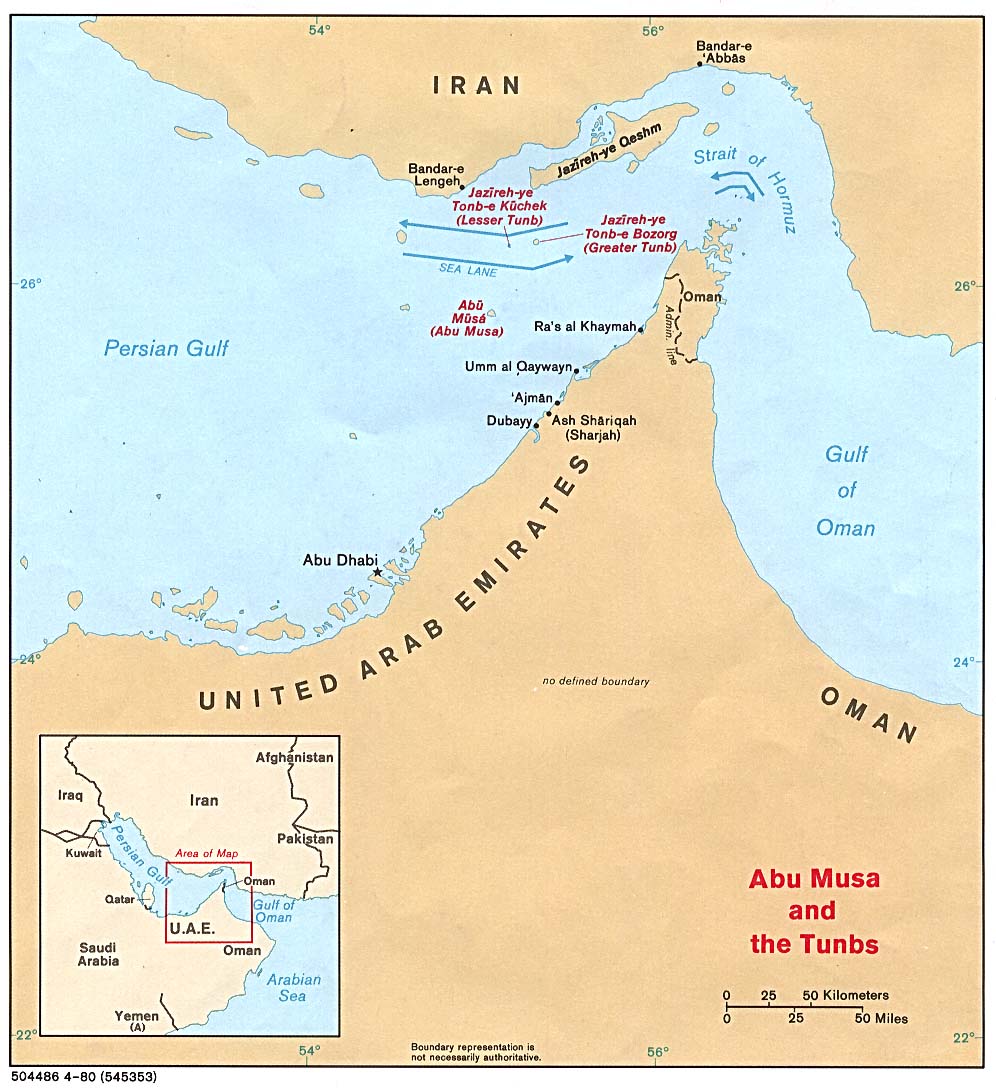
Oman is strategically positioned across the Gulf of Oman from Iran, north of Yemen, and east of Saudi Arabia. It has arguably been able to secure its rapid economic growth—spurred by oil riches—by maintaining neutral, if not friendly, relations with these neighbors, including Iran. Yet while Oman has successfully kept itself neutral, it still inhabits a precarious location. It shares with Iran the Strait of Hormuz, a waterway that Iran has threatened to close due to its charged relations with the GCC countries and the United States, who rely on the Strait to transport oil to world markets.
Interview with Indian Ambassador (ret.) Ranjit Gupta: Cairo, Egypt — The First Posting (1965-1968)
Even before I left India for Cairo, I had the impression that there was a special relationship between India and Egypt. Indeed, within a few weeks of my arrival in Cairo, I found tangible manifestations that it was indeed so and discovered many more in due course.
The Middle East Institute is proud to host MEI Scholar Dr. Charles Schmitz for a discussion about Yemen’s political future. Two years after the start of anti-government protests in Yemen, the country remains torn by political divisions and rivalries. Schmitz will examine the political challenges ahead and whether or not the country’s upcoming National Dialogue holds the key to stabilizing Yemen.
The Middle East Institute is proud to host MEI Scholar Dr. Charles Schmitz for a discussion about Yemen’s political future. Two years after the start of anti-government protests in Yemen, the country remains torn by political divisions and rivalries. Schmitz will examine the political challenges ahead and whether or not the country’s upcoming National Dialogue holds the key to stabilizing Yemen.
The Middle East Institute is proud to host MEI Scholar Dr. Charles Schmitz for a discussion about Yemen’s political future. Two years after the start of anti-government protests in Yemen, the country remains torn by political divisions and rivalries. Schmitz will examine the political challenges ahead and whether or not the country’s upcoming National Dialogue holds the key to stabilizing Yemen.
The Middle East Institute is proud to host MEI Scholar Dr. Charles Schmitz for a discussion about Yemen’s political future. Two years after the start of anti-government protests in Yemen, the country remains torn by political divisions and rivalries. Schmitz will examine the political challenges ahead and whether or not the country’s upcoming National Dialogue holds the key to stabilizing Yemen.
The Middle East Institute is proud to host MEI Scholar Dr. Charles Schmitz for a discussion about Yemen’s political future. Two years after the start of anti-government protests in Yemen, the country remains torn by political divisions and rivalries. Schmitz will examine the political challenges ahead and whether or not the country’s upcoming National Dialogue holds the key to stabilizing Yemen.
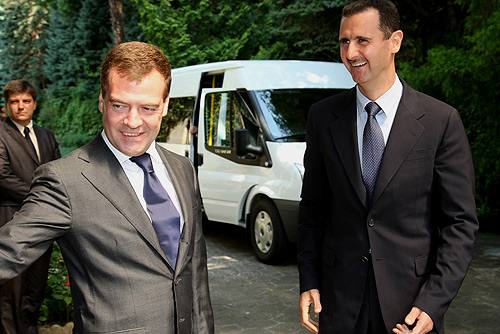
The Russian government, like its counterparts in the West, the Middle East, and elsewhere, was caught off guard by the outburst of Arab uprisings beginning in January 2011 that swept away long-ruling authoritarian regimes in Tunisia, Egypt, Libya, and (it appears) Yemen, and have threatened to topple those in Bahrain and Syria. The response of the Russian government to these events has, like that of Western governments, often been confused and inconsistent. Just as Western governments have done, Moscow has sought to protect its interests in the region.