Looking to the archives: What history tells us about Iran-Saudi relations
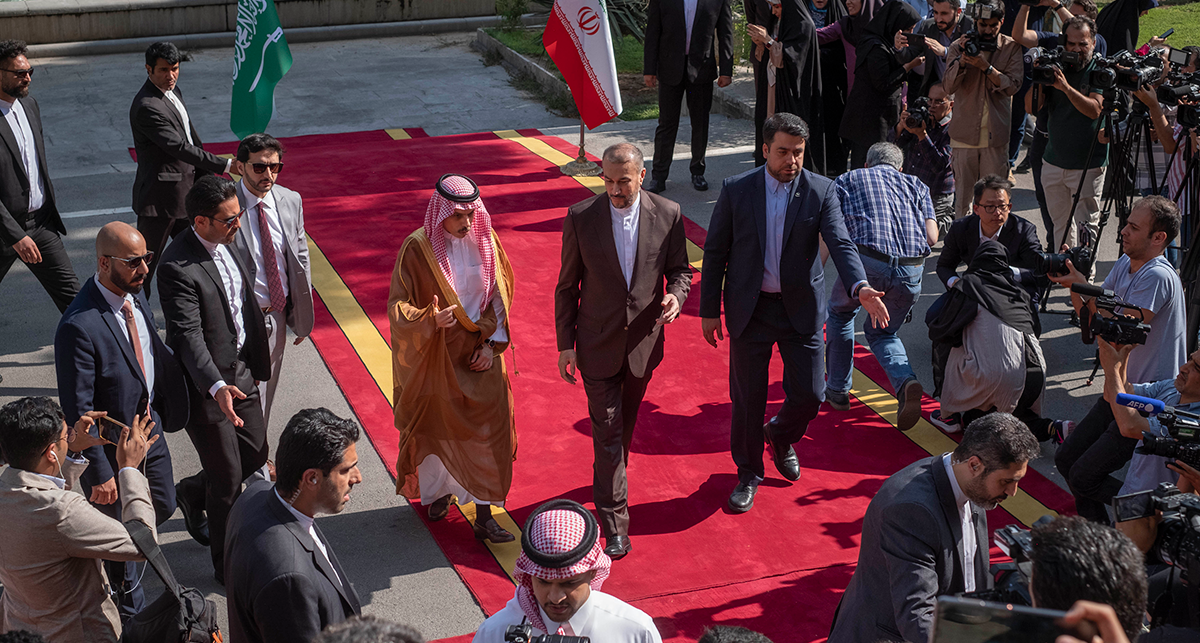
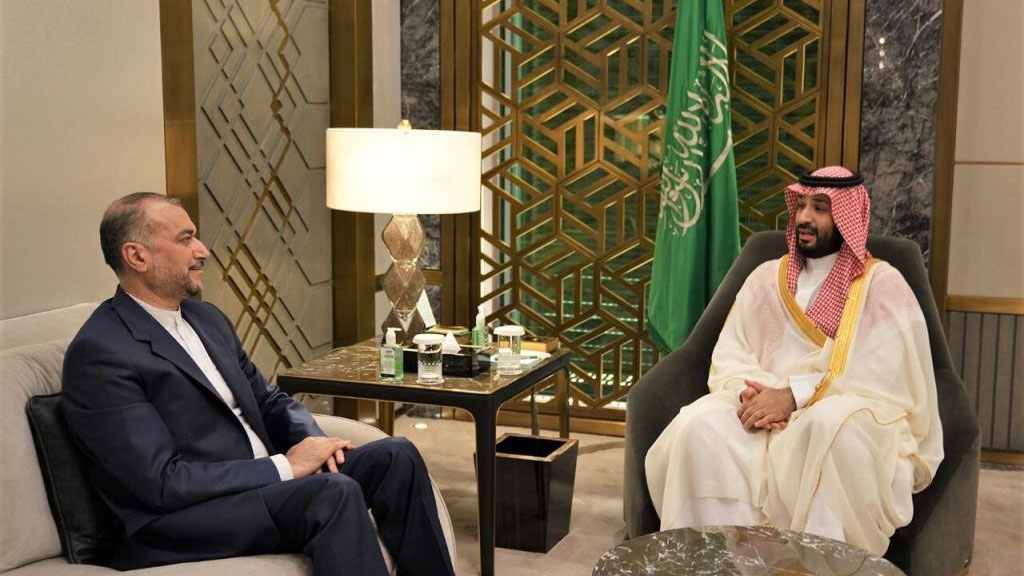
Relations between Iran and Saudi Arabia have been in the spotlight over the past six months, following the March 2023 China-brokered agreement to normalize ties seven years after they were cut off. The connections go back much farther, however. Indeed, as a new archival report on Iranian-Saudi diplomatic history makes clear, they even predate the founding of the current Saudi kingdom in 1932. Below are a series of excerpts from the report, highlighting key themes that emerge from the archives, many of which continue to resonate today.
Iran, Russia, and the Caspian environmental crisis: A need for collaboration
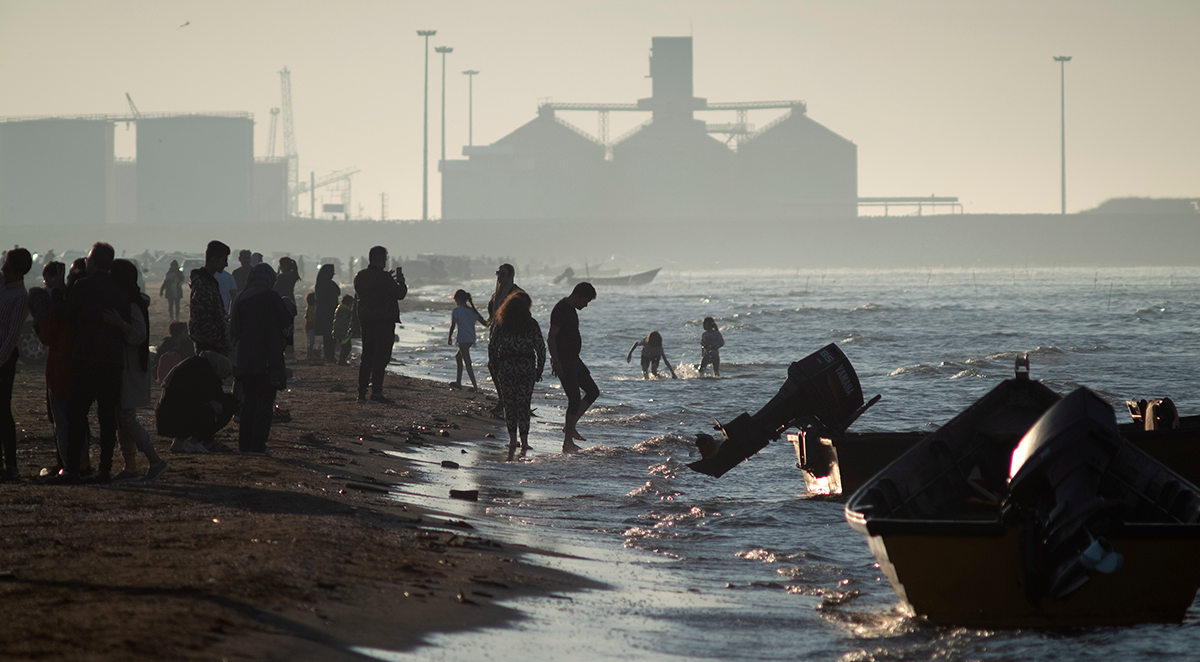
The Caspian Sea, the world’s largest inland body of water, is steadily shrinking. The lack of a solid legal framework surrounding the management of the sea among the littoral states, and particularly by Iran and Russia, has created a degree of ambivalence about where and how to limit ambitions related to oil, gas, fishing, and other environmentally harmful economic activities. If the impacts are not appropriately addressed, the consequences could be irreversible. But efforts to deal with shared environmental problems and maintain the Caspian Sea could also serve as an area for mutually beneficial cooperation between Moscow and Tehran, with a positive impact for other littoral states.
Putting Egypt-Turkey relations on a sustainable footing
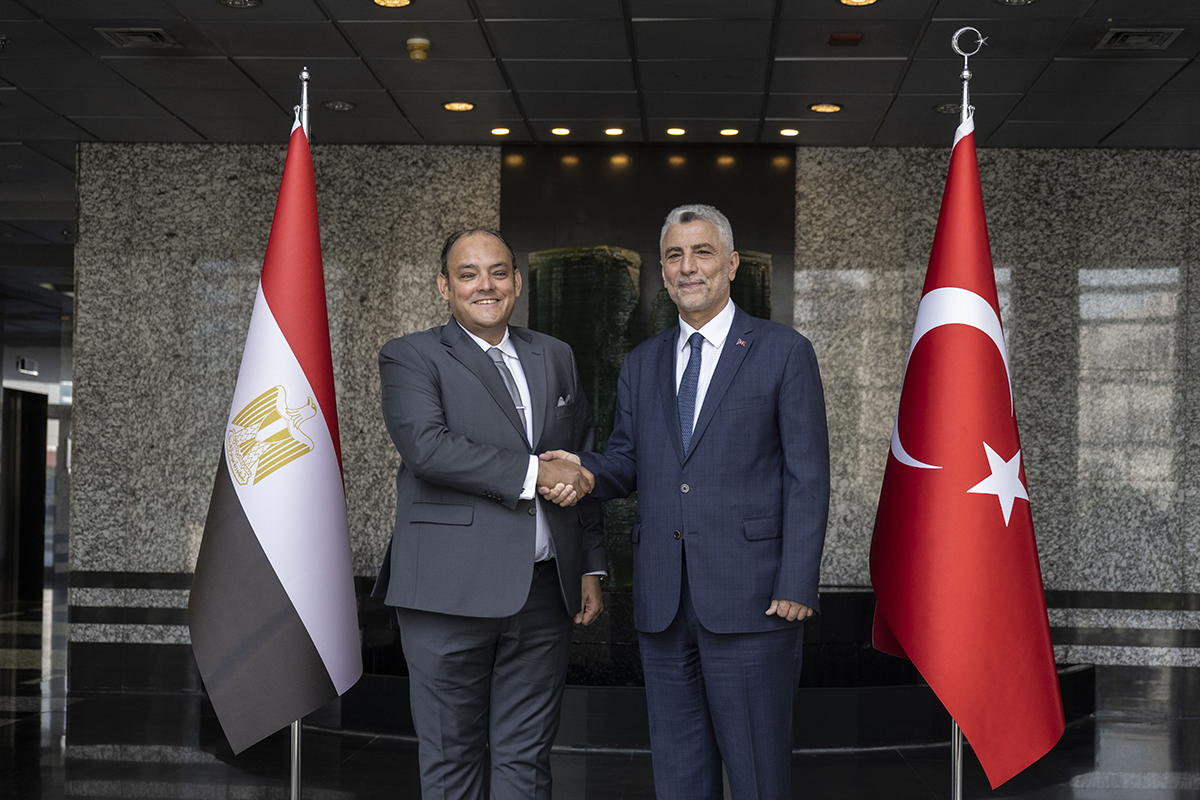
Turkey and Egypt, two influential regional players with a complex history of cooperation and conflict, are now working on mending their ruptured ties. As officials navigate this process, it is essential to identify practical steps to capitalize on the diplomatic breakthrough. Sustainable peace can only be ensured by shifting the focus from political ideology to shared interests. One way to do that is by creating an inclusive, multi-track process that involves state institutions, businesses, NGOs, academics, and the grassroots.
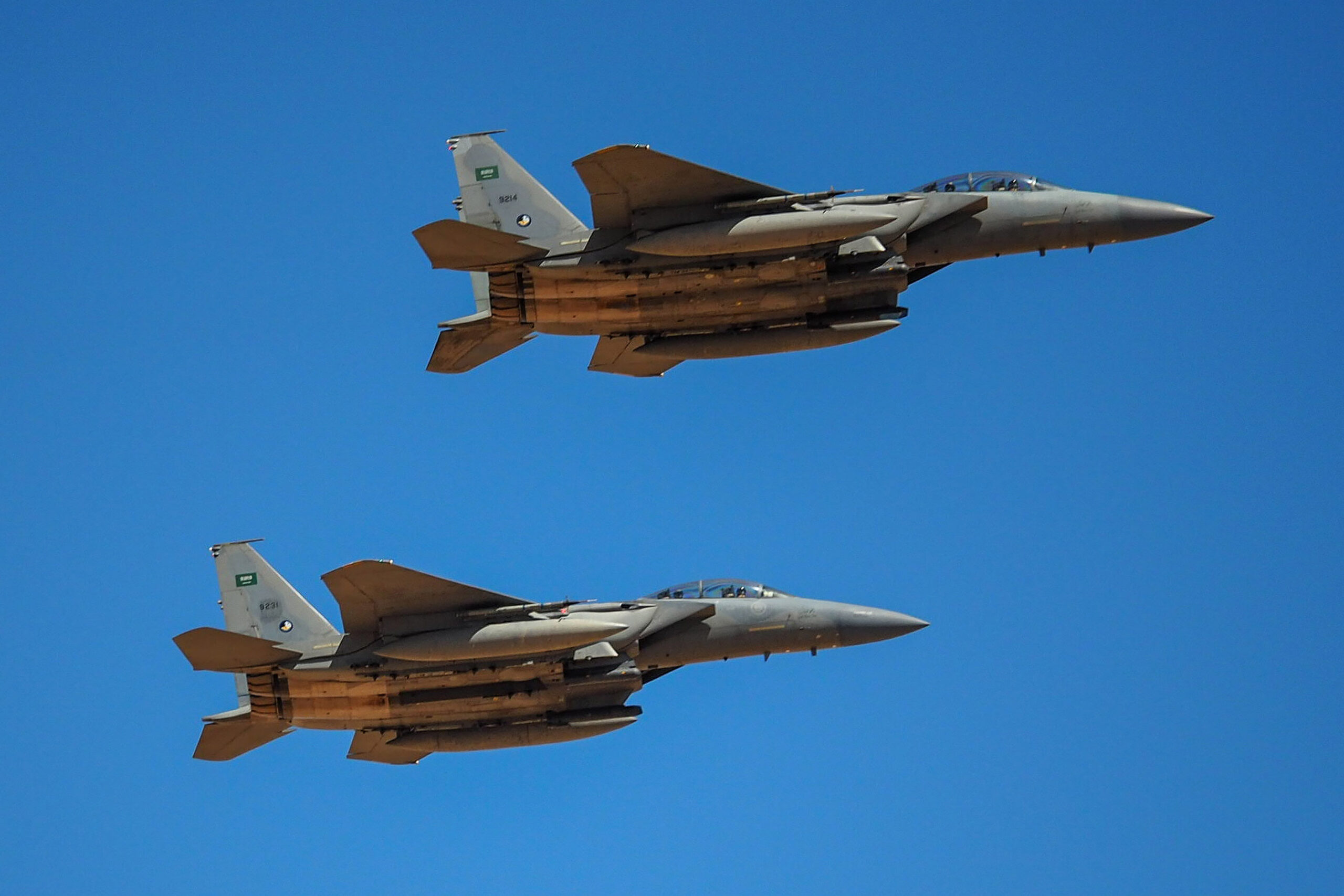
Of all the challenges to Saudi Vision 2030, arguably none is greater than Iran’s threat to Saudi national security. To succeed, Crown Prince Mohammed bin Salman must protect the kingdom, which will require not only fortifying its defenses against further Iranian and Houthi attacks but also establishing a level of deterrence against Tehran.
The dangerous precedent set by Tehran's recent international deals
When discussing the recent deal between Tehran and Washington to release five American prisoners in exchange for Iran gaining access to $6 billion in seized assets in South Korea, Iranian officials use a specific key phrase: “honorable diplomacy.” According to Iranian officials, “honorable diplomacy” means dealing with America and Europe from a position of strength. They claim that, even after the brutal suppression of the 2022 protests, they have successfully used their leverage with foreign adversaries to win unexpected concessions — a claim that, while potentially exaggerated, points to an unprecedented series of developments in recent months.
Making sense of the Taliban’s counterterrorism assurances
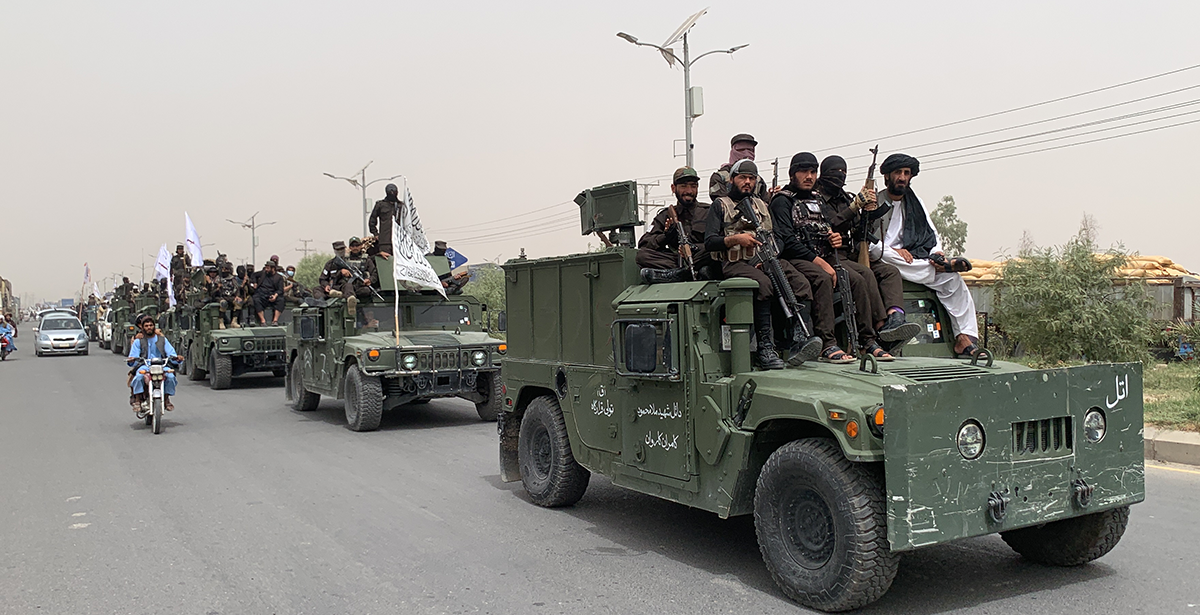
Two years on from the Taliban’s takeover of Kabul, Afghanistan’s neighbors are increasingly concerned that their return to power has emboldened terrorist groups and networks, which are using the hospitable environment to regroup, rearm, and recruit substantially. The main question now for Afghanistan’s neighbors in the region, and the international community more broadly, is just how reliable the Taliban’s counterterrorism assurances to other states really are.
Power cuts in Egypt: A political liability for Sisi ahead of the upcoming elections
A brutal heat wave tormenting Egypt since mid-July, resulting in lengthy and repeated power cuts, has turned into a political liability for President Abdel-Fattah el-Sisi ahead of his expected campaign to run for a third, six-year term early next year.
Iran gleefully eyes the protests in Israel, looking for weaknesses to exploit
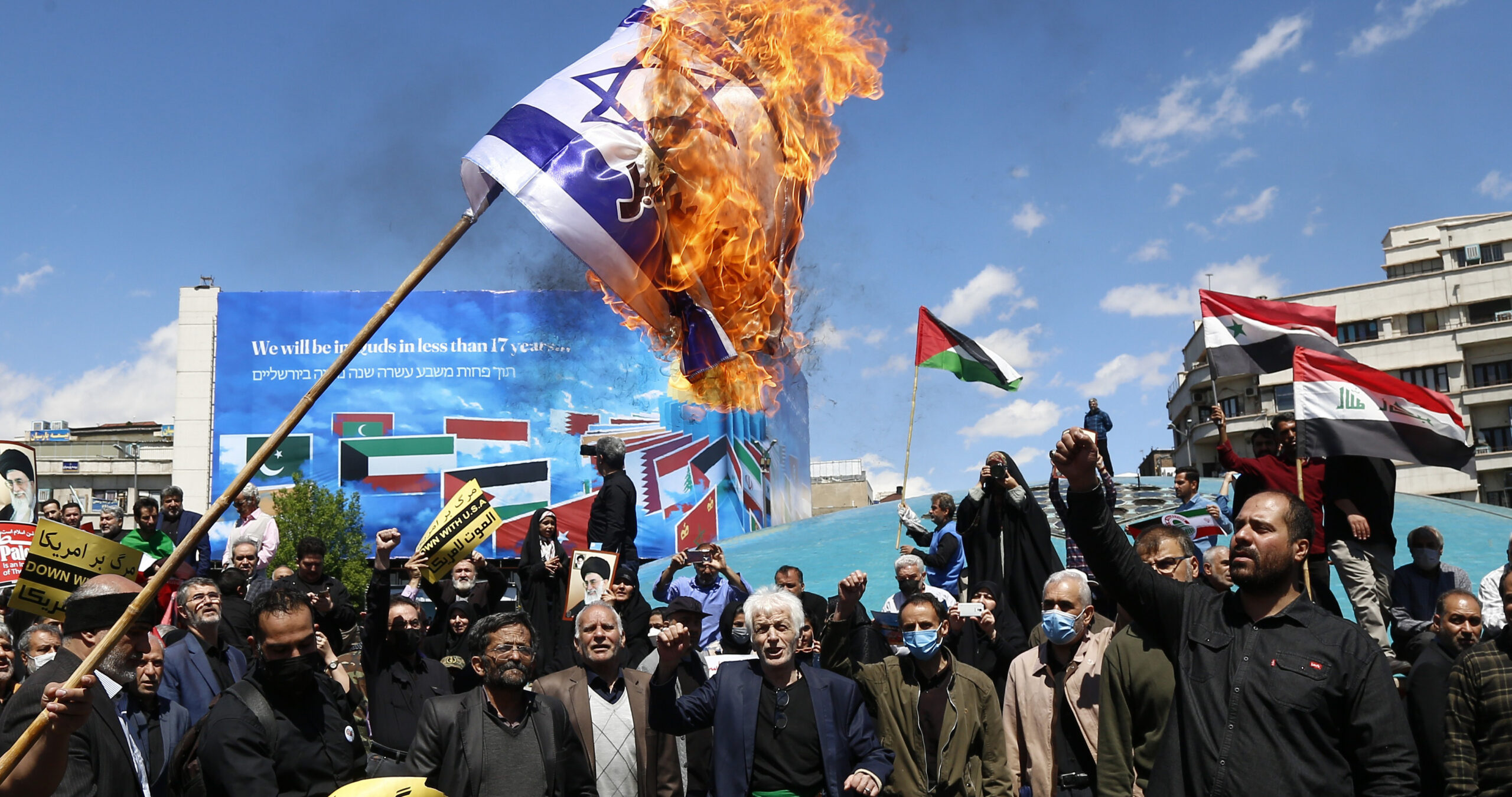
As Israel grapples with fundamental questions of identity and societal fissures years in the making, Iran and its Axis of Resistance continue to employ their escalation-ready approach of pushing the envelope in multiple geographic theaters, launching cyber operations to foment disunity in Israeli society, and attempting to neutralize the regional gains Israel has made after signing the Abraham Accords with several Arab neighbors in 2020.
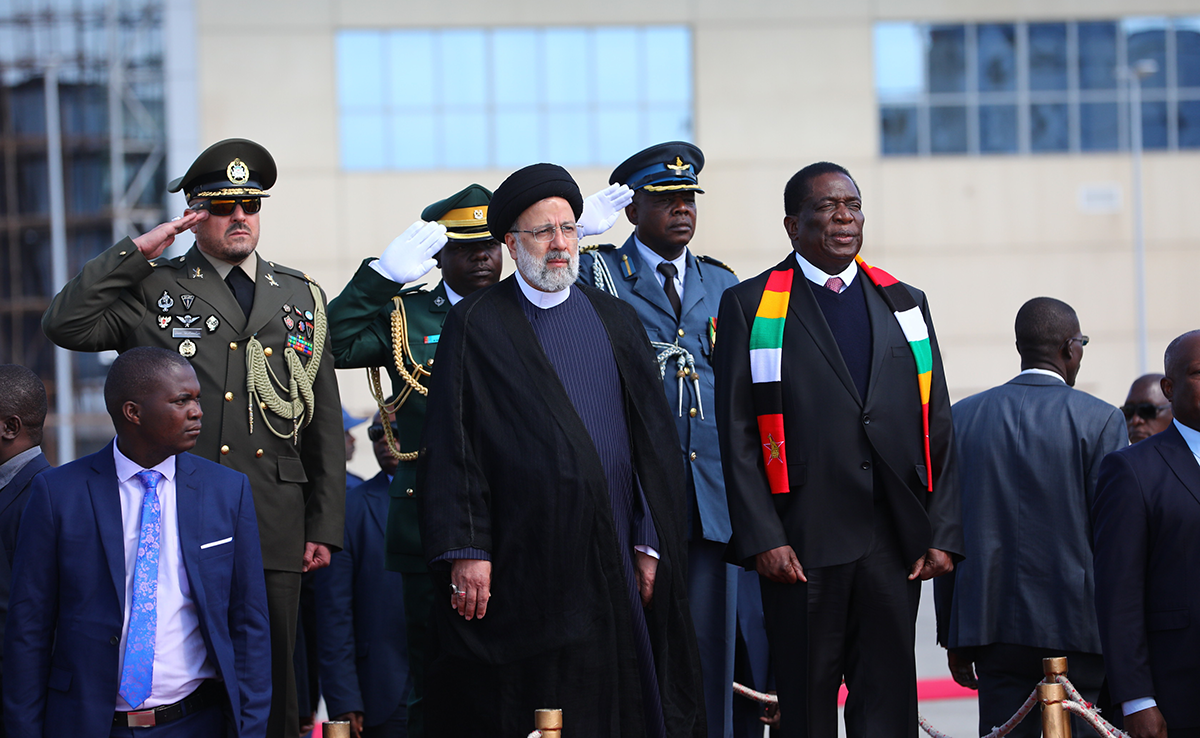
Iran’s renewed Africa policy: Raisi’s ambition and the perception of Western decline
Amin Naeni discusses the revival of Iranian foreign policy with non-Western states, particularly African nations, in light of President Raisi’s recent visit to the continent. Additionally, the piece touches upon how this process has differed between Raisi versus Ahmadinejad, and whether Raisi’s Africa policy will prove any more successful than his predecessor’s.
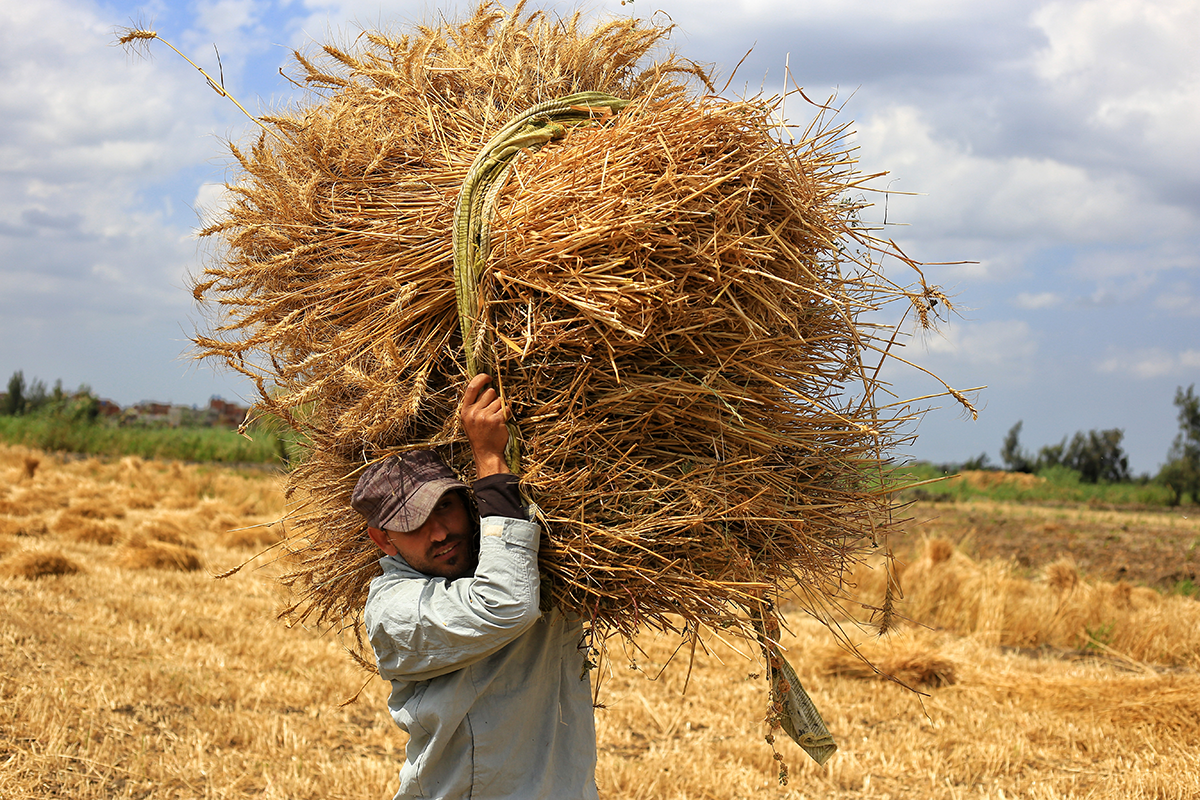
The Russia-Ukraine war forces Egypt to face the need to feed itself: Infrastructure, international partnerships, and agritech can provide the solutions
After 500 days of coping with the debilitating impact of Russia’s invasion of Ukraine, Egypt’s economy is faltering. At the core of the crisis is its fragile food security. Now, the Egyptian economy is fast approaching a tipping point and Cairo has no alternative but to boost its domestic agrifood production. In addition to building out its infrastructure, Egypt must also adopt cutting-edge agritech solutions to improve the water-use efficiency of the crops themselves.