Skip to Content

Research & Commentary Results

Filter by
1305 Results
It's Now or Never: Lebanon Policy Conference Key Takeaways
  • Analysis
  • It's Now or Never: Lebanon Policy Conference Key Takeaways

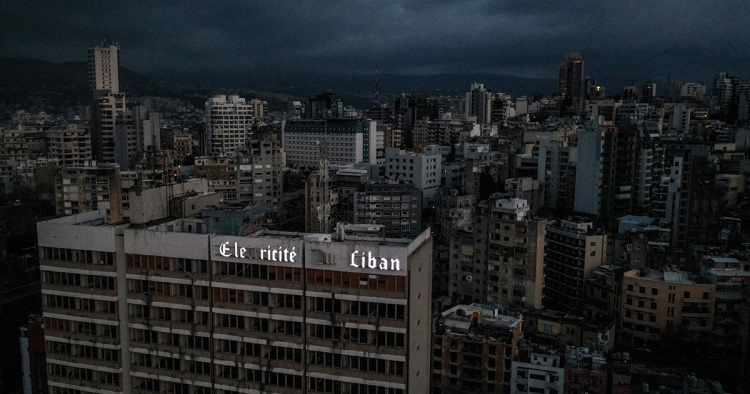
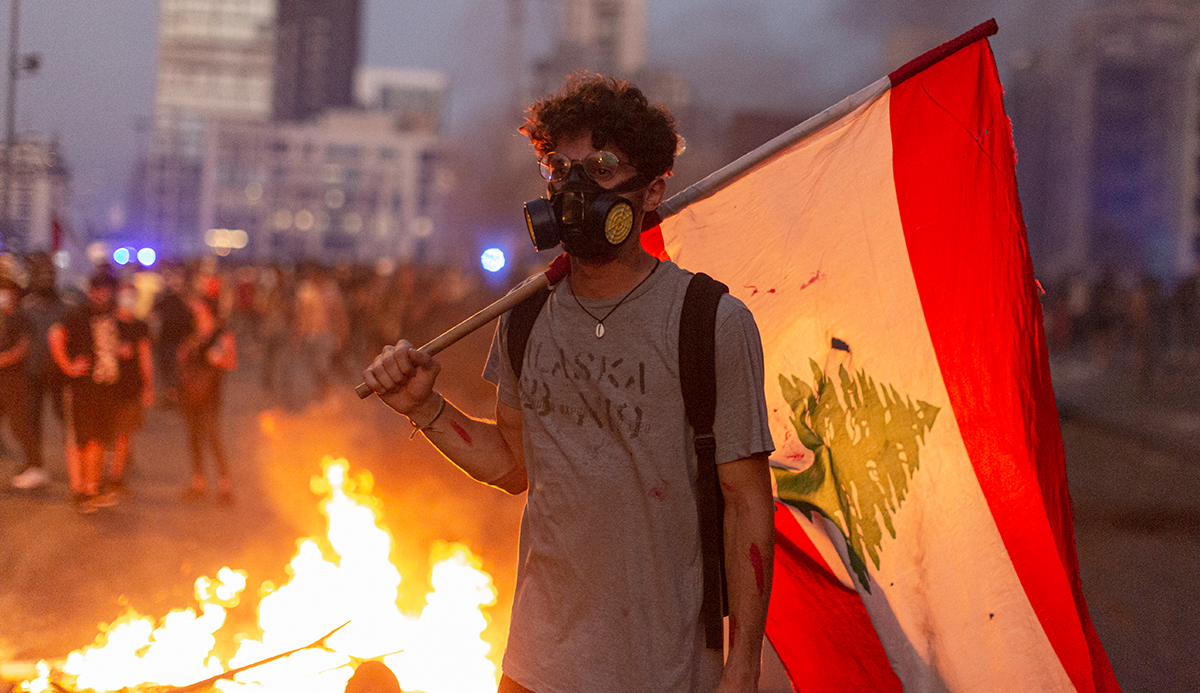
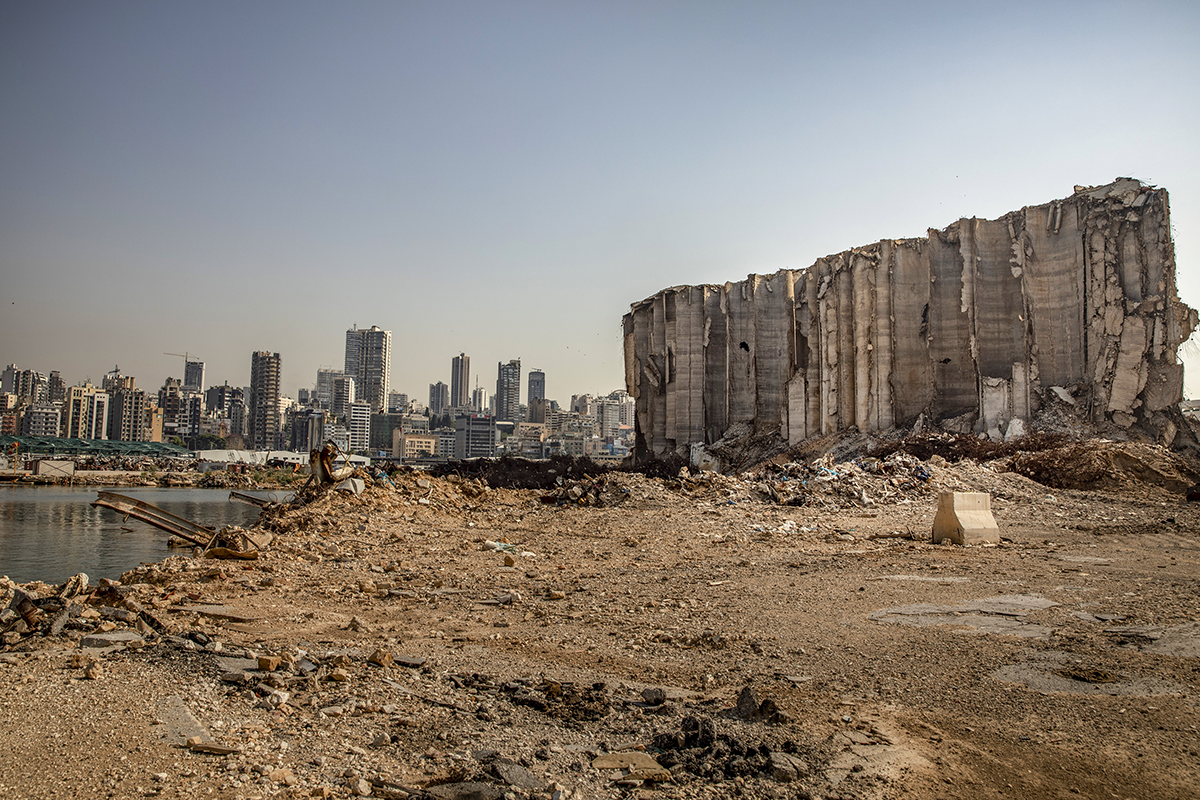
    Over the course of two weeks in May and June, the Middle East Institute hosted its inaugural Lebanon policy conference in collaboration with the American Task Force on Lebanon (ATFL) and LIFE. This series of events brought together leading diplomats, policymakers, economists, development practitioners, and think tank professionals from the U.S., Europe, the Middle East, and Lebanon to discuss the urgency and viable paths forward for the country’s political, financial, and humanitarian crises.

    June 15, 2021

    The policy consequences of Arab state normalization with the Assad regime
    Photo by MAHER AL MOUNES/AFP via Getty Images
  • Analysis
  • The policy consequences of Arab state normalization with the Assad regime

    The recent push by a number of Arab states to normalize relations with the Assad regime is based on the false premise that the war is over and it is necessary to restore ties to lobby Damascus to change its relationship with Iran. Other regional dynamics are also a factor: The UAE, for example, sees it as a necessary balance against what it perceives as adversarial actions by Turkey with the Syrian jihadist group HTS in Idlib. Yet these rationales for rehabilitating the Assad regime are completely fallacious. The downsides and policy consequences will not only affect Arab states, but will also harm American interests, making it difficult for the U.S. to fully pivot to address the rising threat from China.

    June 2, 2021

    The Growing Alignment Between the Gulf and the Eastern Mediterranean
    Photo by IAKOVOS HATZISTAVROU/POOL/AFP via Getty Images
  • Analysis
  • The Growing Alignment Between the Gulf and the Eastern Mediterranean

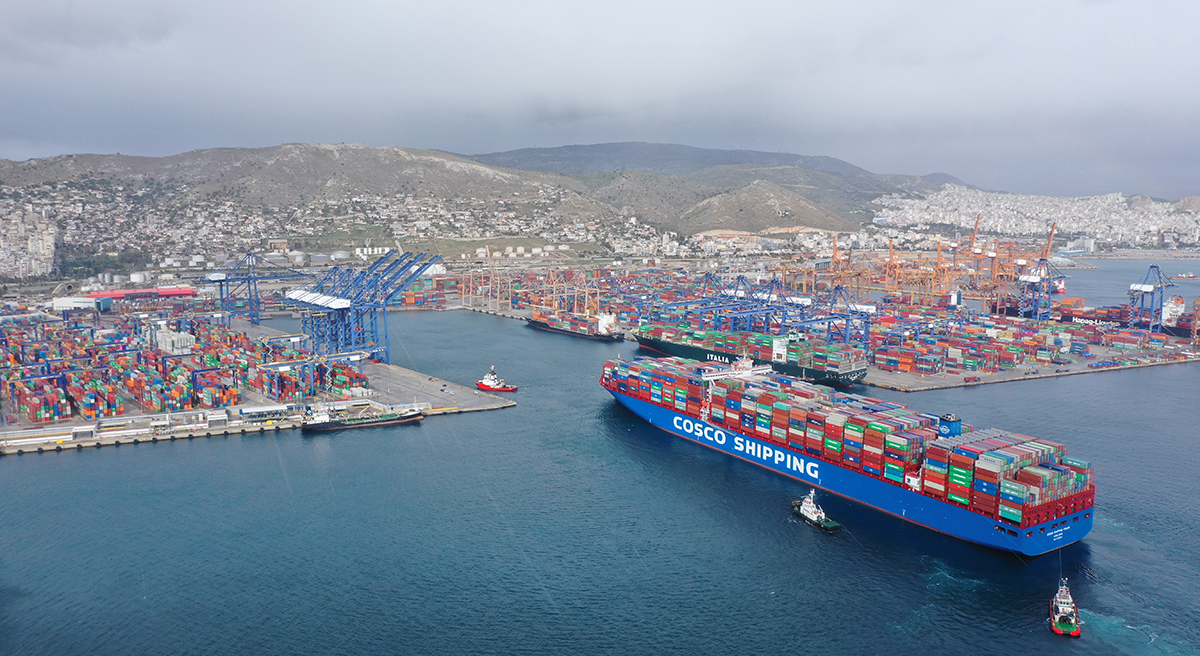
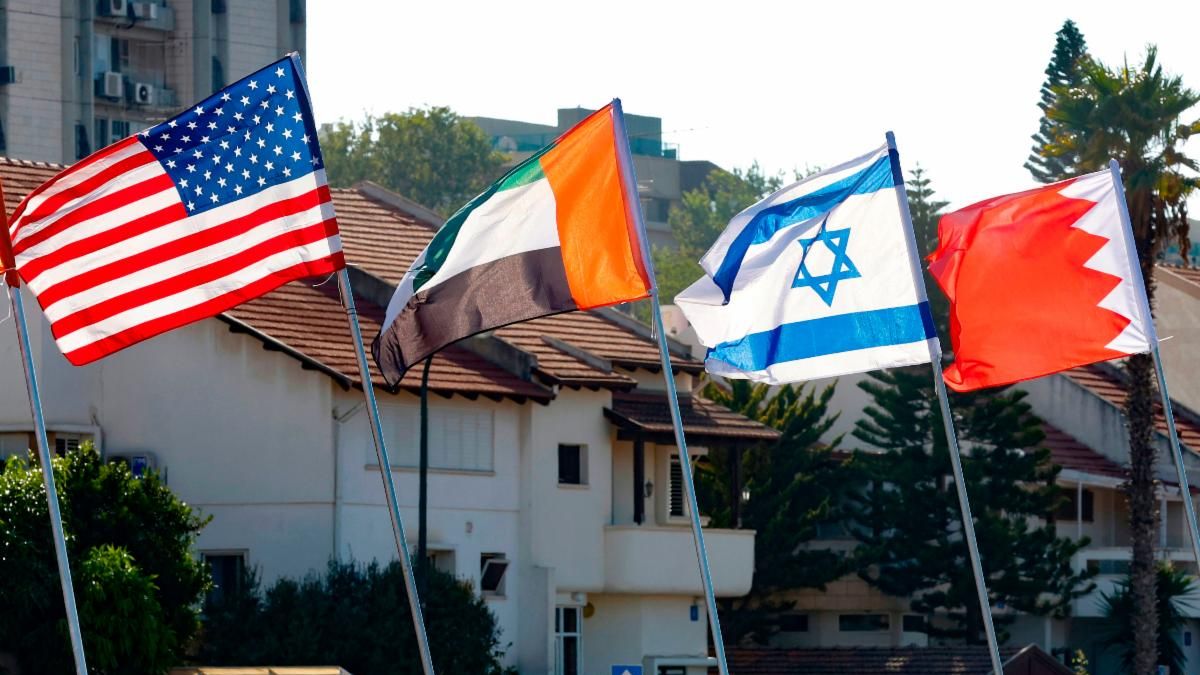
    The synergies between the Gulf and the eastern Mediterranean theaters have grown substantially in recent years. Speaking at a meeting in Paphos, Cyprus in mid-April 2021 with his counterparts from Greece and Israel, as well as the former minister of state for foreign affairs of the UAE (now an advisor to the UAE president), the Cypriot foreign minister noted, “The evolving web of regional cooperation is creating a new narrative.” A week later, the UAE and Israeli fighter jets flew together publicly — for the first time — in an international aerial exercise hosted by Greece. How can we explain the signs of growing cooperation between these actors that seemingly operate in close but not completely overlapping arenas?

    Cultural heritage diplomacy needs to be part of Biden’s Turkey outreach
    Photo: ​hy.wikipedia user Rob, GFDL, via Wikimedia Commons
  • Analysis
  • Cultural heritage diplomacy needs to be part of Biden’s Turkey outreach

    In his statement commemorating the Armenian Remembrance Day on April 24, President Joe Biden said, “We honor their story. We see that pain. We affirm the history. We do this not to cast blame but to ensure that what happened is never repeated.” Biden’s recognition of the Armenian Genocide, following similar steps by the House of Representatives and Senate in 2019, has strained U.S.-Turkish ties even further at a time when bilateral relations are at an all-time low. Although there is little room for reconciling Washington’s and Ankara’s conflicting takes on history, cultural heritage diplomacy offers the Biden administration a positive agenda to engage receptive stakeholders in Turkey to strengthen pluralism and social inclusion.

    May 25, 2021

    Eye on Niamey: Middle East regional powers vie for influence in Niger
    Photo by Arda Kucukkaya/Anadolu Agency via Getty Images
  • Analysis
  • Eye on Niamey: Middle East regional powers vie for influence in Niger

    Due to its relatively stable political institutions, geographic proximity to Libya, and UNSC seat, regional powers in the Middle East are competing for influence in Niger. Egypt and the UAE are trying to counter Turkey’s growing economic and security cooperation with Niger, Saudi Arabia and Iran wish to leverage its UNSC voting power, and Israel is testing the waters for a potential normalization of diplomatic relations. These rivalries are poised to intensify, as the Sahel’s geostrategic significance continues to expand.

    May 20, 2021

    Hezbollah's regional challenge
    Middle East Institute
  • Podcast
  • Hezbollah's regional challenge

    Hanin Ghaddar and Kasra Aarabi join host Alistair Taylor to discuss the challenges Hezbollah poses to the region and its key role in Iran’s proxy network, which spans from Iraq to Syria and Lebanon to Yemen.

    May 20, 2021

    CAATSA sanctions are hurting Turkey’s military readiness at a time when NATO can’t afford it
    Photo by Aytac Unal/Anadolu Agency/Getty Images
  • Analysis
  • CAATSA sanctions are hurting Turkey’s military readiness at a time when NATO can’t afford it

    On Dec. 14, 2020, the Trump administration sanctioned Turkey’s Presidency of Defense Industries (SSB), along with key individuals involved in the purchase of the Russian–made S-400 surface-to-air missile system. The sanctions were issued under the 2017 Countering America’s Adversaries Through Sanctions Act (CAATSA), a law intended to punish Russia for a wide range of malign activities.

    May 6, 2021

    “Death by a thousand cuts”: Syrian refugees face dire conditions as Lebanon unravels
    Photo by Marwan Naamani/picture alliance via Getty Images
  • Analysis
  • “Death by a thousand cuts”: Syrian refugees face dire conditions as Lebanon unravels

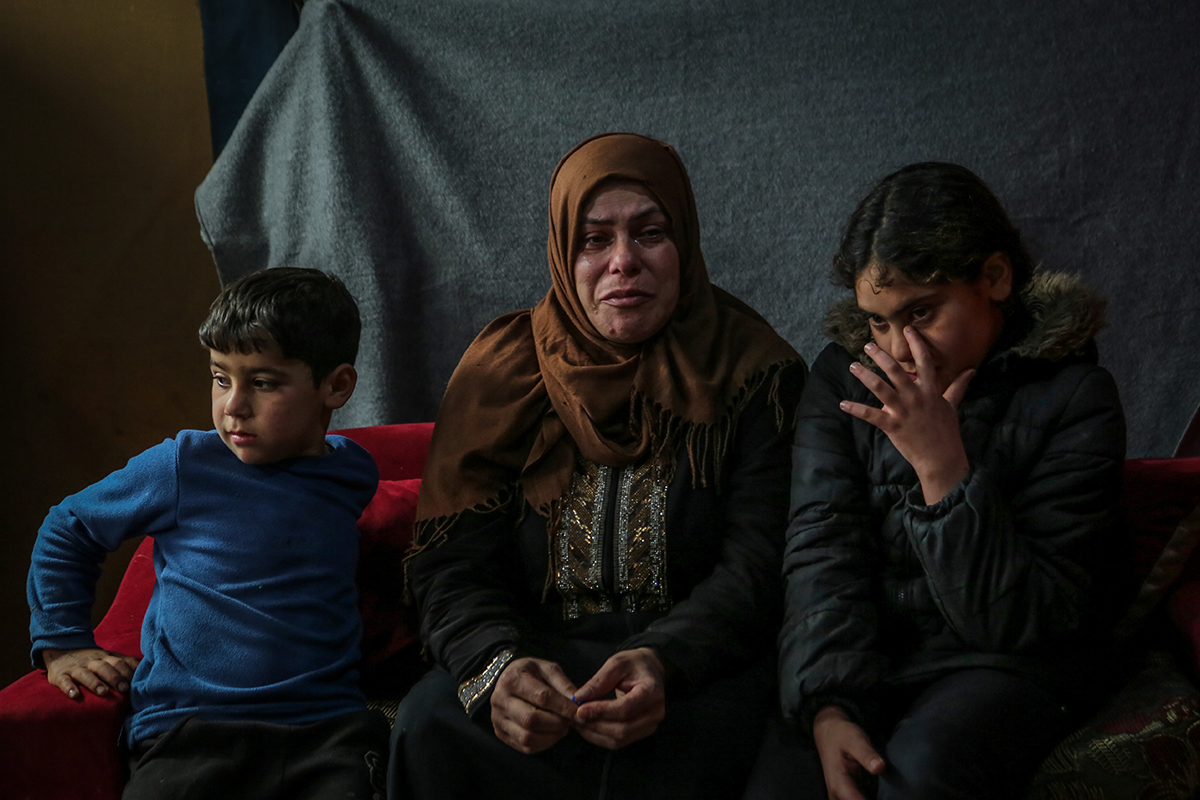
    Syrian refugees in Lebanon are now in a state of legal limbo and have been pushed further to the margins of society and into the arms of smugglers and profiteers as they, along with most Lebanese, desperately try to survive in a country described by one of its own political leaders as a sinking ship.

    May 3, 2021

    Freedom of speech in Lebanon is under threat
    Photo by Hussam Chbaro/Anadolu Agency via Getty Images
  • Analysis
  • Freedom of speech in Lebanon is under threat

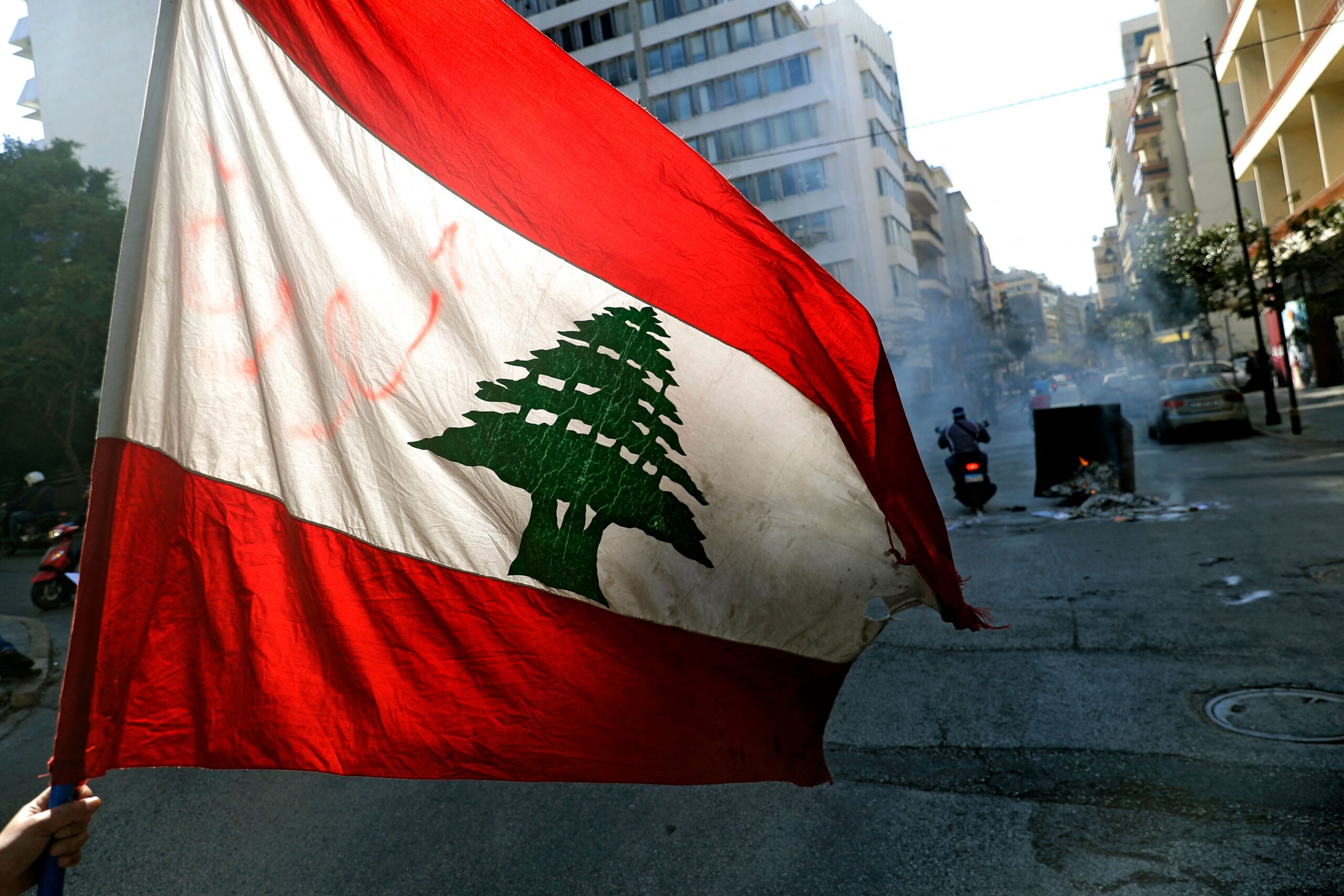
    Journalists, media workers, and activists in Lebanon — especially critics of the ruling elite and established political parties — are coming under increasing threat both by private parties, with the authorities unwilling or unable to protect them, and directly by government authorities, often with impunity.

    May 3, 2021